
Fig Leaves Dropping Now Doesn’t Mean Your Tree Is Dying – 13 Things To Do After The Last Harvest
You walk outside one cool morning and find a pile of big yellow fig leaves on the ground, and your stomach drops. Good news: your fig tree is not dying.
It is simply getting ready to rest for winter, just like maples and oaks do. What you do in the next few weeks can decide whether you get a basket of sweet figs next summer or a sad, frozen stick.
1. Stop Fertilizing
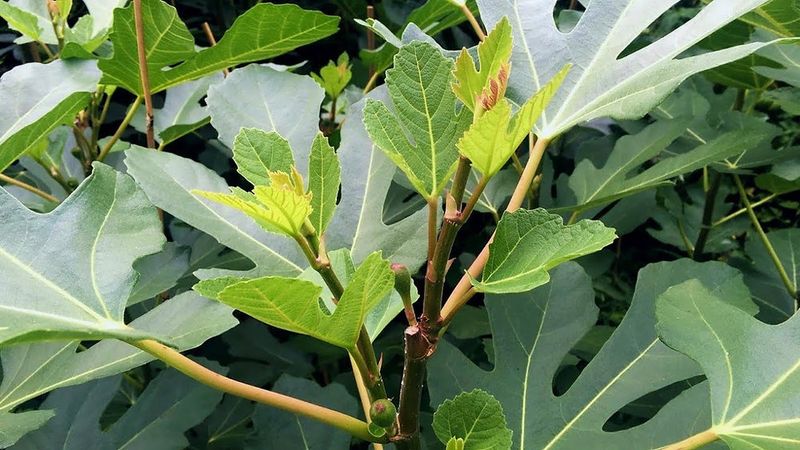
Picture feeding a big dinner to someone who is already climbing into bed. That is basically what happens when you fertilize a fig tree in fall.
Your tree is winding down, and extra food only confuses it.
Fertilizer, especially the high-nitrogen kind, pushes out soft new shoots. Those tender stems have no time to harden before the first frost, so they freeze, turn black, and can open the door to disease.
You end up with damage that you caused by trying to help.
So once you pick that final fig and nights start feeling crisp, put the fertilizer away. Your tree has already stored the energy it needs in its roots and branches.
It will not need another meal until you see fresh green buds swelling in spring.
A simple trick is to write a note on your calendar for early spring that says “feed the fig.” That way you will not forget, and you will not be tempted to sprinkle a little extra out of worry this fall.
2. Reduce Watering Gradually
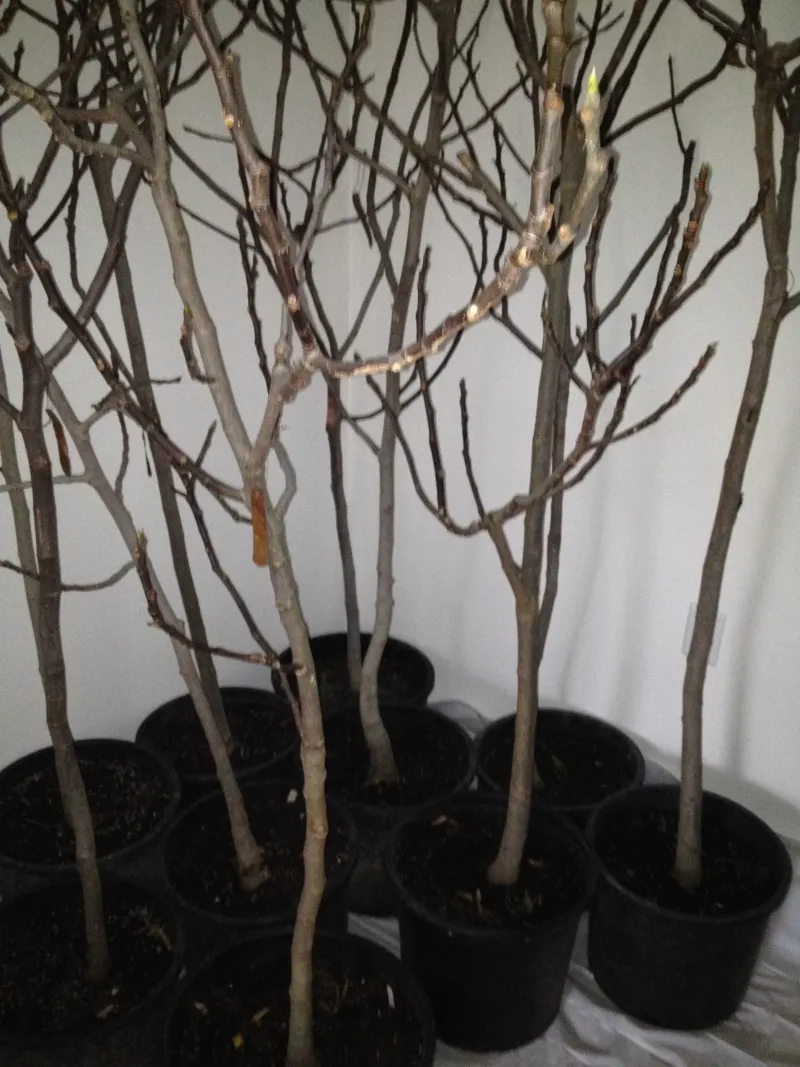
Here is a mistake plenty of loving gardeners make: they keep watering on the summer schedule all the way into November. A fig with no leaves barely drinks.
Soggy soil around a sleeping tree can lead to root rot, which is far more dangerous than a little dryness.
Cut back slowly as the leaves fall. For in-ground trees, rain usually handles the job unless your fall is very dry.
Push a finger a couple of inches into the soil, and only water if it feels dry deeper down.
Potted figs need a bit more attention because containers can dry out completely. Once the tree is dormant and stored, a light drink about once a month is often enough.
The goal is soil that is barely moist, never wet and never bone dry.
Think of it as keeping the roots alive, not keeping the tree growing. Less is truly more right now.
3. Clean Up Around the Base
Those fallen leaves may look harmless, even pretty. Unfortunately, they can be a cozy winter hotel for trouble.
Fungal spores and insect eggs love to hide in damp leaf piles.
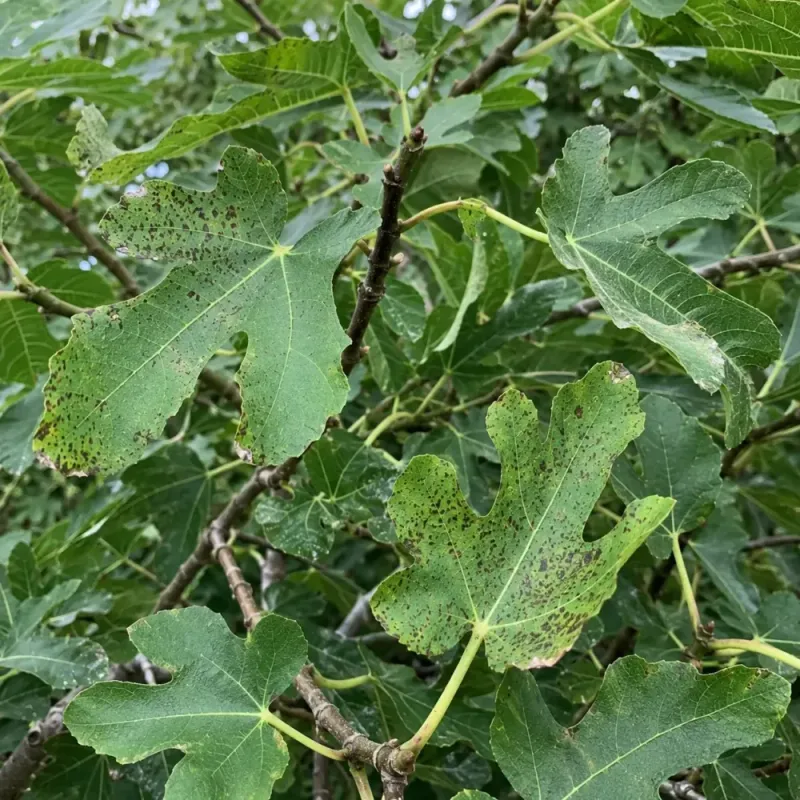
Fig rust is a good example. It shows up as small rusty-orange spots on leaves and can cause early leaf drop.
The spores can linger on old foliage, so leaving those leaves under the tree may help the problem come back next year.
Grab a rake and clear everything away from the trunk, including spoiled fruit and twigs. If any leaves looked spotty or diseased, bag them up and put them in the trash instead of the compost pile.
Healthy-looking leaves can go to compost or be shredded for other beds.
It takes maybe twenty minutes. That small chore can reduce the number of pests and diseases waiting for your tree when it wakes up, which means fewer headaches next summer.
4. Remove Remaining Unripe Fruit
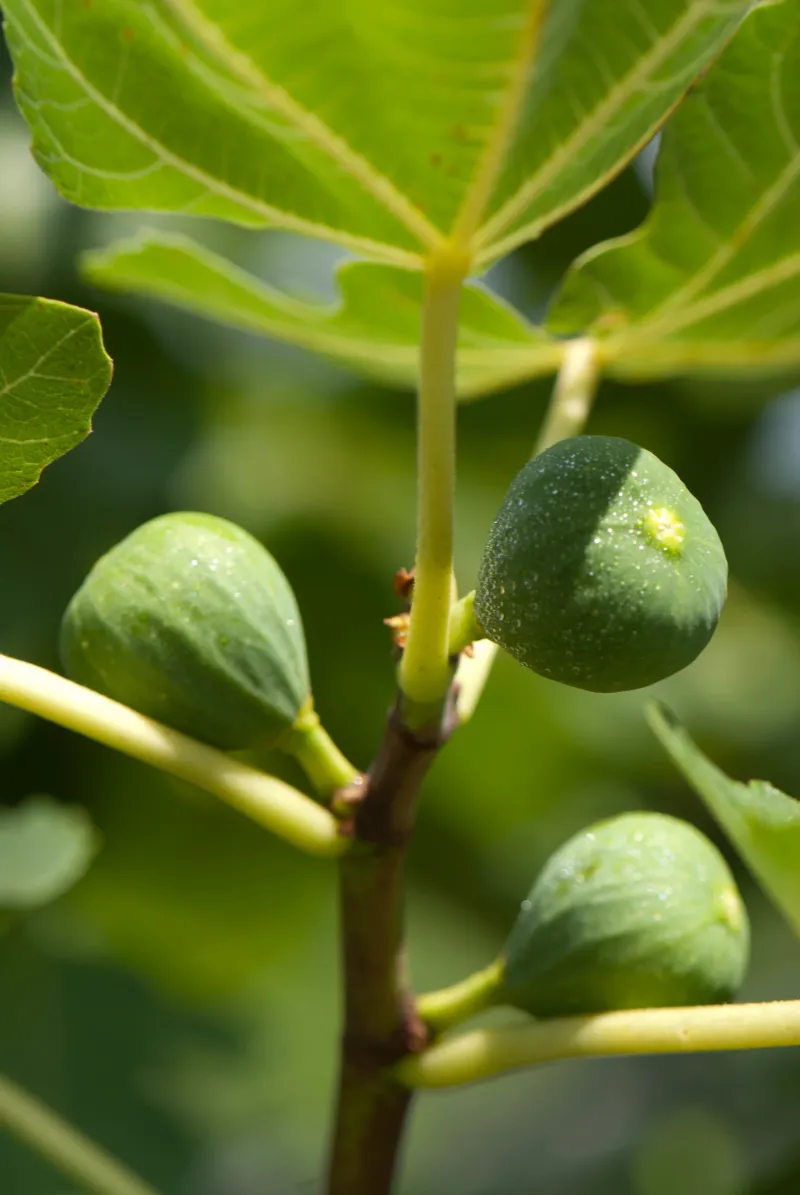
Every fig grower knows the heartbreak. A dozen little green figs are still hanging on when the cold arrives, and you keep hoping they will ripen.
Sadly, they will not.
Figs need warmth to finish ripening, and once temperatures drop, those hard green fruits just sit there. Eventually they shrivel, mold, or turn mushy.
Rotting fruit can attract pests and invite fungus right onto your branches.
Pick them off by hand or snip them with clean scissors. Toss them in the compost or trash.
Some growers do keep the tiny pea-sized figs at the very tips of branches in mild climates, since a few varieties can carry them into an early spring crop, but larger unripe ones are a lost cause.
Fun fact: a fig is not technically a fruit at all. It is actually a cluster of tiny flowers turned inward, which is why you never see a fig tree blooming.
5. Prune Dead or Diseased Branches
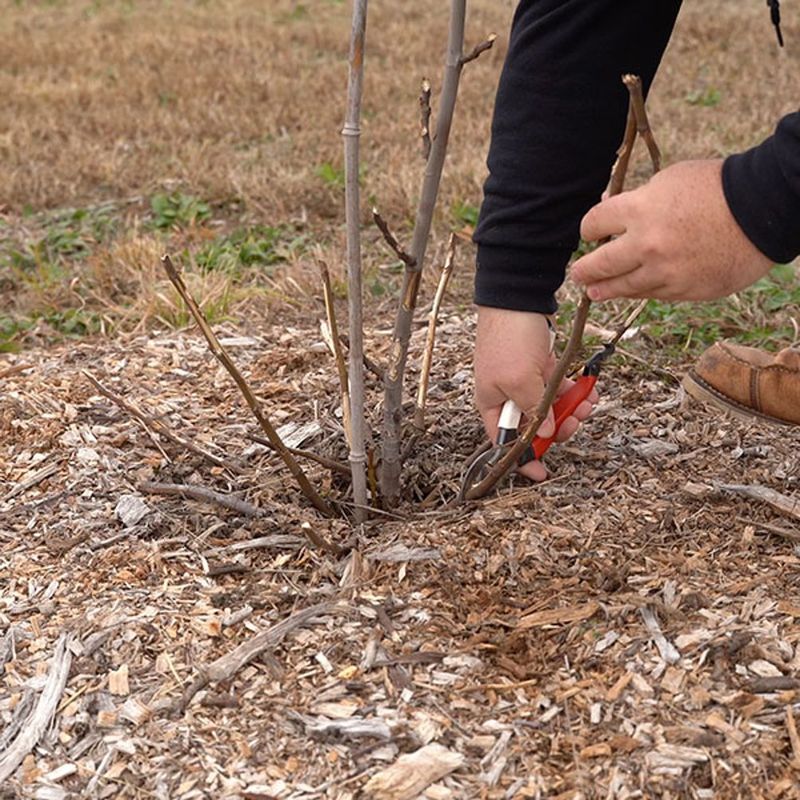
With the leaves gone, you finally get a clear look at the bones of your tree. That makes fall a great time to spot branches that are clearly done for.
Dead wood is usually gray, brittle, and snaps easily.
Look for anything cracked, broken by storms, or showing sunken dark patches that might signal disease. Cut these back to healthy wood, just outside the branch collar, which is the slightly swollen ring where a branch meets a larger limb.
Clean your shears with rubbing alcohol before you start and between cuts on sick branches. This simple habit helps keep disease from hitching a ride to healthy parts of the tree.
One quick heads-up: fig sap is milky and can irritate skin. Wear gloves and long sleeves while you work, especially if you have sensitive skin.
Your tree will thank you, and so will your arms.
6. Consider Light Pruning for Shape and Size
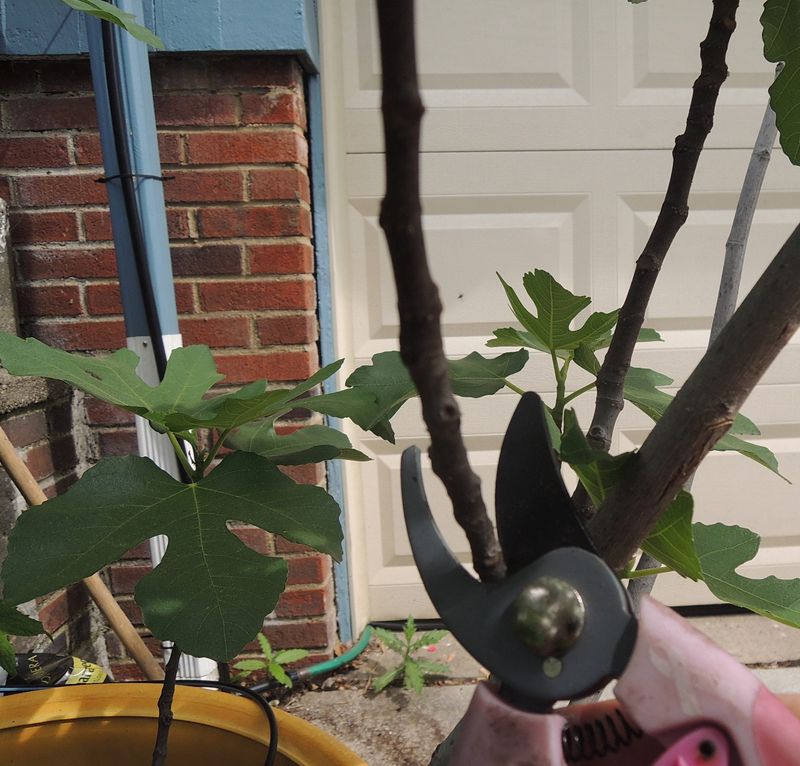
Maybe your fig has turned into a monster that blocks the walkway. Or maybe half the fruit grew so high you needed a ladder and a prayer.
A little shaping now can fix that.
Keep it light. Remove crossing branches that rub against each other, thin out crowded spots so air and sunlight can reach the center, and shorten a few overly tall limbs.
Aim to take no more than about a quarter of the tree.
Why be gentle? Many fig varieties produce their early crop, called the breba crop, on last year’s wood.
Cut too much, and you could be snipping off next summer’s first figs. In very cold areas, many growers wait until late winter to do heavier shaping so they can remove any freeze damage at the same time.
Step back often while you prune. It is surprisingly easy to get carried away.
7. Mulch the Base of In-Ground Trees
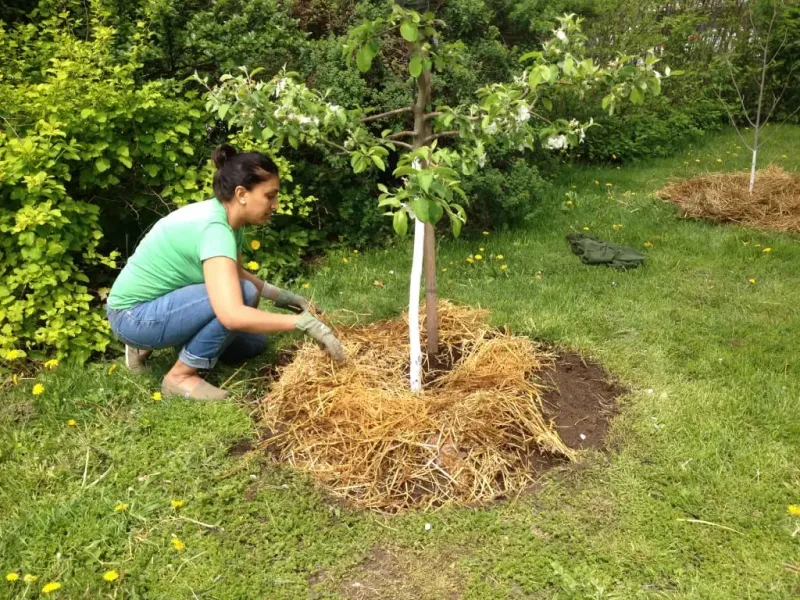
Roots are the insurance policy of a fig tree. Even if the top freezes badly, healthy roots can push up new shoots in spring.
Protecting them is one of the smartest things you can do.
Spread a thick layer of straw, shredded leaves, or wood chips around the base of in-ground trees. In mild areas, a few inches does the trick.
In colder zones, many growers mound mulch a foot or more deep around the lower trunk to shield the crown.
Spread it out wide, at least to the edge of where the branches reach if you can. That covers more of the root zone.
In spring, pull the mulch back from the trunk so the soil can warm up and the bark can breathe.
Shredded fig leaves from healthy trees work well here too. Just skip any that showed rust spots.
8. Prepare Container Figs for Indoors
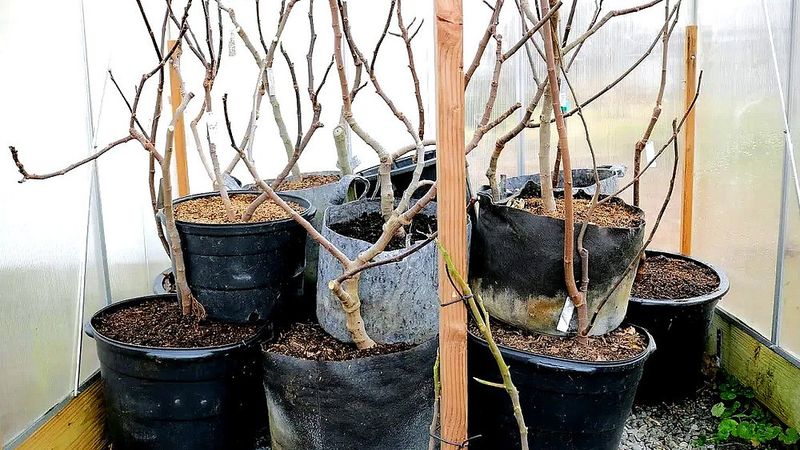
Potted figs are a little more fragile than their in-ground cousins. Roots in a container sit above ground, so cold air hits them from every side.
A hard freeze can do serious damage fast.
The fix is easy. Once your tree has dropped most of its leaves, move it into a cool, sheltered spot like an unheated garage, basement, or shed.
You want temperatures above freezing but cool enough that the tree stays asleep, roughly in the 30s to 40s Fahrenheit.
It does not need light while dormant, which surprises a lot of people. A dark corner is perfectly fine.
Avoid heated living rooms, since warmth can trick the tree into waking up too early.
If the pot is heavy, a plant dolly saves your back. Move it before the first hard frost hits rather than waiting until the night of a cold snap.
9. Insulate Potted Trees if Indoor Area May Freeze
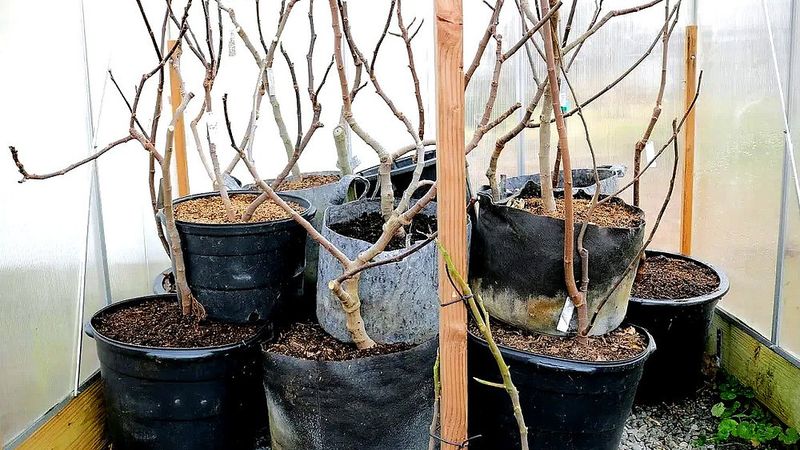
Not every garage stays above freezing. Some get downright frosty during a January cold snap.
If yours is one of them, your fig’s roots need a jacket.
Wrap the pot in bubble wrap, burlap, or an old moving blanket. Focus on the container itself, because the root ball is the most vulnerable part.
You can also set the pot on a piece of wood or foam board so it is not sitting directly on cold concrete.
Another clever trick is grouping several pots together and tucking straw or bags of leaves around them. They share warmth that way.
Placing them against an inside wall that touches the house can help too.
A cheap thermometer in your storage spot gives you peace of mind. If you see it dipping into the low 20s often, add more insulation or move the tree somewhere slightly warmer.
10. Protect In-Ground Trees in Colder Climates (Below 25°F)
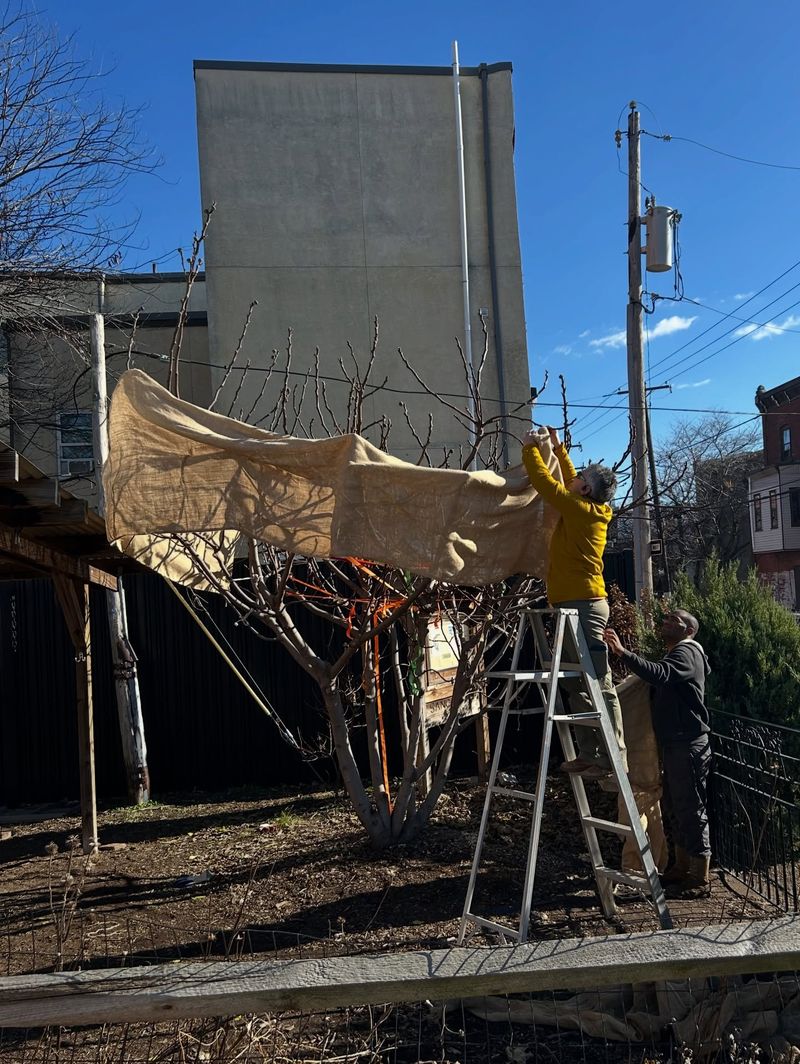
Grandparents in old Italian neighborhoods across the Northeast were famous for wrapping their fig trees every fall. Some even buried them in trenches.
That tradition exists for a reason.
If your winters regularly drop below about 25 degrees Fahrenheit, an unprotected fig can lose much of its top growth. Start by gently pulling the branches together and tying them with soft twine.
Then wrap the bundle in layers of burlap, old blankets, or similar material, and secure everything so wind cannot rip it loose.
Leave the top a little open so moisture and air can escape. Trapped humidity can cause mold.
Some gardeners stuff dry leaves inside the wrap for extra warmth.
Wait until the tree is fully dormant and leafless before wrapping. Unwrap in spring once hard freezes are behind you, ideally on a cloudy day so the bark is not shocked by bright sun.
11. Ensure Adequate Dormancy (Chilling Hours)
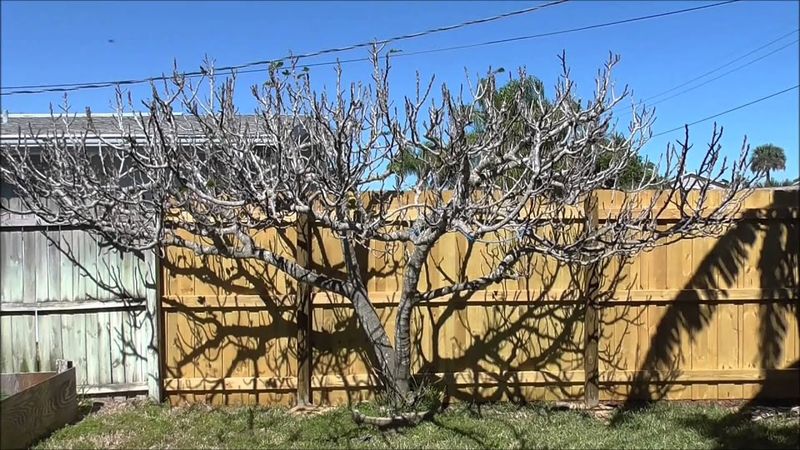
It sounds backward, but your fig actually needs some cold. Like many fruit trees, figs count up chilling hours, which are hours spent at cool temperatures, generally around 32 to 45 degrees Fahrenheit.
They need roughly 100 or more of these to wake up properly and fruit well.
That number is low compared to apples or peaches, which can need hundreds or even a thousand hours. Still, a fig parked in a warm, cozy room all winter may never get its rest.
It might leaf out weakly or produce less fruit.
So resist the urge to baby your tree with warmth. A cool garage or basement gives it exactly what it wants.
Outdoors in most of the US, nature handles chilling hours for you without any effort.
Think of dormancy as a long, deep nap. Skip the nap, and the tree wakes up cranky.
12. Monitor for Pests on Indoor Trees
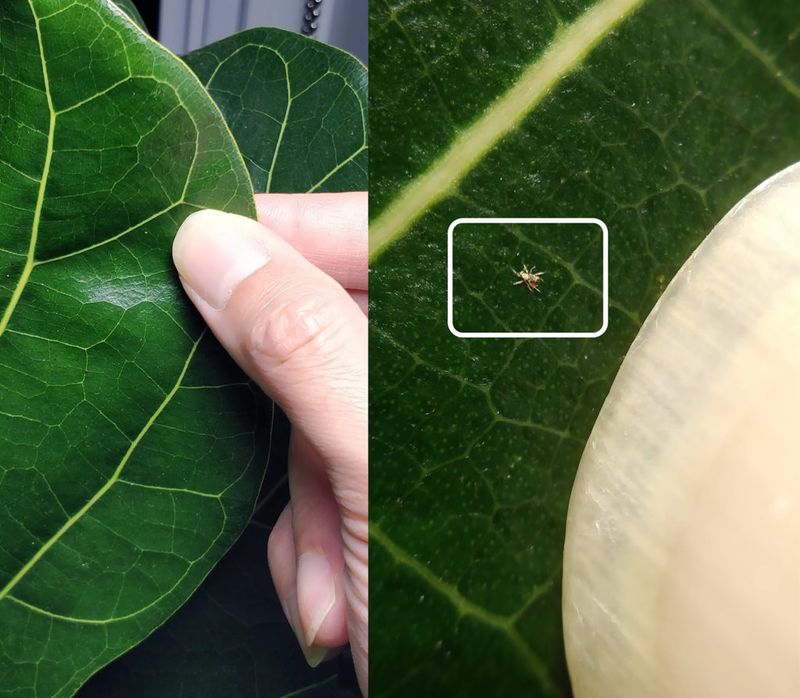
Out of sight should not mean out of mind. Bugs can sneak indoors with your tree and quietly multiply.
Scale insects and spider mites are the usual culprits.
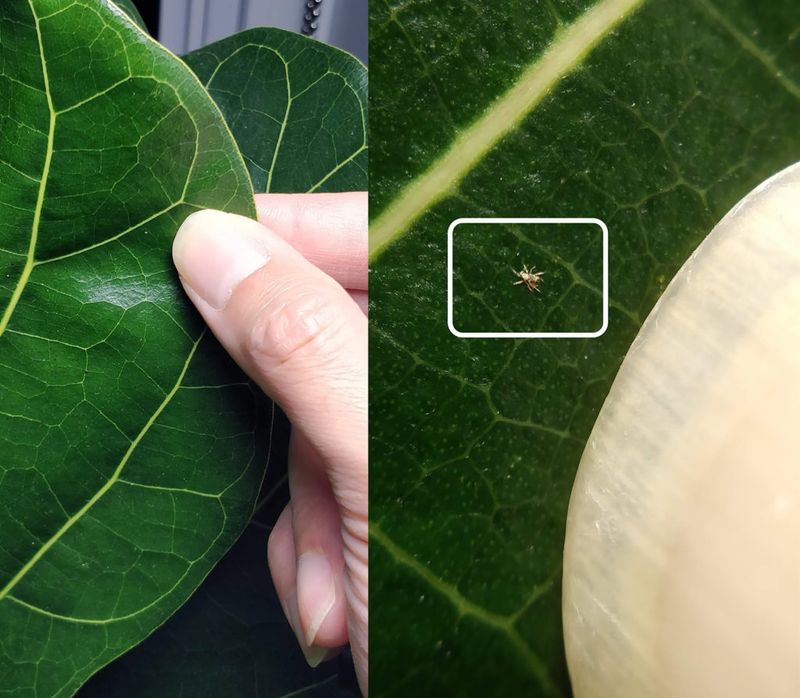
Scale looks like tiny brown or tan bumps stuck to stems, almost like little shells. Spider mites leave fine webbing and are so small you may need a magnifying glass.
Check your tree every few weeks when you water.
Caught early, both are fairly easy to handle. Scrape off scale with a fingernail or a cotton swab dipped in rubbing alcohol.
Horticultural oil or insecticidal soap may help reduce bigger outbreaks, just follow the label carefully for dormant trees.
A quick inspection takes about two minutes. That small habit can save you from a full-blown infestation when spring arrives.
13. Plan for Spring Awakening
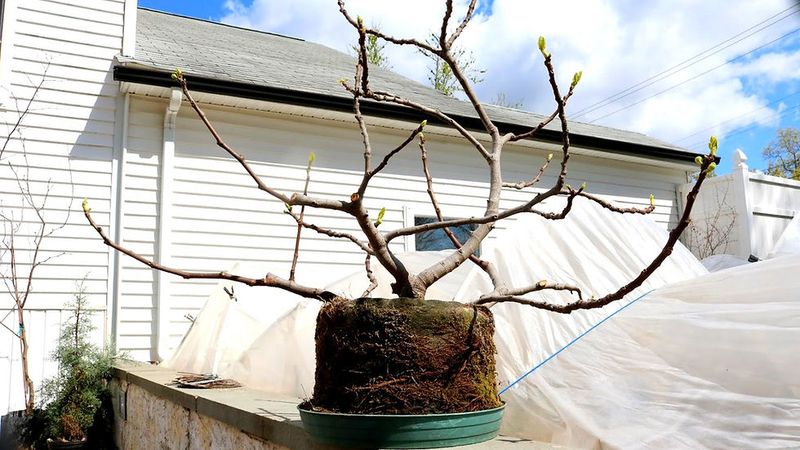
Before you close the garage door for the season, grab a notebook. Jot down what you did this fall: when you moved the tree, how you wrapped it, how often you watered.
Next year, you will be glad you did.
Spring is when your efforts pay off. Once frost danger has passed in your area, bring potted figs back outside slowly.
Start with a few hours of shade, then gradually add more sun over a week or two so the new leaves do not scorch.
For wrapped in-ground trees, remove the covering gradually too. Watch for green buds swelling along the branches, and only then trim away anything that stayed brown and brittle.
Remember those dropping leaves that scared you in fall? They were just the first step in a natural cycle.
With a little care now, your fig can come back strong and loaded with sweet fruit.