
Those Mole Tunnels Ridging Your North Carolina Lawn This Fall Point To Healthy Soil Underneath
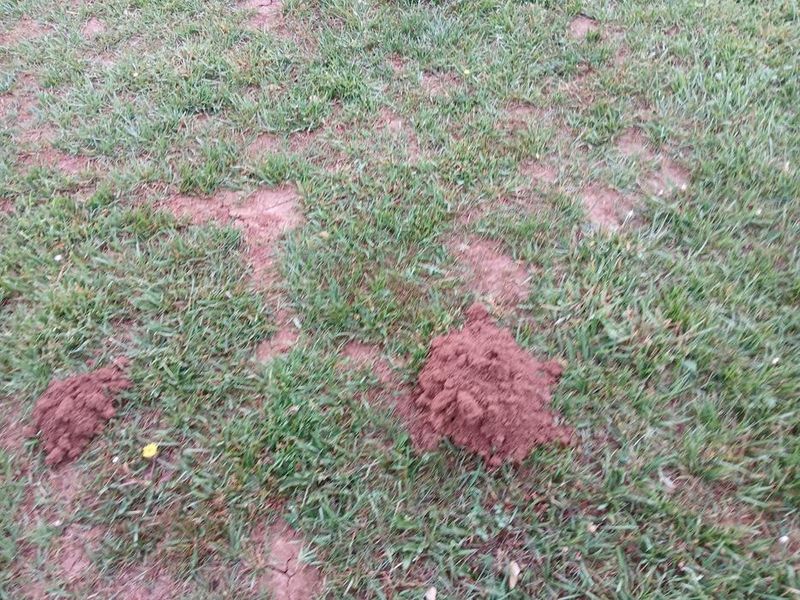
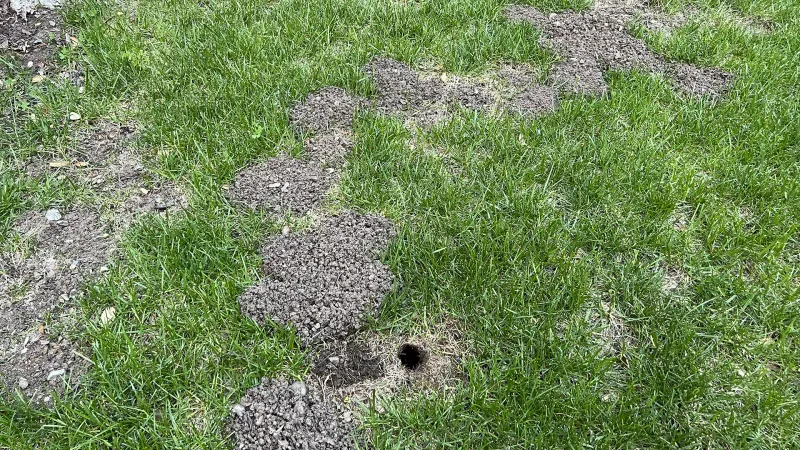
Those raised, winding ridges across your fall lawn can make a tidy yard look like a construction zone. They are made by a small animal hunting for food just below the grass.
Tunnels can tell you something, but not as much as people often claim. Knowing what they really mean can save your turf, your money, and the wildlife that shares your yard.
The ridges show foraging, not a soil test
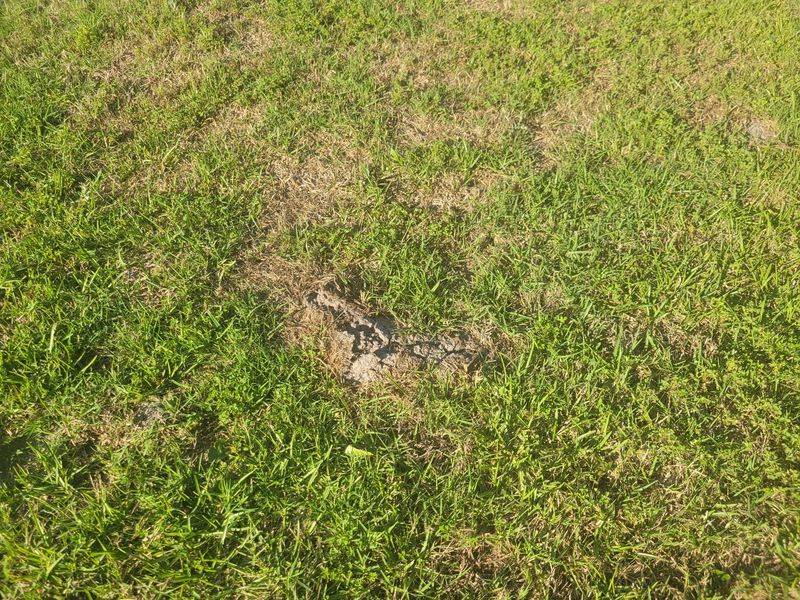
Walking out to find a raised, squiggly line across your grass is frustrating. It feels like something is wrecking all your hard work.
Still, that ridge is a useful clue, as long as you read it correctly.
A surface ridge shows that a mole is moving and foraging just under the turf. It does not prove your soil is healthy, and it does not prove your lawn is packed with grubs.
Think of it as a footprint, not a lab report. NC State Extension notes that moles may loosen soil, but that their tunneling can also damage turf and disturb plants.
Both things can be true at once.
Timing matters too. Extension staff report that mole activity is often most noticeable in fall and early spring.
That seasonal pattern is simply when many North Carolina homeowners spot the ridges. It does not tell you what the mole found to eat, or that anything newly hatched is behind the digging.
So the first job is to set aside the idea of a soil verdict. A tunnel is a wildlife sign.
Soil health is something you would need to judge in other ways, and the next sections explain what moles actually hunt and what you should do about it.
What is a mole finding beneath the lawn?
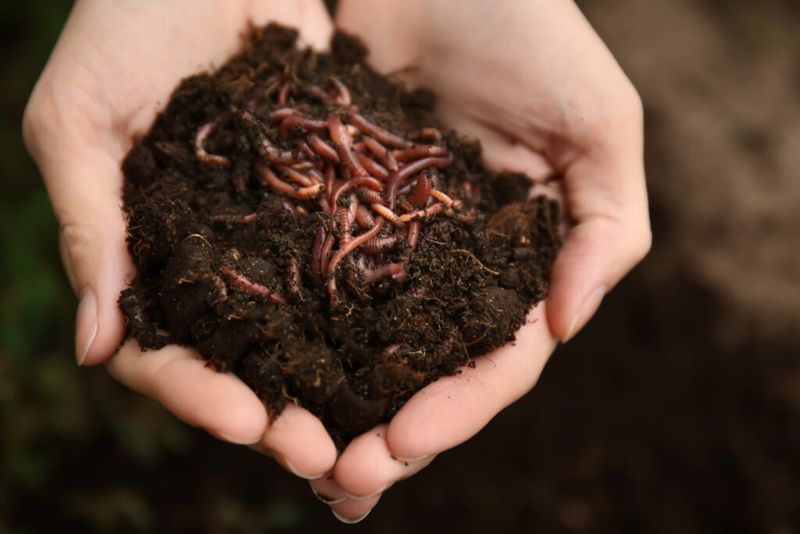
Under a North Carolina lawn, a mole is looking for a meal. Its menu is mostly earthworms and soil-dwelling insects, and grubs are one item among several.
A ridge cannot tell you which of those prey the animal ran into, or how many are down there.
That is why the common line that moles mean you have grubs is true but incomplete. The NC State Extension Gardener Handbook describes a varied diet, so a mole could be tunneling toward worms and never touch a grub.
Another myth is that moles chew up roots, bulbs, and tubers. They generally do not eat those.
The trouble comes from the digging itself, since tunnels can push plants up, loosen roots from the soil, and leave grass drying out along a ridge.
If your tulip bulbs vanished, look for a different culprit, such as voles, which often use mole runs. Seeing damaged plants beside a tunnel does not mean the mole ate them.
It may simply have pushed through the root zone on its way to dinner.
Earthworms can benefit turf without proving soil health
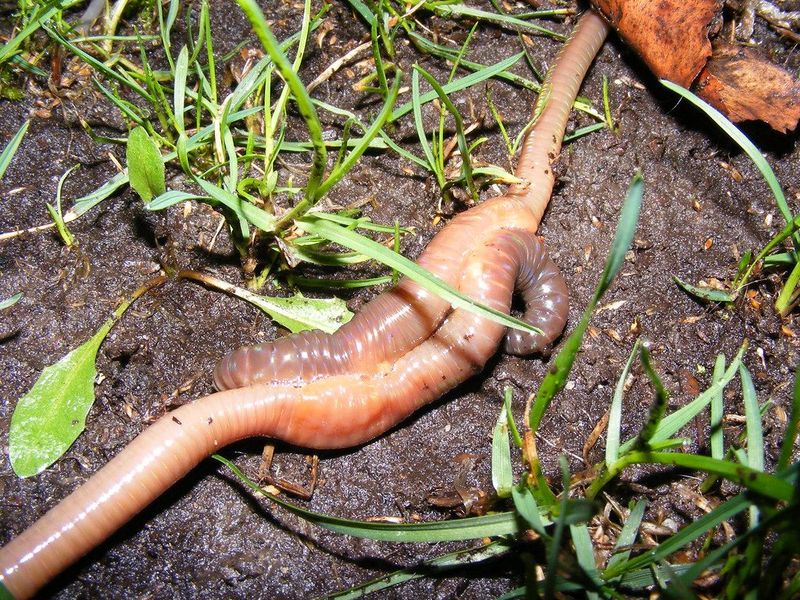
Earthworms get a good reputation, and in turf they have earned part of it. According to NC State Extension, they can support aeration, help water soak in, and add organic matter to the soil.
For a lawn that gets compacted, that is real help.
Here is where the limits come in. Seeing mole activity does not tell you how many earthworms live in your yard.
Moles may be hunting worms, insects, or both, and a single tunnel cannot sort that out.
Earthworms are also only one piece of the picture. A lawn with plenty of worms can still have poor drainage, thin grass, or the wrong pH.
Soil quality depends on texture, nutrients, compaction, and more, so worms alone are not a full report card.
There is a flip side as well. NC State notes that very high earthworm populations can disrupt turf roots, which can leave the ground bumpy or uneven.
More is not always better.
If you want to know what is going on below your lawn, a soil test through your local Extension office will tell you far more than a mole run ever could.
Does a fall tunnel mean grubs are damaging the lawn?
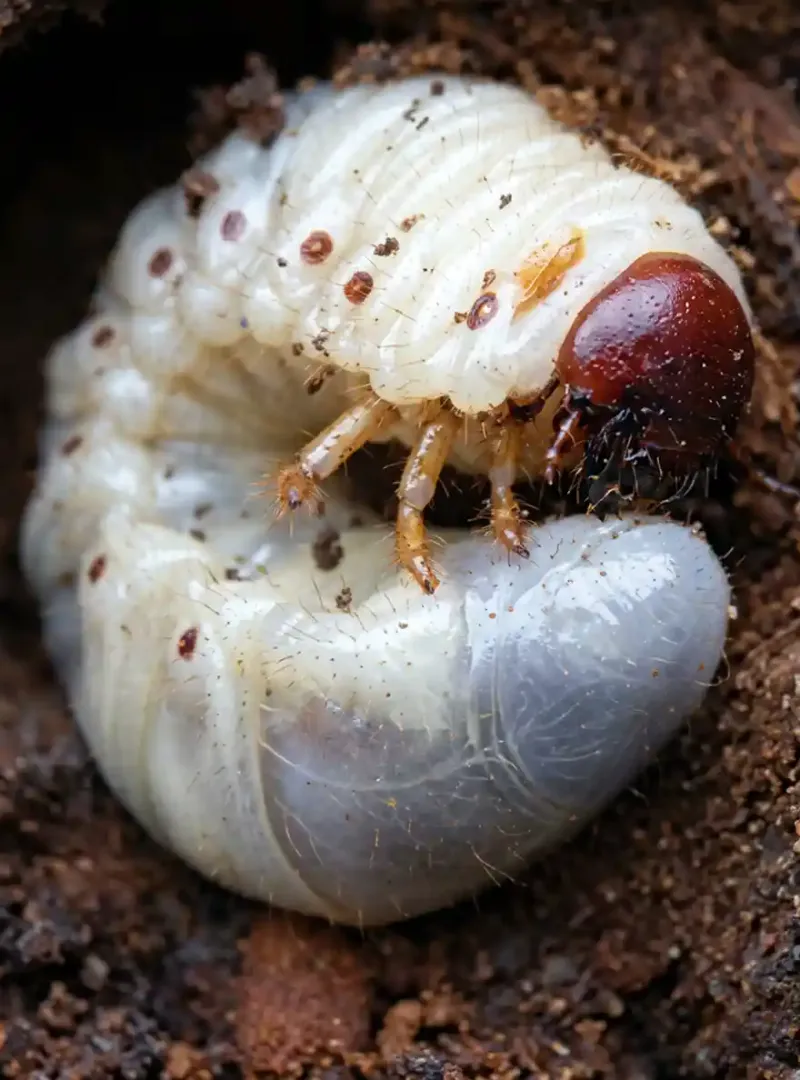
Short answer: no. Moles eat several kinds of prey, tunnels do not identify which one, and grub timing changes with species and location. A fall ridge is not a grub alarm.
Please hold off on grub insecticide just because tunnels showed up. NC State’s white grub guidance says treatment should match active feeding, grub species, location, and the product label.
It also says timing varies across the state, with mountain applications generally later than eastern ones. Active grub feeding is placed roughly from August through October, but that does not mean fall tunnels are caused by grubs.
Extension staff in Pender County add that white grubs rarely cause serious lawn damage in the region. They also warn that mole cricket damage is easy to mistake for grub damage.
Mole crickets are root-feeding turf pests, so they can leave dying patches that look a lot like a grub problem.
Before reaching for any product, check the actual evidence. Cut a square foot of sod in a thinning area, peel it back, and look at the roots.
Finding grubs feeding on them is a different story from finding only a ridge.
No grubs and no root damage means no grub treatment is needed.
Minor ridges may need only a light touch
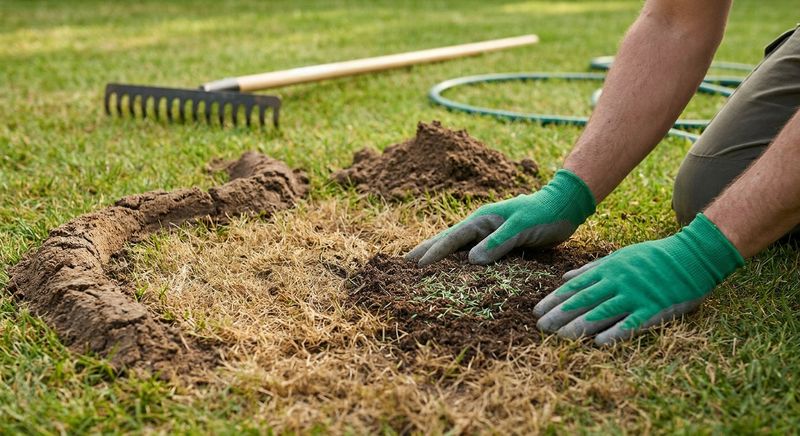
Plenty of mole damage is more of an eyesore than an emergency. If you have a few raised runs, the easiest fix is often a gentle one.
Press the ridge back down with your foot or the back of a rake, and give the grass time.
Extension staff say that for limited damage, tamping down raised areas may be enough, and turf may recover without reseeding. A light watering after tamping can help the roots settle back into contact with the soil.
Do not wave off real harm, though. Tunneling can damage turf and disturb plants, and a heavily worked area may dry out or look patchy.
Walk the yard and judge what you actually see.
A few questions can help. Are the ridges scattered or concentrated?
Is grass browning along them? Are garden plants being pushed out of the ground?
A handful of faint lines is one situation, and a lawn crisscrossed with fresh runs is another.
Start with the lightest response that fits the damage. You can always step up later, but you cannot undo a pesticide once it is in your soil.
Why poisons and grub treatments can miss the mark
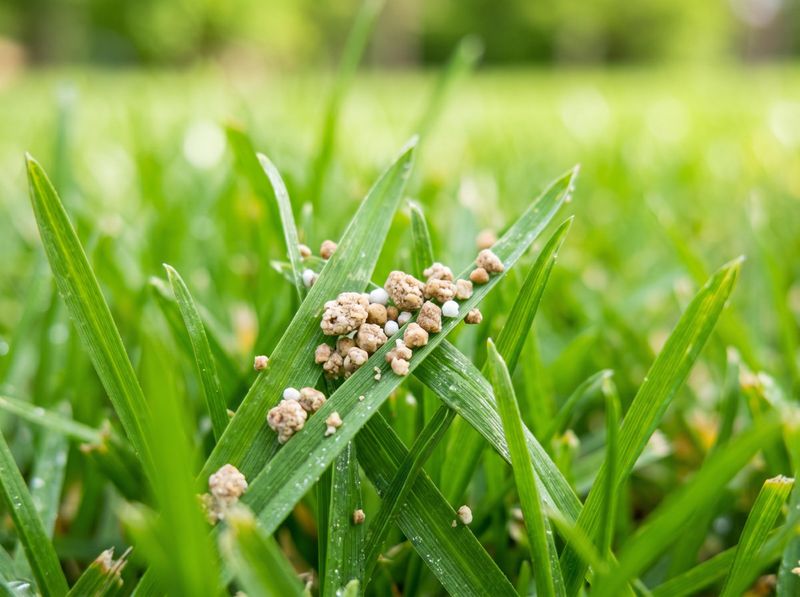
Poison does not always backfire, and that claim is too broad. The real problems are narrower, and they are worth knowing before you spend money.
Some baits are made from grain or peanuts, and those may be a poor match for an animal that mostly eats worms and insects. Penn State Extension notes that poison is not the preferred or reliably effective approach in some guidance.
Pesticides also carry risks for non-target animals. One EPA-registered zinc phosphide mole bait label warns of toxicity to wildlife and requires specific below-ground directions.
Labels are the law, so follow them exactly, and never improvise with household chemicals.
Then there is the idea of killing grubs to starve moles out. NC Extension says broadcast lawn pesticides to reduce mole food are rarely effective and not recommended.
Penn State adds that cutting off food may even prompt more digging before a mole moves on.
Moles also eat worms and other insects, so removing grubs does not remove the menu. Treat grubs only when you have confirmed a real grub problem and a product is appropriate for it, never as a shortcut for mole control.
Birds, box turtles, and pets share your yard, and a careless product can reach them.
Trapping can work, but North Carolina rules matter
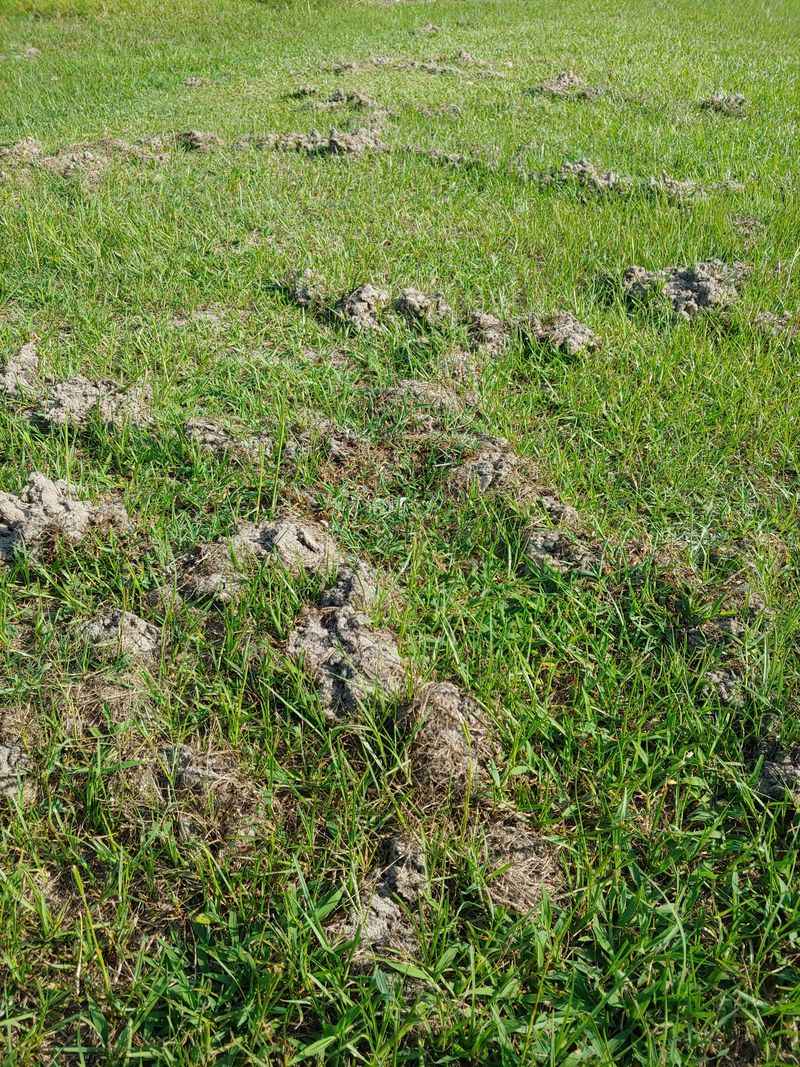
Nothing in the sources suggests that trapping makes mole problems worse. The NC State Extension Gardener Handbook describes trapping as a reliable control when control is truly needed.
The key words are truly needed, so check your damage first.
Success depends on finding an active runway. Press a section of ridge flat, then see whether it is pushed back up within a day or two.
A tunnel that stays flat is probably abandoned, and setting a trap there is a waste.
Rules come before traps. The handbook says a depredation permit is required before trapping eastern and hairy-tailed moles.
NC Wildlife explains permit and trapping-season exceptions, so read its current guidance rather than assuming any trap can be set freely.
Pesticide rules are a separate matter. North Carolina recognizes the star-nosed mole as a species of special concern, and the state statute that allows registered pesticides for other moles expressly excludes it.
That means not every mole can be treated the same way. Identify what you have, and check with the agency or your county Extension office first.
Respond to the damage, not the tunnel alone
Start by reading the ridge as a sign of foraging, not a soil verdict. Next, look over the lawn and decide how much damage is real.
For minor runs, tamp them down and let the turf recover.
If thinning patches appear, check the roots for active grub feeding before treating anything. If control becomes necessary, confirm the species and review current state guidance first.
A tunnel alone never justifies a blanket pesticide. Often the quietest fix is the right one, and the mole will move on.