
Leave Your Opossums Alone – 15 Ways They Quietly Clean Up Your Yard All Fall
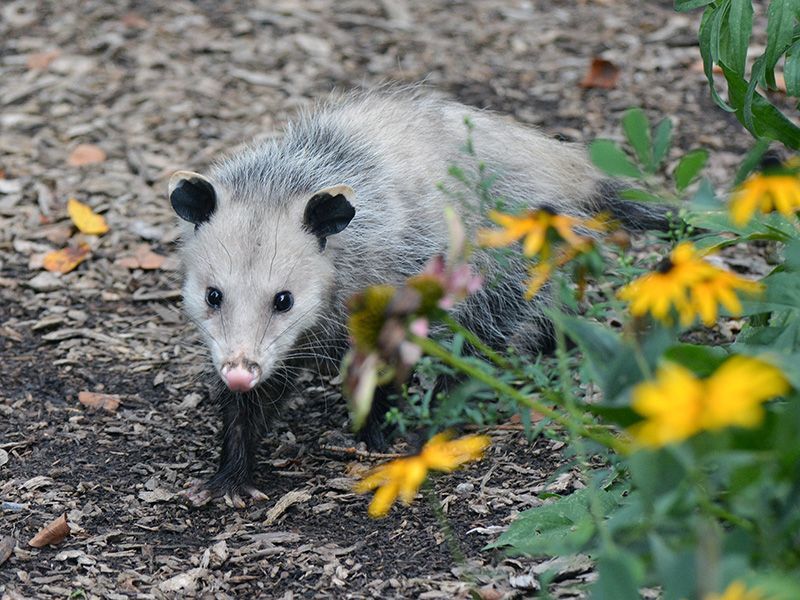
That gray, rat-tailed visitor waddling past your tomato bed at midnight is not out to wreck your garden. Opossums spend every fall night eating up the mess and the pests that cause gardeners the most worry.
They are fattening up for winter, and their menu happens to include many of the things you would rather not have around your plants. Here are 15 quiet jobs they do for free, plus a few honest notes on where the popular claims fall short.
1. Fallen Fruit and Berries
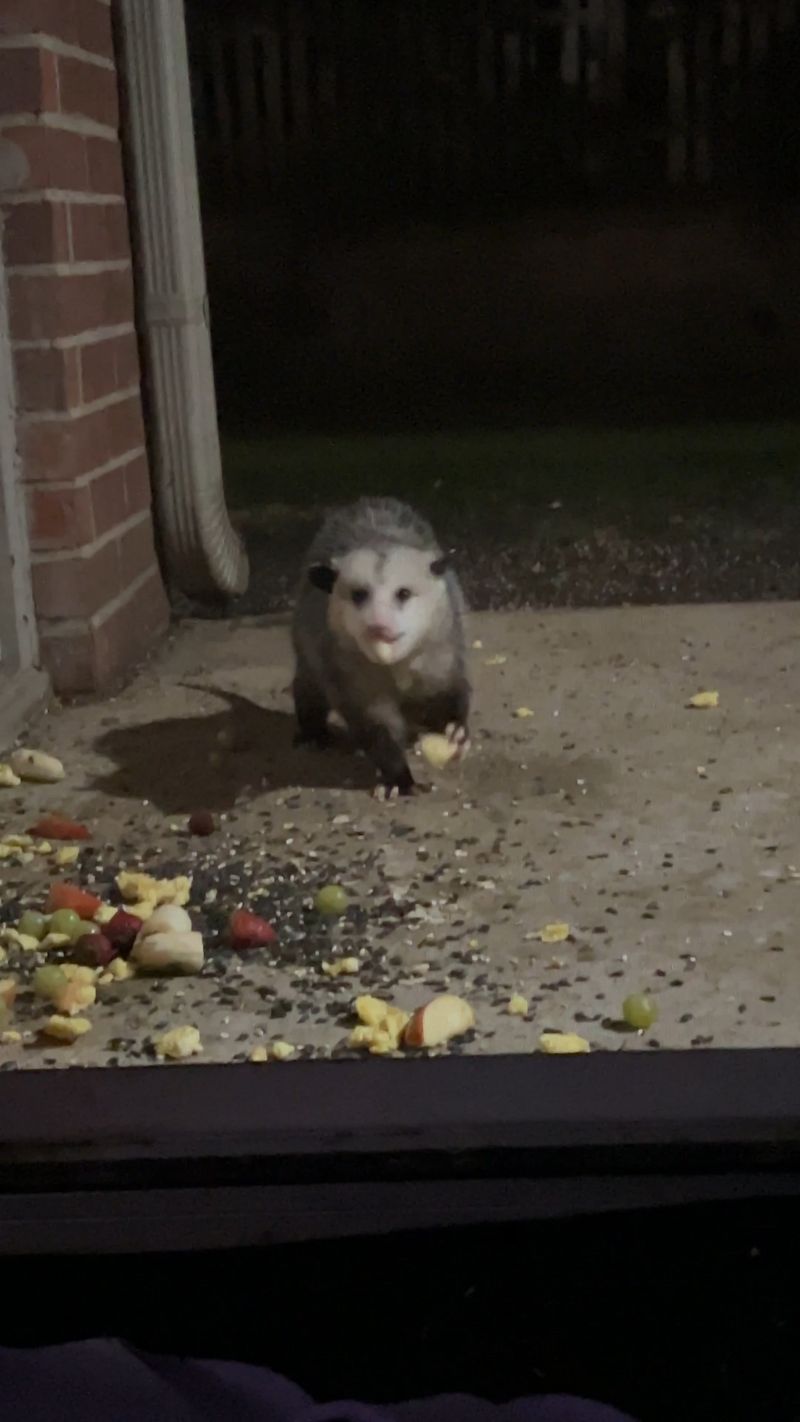
Picture the ground under your apple tree in October: soft, bruised fruit buzzing with wasps by afternoon. An opossum treats that mess like a buffet.
Persimmons, wild grapes, and dropped berries all get cleared away.
They actually prefer fruit that is already overripe or rotting. That matters, because fermenting fruit draws yellowjackets, fruit flies, and even raccoons that may dig in nearby beds.
You still want to pick up the worst of it yourself if you have a lot. But on the nights you miss, your opossum may handle the leftovers before they turn into a pest magnet.
2. Slugs and Snails
Ever walk out to find your hostas or late petunias shredded into lace with silvery trails everywhere? Slugs and snails love cool, damp fall nights, and so do opossums.
These soft-bodied pests make up a real part of an opossum diet. A hungry opossum shuffling along your bed edges can pick off slugs you would never spot in daylight.
It will not wipe them out completely. Pair your nighttime helper with simple habits, like watering in the morning instead of evening, and you may see far fewer chewed leaves.
3. Grasshoppers, Beetles, and Grubs
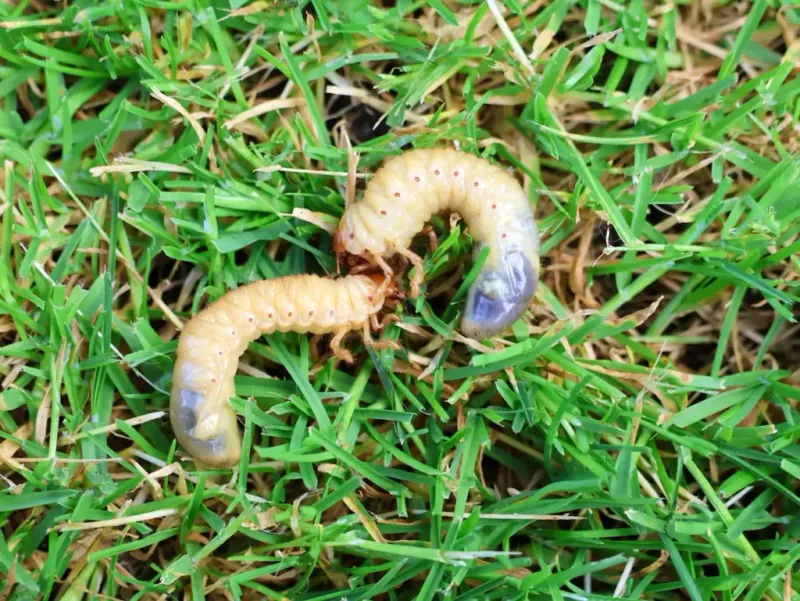
Insects are basically opossum popcorn. Grasshoppers, crickets, beetles, cutworms, and lawn grubs all end up on the menu, and some reports even include fire ants.
Cutworms deserve a special mention. They are the culprits that snip young fall transplants off at the soil line overnight, leaving gardeners convinced they did something wrong.
Opossums forage low and slow, poking through mulch and leaf litter where these bugs hide. You get a little free pest patrol, no spray needed.
4. Mice, Rats, and Voles
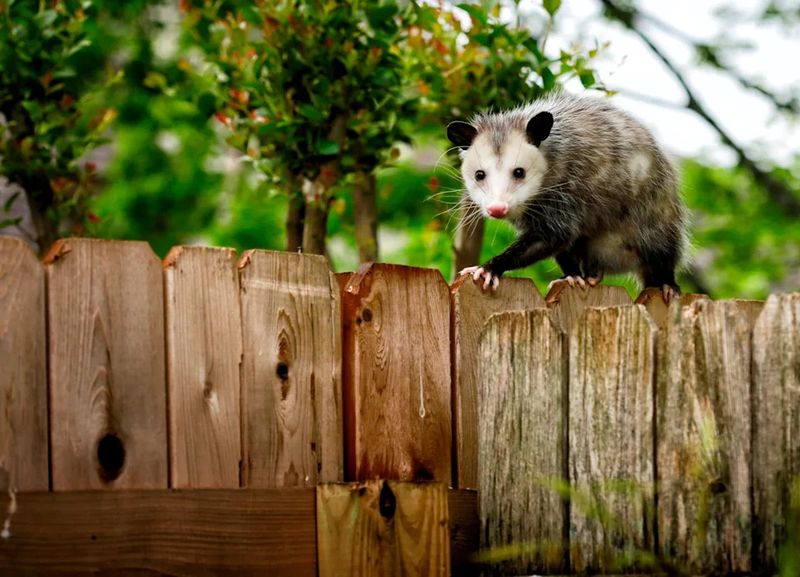
As temperatures drop, mice and voles start looking for cozy spots, and your garden shed or bulb bed is high on their list. Voles in particular can chew roots and tunnel under plants all winter.
Opossums will hunt small rodents, including mice, rats, voles, and shrews. They are not as fast as a barn cat, but they are persistent and out every night.
Think of them as one more layer of rodent control. They can help reduce numbers around your property, especially when combined with tidy storage and sealed feed bins.
5. Carrion Cleanup
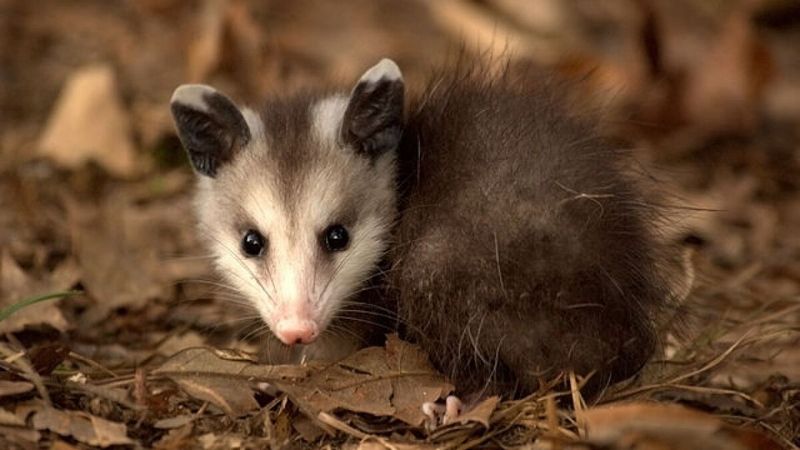
Nobody wants to find a dead bird or squirrel behind the garage. Opossums have earned the nickname nature’s cleanup crew because they eat carrion that others leave behind.
Removing carcasses quickly may help limit the spread of disease and cuts down on flies. It also means fewer bigger scavengers wandering through your beds looking for a meal.
Fun fact: opossums have a body temperature lower than most mammals, which is one reason rabies is rare in them. Your cleanup crew is surprisingly low-risk.
6. Cockroaches
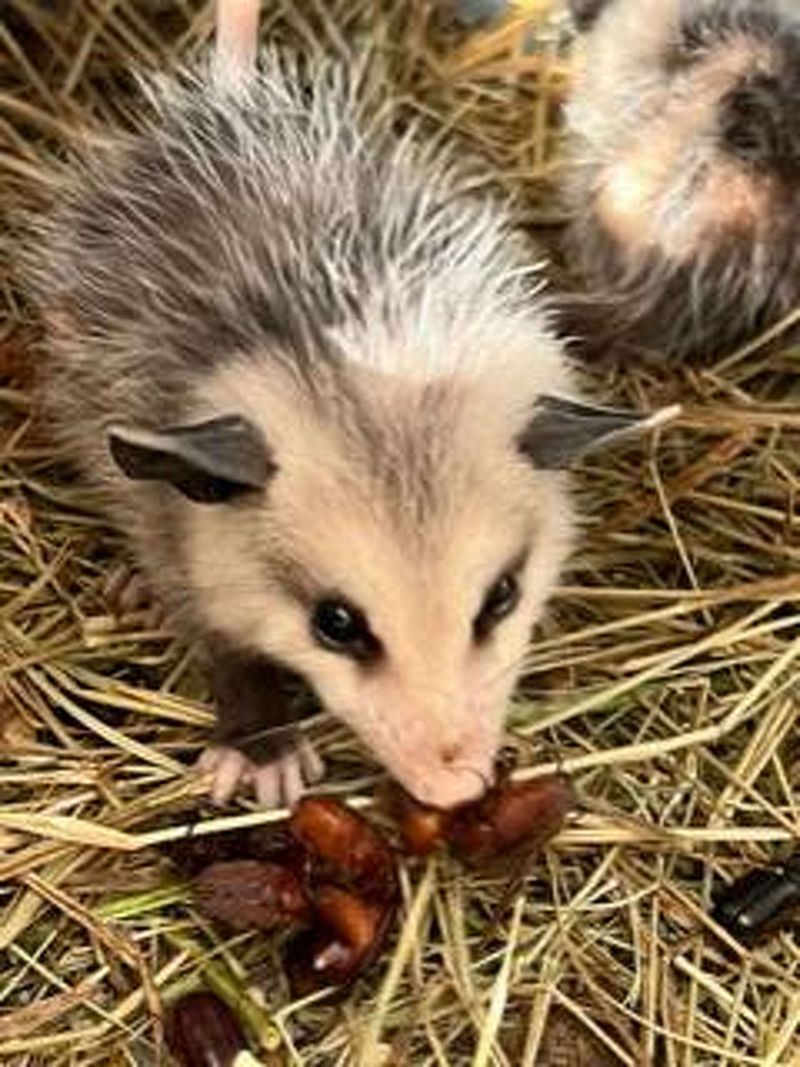
Here is a pest nobody gets sentimental about. Cockroaches hide in mulch, woodpiles, and compost, and in warmer parts of the country they can be busy well into fall.
Opossums eat them happily. A roach crawling across the patio or through your flower bed mulch is simply a snack.
Fewer roaches outdoors may mean fewer looking for a way inside once the weather turns cold. That is a quiet win for both your garden and your kitchen.
7. Venomous Snakes
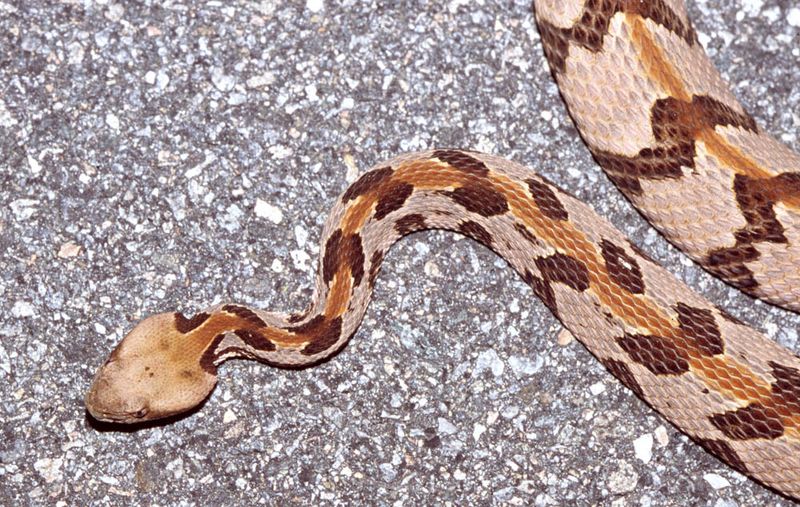
Brace yourself for the most surprising entry. Opossums carry a partial resistance to the venom of many pit vipers, including rattlesnakes, copperheads, and cottonmouths.
Researchers have studied a protein in opossum blood that helps neutralize this venom. That lets them kill and eat snakes that would send most animals running.
An opossum will not guard your yard like a dog. Still, if you garden where copperheads lurk in leaf piles, it is comforting to know this animal is on your side.
8. Rotting Plant Matter
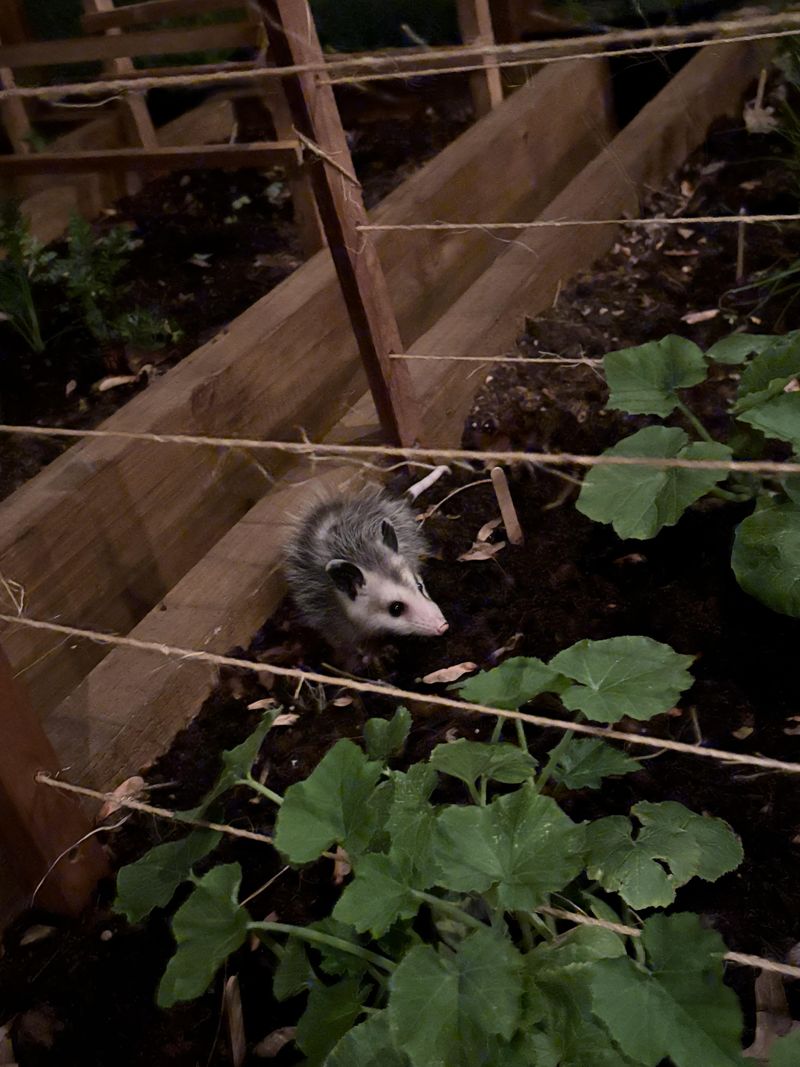
By late fall, many vegetable beds look a little sad. Collapsed tomato vines, mushy squash leaves, and soggy stems pile up after the first frost.
Opossums nibble on decaying vegetation as they forage. They help break down some of that mess, especially soft bits that would otherwise sit and attract pests.
Do still clear diseased tomato foliage yourself, since blight spores can overwinter. Your opossum handles the casual leftovers, while you handle the plants that need to go in the trash.
9. Fallen Eggs and Nestlings
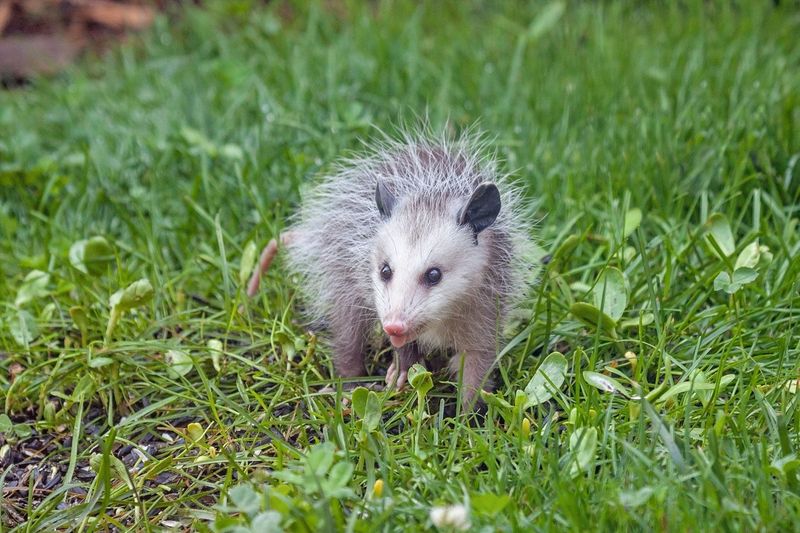
Let us be honest here. Opossums are omnivores, and they will eat bird eggs or a young bird that has fallen from a nest.
That can feel hard to watch if you love backyard birds. Yet a nestling on the ground is usually already in trouble, and a quick cleanup keeps rats and flies from moving in.
This is simply part of the natural balance. Fall nesting is rare anyway, so the impact this time of year is small.
10. Seed Spreading
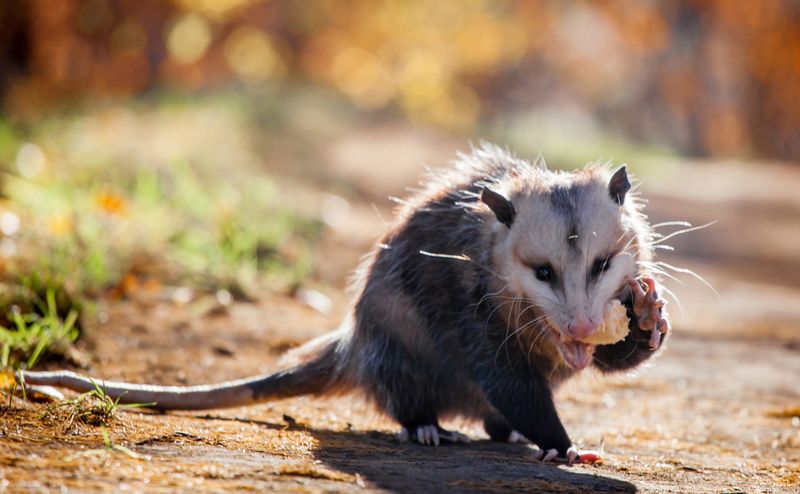
Opossums do a little planting on the side. When they eat berries and fruit, many seeds pass through and land somewhere new.
This helps native shrubs, persimmons, and wild grapes spread along fence lines and wooded edges. Over time, that can mean more food and shelter for birds and pollinators.
If a surprise seedling pops up in an odd spot next spring, you might have a furry gardener to thank. Pull it or keep it, your choice.
11. Acorns and Spilled Grain
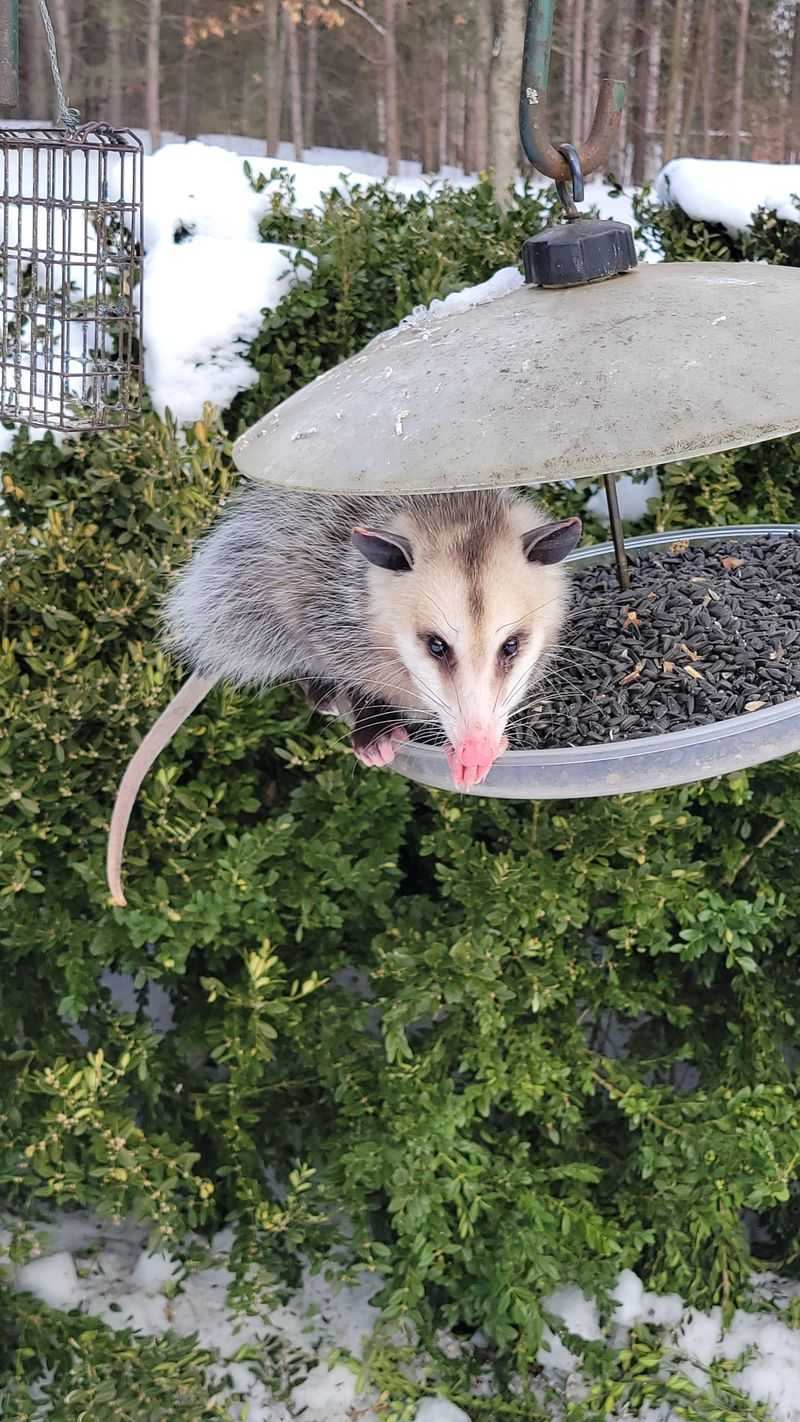
Oak trees rain acorns all fall, and bird feeders drop seed by the handful. Left alone, that spilled food draws rats and mice right up to your house.
Opossums forage on acorns and spilled grain, clearing some of it away before rodents settle in for the season.
It also cuts down on surprise oak seedlings in your perennial beds next spring. Fewer sprouts to yank out of your hydrangea border is always a bonus.
12. Compost and Food Scraps
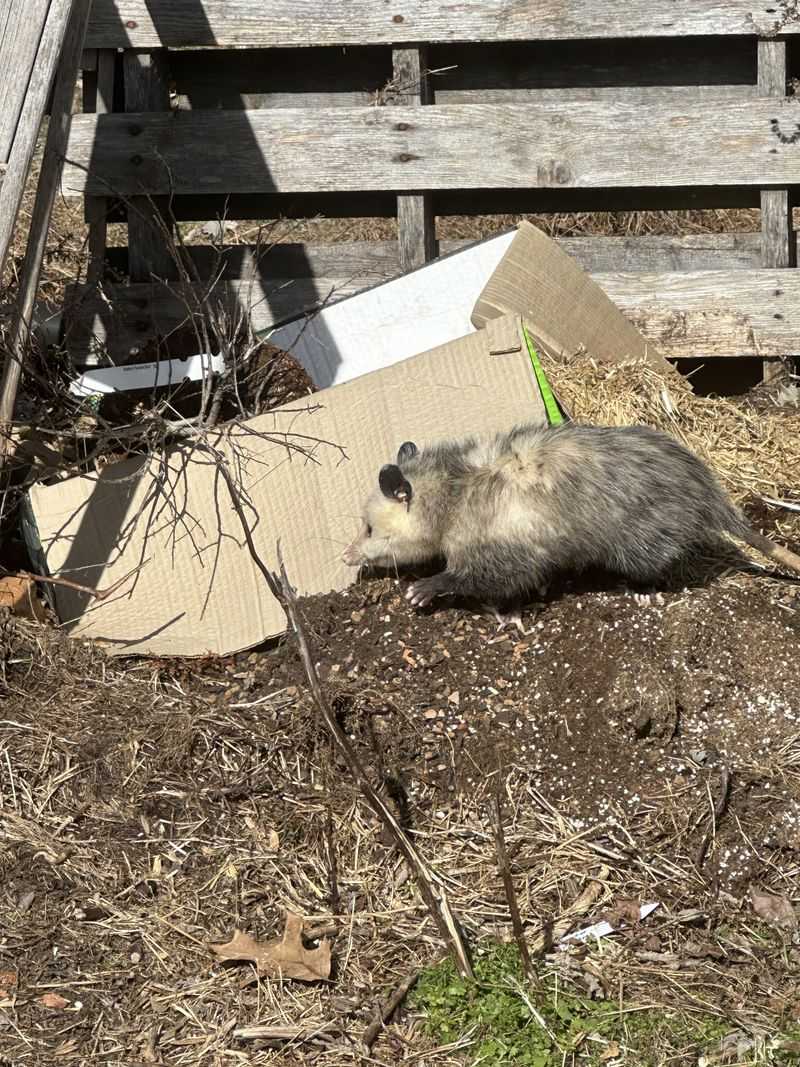
Got an open compost pile? Your opossum has probably already found it.
They will eat kitchen scraps from unsecured compost and trash.
In a sense, they are cleaning up human waste. But the better move is a lidded bin, since an easy buffet can draw raccoons and rats too.
Keep meat and dairy out of compost and close garbage lids tight. That way your opossum sticks to the pest-eating jobs you actually want.
13. Spoiled Garden Vegetables
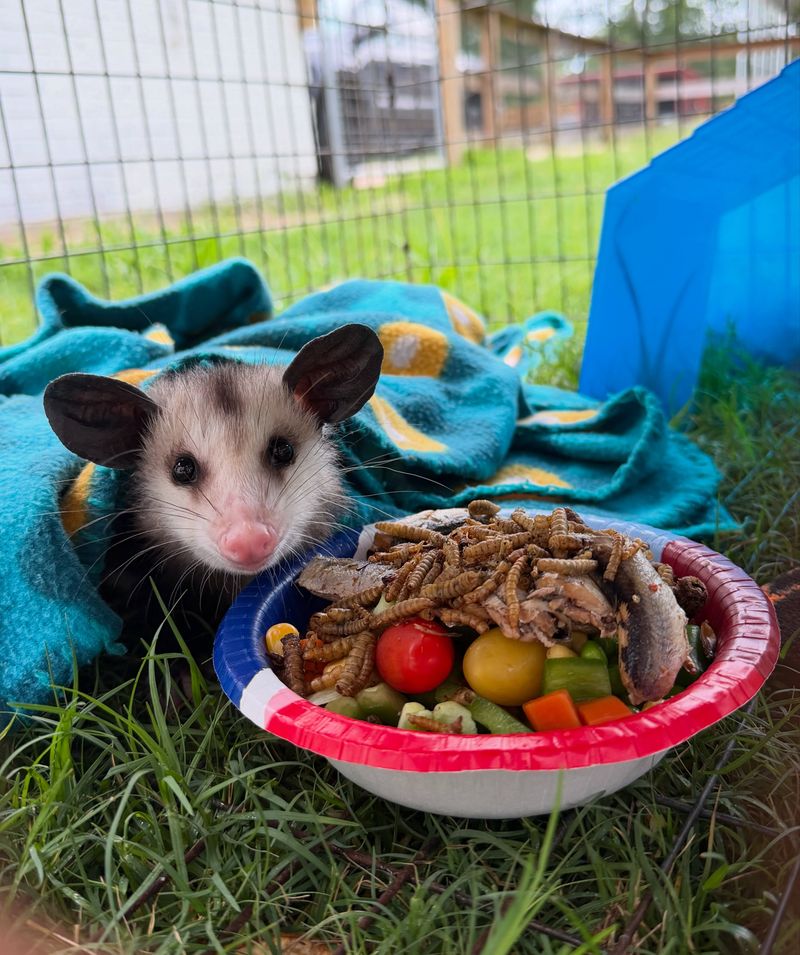
Spot a split tomato on the ground with a bite out of it? Before blaming the opossum for a crime, look closer.
They usually go for produce that is already overripe or rotting.
Those cracked tomatoes and soft zucchini would only attract fruit flies and slugs. Letting an opossum tidy them up can keep beds cleaner.
If fresh produce is getting nibbled, pick ripe veggies daily and use a simple fence. Most of the time, they are just clearing what you missed.
14. Ticks, With an Honest Asterisk
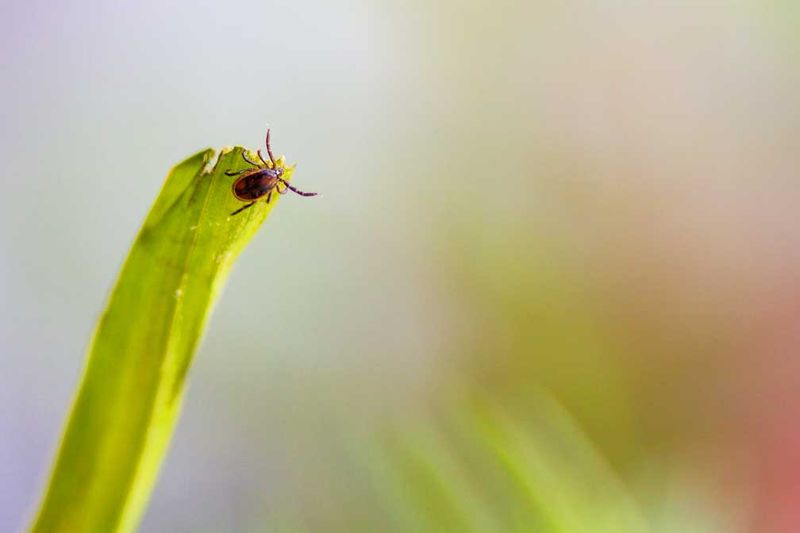
You have probably seen the viral claim that one opossum eats thousands of ticks a season. Newer research suggests that number is likely exaggerated, and some stomach studies found no ticks at all.
Opossums do groom themselves carefully, so they may swallow some ticks along the way. That could help a little, but it is not tick control.
Keep doing tick checks after gardening. Appreciate your opossum for the real jobs, and treat this one as a small maybe.
15. Leftover Pet Food
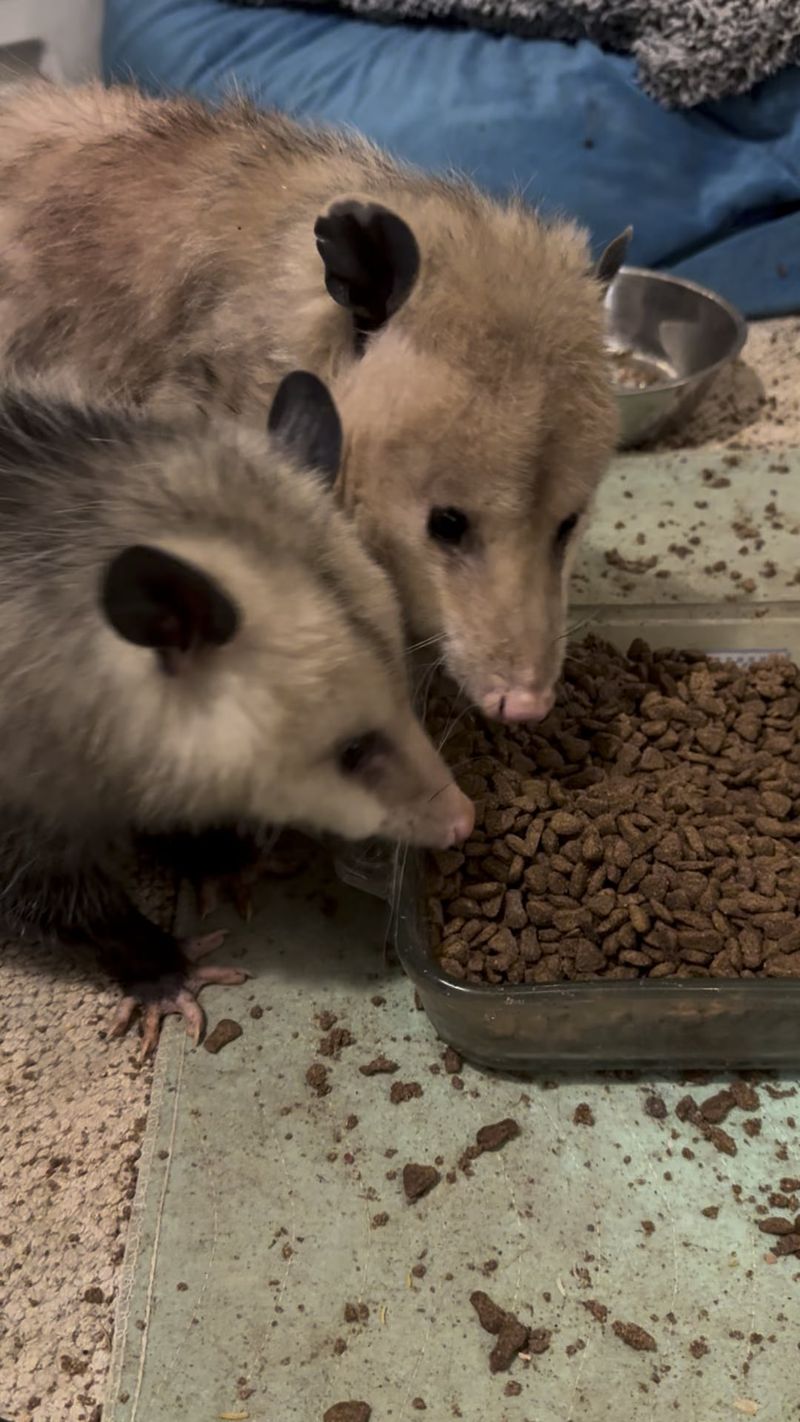
Leave the cat bowl on the porch overnight and you might catch a pointy pink nose in it. Opossums will happily finish off uneaten pet food.
Sure, that clears the dish. But it also invites skunks, raccoons, and rats to visit, which is not a trade you want.
Bring bowls inside at dusk. Your opossum will go back to hunting slugs and beetles around your beds, which is where it does the most good.