
Don’t Dig Up Your Lumpy Lawn Before Winter – Try This Simpler Fix For Mole Ridges And Bumps First
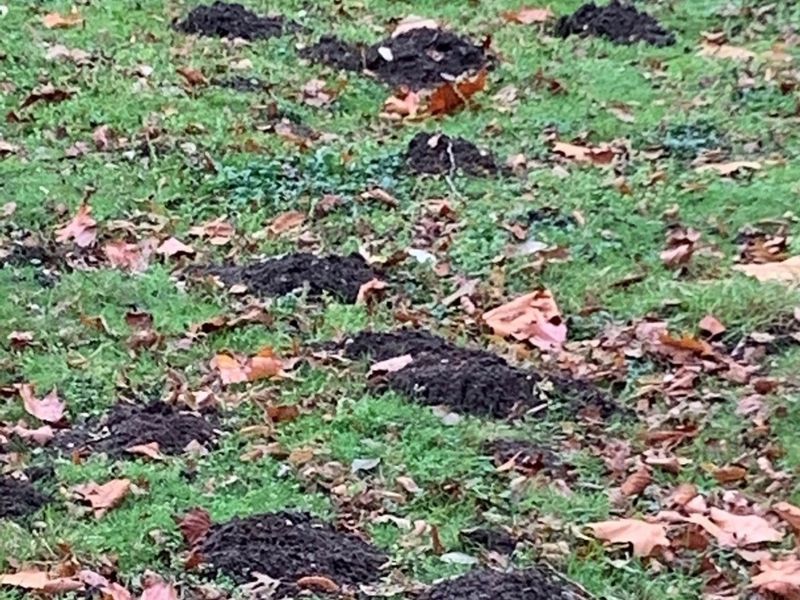
A few raised ridges across your fall lawn can make you want to rent a machine and start over. Hold off, because the fix is often much smaller than you think.
Many bumps come from living grass that was simply lifted off the soil. A little care now can save your healthy turf and your weekend.
Are those bumps actually mole damage?
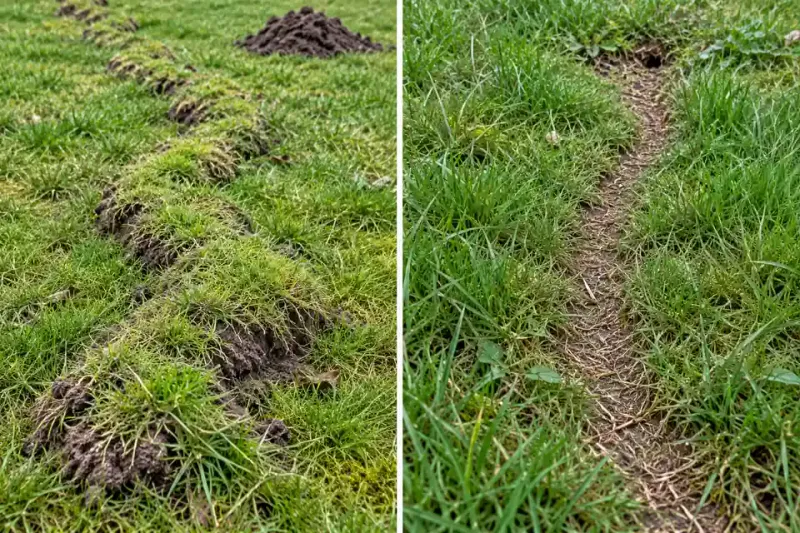
Before you fix anything, take a slow walk across the yard and look closely. Raised, winding ridges and small soil mounds are signs Penn State Extension associates with moles.
They are clues, though, not proof in every case.
Other critters leave different marks. Voles tend to leave pathways where the grass looks clipped short, rather than ridges of lifted turf.
Earthworm castings look like small, pellet-like clumps of soil, and N.C. Cooperative Extension notes they usually do not damage turf.
Why does this matter? If you mistake worm castings for mole trouble, you may tear up a lawn that was never in danger.
Raking out a few castings is far easier than regrading.
Try pressing a ridge gently with your foot. If the grass is green and the roots are still attached to a soft strip of soil, you are probably looking at displaced turf.
If you still cannot tell what is going on, watch the spot for a week or two and see whether new ridges appear.
Living turf usually needs its roots back in contact with soil
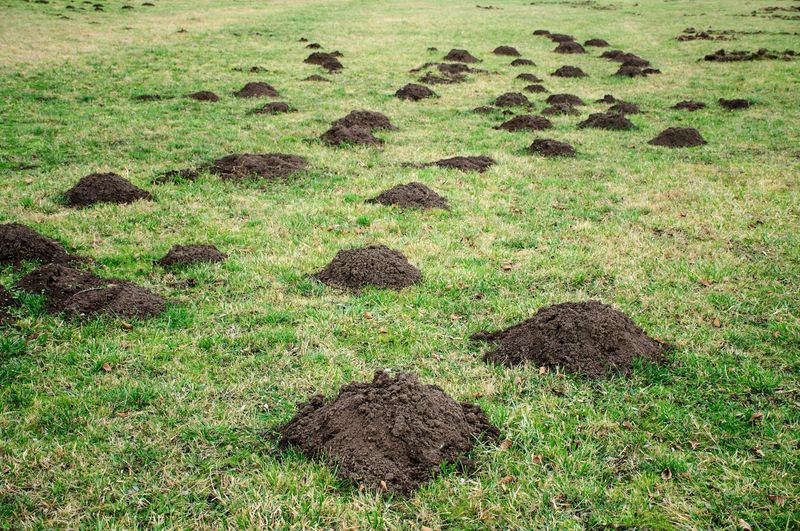
Picture a tunnel just under the surface. As a mole pushes through, it lifts a strip of grass and leaves the roots hanging in air.
Grass in that spot is not dead yet, but it is cut off from the soil it needs.
The simplest first step is to press it back down. N.C.
Cooperative Extension says to tamp mole-damaged areas by foot or flatten them with a lawn roller, and that turf often recovers on its own. Walk along the ridge and use steady, gentle pressure rather than stomping.
Once the roots touch soil again, water the area. UConn Extension recommends tamping or rolling uneven areas and watering so the roots can settle back in.
Keep the soil lightly moist rather than soggy.
Give the grass a couple of weeks before you judge the result. Green blades that stay green mean the repair is working, and no reseeding is needed.
This small job is very different from digging up or regrading the whole lawn, and it only restores the surface. It does nothing about the mole itself, which comes up later.
A roller is an option, not the default
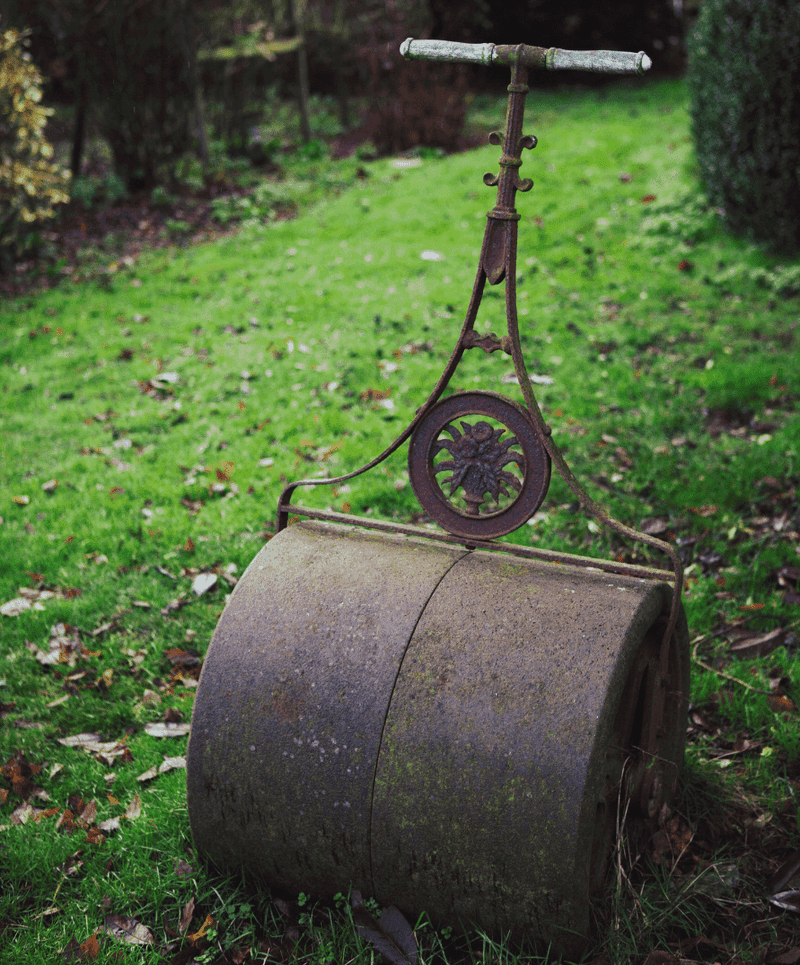
Renting a heavy roller feels like the obvious move for a bumpy yard, but it is not the best first choice. Missouri Extension says rolling is generally undesirable for uneven lawns.
It makes an exception for serious mole damage or frost-heaved plants, and then advises the lightest roller that will do the job.
Soil moisture matters a lot. Rolling wet or very moist soil squeezes out air and packs the ground.
Wait until the soil is damp at most, not soggy.
The danger is compaction. Iowa State warns that heavy rolling can compact soil and damage turf, which lowers vigor and can leave a thinner lawn over time.
Think of careful flattening as one slow pass with a light roller over the affected strip. Repeated or forceful rolling across the whole yard is a different thing, and it is not a routine way to level a lawn.
For modest bumps, stick with foot tamping first. Bring in a roller only when ridges are numerous or stubborn, and do not expect it to make the yard permanently flat.
Topdressing fills shallow depressions, not raised ridges
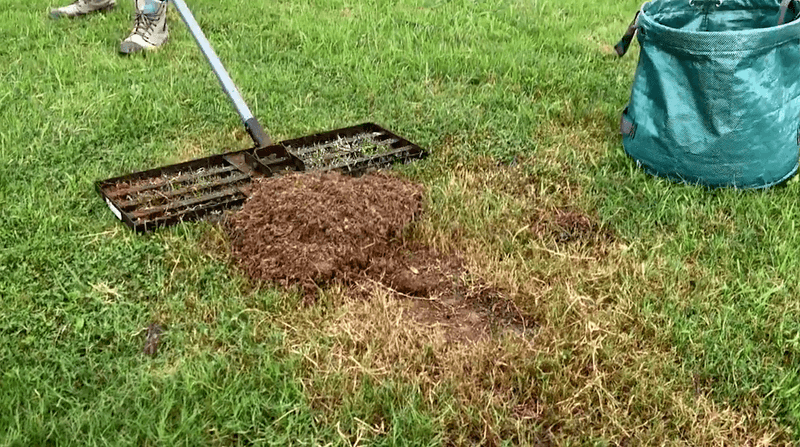
Here is where the popular topdress-and-roll idea goes off track. Adding soil on top of a raised ridge only makes the ridge taller.
Topdressing is meant for low spots, and it works slowly.
If a shallow dip remains after you flatten displaced soil and turf, that is the time to consider it. Missouri Extension describes applying about 1/4 to 1/2 inch of soil at a time.
It also stresses that at least three-fourths of each grass plant should stay exposed.
That last rule protects your lawn. Bury the blades and you can smother the grass you were trying to save.
Use a rake or the back of a push broom to work the soil down between the blades.
If a hollow is deeper, plan on several light applications over time rather than one thick layer. Let the grass grow up through each one before adding more.
So the order matters: flatten first, wait to see what settles, and only then decide if a low spot needs a little help. Many yards never reach that last step.
Exposed soil calls for a different repair plan
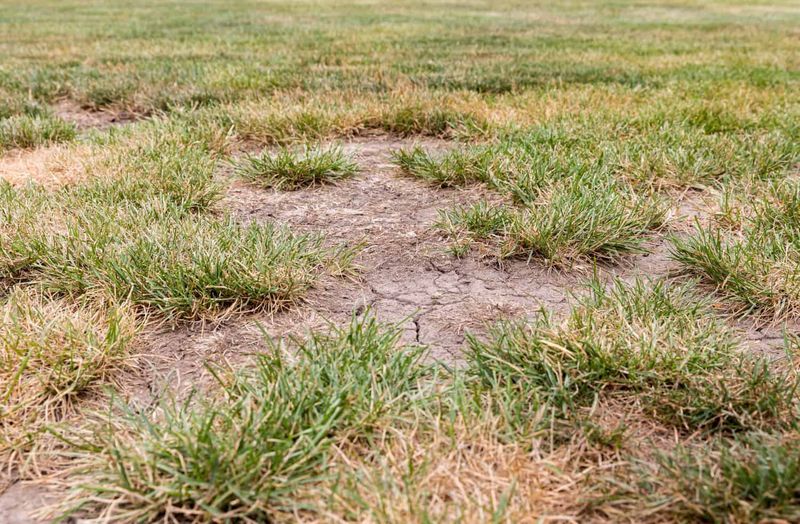
Sometimes the grass does not bounce back. A ridge that has dried out may turn brown, or the soil may simply be bare.
Tamping or topdressing cannot bring back grass that has died.
Those spots may need renovation or overseeding. UConn Extension notes that damaged areas may need to be reseeded, but it is not needed for every mole-damaged area.
Timing depends on where you live and what grass you grow. Virginia Tech identifies late summer to mid-fall as a favorable period for establishing cool-season grasses.
In North Carolina, Extension recommends March through May for reseeding or sodding mole-damaged areas.
Those two answers differ, and that is the point. Neither one is a national calendar rule.
Climate, grass type, soil moisture, and how the turf looks all play a part.
If you are unsure, check with your local Extension office before you buy seed. Meanwhile, you can lightly loosen the bare soil and keep the area clear until the right window arrives.
Flattening the lawn will not stop an active mole
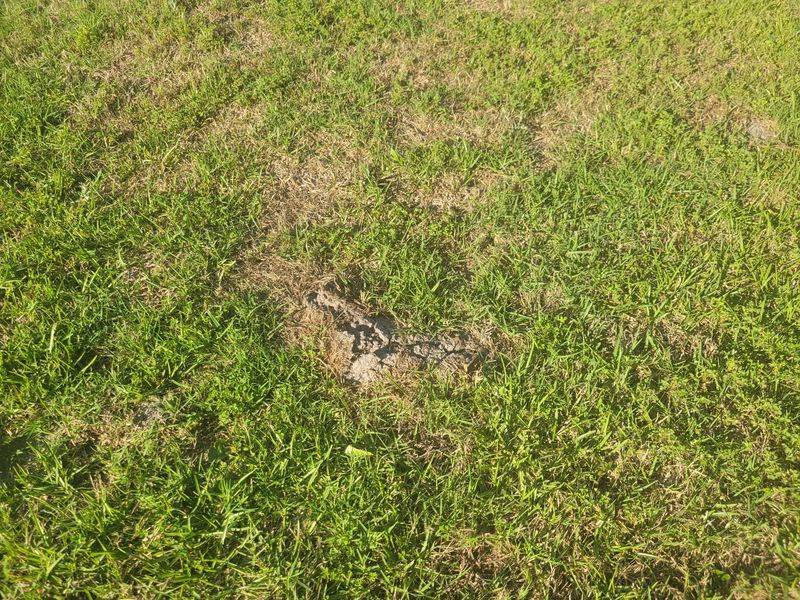
A smooth lawn can look like a finished job, but the mole may still be underneath. Surface repair and mole control are two separate tasks.
UConn Extension reports that trapping is the most reliable control method, and active tunnels may need ongoing monitoring.
That means a flattened ridge can pop up again next week. If new ridges keep appearing, the animal is still working, and leveling alone cannot guarantee a lasting result.
Resist the urge to try quick fixes from the garage. Virginia Tech warns that household chemicals, gasoline, and similar remedies can be ineffective, hazardous to people, pets, and wildlife, and sometimes illegal.
Sharp objects and homemade tunnel tricks belong in the same category.
Skip the broad pesticide idea too. N.C.
Extension says treatments aimed at reducing mole food are rarely effective, since moles eat earthworms and other soil creatures as well as insects.
Start with the lightest fix your lawn needs
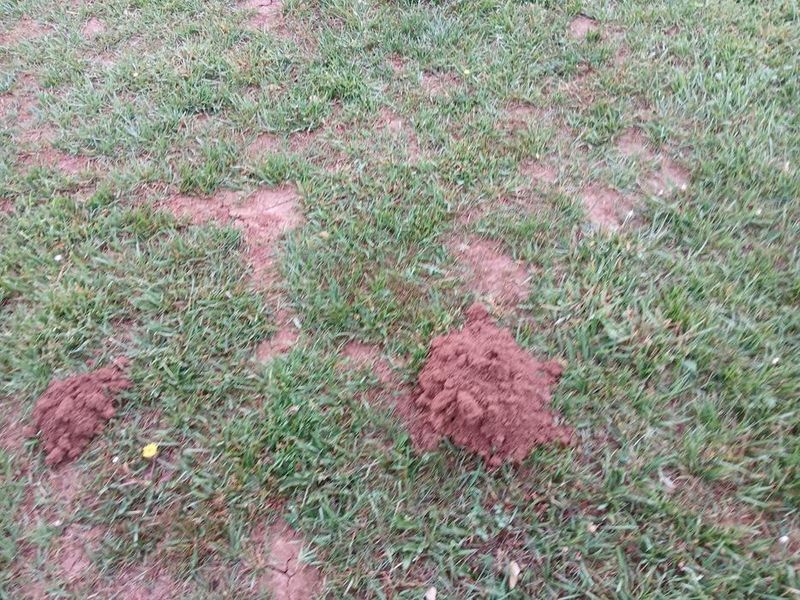
Confirm the cause, press living turf back down, and water it. Use a light roller only when needed and when the soil is not wet.
Save topdressing for shallow dips, and treat dead patches, severe unevenness, and active tunneling as separate jobs.
A few ridges do not mean a full renovation, and no single pre-winter fix suits every lawn. Sometimes a patient footstep is the best tool in the shed.