
Keeping a North Carolina Strawberry Patch Productive: Planting, Care, and Renewal
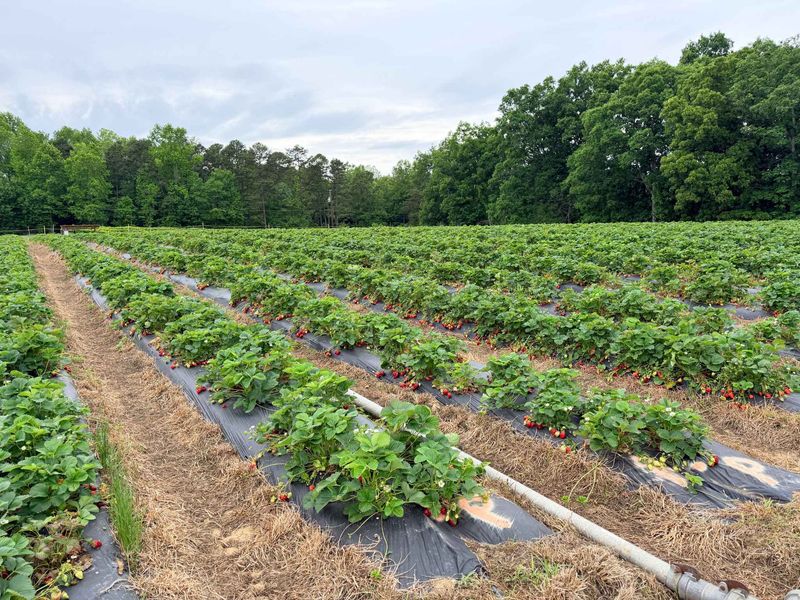
Strawberries can come back and fruit for more than one season in a North Carolina backyard, but they do not run on autopilot. The right plants, the right planting date, and a few yearly chores decide how long your bed stays worth keeping.
Here is how to set up a patch, care for it, and know when it is time to start fresh.
A perennial strawberry bed still needs renewal
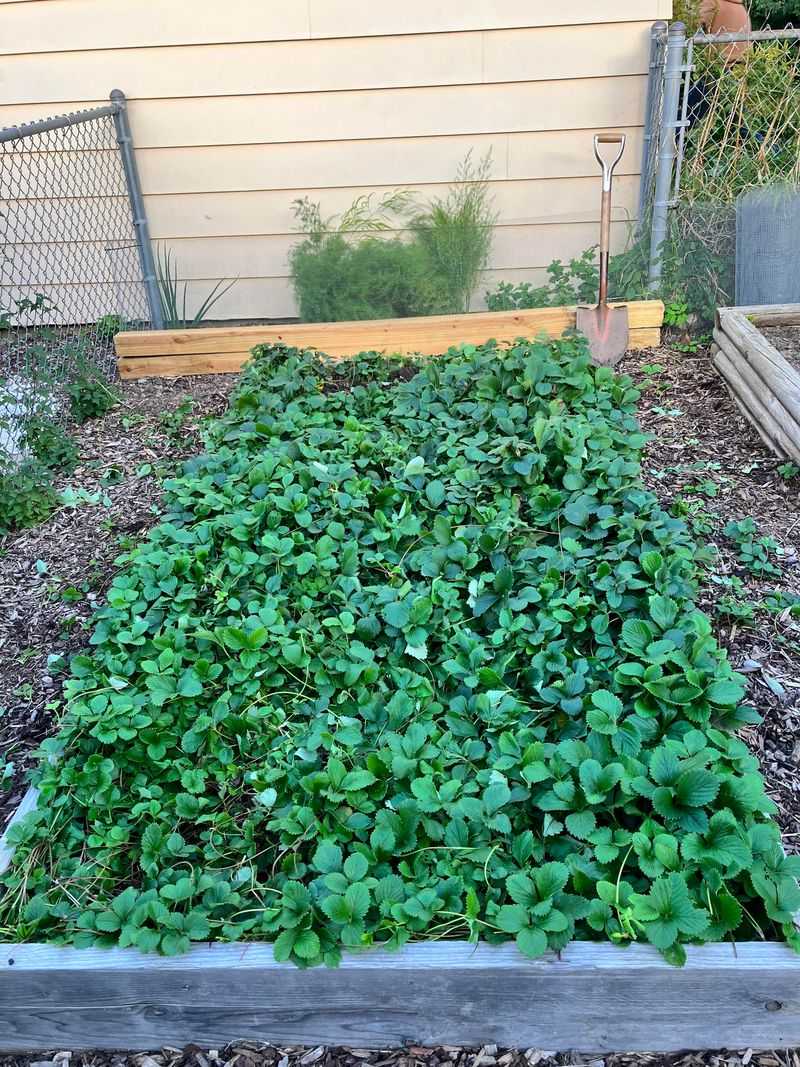
Strawberries are perennial plants, so a bed can fruit for more than one season in a North Carolina yard. That part of the story is true, and it is good news for anyone who dreads starting over every year.
The catch is that a bed does not stay equally productive. According to the NC State Extension Gardener Handbook, yield and berry size decline after the first year in a matted row.
The same guide advises starting a replacement planting after the second or third crop.
So a single planting day, even a well-timed one, will not carry a patch for years without further work. Think of the bed as something you manage, not something you finish.
Berries get smaller, the row gets crowded, and weeds and disease creep in if nobody is paying attention.
That is not a reason to skip perennial growing. A matted row is still one of the easier ways to grow strawberries at home, and the yearly tasks are modest once you know them.
The goal here is to help you pick the right system, plant at the right time for your part of the state, and care for the bed so it earns its space.
You will also learn how to spot the point when renewal makes more sense than another round of rescue efforts. Gardeners in the Piedmont, Coastal Plain, and mountains all face the same basic pattern, even though their calendars differ.
Match the growing system to the cultivar
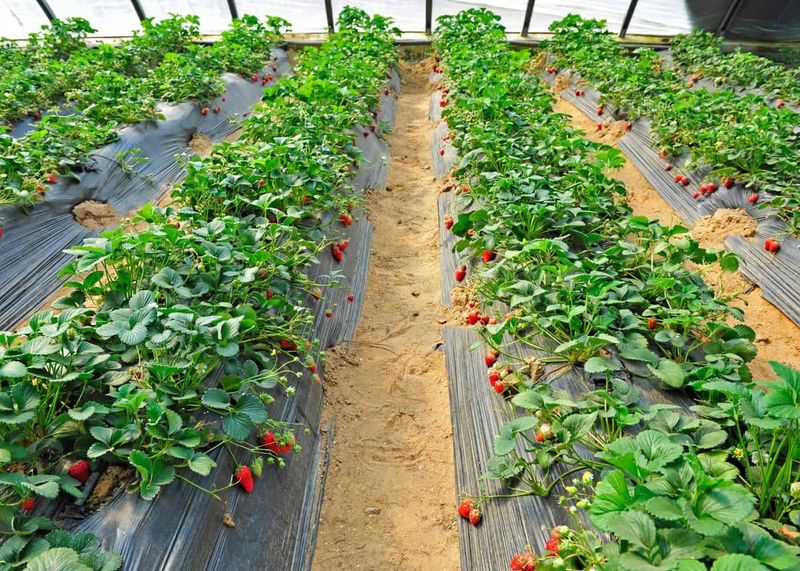
Before you buy plants, decide how you plan to grow them. In a matted row, the mother plants send out runners that root and fill in the row over time.
In the hill system, you pinch off runners so each plant stays a single, larger clump.
NC State’s small fruits guidance gives different spacing for each. For a matted row, set plants 1.5 to 2.5 feet apart in the row and let most first-season runners root within a 24-inch band.
For the hill system, plant at 12-inch spacing in double rows and remove the runners.
Here is where many gardeners get tripped up. Everbearing does not mean perennial matted row.
NC State says the hill system is ideal for most everbearing cultivars, with runners removed. A runner-filled row is not the usual home for them.
Albion, for example, is listed as an everbearing choice for the mountains. If you grow it, plan on the hill system rather than expecting a thick, self-filling row.
A practical rule: pick the system first, then pick cultivars that fit it. If you want a bed that fills in by itself, look at cultivars suited to matted rows.
If you prefer tidy plants and repeated harvests from everbearers, commit to pinching runners all season.
Planting dates vary by region and plant type
Late fall is not the answer for the whole state. The best date depends on where you live and what kind of plant you are holding.
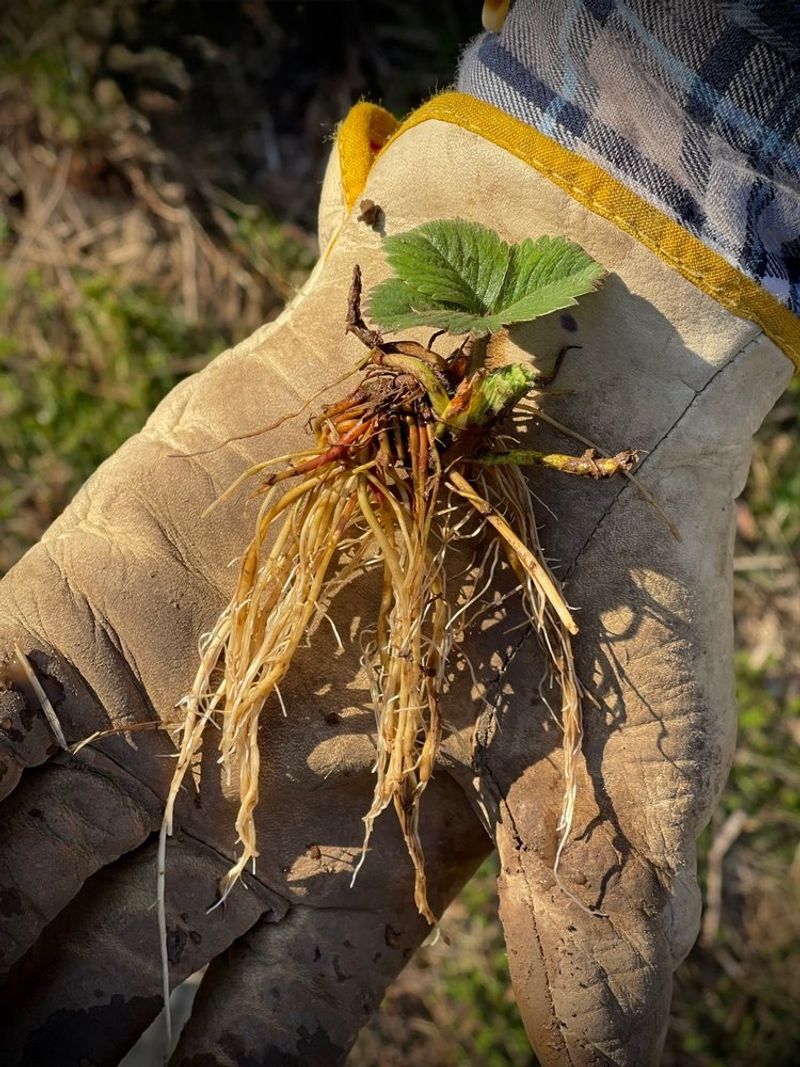
For bare-root plants, the NC State handbook gives October through March in the Coastal Plain. In the Piedmont and western North Carolina, the window is March through April.
Plug plants follow a different schedule. NC State garden guidance points to early September in western North Carolina.
From the Piedmont to the Coastal Plain, aim for mid-September to early October.
Put those side by side and you can see why one date cannot work everywhere. A mountain gardener with bare-root plants waiting until October would miss the recommended window.
A Coastal Plain gardener, on the other hand, has a long stretch from fall into early spring.
Check what you are buying before you mark the calendar. Ask the nursery whether plants are bare-root or plugs, then match that to your region.
If the planting window has passed, wait for the next one instead of forcing it.
Choose a suitable site and set crowns correctly
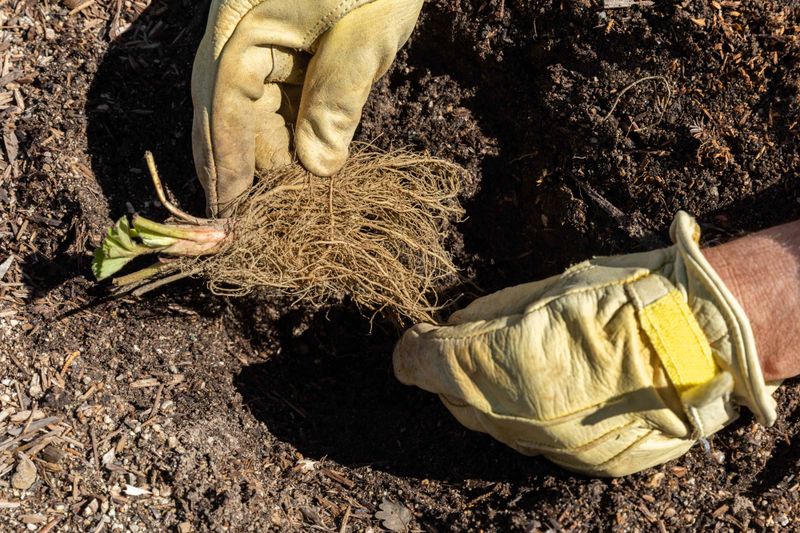
Strawberries pay you back for a good spot. Pick a place with full sun and well-drained soil, since those conditions give the best yields.
Soggy ground invites trouble.
NC State’s small fruits chapter recommends a soil pH of 6.0 to 6.5. A soil test tells you where you stand before you plant.
Plan on about 1 inch of water per week, counting rain plus irrigation.
Crown placement matters just as much. When you set a bare-root plant, the midpoint of the crown should sit level with the soil surface.
Plant too deep and the growing point can be damaged or rot. Plant too shallow and the crown can dry out.
Spread the roots out and firm the soil gently around them. Then water the plants in right away.
Good planting gives the bed a healthy start, but it is only the start. A perfectly set crown still needs water, weeding, and attention in later seasons.
Treat this step as the foundation, not the whole house.
What pine straw can—and cannot—promise
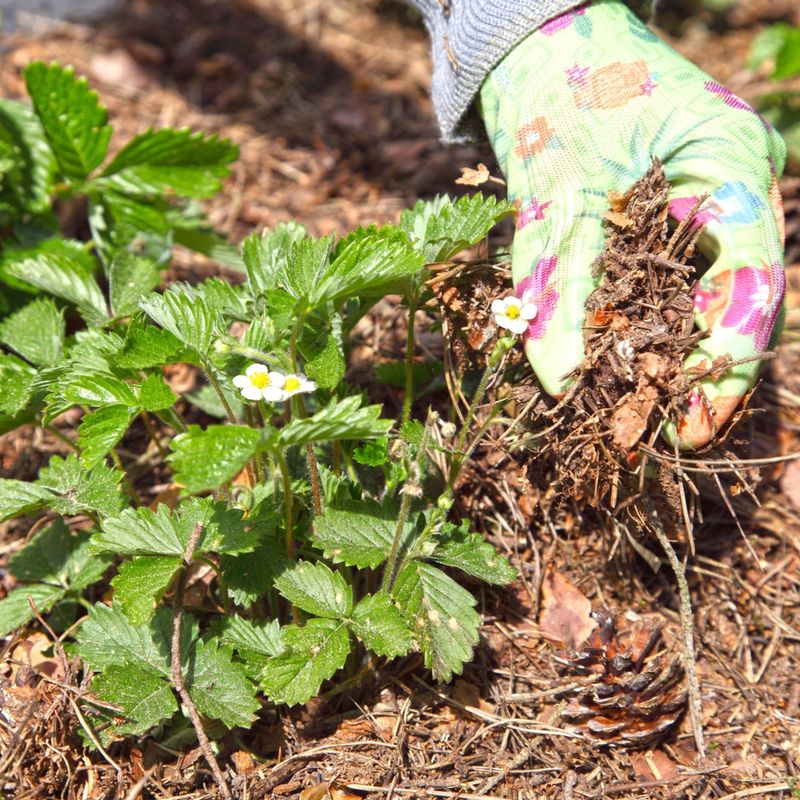
Pine straw is easy to find in North Carolina yards, and many gardeners like it around plants. Mulch can be a useful part of strawberry care.
What the reviewed guidance does not show is that a one-time pine straw layer can guarantee a permanent bed, winter survival, or steady harvests year after year. The NC State handbook does not spell out a statewide depth or timing for pine straw, so any exact number you see online is not backed by that source.
If you use it, treat it as one tool among several. Mulch does not replace choosing the right system, watering about an inch a week, renovating a matted row after harvest, or planning a replacement planting.
A simple test: if your plan says the pine straw will handle everything, the plan has a hole in it. Use mulch where it helps, watch how your own bed responds, and keep up with the other jobs.
Renovate a matted row after harvest
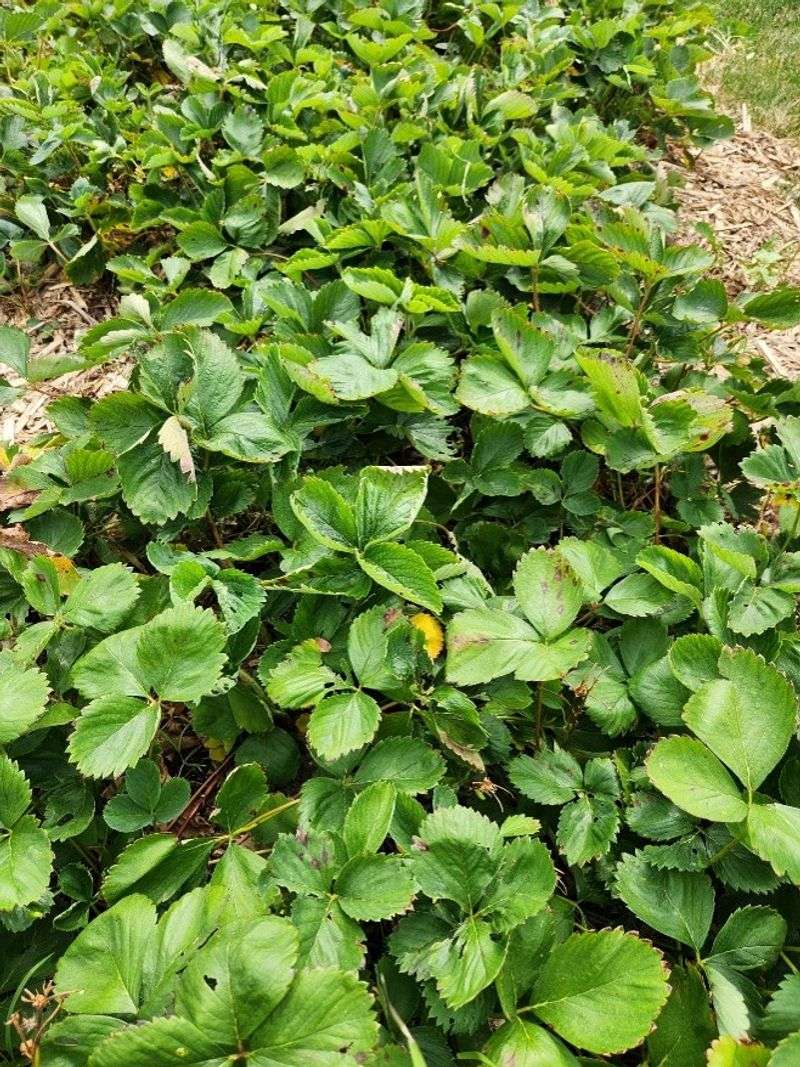
Once the last berries are picked, the real upkeep begins. Renovation keeps a matted row from turning into a crowded, weedy tangle.
The NC State handbook lays out the sequence. Start by weeding the bed.
Next, mow the foliage, taking care not to damage the crowns.
Then narrow the row and thin the plants so the remaining ones have room. Finish by fertilizing and watering to encourage new runners, which will fill the row for next season.
There is one caution. NC State advises against renovating beds heavily affected by weeds, disease, or insects.
If a bed is badly off track, pouring effort into it may not pay off, and a fresh planting can be the better move.
Notice that every step here repeats each year. Renovation is maintenance, not a one-time fix.
Mark it on your calendar right after harvest so it does not slip by, and the row will stay in better shape for the seasons it has left.
Plan to replace an aging planting
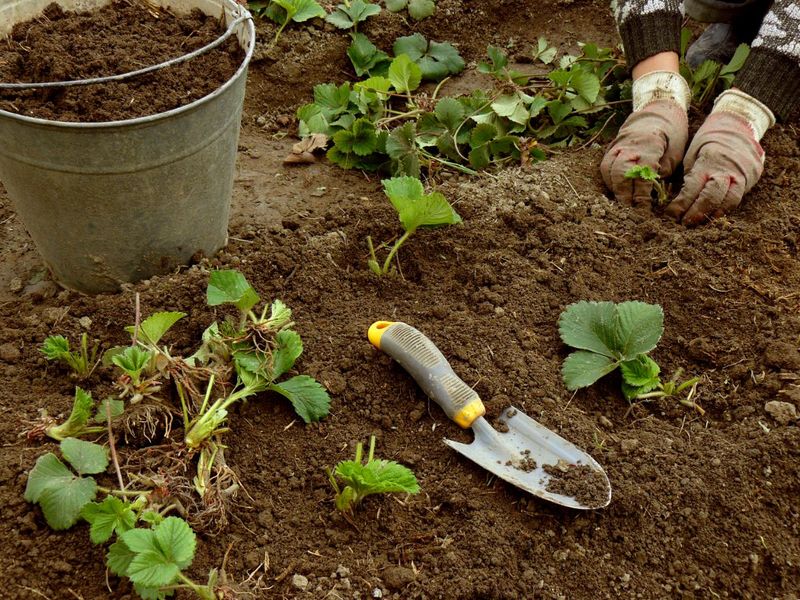
Good care slows the decline, but it does not erase it. In a matted row, yield and berry size drop after the first year, and NC State advises starting a replacement planting after the second or third crop, according to the small fruits handbook.
Replacing a planting is different from tending runners. Runners are how a healthy matted row fills in during its productive years.
Replacement means setting out a new bed so you have strong plants coming along.
A smart habit is to start a small new section while the old one is still bearing. That way you are never left without berries while new plants establish.
No single age fits every bed. Look at what the patch is telling you.
Smaller berries, thinner fruiting, and more problems with weeds, disease, or insects all point toward renewal. A well-kept bed in good shape may earn another season.
A lasting patch is a maintained patch

You can grow strawberries beyond a single season by matching your cultivar to the right system and looking after the bed. A matted row needs renovation, and every bed needs water, weeding, and a sunny, well-drained home.
No single fall planting or pine straw layer guarantees years of unchanged production.
Plan on renewal now and again, and the berries keep coming. A patch that gets a little attention each year will beat one that gets a big promise once.