
How to Prepare Clematis for Winter Without Sacrificing Next Year’s Flowers
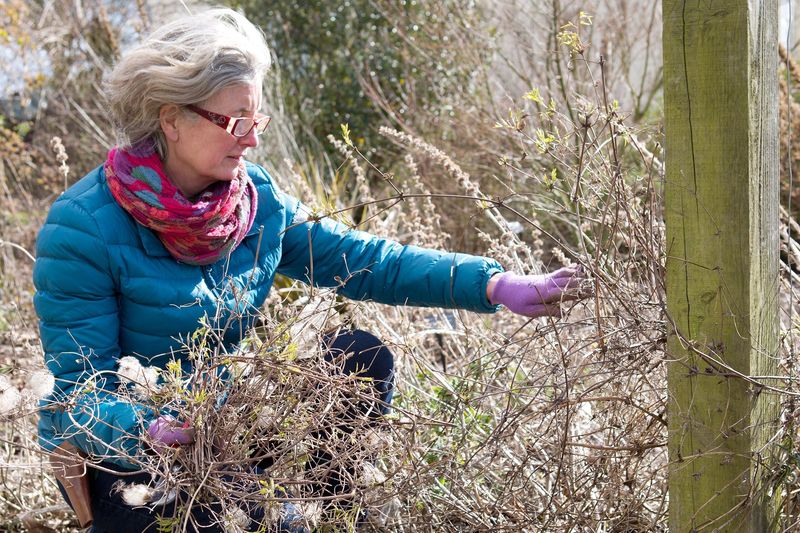
Nothing feels worse than watching your clematis go brown and wondering if you killed it. The good news is that most winter trouble comes from two things: cutting at the wrong time and leaving roots exposed.
A few simple steps can help your vine get through the cold with its flower buds intact. No routine can promise a taller vine or fuller blooms, but you can give your plant its best shot.
Which pruning group does your clematis belong to?
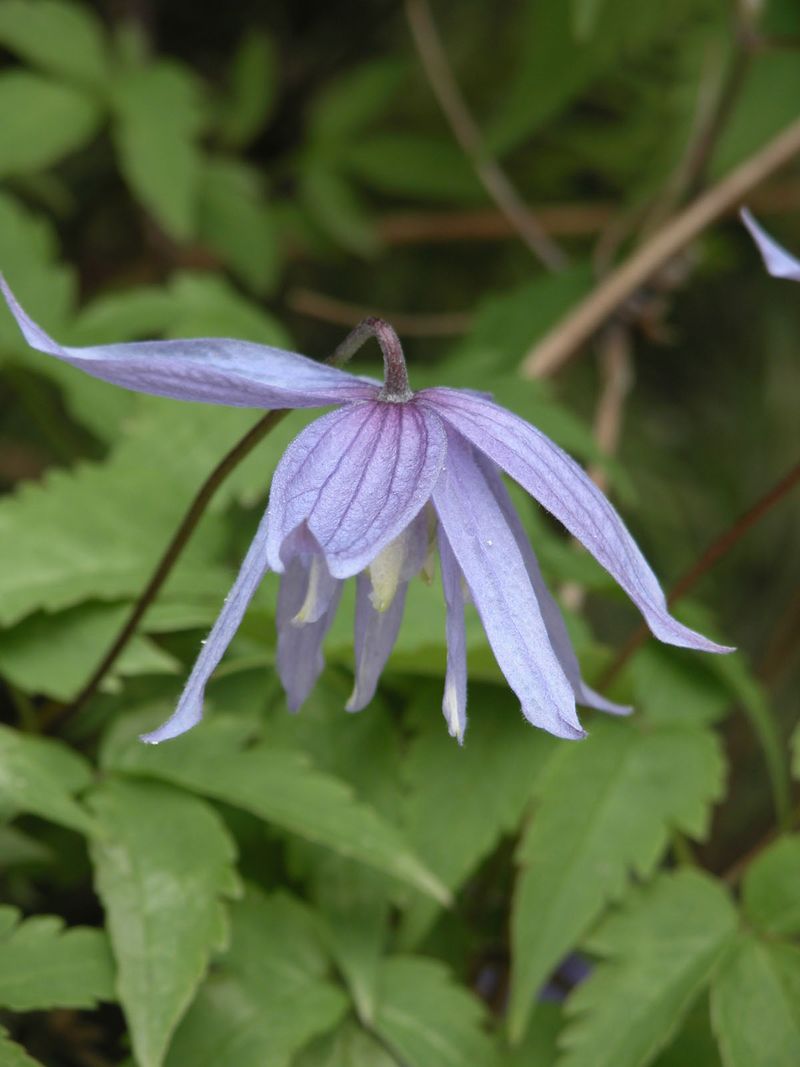
Before you touch your pruners, find out exactly which clematis you own. The plant tag is the easiest place to look, and a cultivar name stamped on it lets you check reliable variety information online.
Guessing from how the vine looks is risky, since many clematis look alike when they are bare stems in the cold.
Clematis are sorted into pruning groups by how they flower. Some bloom on old wood, which means stems that grew last season.
Others bloom on new wood, which means stems that grow this year, and some do both. According to Illinois Extension, that flowering habit decides when and how you prune.
Labels are not the same everywhere. Many U.S. sources use Groups 1, 2, and 3, while others use letters such as A, B, and C.
A Royal Horticultural Society pruning guide lays out the same idea, so focus on old wood versus new wood rather than just the number or letter.
If you lost the tag, write down what you remember about when the vine bloomed: spring, early summer, or late summer into fall. Check that against cultivar information, and keep a note in your garden journal.
That one detail will guide every pruning decision you make later, so it is worth getting right now.
Fall is not the time for a blanket cutback
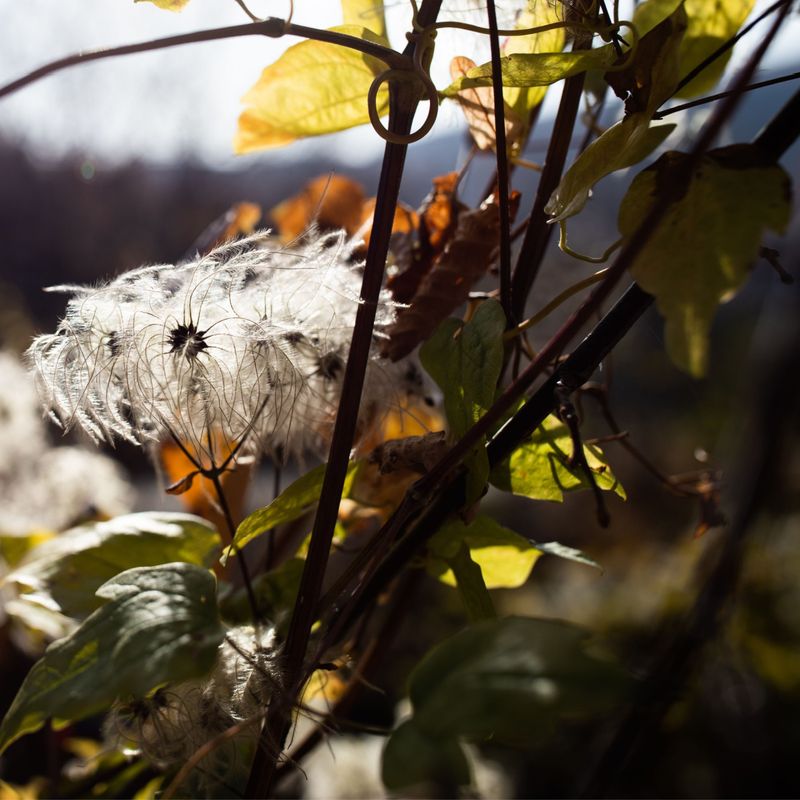
Tidy-minded gardeners often feel the urge to chop everything down once leaves yellow. With clematis, that habit can cost you flowers.
Until you know your plant’s group, hold off on any big cuts in fall.
Group 1 spring bloomers carry their flowers on last season’s growth. Group 2 clematis also rely on old growth for their first flush of blooms.
As Iowa State University Extension explains, cutting those stems down removes the buds that would have opened next year.
Group 3 plants are different. They flower on current-season growth, so they generally tolerate a hard cutback later, in late winter or early spring.
Even so, there is no rush to cut them in fall, and waiting keeps your options open if you are still unsure of the group.
Winter dieback can happen too, and it can reduce flowering, especially in Groups 1 and 2. Not every brown stem is a dead stem, and cultivars differ in how they handle cold.
Wait until spring buds swell before deciding what is truly lost, and save the detailed cutting directions for the pruning section below. North Carolina State Extension also notes how clematis bloom habits differ.
Mulch the root zone, not the vine
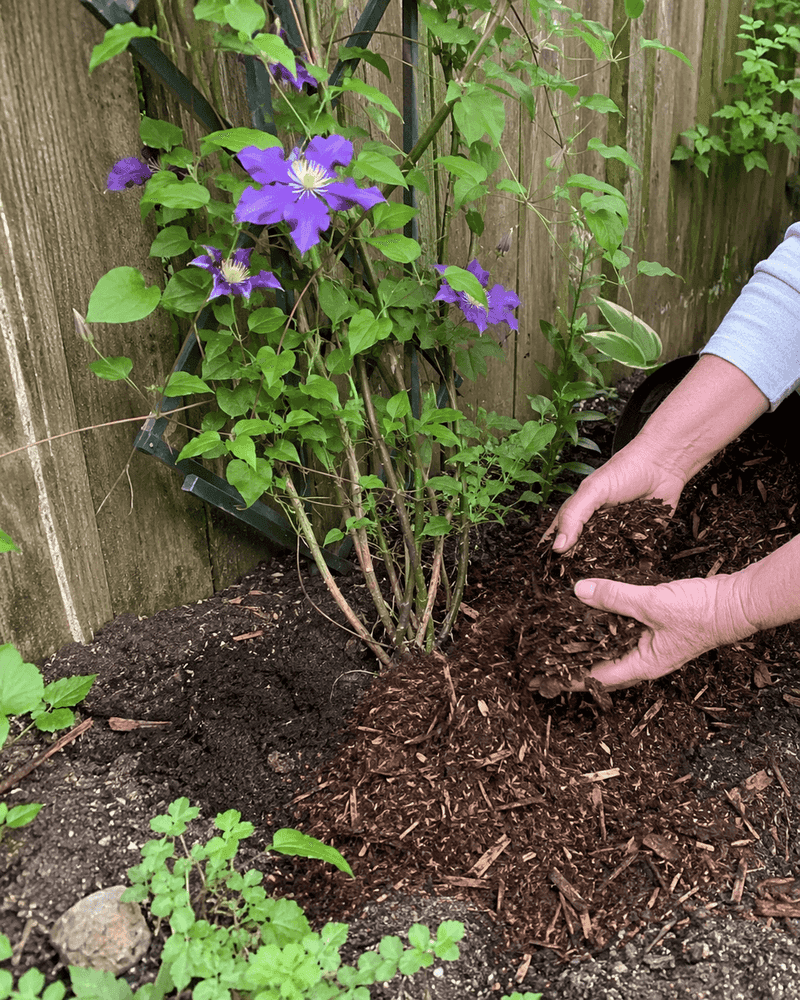
For clematis planted in the ground, the main winter job is protecting the roots. A layer of organic mulch such as shredded bark or compost helps moderate root-zone conditions when your local exposure and cultivar call for it.
It is insulation for the soil, not a blanket for the plant.
Depth advice varies by source. Iowa State University Extension recommends 2 to 3 inches of organic mulch.
Illinois Extension suggests a 2 to 4 inch layer and advises keeping it 4 to 6 inches away from the stem.
That gap matters. Mulch piled against stems or the crown can hold moisture where you do not want it.
Spread it in a wide ring, then pull it back so the base of the vine stays open to air.
You do not need to wrap the whole vine in burlap or fabric. Wrapping is not a universal requirement, and mulch cannot promise protection from every winter condition.
In a harsh climate, check your cultivar’s hardiness and ask your local extension office what your area needs.
Potted clematis needs a different winter plan
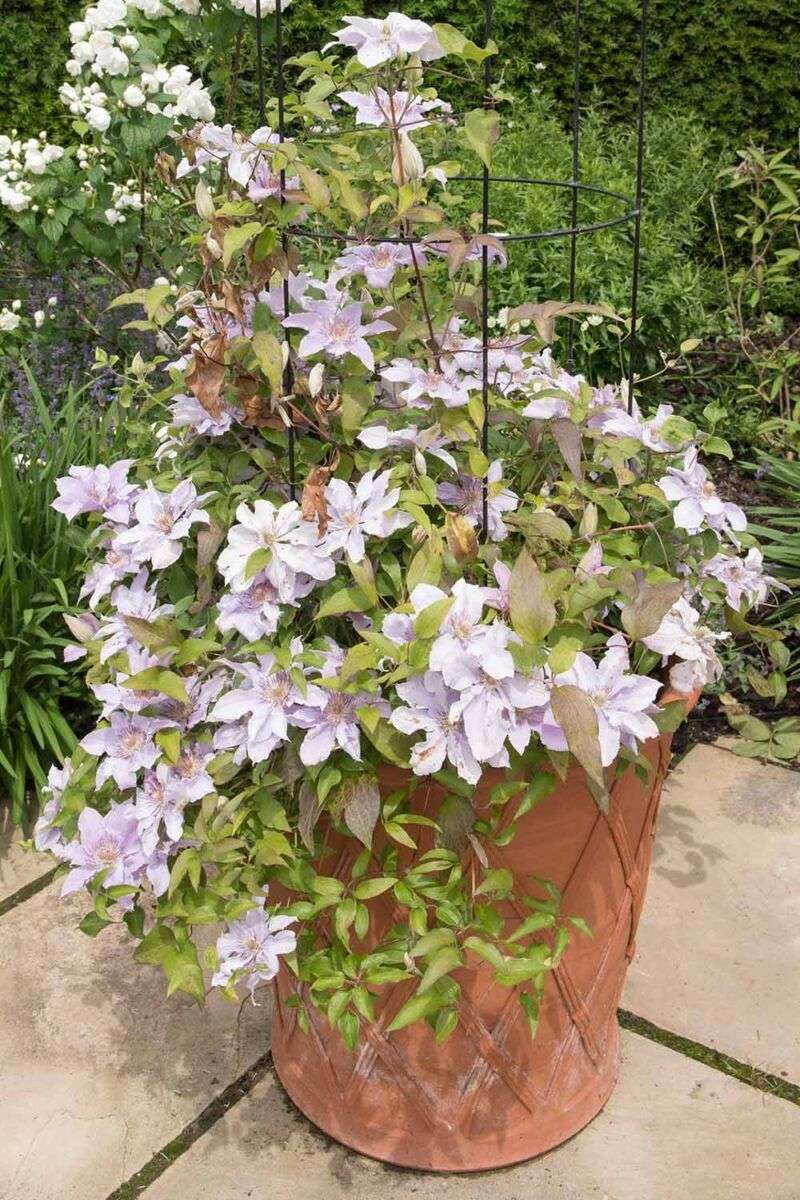
A clematis in a pot lives by different rules. Its roots sit above ground, surrounded by thin walls, so they feel cold much faster than roots in garden soil.
The mulch advice for in-ground plants is not enough protection for most pots.
Your first option is to move the container to a sheltered place, such as an unheated garage or a spot against a wall. Your second is to insulate the pot itself.
Illinois Extension covers overwintering container plants, and the right level of shelter depends on your local winter.
If the pot stays outdoors, watch the soil moisture. Roots that dry out in winter can suffer, but soggy soil is trouble too, so aim for lightly damp rather than waterlogged.
Mississippi State University Extension also points out that containers themselves can be damaged by freezing and thawing.
Not every pot or cultivar can safely stay outside all winter. Check how hardy your variety is, and if your area gets hard freezes, lean toward shelter.
Avoid late-season high-nitrogen fertilizer
That bag of fertilizer in the shed might tempt you in late summer or fall, especially if your clematis looks a little tired. Resist it.
Nitrogen pushes soft, leafy growth, and the timing is the problem.
Mississippi State University Extension warns that late-summer or fall nitrogen can spur tender new growth that is vulnerable to cold injury. A fresh flush of green right before frost is the last thing your vine needs.
Skipping late feeding is one small supporting step, not a shield on its own. Withholding fertilizer will not protect the vine alone, so pair it with the root-zone care and pruning timing described elsewhere here.
Save feeding for the growing season.
Prune at the time your flowering group requires
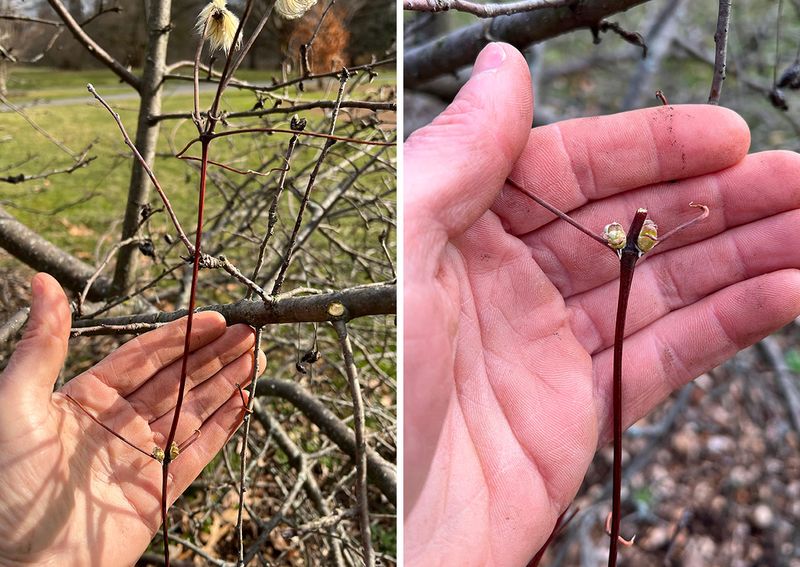
Once you know your group, pruning gets simple. Timing and cut size both depend on when the plant flowers, and the guidance on exact heights varies a bit between sources and plants.
Group 1 clematis get pruned after flowering, not simply when growth resumes in spring. Trimming right after the blooms fade leaves time for new growth that will carry next year’s flowers.
Group 2 plants get a light prune, preserving healthy old stems that hold flower buds.
Group 3 clematis take the hard prune in late winter or early spring. The Royal Horticultural Society describes cutting to low, strong buds, while Iowa State University Extension points to roughly 6 to 12 inches, depending on local guidance and the plant.
Illinois Extension notes that severe spring pruning benefits many Group C clematis, though that result is not promised for every clematis. Matching the cut to the group helps protect flowering potential, so look for plump buds and cut just above them.
Aim to protect the vine, not guarantee a bloom
Here is your quick checklist: identify your cultivar and flowering group, protect the roots as your local conditions call for, and time your pruning to the group. The Iowa State and Illinois guides are good places to start.
Doing these things can help your clematis and its flowering potential, but no routine can guarantee a taller vine or fuller blooms in every climate or season. A clematis is a patient plant, and a quiet winter does not mean a lost one.