
Chinese Jujube in North Carolina: A Drought-Tolerant Fruit Tree Worth a Closer Look
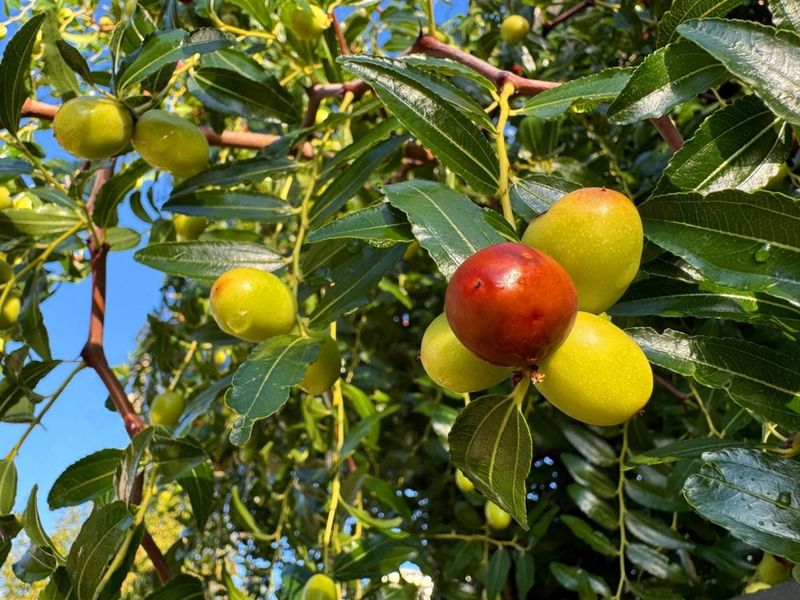
Most North Carolina yards have apples, figs, or peaches, but few have a jujube. Chinese jujube is a fruit tree that handles dry weather better than many orchard trees.
That does not mean it grows fruit without water or work. Here is what to check before you plant one in your own yard.
Jujube is a North Carolina option, not a guaranteed harvest
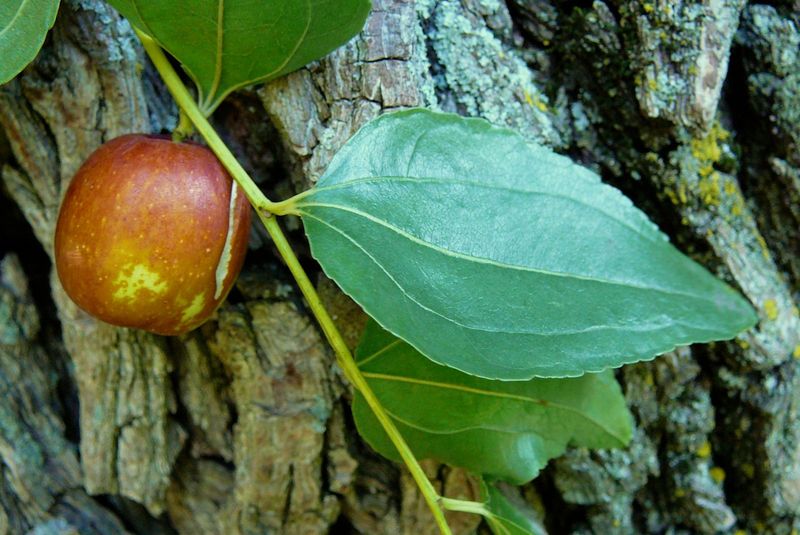
Chinese jujube, Ziziphus jujuba, is a fruit tree from China that some North Carolina homeowners grow for its small, sweet, apple-like fruit. NC State’s plant listing shows it for the Coastal Plain, Piedmont, and Mountains, in hardiness zones 6a through 9b.
It likes warm conditions, tolerates drought, and needs well-drained soil.
A spot on that list means the tree can be grown in those regions. It does not mean every yard will get the same harvest.
NC State also warns that in the northern edge of the species’ range, the growing season can be too short for fruit to set. Mountain gardeners with cool summers and early fall frosts should keep that in mind.
Drought tolerance is another point worth separating out. A tree that survives dry spells is not the same as a tree that fills your basket during one.
The sources reviewed do not show a record of reliable fruiting through North Carolina droughts, so treat jujube as a tough, interesting candidate rather than a sure thing.
Also keep the tree’s origin in mind. Jujube is not native to North Carolina.
It can draw bees, butterflies, birds, and small mammals, but that does not make it a stand-in for a native plant. Think of it as an edible addition to a yard that already has native plantings.
Drought tolerance does not mean no water
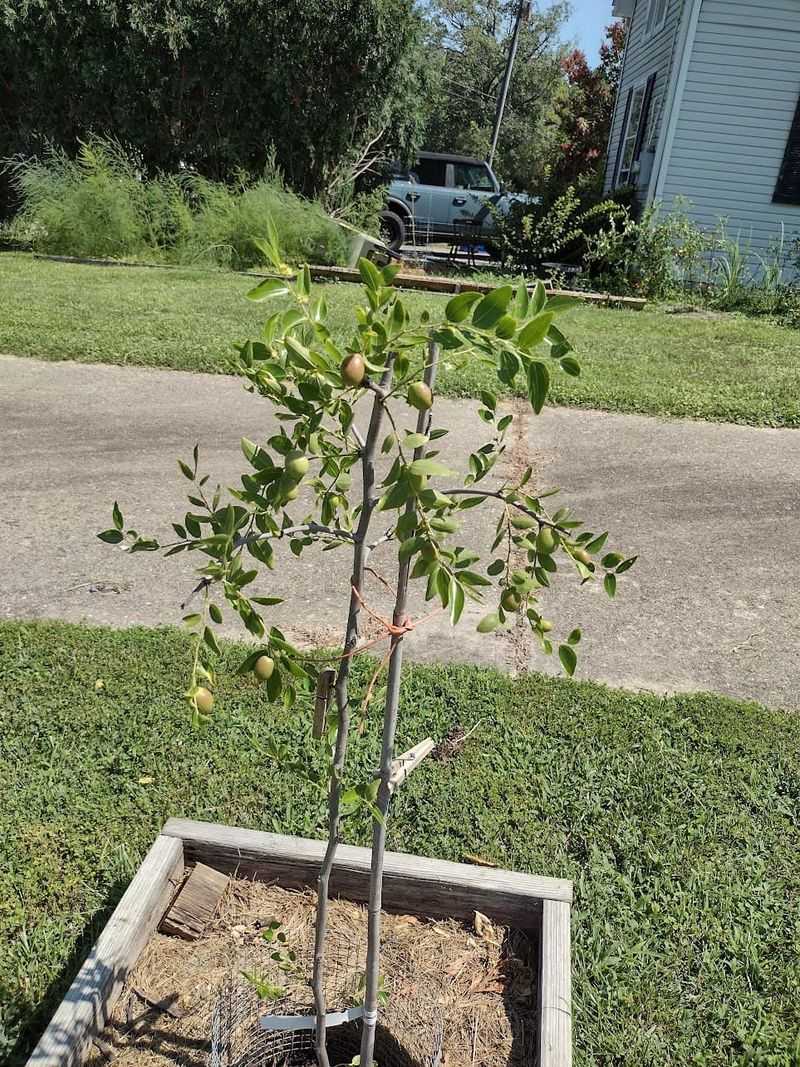
When a tree is called drought-tolerant, that describes how well it copes with dry conditions. It says much less about how much fruit it makes while the soil is dry.
Those are two different questions, and mixing them up is how gardeners end up with a healthy tree and an empty branch.
Guidance from New Mexico State University Extension says irrigation can be needed to get premium fruit set and yield from jujubes. So if you care about the harvest, plan to give the tree supplemental water in dry stretches rather than holding it back to test its toughness.
NC State’s plant listing backs up the tolerance side of the story, noting that jujube handles drought. It does not give a North Carolina yield record under drought.
Most of the detailed growing advice comes from New Mexico, Texas, and Florida, not from repeated trials in North Carolina yards.
In practice, this means a few things. Watch the tree during long dry spells.
Notice whether leaves look stressed. Keep notes on how much fruit you get each year.
There is no proven watering schedule to follow here, so your own observations of your soil, weather, and tree are the best guide you have.
Sun and a careful start give the tree its best chance
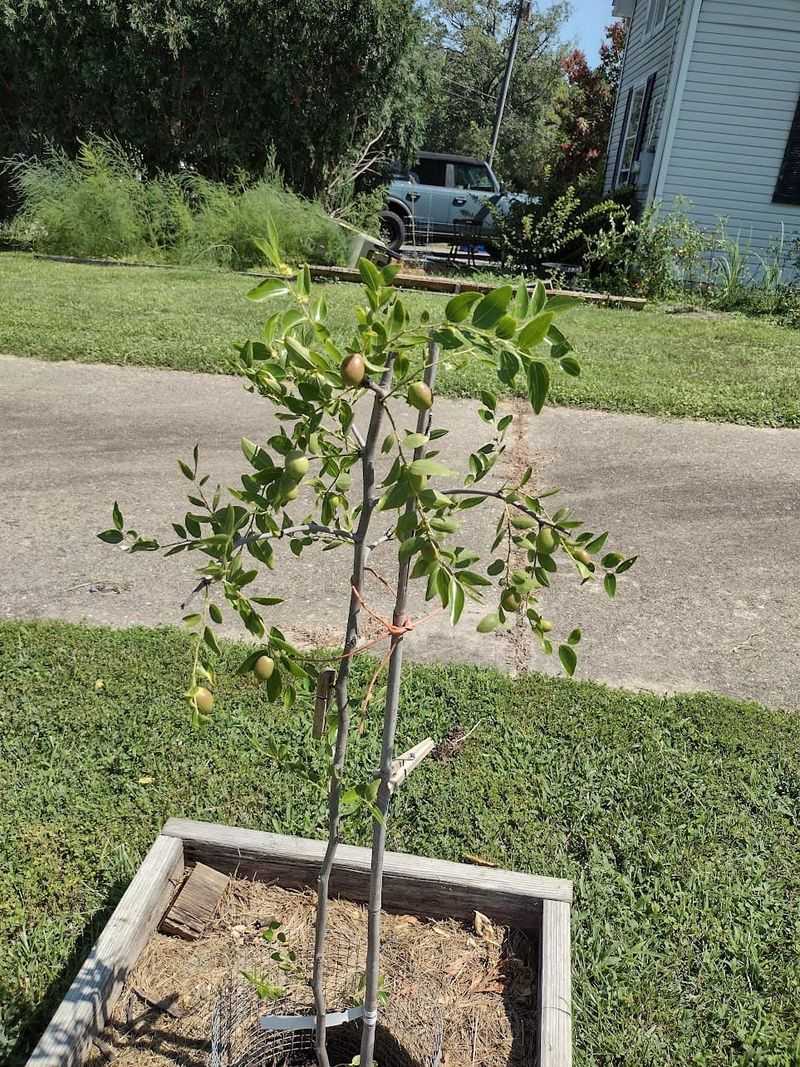
Pick the sunniest spot you have. NC State lists full sun as an option for jujube and notes that fruit production needs sunlight.
A tree tucked in the shade of a big oak may grow leaves but give you little fruit.
Drainage matters just as much. The tree wants well-drained soil, so skip low corners where water pools after a storm.
Heavy clay in parts of the Piedmont may need a raised planting mound, while sandy Coastal Plain soil usually drains quickly.
The first season is when watering counts most. UF/IFAS Extension says newly planted jujubes need adequate, frequent irrigation after planting.
How much depends on rainfall, soil type, and weather, so there is no single number that fits every yard.
A simple check helps. Push a finger a few inches into the soil near the roots.
If it feels dry, the young tree likely needs a drink. If it is soggy, wait.
A layer of mulch, kept a little back from the trunk, can help hold moisture.
Good early care is about getting roots established. It does not promise what a mature tree will yield years from now.
Could one tree set fruit in your yard?
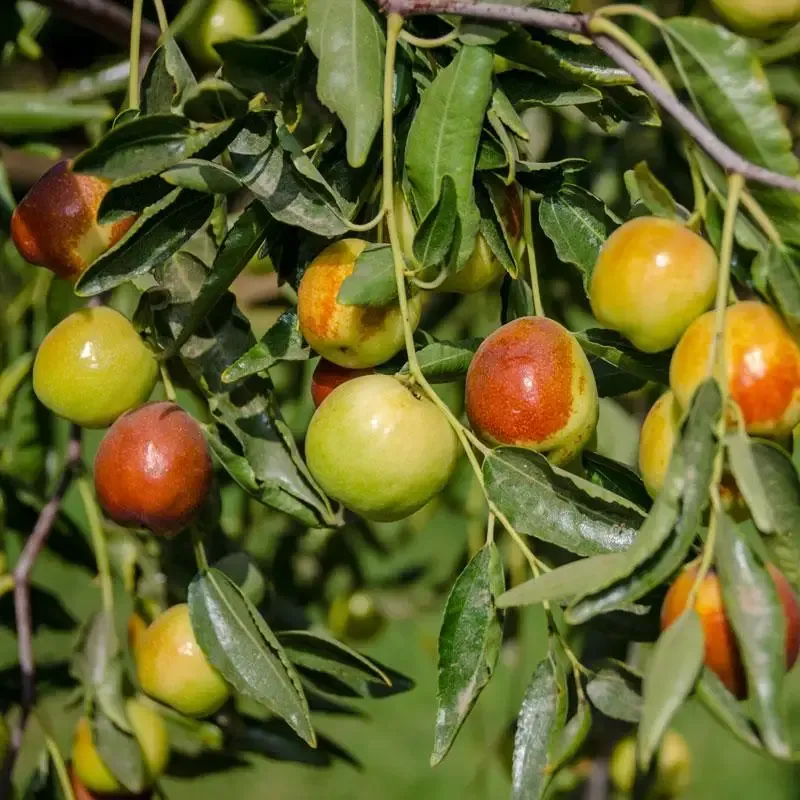
Before you buy, look at the tree’s name. Choose a named, grafted cultivar rather than an unnamed seedling, because cultivars behave differently.
NMSU Extension notes that the cultivars you can buy are limited, that some are self-fertile, and that cross-pollination can improve fruit set and fruit size.
That leaves room for different outcomes. One cultivar may set fruit on its own.
Another may do better with a partner nearby. NMSU suggests planting two or more cultivars where that is practical, but that is a suggestion, not a rule every yard must follow.
Performance also varies by place. UF/IFAS Extension documents differences among cultivars and reports that fruit set can be a problem for some of them in Florida.
No one can promise that a single tree will fruit in your yard.
Here is a practical next step. Ask the nursery for the cultivar name, then look up whether it is listed as self-fertile.
If space is tight, one self-fertile cultivar may be enough to try. If you have room and want a better shot at larger fruit, a second cultivar is a reasonable option to consider.
Plan for pruning, suckers, and thorny branches
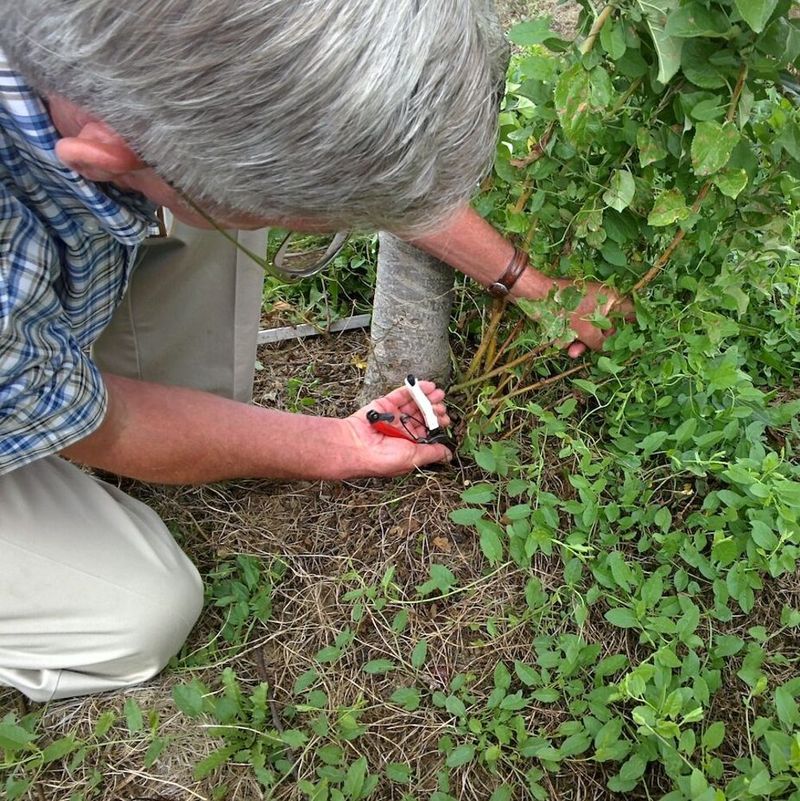
NC State classifies jujube maintenance as medium, according to its plant listing. That is a fair way to picture the work: not constant, but not zero.
A few chores come with the tree.
Pruning is one. NMSU says annual pruning can improve fruit set and quality.
Plan a regular session, ideally while the tree is dormant, to open up the canopy and remove crowded growth.
Root suckers are another. UF/IFAS notes they can pop up several feet from the trunk, so check the lawn and nearby beds and remove them when they appear.
Jujubes can also have thorny branches, which matter for anyone handling the tree.
These traits affect where you plant. Keep the tree away from walkways, play areas, and property edges where people brush past.
Give it room so suckers do not creep into flower beds or a neighbor’s yard.
Not every tree will grow or sucker the same way, so watch yours for a season or two. Then adjust your routine based on what it actually does.
What peach care guidance can—and cannot—tell you
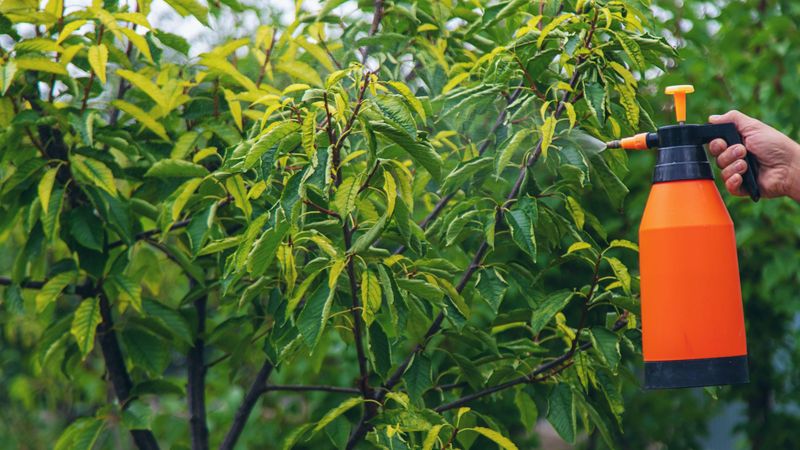
Peaches come up in this conversation because many North Carolina gardeners already grow them, or have tried. NC State Extension’s home orchard guide describes stone fruits like peaches as generally needing more care than apples and pears.
It lays out the pest and disease problems that tend to come back year after year.
A more detailed resource, NC State’s peach and nectarine management guide, covers the specific diseases and pests growers watch for and how to manage them. That tells you peaches often come with a real management load.
What it does not tell you is how a peach and a jujube compare side by side. None of the sources reviewed tested them in the same North Carolina drought.
They do not show which tree yields more, or which one takes less work overall.
So use the peach guidance for what it is. If you are tired of spray schedules and pest watching, it is a fair reason to look at other fruit trees.
But jujube has its own jobs, including pruning, sucker control, and cultivar choice. Weigh the specific tasks of each tree against the time you actually have.
Choose jujube for site fit, not a no-water promise
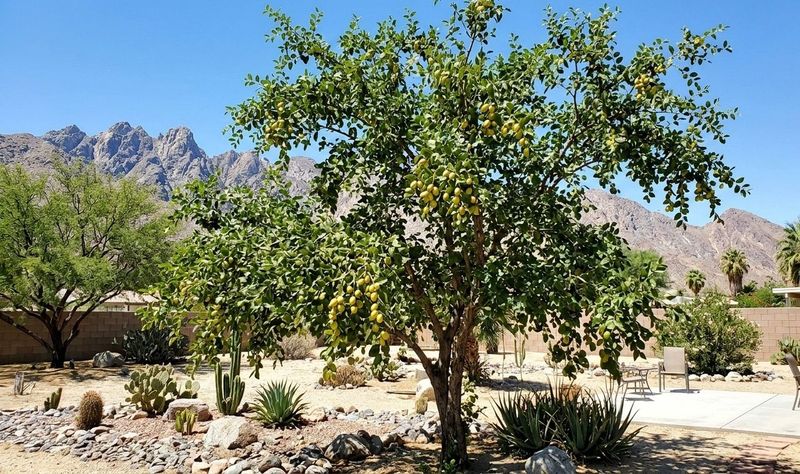
Jujube makes sense if your yard has full sun and well-drained soil, you can water a new tree, and you can pick a cultivar with pollination needs that fit your space.
Tolerating drought and bearing fruit through one are different things. Match the tree to the site, not to a promise.