
Your Christmas Cactus Buds Keep Dropping Before They Open? 13 Mistakes Making It Happen
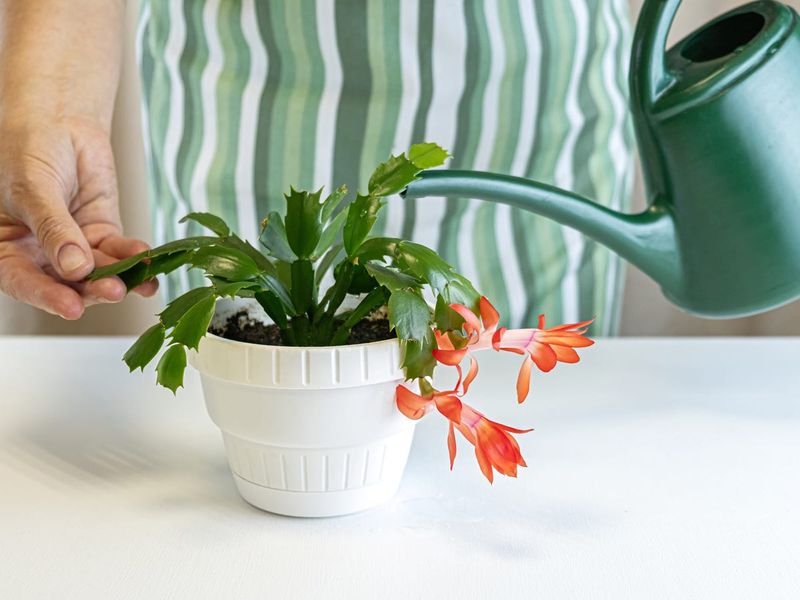
Few things sting like watching fat pink buds on your Christmas cactus tumble onto the windowsill days before they should open. The good news is that bud drop almost always has a clear cause, and most of them are easy to fix once you know what to look for.
Below are 13 common mistakes that make a Christmas cactus let go of its buds, plus simple ways to turn things around. Find the one that matches your plant, and you could still save this season’s flowers.
1. Moving or Turning the Plant After Buds Form
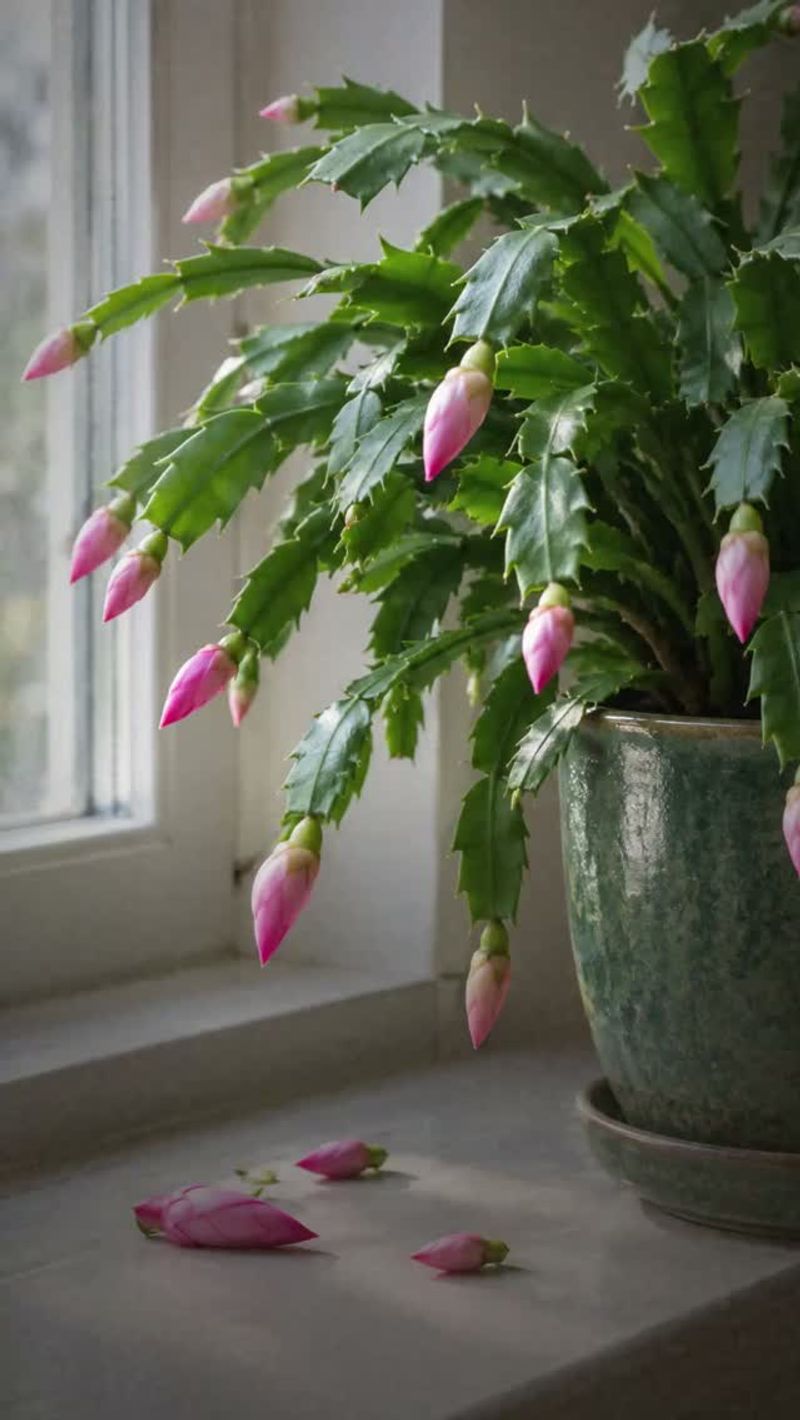
Picture carrying your blooming plant from the kitchen to the living room so guests can admire it. A week later, half the buds are on the floor.
Christmas cacti are famously fussy about change once buds set.
Each bud grows toward a light source in a very specific setting. Rotating the pot or moving it to a new room shifts light, temperature, and humidity all at once, and the plant may respond by dropping buds it can no longer support.
The fix is simple: pick a good spot before buds appear and leave the plant there until flowering ends. If you buy one already in bud, expect a few to fall as it adjusts to your home.
That early drop is normal and usually settles down within a couple of weeks.
2. Cold Drafts and Blasts of Heat
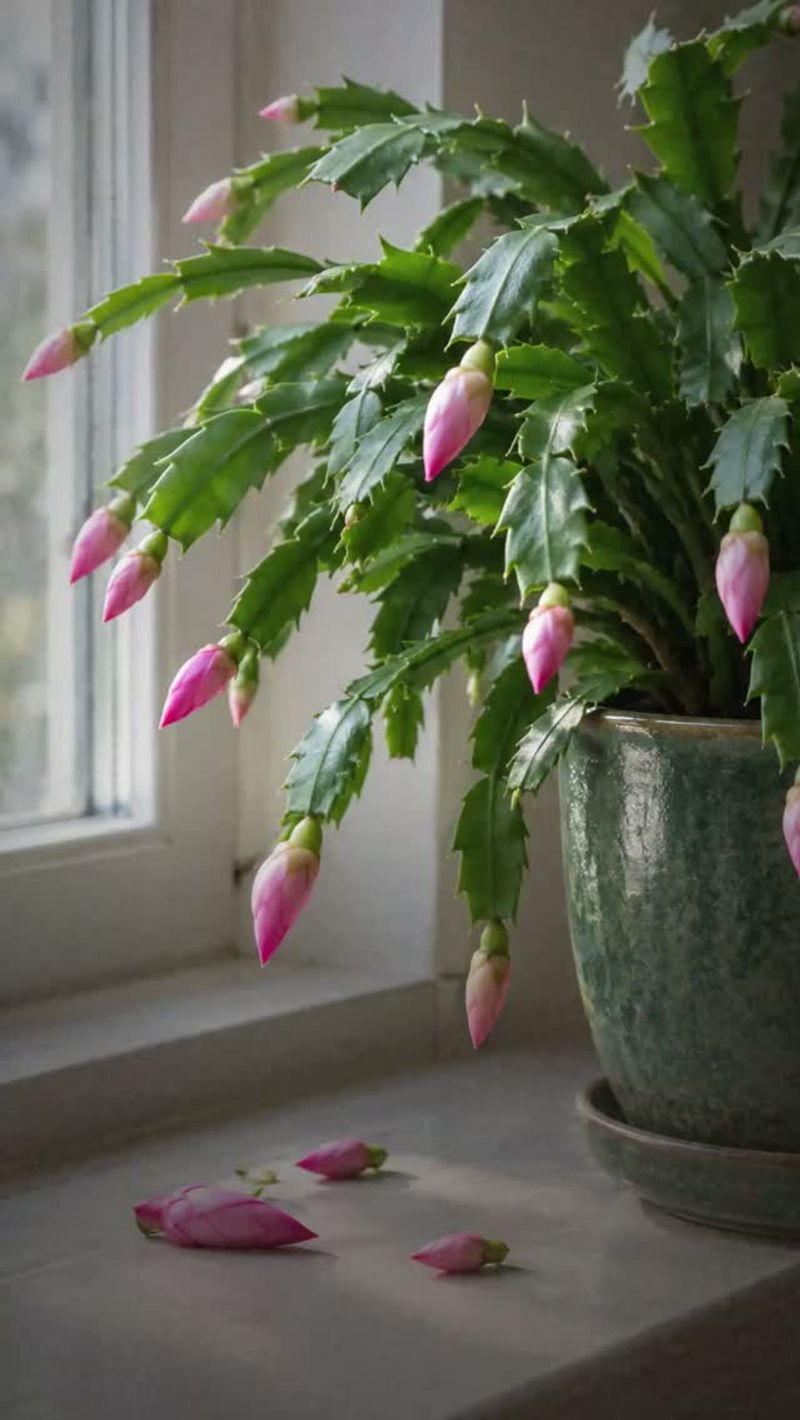
Winter windows can feel like an icebox at night, and that chill reaches your plant first. Right next to it, a radiator or heat vent might be pumping out dry, hot air.
Your Christmas cactus gets caught in the middle.
Sudden temperature swings shock the plant, and buds are the first thing it sacrifices. Aim for daytime temps near 70°F and nights between 50 and 65°F.
Keep the pot a few feet away from exterior doors, leaky windows, fireplaces, and heating vents. A quick test helps: hold your hand where the plant sits for a minute.
If you feel a breeze or a wave of warmth, find a calmer spot.
3. Watering Too Much or Too Little
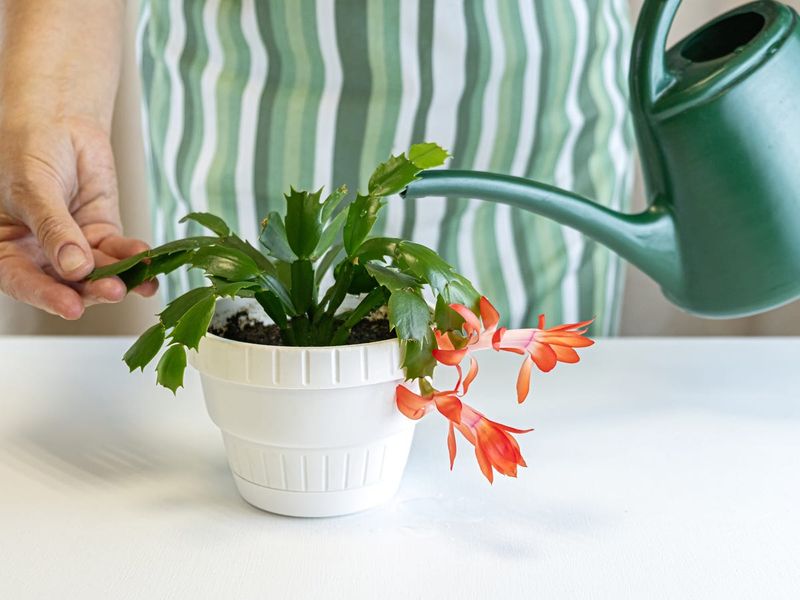
Here’s a tricky one, because both extremes cause the same heartbreak. A soggy pot rots roots, and a bone-dry pot stresses the plant until buds shrivel and fall.
Despite the name, a Christmas cactus is not a desert plant. It wants more water than a typical cactus but hates sitting in wet soil.
Push a finger into the soil. When the top inch or so feels dry, water thoroughly and let the extra drain out completely.
Empty the saucer afterward so roots never sit in a puddle. During bloom time, keep the soil lightly moist, like a wrung-out sponge.
4. Interrupting the Long Nights
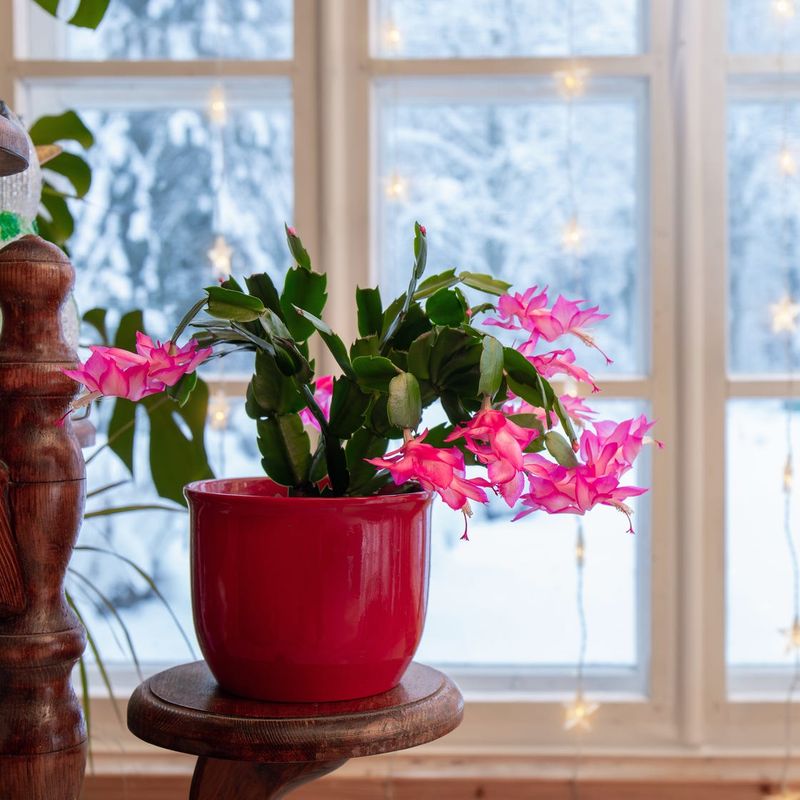
Fun fact: your Christmas cactus can tell time by darkness. It belongs to a group called short-day plants, which means long, uninterrupted nights tell it to make flowers.
Flip on a lamp for an hour in the evening, and you may reset that clock. Buds can stall or drop when the dark period keeps getting broken.
Starting in early fall, give the plant 12 to 15 hours of true darkness each night for about six to eight weeks. A guest room that stays dark after sunset works great.
You can also slip a black cloth or box over it each evening, just remember to uncover it in the morning.
5. Harsh Sun or a Dim Corner
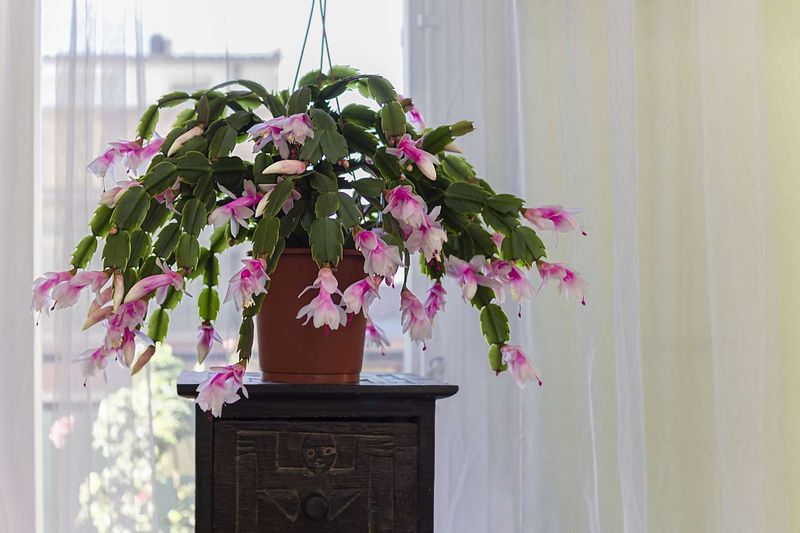
Too much sun and too little sun both cause trouble, which surprises plenty of people. Hot afternoon rays can scorch stems and cook tender buds.
A dark corner, on the other hand, leaves the plant without enough energy to finish blooming.
Bright, indirect light for four to six hours a day is the sweet spot. An east-facing window is often perfect.
Stuck with south or west windows? Hang a sheer curtain to soften the glare.
Reddish or bleached stems are a clue the light is too strong.
6. Dry Winter Air
Out in the wild, Christmas cacti grow on trees in misty Brazilian mountain forests. Now compare that to a heated home in January, where the air can feel as dry as a desert.
Low humidity can make buds shrivel and drop before they ever color up. Luckily, boosting moisture is cheap and easy.
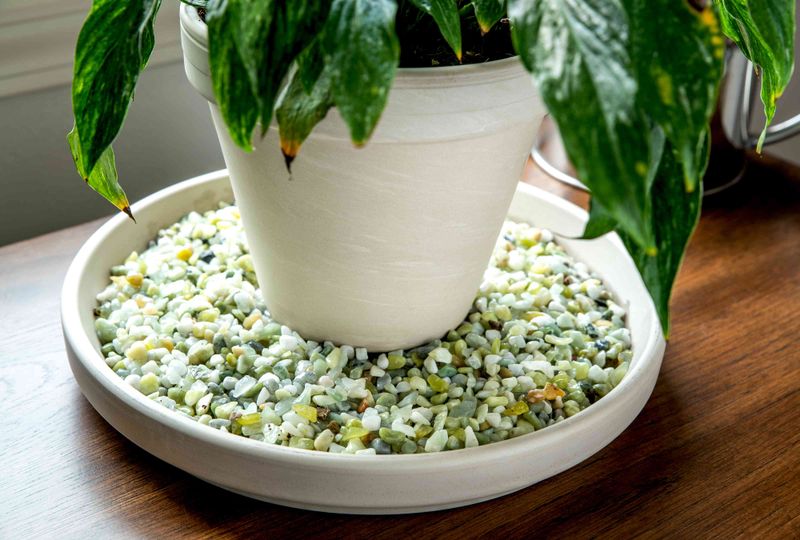
Set the pot on a tray of pebbles and water, keeping the pot bottom above the waterline. Grouping houseplants together helps too, since they share moisture.
A small room humidifier works even better if your air is really dry.
7. Heavy Soil That Holds Water
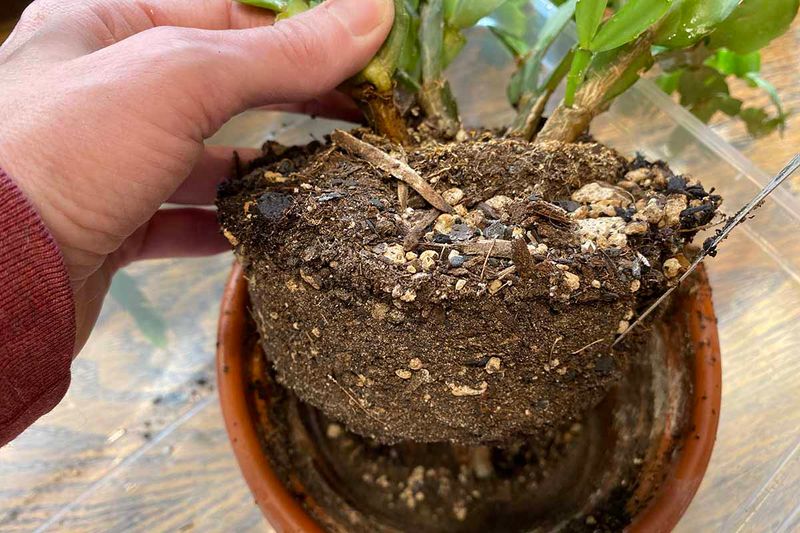
Ever squeezed a handful of potting soil and had it stay in a muddy clump? That kind of mix is bad news for a Christmas cactus.
Dense soil traps water around the roots, and soggy roots start to rot. A struggling root system simply can’t feed a full load of buds.
Use a light, airy blend, such as a succulent or cactus mix with extra perlite. A pot with a drainage hole is a must.
The plant prefers slightly acidic soil, so a bit of orchid bark mixed in can also help.
8. Feeding at the Wrong Time
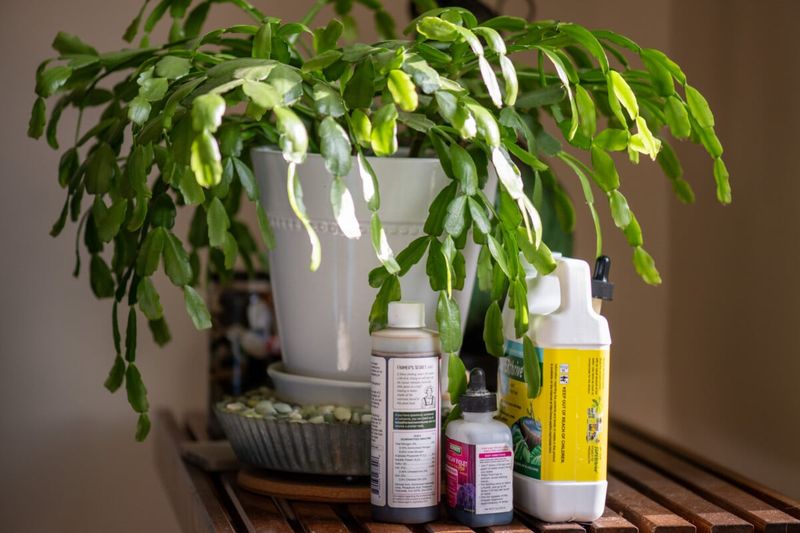
More food doesn’t mean more flowers. In fact, too much fertilizer, especially high-nitrogen kinds, pushes lots of green growth while flowers get shortchanged.
Timing matters as much as amount. Feeding in fall or while buds are forming can throw the plant off track.
Feed during spring and summer with a balanced houseplant fertilizer mixed at half strength. Stop by late summer so the plant can shift its focus to setting buds.
Pick up feeding again in spring after blooms fade.
9. Repotting in the Middle of Bloom Season
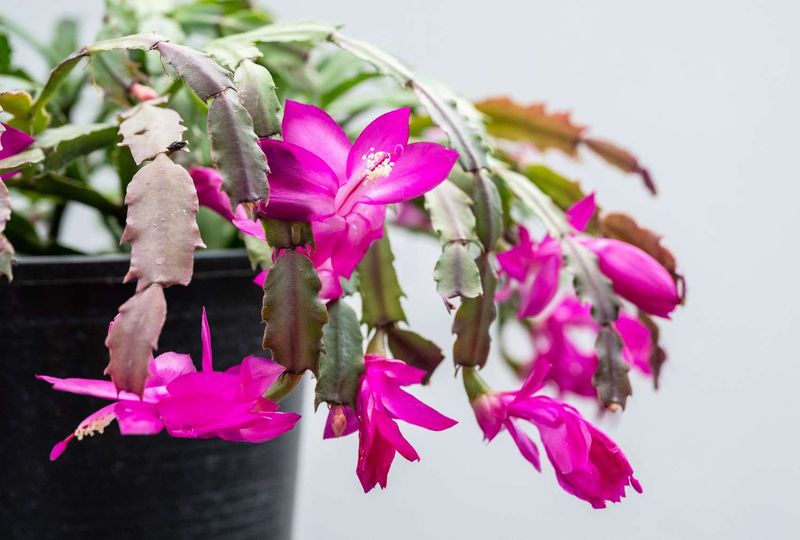
A new pot can feel like a gift for your plant. During bud season, though, it’s more like moving house during a holiday party.
Repotting disturbs roots, and a plant busy recovering will drop buds to save energy. Christmas cacti actually like being a little snug in their pots, so there’s rarely a rush.
Wait until flowering is done, usually late winter or early spring. Choose a pot only one to two inches wider than the old one.
A big jump in size holds extra soil that stays wet too long.
10. Missing Pests or Disease
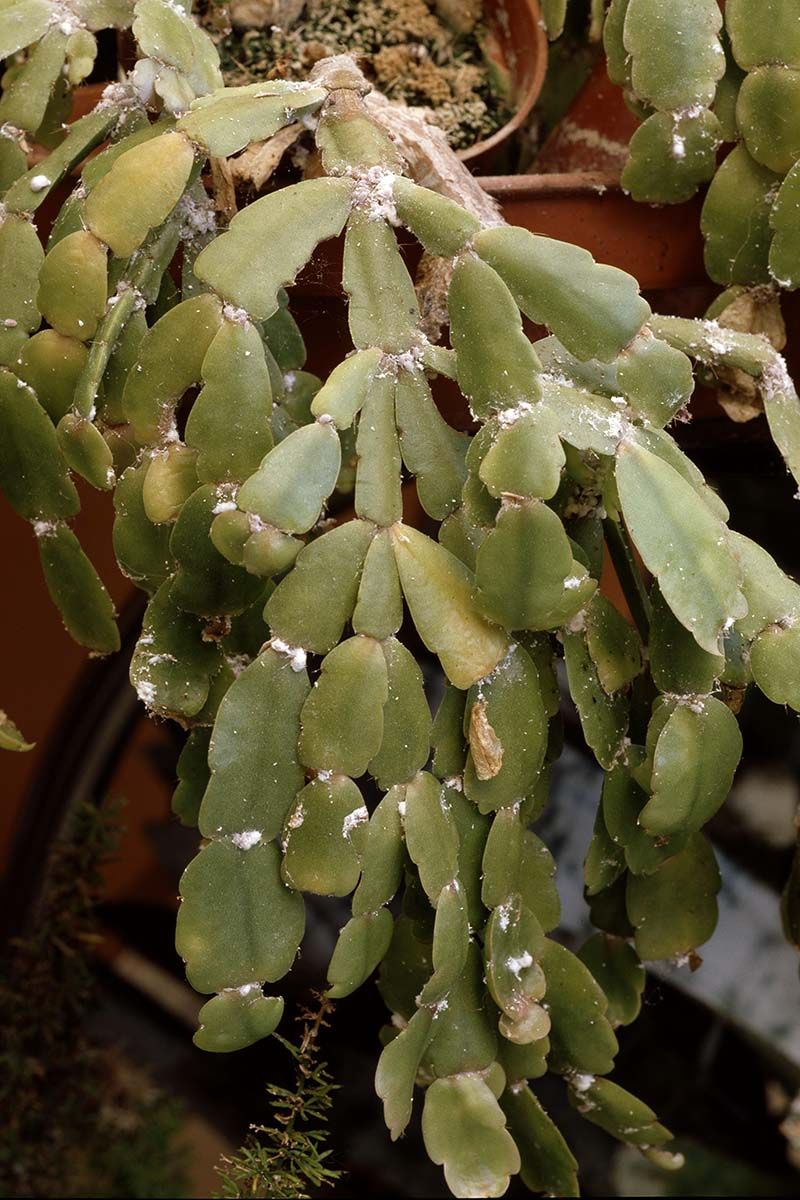
Tiny white fluff tucked between stem segments might look harmless. It’s often mealybugs, and they can quietly drain your plant.
Spider mites, aphids, and thrips can also stress a Christmas cactus enough to cause bud loss. Gray mold and root rot may make buds turn mushy and fall.
Check the joints and undersides of stems every week or so. Dab mealybugs with a cotton swab dipped in rubbing alcohol, and treat larger problems with insecticidal soap.
Good drainage and some air movement may help prevent fungal trouble.
11. Panicking Over Natural Bud Drop
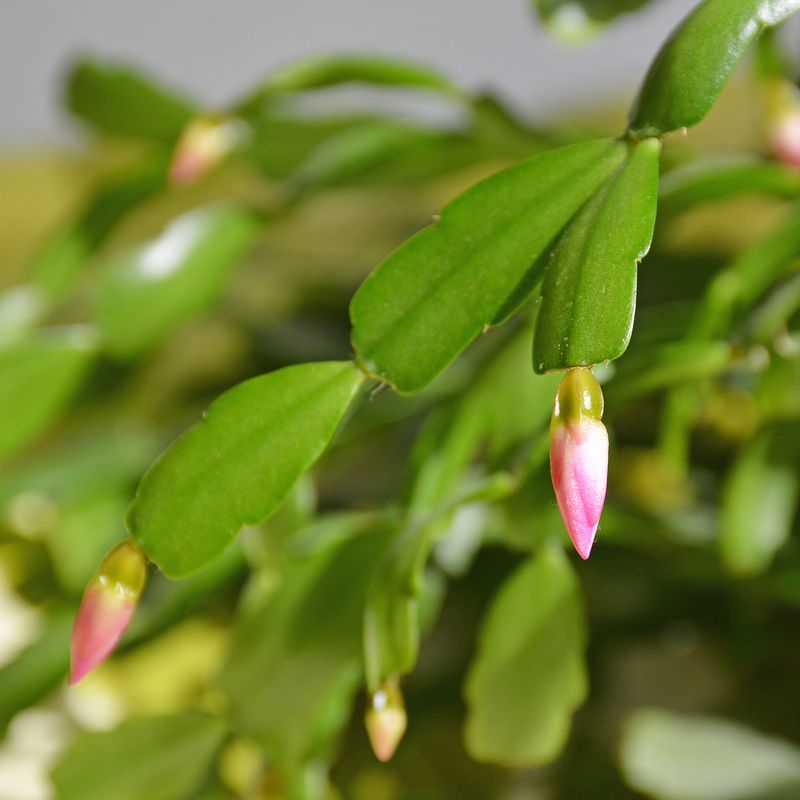
Take a breath, because not every fallen bud is a disaster. Sometimes a Christmas cactus sets more buds than it can carry, and it drops a few on purpose.
Think of it like thinning out a crowded row of seedlings. The plant lets go of extras so the rest can open bigger and stronger.
If only a handful fall and stems look plump and green, your plant is likely fine. Keep care steady and resist the urge to change everything.
Constant tinkering can cause the very drop you’re worried about.
12. Using Hard or Treated Tap Water
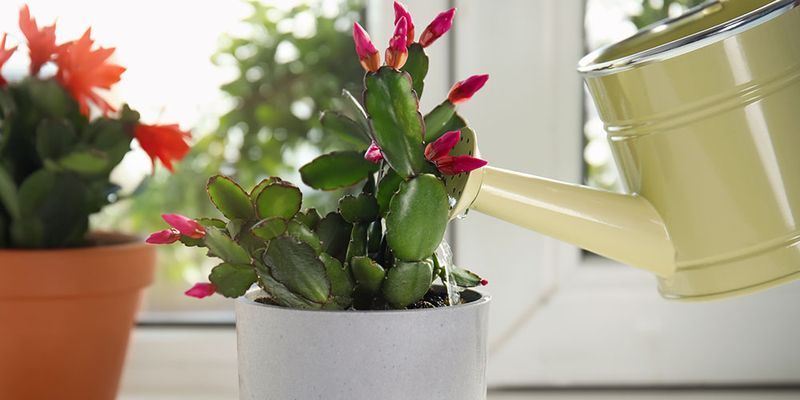
White crust on the pot rim is a sign worth noticing. Tap water in many areas carries minerals, chlorine, and fluoride that build up in the soil over time.
That buildup can slowly stress roots. A weakened plant may respond by dropping buds or flowers.
Try rainwater, filtered water, or distilled water when you can. Letting tap water sit out overnight lets some chlorine escape, too.
Every few months, flush the pot with plenty of clean water to rinse out salts.
13. Skipping the Fall Rest Period
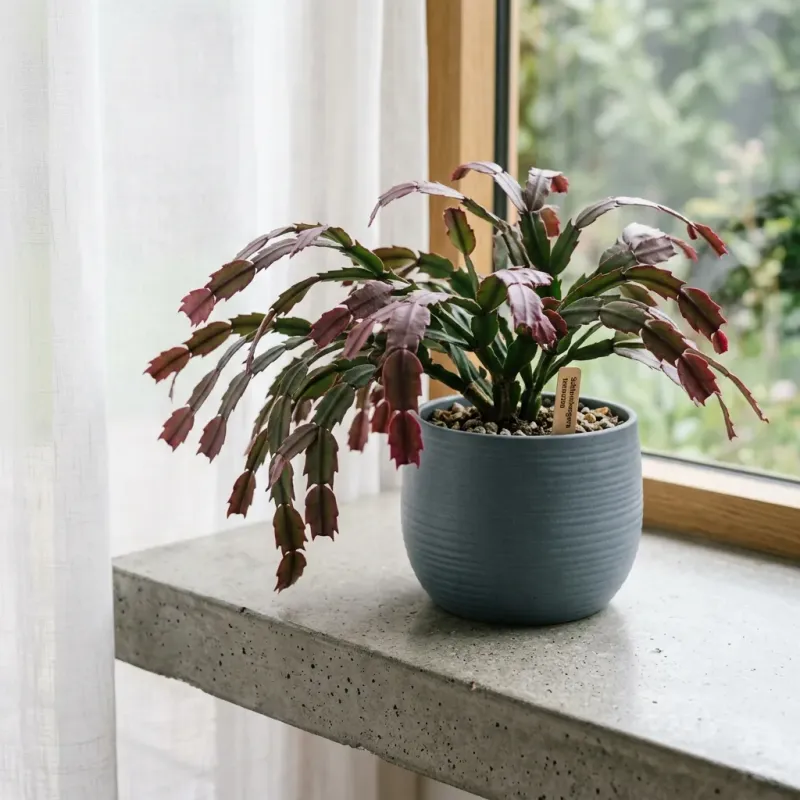
Grandma’s Christmas cactus that bloomed like clockwork probably spent autumn in a chilly back room. That wasn’t luck.
A cool, slightly dry rest is what tells the plant to get ready for flowers.
Without that break, you may get fewer buds, weak buds that drop, or none at all. The rest period works hand in hand with long nights.
In early fall, water a little less and keep nights around 50 to 55°F for six to eight weeks. A cool porch, basement window, or unheated room works well, as long as it stays above freezing.
Once buds show, move it to its blooming spot and leave it there.