
Christmas Cactus Buds Dropping Before They Open? Heat and Drafts May Be Part of the Problem
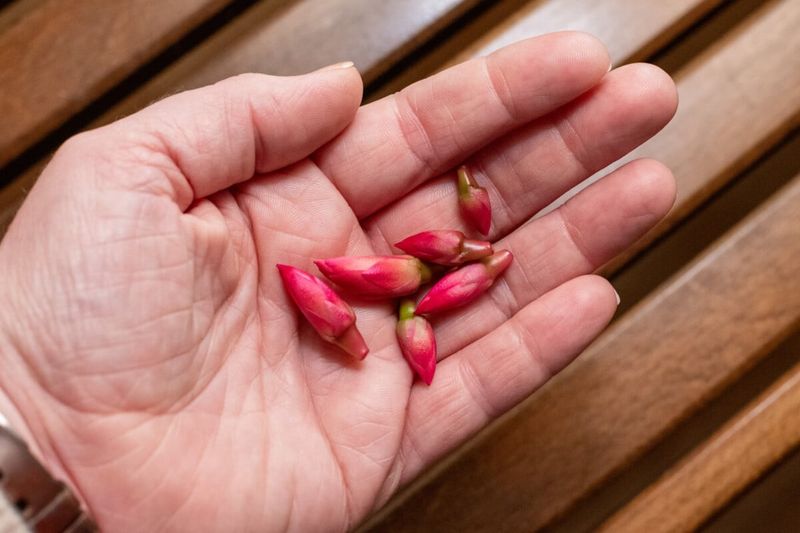
Those tiny pink buds on your Christmas cactus looked so promising, and now they are scattered across the table. It is a scary sight right when the plant should be getting ready to bloom.
Heat and drafts can play a part, but they are not the only suspects. Here is how to check your plant’s surroundings and care without making things worse.
A warm room is only one possible cause
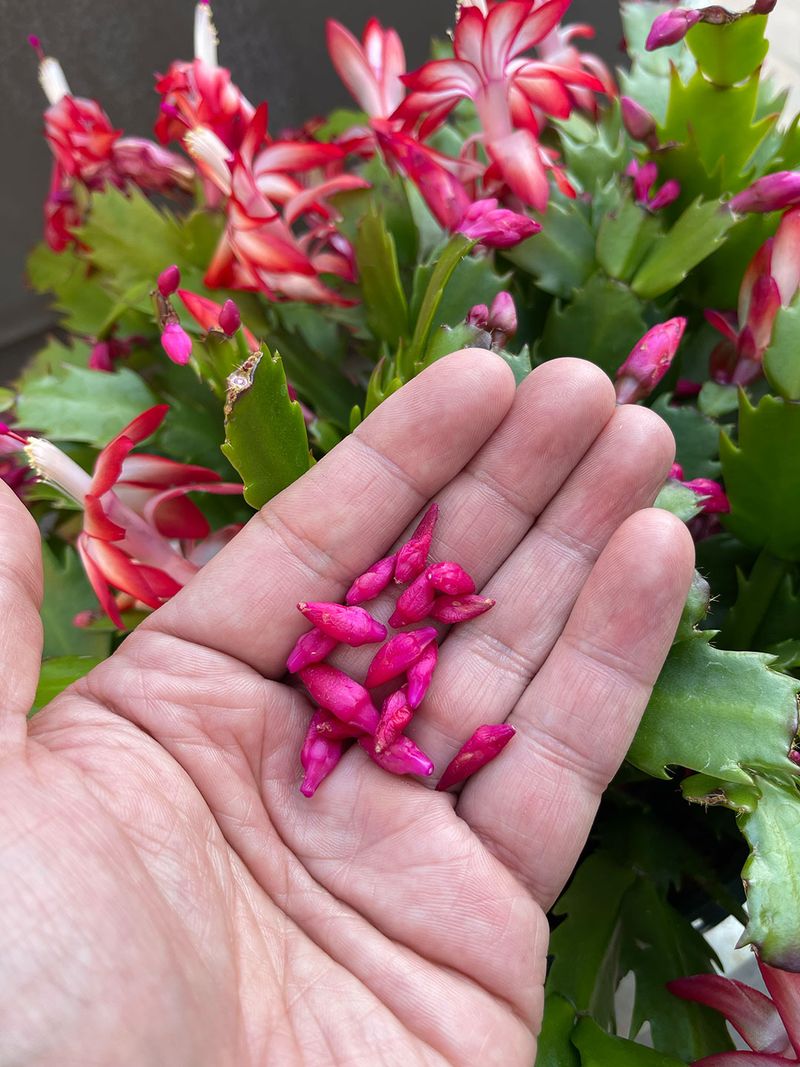
Finding fallen buds makes it tempting to blame the first thing you notice, and in many homes that is the warm living room. Heat can contribute, especially when it hits the plant as a blast from a heater or fireplace or as a sudden swing in temperature.
But a comfortable room by itself cannot tell you why the buds are falling.
According to University of Minnesota Extension, drafts and sudden changes in temperature or humidity can cause buds to drop. Other holiday cactus guidance, like this UConn fact sheet, also points to more than one possible cause, so no single factor should be treated as the answer.
The usual suspects form a short list. Hot or cold drafts, dry or swinging humidity, low light, and soil that is either too dry or too wet can all stress a plant that is busy making flowers.
Moving the plant around can add stress too, which is why the plan ahead is careful rather than dramatic.
Many plants sold as Christmas cactus are really holiday cacti or hybrids, so exact needs can vary a little from plant to plant. Think of the next few sections as a checklist.
You are looking for clues, not hunting for one guilty culprit, and UF/IFAS guidance backs the idea of keeping conditions steady while buds develop.
You did not do something wrong by owning a plant in a warm home. Bud drop happens to careful growers all the time, and a few quick checks can show you what to adjust.
Where does the air hit the plant?
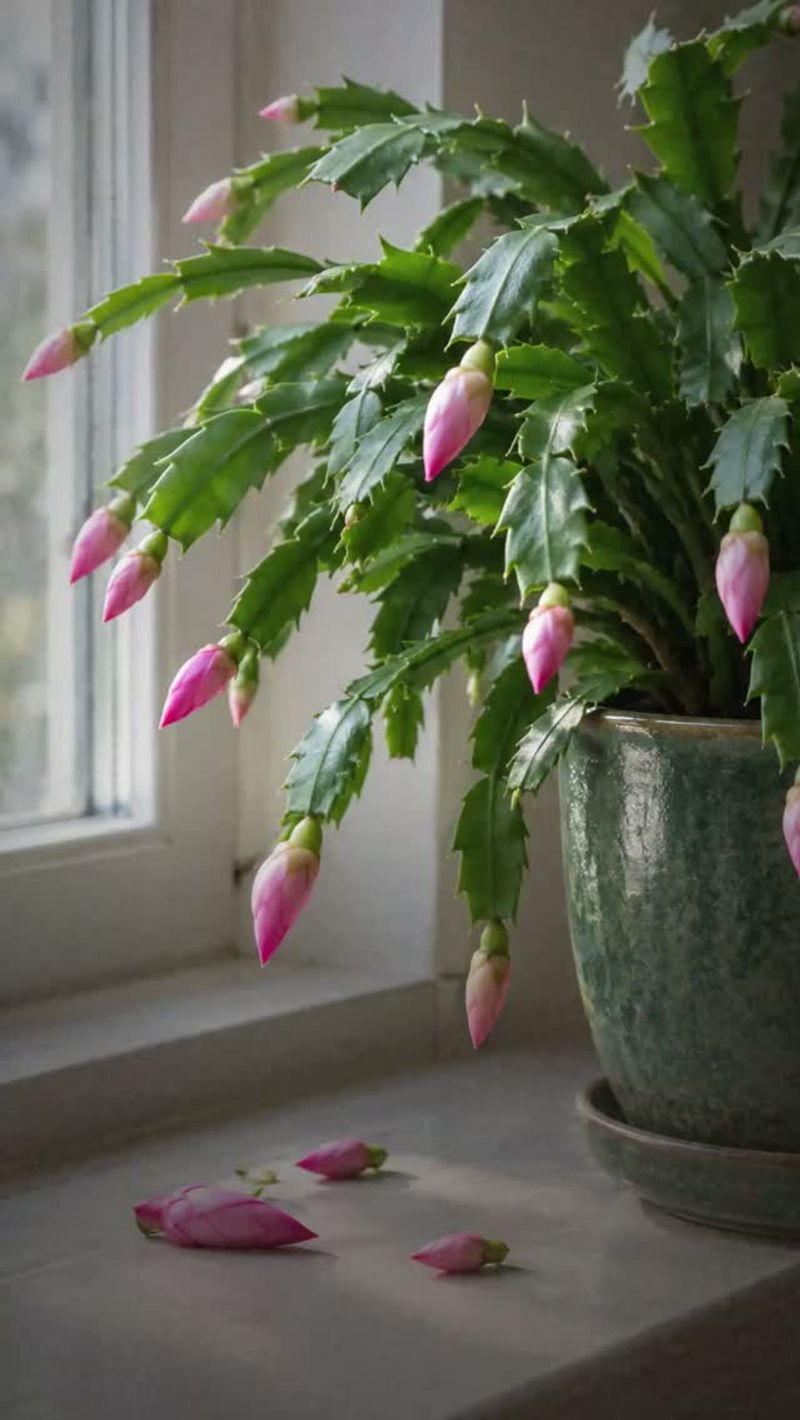
Stand where your plant sits and slowly notice the air around it. Room temperature on a thermometer can look fine while one side of the pot gets a puff of hot air every time the furnace kicks on.
That kind of localized blast is different from a room that is simply cozy.
Look for the usual hot spots: a heater or floor vent, a fireplace, a radiator, or the top of an appliance. Then check the cold side.
A single-pane window, a door that opens often, or a spot near a gap in the wall can send a chilly draft across the leaves.
UF/IFAS advises keeping a budded plant away from heater vents, fireplaces, and cold drafts. University of Minnesota Extension also lists sudden temperature and humidity changes among the reasons buds fall.
Try a simple test. Hold the back of your hand near the plant, and the foliage, at different times of day, such as when the heat turns on or when someone opens the door.
If you feel a clear stream of warm or cold air, note it.
Keep in mind that finding a draft does not prove it caused the drop. It only tells you one stressor may be present, and that helps you decide what to do next.
If you move it, choose the new spot carefully
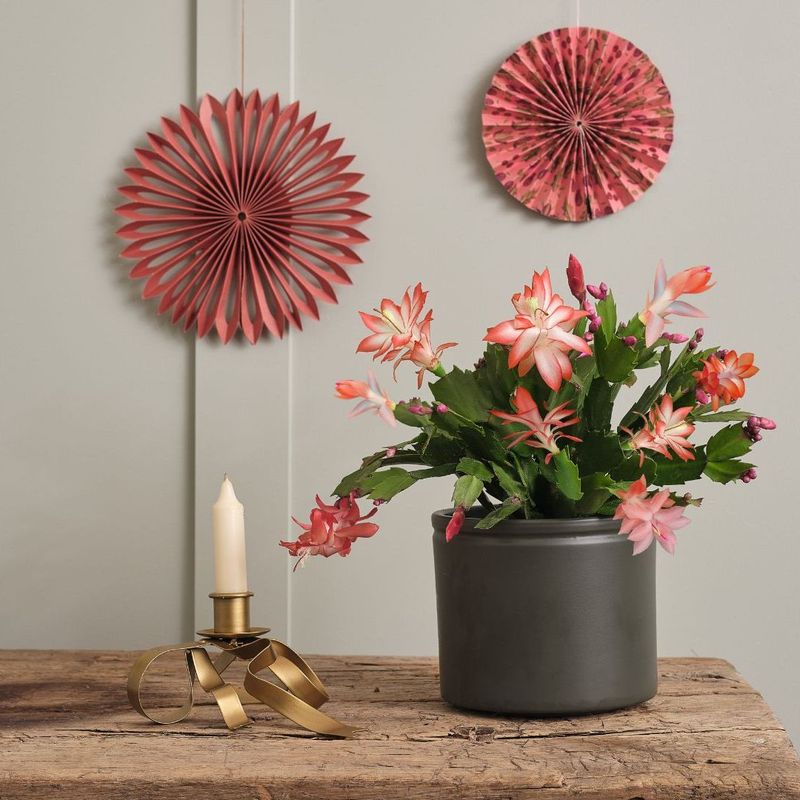
Sometimes the check in the last section turns up a clear problem, like a heating vent blowing right on the pot. In that case, one careful move to a steadier, bright spot may make sense.
The key word is one, because moving a plant that has buds can itself cause bud drop.
Iowa State Extension suggests waiting until the first flowers open before moving the plant for display. That is a good reminder that changes in position are a stressor of their own, so move only when there is a real reason.
Pick the new place before you pick up the pot. You want bright light without harsh direct sun, away from vents, fireplaces, and cold glass, and somewhere the temperature stays fairly even through the day and night.
A bright room corner or a shelf a few feet from a window often works.
Carry the plant gently and set it down in its new home. After that, try not to turn it, nudge it, or shuffle it around for a better look.
UF/IFAS also stresses stable conditions while buds develop.
If the plant is not sitting in a direct blast or draft, it may be best to leave it where it is. A move cannot save buds that are already falling or promise that the rest will open, but it can remove one avoidable stress.
Flowering temperatures are a guide, not a diagnosis
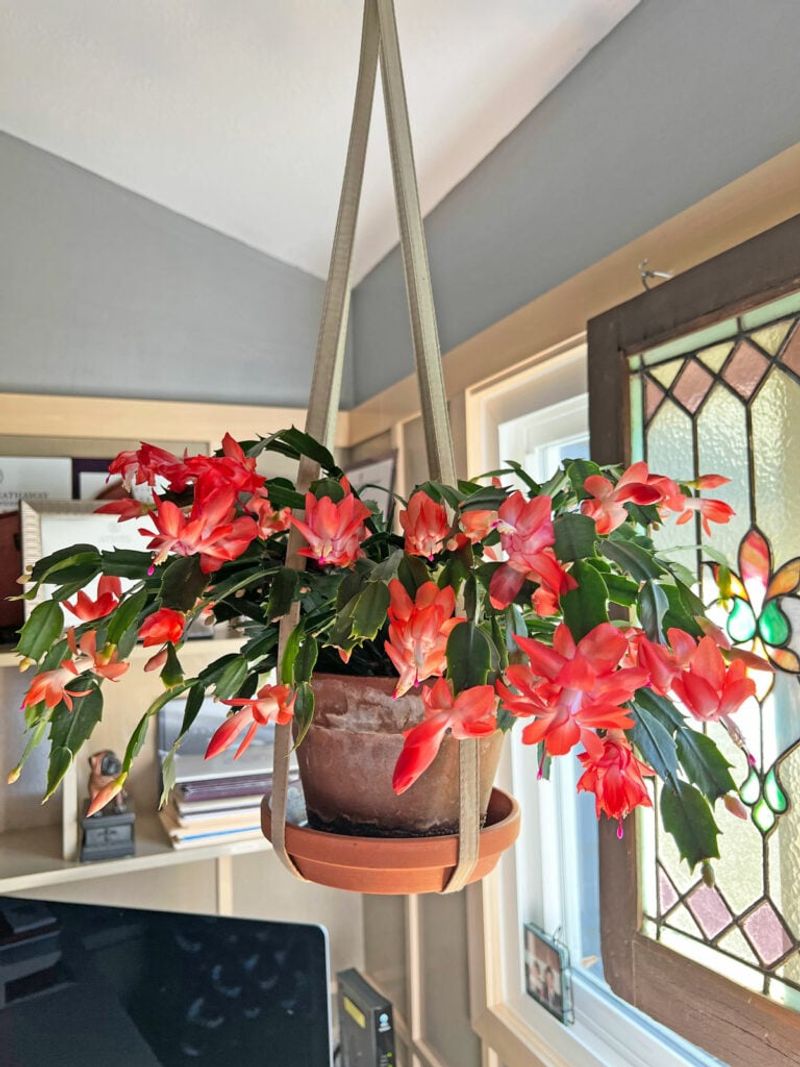
You may have seen temperature numbers for getting holiday cacti to bloom, and it is easy to treat them as pass-or-fail marks. They are better used as a guide.
Iowa State Extension recommends nights around 60 to 65 degrees F with slightly warmer days for flower formation, and says temperatures above 70 degrees F can interfere with flower development.
University of Minnesota Extension describes a bright location with daytime temperatures of 65 to 70 degrees F and evenings of 55 to 65 degrees F. It adds that plants are unlikely to bloom when nights run above 65 degrees F.
Notice what those ranges are about: getting a plant to set and develop flowers. They do not explain why a bud that has already formed is dropping, and no single number proves your living room is the problem.
Still, the ranges can be handy. If your evenings are much warmer than these, it may help to know that bloom timing could shift, even if buds are not the issue.
One more wrinkle is the name itself. According to NC State Extension, many plants sold today are hybrids involving Christmas and Thanksgiving cactus species.
Because of that, flowering timing and care details can vary from one plant to another, and your cactus may not follow the textbook schedule exactly.
Use the numbers as a loose compass. Steady conditions in a comfortable range matter more than chasing a precise temperature.
Check the soil before changing your watering
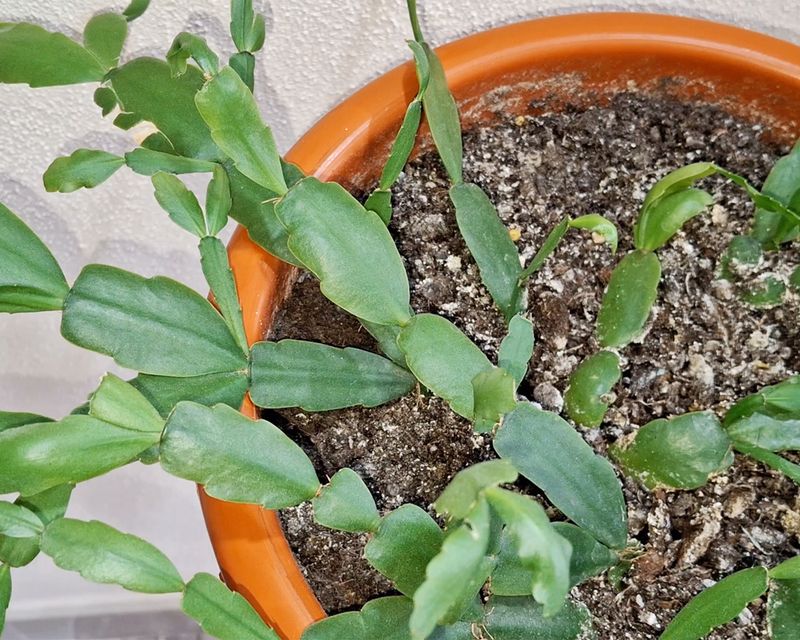
When buds fall, guessing at water is a common reaction. Some people water more, others stop watering altogether, and both moves can backfire.
A quick check of the soil gives you real information instead.
Poke a finger into the mix about an inch down. If it feels damp, wait.
If it has begun to dry out, water thoroughly until the extra runs out of the drainage holes, then empty the saucer so the pot is not left standing in water.
UF/IFAS recommends checking moisture and watering as needed rather than keeping a rigid calendar. A University of New Hampshire Extension article likewise explains that how often to water depends on conditions in your home, not a fixed number of days.
Do not hold back water or let the plant dry out hard because buds are present. Very dry mix and soggy mix can both be a concern, and a plant sitting in water can struggle for reasons that look a lot like the ones you are trying to fix.
A soil check also has limits. Perfectly moist soil does not rule out heat or drafts, and dry soil does not prove thirst caused the drop.
It simply lets you remove one variable so you can read the other clues more clearly.
Keep the plant steady while the buds develop
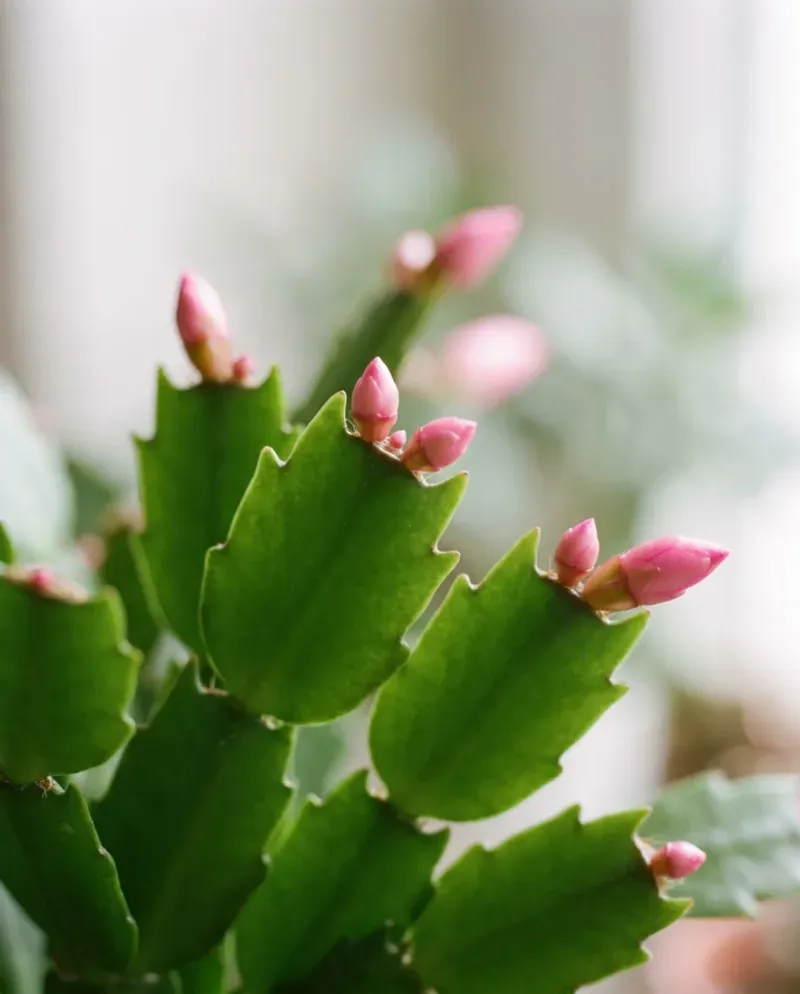
Start with a look around the plant for direct blasts of heat or cold air. If one is clearly hitting it, make a single careful move to a bright, steady spot, as Iowa State Extension suggests when avoiding drafts.
If nothing is hitting it, leave it where it is.
Next, keep it in that bright, even spot and skip the rearranging. Check the soil with a finger before you change anything about watering, and water when the mix has begun to dry.
Both University of Minnesota Extension and UF/IFAS stress steady conditions during bud development.
These steps can cut down on avoidable stress, but they cannot promise that remaining buds will open or bring back the ones on the floor. A plant that stays calm has its best shot.