
Tomato Cages, Stakes, And Dead Vines: How Fall Cleanup Can Reduce Some Tomato Disease Risks
Your tomato plants looked great in June, then the lower leaves spotted, yellowed, and dropped by August. Many gardeners wonder if they did something wrong, and the answer is usually no. Some leaf diseases can hang around in old vines and on gear, so what you do in fall can matter.
Here is a manageable cleanup routine that can lower some of next summer’s risks.
What fall cleanup can—and cannot—do
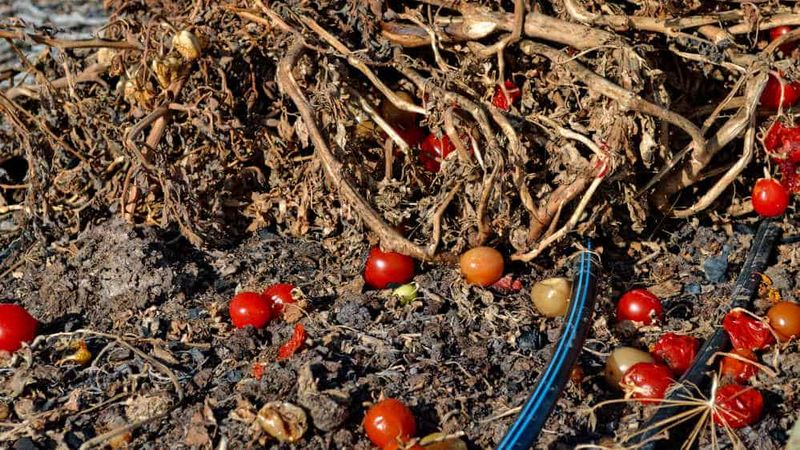
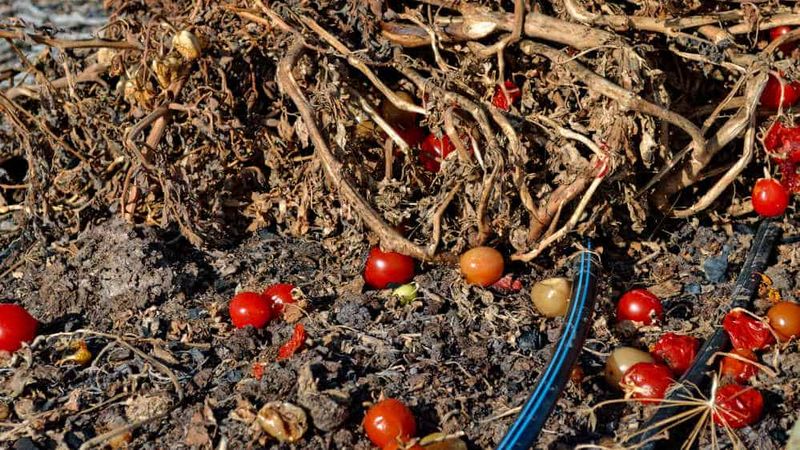
Old tomato vines can hold more than leftover fruit. University of Minnesota Extension lists infected plant debris as a winter source of early blight.
Septoria leaf spot works in a similar way, and UW-Madison plant pathologists add that the fungus can also survive on equipment, including stakes and cages.
That is why a fall cleanup is worth your time. Pulling diseased vines, picking up fallen leaves, and cleaning supports can take away some of the places these diseases wait out the cold months.
Think of it as removing a few suspects, not solving the whole case.
Here is the candid part. Skipped cleanup has not been shown to be the one hidden reason leaf disease returns.
Infected seed, store-bought transplants, weeds, volunteer tomato seedlings, and a stretch of wet weather can all play a part, and spores can drift in from beyond your fence.
Late blight is a different story, too. Penn State Extension explains that it generally cannot survive in dead plant tissue, and Minnesota guidance on late blight points to infected potato tubers and cull piles as bigger worries.
So if disease showed up on your tomatoes, you did not fail. A tidy fall routine simply stacks the odds a little more in your favor, without promising perfect plants.
“Blight” does not describe one winter survival pattern
Ask five gardeners what blight means and you may get five different answers. The word gets used for several diseases that act differently once frost arrives.
Knowing which one you might be facing changes what cleanup can do.
Early blight can persist in infected debris and soil, according to University of Minnesota Extension. It can also arrive on seed, transplants, and equipment.
Septoria leaf spot can live in debris as well, and UW-Madison notes that infected tools and supports can carry it.
Late blight plays by other rules. Penn State Extension says the pathogen generally cannot survive once plant tissue is dead because it needs living tissue.
There is a possible exception: when two mating types are present, it can form oospores that may survive in soil.
In practice, Minnesota Extension flags infected potato tubers and cull piles as key overwintering concerns, and calls overwintering in tomato production there unlikely. If you grow potatoes, check for volunteer potato sprouts and discard any leftover tubers.
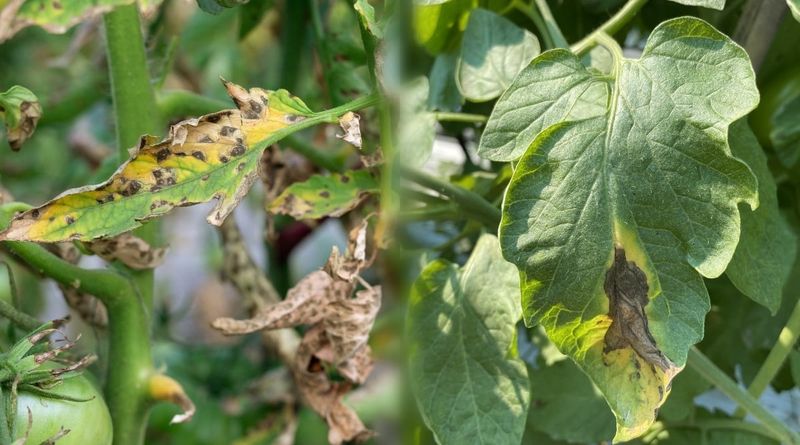
One more caution: tomato leaf spots can look alike. NC State Extension describes look-alikes that are hard to tell apart by eye.
If you need a firm answer, send a sample to your local Extension office or a plant diagnostic clinic instead of guessing.
Remove diseased vines and fallen leaves
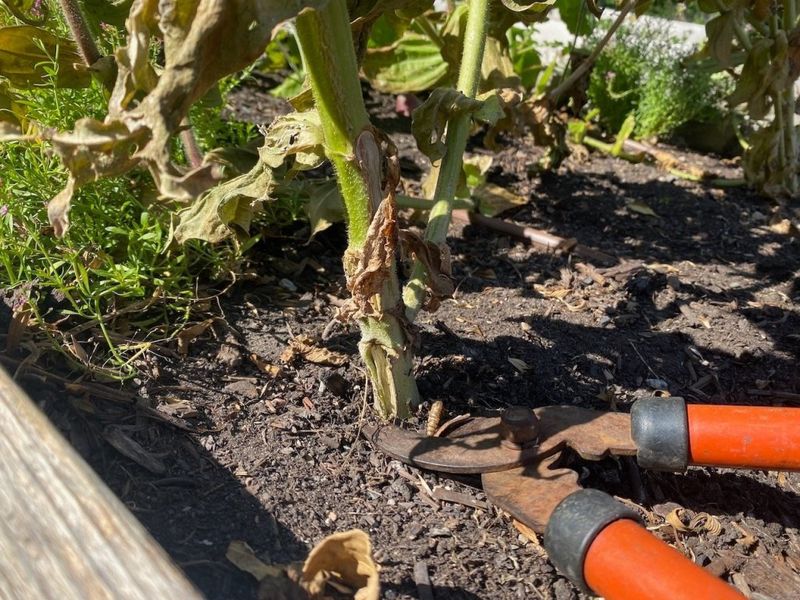
Once harvest slows or frost ends the season, it is time to clear the bed. Cut or pull the tomato vines, and take them out of the growing area.
Then crouch down and collect the leaves that dropped around the base, since those are easy to miss.
Early blight and Septoria can overwinter in plant debris, which is why Minnesota Extension recommends removing or destroying it. UW-Madison gives the same advice for Septoria.
Less debris means fewer spores waiting for spring rain to splash them upward.
A simple routine helps. Wear gloves, use a tarp or bucket so leaves do not scatter on the way out, and rake lightly over the soil surface.
Do not worry about every tiny fragment; the aim is to cut the load, not reach perfection.
Be honest with yourself about what you saw. Spots and yellowing alone do not prove which disease was present, and NC State Extension notes that several problems can look similar.
If you are unsure, treat the debris as possibly diseased and take it out anyway.
Cleanup will not cover every route. Seed, transplants, weeds, and windblown spores can still bring trouble.
Even so, a clear bed is a better starting line for next year.
Clean cages and stakes before storing them
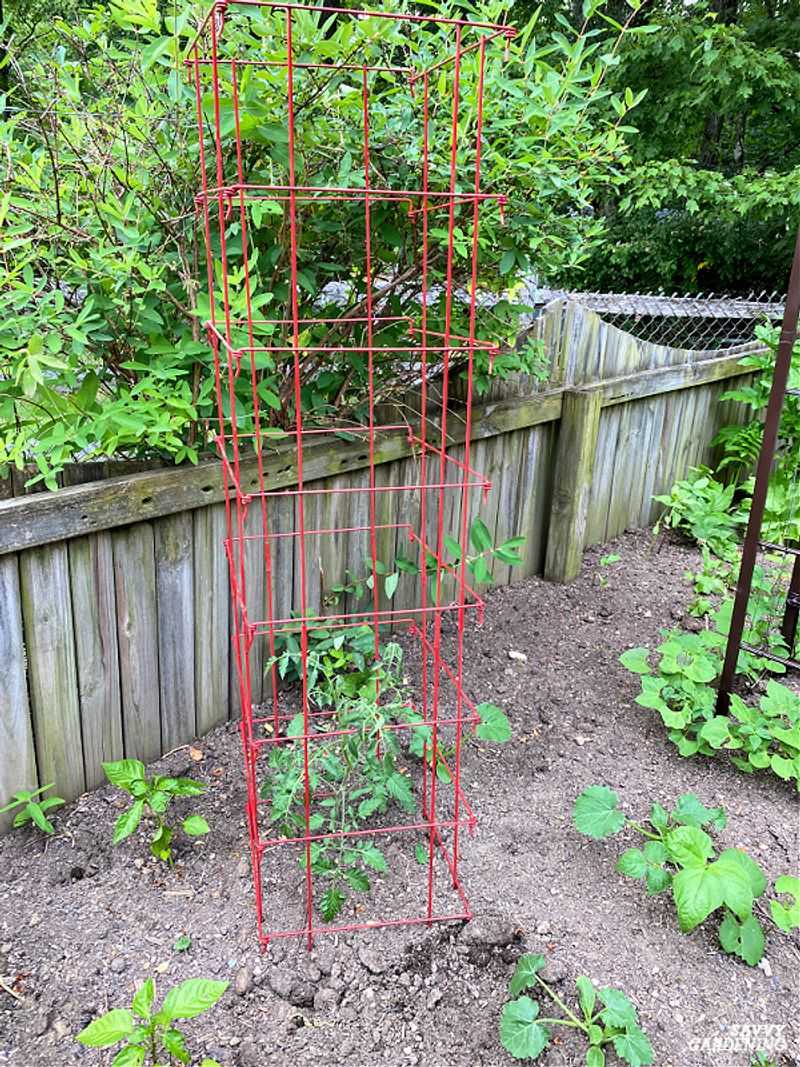
Cages and stakes spend all summer touching leaves, so the ones that held sick plants deserve a quick wash. UW-Madison specifically recommends disinfecting equipment such as stakes and cages when managing Septoria.
A little effort now saves you from stashing contaminated gear in the shed.
Start with the dirt. Knock off soil and scrub away stuck plant material with a stiff brush and soapy water, because sanitizers work poorly on grime.
Let everything rinse clean.
Next, pick a sanitizer that suits the material and follow its label. University of Minnesota Extension suggests a 10 percent bleach solution for large items like stakes, trellises, and tomato cages.
Not every support needs the same treatment, though, and wood, plastic, and metal all react differently.
Bleach comes with cautions. It can corrode metal, so rinse and dry metal cages well or choose another labeled product.
Never mix it with other chemicals, and do not pour used solution into the garden; follow the product directions for disposal.
Cages from plants that stayed healthy may only need a good brushing. Let everything dry fully in the sun before storing it somewhere dry and off the soil.
Choose composting or disposal carefully
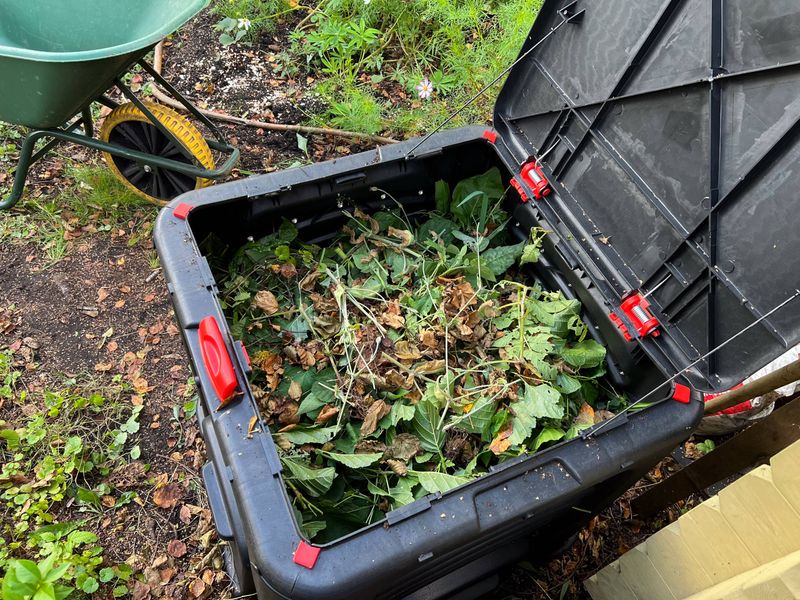
Now you have a pile of vines and leaves, and the question is where they go. The answer depends less on a rule and more on how well you run your compost.
Some piles stay cool and lazy, while others get hot and are turned regularly.
University of Minnesota Extension allows diseased early blight material in a home pile only if the pile is maintained according to its composting guidance. That is a real condition, not a loophole.
Septoria calls for more caution. The Connecticut Agricultural Experiment Station warns that the fungus may survive in incomplete compost.
If your pile is hot, turned, and managed on purpose, composting may be a fair choice. If it is a cool heap you toss things onto and forget, skip it for diseased tomato material.
In that case, look for a local option. Many towns offer yard waste collection or drop-off sites, and your county Extension office can tell you what is allowed.
Bagging the debris for trash pickup is another plain choice when other routes are unavailable.
Lower disease pressure next season
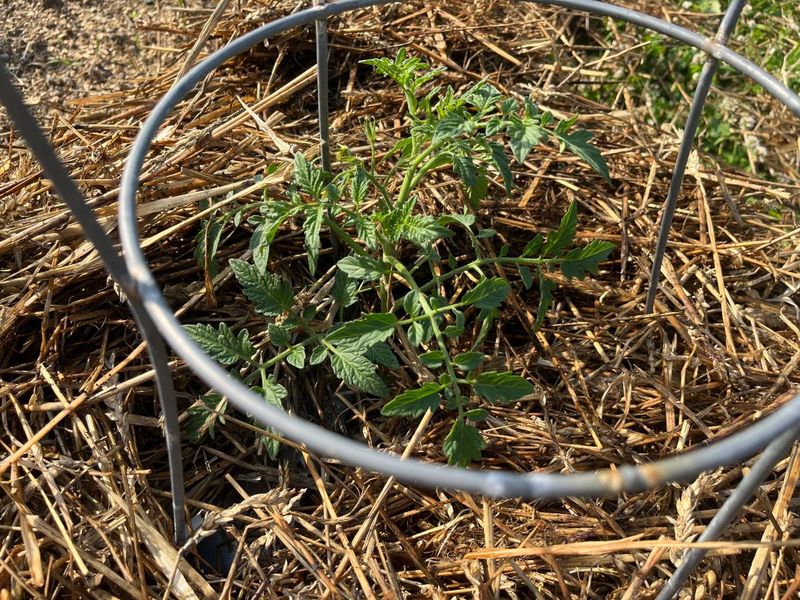
Cleanup is one tool, and a few spring and summer habits can back it up. Rotate tomatoes and related crops, such as potatoes, peppers, and eggplant, away from the affected spot when your space allows.
Even moving them a few beds over can help.
Weeds and volunteers matter too. Pull susceptible weeds and any volunteer tomato seedlings, since Minnesota Extension lists weeds among factors in early blight spread.
Splashing water carries spores from soil to leaves. A layer of mulch limits that splash, and watering at the base keeps foliage drier.
UW-Madison and NC State Extension both include practices like these in their Septoria management advice.
Give plants room, too. Good spacing and pruning for airflow help leaves dry faster after rain or dew.
Crowded plants stay damp longer, which suits leaf diseases.
Put it together and the routine is short: clear diseased debris, clean supports that held sick plants, and handle compost with care. Each step trims some risk, but none can promise blight-free tomatoes, since weather and outside sources still have a vote.
A tidy bed is a quiet kind of insurance, and it costs far less than a bad August.