
Bringing Your Rosemary Pot Indoors For Winter? 11 Mistakes That Quietly Kill It By February
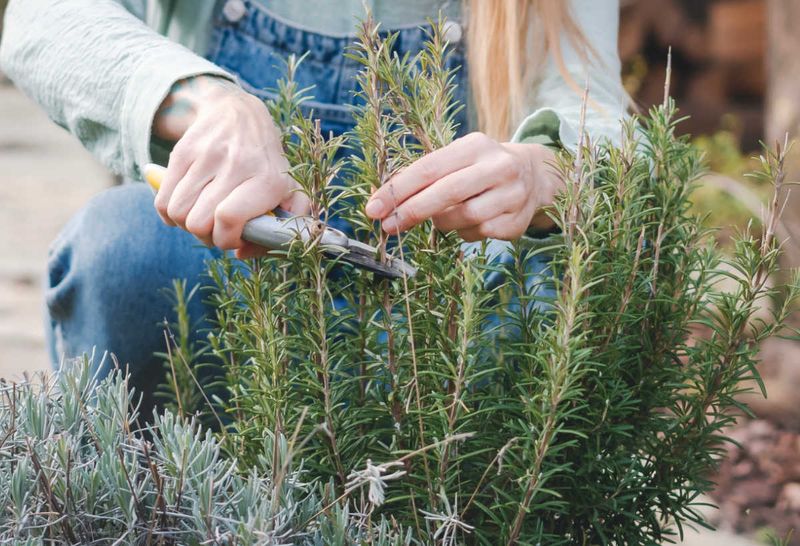
Your rosemary looked great all summer, so you carried it inside before the first frost. Then, somewhere around February, it turns brown and crispy almost overnight.
The truth is, the damage usually started weeks earlier with small mistakes that are easy to miss. Here are the 11 most common ones, plus simple fixes that can keep your rosemary green until spring.
1. Letting the Soil Go Bone Dry
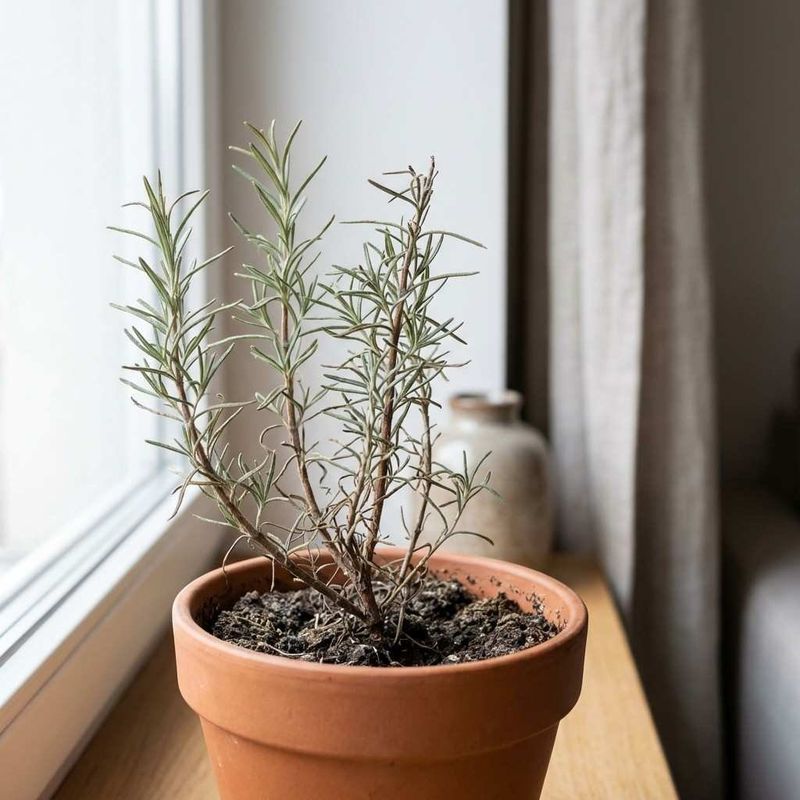
Rosemary has a reputation as a tough, drought-loving herb, and that reputation fools a lot of people. Outdoors, its roots can reach deep for moisture.
Inside a small pot in a heated house, there is nowhere to go.
Once the root ball dries out completely, the fine roots die back, and rosemary rarely shows the damage right away. You may see the needles turn dull, then brown, then drop in a sudden rush weeks later.
By then, the plant may be past saving.
The fix is simple: check the soil every three to four days if the pot sits in a warm, sunny window, or every week to ten days in a cooler room. Push a finger an inch or two down.
When it feels dry at that depth, water slowly until it drains out the bottom.
2. Drowning It With Too Much Water
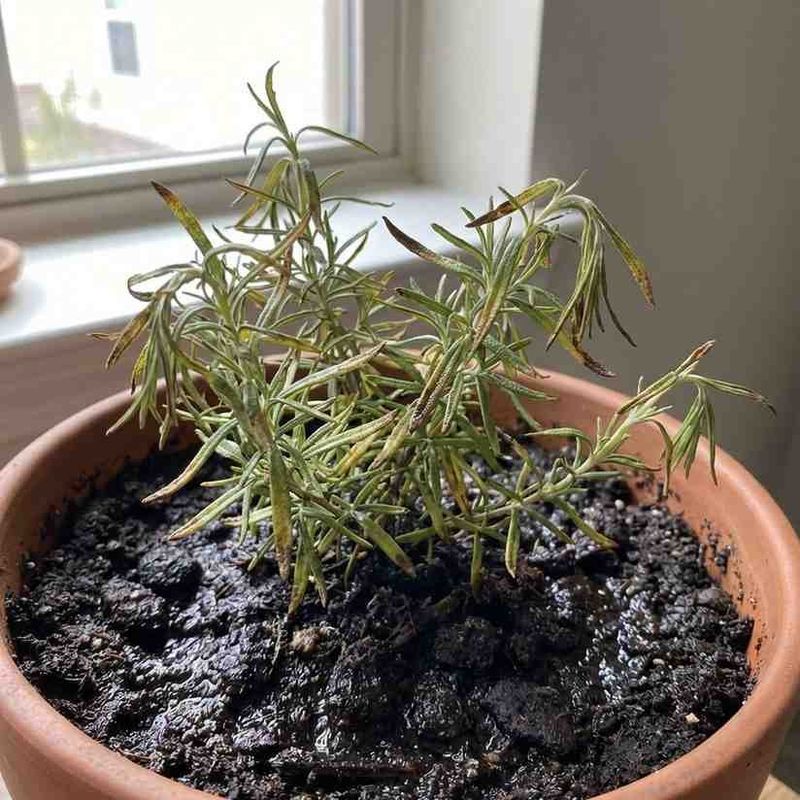
Here is the cruel twist. The same gardener who fears a dry pot often overcorrects and waters on a schedule, whether the plant needs it or not.
Cool winter rooms slow down evaporation, so soil stays wet much longer than it did in July. Roots sitting in soggy mix can rot, and the warning signs look a lot like thirst: drooping, browning, wilting.
A blackened stem base or a sour smell from the soil is the giveaway.
Let the top inch dry between waterings, and always empty the saucer about 15 minutes after watering. Rosemary hates wet feet.
If you suspect rot, slide the plant out and look. Healthy roots are white or tan, while rotten ones are dark and mushy and should be trimmed off before repotting in fresh, dry mix.
3. Parking It in a Dim Corner
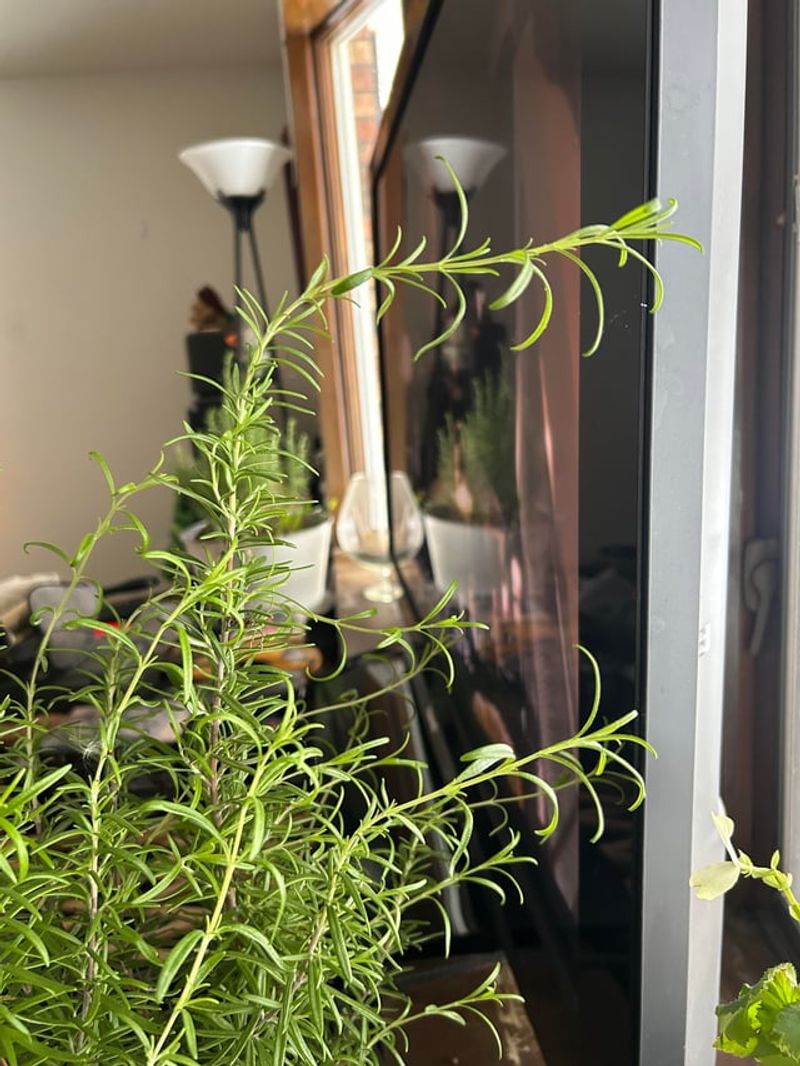
Picture a sun-soaked hillside in Spain or Greece. That is where rosemary comes from, and it expects six to eight hours of strong direct sun every day.
A winter windowsill in Ohio or Oregon offers a fraction of that. Without enough light, rosemary stretches out, grows pale and thin, and starts dropping needles from the inside of the plant.
It is slowly starving.
Give it your brightest south-facing window, and turn the pot a quarter turn every few days so each side gets a share. If your windows are shaded or small, a simple full-spectrum LED grow light running 12 to 14 hours a day can make a dramatic difference.
Clip-on versions are inexpensive and work well for a single pot.
4. Keeping It Too Cozy and Warm
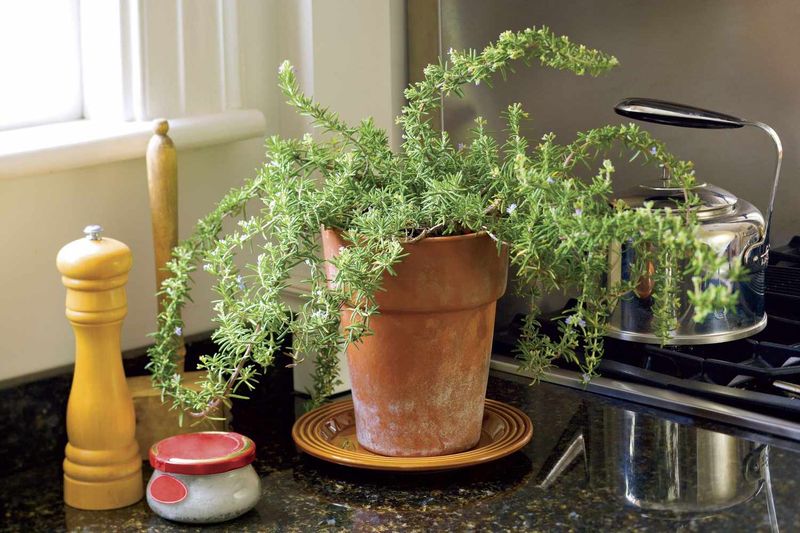
It feels kind to set your rosemary somewhere toasty. Unfortunately, it is one of the fastest ways to wear it out.
Rosemary actually prefers a cool winter rest, ideally somewhere between 40 and 65 degrees Fahrenheit. Warm rooms push it to keep growing when light is too weak to support that growth, and heated air dries both the soil and the foliage at a punishing pace.
Keep the pot well away from radiators, heat vents, wood stoves, and the top of the fridge. A chilly spare bedroom, an enclosed porch, or a bright unheated sunroom can be perfect.
Even an attached garage with a window may work, as long as temperatures stay above freezing.
5. Ignoring Bone-Dry Winter Air
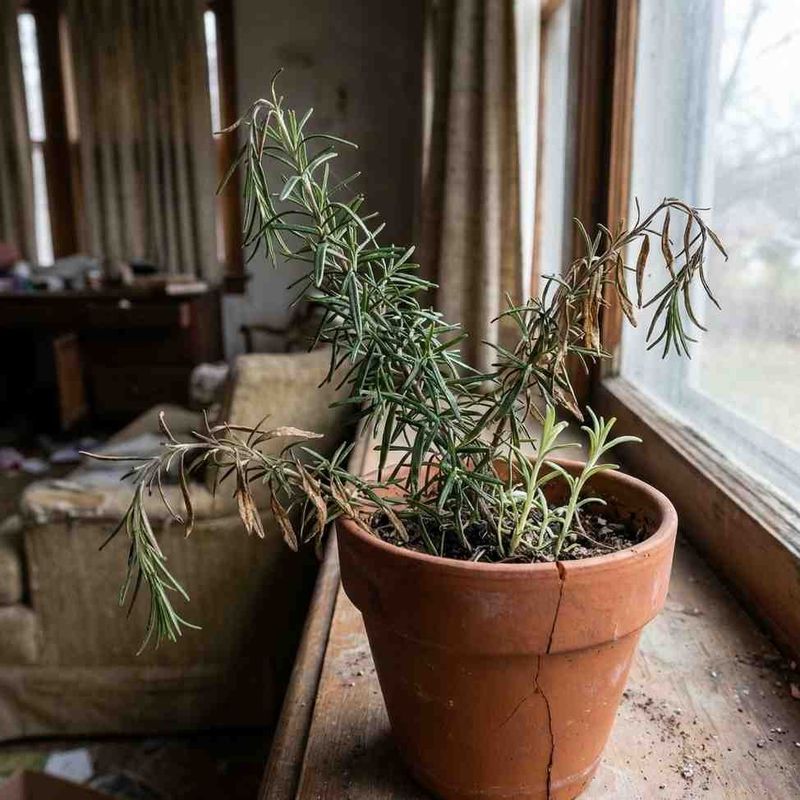
Ever notice how your lips crack and your skin feels tight in January? Your rosemary is feeling that too.
Furnace heat can drop indoor humidity below 20 percent, drier than many deserts. The first clue is often crispy brown tips on the needles, followed by a slow, overall decline.
A pebble tray is an easy, nearly free fix. Fill a shallow tray with gravel and water, then set the pot on top so it sits above the waterline.
Grouping a few houseplants together also raises humidity a bit, and a small room humidifier helps even more. Go easy on misting, though, since wet foliage in still air may invite mildew.
6. Trapping It in Stale, Still Air
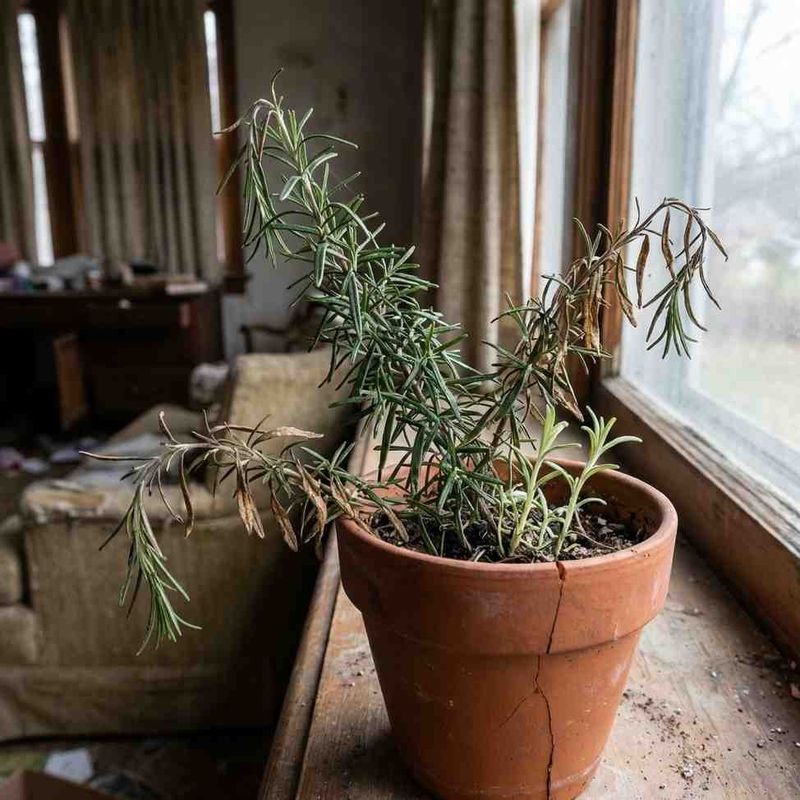
Outdoors, rosemary never stops moving. Breezes ruffle its needles all day long, drying leaf surfaces and keeping fungus at bay.
Indoors, the air can sit motionless for weeks. That stillness, combined with cool temperatures and weak light, creates a cozy home for fungal problems.
Crowding the pot against other plants or a curtain makes it worse.
Give your rosemary a little personal space, at least a few inches on all sides. On mild afternoons, crack a nearby window for a few minutes.
A small fan set on low and aimed near the plant for a couple of hours a day may help mimic that outdoor breeze it loves.
7. Missing the First Signs of Powdery Mildew
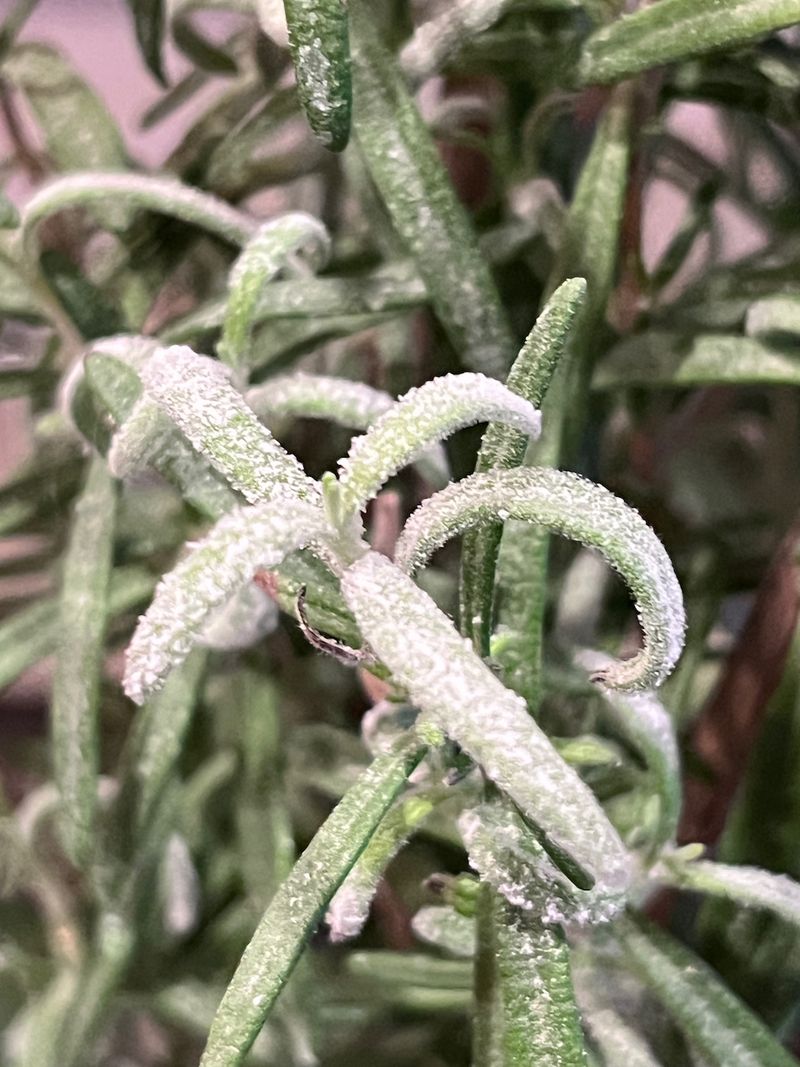
That faint grayish dust on the needles is not kitchen flour. It is powdery mildew, the most common disease of indoor rosemary, and it spreads quietly if ignored.
Cool rooms, low light, and still air give it the perfect launch pad. Heavy misting can add fuel.
Left alone, it weakens the plant until needles yellow and fall.
Snip off the worst stems right away and toss them in the trash, not the compost. Rinse the plant with a firm stream of water, then improve light and airflow.
A homemade spray of one teaspoon baking soda and half a teaspoon dish soap in a gallon of water can reduce the spread, and neem oil is another option labeled for edibles. Repeat weekly until new growth comes in clean.
8. Carrying Pests Inside Without a Checkup
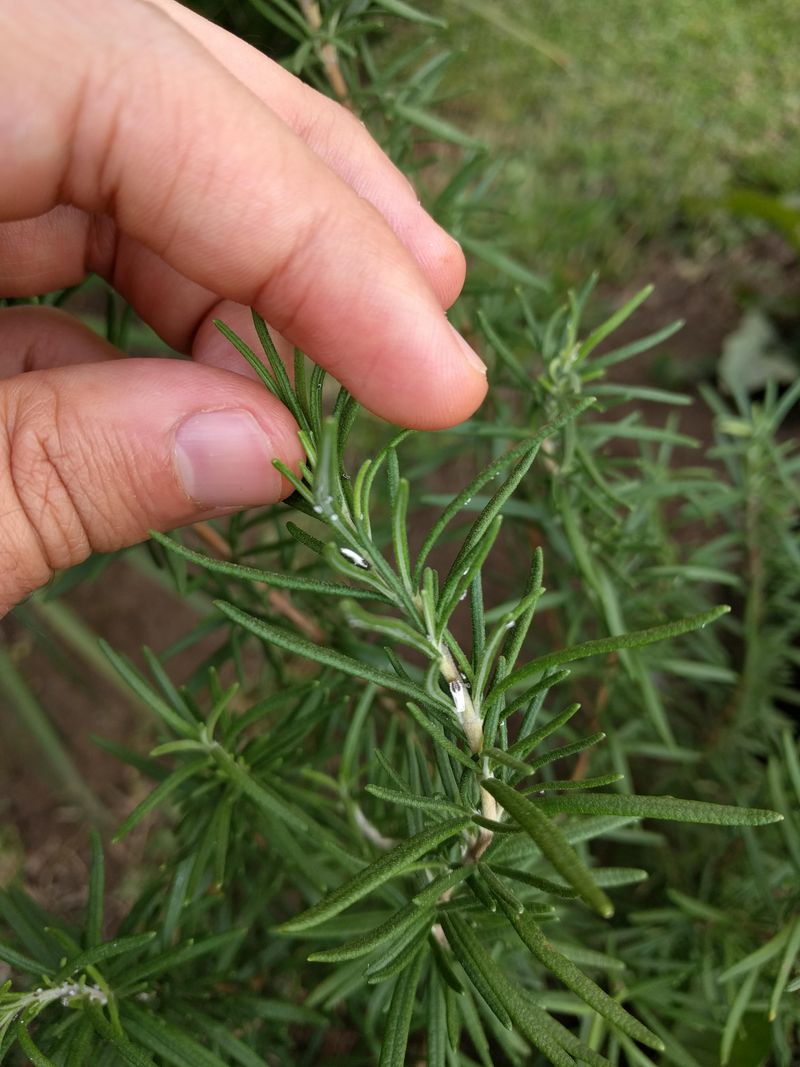
Bugs love a free ride. Aphids, whiteflies, and spider mites can hitch along on your rosemary and explode in number once they find the calm, warm air inside.
A stressed plant is an easy target, and pests drain sap until stems look tired and sticky. Watch for tiny white specks that fly up when you brush the plant, clusters of small green insects on new tips, or fine webbing.
Before moving the pot in, give it a careful look, especially under the stems. A strong rinse in the shower knocks off many pests.
Insecticidal soap or neem oil, both commonly used on edible herbs, can handle what remains. Check again every week or two through winter.
9. Skipping the Slow Move Indoors
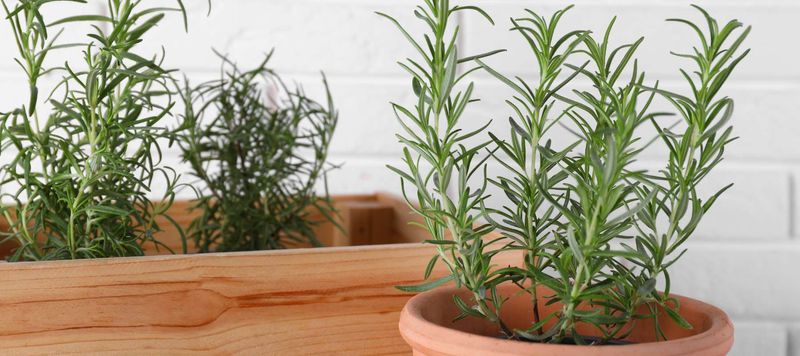
Imagine leaving a breezy beach and stepping straight into a hot, dark closet for six months. That is roughly what a sudden move feels like to outdoor rosemary.
The jump in light, humidity, and temperature can shock it into dropping a heap of needles within days. Many gardeners think the plant is dying and start overwatering, which only adds trouble.
Ease the change over a week or two. Start by moving the pot to a shady, sheltered spot outside for a few days so it adjusts to lower light.
Then bring it indoors for a few hours at a time, stretching the visits longer each day before it settles in for good. Some needle drop is normal, so stay patient.
10. Using Heavy, Soggy Potting Mix
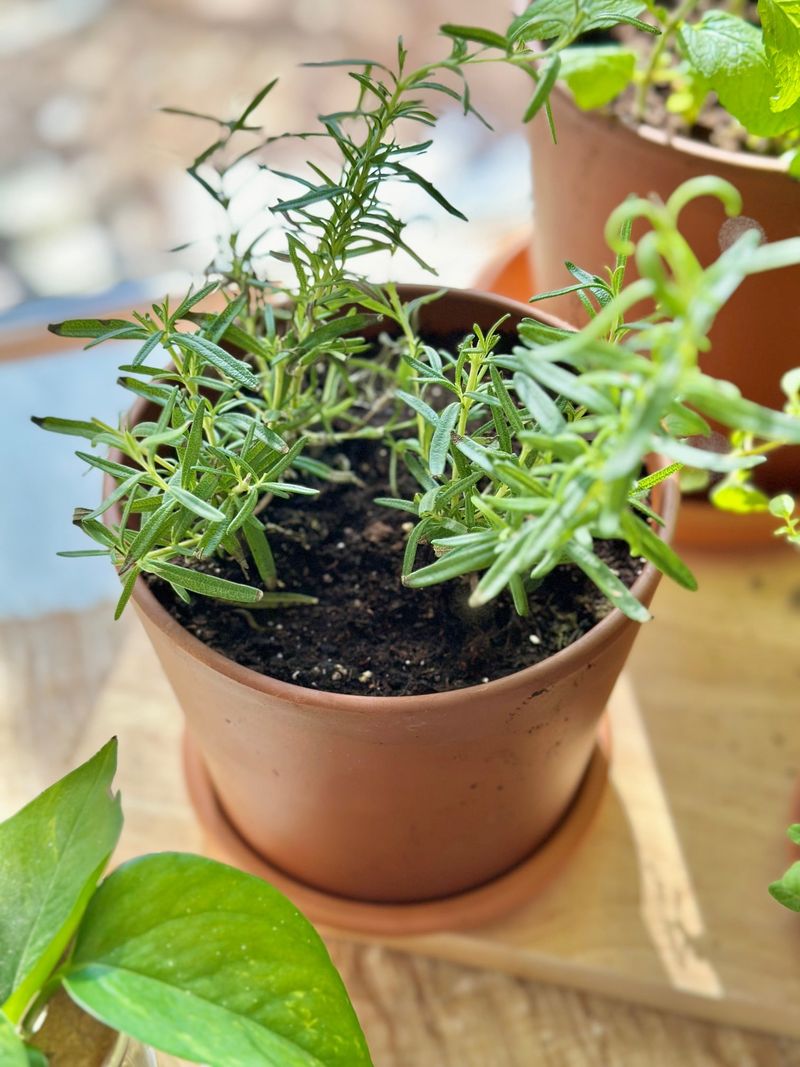
You can water perfectly and still lose rosemary if the soil itself holds water like a sponge. Many bagged mixes are made for moisture-loving houseplants, not Mediterranean herbs.
Rosemary wants a loose, gritty, fast-draining mix. Dense soil stays wet around the roots, and in a cool winter room it can stay soggy for days.
If your plant sits in heavy mix, consider repotting into a cactus or citrus blend, or regular potting mix lightened with a generous scoop of perlite or coarse sand. An unglazed terracotta pot is a quiet hero here because its porous walls let extra moisture escape.
Just make sure there is a drainage hole.
11. Cutting It Back Too Hard in Winter
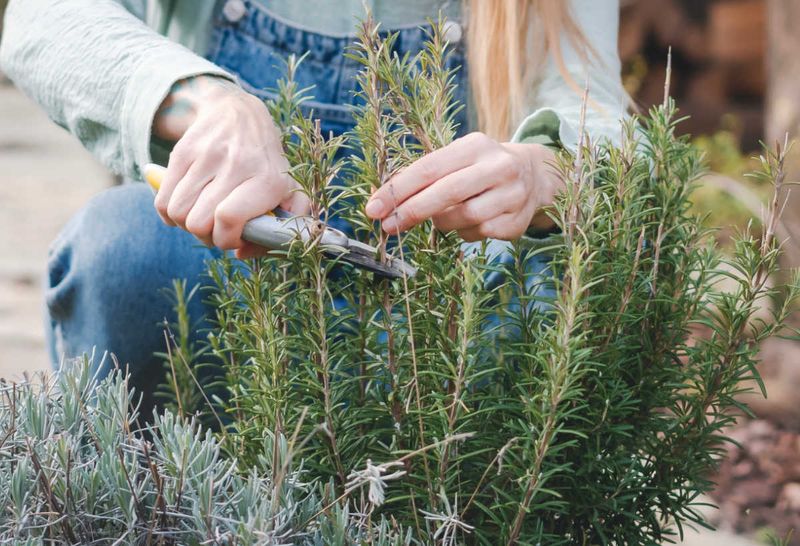
Fresh rosemary on roast potatoes is half the reason you saved the plant, right? Fair enough.
Still, winter is the wrong season for a big haircut.
Growth slows way down in short, cool days, so the plant cannot replace lost foliage quickly. Heavy pruning strips away the needles it needs to make food, and any new shoots tend to come in weak and spindly.
Harvest lightly, snipping just the soft green tips a couple of inches at a time. A good rule is to take no more than about a quarter of the plant over the whole winter.
Avoid cutting into old, woody stems, which often will not sprout again. Save the serious shaping for spring, when your rosemary is ready to bounce back.