
Brown Leaves on Indoor Rosemary? Check Soil Moisture Before You Blame Cold or Overwatering
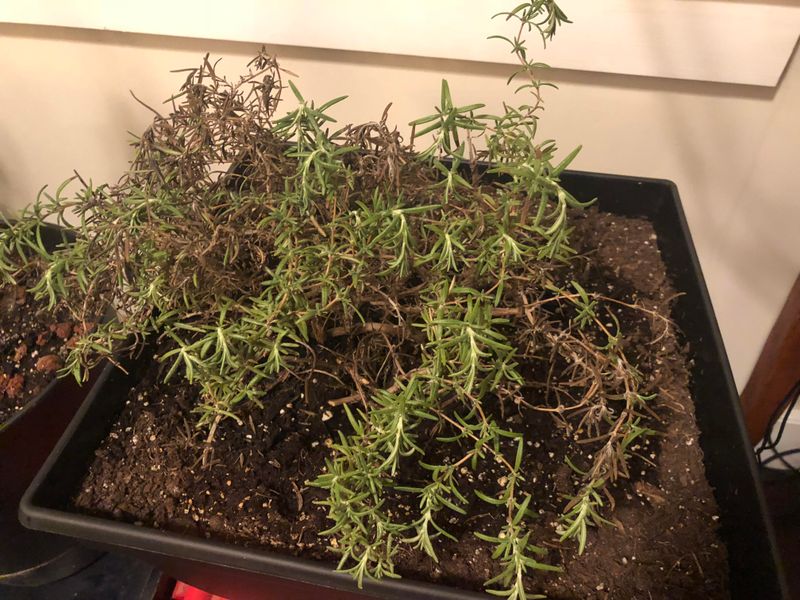
You carried your rosemary inside to save it, and now some of the leaves are turning brown. That sinking feeling is normal, but the plant may not be lost.
Wet soil is one of the first things worth checking, and cold is another possibility. A few simple checks can help you figure out what your plant is telling you.
Brown leaves are a clue, not a diagnosis
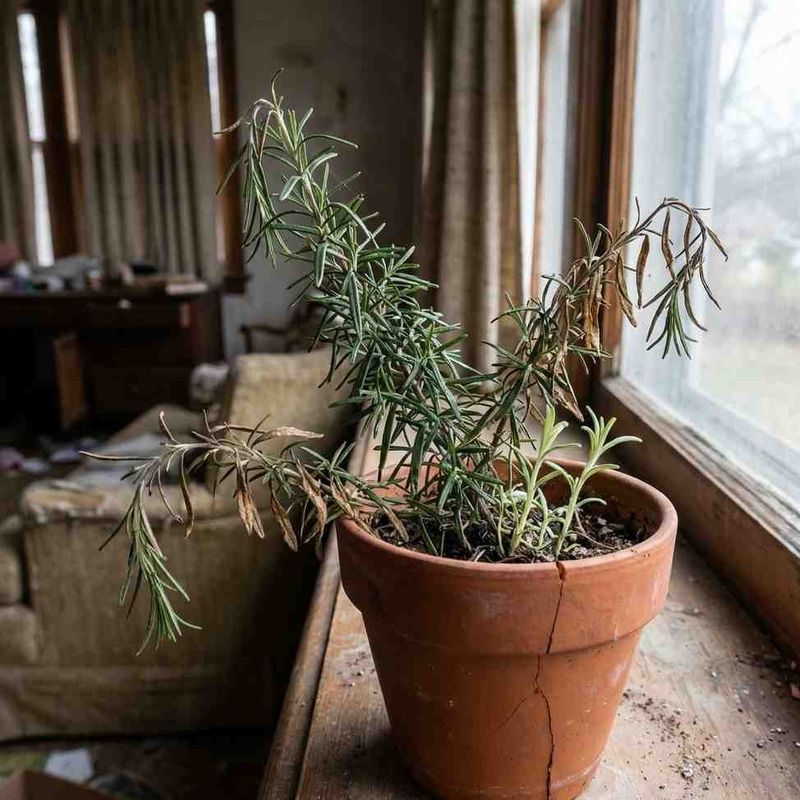
Seeing brown needles on your rosemary is upsetting, especially after you worked to bring it indoors. Here is the good news: browning tells you the plant is stressed, but it does not tell you why.
Leaf color alone cannot separate soggy soil from cold damage.
Wet soil is a credible suspect. Illinois Extension’s rosemary guide notes that rosemary does not tolerate prolonged waterlogging, and overwatering can lead to root rot and browning.
So the potting mix deserves an early look.
Cold deserves a fair hearing too. Ask Extension’s answer on brown rosemary leaves points out that extreme cold can kill rosemary, and indoor plants can also brown from dry air, weak light, or other stress.
Bringing a pot inside does not erase whatever happened to it outdoors.
Better evidence comes from three places: how wet the soil is, how the roots look if you need to check them, and what the plant went through recently. The sections below walk through each check in order, starting with the easiest.
Check the mix before you add water
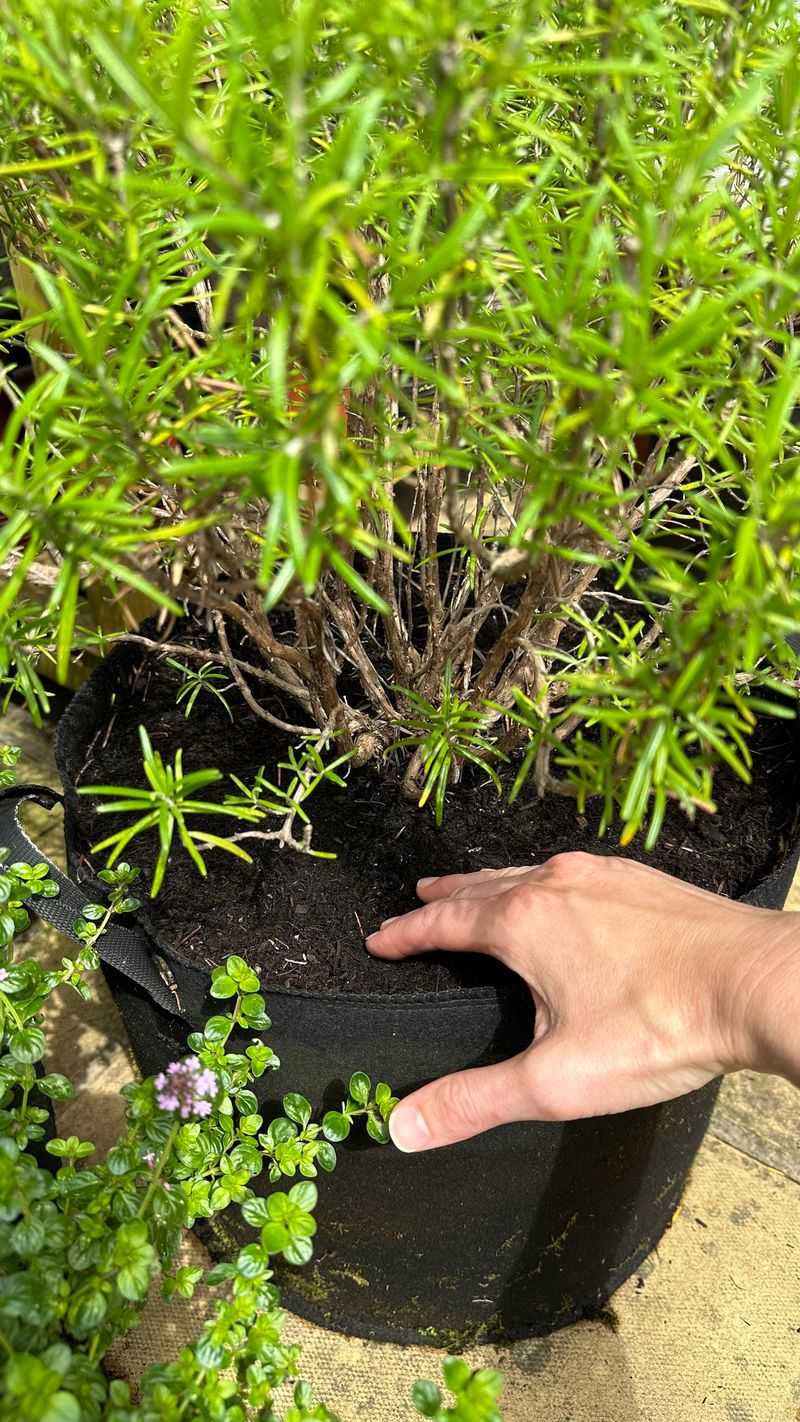
Before you pick up the watering can, stick a finger into the potting mix. Skip the fixed schedule, because indoor conditions change from week to week.
The mix itself tells you more than the calendar does.
Rosemary likes to dry out somewhat between waterings, according to Penn State Extension’s indoor herb advice. That does not mean it wants to be bone dry.
Indoor rosemary can dry out too, and Illinois Extension cautions against letting it swing to either extreme.
Try this: push your finger about an inch or two into the mix. If it feels damp or cold and soggy, hold off and look into drainage.
If it feels dry and the pot feels light, a thorough watering is reasonable.
Wilting can fool you. A drooping plant looks thirsty, so the natural reaction is to water more.
But Iowa State University Extension explains that root rot symptoms can be mistaken for lack of water. If the mix is already wet, extra water could make things worse.
So the rule is simple: check first, then decide. Water when the mix says so, not when the leaves look sad.
Poor drainage can keep roots waterlogged
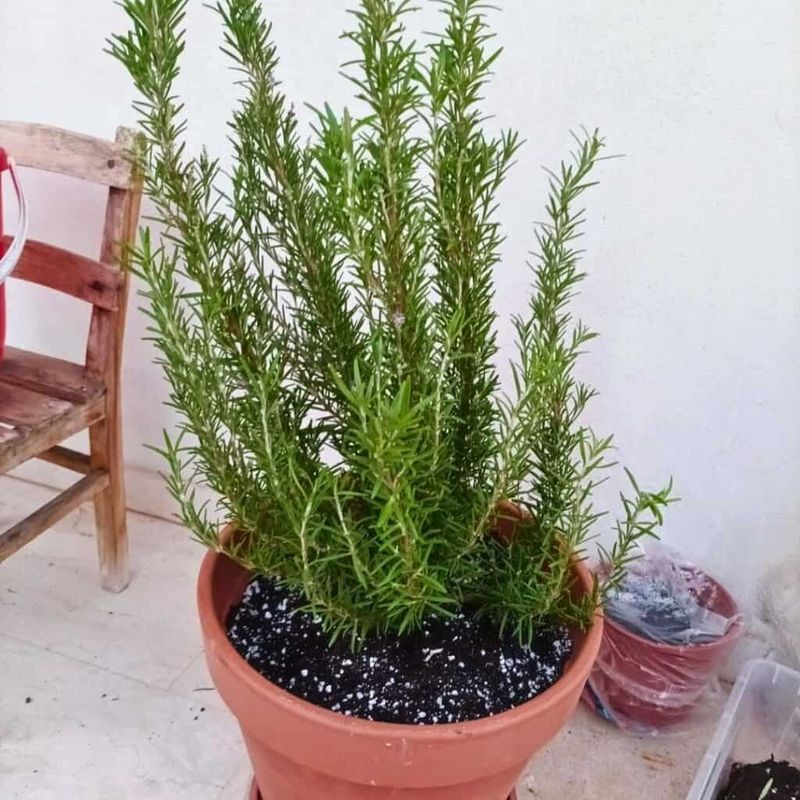
Even careful watering can go wrong if the water has nowhere to go. A pot with no drainage holes, a heavy mix that stays soggy, or a saucer full of standing water can keep the root zone wet for days.
Start with the pot. Turn it over and look for holes in the bottom.
If there are none, the roots may be sitting in a pool, and a pot with holes is a safer home. Next, empty the saucer a short while after watering so the pot is not left sitting in drained water.
Then look at the mix. If water pools on top or takes ages to soak through, the mix may be too dense.
Iowa State University Extension ties root rot to persistently wet, poorly drained media, so a well-draining mix matters.
A University of Maryland Extension response on Ask Extension also helps frame the root zone as the place to look when a potted rosemary struggles.
Fixing drainage gives the plant a better chance going forward. It cannot promise that damaged roots or browned needles will bounce back, so treat it as good care rather than a guaranteed cure.
When wet soil and wilting coincide, inspect the roots
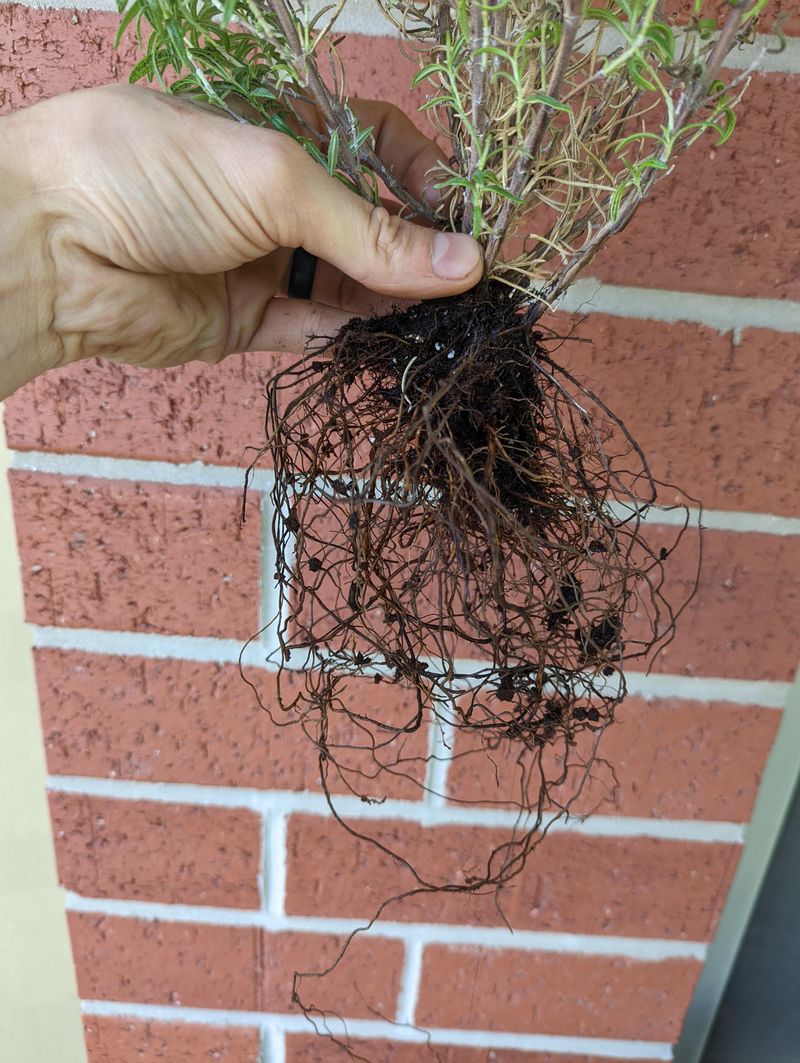
You do not need to unpot every struggling rosemary. Save this check for a specific situation: the plant is wilting or declining while the mix stays wet.
That combination is the moment a peek at the roots can help.
Here is why it matters. Iowa State University Extension says root rot can look like a lack of water, so a drooping plant in soggy soil may not need a drink at all.
If you do slide the plant out, handle it gently. Healthy roots are firm and white.
Roots that are brown and mushy are a warning sign, as described in a University of Maryland Extension answer on Ask Extension.
Mostly firm, pale roots suggest the problem may lie elsewhere, such as cold or indoor stress. Mostly brown, soft roots point toward waterlogging as a likely contributor.
Brown leaves alone do not prove root rot, and a look at the roots will not guarantee recovery either. It simply gives you one more clue to weigh as you decide how to adjust your care.
Could cold have stressed the plant first?
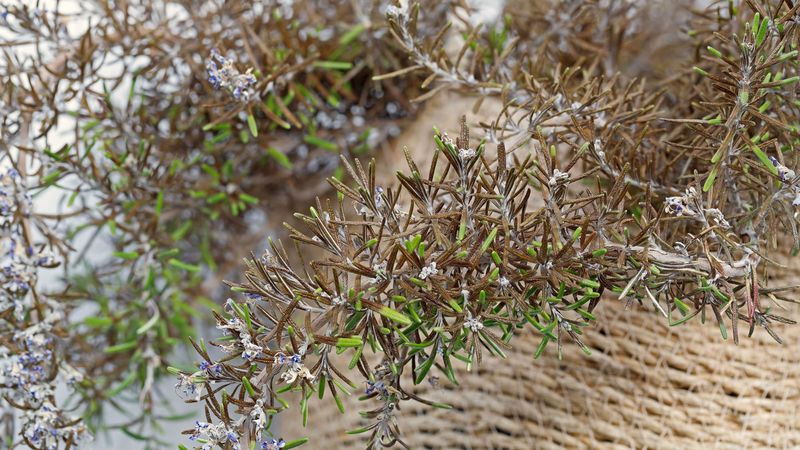
Think back over the plant’s last few weeks. Did the pot sit outside through a frosty night before you moved it?
Did it spend time near a cold drafty door or window afterward? Those details matter.
Cold is a real alternative to waterlogging. Ask Extension notes that extreme cold can kill rosemary.
A University of Maryland Extension response adds that roots in pots can be damaged by cold, since a container offers less protection than garden soil.
A plant that took a hit from a freeze can show browning after it comes inside, and the indoor setting does not rule that out.
Put your clues side by side. Soggy mix and a pot with poor drainage lean toward a watering problem.
A recent freeze and a mix that is not especially wet lean toward cold. Sometimes both happened, which is why exposure history, soil, and roots all count more than leaf color.
Bright, cool conditions support indoor overwintering
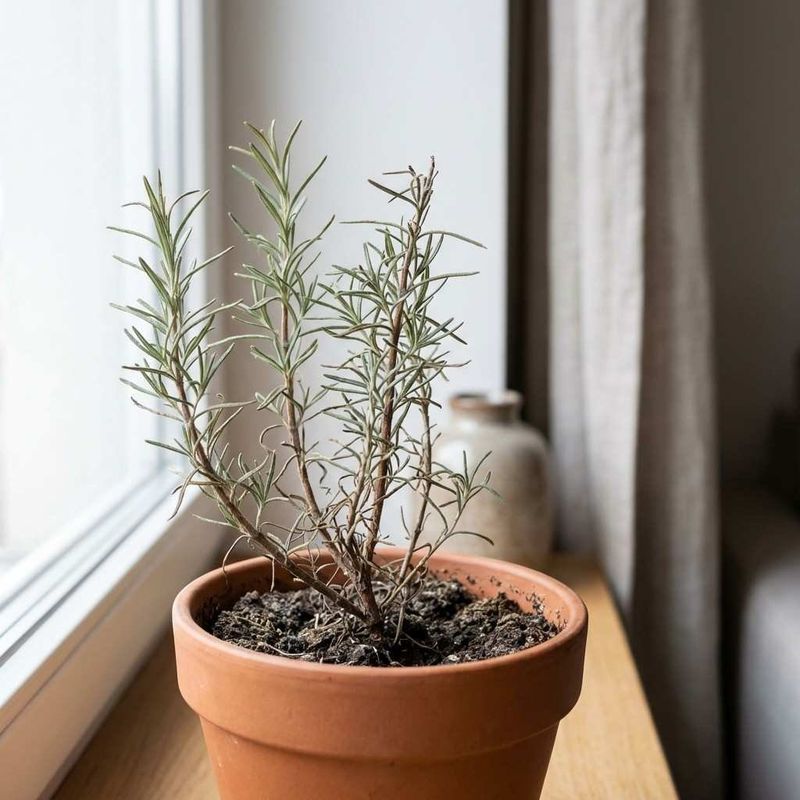
Once you have checked the basics, shift to steady winter care. Light comes first.
Penn State Extension recommends about six hours of direct sunlight for rosemary, so give it your brightest window.
Cool rooms can help too, though the numbers vary. UNH Extension suggests 45 to 55 degrees F, while Illinois Extension describes roughly 50 to 60 degrees F.
Treat these as examples, not rules for every plant or home.
Humidity and soil moisture are separate things. Illinois Extension suggests ways to raise humidity around the leaves, such as a pebble tray, while keeping the soil on the dry side.
Moisture in the air is not the same as moisture at the roots.
Air movement is also worth a thought. University of Arkansas Cooperative Extension links poor circulation to powdery mildew, not to drowning.
Soggy roots come from wet, poorly drained mix.
Through all of this, keep watering tied to the mix. Check it, then water when it calls for it.
Let the evidence guide the next watering
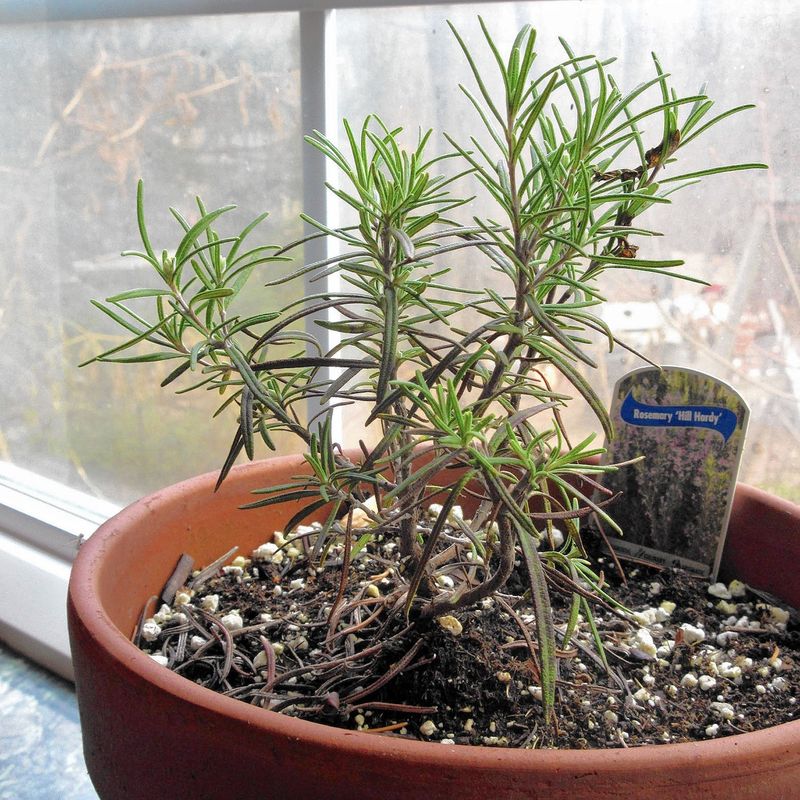
Your sequence is simple: feel the mix, confirm the pot drains, inspect the roots if soggy soil and wilting show up together, and think about any cold the plant met. Illinois Extension, Iowa State, and Ask Extension all point toward looking at conditions rather than guessing.
Skip both panic-watering and cutting water off completely. Brown needles are a question, not an answer, and your fingers in the soil will help you reply.