
If These 17 Birds Keep Showing Up In Your Yard This Fall, Your Garden Is Doing Its Job
When the air turns crisp, your yard becomes a busy rest stop for hungry, traveling birds. The ones that stick around are telling you something about your garden: it has food, water, and safe places to hide.
You do not need fancy feeders to earn their visits, because seed heads, berries, leaf litter, and a little messiness do most of the work. Here are 17 birds that act like a report card for your fall garden, plus simple ways to keep them coming back.
1. American Goldfinch
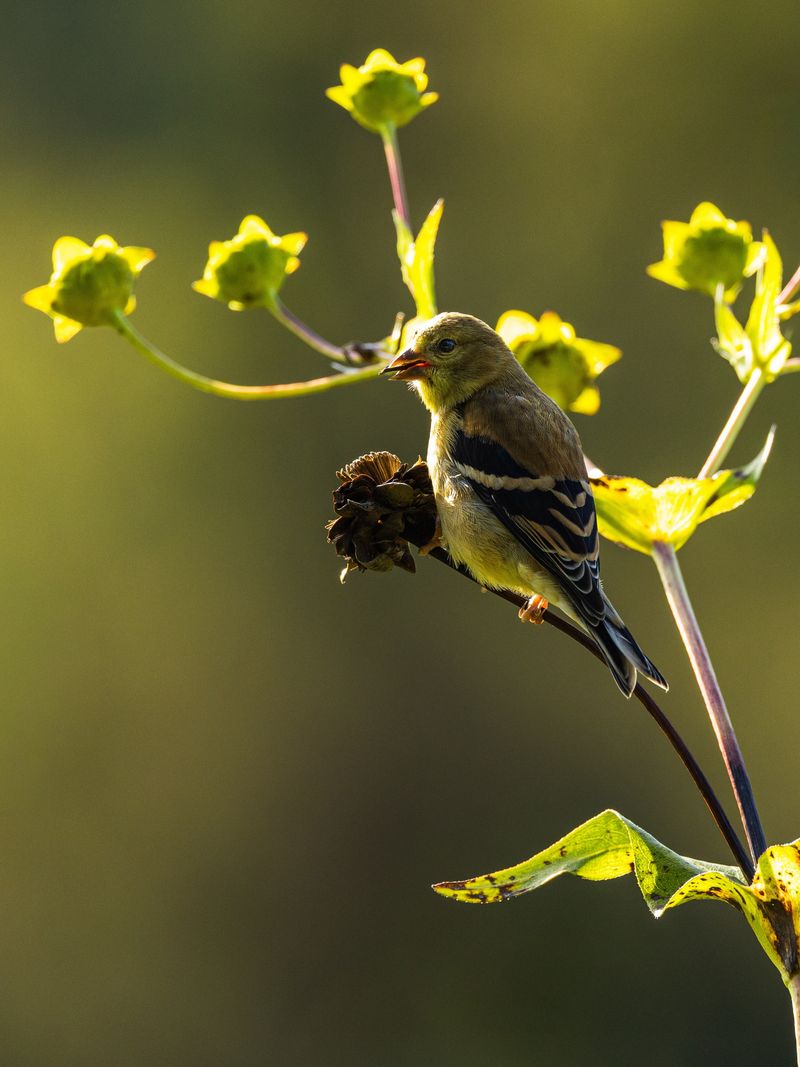
Those bright yellow summer finches do not leave in fall. They just change into a quiet olive coat, so plenty of gardeners think they have vanished.
If you see them hanging upside down on old coneflowers, black-eyed Susans, or sunflowers, give yourself a pat on the back. You left the seed heads standing instead of cutting everything down, and that choice feeds them for weeks.
Keep a few stems up until spring. Goldfinches may pick them clean by midwinter, and the bare stalks still add nice texture to a sleepy bed.
2. Dark-eyed Junco
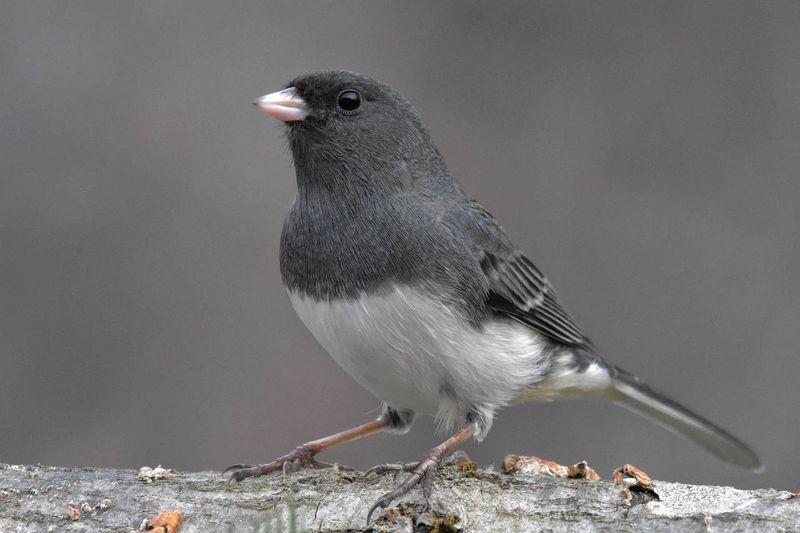
Old-timers called them snowbirds, because juncos often roll in right before the first cold snap. Their gray backs and white bellies look like a cloudy sky over snow.
Juncos feed on the ground, scratching through leaves and grabbing fallen seeds. When a flock settles under your shrubs, it means you have open soil, leaf litter, and dropped seed from grasses and flowers.
Try raking leaves into your beds rather than bagging them. It protects plant roots over winter and gives juncos a buffet of tiny seeds and insects.
3. Northern Cardinal
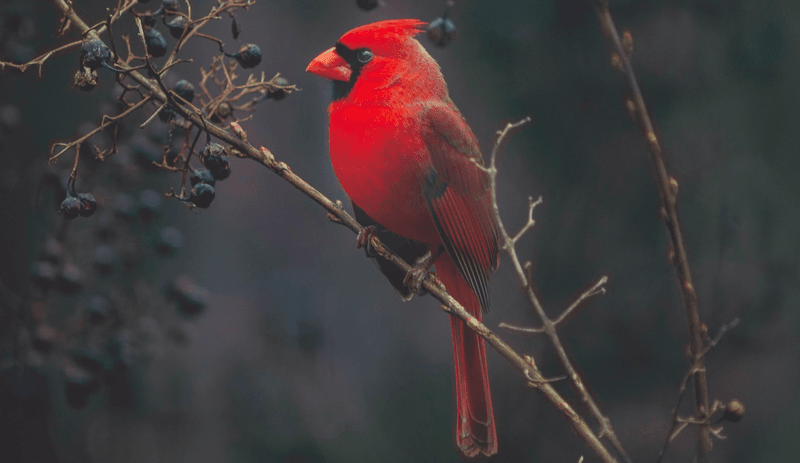
Nothing lights up a gray November morning quite like a red cardinal. These birds stay put all year, so a pair that settles in is choosing your yard as home base.
Cardinals love thick cover. Dense shrubs, holly, viburnum, and tangled hedges give them a place to sleep and hide from hawks.
Their strong beaks crack sunflower and safflower seeds easily. If cardinals visit daily, your shrub layer is working, so hold off on heavy fall pruning that could thin out that shelter.
4. Black-capped Chickadee
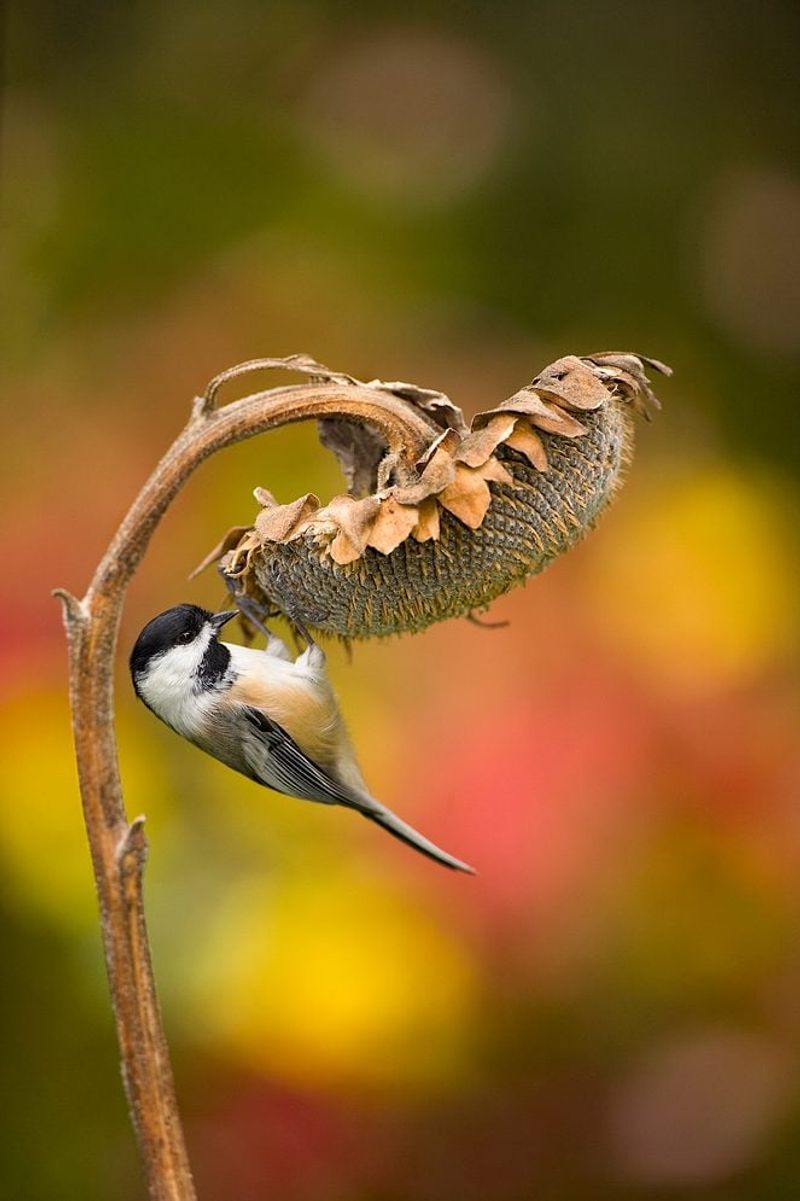
Here is a fun fact: a chickadee can hide thousands of seeds in fall and remember where most of them are. Its brain actually grows new cells to help with the job.
Chickadees eat lots of insects, including caterpillars and insect eggs tucked in bark. A yard full of chickadees usually means you skip harsh sprays, so bugs and birds stay in balance.
Leave dead flower stalks and some loose bark on old trees. Those cracks hold food the chickadees will hunt all winter.
5. White-throated Sparrow
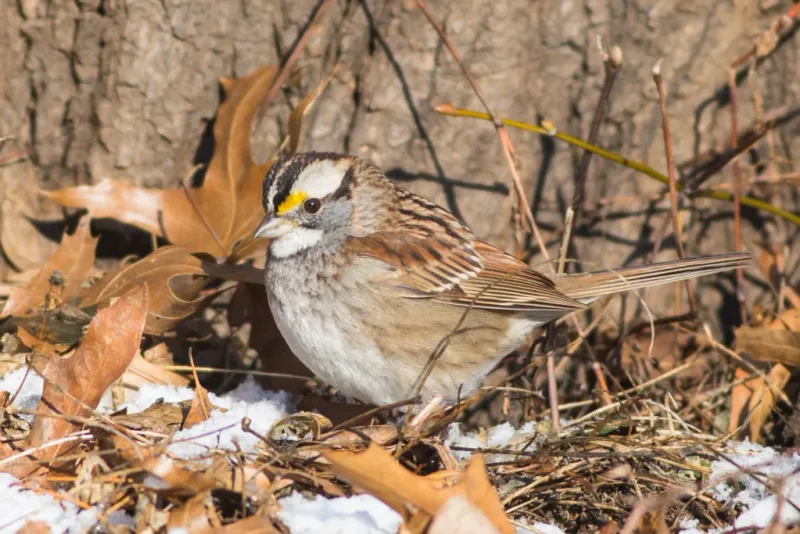
Listen for a sweet whistle that sounds like Old Sam Peabody, Peabody, Peabody. That song belongs to the white-throated sparrow, a fall visitor from northern forests.
These sparrows stay low, kicking through leaves like little chickens. They need brushy edges where garden meets shrubbery.
A messy corner, a brush pile, or an unraked bed under bushes makes them feel safe. If they linger, your yard has the kind of cover many tidy lawns lack.
6. Eastern Bluebird
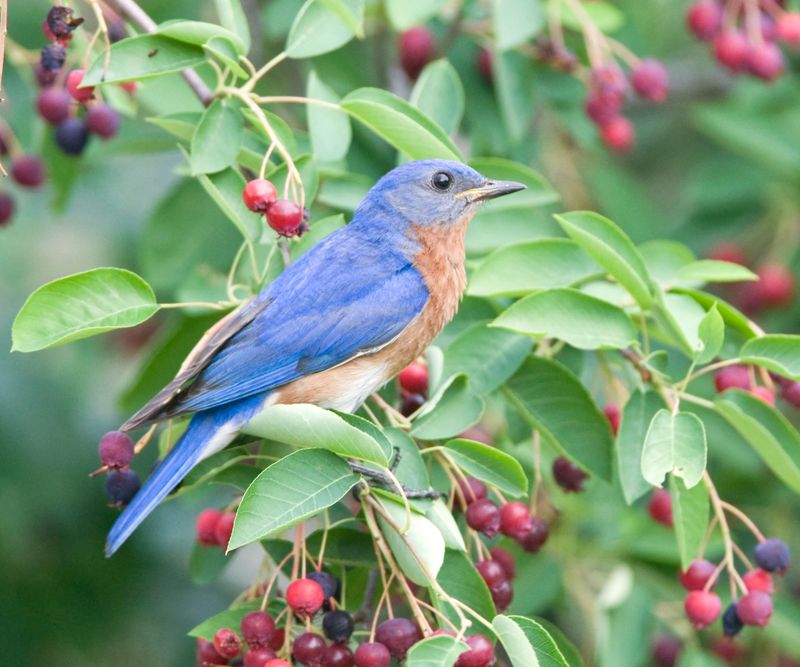
Bluebirds once struggled across much of the country, and backyard gardeners helped bring them back. Seeing one in fall still feels like a small win.
Once insects fade, bluebirds switch to berries. Dogwood, winterberry, sumac, and juniper fruits keep them fueled.
Planting even one berry shrub can change your fall bird list. A shallow birdbath nearby makes the spot even more appealing.
7. Cedar Waxwing
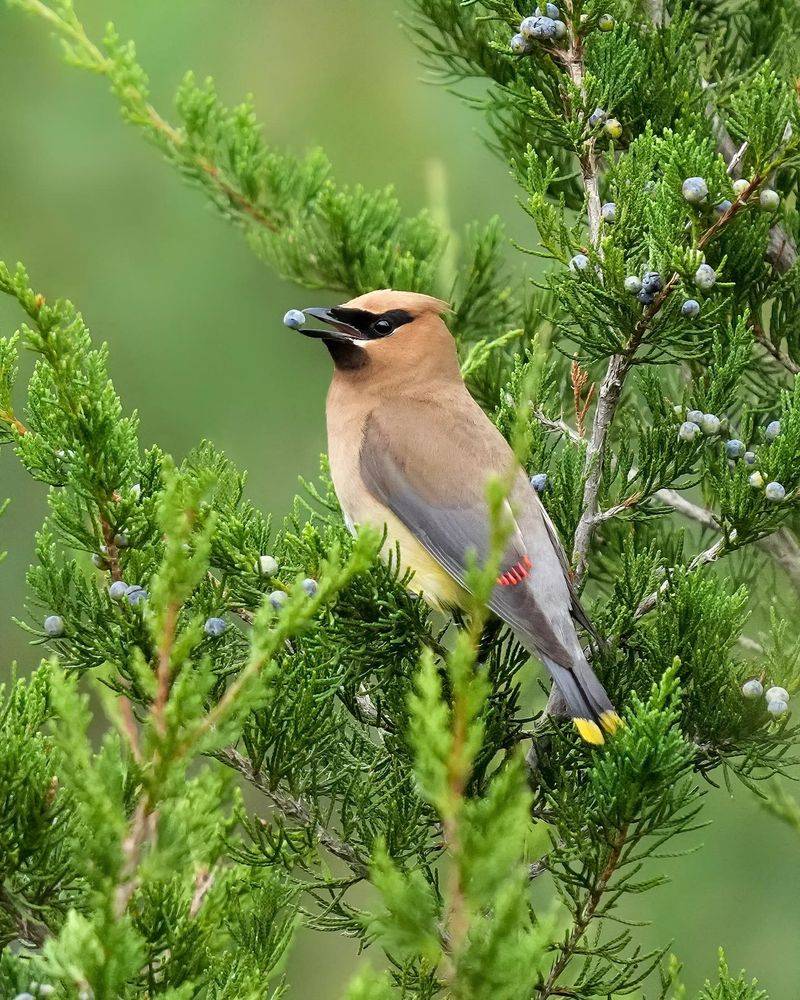
Picture a bird wearing a black mask, a silky crest, and wax-red tips on its wings. Cedar waxwings look almost painted.
They travel in flocks and can strip a berry bush in an afternoon. Crabapples, serviceberries, and hollies pull them in.
Sometimes they get a little tipsy on fermented fruit. If a flock drops in, your fruiting trees are doing exactly what nature designed them to do.
8. Downy Woodpecker
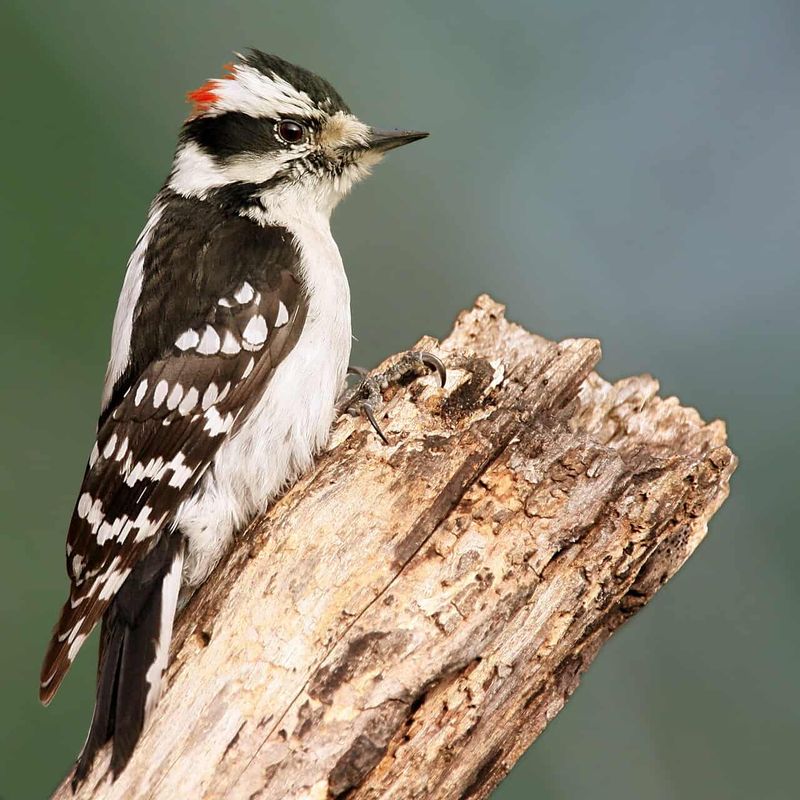
Smallest woodpecker in North America, the downy is about the size of a sparrow. Yet it works hard all day.
Downies peck into goldenrod galls and plant stems to find hiding larvae. That is a great reason to leave some perennial stalks standing through winter.
They also pick insects off tree bark. A downy tapping on your plants is basically free pest control.
9. American Robin
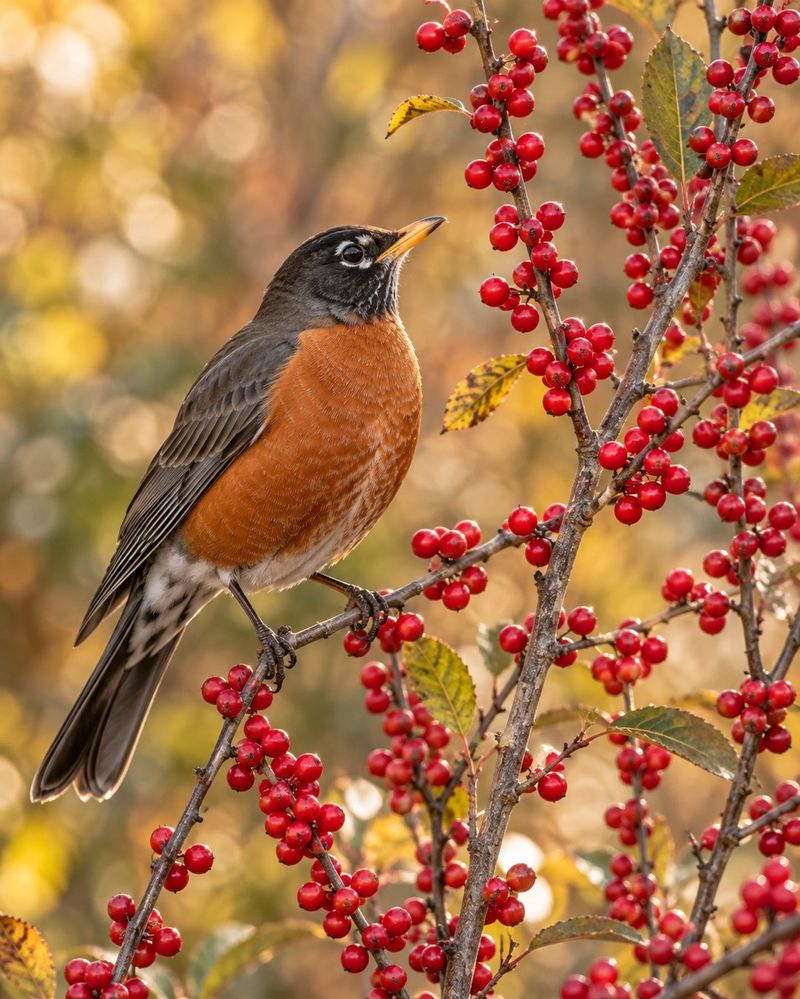
Many people think robins fly south, but lots of them just change habits. In fall they gather in flocks and trade worms for fruit.
Holly, crabapple, hackberry, and juniper berries feed them through cold months. You may see them more in trees than on the lawn.
If robins stay around, your yard offers fruit and water. Keep a birdbath filled and thawed if you can.
10. Ruby-crowned Kinglet
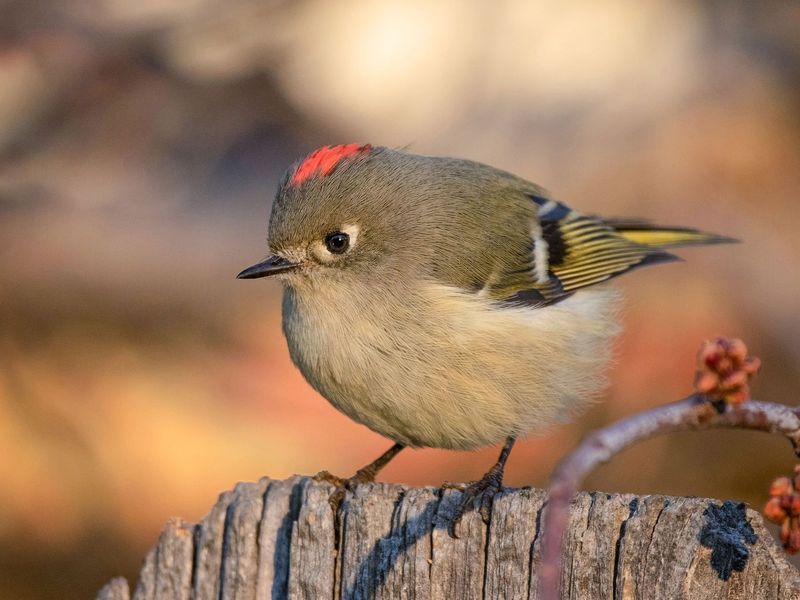
Blink and you will miss it. This tiny olive bird constantly flicks its wings as it zips through shrubs.
Kinglets eat small insects and spiders hiding on leaves. Gardens without heavy pesticide use give them plenty to hunt.
The male has a red crown he only shows when excited. Catching a glimpse is a treat worth waiting for.
11. House Finch
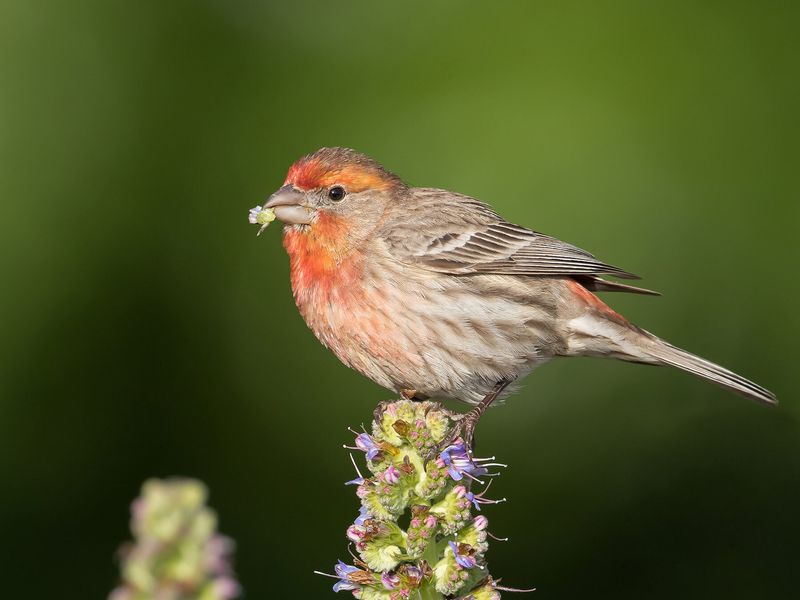
Cheerful and chatty, house finches sing even on chilly days. Males have rosy red heads and chests.
They feast on sunflower seeds, thistle, and seeds from garden flowers. Leaving spent sunflowers and zinnias standing keeps them happy.
Their color comes from pigments in the food they eat. Redder males often have the better diet.
12. Tufted Titmouse
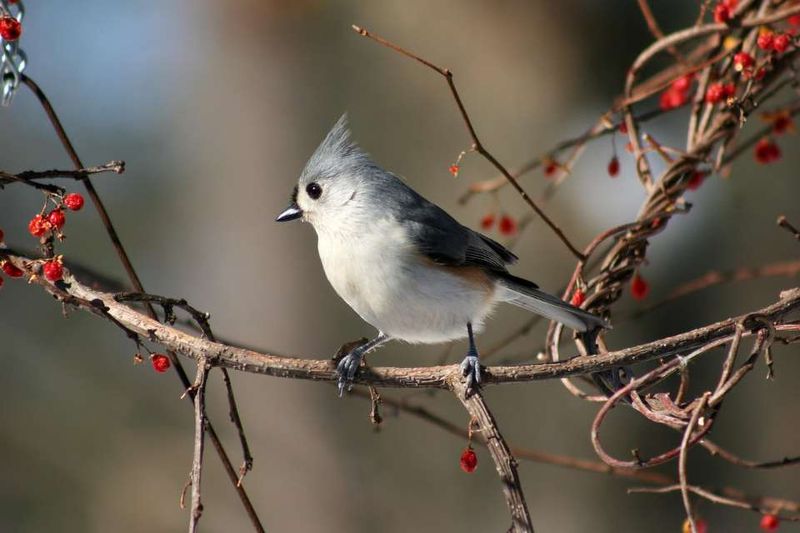
With its little gray crest and big dark eyes, the titmouse looks curious all the time. It usually travels with chickadees.
Titmice store seeds and nuts for winter, often under bark. Oaks and other native trees feed them well.
They even pluck fur from sleeping animals for nests in spring. Seeing them in fall means your trees offer food and shelter.
13. Song Sparrow
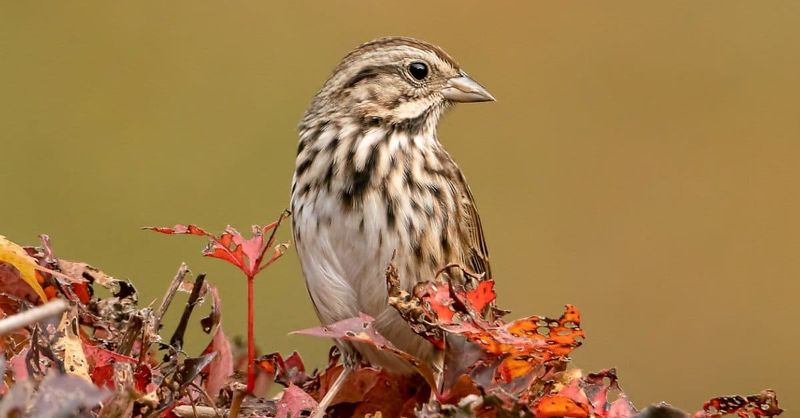
Streaky brown with a dark spot in the center of its chest, the song sparrow is easy to spot once you know the clue.
It loves weedy edges, tall grasses, and seed-filled plants. Ornamental grasses left standing are ideal.
Song sparrows sing on mild fall days too. Their tune is a sign your garden edges are wild enough to support them.
14. Blue Jay
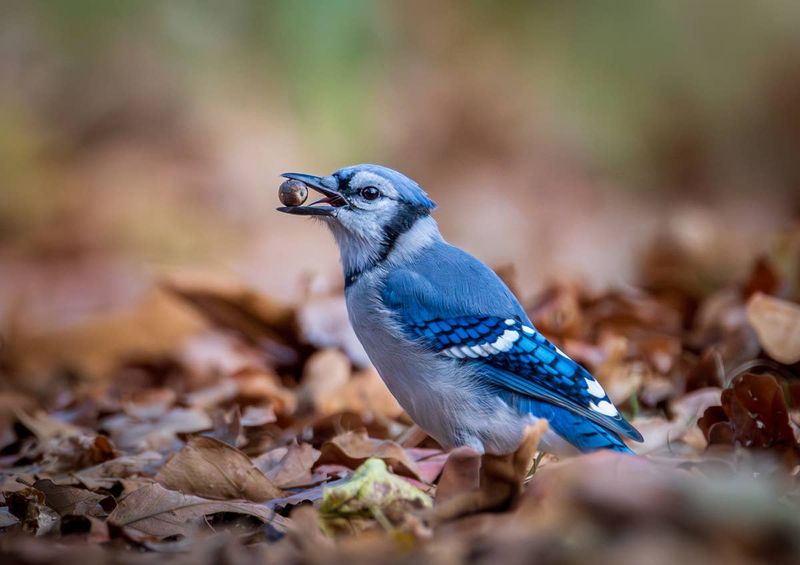
Loud, bold, and smart, blue jays can be the noisy neighbors of the bird world. They also plant forests.
Jays bury acorns to eat later, and forgotten ones sprout into oak trees. Scientists believe they helped spread oaks after the last ice age.
If jays visit, your yard has nut trees or seeds worth storing. Their calls also warn other birds about hawks.
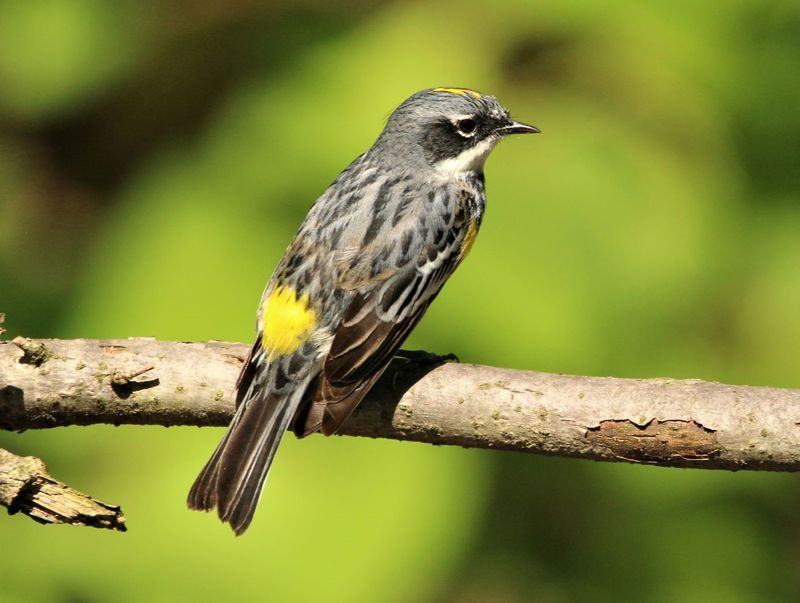
15. Yellow-rumped Warbler
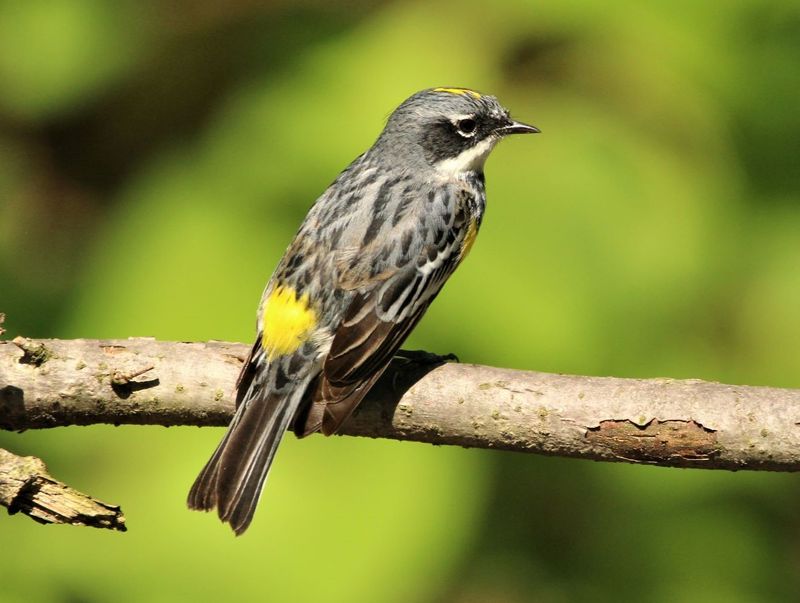
Most warblers head south fast, but the yellow-rumped warbler has a secret. It can digest waxy berries other birds cannot.
Bayberry and wax myrtle keep them going late into fall. Look for the yellow patch above the tail.
Birders call them butterbutts for that spot. Hosting them means your native shrubs are pulling their weight.
16. Mourning Dove
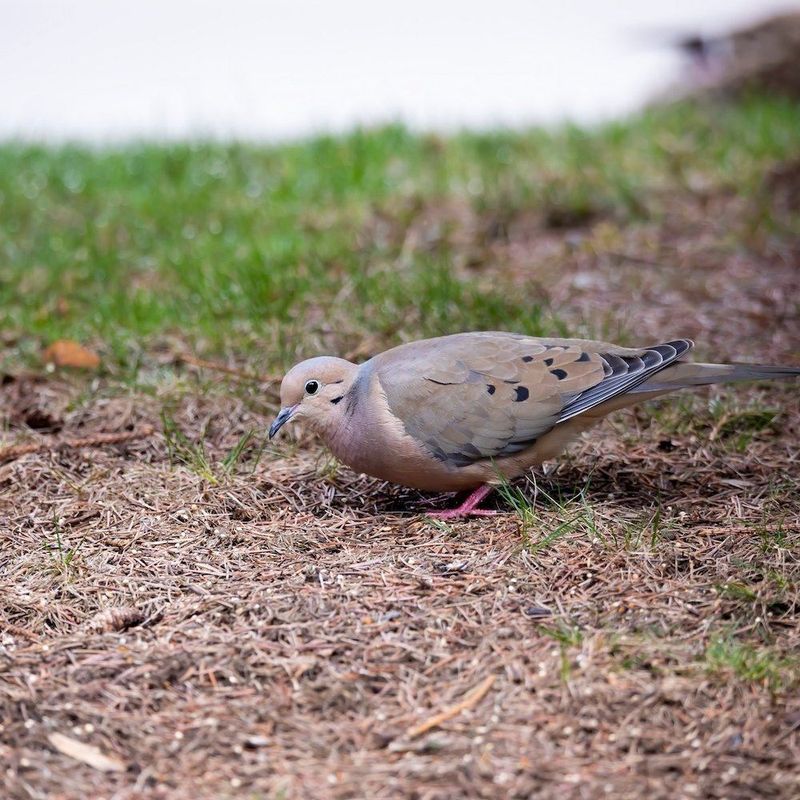
Soft cooing at dawn is one of the calmest sounds of fall. Mourning doves make it.
These birds eat seeds almost entirely, picking them off the ground. Dropped seeds from flowers and grasses feed them well.
A dove can eat thousands of seeds a day. Seeing them often means your garden produces plenty.
17. Carolina Wren
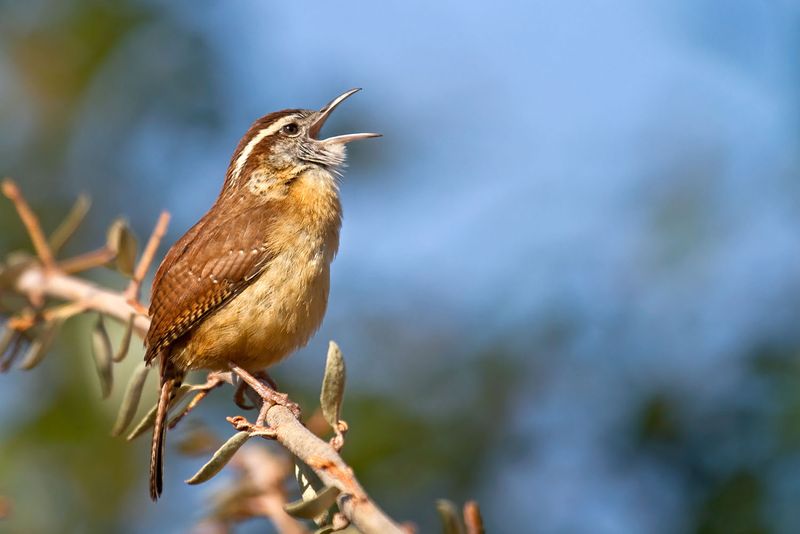
Small bird, giant voice. The Carolina wren sings loudly for its size, often a tea-kettle tea-kettle call.
It hunts insects in brush piles, leaf litter, and tangles. A wild corner gives it everything it needs.
Wrens sometimes nest in odd spots like flowerpots or old boots. If one moves in, your garden is truly doing its job.