
The Tidy Winter Yard Habits That Quietly Starve North Carolina Songbirds Before Spring
A neat, raked, cut-back yard looks great in January, but to a hungry Carolina chickadee it can look like an empty pantry. Late winter is the hardest stretch of the year for North Carolina songbirds, when wild seeds run low and insects are hidden away.
Many of the chores we do to keep things tidy remove the exact food and shelter birds need to make it to spring. Here are nine common habits to rethink, plus easy swaps you can make in your own yard this weekend.
1. Raking Every Last Leaf
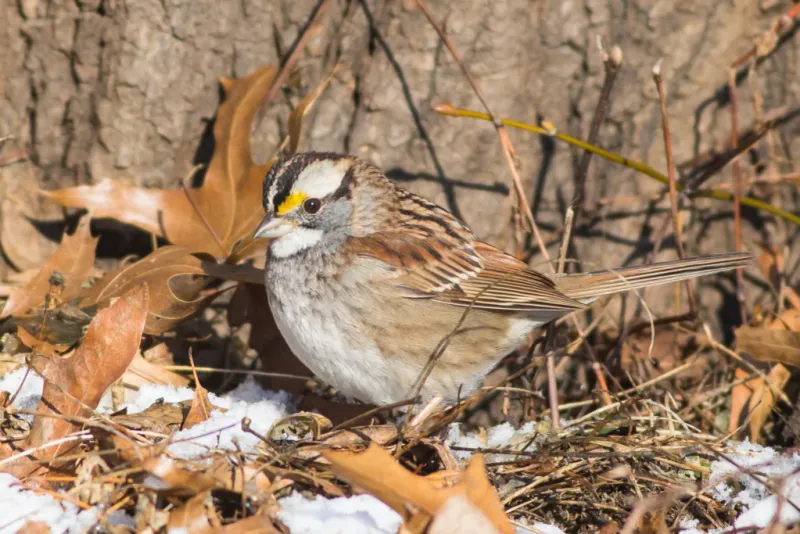
Listen closely on a cold morning and you might hear a rustle-rustle-hop under your shrubs. That sound is often an Eastern Towhee or a White-throated Sparrow kicking through leaves, hunting for breakfast.
Leaf litter is a living buffet. Beetles, millipedes, spiders, and moth pupae spend the winter tucked under that brown blanket, and ground-feeding birds like American Robins and Brown Thrashers depend on them.
When every leaf gets bagged and hauled to the curb, that whole food supply goes with it.
You do not have to give up on a neat lawn. Rake or blow leaves off the grass and into your garden beds, under trees, or into a back corner you call a wildlife zone.
The leaves will insulate plant roots, feed your soil as they break down, and keep insects alive for the birds.
2. Cutting Coneflowers and Black-Eyed Susans to the Ground
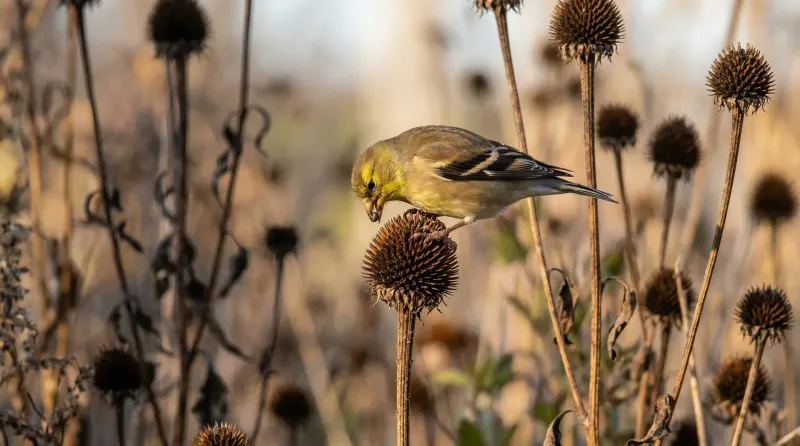
Goldfinches in winter look like they swapped their bright yellow jackets for plain olive sweaters. They are still easy to spot, though, if you leave them something to eat.
Dried seed heads on purple coneflower, black-eyed Susan, coreopsis, and native sunflowers are some of the best winter food a North Carolina yard can offer. Goldfinches, juncos, and sparrows will cling to the stems and pick out seeds one by one.
Snip them all off in November, and those birds have to fly elsewhere, burning precious energy on a cold day.
Try leaving your perennials standing until early spring. A good rule is to wait until daytime temperatures stay above about 50 degrees.
Your garden may look a little shaggy for a few months, but watching a flock of finches work over your coneflowers is a pretty great trade.
3. Chopping Back Hollow Stems Too Early
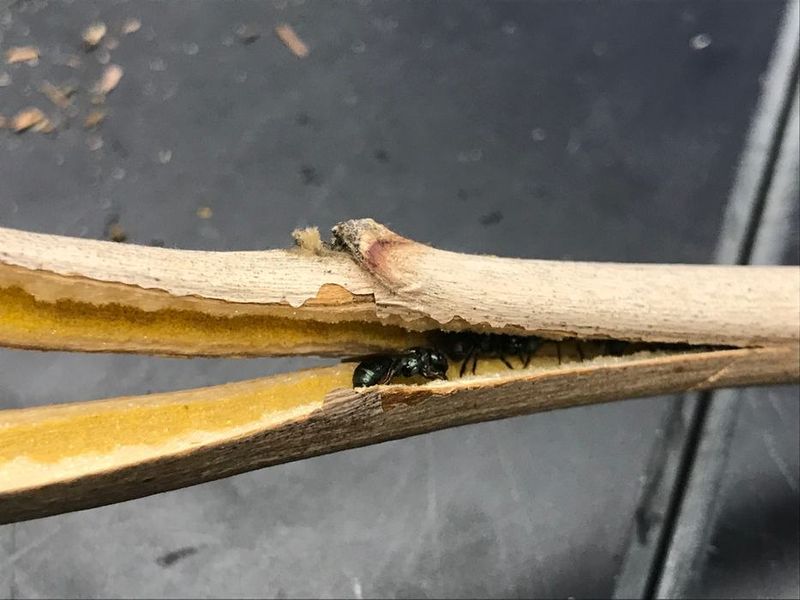
Here is a fun fact: some of the tiniest bugs in your yard spend the whole winter living inside a plant stem, like a person in a sleeping bag. Small native bees, wasps, and beetle larvae tuck themselves into hollow or pithy stems of plants such as Joe-Pye weed, ironweed, and goldenrod.
Why should a bird lover care? Carolina Wrens, chickadees, and Tufted Titmice are expert stem inspectors.
They peck and probe for those hidden insects, which give them fat and protein when seeds are scarce.
Instead of cutting everything flush with the ground, wait until spring. Then trim old stems to about 12 to 18 inches tall.
New growth will hide them quickly, and those leftover stubs can become nesting spots for native bees later in the season.
4. Hauling Away Fallen Branches
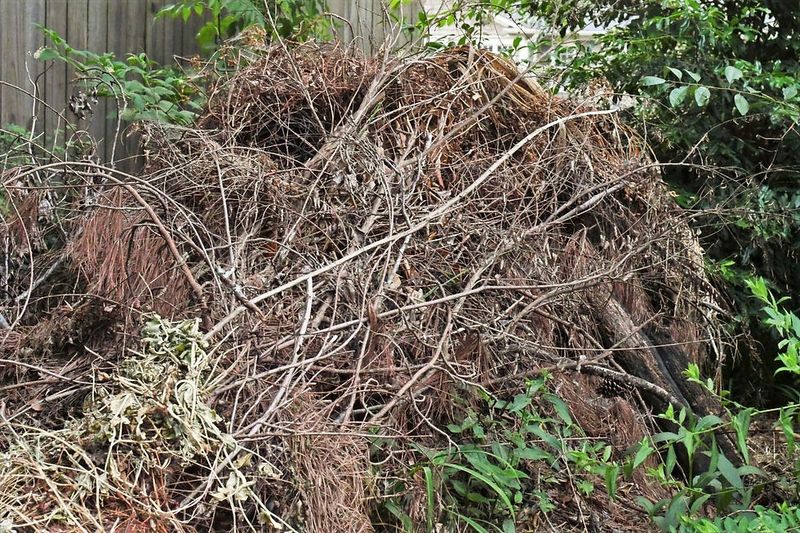
After a winter windstorm, most of us grab the gloves and start dragging sticks to the curb. Before you do, picture a Cooper’s Hawk gliding over your yard looking for an easy meal.
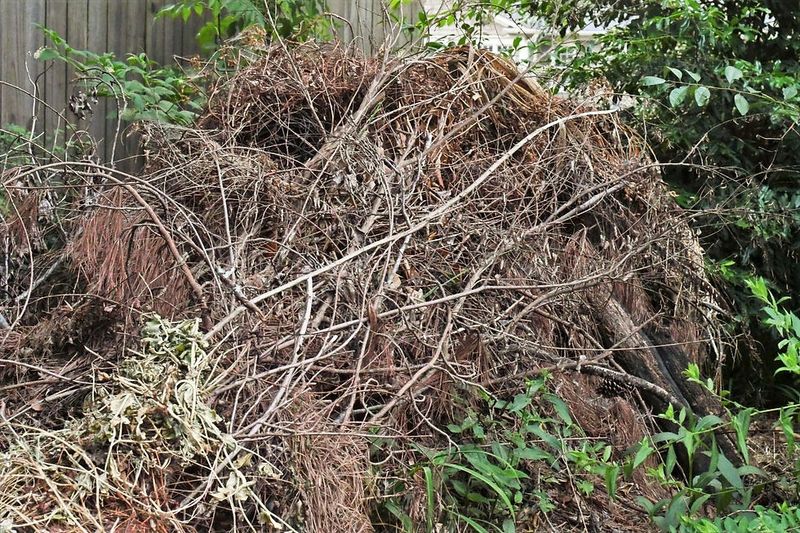
A small sparrow caught in the open has nowhere to hide. A loose pile of branches, though, works like a fortress.
Birds can dart inside to escape hawks, roaming house cats, icy wind, and freezing rain.
Building one is simple. Lay thicker logs on the bottom in a crisscross pattern, then stack smaller branches and twigs on top until the pile is roughly waist high.
Tuck it in a quiet back corner, away from your house and walkways, and you will likely see cardinals and juncos ducking in and out within days.
5. Pruning Berry Shrubs Into Neat Shapes
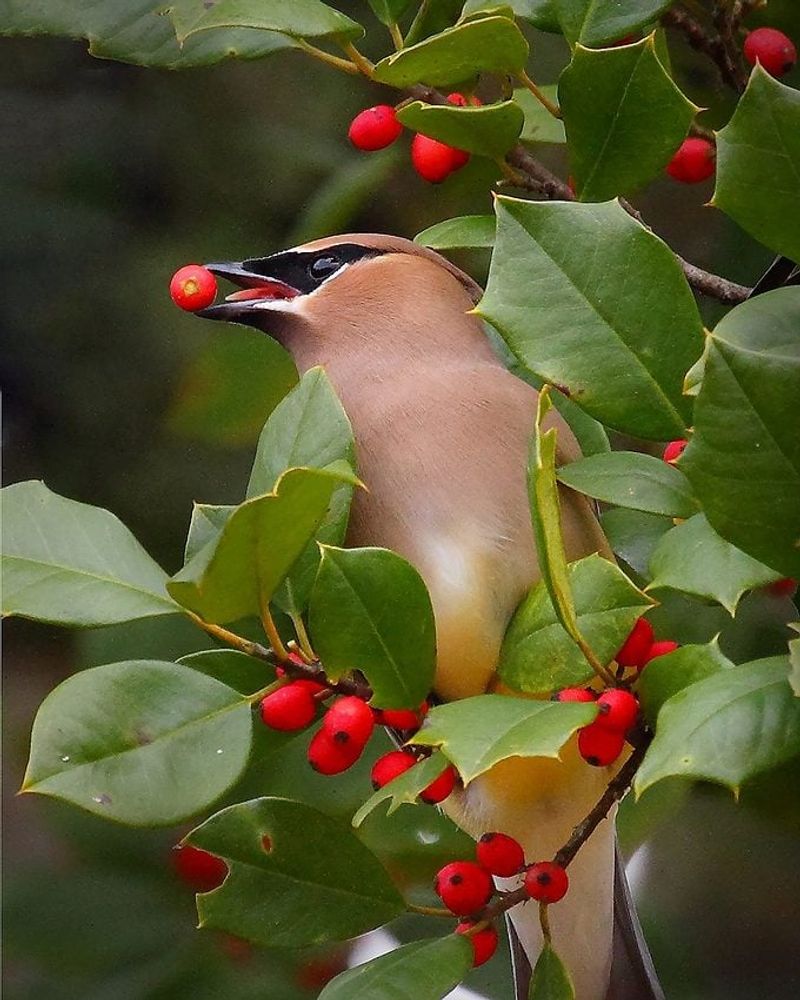
Grandma’s holly bush, loaded with red berries every December, was never just a decoration. For cardinals, mockingbirds, and Hermit Thrushes, it was a winter grocery store.
Native shrubs like American holly, wax myrtle, American beautyberry, and dogwoods produce fruit that carries birds through cold snaps. Heavy fall shearing to keep them boxy often cuts off the very branches holding that fruit.
Wax myrtle berries are especially handy for Yellow-rumped Warblers, which can digest their waxy coating when few other birds can.
Save major pruning for late winter after the berries are mostly gone, and only shape lightly. If you have invasive nandina or Bradford pear, consider swapping them out.
Nandina berries can be toxic to birds, and native hollies or beautyberry offer a far safer meal.
6. Mowing Down Native Grasses and Meadow Edges
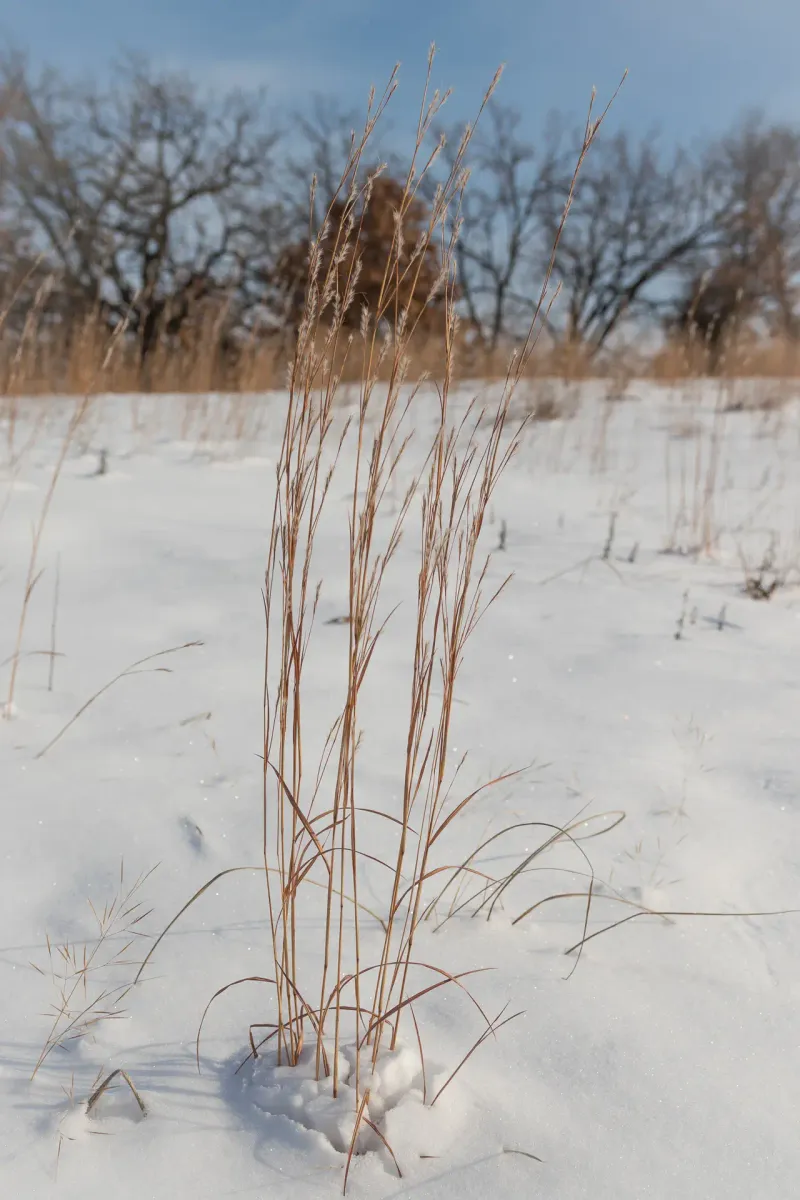
Picture a strip of tawny little bluestem glowing in late afternoon sun. It might look like leftover summer, but it is really a winter shelter and seed source rolled into one.
Native grasses such as little bluestem, switchgrass, and purple lovegrass hold seeds well into winter. Song Sparrows, Field Sparrows, and Dark-eyed Juncos feed on them, then slip into the clumps for cover.
A buzz-cut meadow edge leaves them exposed.
Keep at least part of your grassy area standing through February. Mow or cut it back in early spring before new green shoots appear.
One bonus for tick-wary homeowners: keep a short, mowed path between tall grass and play areas so you get bird habitat without brushing through it every day.
7. Spraying Pesticides During Winter Cleanup
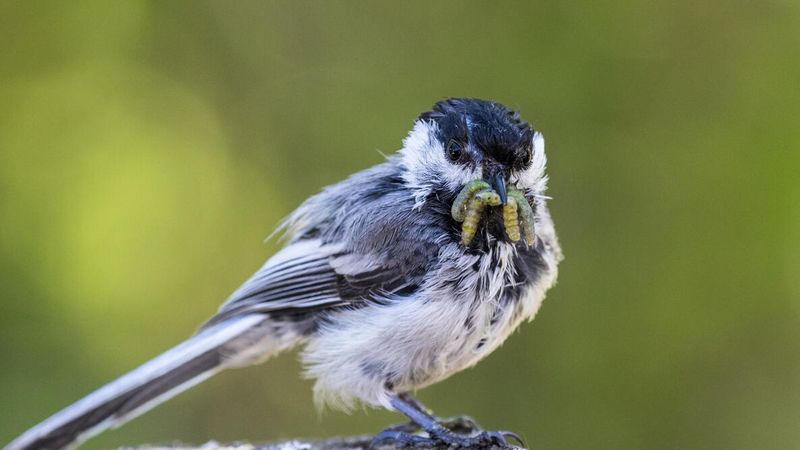
Some numbers are hard to forget. A single pair of Carolina Chickadees may need thousands of caterpillars to raise one nest of babies in spring.
Those caterpillars start as eggs and pupae hiding in your yard right now. Dormant-season sprays and broad lawn treatments can wipe them out before they ever hatch.
That means fewer meals for bluebirds, wrens, and warblers just when nesting season begins.
Native plants usually thrive without synthetic fertilizers or bug sprays, so skipping chemicals is often easier than you think. If you have a specific pest problem, target it directly instead of treating the whole yard.
Your local NC State Extension office can help you choose the gentlest option.
8. Removing Evergreen Cover for a Clean Look
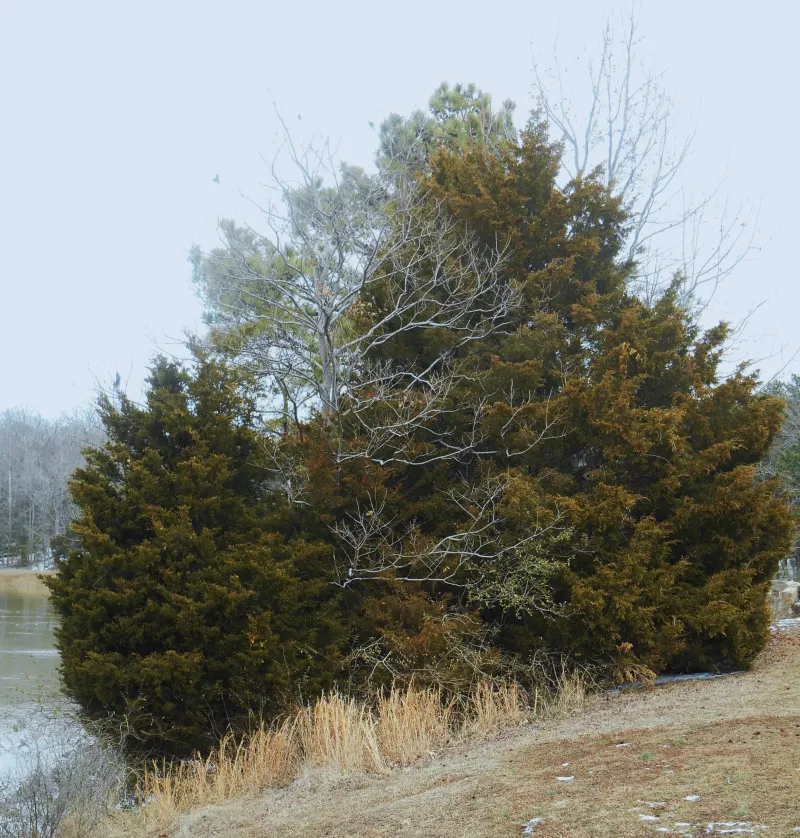
When an ice storm rolls across the Blue Ridge or Piedmont, where do the birds go? Many of them pile into thick evergreens, where the wind is softer and the ice cannot reach.
Eastern redcedar, American holly, and wax myrtle are some of the best winter hideouts in the state. Redcedar even serves double duty, with bluish berries that Cedar Waxwings and bluebirds love.
Clearing these out to open up a view or tidy a fence line takes away both shelter and food.
If you want privacy plantings, choose these natives over invasive privet or leatherleaf mahonia. Grouping a few together makes a dense pocket of cover.
Birds will thank you on the worst nights of the year, even if you never see them do it.
9. Filling Feeders and Then Forgetting Them
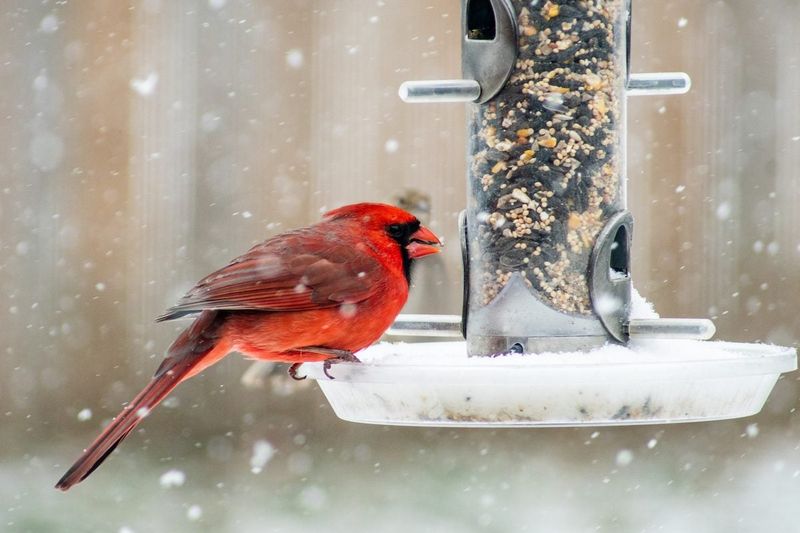
Feeders feel like the easy fix, and they truly help during harsh weather. Still, a feeder works best as a side dish, not the whole meal.
Where you hang it matters a lot. Place feeders within about 10 feet of dense cover, like a holly or wax myrtle, so titmice and cardinals can escape a hawk quickly.
Fill them with good food such as black oil sunflower, safflower, white millet, and suet instead of cheap filler mixes.
Cleaning is the part people skip. Moldy seed and dirty perches can spread disease, especially among House Finches.
Scrub feeders every couple of weeks with a weak bleach solution, rinse well, and let them dry. Pair a clean feeder with a messy, leafy, seedy yard, and you have given North Carolina songbirds their best shot at seeing spring.