
Your Fall-Blooming Loquat in Coastal North Carolina Is Betting Its Spring Fruit on This Winter
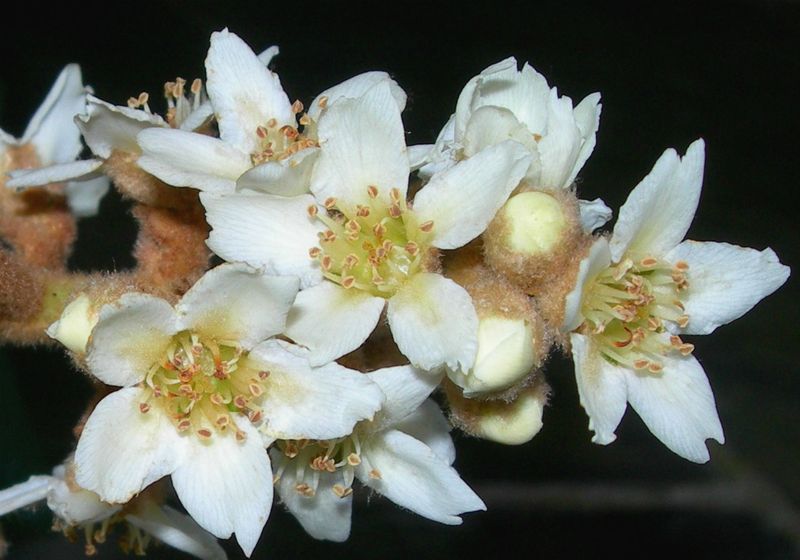
A loquat covered in fuzzy flower clusters while the maples drop their leaves can look like a mistake. It is not.
This tree flowers in the cooler months, and its spring fruit depends on how winter treats those blooms. Here is how to read the risk in your own yard and what you can do to help.
Fall bloom is normal for a loquat
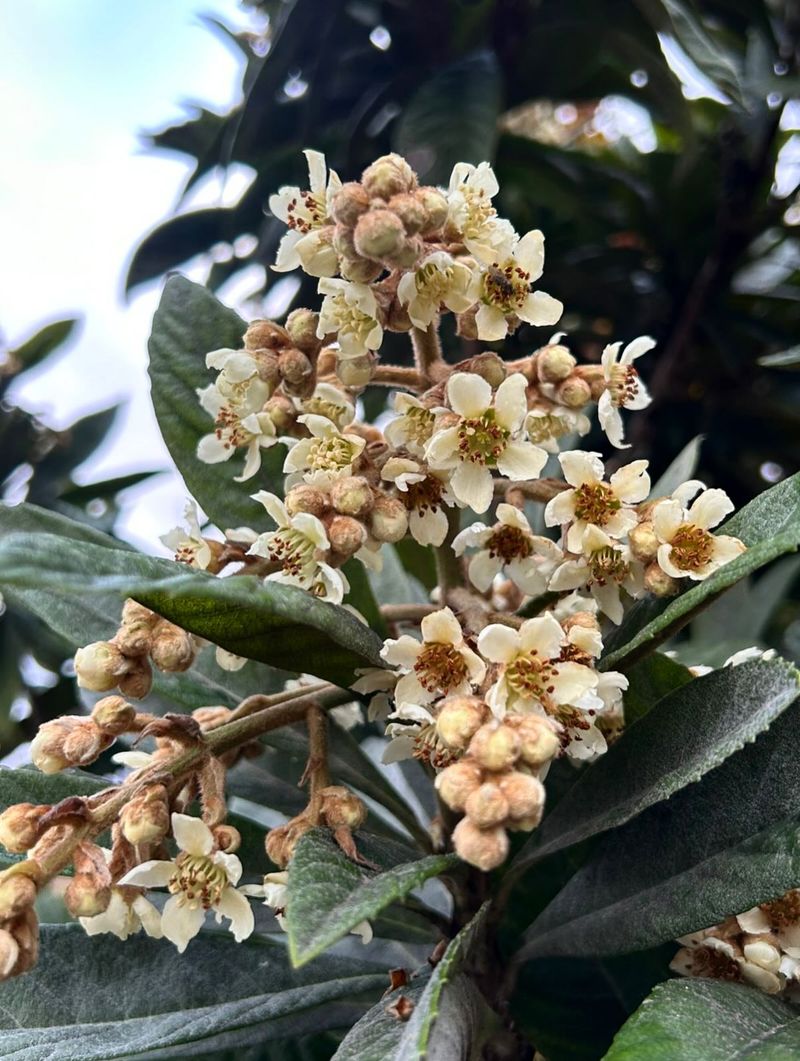
Flowers on a loquat in the fall can seem out of step with everything else in the yard, but the timing is routine. North Carolina Extension’s plant toolbox lists the bloom time as fall and winter.
The fruit then ripens toward a spring harvest.
So the real question is not whether the tree got confused. The question is what happens to the flowers and tiny fruits while they sit on the branches through the coldest months.
An established tree is tougher than its blossoms, and that gap is where the risk lives.
You may hear that the loquat is placing a bet on winter. Treat that as a figure of speech.
The tree is not making a plan or choosing a risky strategy. UF/IFAS Extension says the factors that trigger flower formation are not fully known, so nobody can say exactly why the schedule works the way it does.
What we can say is practical. Fruit that starts in fall or early winter has to get through whatever winter delivers.
Some years that goes smoothly, and some years it does not. The rest of this article helps you judge which kind of winter your yard is likely to face, and which steps might tilt things a little in your favor.
One note on timing: bloom usually runs from fall into early winter, so check your own tree before assuming flowers are open today.
Why a hardy tree can lose its fruit
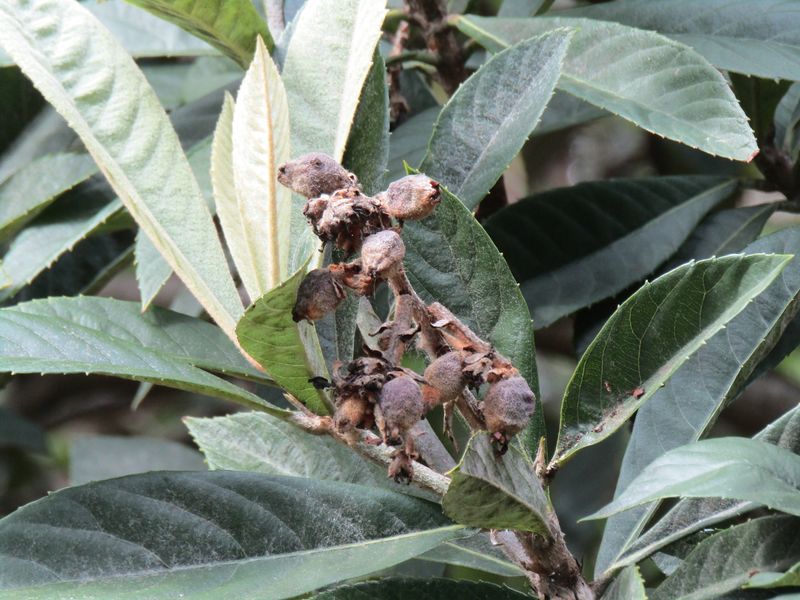
Surviving winter and fruiting in spring are two different jobs. Clemson Extension says an established loquat may come through temperatures around 12°F, while flowers and developing fruit can be killed at around 27°F.
Those numbers are general warnings, not promises for every tree or every freeze.
The gap matters because a tree can look fine after a hard night while its crop is gone. Green leaves tell you about the woody tree.
They say little about the flower clusters tucked at the branch tips.
Even the 27°F figure is not a switch that flips. A peer-reviewed field study found that cold damage to young loquat fruit varied with cultivar, developmental stage, how long the cold lasted, wind, where the fruit sat on the tree, and the height of the tree.
In plain terms, risk rises as temperatures fall and as the cold drags on. One brief dip just under 27°F does not automatically wipe out the crop, and a long, windy night can do harm even when the number looks less dramatic.
A practical clue: after a freeze, wait a few days and look inside cut flower buds or tiny fruit. Dark or mushy tissue suggests damage, while firm, pale tissue is a better sign.
Either way, your tree itself will likely keep growing.
Coastal North Carolina has no single freeze calendar
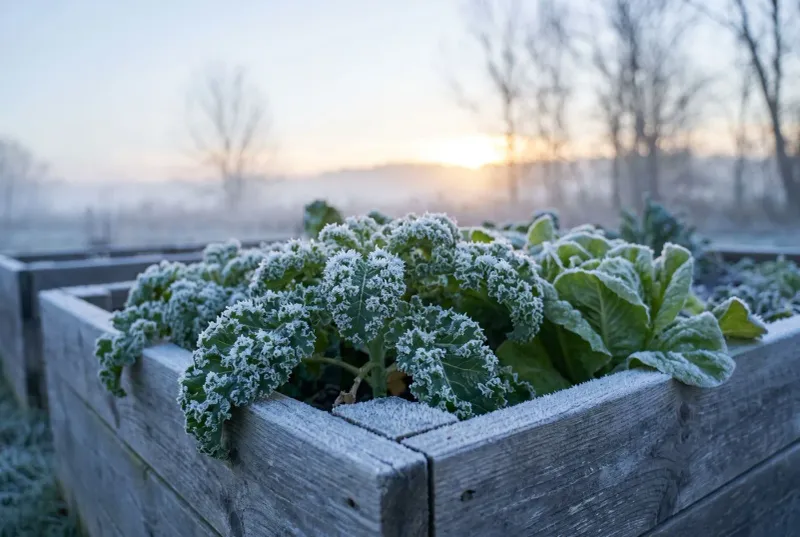
Living near the coast does not give you one freeze schedule. NC State Extension’s station table lists average first and last freeze dates of November 18 and March 17 for Wilmington International Airport.
For the Hatteras Weather Service Office, the averages are December 16 and March 5.
Those two places are both coastal, yet their freeze windows differ by weeks. Your own street, a low spot, a patch near brick walls, or an open lot can differ again.
Averages describe the past, not this winter. They help you picture a typical season, but they cannot tell you whether a hard freeze will land during bloom this year.
The same goes for hardiness zones. The USDA Plant Hardiness Zone Map is based on the average annual extreme minimum temperature over a 30-year period.
It does not predict the coming winter’s low, whether a bloom will survive, or every yard-scale microclimate.
Your best tools are simple. Watch your local forecast, note which corners of your yard drop coldest on clear, still nights, and keep a cheap thermometer near the tree.
A few seasons of notes will tell you more about your site than a map can.
A sheltered, healthy tree starts with its planting site
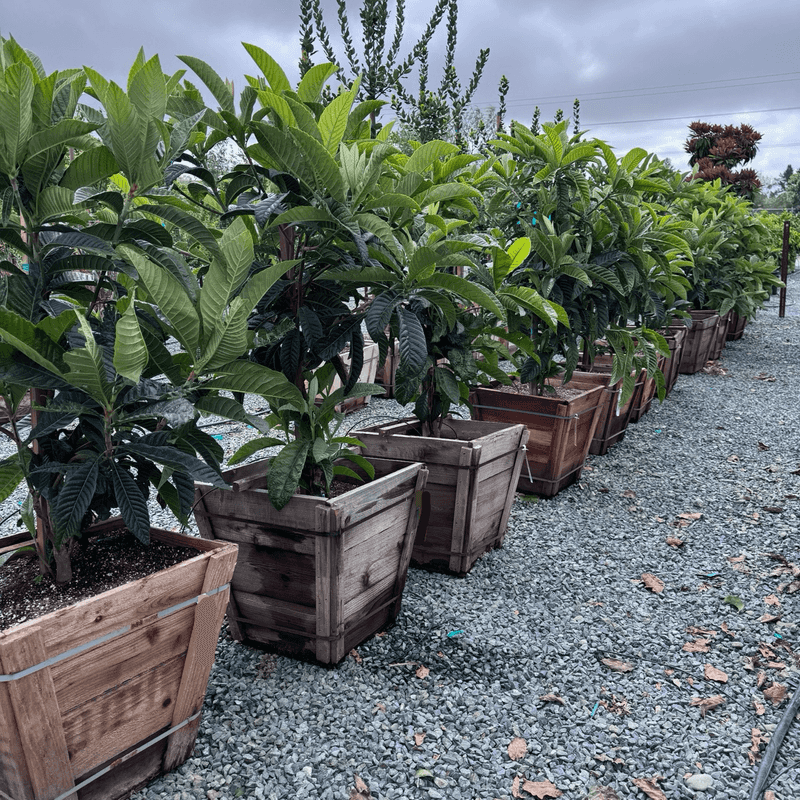
Siting will not stop a freeze, but it sets your baseline. Clemson recommends a spot protected from winter morning sun.
Early sun on frozen tissue can make cold injury worse, so a place shielded from the east is a smart choice.
Tree health matters too. According to Clemson’s loquat guide, established trees that are acclimatized and well watered in fall have greater cold tolerance.
A tree stressed by drought heading into winter starts at a disadvantage.
Watering has a limit, though. Loquats need well-drained soil, and soggy ground is a problem of its own.
Roots sitting in water struggle, and a weakened tree is no better prepared for cold.
A fall routine can stay simple. If rain has been scarce for a couple of weeks, soak the root zone slowly, then let the soil drain.
Skip watering when the ground is already damp, and if water pools after storms, consider a raised planting area or a better spot next time.
Think of these steps as stacking small advantages. Good siting and steady care may help a tree handle winter, but they do not guarantee that flowers and young fruit will escape a hard freeze.
What a frost cover can—and cannot—do
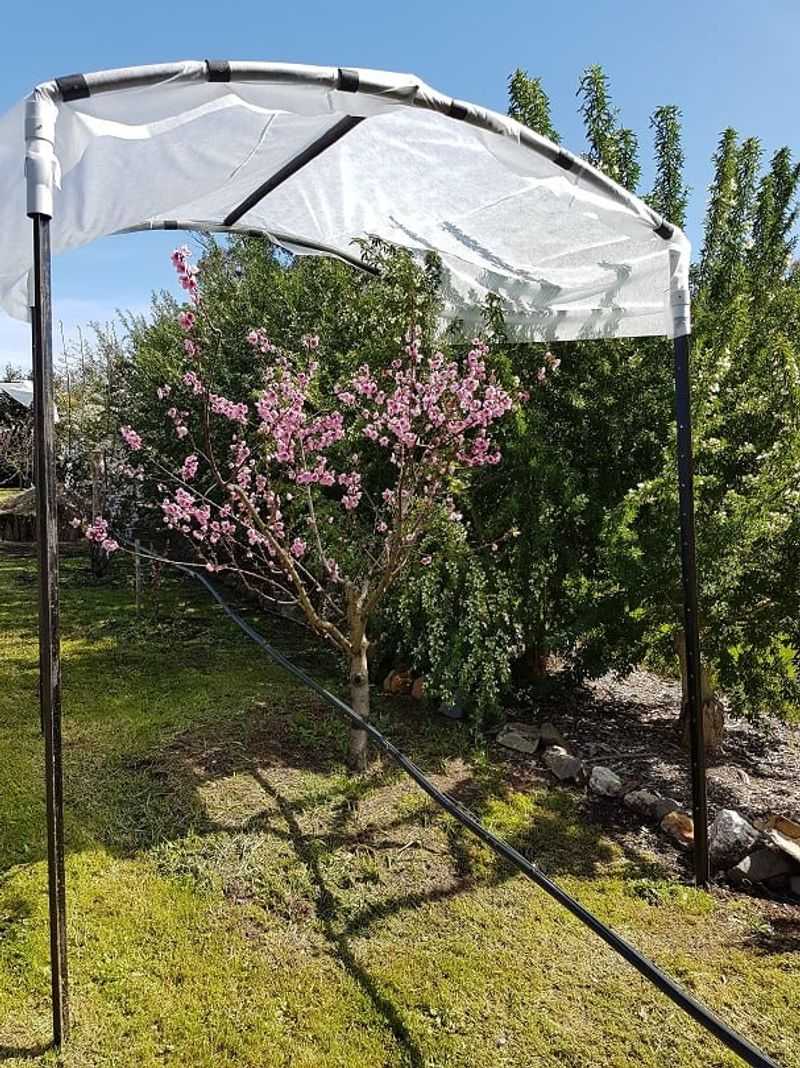
A cloth cover is a modest tool, best for a tree small enough to wrap. UC IPM guidance says covers can reduce overnight heat loss from the plant.
The details matter. Use cloth rather than plastic.
Leave the bottom open so heat stored in the soil can reach the plant, and remove the cover during the day so it does not trap heat or block light.
Put it on before sunset, when the ground is still holding warmth. Use stakes or a frame if you can, so the fabric does not crush flower clusters.
Check the forecast again the next morning before deciding whether to leave it off.
Know the limits. A mature loquat with a wide canopy is usually too large to cover well, and no cloth is dependable through a severe or prolonged freeze.
The guidance concerns reducing heat loss, not making a vulnerable crop freeze-proof.
For a young tree near the house, a cover on the coldest nights may be worth the effort. For a big backyard tree, spend your energy on siting, tree health, and watching the forecast instead.
Pollination can help fruit set, but it cannot prevent a freeze
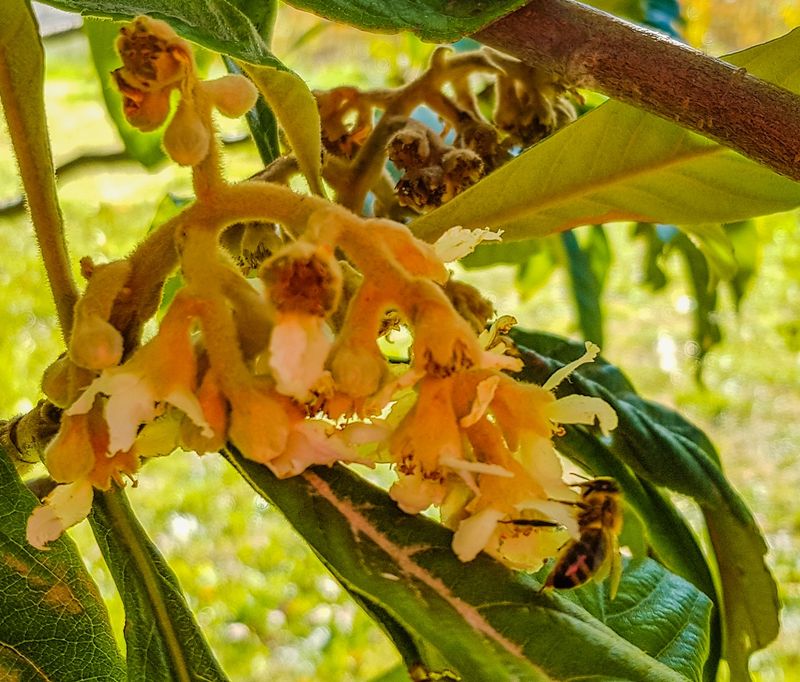
Bees and flies drift through loquat flowers on mild days, and that activity is worth appreciating. Per UF/IFAS Extension, loquat is generally self-compatible, so a single tree can set fruit.
Cross-pollination may improve fruit set, size, or production in some cases. That makes a second tree a possible bonus, not a requirement.
It is also not a shield against winter. If a hard freeze kills flowers or young fruit, a neighbor tree will not bring them back.
Pollen cannot help a blossom that has already been damaged.
If you are deciding how to spend time and money, put pollination in third place behind site choice and watching the cold. A second loquat makes sense if you want more fruit in a good year and have room for it.
It does not make sense as a freeze plan.
You can help pollinators in simple ways. Avoid spraying insecticides while the tree is in bloom, and leave a shallow dish of water with stones nearby on warm days.
No pollination setup guarantees a crop, but a yard that welcomes insects is a healthier one overall.
Use local conditions to set realistic expectations
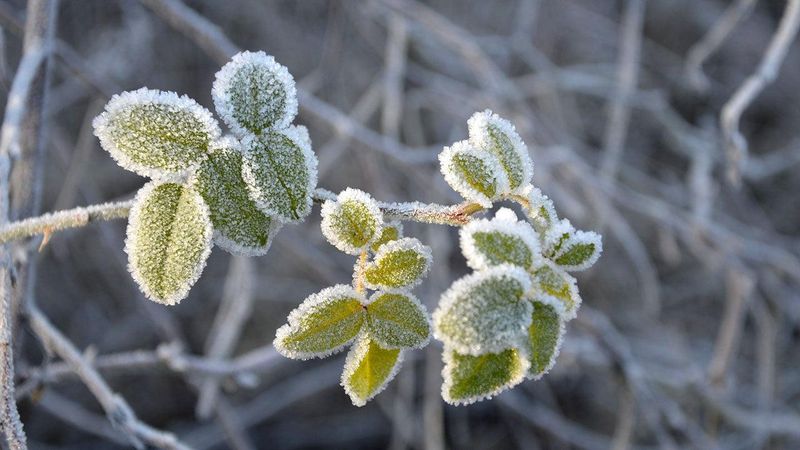
Start with the forecast and a thermometer in your own yard, since average freeze dates only describe typical years. Rely on a well-sited, healthy, well-watered tree as your baseline.
Use a cloth cover only if the tree is small enough to wrap.
The blooms are normal, and winter will decide what they become. Some years the fruit makes it, and some years the cold gets there first.
A winter bet is only a metaphor, but the odds are real.