
Give Your Faded North Carolina Mums This One Thing Now And They Bloom Again Next Fall
Those tired, brown mums on your porch are not done yet. With one simple step this fall, many North Carolina mums can come back next year with a fresh wave of color.
All it takes is a thick blanket of mulch at the right time. Better yet, the same mulch helps the bugs, toads, and birds that call your yard home.
1. A Thick Blanket of Shredded Leaf or Pine Straw Mulch
Picture a January morning in Raleigh: 18 degrees at dawn, 55 by lunch. Swings like that are what really kill mums in North Carolina, because the soil freezes, thaws, and heaves the shallow roots right out of the ground.
A deep layer of mulch keeps that soil steady, and that steady soil is the secret to next fall’s flowers.
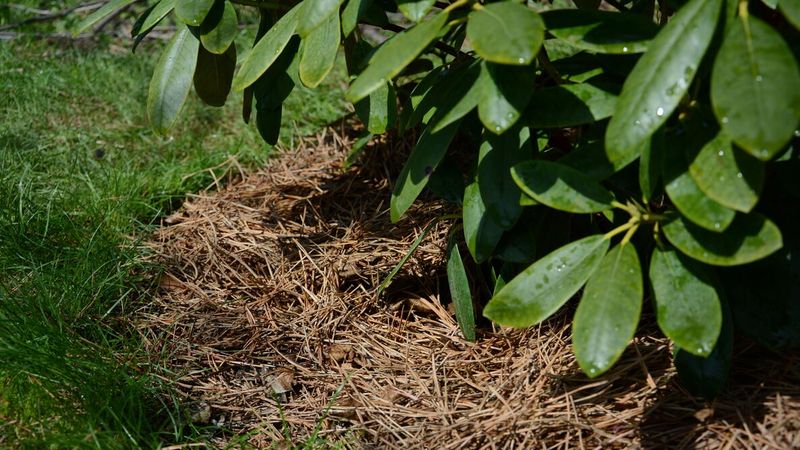
Wait until a hard frost browns the leaves, or until the ground starts to chill. Then pile on mulch about 4 inches deep around the base of each plant.
Pine straw, shredded leaves from your own oaks and maples, or aged pine bark all work well and cost little or nothing.
You can trim the dead stems to the ground, but many NC gardeners leave them standing until early spring. Those hollow stems add a little extra shelter, and some native bees may tuck into them for winter.
Snip them back in March once new green shoots appear.
A few quick tips help the mulch do its job. Plant potted mums in a sunny, well-drained spot about six weeks before cold weather, skip fertilizer until spring, and water only during long dry spells.
Soggy winter roots can rot, especially in Piedmont clay.
Fun fact: leaf mulch doubles as a winter home for firefly larvae, which hunt slugs in leaf litter. So that cozy layer you add for your mums may also mean more summer fireflies blinking over your lawn.