
8 Easy Perennials That Practically Take Care Of Themselves In A Busy North Carolina Yard
Not everyone has time to fuss over a flower bed every weekend. The good news is that some North Carolina native perennials come back year after year with almost no help from you.
They handle our hot summers, sticky clay, and surprise droughts while feeding goldfinches, bees, butterflies, and even bats. Here are eight tough plants that let you be a good steward of your yard without giving up your free time.
1. Purple Coneflower
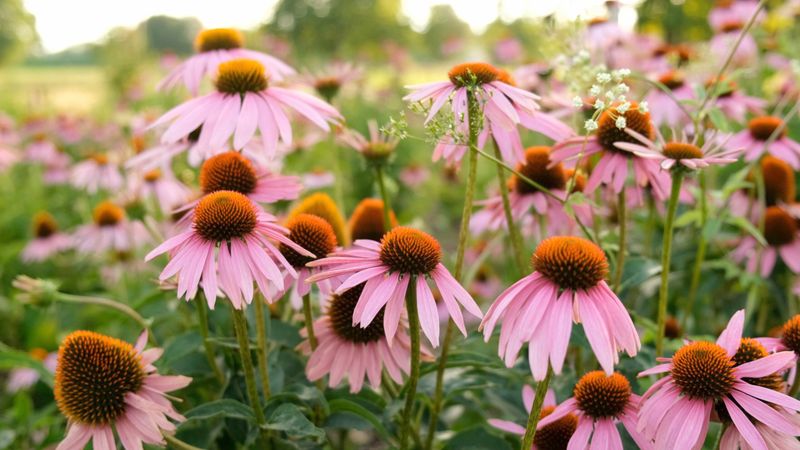
Picture a goldfinch hanging upside down on a dried flower head in September, picking out seeds one by one. That scene happens all over North Carolina, and purple coneflower is usually the reason.
It is one of the easiest ways to invite those bright yellow birds into your yard.
In summer, the pinkish-purple petals pull in bumblebees and butterflies for weeks. Once the blooms fade, resist the urge to cut them back.
Those spiky cones turn into a seed buffet for birds into fall.
Coneflower grows happily in the Piedmont, the Coastal Plain, and the mountains. It shrugs off red clay and handles dry spells once its roots settle in, usually after the first season.
Give it full sun and a little room, and you can mostly forget about it.
2. Black-Eyed Susan
Got a bare patch that bugs you every time you pull into the driveway? Black-eyed Susan is the friendly neighbor who shows up and fills it in without being asked.
It spreads at a pace that busy gardeners love.
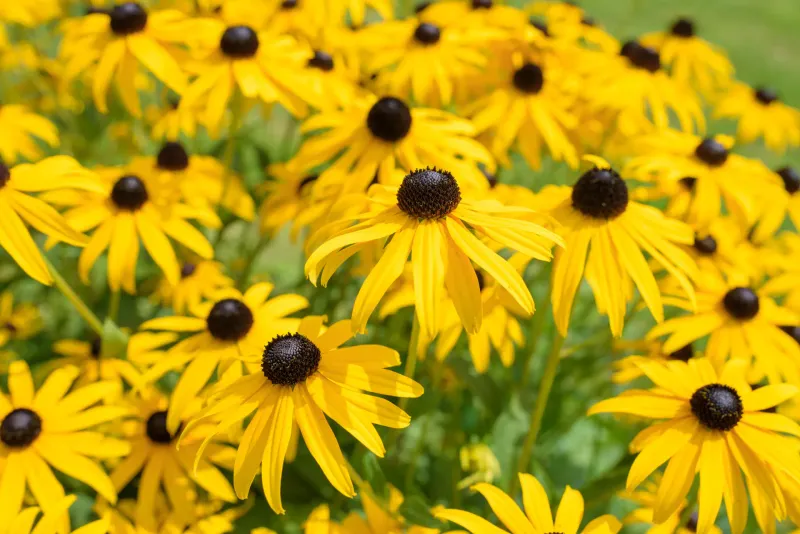
Those sunny yellow petals with dark centers bloom for a long stretch of summer. Native bees and butterflies treat the patch like a reliable diner, and the seeds feed birds once fall arrives.
From Boone to Wilmington, this plant handles heat, drought, and heavy clay. Plant it in full sun, water it the first few weeks, and then step back.
If it wanders a little too far, just dig up a clump and share it with a friend.
3. Bee Balm
Crush a leaf between your fingers and you will smell something like mint mixed with oregano. That spicy scent is part of what makes bee balm such a smart pick.
Deer and rabbits tend to skip it, and its natural compounds, like thymol, may help discourage ticks.
That makes it a handy plant for the border where your lawn meets the woods. Fewer deer browsing near the grass can mean fewer ticks hitching a ride into your play areas.
It is not a force field, but it can be one helpful layer.
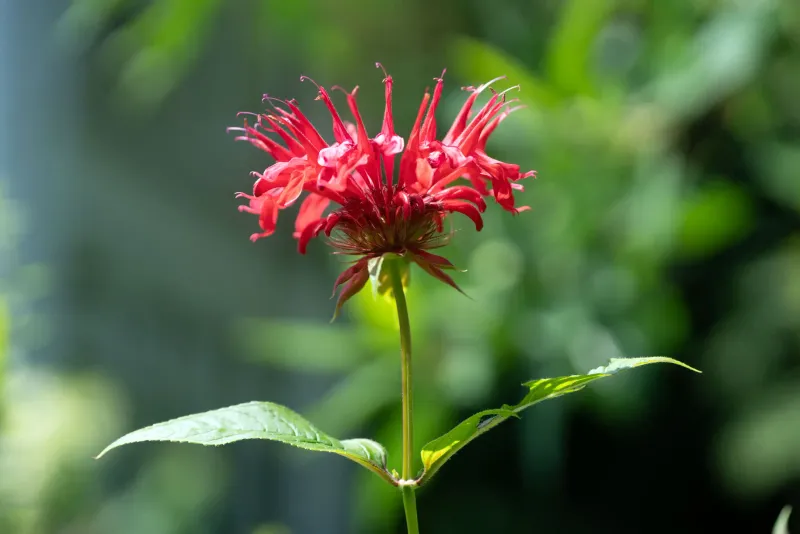
The shaggy, tube-shaped flowers are a hummingbird favorite. Evening moths visit too, and those moths become dinner for bats.
Choose wild bergamot (Monarda fistulosa) for drier spots statewide, or scarlet bee balm (Monarda didyma) in the mountains with a bit of afternoon shade.
4. Butterfly Weed
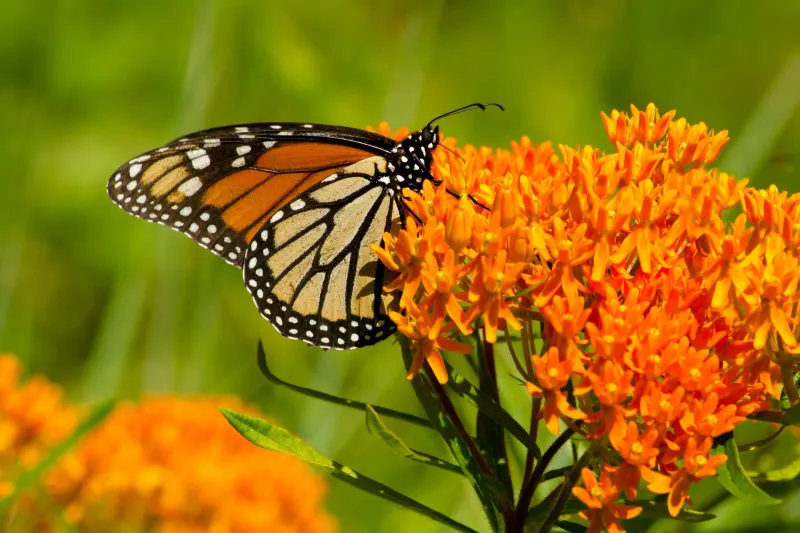
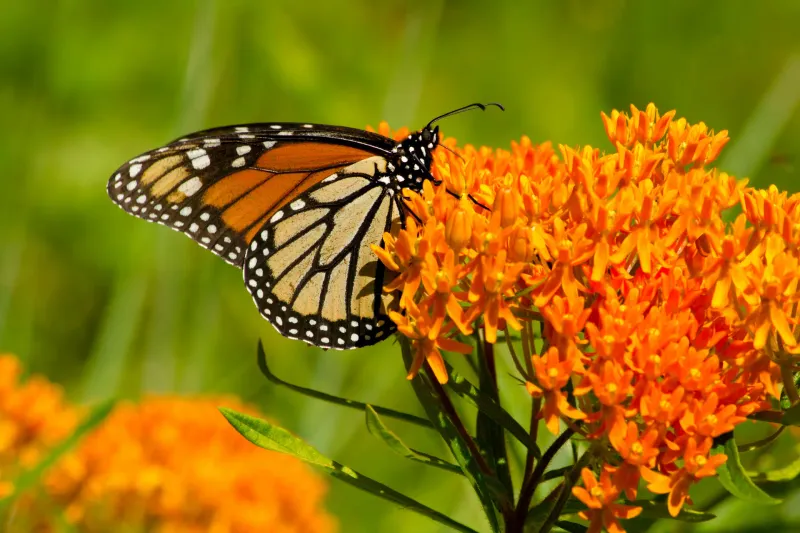
Monarch butterflies can only raise their babies on milkweed. Butterfly weed is a native milkweed that fits neatly into a home garden, which makes it a big deal for anyone hoping to help these travelers on their long migration.
The flowers glow a bold orange in early to mid-summer. If you spot striped caterpillars munching the leaves, celebrate.
That chewed foliage means your yard is a monarch nursery.
Here is the best part for busy folks. Butterfly weed loves dry, poor soil and hates being fussed over.
It grows a deep taproot, so plant it once in a sunny spot and do not move it later. Skip the fertilizer, skip extra water, and let it do its thing.
5. Mountain Mint
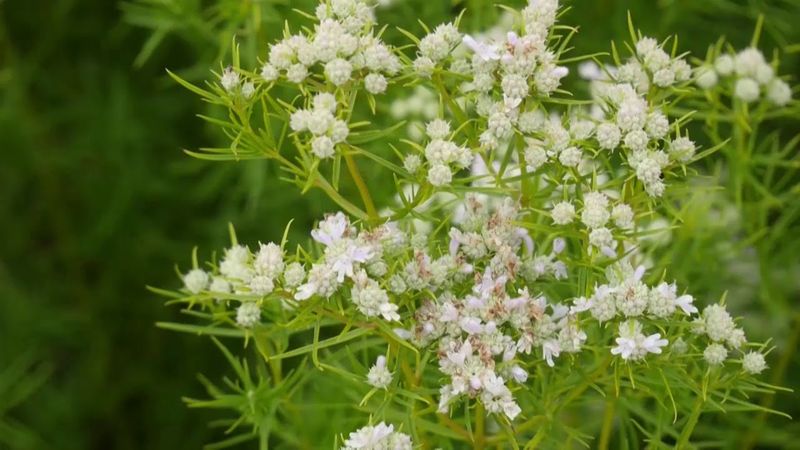
Stand next to a patch of mountain mint on a July afternoon and you will hear it before you look closely. It hums.
Native bees, tiny wasps, and butterflies swarm the small white flowers, and researchers often rank it among the top pollinator plants around.
Its leaves have a sharp, thyme-like smell that deer dislike. Keeping deer away from your yard edges may mean fewer ticks dropping off near your lawn.
The plant also contains compounds such as pulegone that can help repel ticks.
Narrow-leaf mountain mint (Pycnanthemum tenuifolium) grows well in all three regions of North Carolina. It spreads politely and fills a border fast.
Use it as a living edge where kids and dogs walk, and let the bees enjoy the show.
6. New York Ironweed
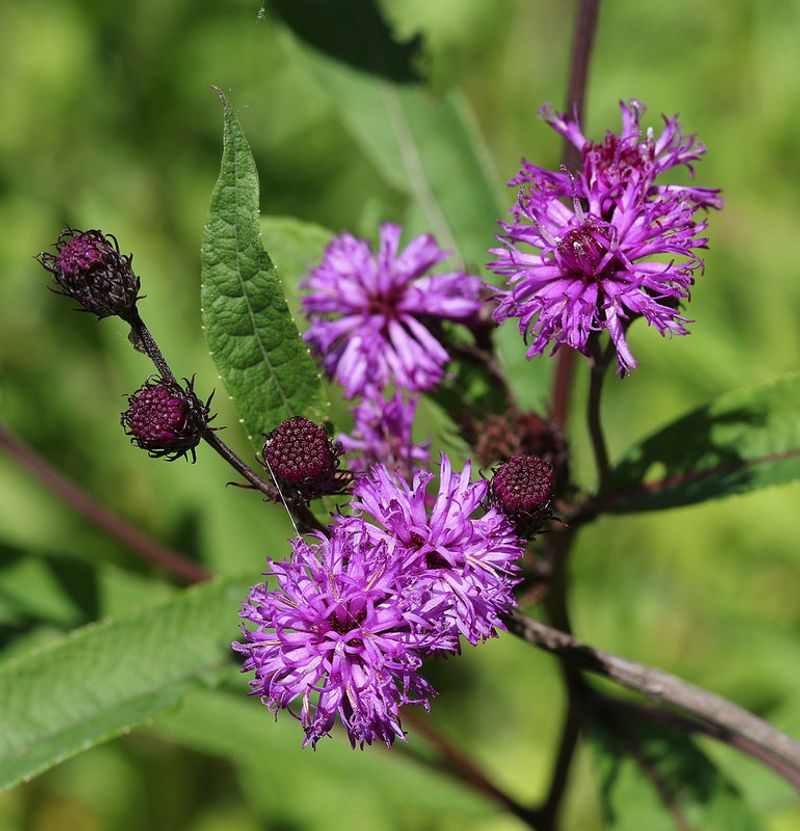
Every yard seems to have that one soggy corner where nothing wants to grow. New York ironweed actually likes it there.
It thrives in rich, moist ground and turns a problem spot into a late-summer highlight.
This plant gets tall, often taller than you. Its fluffy purple flowers open just as many summer blooms begin to fade, giving swallowtails, skippers, and native bees a meal when they need it most.
Come fall, goldfinches pick at the seed heads. Ironweed also self-seeds to fill gaps, and it can handle dry spells once established.
Put it at the back of a bed or in a low corner, and enjoy the purple wall.
7. Goldenrod
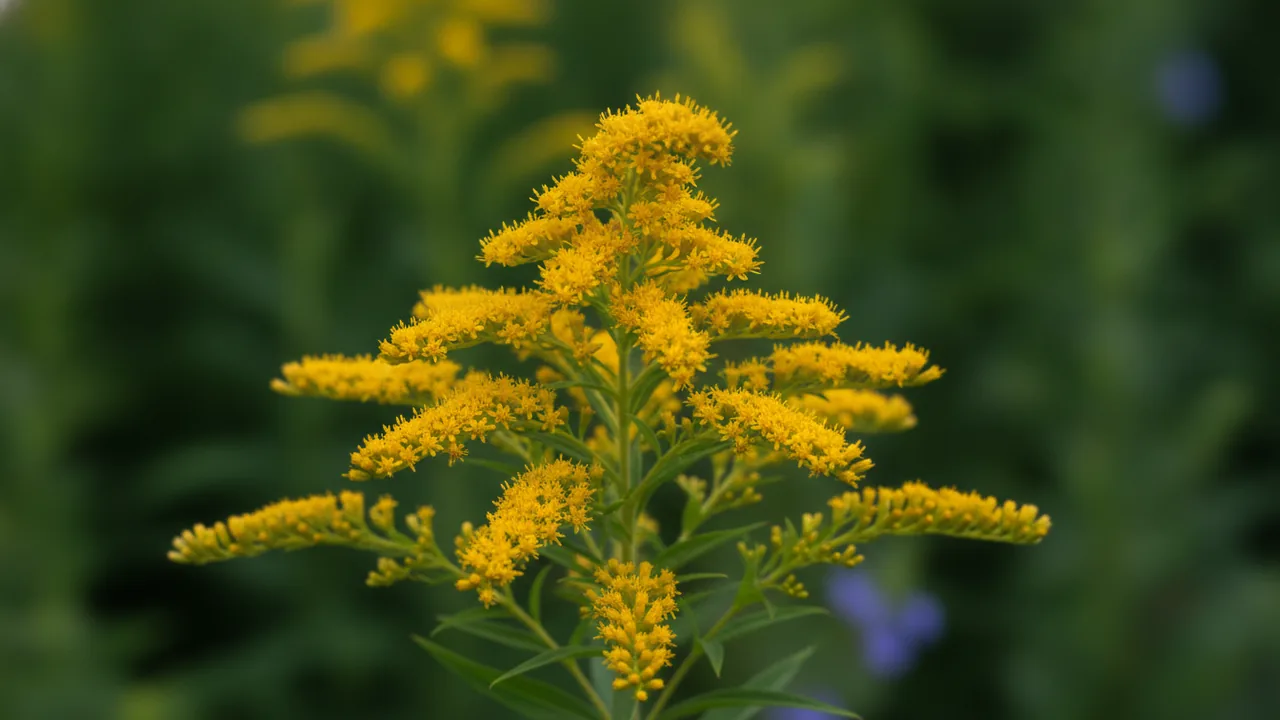
Poor goldenrod has been blamed for fall sneezes for generations. The real culprit is usually ragweed, which blooms at the same time.
Goldenrod pollen is heavy and sticky, so it rides on insects instead of drifting through the air.
Clearing its name matters, because goldenrod is a powerhouse. Showy goldenrod (Solidago speciosa) and silverrod (Solidago bicolor) keep blooming into October.
Moths feed on them at night, and bats feed on those moths while bulking up for winter.
Many goldenrods also host moth caterpillars, which means next year’s bat food starts right in your garden. It is low-maintenance, sun-loving, and tough.
Pick clump-forming kinds like showy goldenrod for tidy beds.
8. Wild Geranium
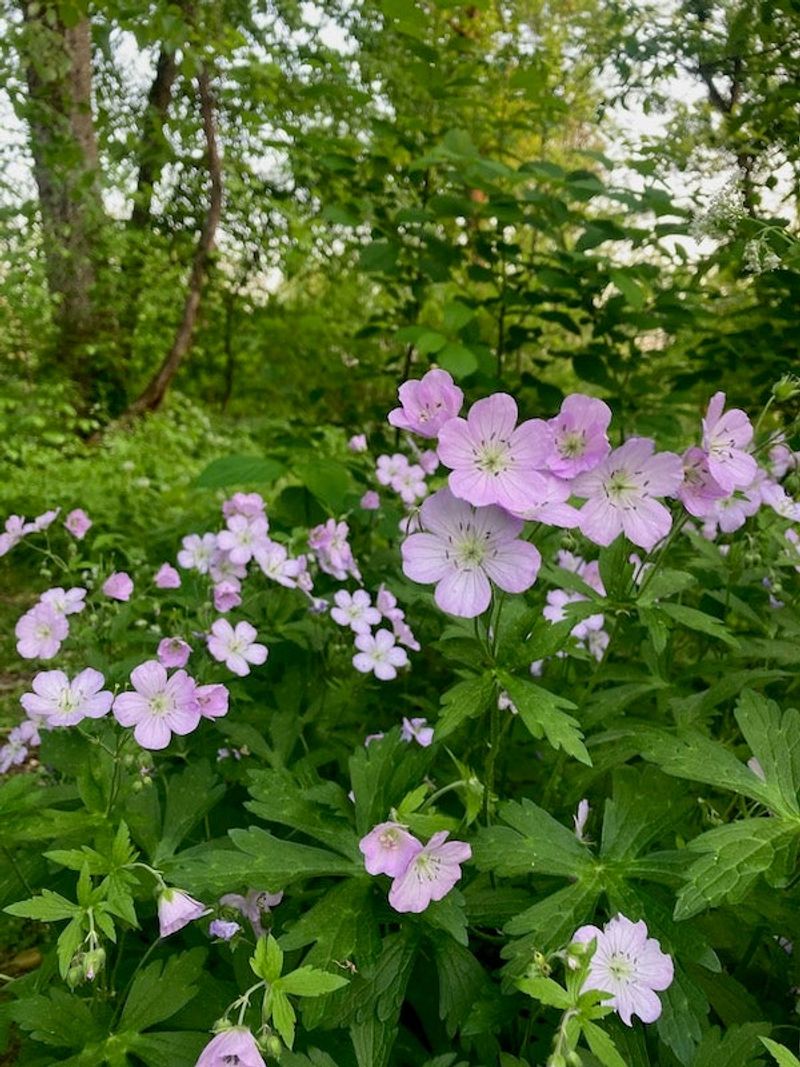
Shade can feel like a dead end for flowers. Wild geranium proves otherwise, tucking itself under oaks and maples with mounds of lobed leaves and soft pink-purple blooms each spring.
It prefers moist soil with plenty of leaf litter or compost. Once settled, it asks for almost nothing.
Leaving fallen leaves around it also creates cozy cover for box turtles, toads, and firefly larvae.
Use it to replace invasive English ivy or vinca creeping along a shady corner. Pull the invader, plant a few geraniums, and let them spread into a native carpet your local wildlife will actually use.