
Two-Ingredient Stink Bug Sprays Are Unproven, but Sealing Gaps Works
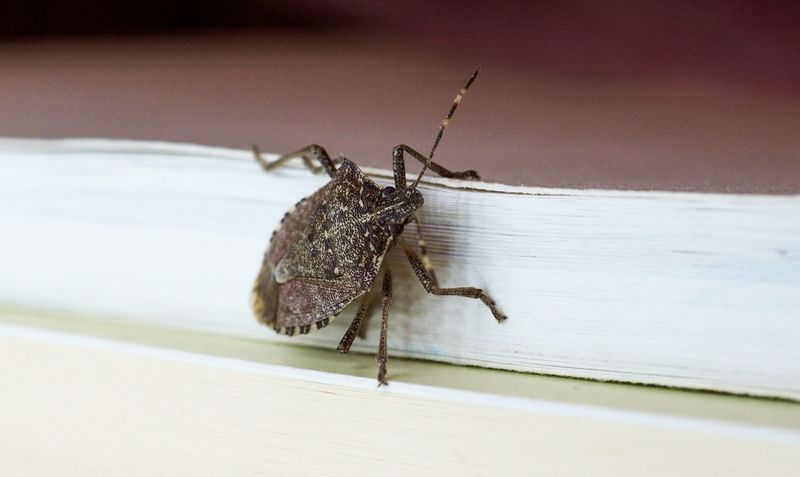
Stink bugs clustering on a sunny window or door in fall can make any homeowner reach for a quick fix. A simple homemade spray sounds perfect, but nobody has shown that one keeps these bugs out.
What does help is a bit of repair work done at the right time. Here is what really works, and when to do it.
Why stink bugs gather on homes in fall
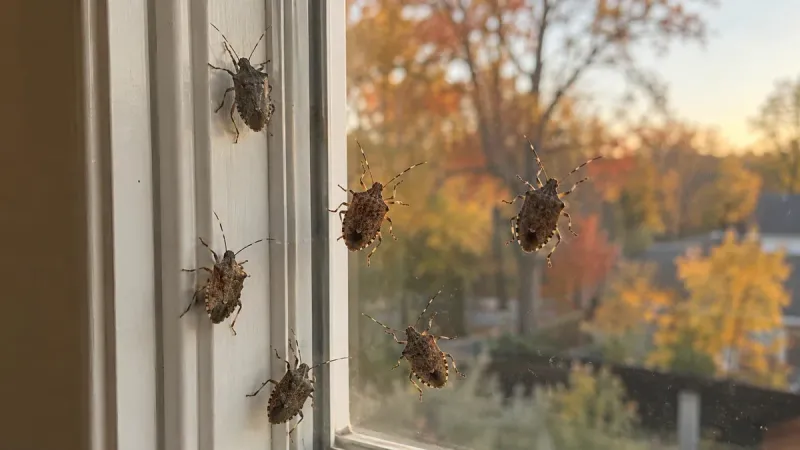
Come late summer and fall, brown marmorated stink bugs go looking for a snug place to wait out winter. Warm, sunny walls, window frames, and doors catch their attention, so that is where you tend to spot them first.
From there, they can slip through small gaps and settle into wall voids, attics, or other quiet indoor spaces, as described in University of Minnesota Extension guidance.
Seeing a cluster on the siding can feel alarming, but the bugs are not a danger to your family or your house. They do not bite or sting, and they do not damage the structure.
Their main offense is showing up in numbers and giving off a strong smell when they are crushed or disturbed.
If you grow tomatoes, hydrangeas, or other plants near the house, you may also notice bugs moving between the garden and the walls in warm weather. That movement is part of the same search for shelter.
Once cooler nights arrive, the bugs look harder for cracks to crawl into.
The UC Statewide IPM Program points out that the goal is keeping bugs from getting inside in the first place. That is a different job from spraying bugs that are already sitting on a wall.
Keeping those two ideas apart makes every later step easier to understand.
So the real question for homeowners is simple: where can a stink bug get in? Answer that, and you are already ahead of the fall rush.
Will a two-ingredient spray keep them out?
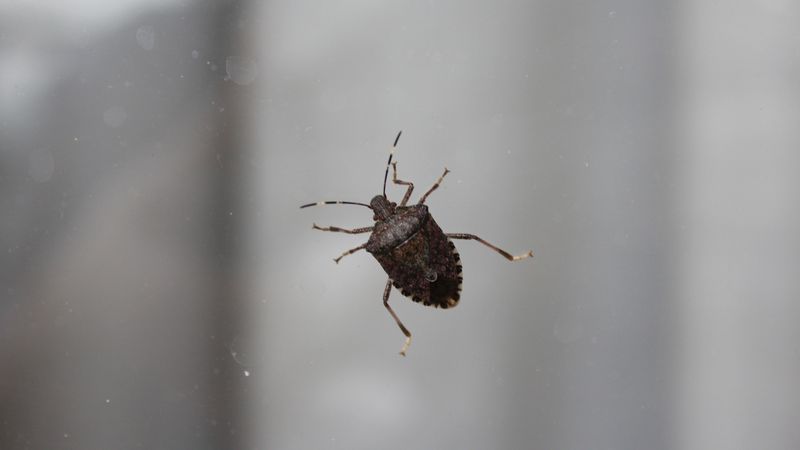
The title idea behind this article promised that a two-ingredient spray would send stink bugs packing. Nobody has verified that.
The ingredients were never named, so there is no recipe to test, and no research shows that a homemade spray keeps stink bugs from gathering on windows and doors or from moving indoors.
Soapy water is the most common guess, and it does have a real job. NC State Extension suggests it for drowning bugs you have already captured, and it can work as the liquid in a trap.
That is not the same as spraying a surface and expecting bugs to stay away. Extension sources do not back soapy water as a barrier.
Essential oils come up too. In one peer-reviewed study, several essential oils repelled brown marmorated stink bugs in traps baited with an attractant.
That is an interesting lab-style result. It did not produce a reliable homeowner recipe, and it did not show lasting protection on doors and windows through a season.
Even exterior insecticides, which are made and tested for pest control, may only discourage bugs for a short time, according to UC IPM. A kitchen mix is unlikely to do better.
One more caution for gardeners: do not spray dish detergent on your plants to get at bugs. Household detergents are not the same as tested insecticidal soap and can injure foliage, as Colorado State University Extension explains.
Seal the openings they use
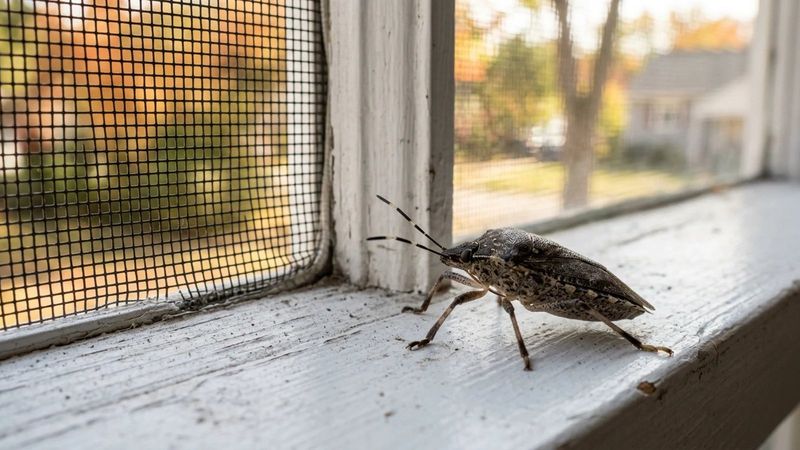
Walk around your home with a flashlight and a notepad, and treat it like a short inspection. Start with window and door screens.
Look for tears, loose edges, and gaps where the screen meets the frame, then patch or replace anything that is damaged.
Next, check cracks around window and door frames and along siding. Caulk small gaps, and look closely at places where different materials meet.
Then check vents, pipes, cable lines, and other utility openings, and close any gaps you find with suitable sealant or screening.
Doors deserve their own look. Worn weatherstripping or a missing door sweep leaves a bug-sized opening at the bottom or sides.
Replacing them is inexpensive and one of the more reliable fixes on the list. Garage doors and attic vents are easy to forget, so add them to your checklist.
All of these steps work by blocking entry. They do not try to repel bugs, which is why they hold up better than a spray.
UC IPM names screen repair and sealing gaps as the key prevention, and NC State Extension gives similar advice.
A good rule of thumb is that if you can slide a credit card into a gap, a stink bug can probably get through it. Fix those spots first.
Why seal before the fall rush?
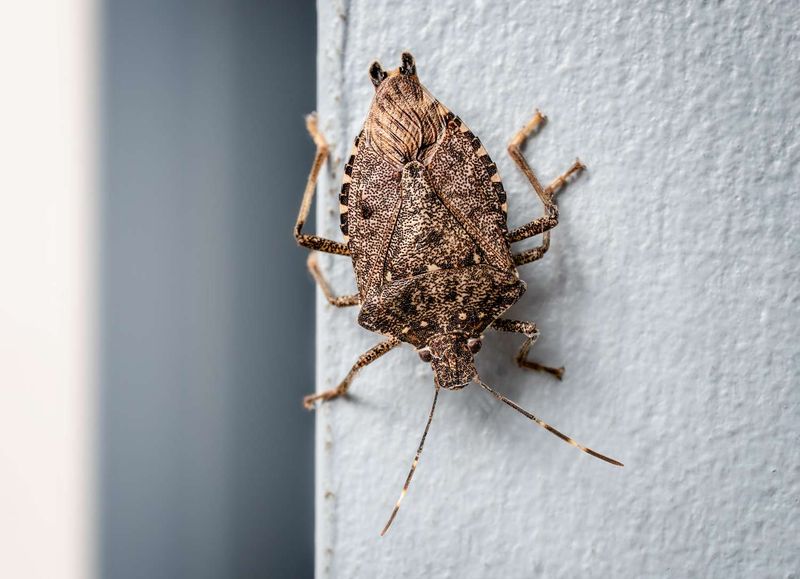
Timing matters as much as the repair itself. Aim to inspect and seal in late summer, before bugs begin returning to buildings in numbers.
A weekend job in August beats a scramble in October.
Waiting has a downside. NC State Extension cautions that sealing late can trap bugs already inside wall voids.
Trapped bugs may then wander toward light and warmth and turn up inside your living space.
Think of it as two different jobs. Preventive maintenance means closing gaps while the walls are still empty.
Chasing every crack after bugs have gathered is a much harder fight, since you cannot tell which openings are in use and which bugs are already in.
If you miss the window and bugs are already clustering, you can still fix obvious problems like torn screens and door sweeps. Just do not expect a perfectly sealed house.
Plan the full inspection for next year, and put a reminder on your calendar for midsummer.
The UC IPM guidance also treats exclusion as something to do ahead of the season rather than in reaction to it.
What to do about bugs already indoors
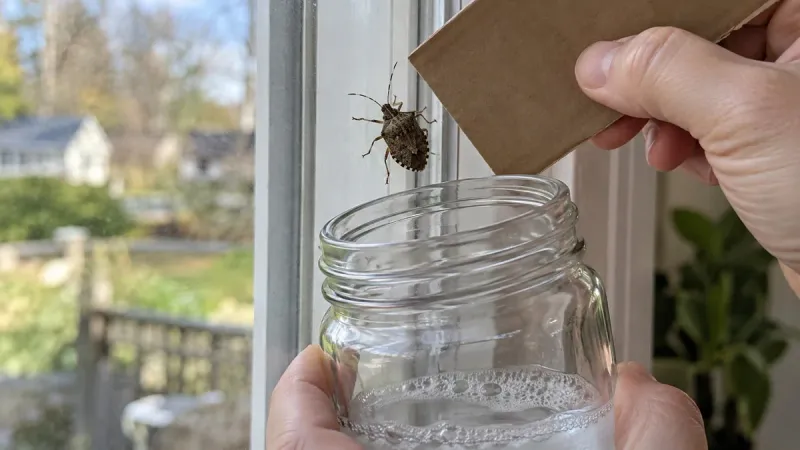
A few bugs inside do not mean your home has failed. Capture is the best approach, and the options are simple.
Slide a jar over the bug, cap it, and then freeze it, or drop it into a container of soapy water, as NC State Extension suggests.
A vacuum also works if you have many bugs at once. The catch is that the vacuum may hold their odor afterward.
Some people use an older vacuum or a dedicated attachment for this reason, and emptying the bag or canister outside promptly helps.
Please skip crushing. Stink bugs release a strong smell when squashed, and it can linger on walls, curtains, and fabric.
Handle them gently and the smell stays mostly out of the picture.
It is also tempting to carry a captured bug to the porch and let it go. Avoid that.
Released bugs may simply find their way back to the same wall and the same gap. Disposal in soapy water or the freezer solves the problem for good.
If bugs keep appearing in the same room, look for the entry point nearby. UC IPM also recommends these removal methods, and a steady trickle often points to a gap you can still seal.
Treat insecticides as a limited backup
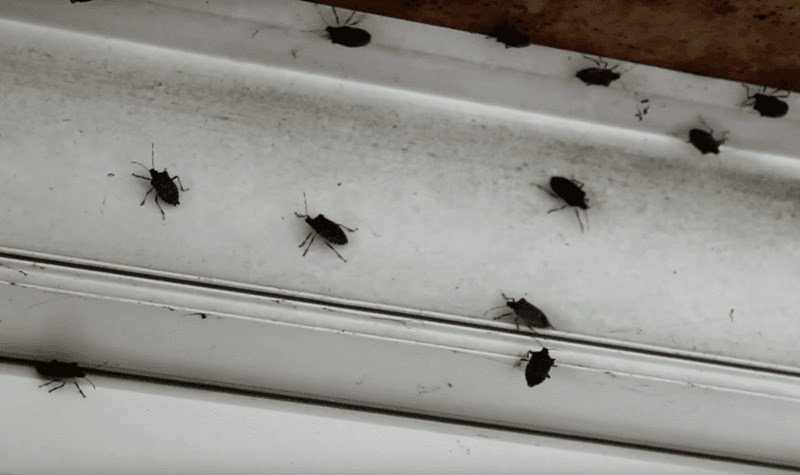
Insecticides are not a substitute for sealing, and most homes will not need one. Some products applied outdoors around likely entry points may discourage stink bugs for a while.
Even so, UC IPM says those effects can break down within days, and that sealing is more effective.
That short lifespan is the main drawback. Bugs keep arriving through the fall, so a treatment that fades in days can leave you reapplying again and again.
Gaps left open stay open no matter what is sprayed on the siding.
Indoor sprays are generally ineffective against stink bugs, and they add chemicals to the place where your family lives. Capturing the bugs by hand is a better choice inside.
If you do consider an outdoor product, read the label before you buy and again before you use it. Apply it only where the label allows, and follow every direction about amounts, timing, and safety gear.
Pets, kids, and nearby garden beds are worth thinking about before you start.
When in doubt, a licensed pest professional can tell you what is allowed in your area. Think of any spray as a small add-on to repaired screens and sealed gaps, not the main plan.
A practical fall plan
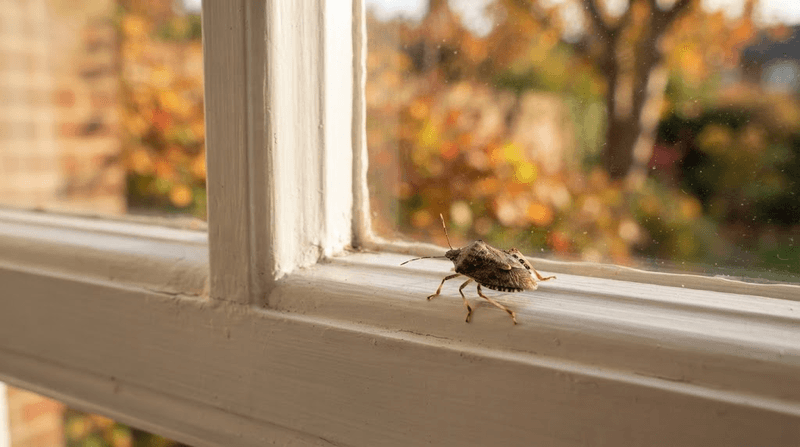
Start in late summer by checking screens and patching any tears. Seal gaps around frames, siding, vents, and pipes, and add weatherstripping or a door sweep where light shows through.
UC IPM and NC State Extension both back this approach. Keep a jar handy for any bugs that get in, and skip the crushing.
No evidence shows that a household spray will keep stink bugs out. A tight house will.