
Planting Tulip Bulbs Now? Depth and Care May Improve Your Odds of Repeat Blooms
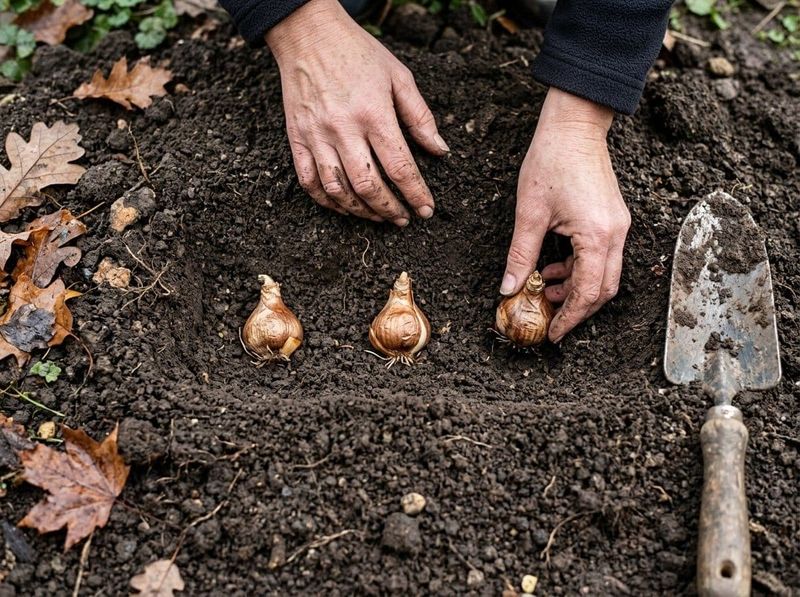
Your tulips looked amazing last spring, and this year only a few sad stems showed up. That is a common letdown, and you probably did nothing terrible.
Where and how deep you plant the bulbs can help, along with a few other choices. Here is how to set up your fall planting so your tulips have a better shot at coming back.
Tulips can decline for reasons beyond planting depth
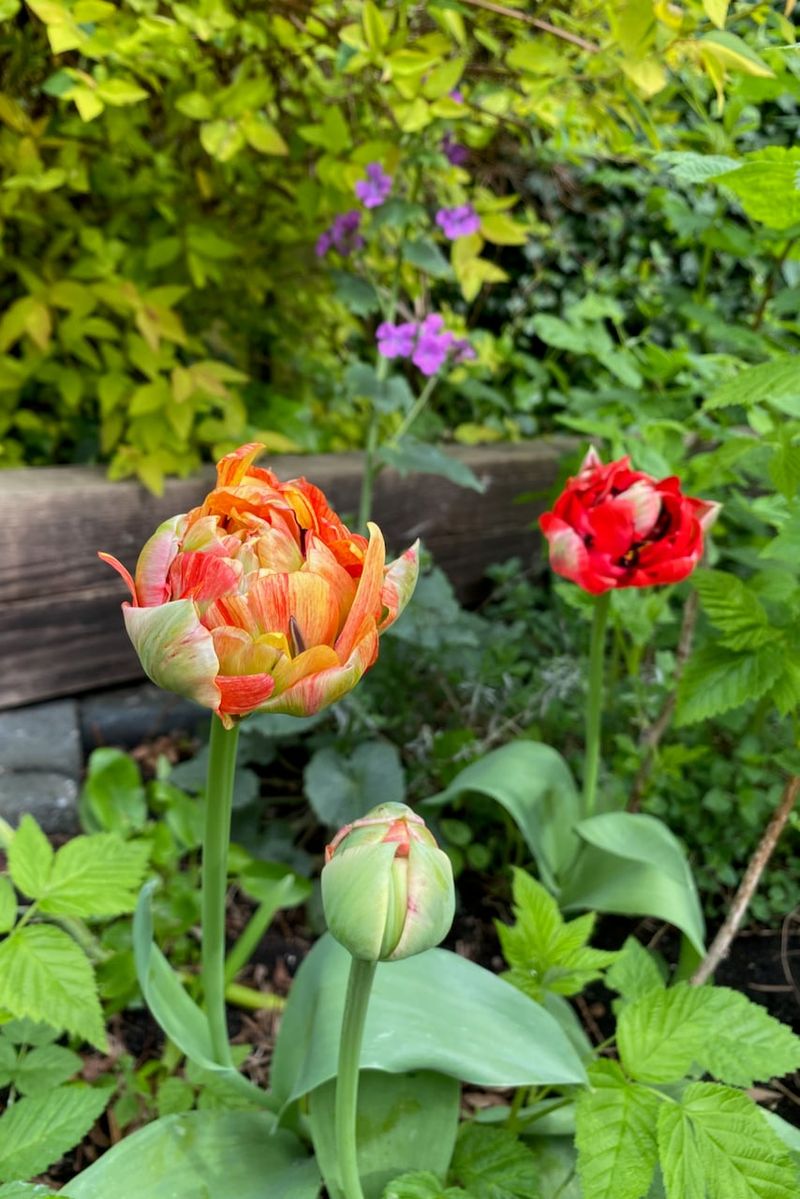
Picture a bed that glowed red and yellow one spring, then gave you a few skinny stems the next. Plenty of gardeners know that sinking feeling.
Depth matters, but it is only one piece of the puzzle, so please do not blame yourself or your shovel alone.
Extension sources point to several other suspects. University of Minnesota Extension notes problems like too much shade, leaves removed too early, soggy soil that leads to rot, and animals digging up or nibbling bulbs.
Some tulip types also just fade faster than others.
Winter weather plays a part too. Iowa State University Extension says many modern tulip cultivars decline over time and are often grown as annuals, even though some classes hold up better.
Because so many things can go wrong, nobody can diagnose your garden from a photo or a single number. Think of the next few sections as a way to stack the odds in your favor.
You will choose a planting method, pick a good spot, and care for the leaves afterward, with no promise of a perfect return every year.
For conventional planting, check the bulb’s recommended depth
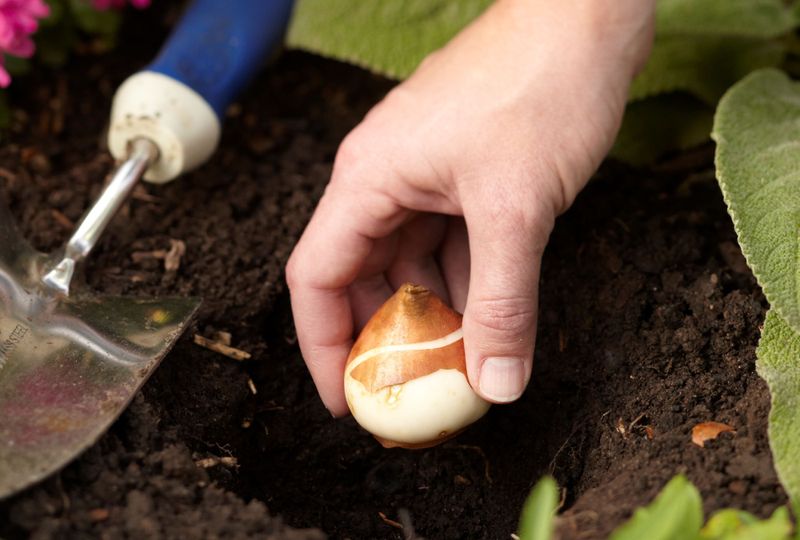
Ask around and you will hear one number most often: about 6 to 8 inches deep for large tulip bulbs. That is a common conventional recommendation, as described by Cornell Cooperative Extension.
It is a handy starting point, not a rule that fits every bulb and every yard.
Your best move is to read the bag. Growers know their own bulbs, and the package directions may differ a bit from the general range.
Smaller bulbs, for example, usually go in shallower than big ones.
Here is a detail that trips people up. Sources do not always measure depth from the same place.
Wisconsin Horticulture measures from the bottom of the bulb, so a hole dug to 8 inches means the base of the bulb sits at 8 inches. If you measure to the top of the bulb instead, the bulb ends up shallower than you planned.
A simple trick helps: keep a ruler or a marked stick handy and check the hole before you drop the bulb in. Then set the bulb pointy end up, cover it, and water it in.
Planting to the recommended depth gives the bulb a sturdy start. It does not promise a second spring of flowers, since sun, drainage, and tulip type still count.
Cornell’s shallow method depends on mulch

Cornell researchers tried something different, and it is not just a shallow hole. In their top-planting method, you loosen or lightly till the soil, set the bulbs right on the surface, and then cover them with mulch.
The mulch does the job that deep soil usually does.
The test ran three years, as described in a Cornell Chronicle report. It used two tulips picked for their ability to perennialize, ‘Ad Rem’ and ‘Negrita’.
Bulbs under 2 to 4 inches of mulch produced the most flowers.
Bulbs with no mulch gave almost no flowers. Bulbs planted 6 inches deep produced fewer flowers than the mulched ones.
That is interesting, but keep the limits in mind. Only two cultivars were tested, in particular conditions.
The results do not tell us the best method for every tulip, every soil, or every climate.
If you want to try it, treat it as an experiment. You could plant most of your bulbs the conventional way and test the mulch method on a small group.
Then you can see what works in your own yard.
Neither approach is a universal fix. The mulch method simply gives you another option worth considering, especially if digging deep holes is hard for you.
Choose tulips and a site suited to repeat blooms
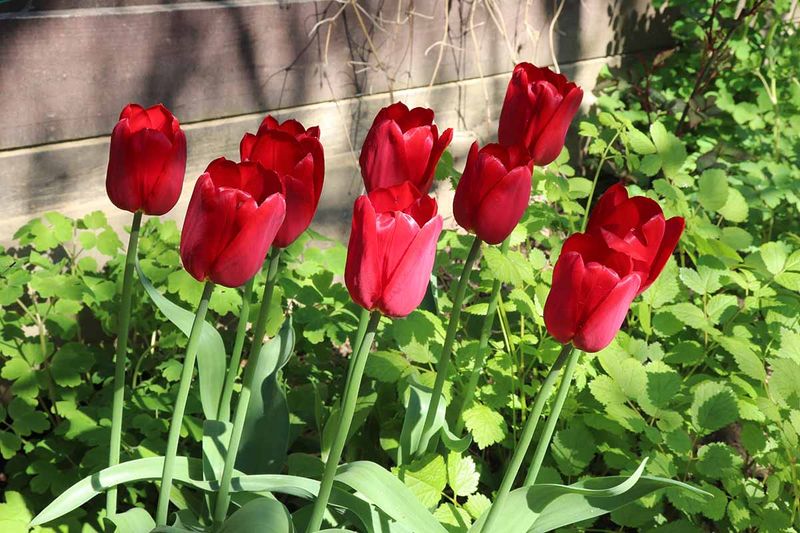
Which tulip you buy can shape your results as much as how you plant it. Iowa State describes species tulips as generally the longest-lived.
Darwin hybrids and Fosteriana types can also perennialize well.
Even those groups cannot promise endless blooms, but they give you better odds than many fancy cultivars bred mainly for one big show.
Where you plant matters too. Tulips like a sunny spot with soil that drains well.
Cornell Cooperative Extension warns that wet or poorly drained soil can cause rot and shorten how long tulips last in the garden.
A quick test helps. After a heavy rain, see whether water still stands in the spot a day later.
If it does, think about a raised bed or a slope.
Climate counts as well. In warm-winter places like Florida, UF/IFAS says tulips are generally treated as annuals because winters are too warm to give the cool rest they need.
If you garden there, cold-winter advice may not apply to you.
Keep the leaves until they yellow
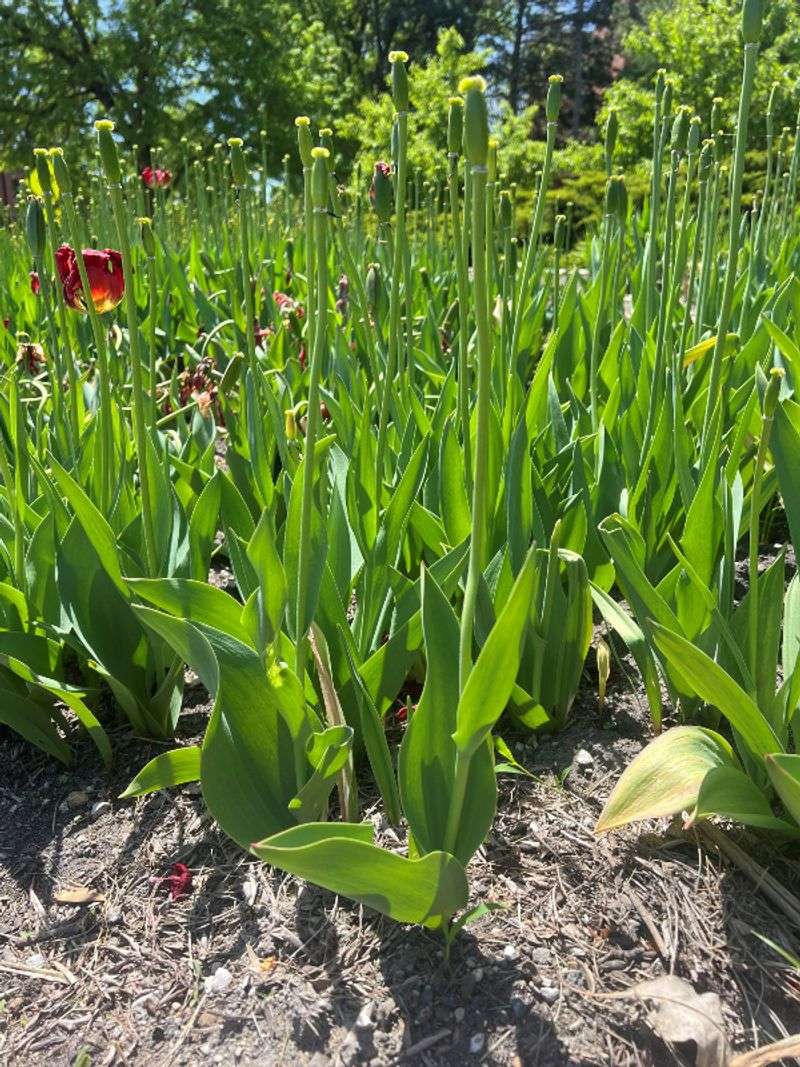
Once the petals drop, the garden can look a little messy, and the urge to tidy up is strong. Resist the urge to cut the leaves.
Green foliage is busy collecting energy from sunlight and sending it back down to the bulb.
You can snip off the faded flower if you like. Cornell Cooperative Extension says it is fine to remove it, but the green leaves should stay until they yellow and die back on their own.
Cutting leaves early can leave the bulb with less stored food for next year, which may cut down future flowering. Iowa State also lists early foliage removal among the reasons tulips fade.
Leaving the leaves is no guarantee, though. A bulb with good foliage can still skip a year if it is shaded, soggy, or a short-lived cultivar.
If the yellowing leaves bother you, plant perennials nearby that will grow up and hide them. Wait until the leaves are limp and yellow, then pull them away easily.
Plant late only while local soil conditions allow
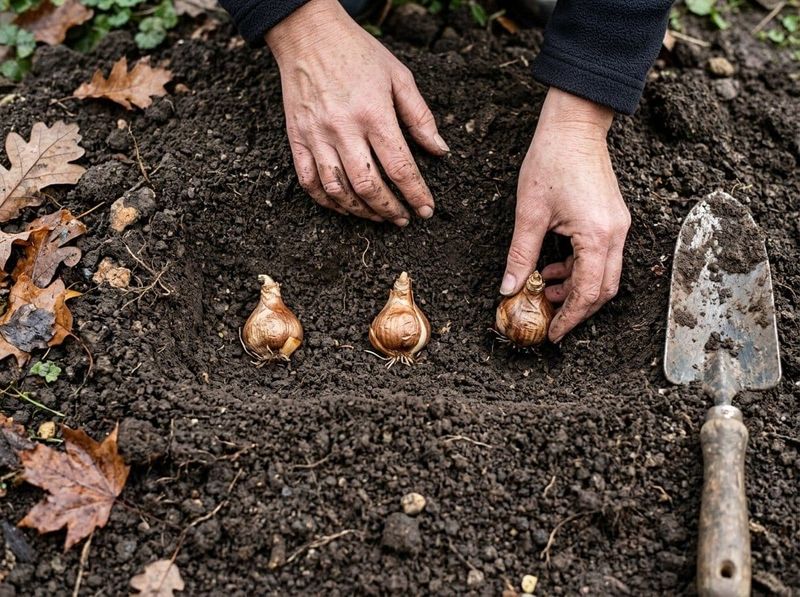
Missed the usual window? You may still have time.
Iowa State says tulips can be planted as late as December as long as the soil is not frozen.
That advice comes from Iowa, so it is not a national deadline. Your yard may freeze earlier, or stay open much longer.
This weekend might be a fine time to plant, or it might be too late where you live.
Let the ground tell you. Push a trowel or spade into the bed.
If it goes in easily and the soil crumbles, the ground is workable. If you hit hard, frozen clumps, wait for a thaw or hold the bulbs for another season.
Also check your local extension office for typical planting dates. In the meantime, keep unplanted bulbs somewhere cool and dry, not in a hot garage, and away from curious pets, since tulip bulbs can be toxic to dogs.
Treat depth as one part of a better rebloom plan
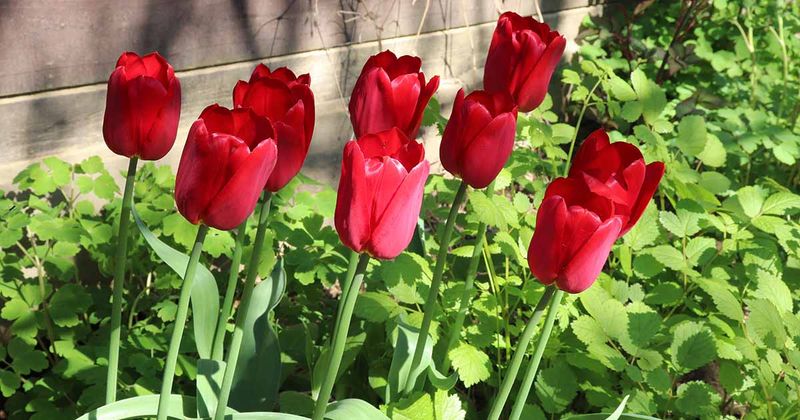
You have two reasonable paths this fall. Follow the package for conventional planting, usually around 6 to 8 inches for large bulbs, as Cornell Cooperative Extension describes.
Or try the mulch-based method from Cornell’s trial, remembering it tested only two cultivars.
Pair either choice with a good tulip type, a sunny well-drained site, and leaves left to yellow. Those steps may improve your odds of repeat blooms.
Tulips are a little like weather forecasts: you can plan well and still get surprised.