
Why You Should Never Leave Salt Licks Out For Deer In Your North Carolina Backyard This Winter
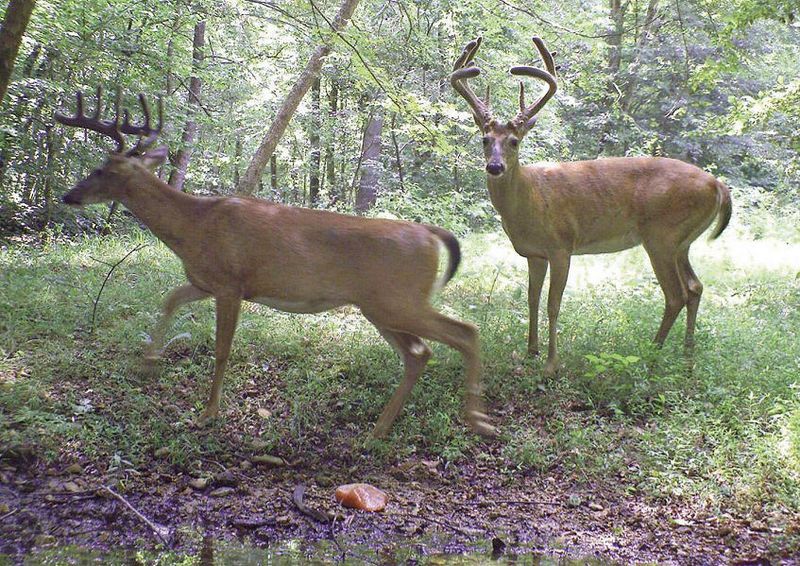
Seeing a deer step quietly across a frosty yard can make you want to help it through the cold months. A block of salt seems like a simple gift.
But wildlife agencies in North Carolina say that feeding deer, even in small ways, can bring problems that are easy to miss. Here is what a salt lick really does, what we know, and what we do not.
A backyard salt lick can concentrate deer
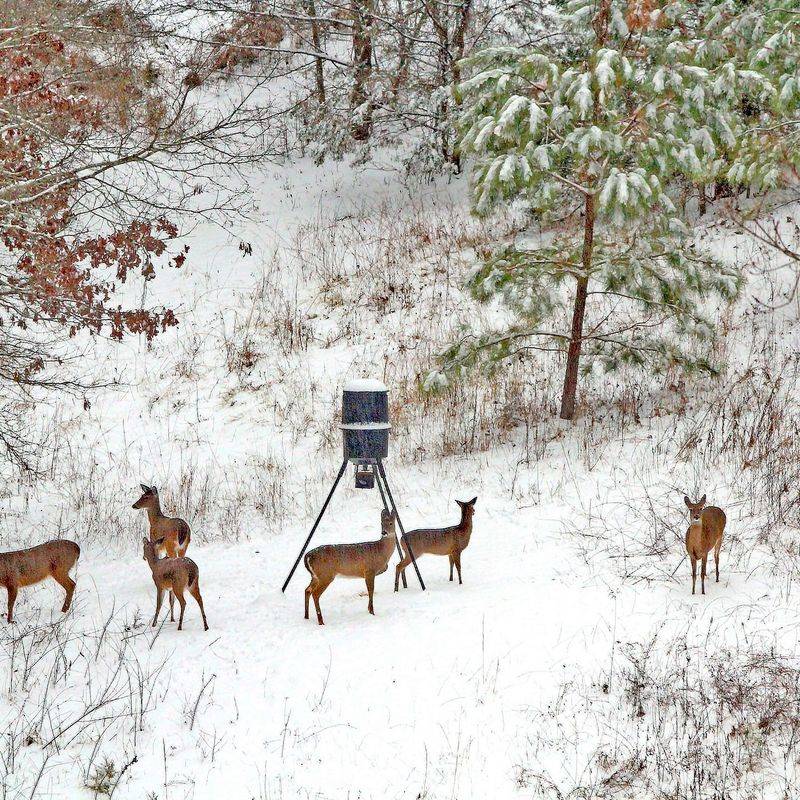
Skip the salt lick. That is the simple, calm advice for North Carolina homeowners who want a yard that works well for wildlife.
A lick is not a wildlife habitat. It is a single spot that gives animals a reason to gather in one place, again and again.
The NC Wildlife Resources Commission advises against feeding deer, and the reason is about crowding. According to NCWRC guidance on feeding deer, artificial feeding can concentrate deer and other animals, which creates chances for disease to spread and for conflicts between neighbors.
Deer normally spread out as they browse, moving from one patch of food to the next. A lick changes that habit by pulling them toward one small area.
Think about what that looks like in a typical neighborhood lot. Deer that would have wandered across several yards may start lingering at yours.
They may stand nose to nose, share the same ground, and leave droppings and saliva in the same few square feet. Neighbors who have gardens, shrubs, or dogs may notice the change before you do.
None of this means one salt lick will cause a disease outbreak or a neighborhood feud. Plenty of yards would see no obvious trouble at all.
The point is that you cannot see the risks ahead of time, and the benefit to the deer is small. When the upside is slim and the downside is unclear, the careful choice is to leave the lick on the store shelf.
Treat this as good stewardship rather than a rule you must obey. You are protecting the animals you enjoy watching, and you are keeping your own yard from becoming the place where everyone gathers.
Deer meet seasonal needs through natural foods
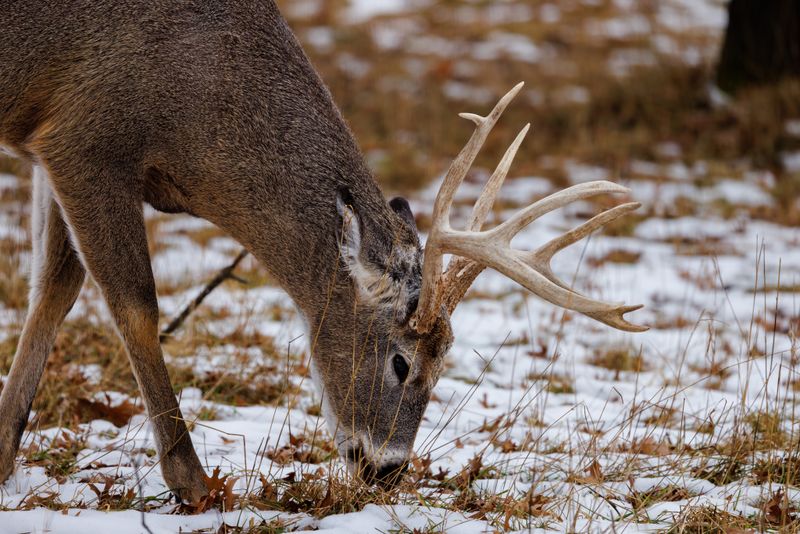
Deer in North Carolina are well equipped for the cold season, and their menu changes with the calendar. NC State Extension describes fall and winter diets built around acorns and other mast, woody evergreens, herbaceous vegetation, and fungi.
These foods supply the bulk and energy that a deer actually runs on.
Survival through a hard winter also depends on what happened months earlier. Body fat that deer build up in summer and fall matters a great deal when winter turns harsh.
A deer heading into January is leaning on that stored reserve, not on a handout that appears in late December.
Salt does play a role in a deer’s body, and deer will go looking for sodium on their own. University of Missouri Extension lists salt among the minerals deer need.
That sodium-seeking behavior is natural, and it shows up especially in spring and summer, when deer eat lush, watery plants. Winter is not the time of year when a salt block fills a gap.
A mineral block also cannot stand in for a varied diet. It offers no fat, no browse, and none of the energy that acorns and woody plants deliver.
Putting one out can look like help, but it does not address what a deer actually needs to get through a cold snap.
So there is no sound reason to think local deer are waiting on your backyard to carry them through winter. They have evolved to find what they need in the woods, hedgerows, and fields around them.
Your best contribution is the habitat itself, which keeps working long after a salt block would be gone.
Concentrated feeding raises a CWD concern, not a certainty
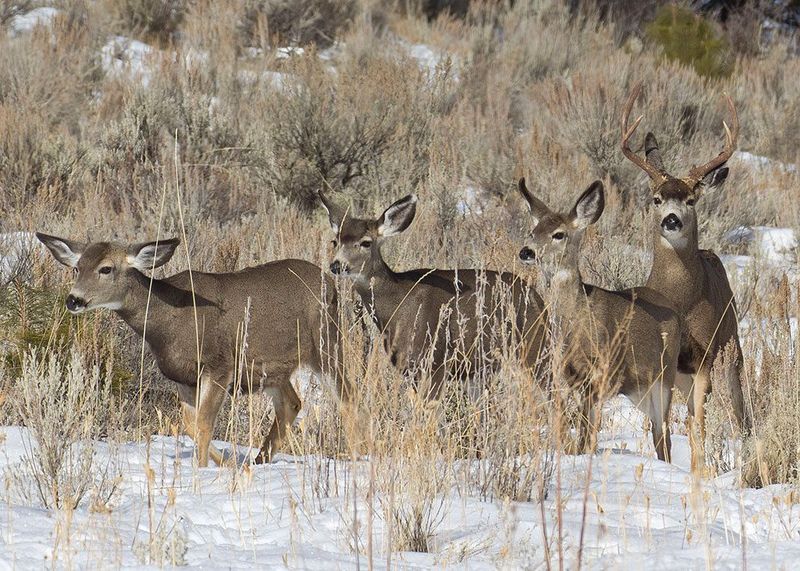
The strongest worry about feeding sites is chronic wasting disease, or CWD. It is a fatal illness that affects deer and their relatives.
NCWRC explains that deer at artificial feeding sites may congregate, and infected deer can deposit prions in their saliva, urine, or feces. CWD was detected in North Carolina in 2022.
Prions are the misfolded proteins that cause CWD. When many deer share one small patch of ground, any prions left there can build up where other deer put their mouths and noses.
That is why wildlife managers pay close attention to places where deer crowd together.
Researchers have looked at mineral licks in particular. In a study led by Plummer and colleagues, scientists found CWD prions at mineral licks used by free-ranging deer in Wisconsin.
That state has established CWD, so the finding shows that licks there can hold the prions. The authors also called for more research on how licks contribute to the spread of the disease.
It helps to be clear about what this does and does not tell you. The study does not prove that a lick in a North Carolina backyard will infect any deer.
The disease is not known to be present at every site, and one block of salt is not a guaranteed path to an outbreak.
What it does give you is a reasonable cause for caution. CWD is serious, it is now in the state, and concentrated sites are a known concern.
Choosing not to create one is a simple step that keeps you on the safe side of an uncertain question.
A tick increase is not an established salt-lick effect
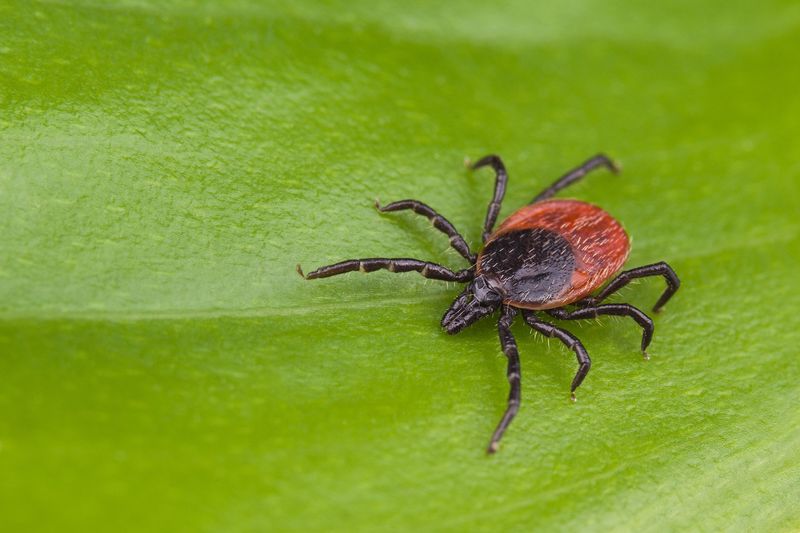
Ticks worry most North Carolina yard owners, so it is fair to ask whether a salt lick brings more of them. The honest answer is that no one has shown that it does.
Claims that salt licks draw ticks or raise tick numbers are not backed up by the research we have.
Deer do matter to ticks in a few ways. They can provide blood meals for ticks and can help ticks move to new areas.
But CDC guidance on how Lyme disease spreads says deer do not carry Lyme bacteria or infect ticks with it. The CDC also notes that blacklegged ticks in most of the Southeast are almost never infected with Lyme bacteria.
One study from Mississippi even pointed the other way. Researchers studying supplemental feeding found fewer ticks at deer feeder sites, not more.
That work looked at feeders rather than salt licks, and it cannot tell us what happens at every site. It does show that the idea of feeding automatically meaning more ticks is too simple.
So ticks are not a solid reason to skip the lick. The reasons that hold up better are about crowding, disease risk, and neighbor conflicts.
If ticks are your main worry, you will get more from habits that work directly, such as keeping grass short, creating a dry border between lawn and woods, and checking yourself and your pets after time outdoors.
Other wildlife may visit, but predators are not guaranteed
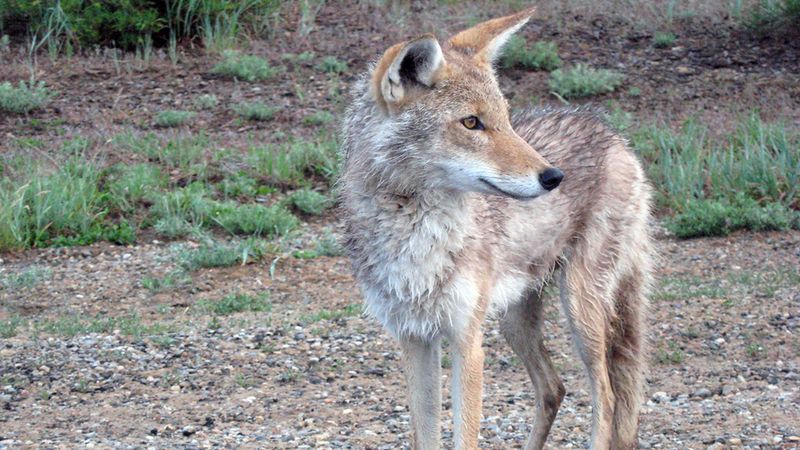
A pile of food or minerals does not only speak to deer. NCWRC warns that deer-feeding sites may attract other wildlife, and that extra traffic can add to conflicts between neighbors.
Raccoons, opossums, and other opportunists are often the first to notice an easy meal.
It is tempting to jump from there to coyotes. But a salt lick will not reliably bring coyotes or other predators to a particular yard.
Some yards might see more visitors, and many would see no change. That is a possibility to keep in mind, not a prediction.
If coyotes are what you are really worried about, the better move is to look at what is already around your house. NCWRC coyote guidance points toward removing common attractants rather than guessing at the effects of one block.
Coyotes tend to show up where food is easy to find.
A quick walk around your property can tell you a lot. Look for open trash cans, pet bowls on the porch, birdseed spilled on the ground, and fruit rotting under a tree.
Each of these is a far more likely draw than a mineral block, and each is simple to fix.
Tackling those first protects pets and neighbors, and it makes the yard less of a stop for animals you would rather not see. It also means you can skip the lick without losing anything.
North Carolina rules vary by place and date
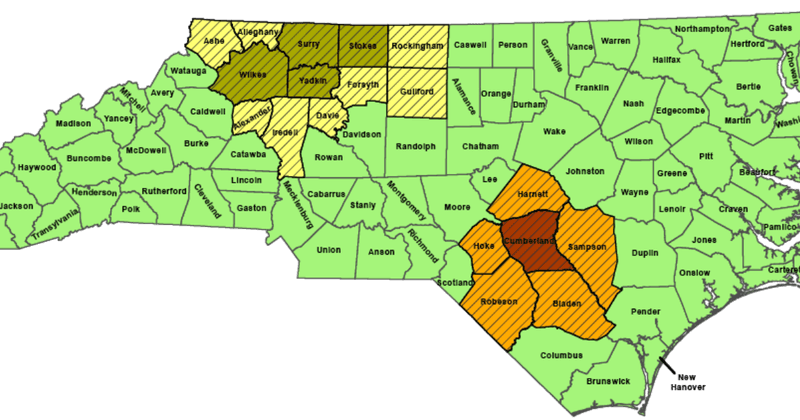
Recommending against salt licks is not the same as saying they are banned everywhere. NCWRC says feeding deer is not illegal in most places.
Restrictions depend on the location and the circumstances, so the rules your neighbor follows may not be the ones that apply to you.
Some areas do have firm limits. For the 2026-27 season, NCWRC special regulations prohibit placing minerals or salt to purposely congregate wildlife in CWD surveillance and management areas.
Its restrictions on bait, food, and food products also vary by date and area, and they can change from one season to the next.
That is why a one-size answer does not work. A lick that is legal in one county might break the rules in another, and a rule in effect this year may be updated next year.
The only safe way to know is to check the current version for your own address.
Agency messaging also leans toward restraint even where feeding is allowed. In a NCWRC news release on turning deer into pets, the agency describes harmful consequences when people treat deer as pets and feed them.
Legal does not always mean wise.
Before you put out any attractant, look up the current NCWRC rules for your county and confirm whether you live in a CWD surveillance or management area. A few minutes online can keep you in good standing and keep wildlife safer.
Support wildlife without putting out food

You can still be a generous neighbor to wildlife without setting out food. NCWRC’s advice on feeding wildlife responsibly is to remove human-provided food sources in fall and winter and encourage animals to rely on natural foods.
The agency recommends native flowers, shrubs, and trees as habitat and food sources.
Planting is the long game, and it pays off year after year. Native trees and shrubs offer cover, nesting spots, and natural food that fits what local wildlife already eats.
Fall is a good planting window in much of North Carolina, so a winter plan can start with a visit to a native plant nursery.
A few simple habits also help keep your yard from drawing trouble. If you are concerned about coyotes or other wildlife near your home, NCWRC coyote advice includes steps that are easy to do this weekend.
Secure your trash in a closed bin or garage until pickup day. Bring pet food inside, especially overnight.
Clear fallen fruit from the ground beneath fruit trees, since it is an easy meal for many animals.
Leaving a bit of leaf litter, a brush pile in a back corner, or a patch of unmown native plants can also help insects and birds. These small choices build a yard that supports wildlife all year, and they do not gather animals into one crowded spot.
Let deer forage without a backyard handout
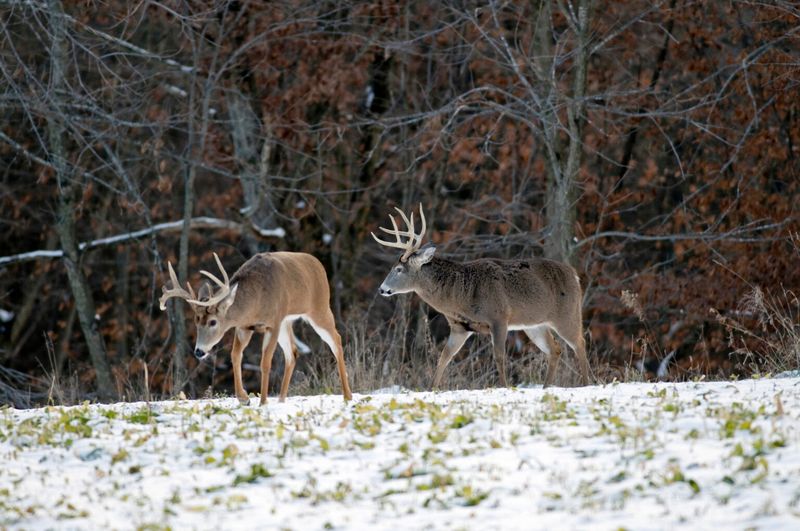
Skip the salt lick, keep deer from clustering in your yard, and put your effort into habitat that lets wildlife find natural food. This is a cautious choice made with stewardship in mind.
It does not predict disease, ticks, or predators at your house, and it does not claim that a salt lick is against the law across the state.
The best view of a deer is often the one where it is simply being a deer, spread out and unhurried, nibbling its way along the tree line.