
Richer Soil Next Spring Starts Now – 13 Simple Fall Steps That Feed Your Garden Beds Over Winter
Your tomatoes, hydrangeas, and geraniums only grow as well as the dirt under them. The good news is that fall is the easiest time to fix tired soil, because winter does most of the work for you.
A few small chores now can mean fewer yellow leaves, stronger roots, and more blooms next spring. Here are 13 simple steps that quietly feed your beds while you stay warm inside.
1. Clear Out Diseased Plant Debris
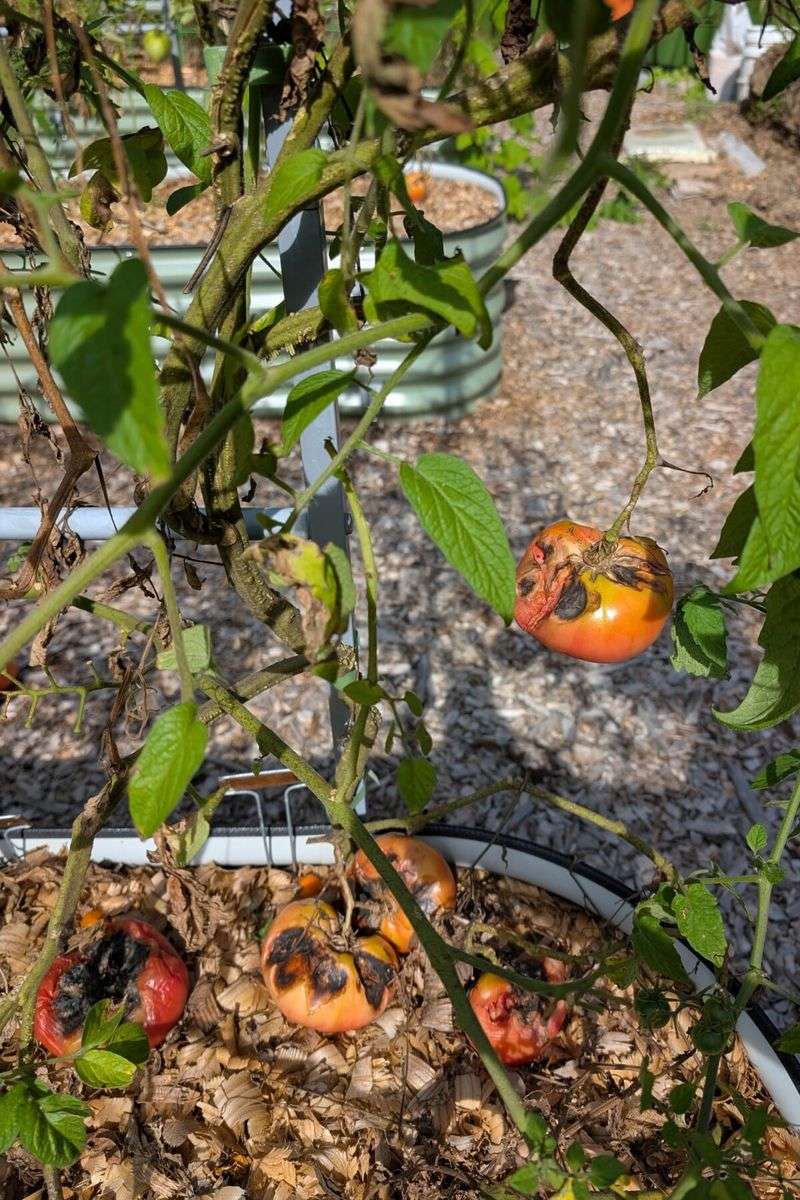
Those spotted tomato leaves from August are not done with you yet. Early blight, powdery mildew, and many pests can survive winter right in old plant debris, then splash back onto new plants in spring.
Pull any vines, stems, or leaves that showed spots, mold, or bug damage. Bag them for the trash instead of the compost pile, since most home piles do not get hot enough to kill disease.
Healthy, clean plant material is a different story. Chop it up and toss it in the compost, where it can turn into food for next year’s beds.
2. Leave Healthy Stems and Seed Heads Standing
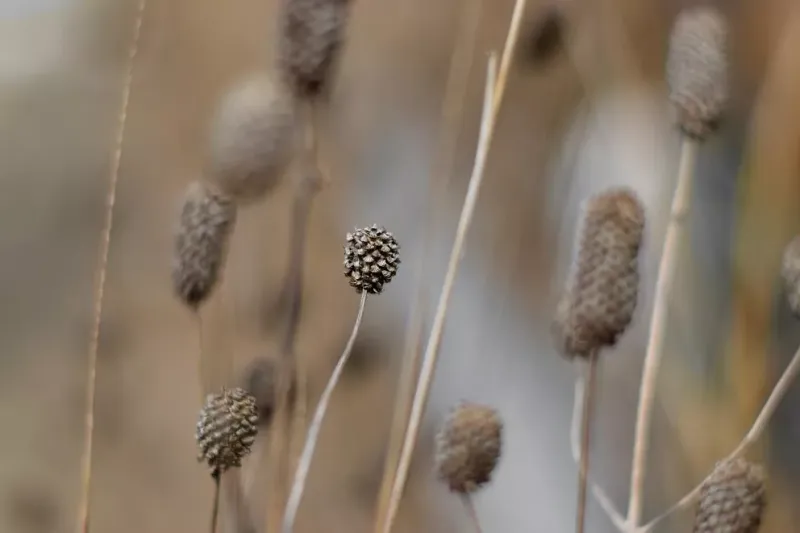
Sometimes the smartest garden chore is the one you skip. Healthy perennial stems and seed heads give native bees, butterflies, and ladybugs a cozy place to spend the winter.
Hollow stems on plants like coneflowers and bee balm can shelter tiny bees until spring. Seed heads also feed birds when food runs low.
Those same helpers come back in spring to pollinate your tomatoes and eat aphids off your roses. Wait until temperatures stay above about 50 degrees before trimming the old stems down.
3. Gather and Shred Fallen Leaves
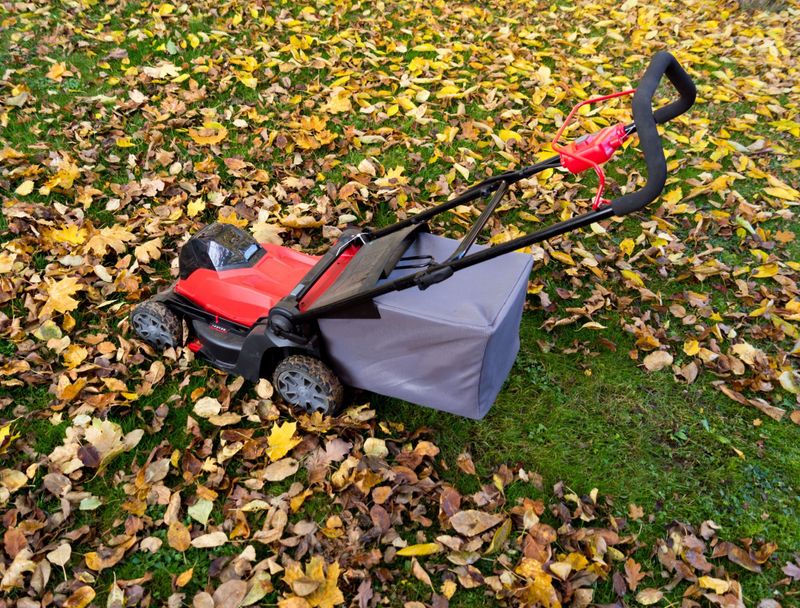
Every fall, trees drop a free bag of soil food right on your lawn. Many people pay to haul it away, which is a little like throwing out groceries.
Whole leaves can mat down and take years to rot. Run them over with a lawn mower a couple of times, or use a leaf shredder, and they break down much faster.
Fun fact: leaves hold a good share of the minerals a tree pulled up from deep in the ground all summer. Shredding them puts that treasure back within reach of your plants’ roots.
4. Mulch Beds with Shredded Leaves
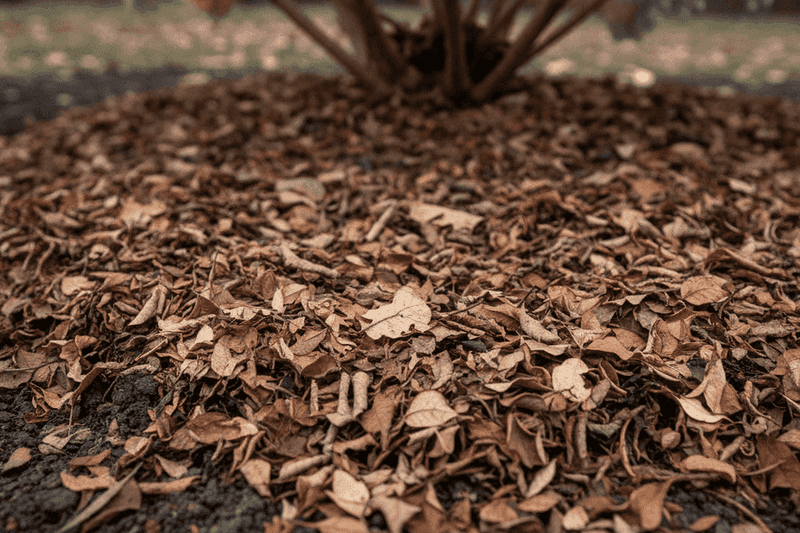
Think of leaf mulch as a warm winter blanket for your soil. A 2 to 4 inch layer over your beds keeps the ground from freezing and thawing over and over, which can heave roots right out of the soil.
It also holds moisture, blocks winter weeds, and slowly rots into dark, crumbly food. By spring, earthworms will have pulled much of it down into the dirt for you.
Hydrangeas and clematis especially appreciate the extra cover around their roots. Pile it on lightly and let nature handle the rest.
5. Add Finished Compost
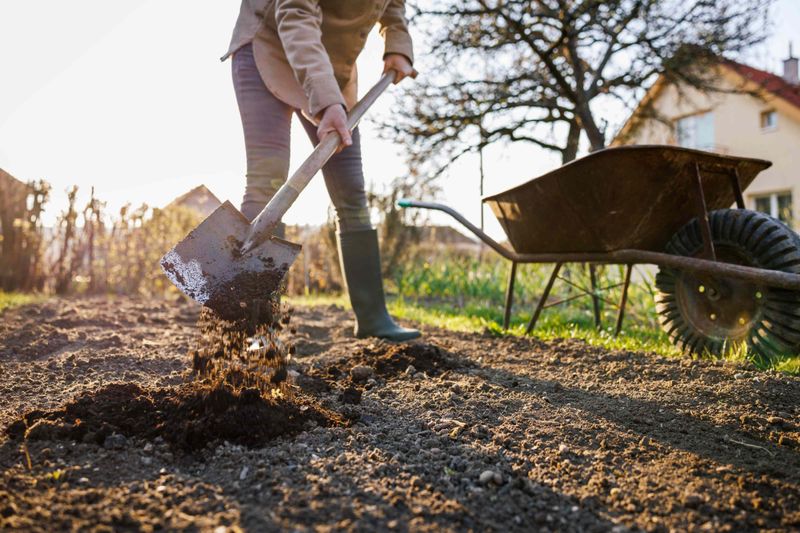
Spring compost works, but fall compost works harder. Spreading 1 to 3 inches of dark, finished compost now gives soil microbes months to blend it in.
By planting time, your soil will be looser, hold water better, and carry more nutrients. Tomatoes love this, since they are hungry feeders that struggle in thin soil.
Check that the compost smells earthy and looks crumbly before using it. If it still has chunks of food or smells sour, give it more time in the pile.
6. Plant a Cover Crop
Bare soil in winter is lonely soil. Rain washes it away, weeds move in, and the ground packs down hard.
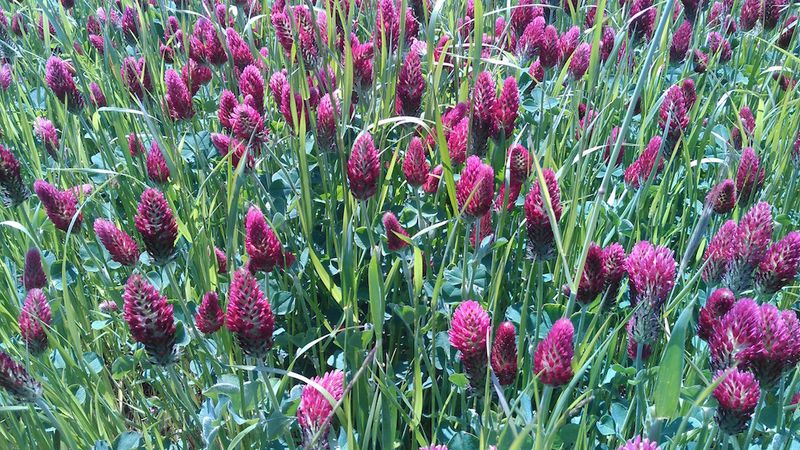
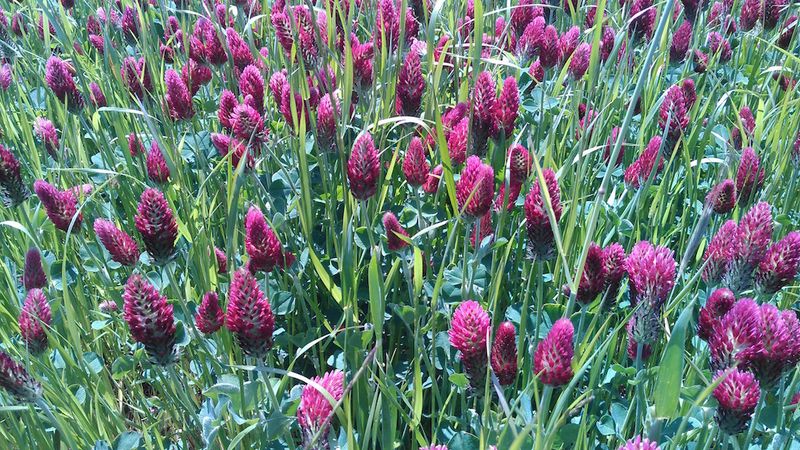
A cover crop, also called green manure, fixes that. Winter rye, crimson clover, winter peas, or hairy vetch can be sown in empty beds after harvest.
Their roots hold soil in place and loosen tight spots. Clover, peas, and vetch can even add nitrogen to the soil.
In spring, cut them down a few weeks before planting and let them rot in place.
7. Test Your Soil
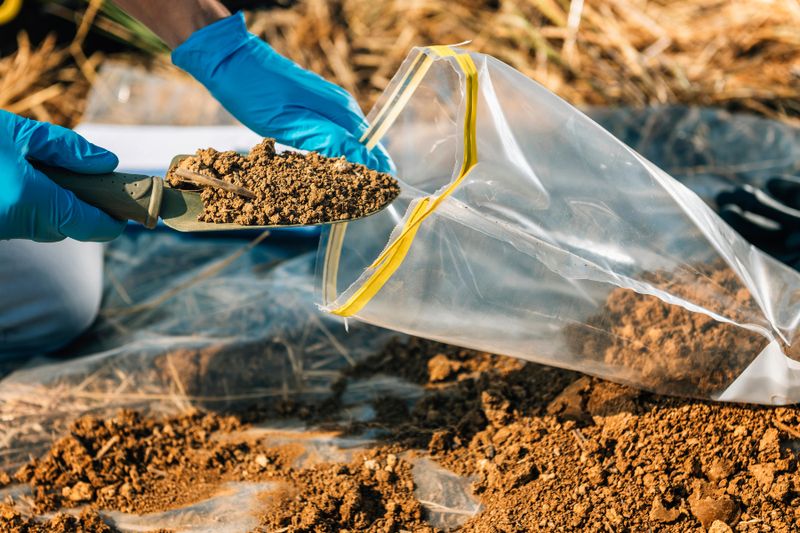
Guessing is the reason many gardeners pour fertilizer on plants that did not need it. A soil test takes the mystery out of it.
Fall is a great time to test, because labs are less busy and you have time to act on the results. Many county extension offices offer low-cost tests that show your pH and nutrient levels.
Here is a fun twist for hydrangea owners. Soil pH can change bigleaf hydrangea color, with acidic soil often leaning blue and alkaline soil leaning pink.
8. Apply Slow-Acting Amendments
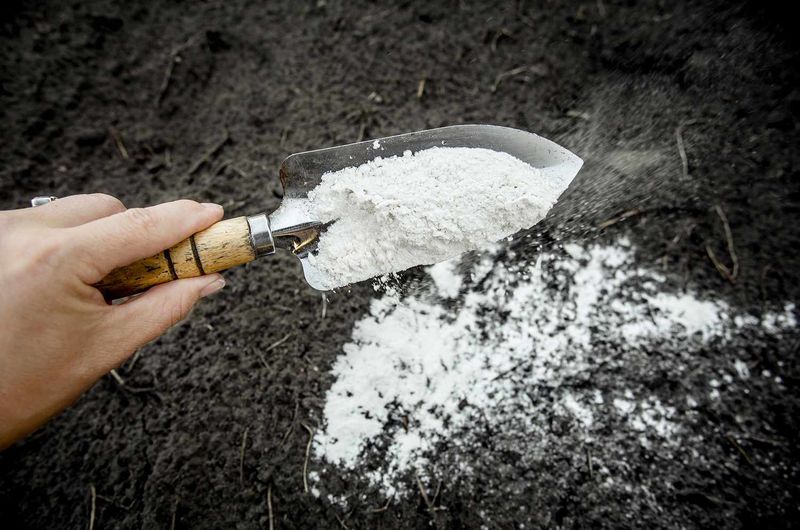
Some soil fixes move at a snail’s pace, and that is exactly why fall is perfect for them. Garden lime, which raises pH in acidic soil, can take months to work.
Add it now, based on your soil test, and it may have time to adjust things before spring planting. Sulfur, which lowers pH, works slowly too.
Only add what the test calls for. Too much lime can cause as many problems as too little, including blocking nutrients your tomatoes need.
9. Add Worm Castings
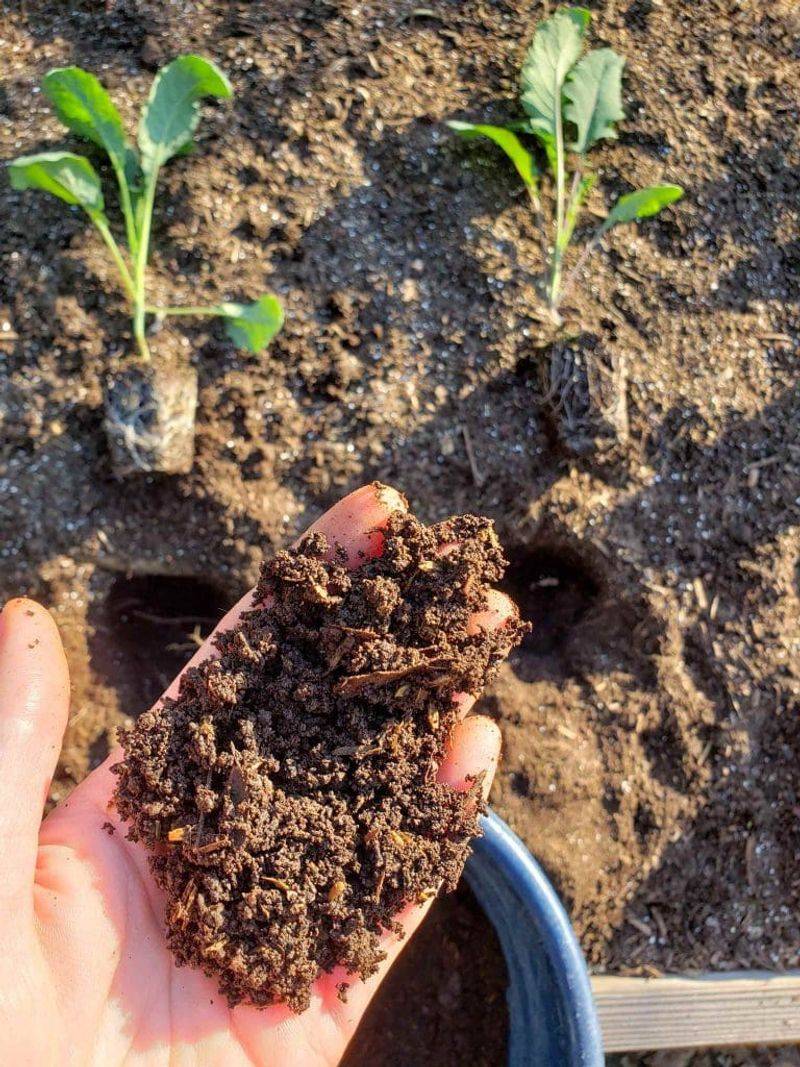
Earthworms are tiny soil chefs, and their castings are the finished meal. A thin layer spread over beds or worked into the top few inches can boost soil life and help it hold water.
Castings are gentle, so they will not burn roots the way strong fertilizers can. Plants can use some of their nutrients right away, while the rest feeds microbes over winter.
Sprinkle a little around perennials like geraniums or roses you plan to keep. A small bag goes a long way.
10. Spread Aged Manure
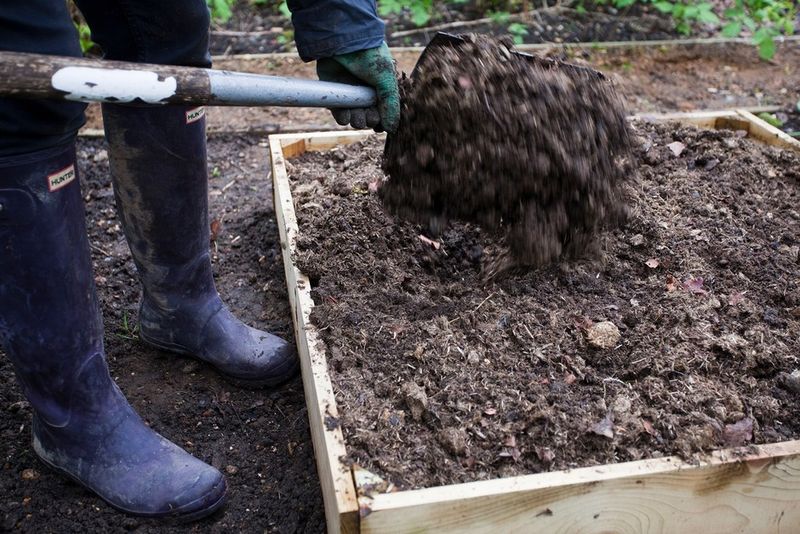
Old-time gardeners swore by manure, and they had good reason. Well-rotted manure from chickens, rabbits, cows, or horses adds organic matter and a nice dose of nutrients.
The key word is aged. Fresh manure can burn plant roots and may carry germs, so it should sit and break down for several months first.
Fall is the safe window to spread it, since nothing tender is growing yet. Rabbit manure is especially mild and easy to use.
11. Go Easy on Digging
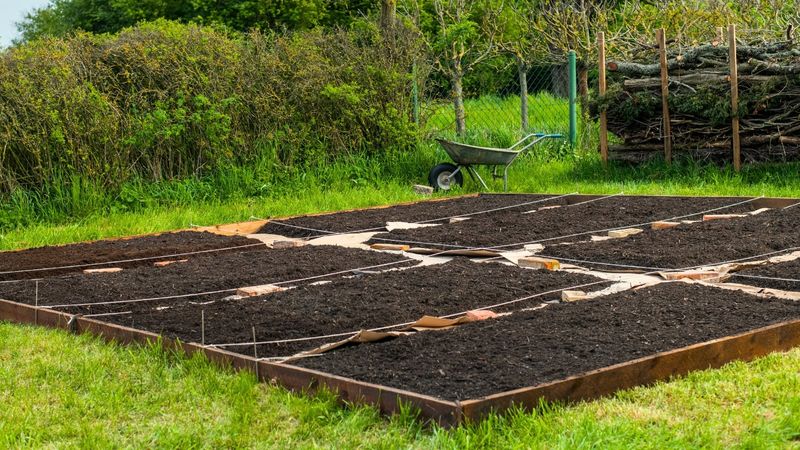
Put the tiller away. Deep digging tears apart the little tunnels and threads that fungi, worms, and roots build in healthy soil.
Working wet soil is even worse, because it squishes into hard clumps. Instead, leave amendments on top or gently mix them into the top few inches.
Winter freeze and thaw, plus busy worms, will do the mixing for free. Your back will thank you too.
12. Keep Mulch Away from Stems
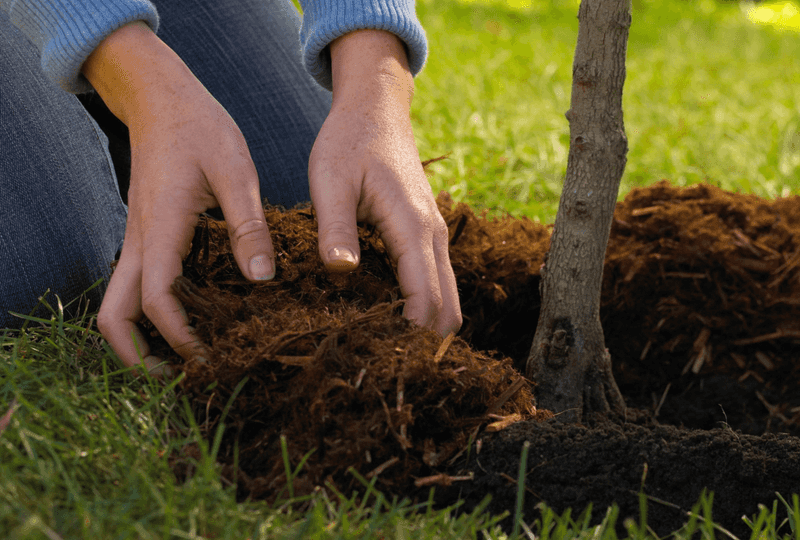
A common mistake can undo all that good mulching work. Piling mulch right up against stems and trunks traps moisture and can lead to rot.
It also gives mice and voles a hidden spot to chew on bark over winter. Keep a gap of a few inches around each plant base.
Stick to 2 to 4 inches of depth everywhere else. Picture a donut shape, not a volcano, around your hydrangeas and shrubs.
13. Water Fall Plantings and Amendments
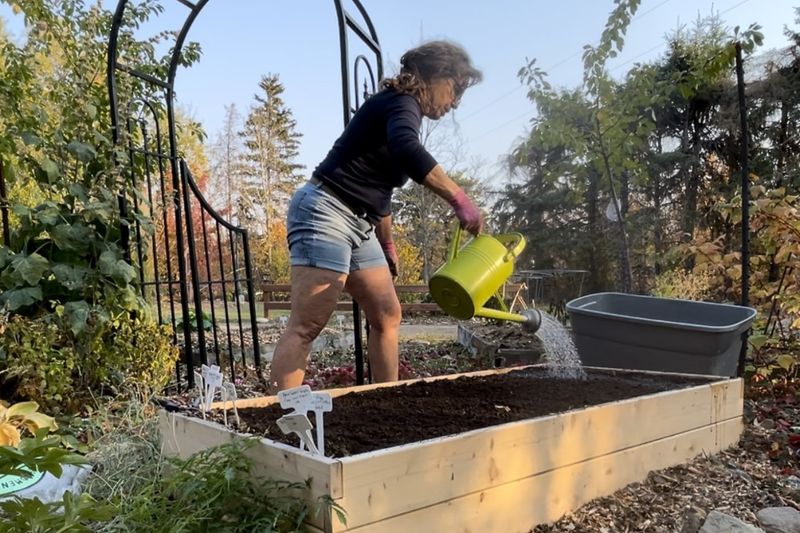
Dry fall weather can stall everything you just did. Cover crop seeds need moisture to sprout, and compost and manure need it to start breaking down.
Give beds a good soak after adding amendments or sowing seeds if rain is scarce. Keep checking until the ground freezes.
Evergreens and newly planted perennials benefit from a deep drink too. Then sit back, because your soil is now feeding itself all winter long.