
This Forgiving Shrub Roots From Bare Cuttings So Easily That North Carolina Gardeners Fill Whole Hedges For Free
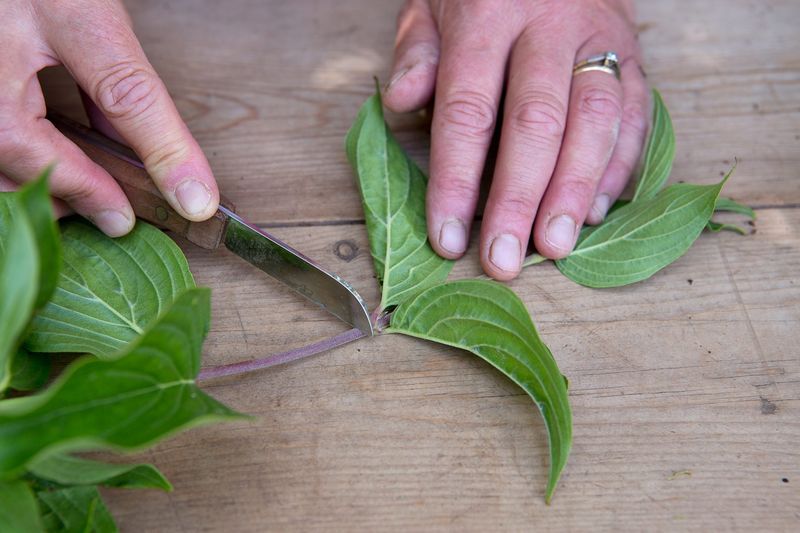
A bare stick pushed into damp soil sounds like a cheap way to start a hedge, and sometimes plants do grow from them. Silky dogwood is a North Carolina native that may be worth trying if your yard stays moist.
It feeds birds, but it grows loose and wide, and cuttings do not always root. Here is how to try it, and what to expect.
Silky dogwood suits some North Carolina yards
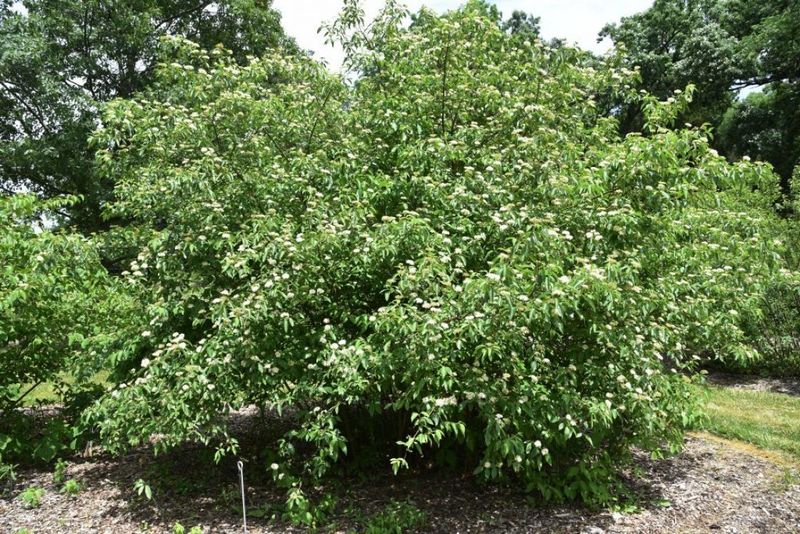
Picture a wet corner of your yard where the lawn stays soggy after every rain. That is where silky dogwood (Cornus amomum) makes the most sense.
NC State’s plant profile describes it as a native, somewhat informal shrub that reaches about 6 to 12 feet and does best in moist to wet sites.
Those traits can fit a screen. A shrub that tall can block a view from a neighbor’s patio or soften the edge of a drainage swale.
Its loose, natural shape works best in a relaxed, wildlife-friendly planting, not a clipped formal wall.
Site fit decides everything. If your soil is dry, sandy, or baked by afternoon sun with no extra water, silky dogwood will likely struggle, and the case for planting it gets weak.
A shrub that is unhappy will not make a good screen no matter how it was started.
Think about the rest of your yard too. Native shrubs like this one can replace invasive plants you may be removing, and they give birds something to eat.
But they ask for the right spot in return. Walk your property after a heavy rain and note where water lingers.
Those low, damp patches are your candidates, and the rest of the yard probably needs a different plant.
Take dormant wood at the right growth stage
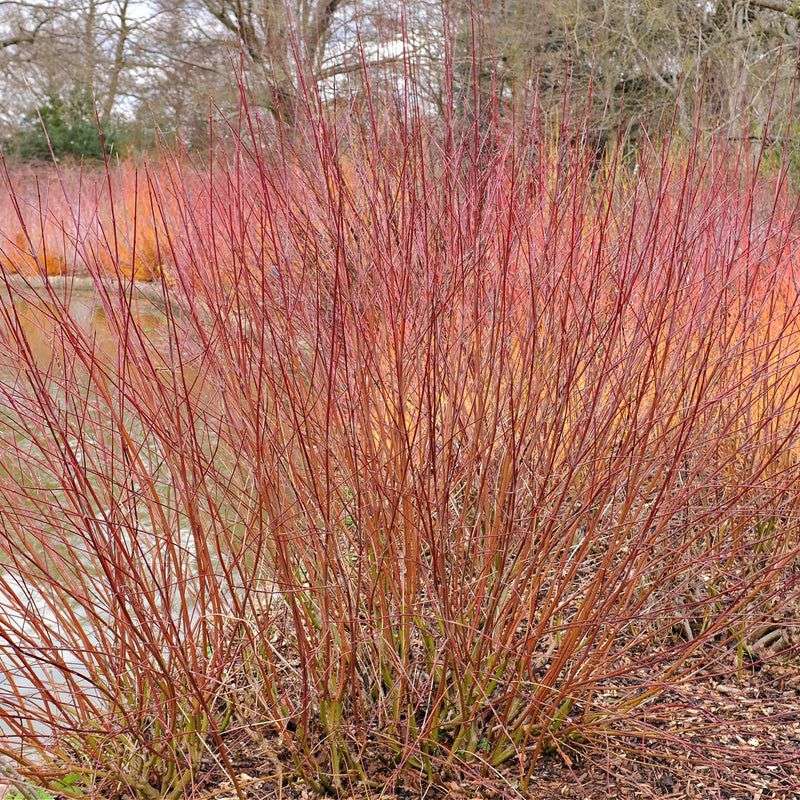
Hardwood cuttings are pieces of mature stems taken while the plant is dormant, meaning the leaves have dropped and growth has paused. NC State’s propagation guide places this generally in late fall, winter, or early spring.
It also stresses that the plant’s growth stage should guide timing, not the calendar alone.
In practice, that means watching the shrub. A mild December in the Coastal Plain and a cold one in the mountains will not line up on the same date.
If leaves are still hanging on or buds are swelling, the stem is not in the right condition yet.
You may also see a November to February window mentioned. That comes from North Carolina’s live stake guide, which is written for streambank restoration projects.
It is useful guidance for when to harvest stakes, but it does not prove that backyard cuttings will root or turn into a hedge by spring.
Treat those months as a reasonable planning frame. Pick a day when the shrub is clearly dormant, and accept that some cuttings may fail even when your timing is good.
Keep cuttings healthy from collection to planting
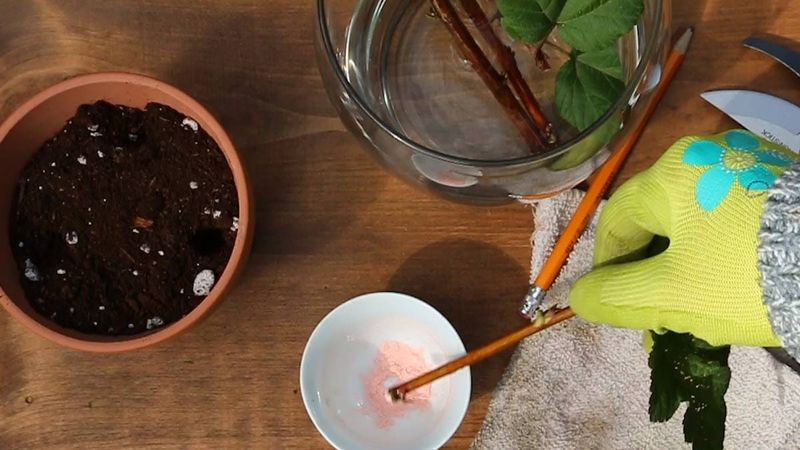
Start with the parent plant. Choose stems from a shrub that looks strong, grows vigorously, and shows no signs of disease.
NC State’s guidance also says to avoid pieces carrying flower buds, since the stem should put its energy into roots instead.
Once cut, a stem begins to dry out, and dry wood is unlikely to root. Keep cuttings cool and moist until they go into a medium or the ground.
Iowa State Extension describes cool, damp storage for hardwood cuttings and notes that moisture matters throughout the process.
A simple approach is to carry a bucket or bag with damp material to the shrub, so cuttings never sit in the sun or a warm car. Get them planted soon after collecting.
These sources give general advice for hardwood cuttings. They do not give a silky dogwood storage recipe, so treat any specific number of days or exact temperatures you see elsewhere with caution.
If a stem turns shriveled, brittle, or moldy before planting, toss it and take a fresh one. Cuttings are cheap, but wasting a week on bad material is the real cost.
Choose a rooting method without assuming success
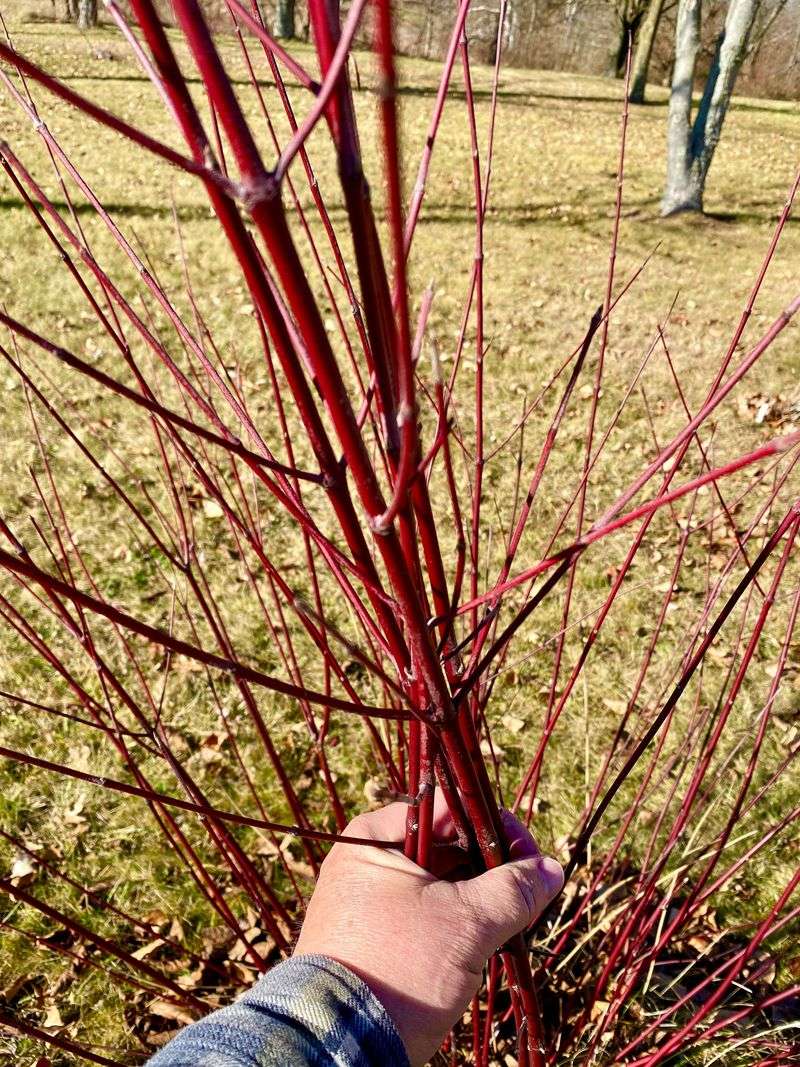
You have two basic options. One is rooting cuttings in a pot of medium, where you can control moisture and check progress.
The other is planting a live stake directly in the ground at its final site, which takes less work but gives you less control.
If you use a medium, it should stay moist but drain well. Both Iowa State and NC State warn that saturated media can encourage rot, so soggy is not the goal even for a moisture-loving shrub.
For live stakes, Iowa State’s general advice is to collect in winter, store cuttings cool and moist, and plant after the soil thaws. Keep the stake pointed the right way up, with the buds facing up, and insert at least one-third of it below ground.
That source gives generic stake sizes of 18 to 30 inches long and about half an inch to an inch and a half thick, though species-specific directions may differ.
North Carolina’s live stake installation guide shows how stakes are used in streambank work, which is a restoration setting, not a backyard hedge plan.
Neither method is proven here to root silky dogwood reliably. Try a few stems each way and see what your site gives you.
Allow time for roots and a future screen
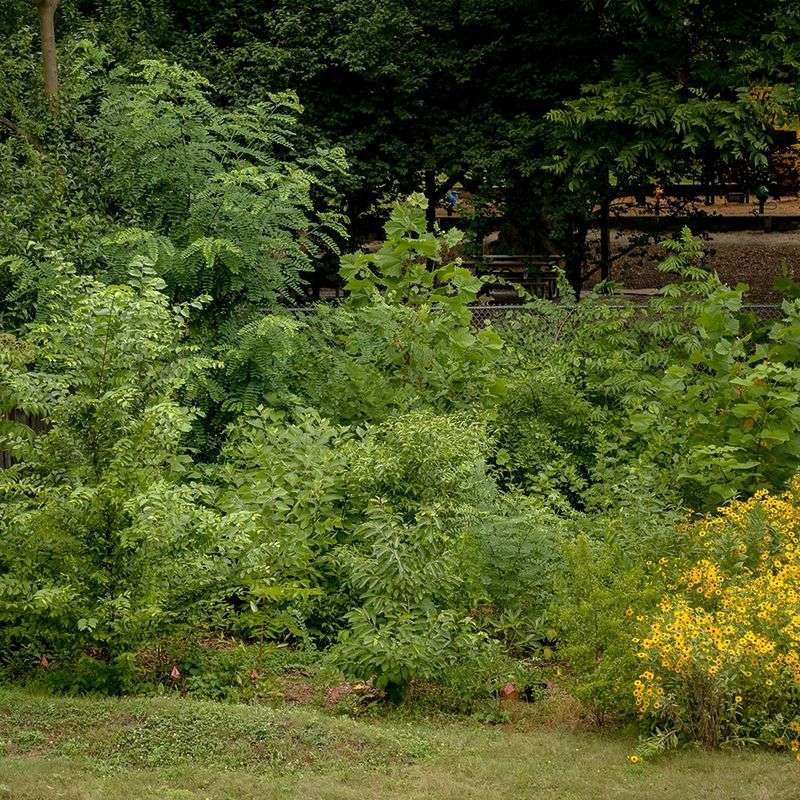
Spring leaves on a cutting feel like victory, but they can be misleading. A stem may leaf out using stored energy without having grown a strong root system.
Iowa State Extension advises checking for roots, notes that rooting varies with species and conditions, and says rooted hardwood cuttings can take several years to reach good landscape size.
So the honest picture is this: you are growing young plants for a screen that will fill in over seasons, not collecting a free hedge by spring. Some cuttings will fail.
Plant extras if you can, and keep the soil evenly moist while they settle in.
A practical check is a gentle tug after a few weeks of growth. Resistance suggests roots are forming, while a stem that pulls out easily has probably not rooted.
If you want faster privacy while you wait, a purchased nursery plant of a native shrub may be worth adding. Whatever you do, skip Chinese privet.
The N.C. Tree Farm Program describes it as invasive, spreading by seed and suckers and crowding out native plants.
Easy rooting is no virtue in a plant that escapes into local woods.
Decide whether silky dogwood fits your yard
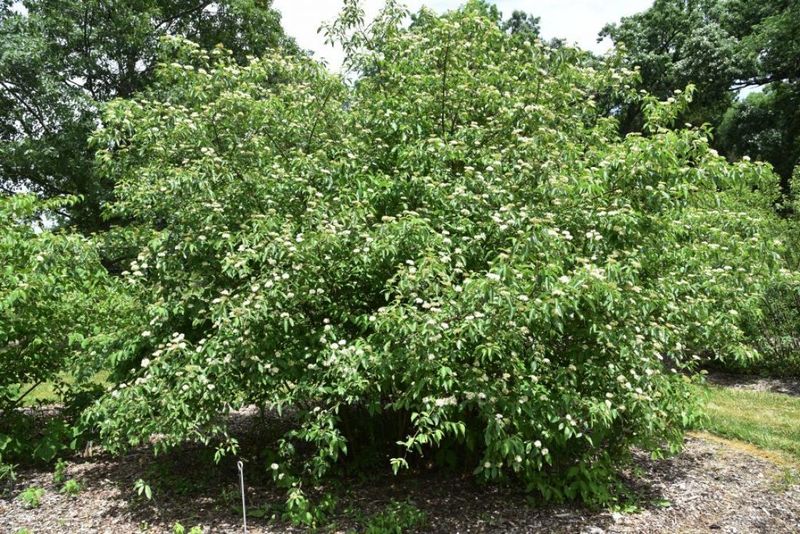
Here is a simple rule: try cuttings only if you have a spot that stays moist and you like a relaxed, natural look. NC State notes that the fruit attracts birds and that the shrub can form thickets if left unmanaged, so be ready to prune.
Propagation can help you build a screen slowly, and Iowa State’s guidance reminds us that rooting is uncertain.
A cutting is a gamble that costs almost nothing, and the payoff arrives over years, not by spring.