
The One Thing North Carolina Collards Need Before December Or They Will Turn Bitter And Bolt Early
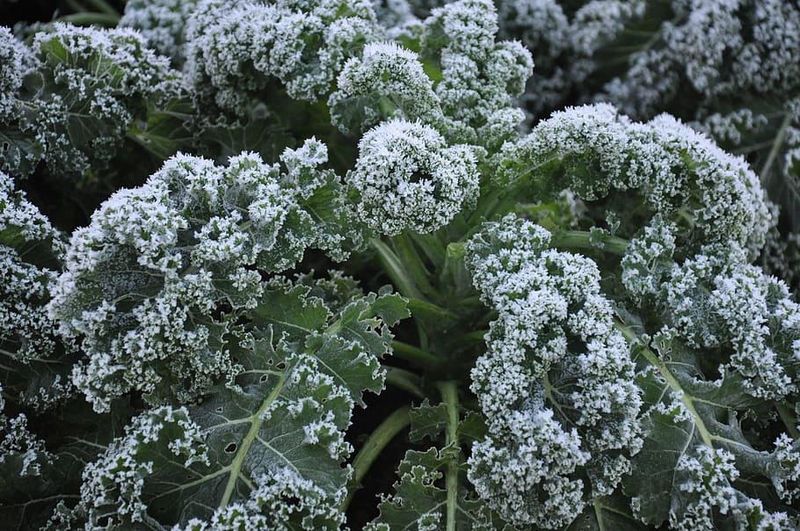
Ask any North Carolina grandmother when collards taste best, and she will probably say after the first frost. She is right, and there is real plant science behind that old saying.
Collards that never get a good chill before December can stay tough, taste sharp, and even shoot up flower stalks too soon. Here is the one thing your backyard collards need, and how to make sure they get it.
1. A Light Frost and Steady Cold Before December
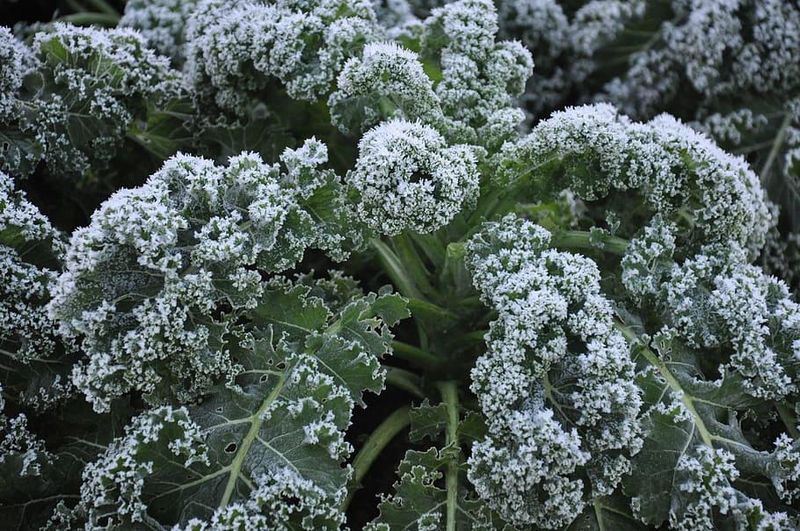
Picture a November morning in the Piedmont when the grass crunches underfoot and your collard leaves sparkle with ice. That frost is not hurting your plants.
It is flipping a switch inside them that turns harsh greens into sweet ones.
When temperatures drop, collards convert stored starches into sugars. The sugar works like a natural antifreeze, protecting leaf cells from damage, and it also softens that bitter bite.
Cold weather slows leaf growth too, so leaves come in thicker, darker, and more tender.
Skip the chill, and trouble follows. Collards that sit through long warm spells may bolt, sending up a flower stalk as the plant switches from growing leaves to making seeds.
Once that happens, leaves turn tough and bitter fast.
You cannot order a frost, but you can time things so your plants are ready for one. Set transplants out in September so they reach good size as cool weather rolls in, giving you harvests from October into April.
Keep soil evenly moist with about one to two inches of water a week, since drought stress can push plants toward bolting. Aim for fertile, well-drained soil with a pH between 6.0 and 7.5.
A warm early fall can bring more cabbage worms and aphids. Lightweight row covers may help keep pests off and add a few degrees of protection during a sudden hard freeze, all without sprays that could harm the fireflies, native bees, and songbirds sharing your yard.
Pick outer leaves often to encourage fresh growth and delay bolting.
Fun fact: collards have grown in Southern gardens for centuries, and frost-kissed greens have been a holiday tradition long before anyone understood the sugar trick.