
Overseeded Late This Fall? How To Tell If Your New Grass Still Has Time Or Should Wait Until Spring
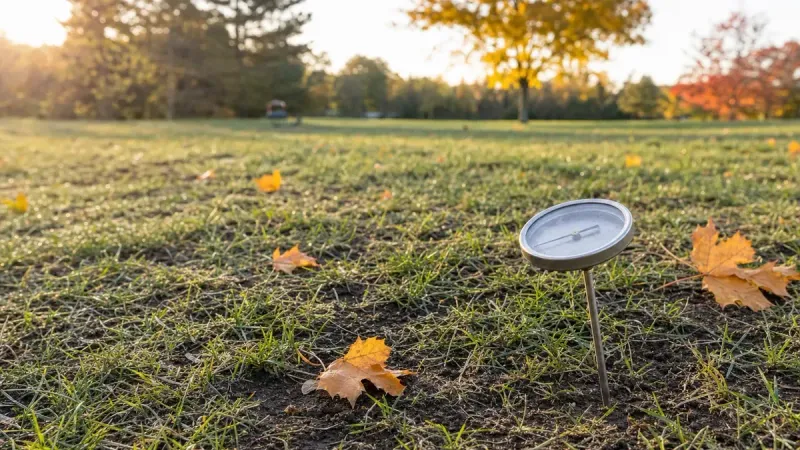
You spread grass seed on your lawn, and then the nights turned frosty. Now you are wondering if those tiny seeds stand a chance.
The answer depends on where you live, what grass you planted, and how warm the soil still is. A few quick checks can help you decide whether to support fall growth or plan for spring.
The calendar alone cannot tell you whether it is too late
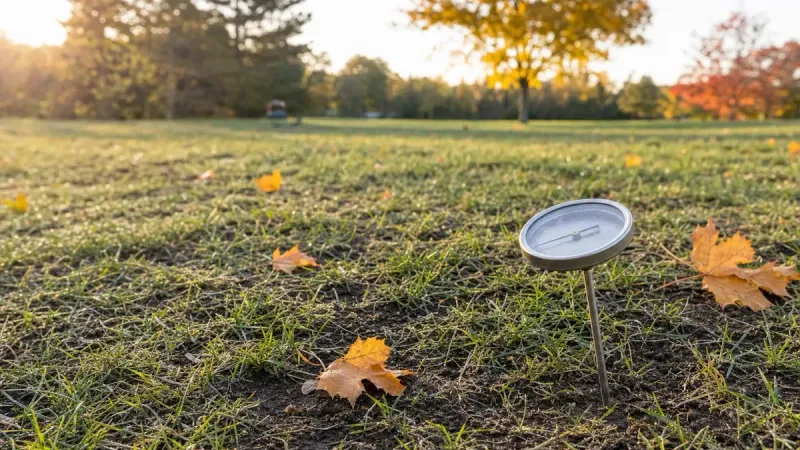
Cool-season lawn grasses generally establish best in late summer or early fall, when seed has time to sprout and grow before winter. That is why Illinois Extension advice suggests planting at least 45 days before the first fall frost, and says new grass needs roughly 30 frost-free days to become more frost-resistant.
Treat those numbers as regional rules of thumb, not promises for every yard.
Seeding windows also shift from place to place. Penn State advises against seeding after mid-October in most of Pennsylvania, according to its seasonal lawn guide.
Missouri’s guide for cool-season lawns, University of Missouri Extension publication G6700, lists an earlier local window of August 25 to October 10.
So the phrase “late fall” means different things in different states. A seeding that is borderline in Missouri might be right on time somewhere with a later first frost, and the grass type matters too.
Your location and your seed mix are better guides than the date on the calendar.
That leaves a more useful question than “Is it too late?” Ask whether the conditions in your yard right now still let seed germinate and grow. Soil temperature is the next thing to check.
Soil temperature tells you whether seed can still get started
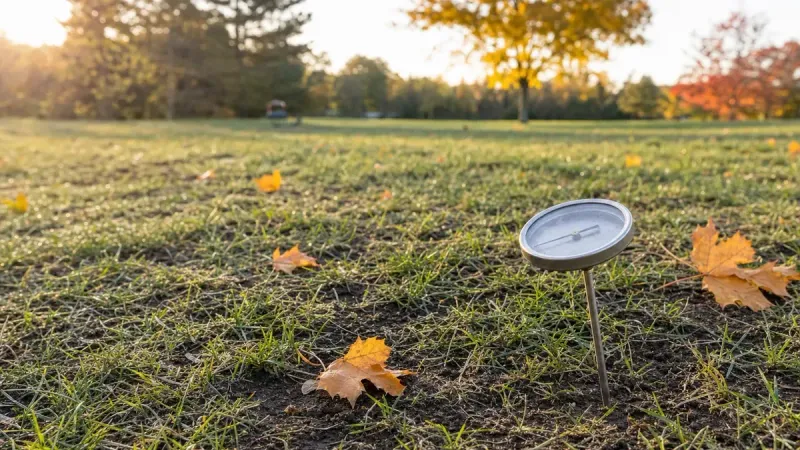
Soil warms and cools more slowly than the air, so a sunny afternoon can fool you. A cheap soil thermometer pushed a couple of inches into the ground gives a better reading than your weather app.
Check it in the morning and again in the afternoon, and note the trend over several days.
Each grass species has its own sweet spot. Penn State Extension lists optimum germination at 59 to 86°F for Kentucky bluegrass and 68 to 86°F for tall fescue.
It also says most cool-season turfgrasses grow roots best when soil is 50 to 65°F.
Those are optimum ranges, not hard cutoffs. Seed may still sprout slowly outside them, just not as well or as fast.
If your soil is well under the range for your grass and nights are dropping, seedlings that do appear will have very little time to build roots.
Penn State’s lawn establishment guidance notes that late-fall soil can become too cold for seed to germinate. If you are seeing that in your yard, shift your plan toward spring.
If soil is still in a workable range and the forecast is not brutal, aim for fall germination and support it. A call to your local Extension office can confirm what is realistic for your area.
When conditions allow germination, give seed a good start
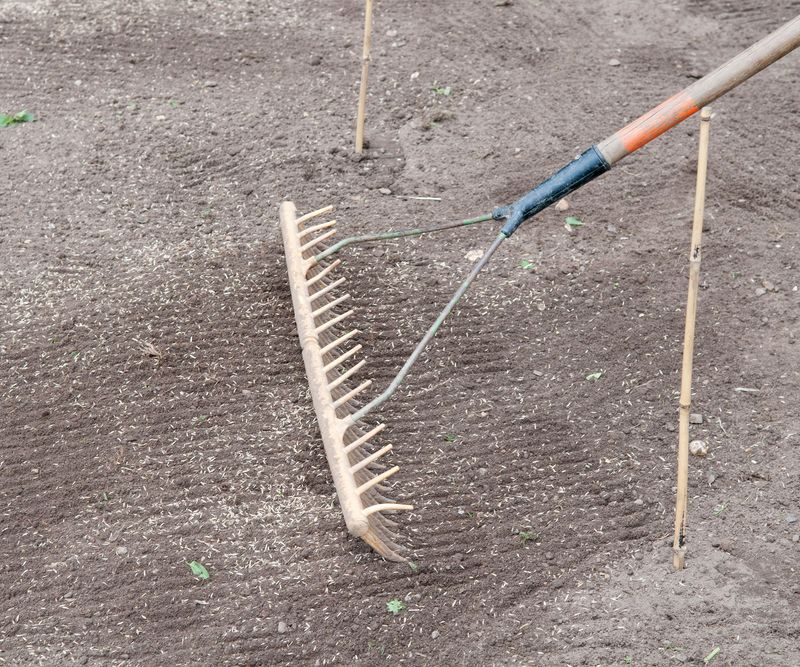
Seed that sits on top of the soil dries out fast and gets eaten by birds or blown away. Lightly rake it into the surface, or use a suitable seeder, so the seed touches soil.
Illinois Extension’s new lawn guide stresses this seed-to-soil contact.
Next comes moisture. Keep the seedbed moist but not waterlogged, because soggy ground causes its own problems.
Skip any fixed schedule and look at what is really happening: did it rain, is the surface crusting, are the winds drying things out?
A simple check is to scratch the top half inch of soil. If it is dry, the seed may need water.
If it is damp, wait.
Newly germinated seedlings have shallow, delicate roots, and they can dry out quickly, as the Penn State lawn establishment page explains. Cool fall days dry soil slowly, so you may water less often than you would in summer.
Here is the candid part. Good contact and careful watering support establishment only when temperature and time are also on your side.
They cannot replace warm enough soil or enough weeks of growth. If your seedlings are up, keep mowing off the schedule until they are tall enough, and avoid heavy foot traffic on the new patches.
If it is too cold to sprout, think of the job as dormant seeding
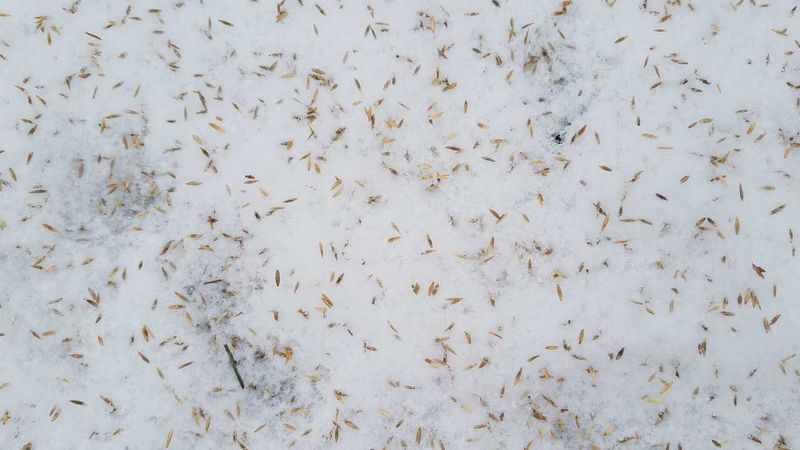
Sometimes the soil is simply too cold for seed to wake up. In that case, seed that is down will likely sit tight and wait for spring rather than root before winter.
That is dormant seeding, and it is a different job from helping seedlings that have already sprouted.
University of Minnesota Extension describes dormant seeding as sowing when soil is below 40°F, using dry conditions and good seed contact. Notice that this is Minnesota guidance.
It is not a national temperature threshold or calendar, so do not copy it blindly if you garden in Georgia or Oregon.
Advice also differs by region. An Illinois Extension answer cautions that winter dormant seeding is difficult and does not recommend it for homeowners.
Two respected Extension programs, two different takes, and that is the reason local guidance matters.
Keep the categories straight. Dormant seed has not germinated.
A seedling that popped up during a warm spell and then got hit by cold is in a different situation, with a shallow root system and little time left. Penn State’s lawn establishment guidance separates these outcomes, and they should not be treated as interchangeable.
Before choosing this route, call your county Extension office and ask what works locally. Spring results are possible, not guaranteed.
Do not try to force winter survival with extra seed or treatments
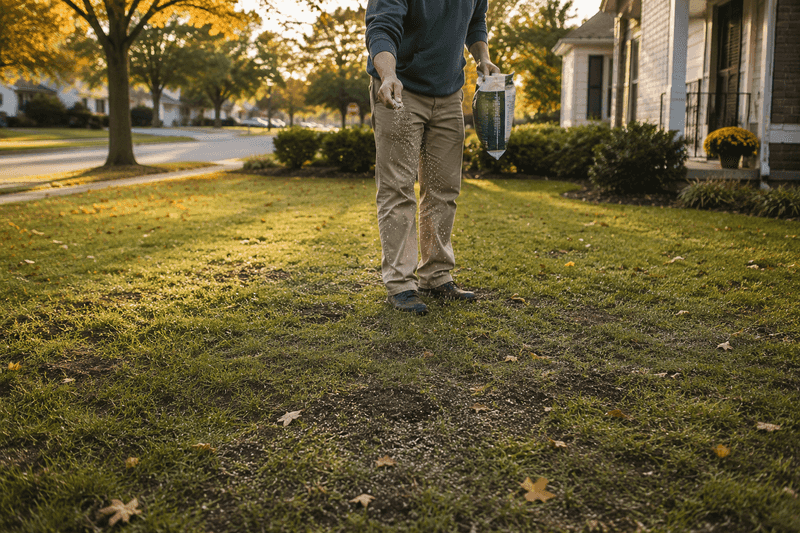
When worry kicks in, it is tempting to throw more at the problem. Resist that urge, because nothing you add can guarantee winter survival.
Tender new seedlings can be damaged by frost, as Illinois Extension points out, but a freeze does not automatically mean every late seeding fails. Some seed and some seedlings make it, and some do not.
Bare or sloped ground is a special case. For dormant-seeded areas, Minnesota Extension recommends an erosion-control or germination blanket to help hold seed in place.
It keeps seed from washing away. It does not guarantee the seed will establish.
More seed is not the answer either. Penn State cautions that simply raising the seeding rate does not ensure healthy turf, and overly dense stands can raise disease problems, according to its lawn establishment page.
Weed control products need extra care. Many crabgrass pre-emergents can also harm germinating lawn-grass seed, as noted in Illinois Extension’s crabgrass guide.
Read the specific product label and look for a reseeding interval before you apply anything near new seed.
Watch for spring emergence and respond to what you see
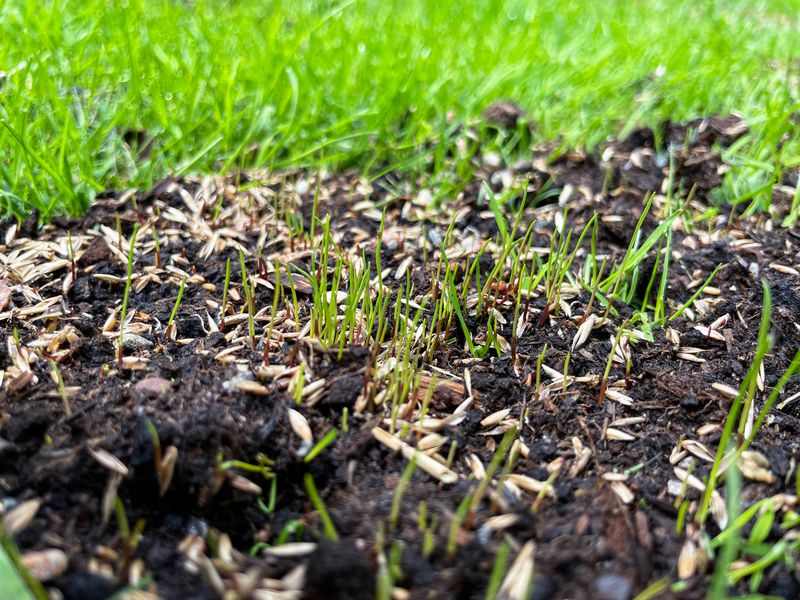
Spring is when dormant-seeded lawns show their hand. Walk the yard every few days once the soil warms and look for fine green blades poking up.
Patchy emergence is common, so give it time before you judge the results.
If seedlings appear and the surface starts to dry out, water them. Minnesota Extension offers this same advice for dormant-seeded areas.
Dormant seed is not already rooted, and it does not need intensive watering through winter.
Fall seedlings call for different care. Those that sprouted before cold weather arrived have shallow roots and need the attentive, rain-responsive moisture described earlier.
Penn State’s lawn establishment guidance is a useful reference for the early care of any new stand.
If bare patches remain after spring warms up, you can reseed them then, when time and temperature are working for you. Check with local Extension about the best spring window and about any weed-control products you plan to use, since labels can conflict with seeding.
Late-fall seeding may still thicken your lawn, but rooting before winter is not assured. Your local conditions decide which outcome is realistic, and the grass will tell you the rest in spring.