
Stink Bugs Lining Up On Your Sunny North Carolina Siding Right Now Are Looking For A Way Into Your Attic
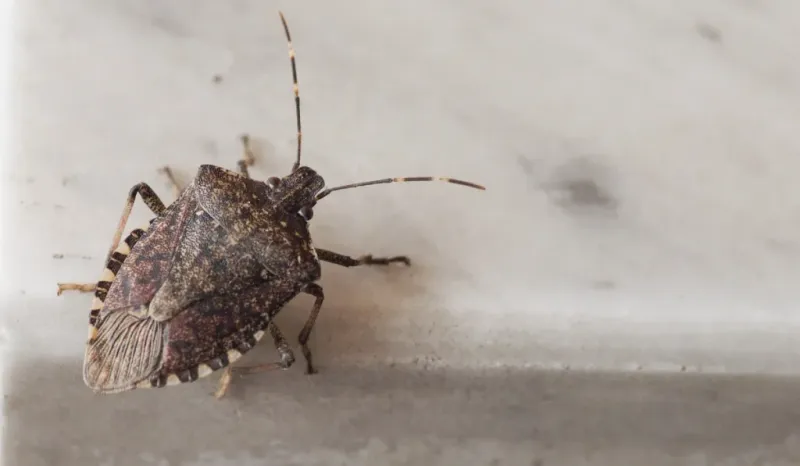
A bunch of bugs baking on a sunny wall can make any homeowner uneasy. In North Carolina, some of those insects may be brown marmorated stink bugs looking for a place to wait out winter.
But a crowd on your siding does not tell you which bug it is or where it is headed. A few calm steps now can protect your home and the helpful insects in your yard.
A sunny-wall cluster may signal shelter-seeking, not attic entry
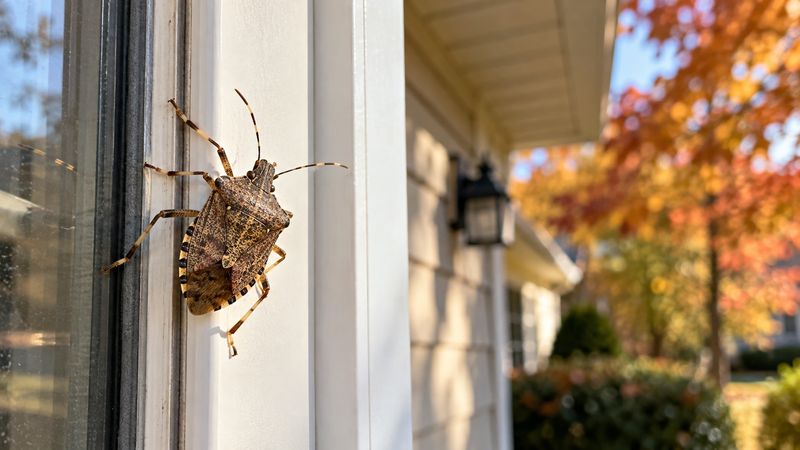
Warm walls act like magnets in autumn. Adult brown marmorated stink bugs look for sheltered places to spend the winter, and buildings can be among the places they choose.
NC State Extension says September and October are usually when new invasions are seen, and that by late autumn most of the bugs have settled into buildings or other shelter.
So a cluster on a sunny wall can fit that seasonal pattern. It is a clue, though, and not proof.
Seeing bugs on siding does not show that they have gotten inside, and it certainly does not show they picked your attic.
Wall voids and other tucked-away spaces are also on the list of places these insects may settle, according to Cornell’s integrated pest management program. The attic is one possibility among several, and from the outside you cannot tell which, if any, a given bug has chosen.
Timing matters too. September and October are the usual peak for gathering, but that is a pattern and not a promise for every yard.
Some homes see plenty of bugs, and others in the Piedmont, mountains, or coast may see few or none by November. Bugs can also stir on mild winter afternoons, drawn out by the warmth.
Your concern is reasonable. The goal is simply to figure out what you are actually looking at before you act.
Check which stink bug you are seeing
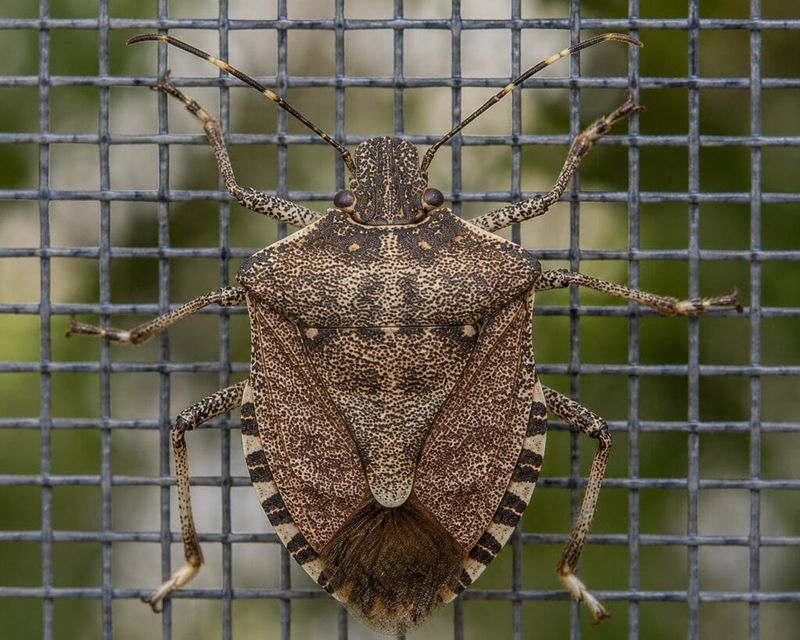
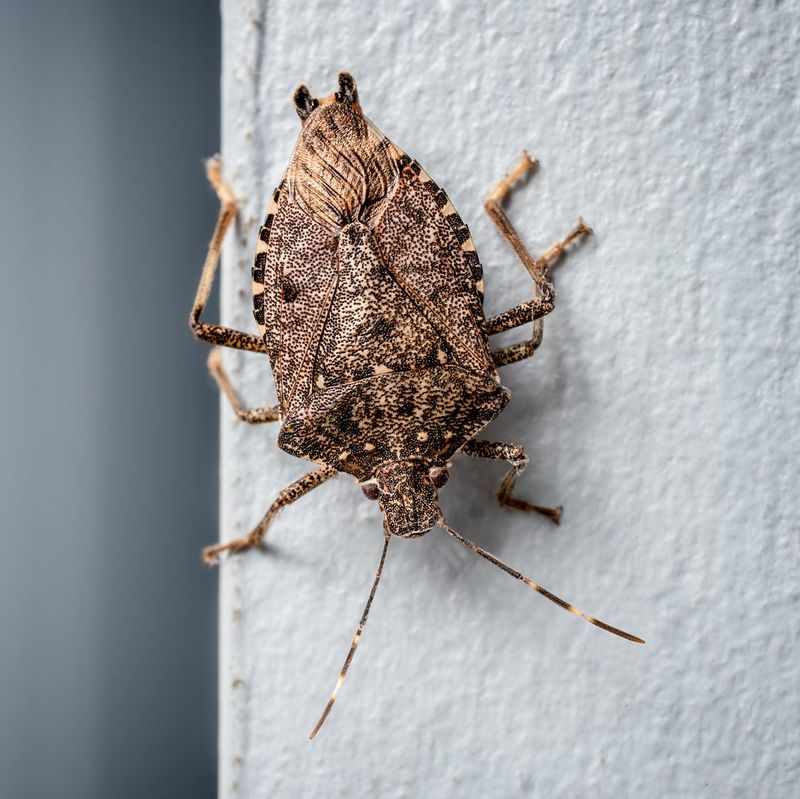
Before you label anything, take a close look. An adult brown marmorated stink bug has a marbled brown, shield-shaped body.
Look for light bands on the antennae and along the edge of the abdomen, which are the details that set it apart from many lookalikes.
North Carolina is home to native stink bugs that resemble it at a glance. According to NC State Extension, some of these similar native species do not overwinter in structures, and some stink bugs are beneficial predators that feed on other insects.
Cornell’s species guide is a handy reference for comparing features.
A phone photo taken up close makes the banding easy to check. If the antennae and abdomen edge show pale bands, you may have the species that seeks winter shelter.
If they do not, the insect may be a local resident doing helpful work.
This is why stomping or spraying every stink bug outdoors is a poor plan. You could remove predators that quietly keep pests in check around your vegetable beds and shrubs.
Outdoors, identify first and leave the bugs that are not causing trouble alone.
Remove indoor strays without crushing them
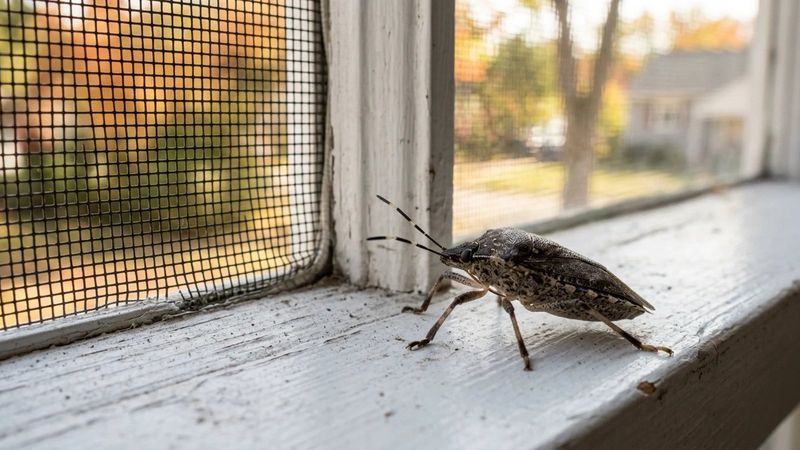
Bugs that do make it indoors need a gentle exit plan. Scoop one into a container and drop it into soapy water, or carry it outside if it is a species you want to keep around.
Slow, steady movements help, since crushing or agitating a stink bug can release its odor.
Vacuuming works too, with a catch. NC State Extension notes that a vacuum may hold onto the smell, and it advises freezing the container of a dedicated handheld vacuum.
A cheap handheld kept just for this job is easier than sacrificing your household vacuum. University of California IPM also lists vacuuming as a practical removal method.
You may be tempted to grab an aerosol or fogger for a quick fix. The EPA says these products may kill bugs in living areas but will not stop more from emerging later.
There is a second downside. Dead insects left in wall, attic, or crawl-space voids can attract carpet beetles, which bring their own headaches.
Removing individual strays by hand is slower, but it leaves nothing hidden behind your walls.
Do not blanket-seal the house in November
A weekend of caulking sounds productive, but November is the wrong time for it. NC State Extension warns against bug-proofing in fall, winter, or early spring, because sealing may trap stink bugs inside the walls and living spaces.
Picture a bug that has already slipped into a gap. If you close the opening behind it, it cannot leave on a warm day or in spring, and it may wander toward your rooms instead.
So for now, keep your effort on two things. Check the insects you see and remove strays that wander indoors.
Jot down gaps you notice during your walk around the house, like a loose piece of trim or a torn screen, so you have a list ready.
The plan from NC State is simple. Let overwintering bugs leave on their own in spring, then finish exclusion work before they return in late August.
That gives you months of mild weather to do the job properly, without trapping anything behind your walls.
Plan pre-fall exclusion without blocking attic airflow
Summer is the time for the real project. Walk the house and check window and door gaps, damaged screens, openings where utility pipes and wires enter, siding and fascia gaps, and unscreened attic louvers.
The NC State FAQ reports that these bugs can squeeze through openings as small as 3 by 7 millimeters, so even thin cracks count.
For sealable gaps, NC State recommends weatherstripping, caulk, or foam sealant, applied during the recommended season. Match the product to the spot: weatherstripping for doors and windows, caulk for small cracks, and foam for larger openings around pipes.
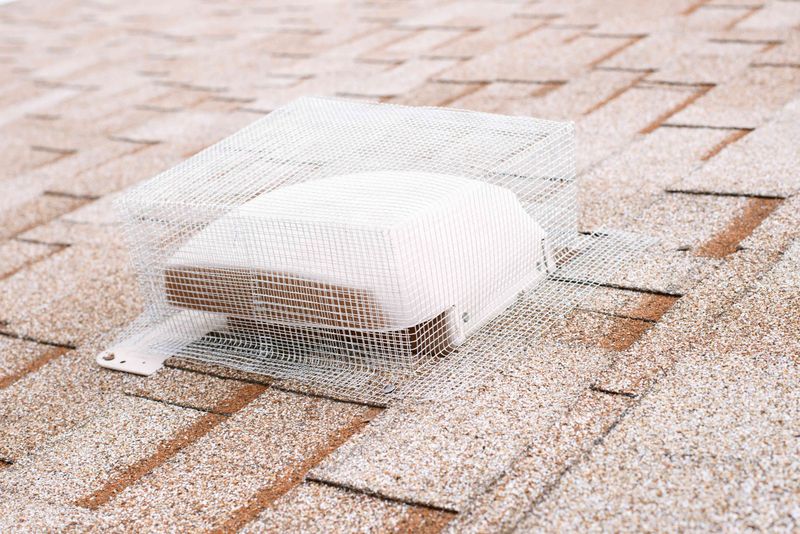
Attic vents are a different story. They are there to move air, and ENERGY STAR cautions that attic ventilation matters and that vents should not be blocked.
Caulking one shut is not a fix.
Where a vent may be an entry route, University of Kentucky entomologists point to suitable screening instead. Fine mesh keeps insects out while air keeps flowing.
Aim to finish before late August.
Use this weekend to observe and remove, then plan ahead
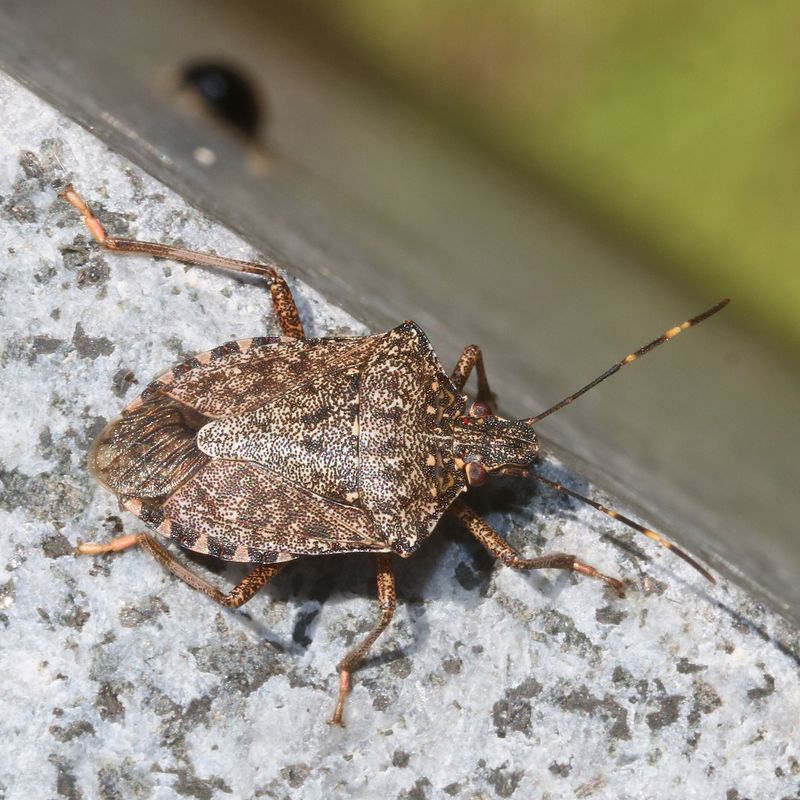
This weekend, confirm what the insect is, remove any strays indoors, and note possible entry points without sealing them yet. Save the caulk and vent screening for the warm months, and aim to finish before the late-August return NC State describes.
Remember that a cluster outside is a seasonal clue, and the NC State overview is clear that it is not proof of an attic invasion.
A bug on a warm wall is only a bug until you know more, so look first and caulk later.