
Yellow Leaves Spreading Across Your Cucumber Vines Are Telling You One Of These 9 Things
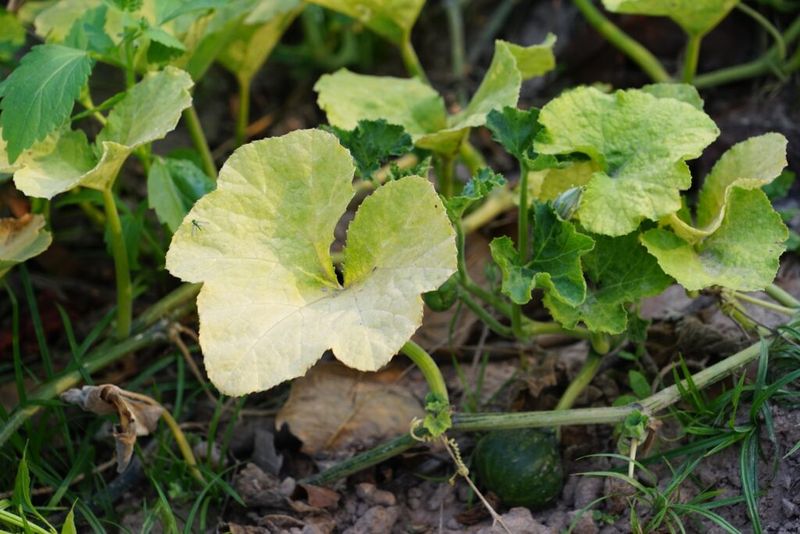
You walk out to check your cucumber patch and spot yellow leaves creeping along the vines. It is easy to panic and think the whole plant is doomed.
The good news is that yellow leaves are usually a message, not a death sentence, and most causes have simple fixes. Once you know how to read the signs, you can step in fast and keep those cucumbers coming.
1. Your Watering Is Off Balance
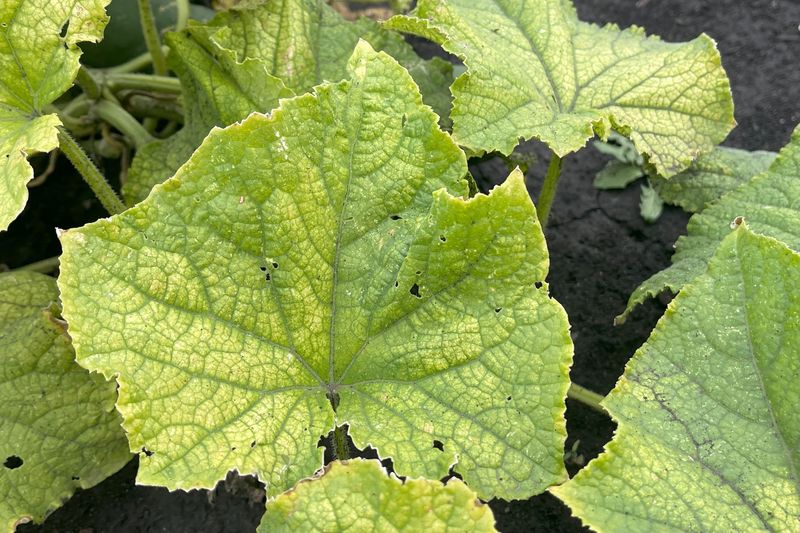
Water mistakes cause more yellow cucumber leaves than almost anything else, and the tricky part is that too much and too little can look surprisingly alike. Both leave you with sad, faded foliage.
The difference shows up when you touch the soil.
Underwatered vines usually have dry soil, droopy leaves, and crispy brown edges. You might even notice bitter or oddly shaped fruit.
Overwatered vines look limp too, but the soil stays soggy, and the leaves turn a washed-out yellow because the roots are struggling to breathe.
Here is the simple rescue. Push a finger 2 to 3 inches into the soil before you water.
If it feels dry at that depth, water deeply at the base of the plant. If it still feels damp, wait.
Most cucumbers do well with about an inch of water per week, more during hot spells. Container plants need pots with drainage holes, so check that nothing is blocking them.
2. The Plant Is Hungry for Nitrogen
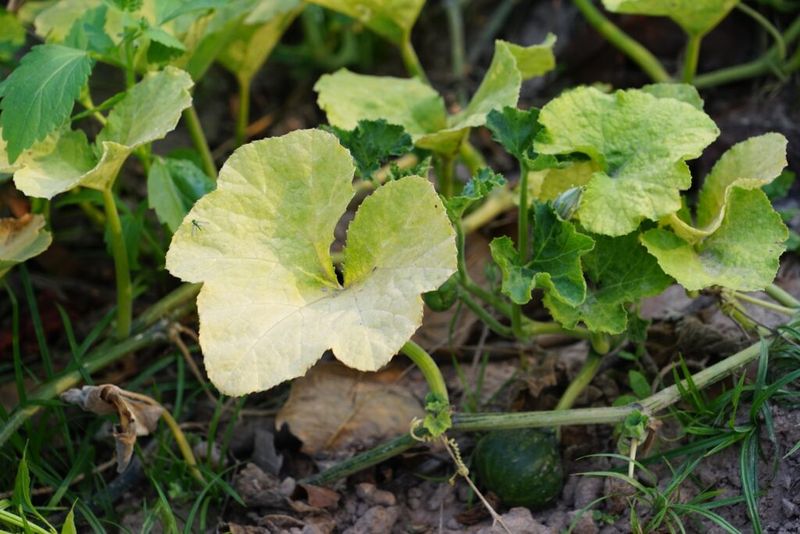
Picture the bottom of your cucumber vine slowly fading from green to lemon yellow while the newest leaves up top still look fine. That pattern is a classic clue.
Your plant is likely running low on nitrogen.
Nitrogen helps plants make chlorophyll, the stuff that keeps leaves green. When supply runs short, cucumbers pull nitrogen out of older leaves to feed new growth.
So the lower leaves pay the price first, and the whole plant may look a little stunted.
A quick boost can help. Fish emulsion or blood meal work fast, and a balanced vegetable fertilizer is a good everyday choice.
Working compost into the soil around the plant can also improve things over time.
Do not go overboard, though. Too much nitrogen can give you a jungle of leaves and fewer cucumbers.
3. Magnesium Is Running Low
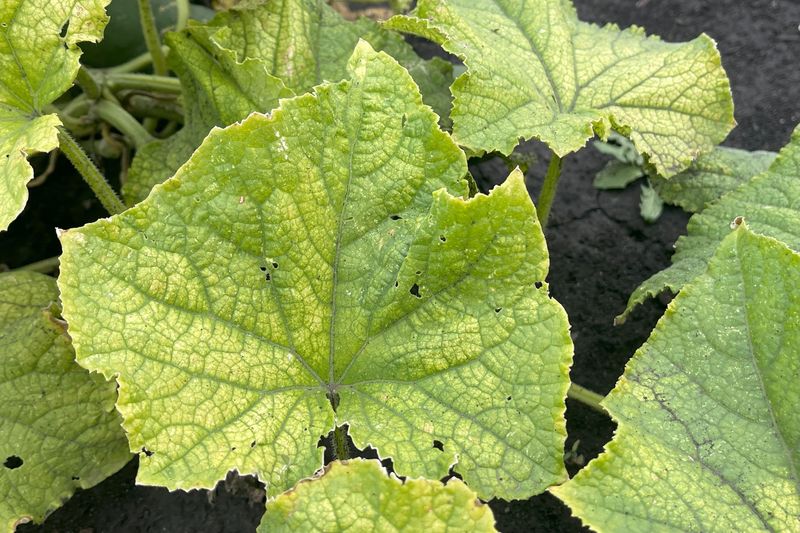
Look closely at one of the yellow leaves. Are the veins still green while the spaces between them turn yellow?
That striped, net-like look has a name: interveinal chlorosis.
When you see it on older cucumber leaves, a magnesium shortage is a common suspect. Magnesium sits right at the center of every chlorophyll molecule.
Without enough of it, leaves cannot stay fully green.
Many gardeners reach for Epsom salt, which is magnesium sulfate. Mix about 2 tablespoons per gallon of water and apply it to the soil and leaves.
Spray in the early morning or evening so the sun does not scorch wet foliage.
One honest note: Epsom salt only helps if magnesium is truly the problem. If yellowing keeps spreading after a couple of weeks, a simple soil test can save you from guessing.
4. Tiny Pests Are Feeding on the Leaves
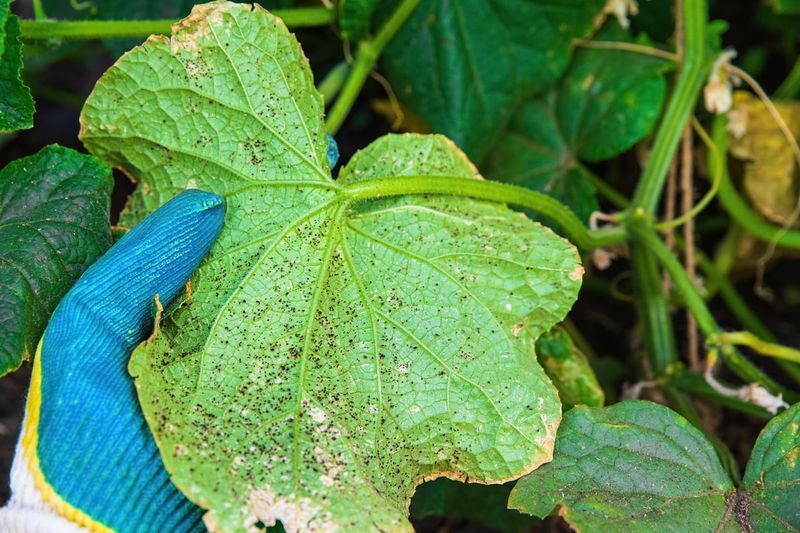
Some of the worst cucumber troublemakers are smaller than a sesame seed. Aphids, spider mites, and whiteflies all suck sap from the leaves.
Spotted or striped cucumber beetles chew on the plant and can even spread bacterial wilt.
The signs vary a bit. Spider mites leave tiny yellow speckles and fine webbing.
Whiteflies make leaves curl and yellow, and aphids cluster in groups on stems and leaf undersides.
Flip a few leaves over every couple of days. It sounds simple, but it is the best early warning you have.
For aphids and mites, a strong spray of water can knock many of them off. Insecticidal soap may help with heavier numbers.
Yellow sticky traps can catch whiteflies and winged aphids, and kaolin clay may help deter cucumber beetles.
5. A Fungal Disease Has Moved In
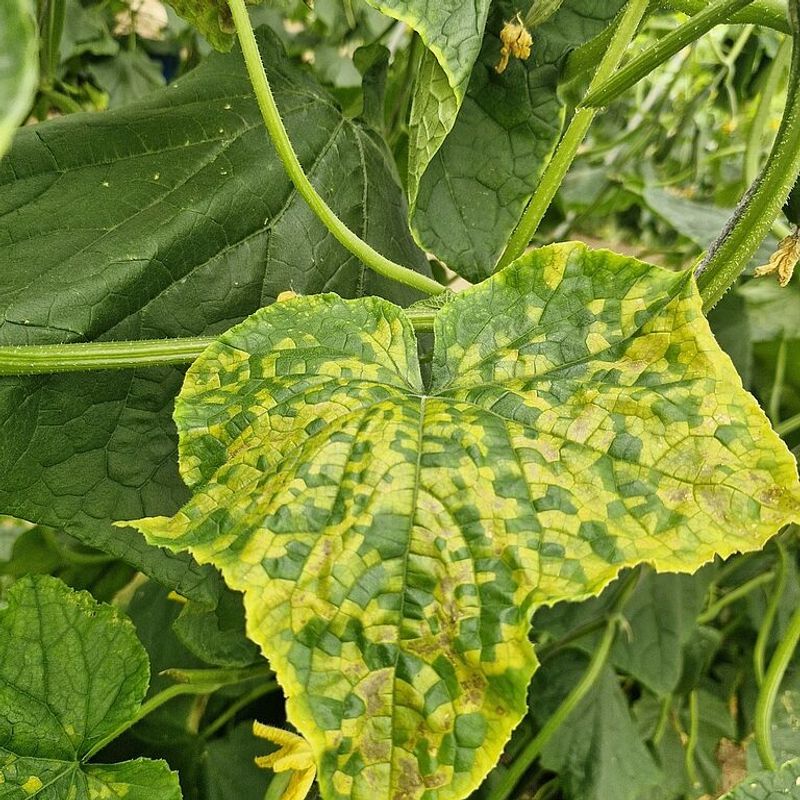
Humid weeks, crowded vines, and evening watering create a perfect playground for fungus. Cucumbers are especially prone to a few common ones.
Catching them early makes a big difference.
Downy mildew starts as pale yellow, blocky patches on top of older leaves, often boxed in by the veins. In damp weather, you may see grayish purple fuzz underneath.
Powdery mildew shows up as white dust on the leaves, which then yellow and weaken.
Root rot works out of sight. Soggy soil lets roots decay, and the plant yellows and may collapse.
To slow the spread, remove infected leaves and throw them in the trash, not the compost. Water at the soil line in the morning and give vines room for air to move.
Trellising helps a lot here.
6. Cucumber Mosaic Virus Is Spreading
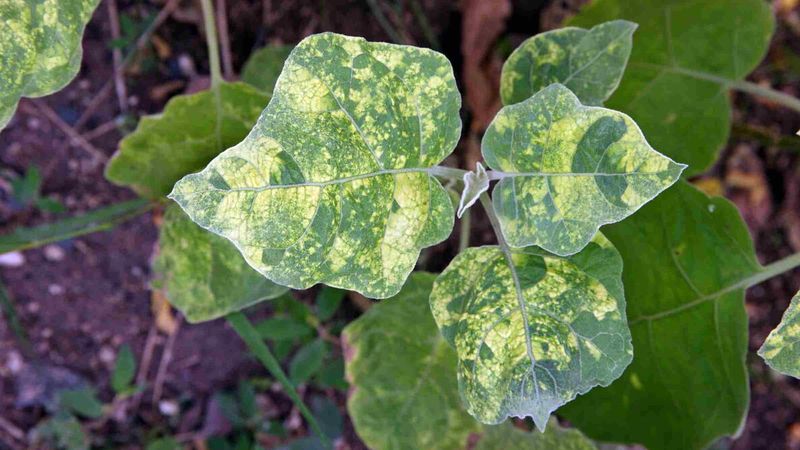
Here is the one nobody wants to hear about. Cucumber mosaic virus causes a patchy, mottled look, with swirls of yellow, light green, and sometimes white across the leaves.
Plants may also stay small and wrinkled.
Fun fact: despite the name, this virus infects more than 1,000 kinds of plants, including peppers, tomatoes, and many flowers. Aphids are the main way it travels from plant to plant.
Sadly, there is no cure. The kindest move for the rest of your garden is to pull infected plants and bag them up.
Next season, look for seed packets labeled CMV resistant. Keeping aphids under control can also reduce the chances of the virus showing up again.
7. The Vines Are Not Getting Enough Sun
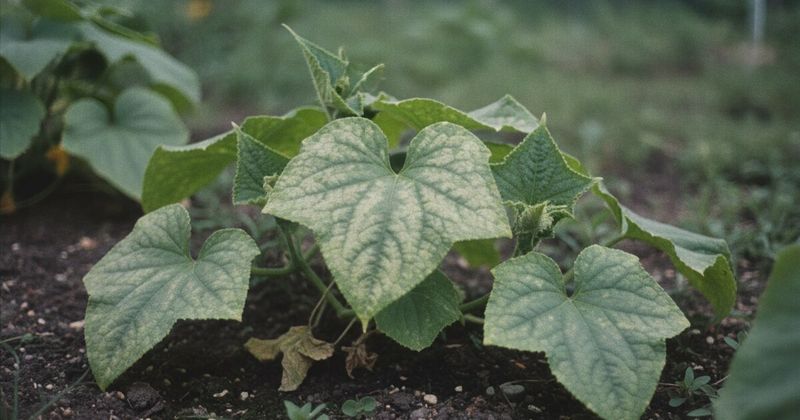
Cucumbers are sun lovers, plain and simple. They want at least six hours of direct light a day, and more is better.
A spot that was sunny in spring can quietly turn shady once a nearby tree leafs out.
Without enough light, the plant cannot make energy well. Leaves turn a soft, all-over yellow, vines get long and thin, and flowers may be few.
Spend one day watching where the sun actually hits. Trim back branches or move tall plants that cast shadows.
Container cucumbers are easy to roll into a brighter spot, so take advantage of that flexibility.
8. Heat or Cold Is Stressing the Plant
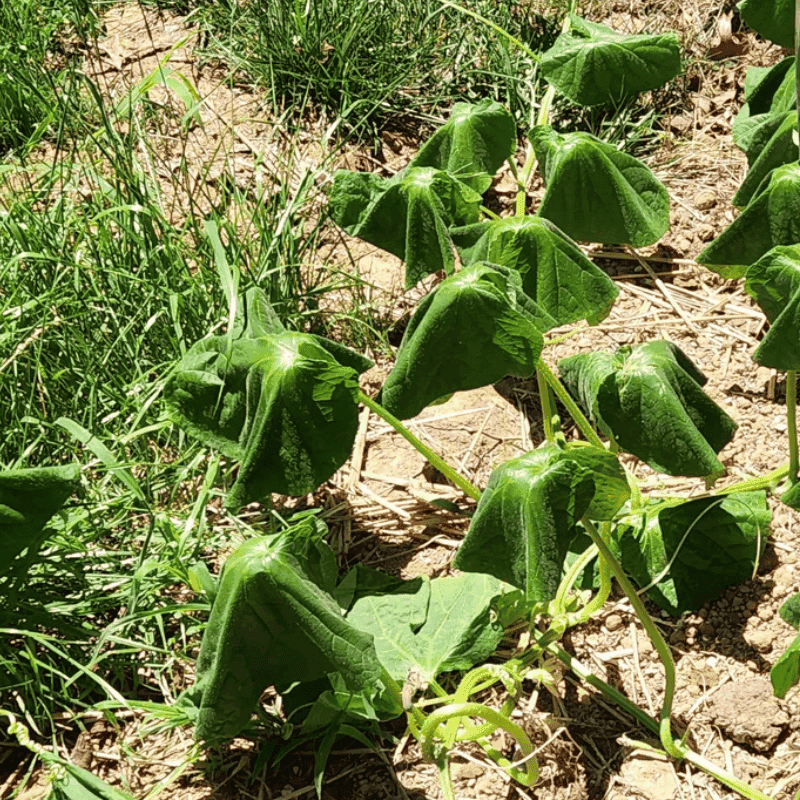
Ninety-five degrees and a dry breeze can be rough on even the toughest cucumber. During a heat wave, leaves may fade, curl, or scorch along the edges.
Dry soil makes it much worse.
Cold can cause trouble too. Chilly nights early in the season slow down how well roots take up nutrients, and leaves can yellow as a result.
For summer heat, keep watering steady and spread a few inches of straw or shredded leaves around the base. Mulch holds moisture and keeps roots cooler.
Shade cloth during the hottest afternoons can help as well.
For cold stress, patience is the fix. Wait to plant until nights stay above 50 degrees, and the plants usually bounce back as the weather warms.
9. Old Leaves Are Simply Retiring
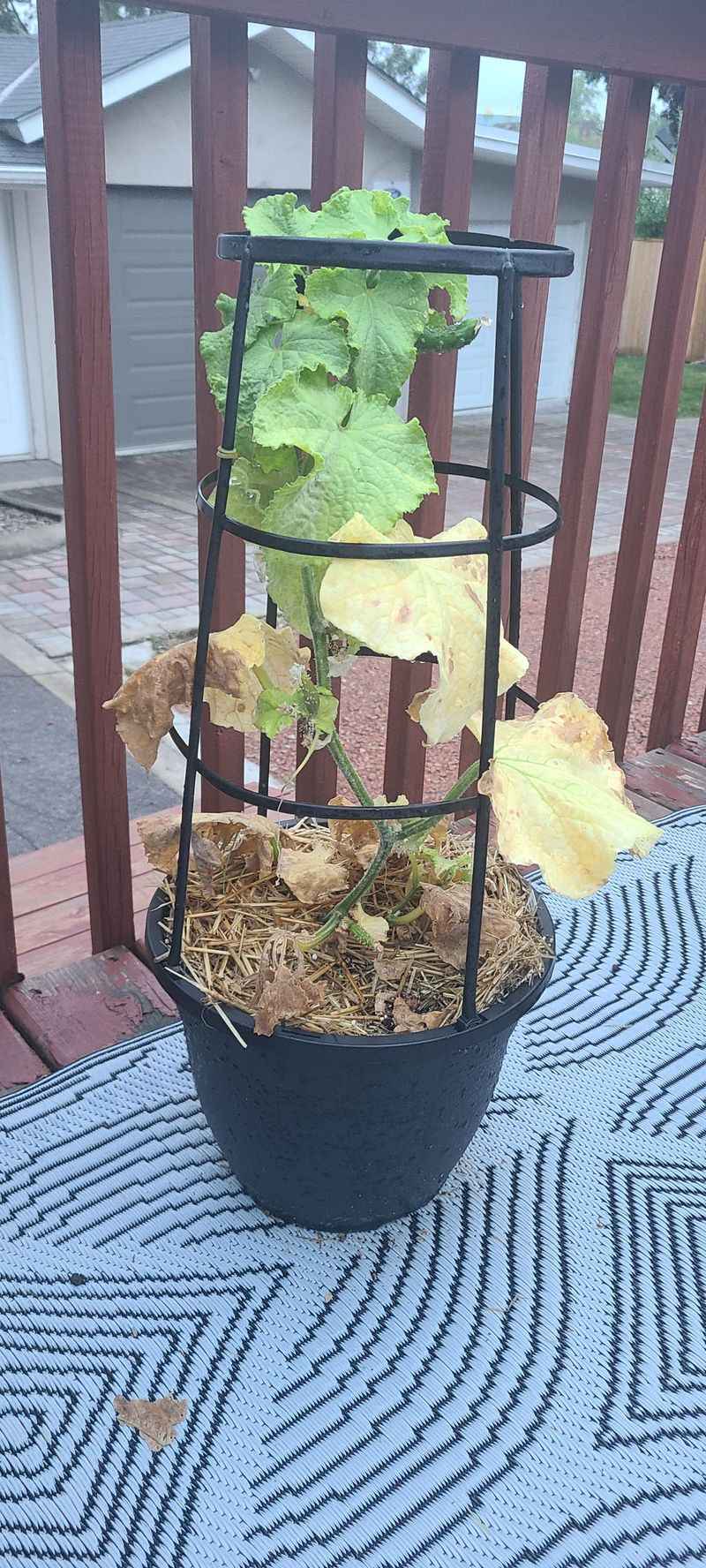
Take a breath, because sometimes yellow leaves mean nothing is wrong at all. As the season moves along, the oldest leaves near the base of the vine naturally wear out.
The plant shifts its energy to new growth and those crunchy cucumbers you are waiting for.
How do you know it is just aging? The yellowing stays at the bottom, the rest of the vine looks healthy, and fruit keeps forming.
Snip those tired leaves off with clean scissors. Removing them improves airflow and makes it easier to spot real problems later.
Then go enjoy a fresh cucumber, because your plant is doing just fine.