
Waiting Until Spring To Prune Your Hydrangeas? 11 Kinds That Bloom On Old Wood And Hate It
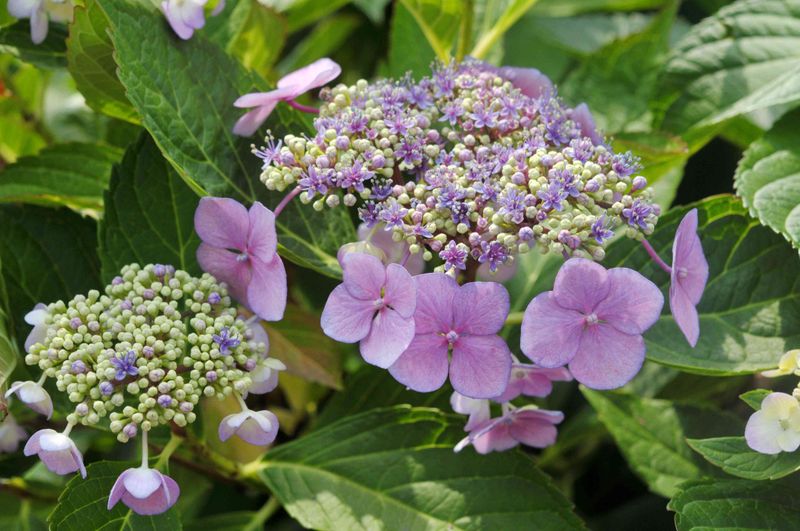
You cut your hydrangea back in early spring, it leafed out beautifully, and then summer came with barely a flower in sight. That heartbreak usually has a simple cause: many hydrangeas build next year’s flower buds on last year’s stems, called old wood.
Snip those stems in late winter or spring, and you snip off the blooms before they ever open. Here are 11 kinds that hate a spring haircut, plus what to do instead so your plant flowers like it should.
1. Bigleaf Mophead Hydrangea
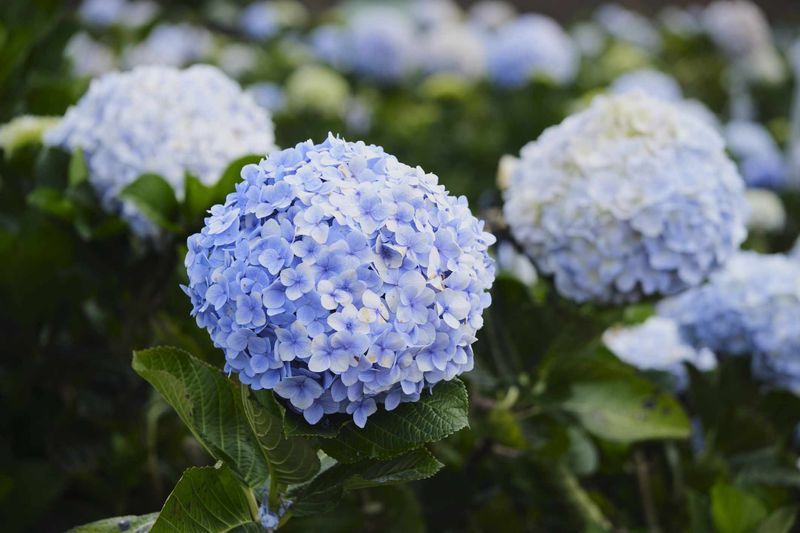
Picture those giant blue or pink snowballs in your grandmother’s yard. Those are mopheads, a form of Hydrangea macrophylla, and they are the number one victim of the spring pruning mistake.
Classic mopheads set their flower buds in late summer and fall at the tips of the stems. Those buds sit quietly through winter, waiting.
If you cut the stems back in March, the shrub will still grow lush green leaves, but the flowers are gone for the year.
The fix is easy. Prune lightly right after the blooms fade in summer, and no later than early August.
In spring, wait until leaves appear, then only remove stems that are clearly dead and brittle, cutting just above the first pair of plump, live buds.
2. Bigleaf Lacecap Hydrangea
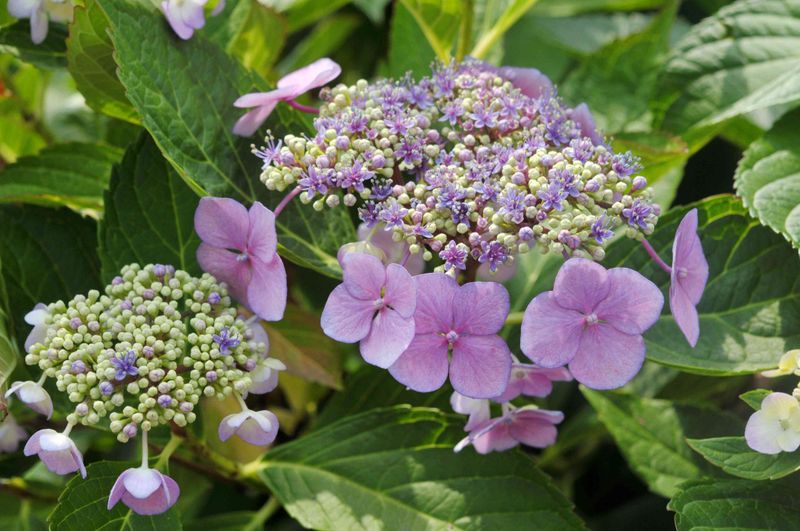
Lacecaps look like someone took a mophead and gave it a fancy doily makeover. The flat flower heads have tiny fertile blooms in the middle, framed by a ring of larger showy petals that pollinators love.
Underneath the different look, though, it is the same species as the mophead. That means the same rules apply: buds form on old wood, and spring pruning wipes them out.
A good habit is to deadhead lacecaps in summer by snipping the spent flower just above a healthy set of leaves. Otherwise, leave the framework alone.
If winter killed some tips, wait for green buds to show in spring so you know exactly where the living wood starts.
3. Oakleaf Hydrangea
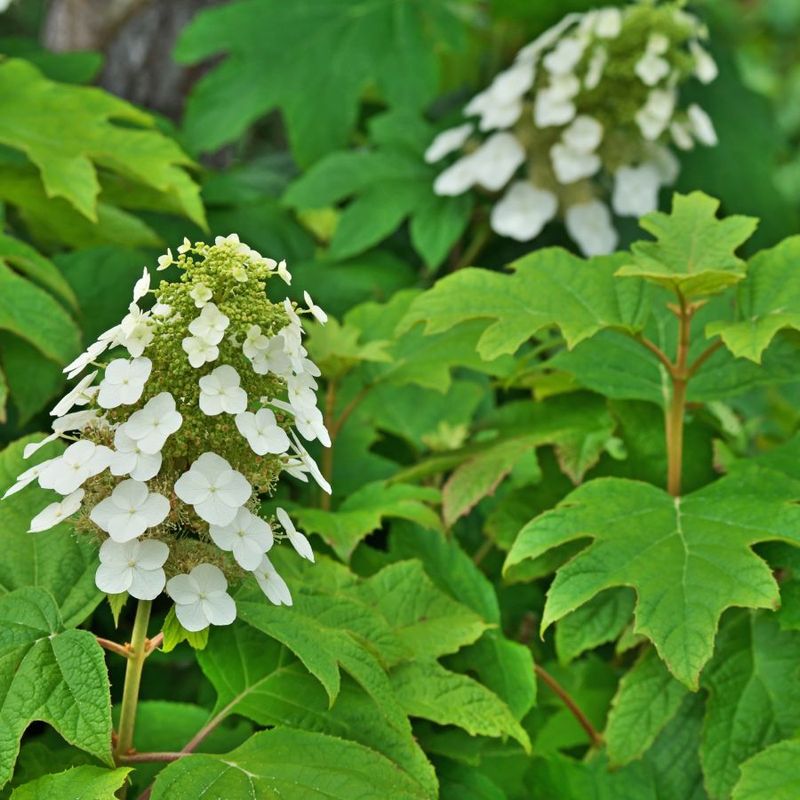
Native to the southeastern United States, the oakleaf hydrangea is the tough cousin of the family. Its leaves look like giant oak leaves and turn deep red and burgundy in fall, so it earns its spot all year.
Every single oakleaf hydrangea blooms on old wood. No exceptions.
Prune it hard in spring and you will trade those creamy cone-shaped flowers for a season of plain foliage.
Honestly, most oakleafs barely need pruning at all. If one is getting too wide for its space, trim it right after flowering in summer.
Bonus: the peeling cinnamon-colored bark looks lovely in winter, which is one more reason to leave the stems standing.
4. Mountain Hydrangea
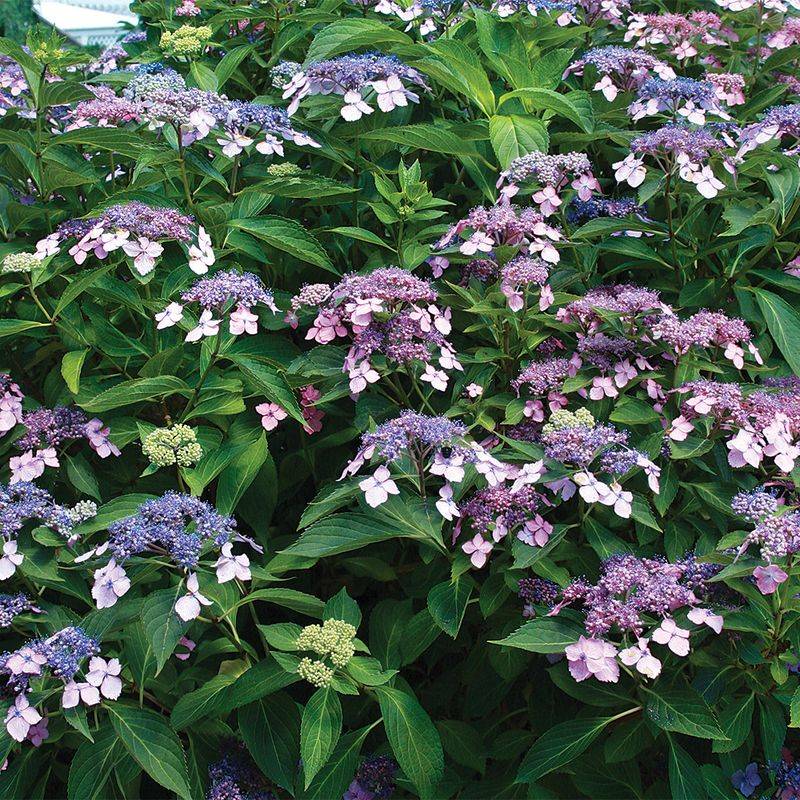
Small yard? Mountain hydrangea, or Hydrangea serrata, might be your new best friend.
It looks a lot like a lacecap but stays more compact, with smaller leaves and dainty flower heads.
It comes from the mountains of Japan and Korea, which helps explain why many types handle cold a bit better than bigleaf hydrangeas. Still, its flower buds form on old wood, so a spring trim costs you blooms.
Keep cuts to a minimum and do them right after flowering. Because these shrubs stay tidy on their own, the main job is simply removing dead twigs once spring growth shows you which ones are truly done.
5. Climbing Hydrangea
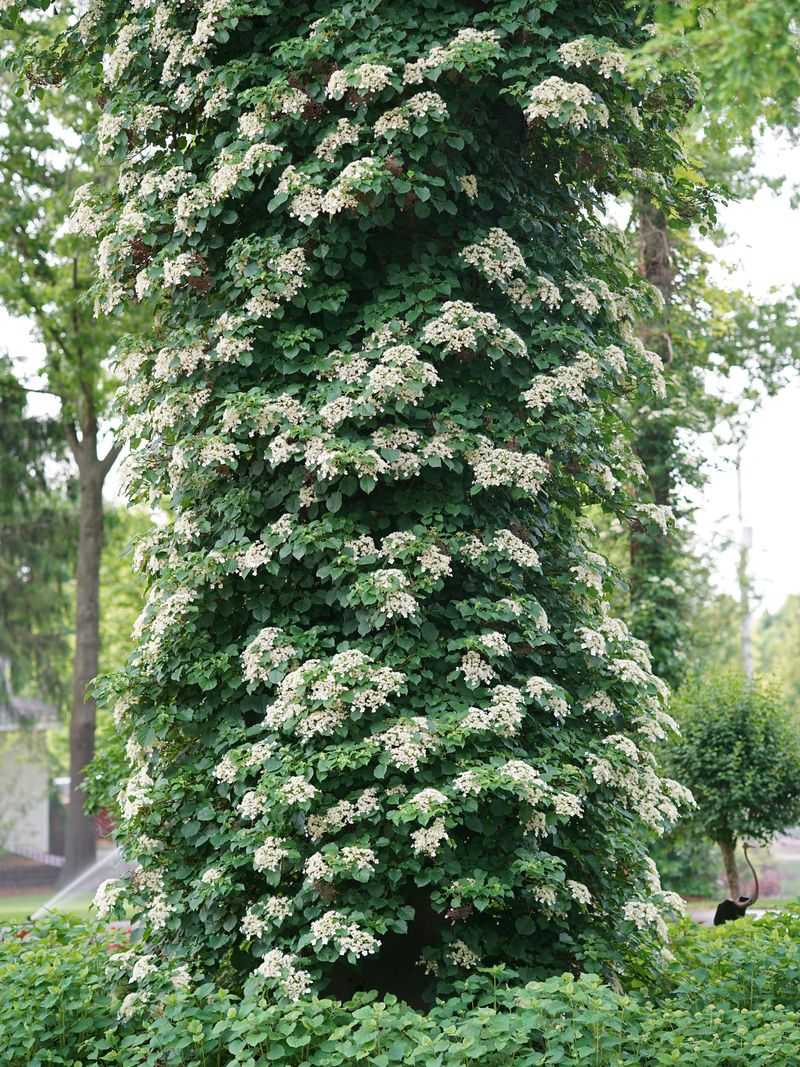
A climbing hydrangea can cover a brick wall, a fence, or a tall tree trunk with clouds of white lacy flowers. Fair warning: it is slow the first few years.
Gardeners like to say it sleeps, then creeps, then leaps.
Those flowers grow from side shoots on older stems. Hack the vine back in spring and you will cut away the very shoots that would have bloomed.
If it is wandering where you do not want it, trim stray stems right after flowering in summer. Leave the main woody framework alone.
Patience pays off here more than with almost any other hydrangea.
6. Gatsby Moon Oakleaf Hydrangea
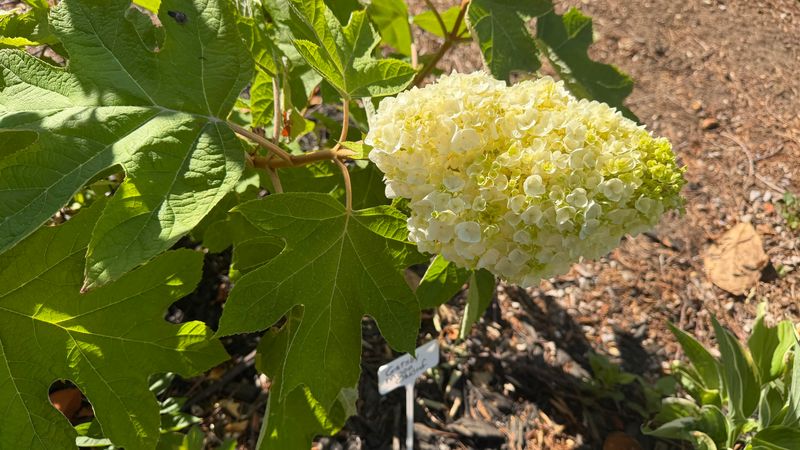
Gatsby Moon is a showstopper. This oakleaf variety has double flowers packed so tightly that the panicles look like big, full moons glowing in the garden.
Like its oakleaf relatives, it blooms only on old wood. One overeager spring cleanup can mean a whole summer without those moon-shaped blooms.
The best advice is simply to leave it alone. Pick a spot with room for it to grow to its mature size, so you are never tempted to chop it back.
If you must shape it, do so right after the flowers fade.
7. Cityline Mars Hydrangea
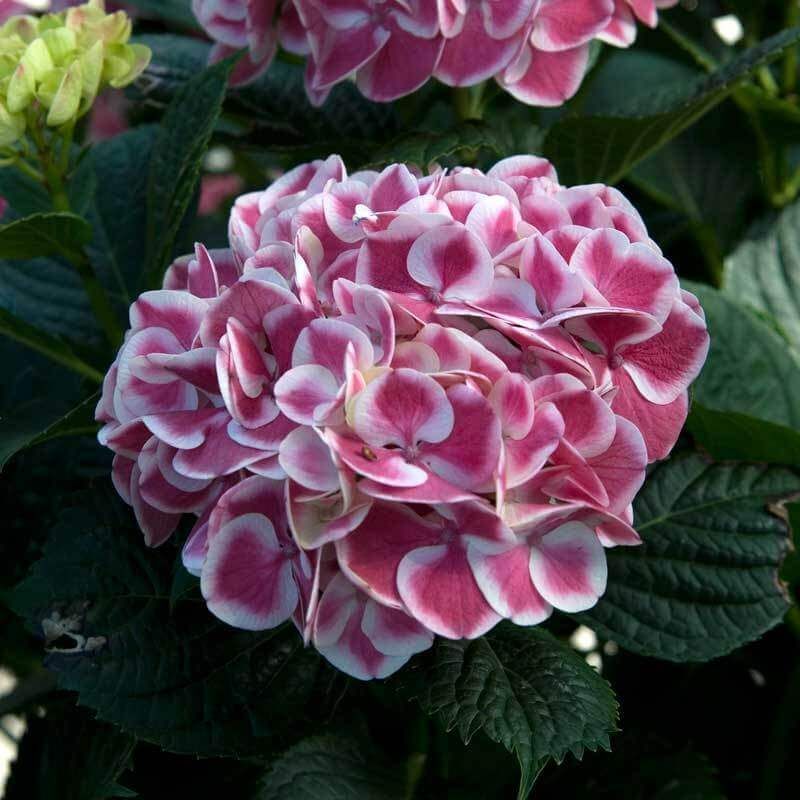
Ever seen a hydrangea flower with a white edge on each petal, like it was hand-painted? That is Cityline Mars, a compact bigleaf hydrangea that stays small enough for pots and front walkways.
Its petite size fools a lot of people. They figure a small shrub needs regular trimming to stay neat, so they cut it each spring.
That is exactly how the flowers vanish.
Cityline varieties were bred to stay short on their own, so you can skip pruning almost entirely. Just pull off dead stems once new leaves appear and enjoy the color.
8. Cityline Paris Hydrangea
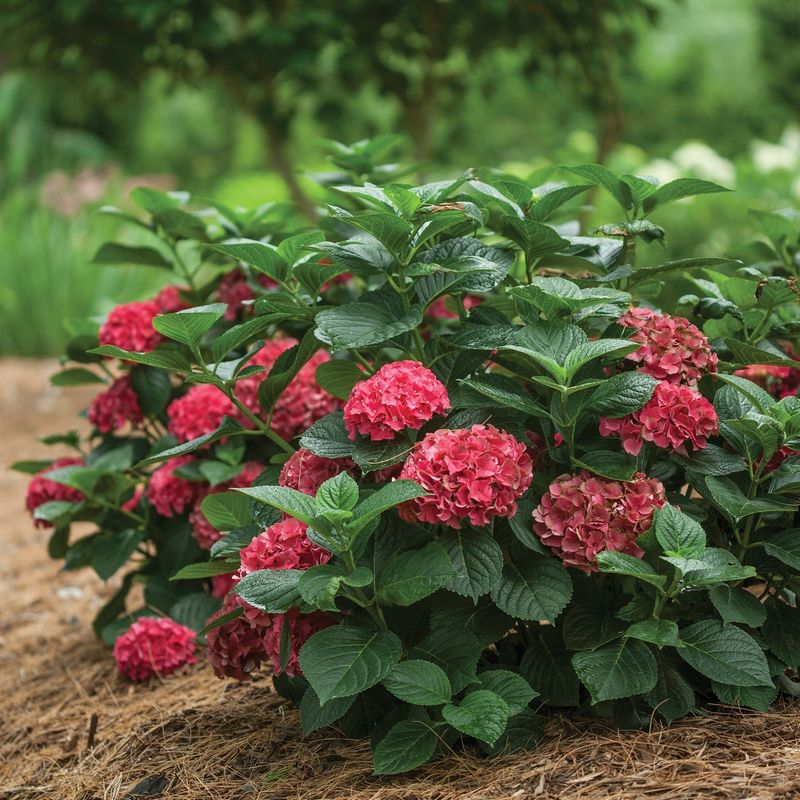
Hot pink with a stubborn streak. Cityline Paris shows off big fuchsia mophead blooms on a shrub that usually stays around one to three feet tall.
As a bigleaf hydrangea, it sets buds on old wood. A spring snip will leave you with a cute green mound and not much else.
One helpful trick: if you live in a colder area, a layer of mulch around the base in late fall may help protect stems and buds through winter. That way you keep more live wood, and more live wood means more flowers.
9. Cityline Rio Hydrangea
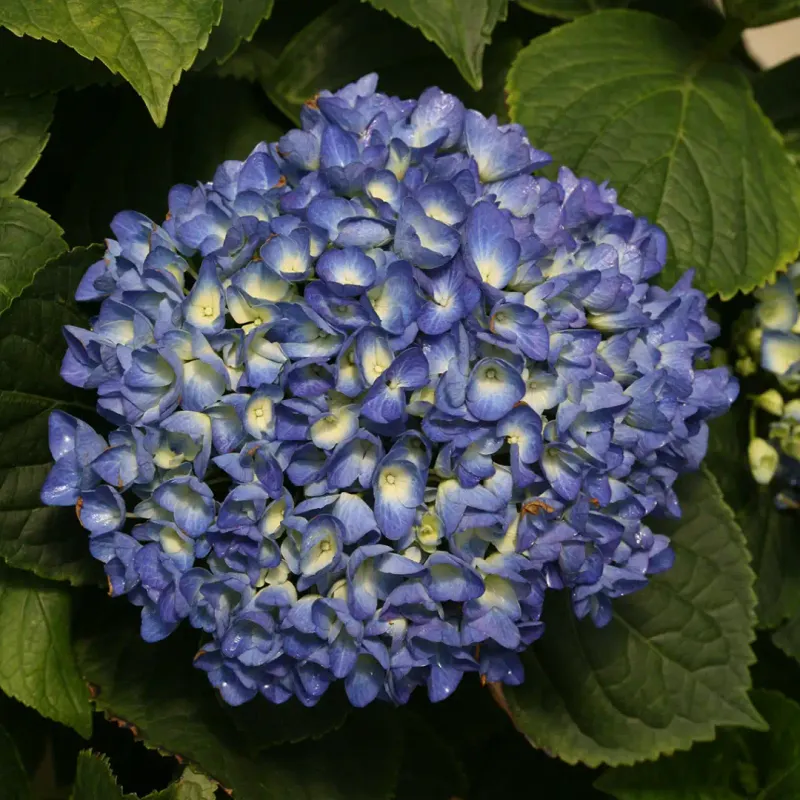
Cityline Rio has a fun detail: its rich blue flowers often have little green centers, like tiny eyes peeking out. In more alkaline soil, the color shifts toward purple or pink.
Here is the part that trips people up. Rio looks so neat and small that it seems harmless to tidy it up in spring.
But its buds are already waiting at the stem tips, and cutting them means no blooms.
Instead, enjoy the dried flower heads on the plant over winter. They add texture and may even give the buds a little shelter.
Remove old heads gently in spring, cutting just above the first healthy buds.
10. Cityline Venice Hydrangea
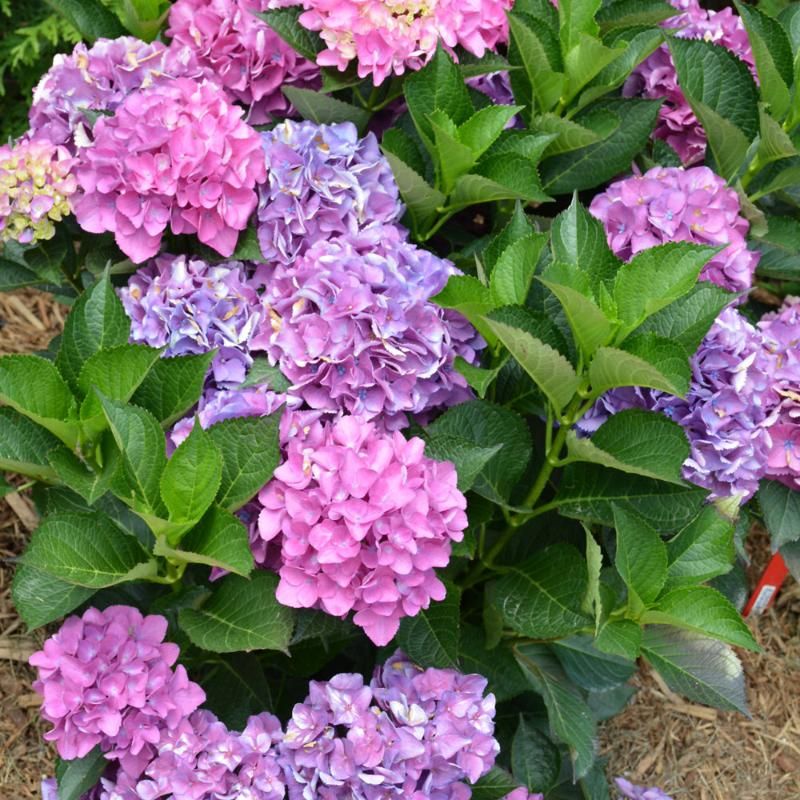
Raspberry-colored blooms on a pint-sized plant make Cityline Venice a favorite for container gardens. It shines on a deck or doorstep where people can see it up close.
Potted hydrangeas face extra winter risk because roots and stems get colder in a container. In chilly zones, move the pot to an unheated garage or sheltered spot so the old wood survives.
And when spring arrives, put the pruners down. Wait for the leaves, trim only obviously dead stems, and let the rest bloom.
Venice rewards a hands-off gardener.
11. Cascade Hydrangea Varieties
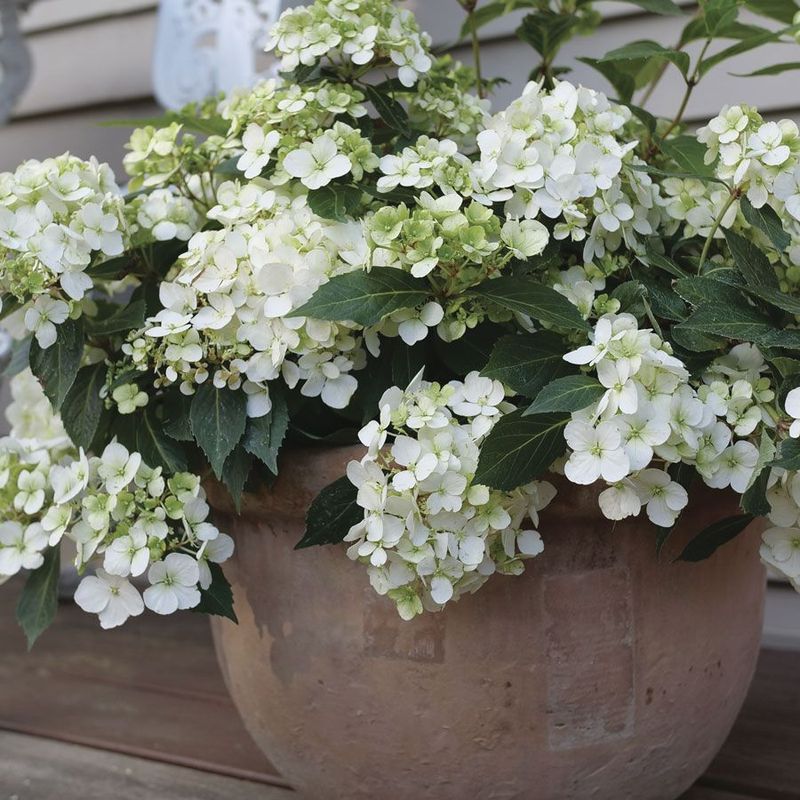
Cascade hydrangeas are known for flowers that drape and spill along arching stems, giving a soft, waterfall-like look. They are also noted for blooming only on old wood.
That makes them less forgiving than reblooming types, which can still flower on new growth. With Cascade varieties, any spring cut to healthy stems is a direct loss of flowers.
Treat them like the oakleaf: little to no pruning, and only right after bloom if needed. If you are not sure which hydrangea you own, check the plant tag or look it up before you grab the shears.
A two-minute check can save a whole season of flowers.