
A Red-Shouldered Hawk in Your North Carolina Backyard This Winter Shows Wildlife Is Using Your Area
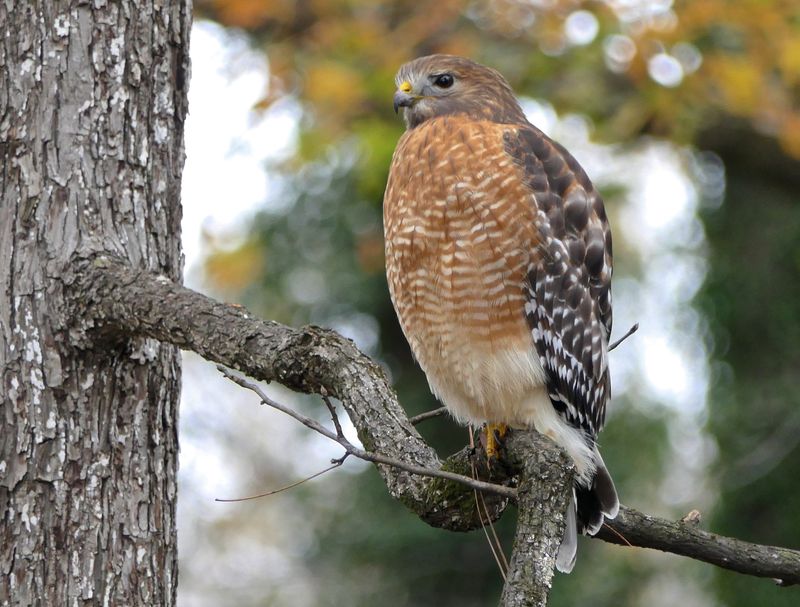
A big, brown-and-orange hawk sitting on a branch above your winter yard is hard to ignore. It is natural to wonder what it means.
A single sighting cannot grade your yard, but it does hint that the land around your home still works for wildlife. Here is what the hawk can tell you, what it cannot, and how to be a good neighbor to the wild animals nearby.
A Hawk Sighting Is a Clue, Not a Yard Health Test
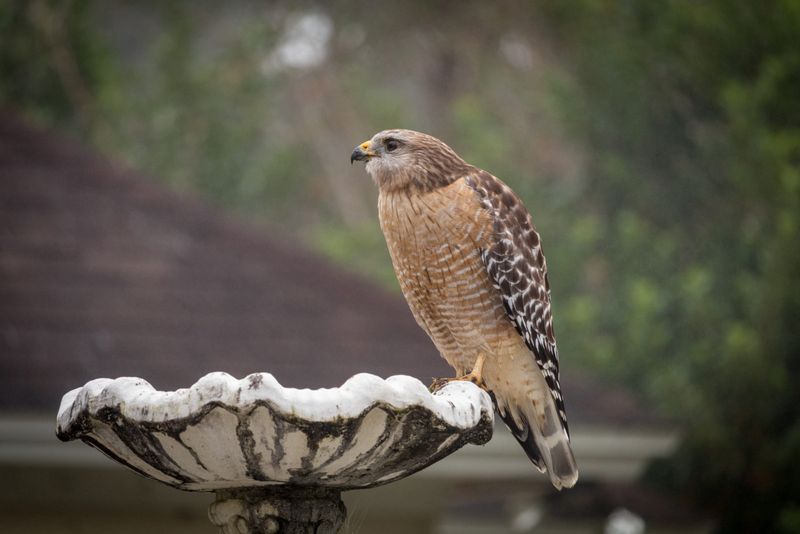
Few moments brighten a gray January morning like a red-shouldered hawk on a branch outside your window. Its rusty chest, black-and-white checkered wings, and loud, scream-like calls make it easy to spot.
Enjoy the moment, because it is a real treat.
Still, a perched hawk does not give your yard a report card. One sighting cannot tell you how healthy your soil is, how clean your water is, or how many kinds of plants and animals live on your lot.
What it does show is that the bird is using the area around your home, at least for a few minutes.
That is still good news. According to NC Wildlife, these hawks live throughout the state and can be found in towns and suburbs, especially where mature woods and water are close by.
So a visit may be consistent with suitable habitat and prey somewhere nearby. It does not prove that the hawk hunted in your yard or that any particular animal lives there.
Red-shouldered hawks often hunt from perches, as described in the state wildlife profile. A branch over your lawn may simply be a handy lookout.
Think of the sighting as a clue that invites you to look at the bigger landscape, such as the woods, creek, or neighbors’ yards around you, instead of a verdict on your own property.
Red-Shouldered Hawks Use North Carolina’s Broader Landscape
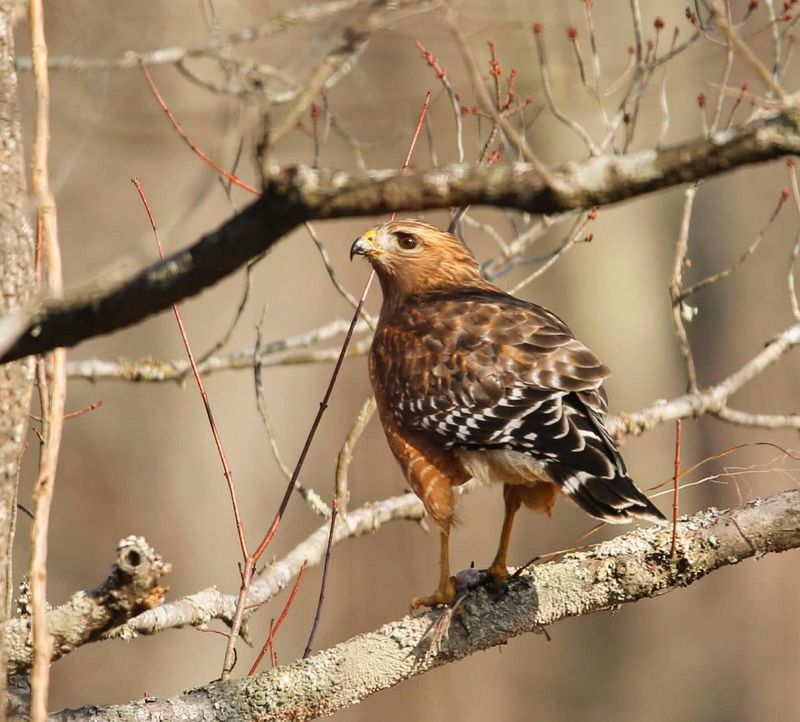
From the mountains to the coast, red-shouldered hawks show up all over North Carolina. NC Wildlife notes they can live in towns and suburbs, particularly where mature forests, streams, rivers, or swamps are nearby.
A neighborhood with a wooded creek bank can suit them well.
Winter does not tell you much about where a particular bird came from. The state’s wildlife profile explains that the species nests, overwinters, and migrates in North Carolina.
Some hawks stay year-round, while others move through or arrive for the season. The one on your fence could be a lifelong local or a traveler, and you cannot tell by looking.
Habitat does not stop at a property line. A hawk may use a wooded lot behind your house, a strip of trees along a greenway, or a swampy bottomland a few streets over, and then rest in your tall pine on the way.
Nobody can say exactly how far a single bird ranges, so avoid guessing at a neat hunting circle around your home.
A practical way to use this idea is to take a short walk around your block. Note where mature trees, creeks, ditches, and wet spots sit.
Those features may be part of what draws a hawk to your area, and your yard is one small piece of that larger puzzle.
Possible Prey Does Not Reveal What Lives in Your Yard
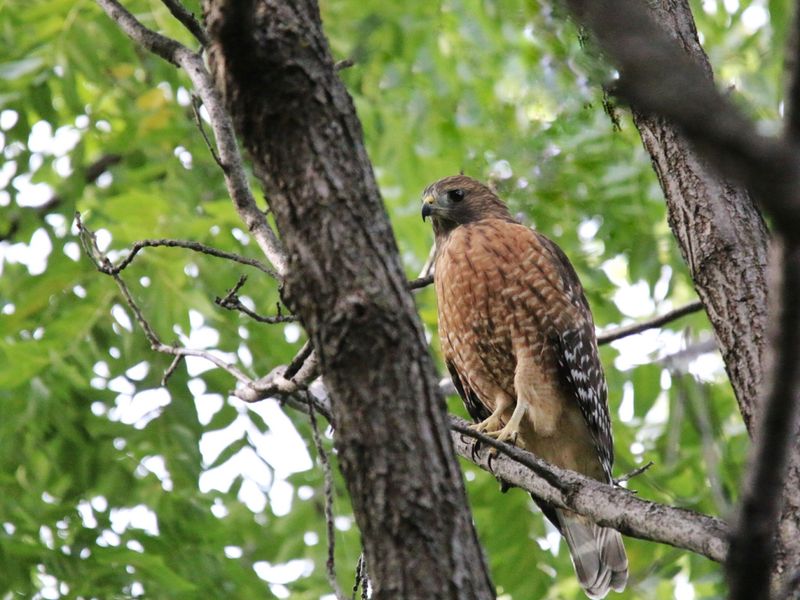
Ask what a red-shouldered hawk eats, and the answer is a long list. The NC Wildlife profile names small mammals, frogs, snakes, and grasshoppers among its prey.
The Cornell Lab of Ornithology adds animals such as voles, chipmunks, toads, and crayfish, plus an occasional bird.
Treat that list as possibilities. Diet varies by place, season, and even by individual bird, and not every hawk eats every animal named.
In cold months, frogs and snakes are often less active, so a winter hawk may rely on other food.
It is tempting to read the list backward and decide your yard must hold voles, snakes, and frogs because a hawk showed up. That leap does not hold up.
The bird may have hunted in the woods next door, along a creek, or across the road, and simply stopped on your tree to rest or scan.
If you are curious about what your own yard supports, gather your own evidence over time. Watch for toads under porch lights in warm months, look for frog calls near damp spots, and notice which birds visit your feeders.
Those observations tell you far more about your property than one hawk on one branch ever could.
Make Your Yard More Useful to Wildlife
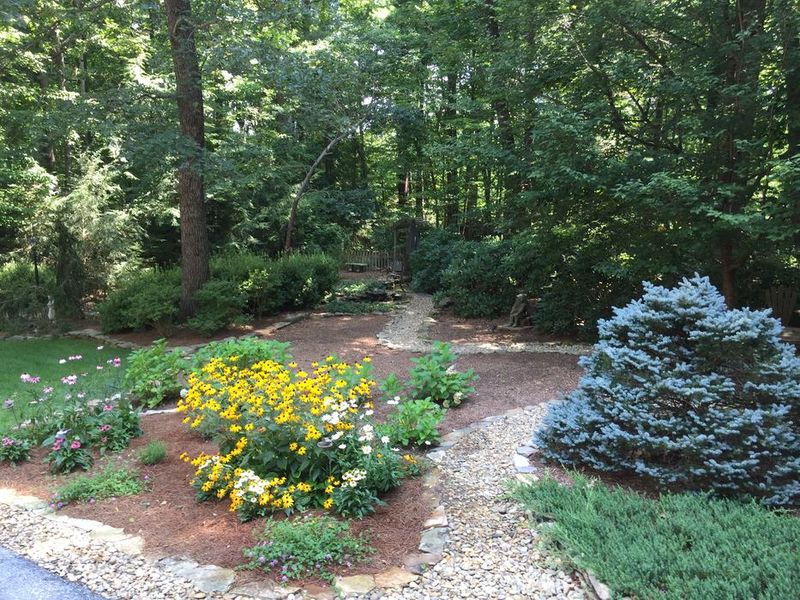
You cannot order a hawk to visit, but you can make your lot a better place for many kinds of wildlife. Start with what you already have.
NC Wildlife points out that mature trees and streamside or wetland habitat matter for red-shouldered hawks, so keep healthy older trees and any natural creek bank or wet area where it is safe to do so (NC Wildlife).
Next, shrink the lawn a little. The state’s suburban backyard guidance encourages replacing some turf with a variety of plants.
Even a modest bed along a fence line counts.
Choose North Carolina natives where you can. NC State Extension explains that native vegetation can provide food and cover for wildlife.
Mixing trees, shrubs, and flowering perennials gives more layers for insects, birds, and small animals. Check with your local extension office for plants that fit your region, whether Piedmont clay, coastal sand, or mountain slopes.
Finally, cut back on pesticides you do not truly need. Spot-treat a problem instead of spraying the whole yard.
These steps help wildlife in general, with no promise that a hawk will come or stay. Winter is a great time to sketch out a plan, then plant during fall or early spring.
Keep Rodent Control Safer for Predators
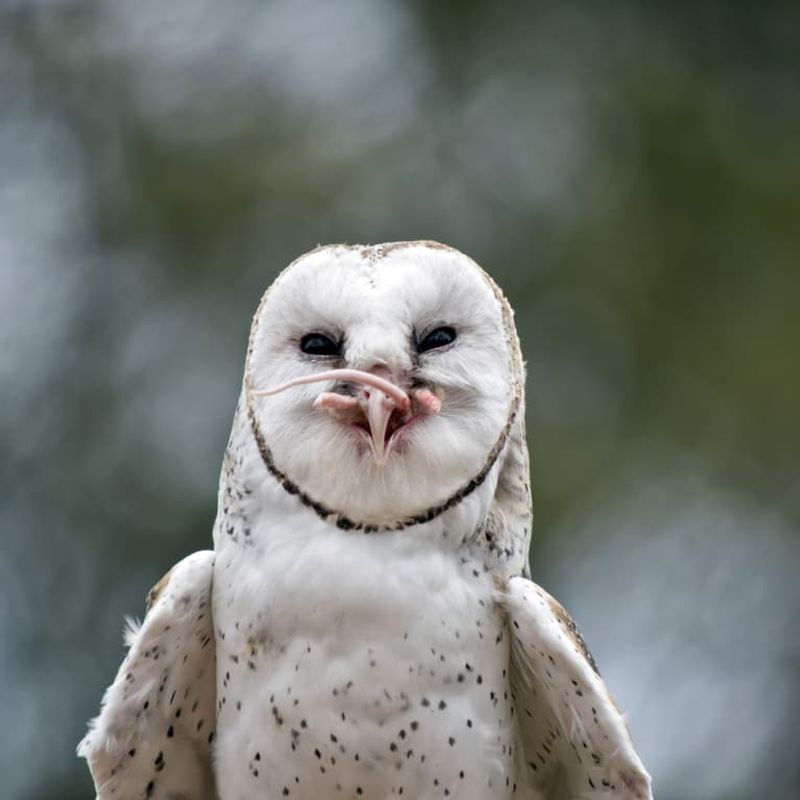
Mice and rats are a real headache, and reaching for poison feels like a quick fix. The trouble is what happens next.
Poisoned rodents can be eaten by predators, which exposes hawks, owls, and other animals to secondary poisoning, as the National Pesticide Information Center explains.
For that reason, avoid outdoor rodenticides where possible. Seeing a hawk does not mean poison is being used near you.
It is simply a good reminder that what goes into the food chain can travel up it.
The same fact sheet points to integrated pest management instead. Start by blocking entry points.
Look around the foundation, garage door edges, vents, and where pipes enter the house, then seal gaps with sturdy materials like metal mesh or caulk.
Then remove what draws rodents in. Store birdseed and pet food in tight metal or hard plastic bins, clean up spilled seed under feeders, and fix leaky hoses or standing water.
Keep trash cans lidded.
These steps will not guarantee that rodents disappear. If you have a serious problem, a pest professional who uses non-poison methods can help.
Choosing safer options protects the wildlife you enjoy watching.
Enjoy the Sighting Without Disturbing the Hawk
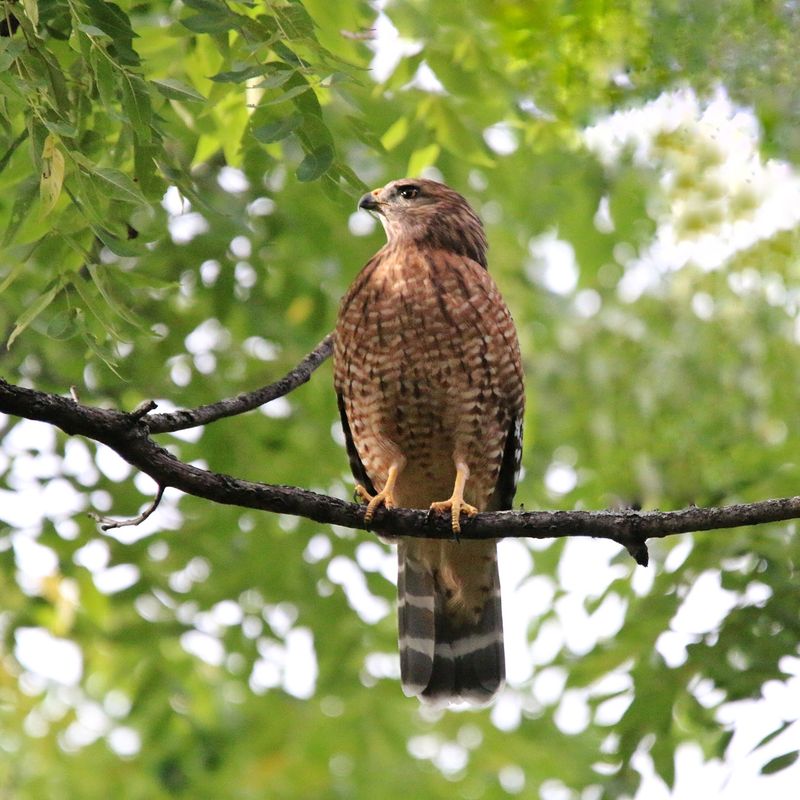
The best way to enjoy a hawk is from a distance. Watch through a window or with binoculars, keep voices and movements calm, and never walk up to the bird.
Do not feed it, try to touch it, or toss food into the yard to hold its attention.
Native hawks are protected, and NC Wildlife notes that active nests may not be harmed. If you spot a nest of sticks high in a tree, leave it alone and keep pets and children well back.
Trimming or removing a tree with an active nest is not allowed.
Sometimes a hawk looks hurt. Signs can include a drooping wing, sitting on the ground and unable to fly, or visible wounds.
Do not try to catch or handle it. Instead, call a licensed raptor rehabilitator and describe what you see.
They know how to help safely.
A hawk that simply sits still on a branch is usually fine. Hunters often wait quietly for long stretches, so patience is part of the show.
Remember what the visit means: wildlife is using the landscape around you. A perched hawk is a gift, not a grade.