
Your Fig Tree Dropped Its Last Fruit, But These 11 Fall Jobs Decide Next Year’s Harvest
The last fig is gone, the leaves are turning yellow, and your tree looks like it is done for the year. It is not done, though, because the work you do this fall decides how many figs you pick next summer.
A fig tree that gets frozen, overfed, or soggy in winter can lose the very branches that would have carried fruit. Here are 11 simple fall jobs that help your fig wake up strong in spring.
1. Remove Remaining Fruit and Leaves
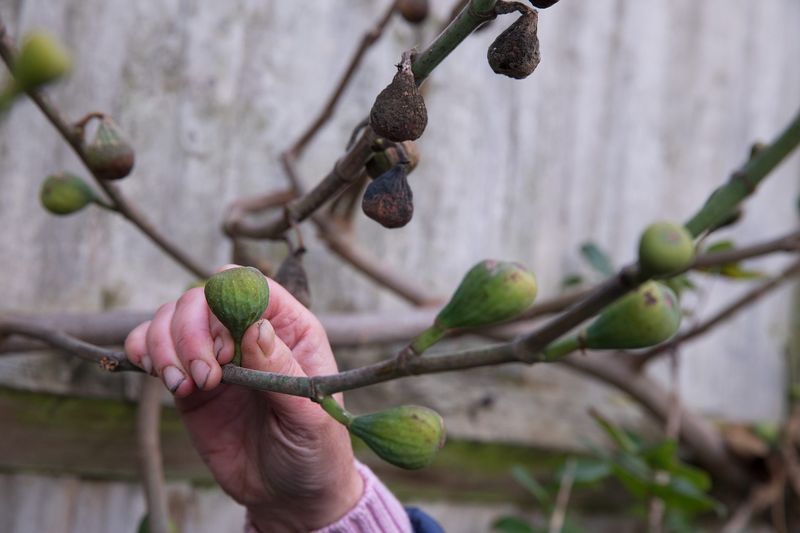
Those little green figs still hanging on after the first hard frost will never ripen. They just sit there, turn mushy, and give pests a cozy winter home.
Picking them off now is one of the quickest wins on this list.
Wait until a hard frost has hit, then strip away any leftover fruit and the leaves still clinging to the branches. Most leaves will fall on their own, but a few stubborn ones can hold moisture against the bark.
Removing them helps the tree slip fully into dormancy.
Toss the fruit and leaves in the trash or a hot compost pile rather than leaving them on the ground. Fungus spores and insect eggs can ride out the winter on that old material.
A clean tree going into the cold is a healthier tree coming out of it.
2. Inspect and Prune Diseased or Damaged Branches
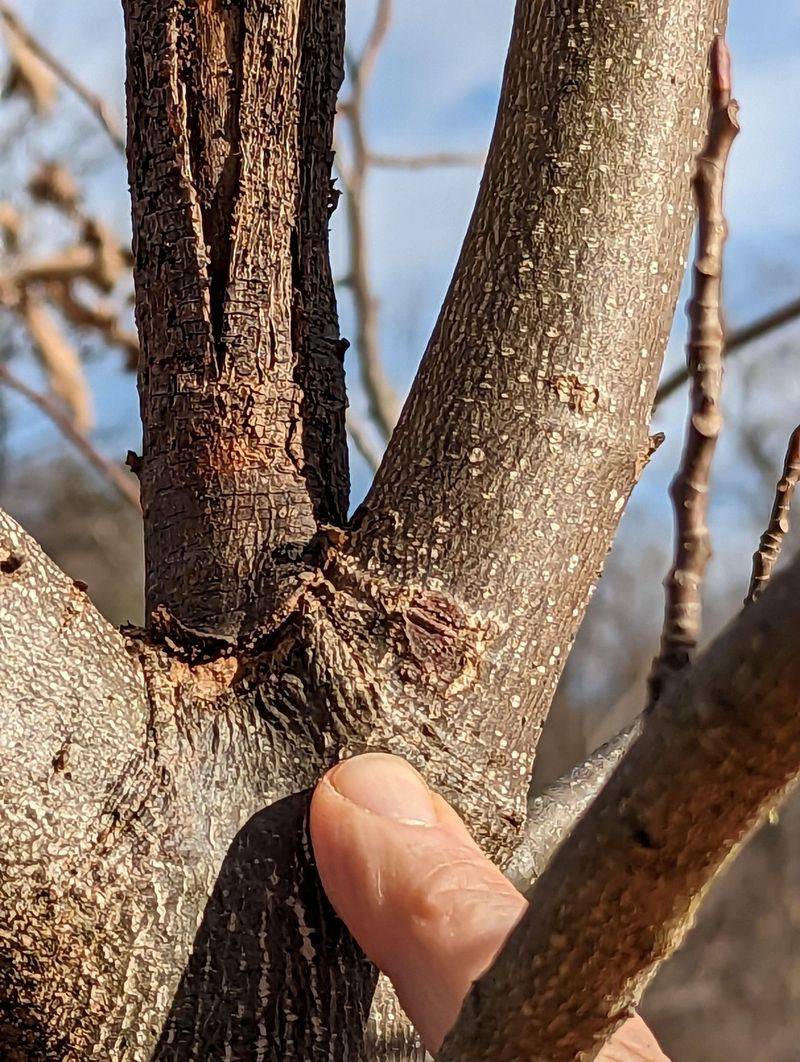
Walk around your fig with fresh eyes and you might spot trouble you missed all summer. Look for branches that are cracked, blackened, peeling, or brittle when you bend them.
Dead wood snaps easily and shows brown or gray inside instead of green.
Cut those problem branches back to healthy wood using clean, sharp pruners. Wiping the blades with rubbing alcohol between cuts can reduce the chance of spreading disease from one branch to another.
Sick limbs only steal energy the tree could use for new growth.
Keep this step focused on the clearly bad stuff. You are not reshaping the tree here, just removing the parts that are already lost.
Think of it as a quick health check before winter.
3. Perform Selective Structural Pruning
Picture two branches rubbing together all winter in the wind. Over time, they scrape off bark and open wounds that invite rot.
A few smart cuts now prevent that slow damage.
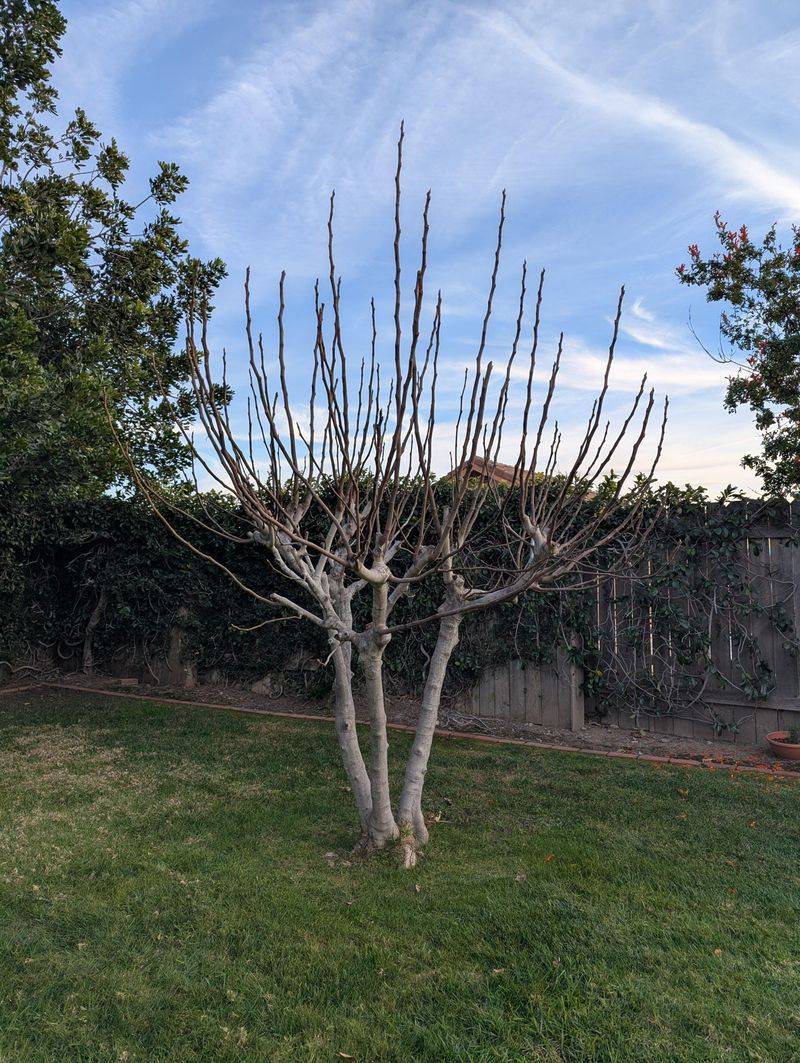
Thin out branches that cross each other or grow toward the center of the tree. Opening the middle lets more sunlight and air reach next year’s fruiting wood.
Better airflow can also lower the risk of leaf diseases in humid summers.
You can shorten extra-long branches that might snap under snow or ice. Go easy, though, because many fig varieties produce an early crop called the breba crop on last year’s wood.
Cut too hard and you may trim away some of next summer’s first figs.
Save any heavy reshaping for late winter, just before buds swell. Fall pruning should be light and tidy, not dramatic.
4. Discontinue Fertilization
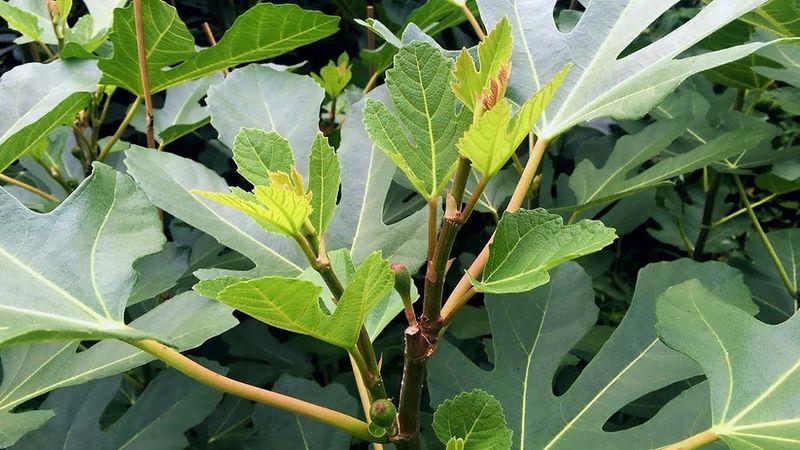
Feeding your fig in fall feels kind, but it can backfire badly. Fertilizer tells the tree to push out soft new shoots.
Those tender shoots will not have time to toughen up before frost, and they often die back first.
Plan to stop all feeding by late August or early September. That gives the tree time to slow down, harden its wood, and get ready for its winter rest.
A fig that winds down on schedule handles cold much better.
Here is the good news: this job asks you to do less, not more. Put the fertilizer bag away and pick it back up in spring when new leaves appear.
5. Adjust Watering for Dormancy
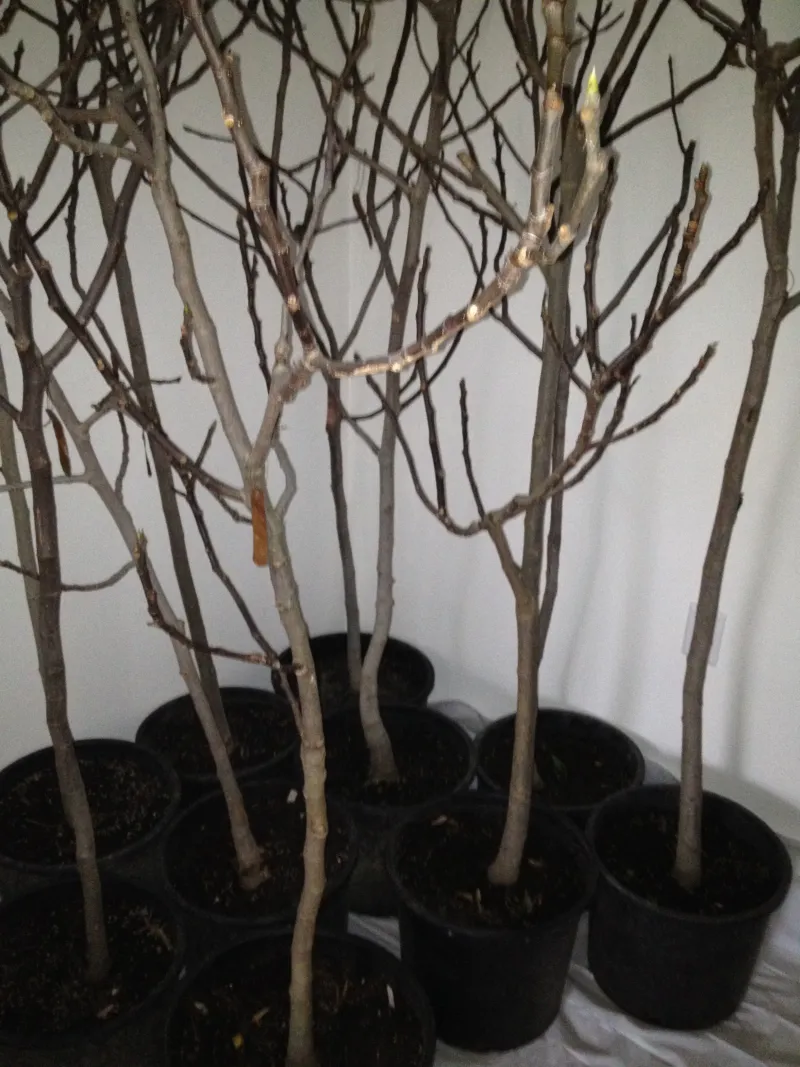
Overwatering is one of the sneakiest ways to lose a fig in winter. A dormant tree with no leaves uses very little water.
Wet, cold soil can lead to root rot before you notice anything wrong.
For in-ground figs, ease off as the leaves drop. Most will not need extra water in late fall unless your area is having an unusually dry stretch.
Rain and snow usually cover it.
Potted figs need a little more attention. Water about once a month, just enough to keep the soil from drying out completely.
Stick a finger in the soil first, and if it feels damp, skip it.
6. Apply a Thick Layer of Mulch

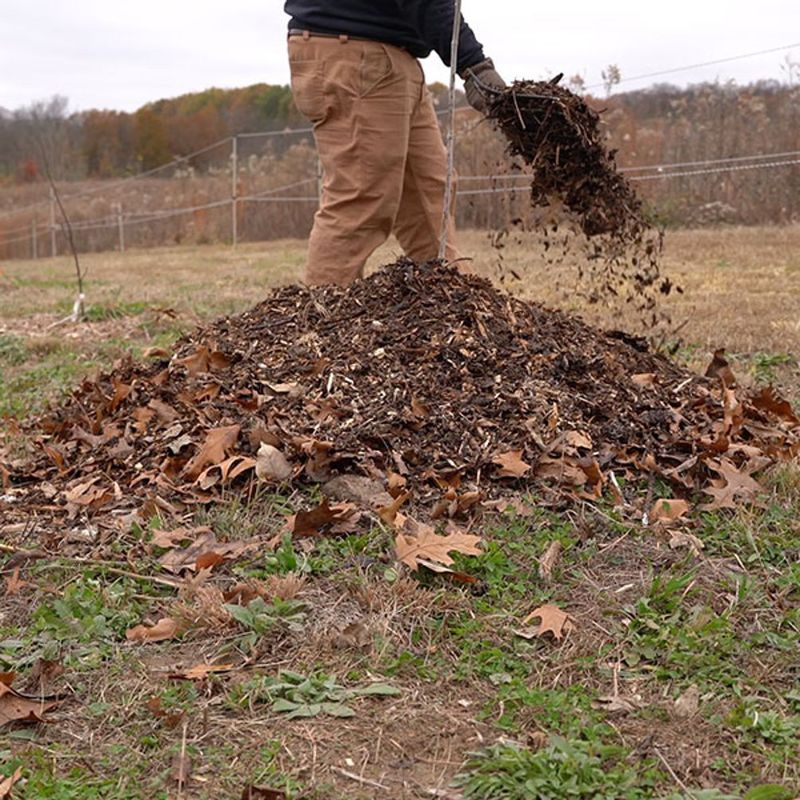
Fig roots stay fairly shallow, which makes them easy targets when the ground freezes and thaws over and over. A deep blanket of mulch acts like a winter coat for the soil.
Even if the top of the tree gets nipped, protected roots can often send up new growth.
Spread 6 to 12 inches of straw, shredded leaves, or compost around the base. In very cold areas, go even deeper.
Keep the mulch a few inches away from the trunk so the bark does not stay wet and start to rot.
Fun fact: many old figs in colder parts of the US survive mainly because their roots were well insulated, even when the branches froze to the ground.
7. Clean Up Fallen Debris
Rotting figs on the ground are basically a free motel for bugs and fungus. Beetles, fruit flies, and leaf diseases love to wait out winter in that mess.
Next spring, they move right back up into your tree.
Grab a rake and clear away fallen leaves, dropped fruit, and old twigs from under the canopy. Do this before you lay down fresh mulch so you are not burying problems.
It only takes a few minutes for most backyard trees.
Bag up anything that looked spotted or moldy. Healthy leaves can go in the compost if you like.
8. Prepare Containerized Fig Trees for Winter Storage
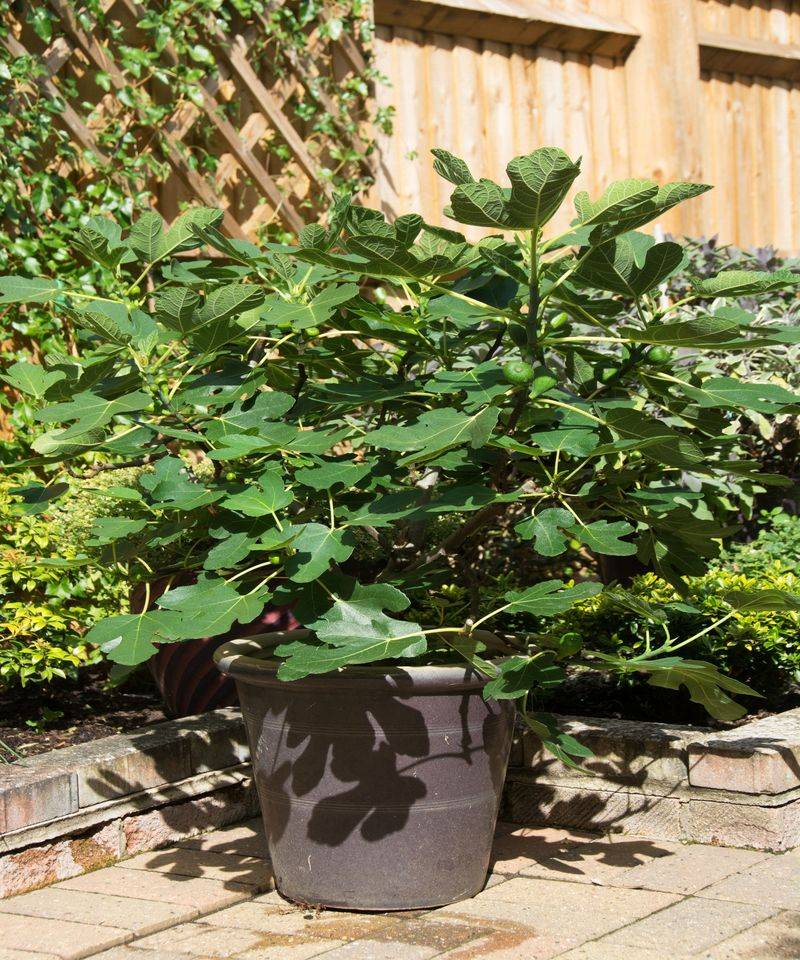
Got a fig in a pot? You have the easiest winter plan of anyone.
Potted roots sit above ground, so they freeze much faster than roots tucked in the earth.
After a hard frost knocks the leaves off, move the pot into an unheated garage, shed, or cool basement. The goal is cold but not frozen solid, and a dark spot works fine since the tree is asleep.
Avoid a warm living room, which can trick it into waking too early.
If your storage space gets really cold, wrap the pot in old blankets or insulation. Check the soil once a month and add a splash of water if it is bone dry.
Roll it back outside in spring once hard freezes have passed.
9. Bundle and Wrap In-Ground Fig Branches
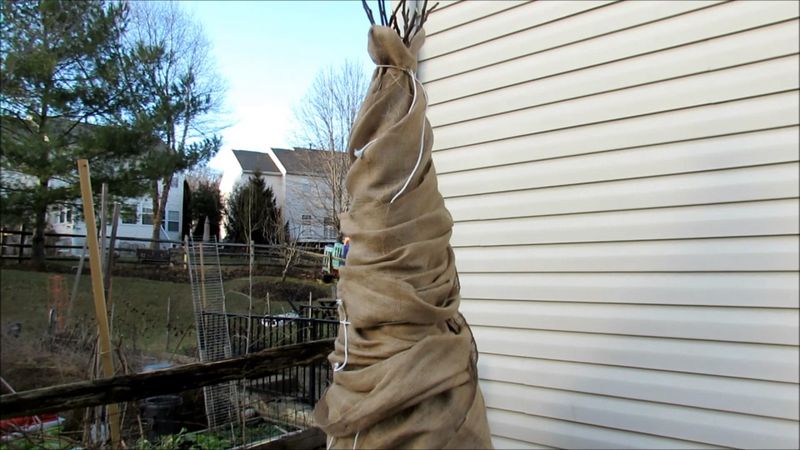
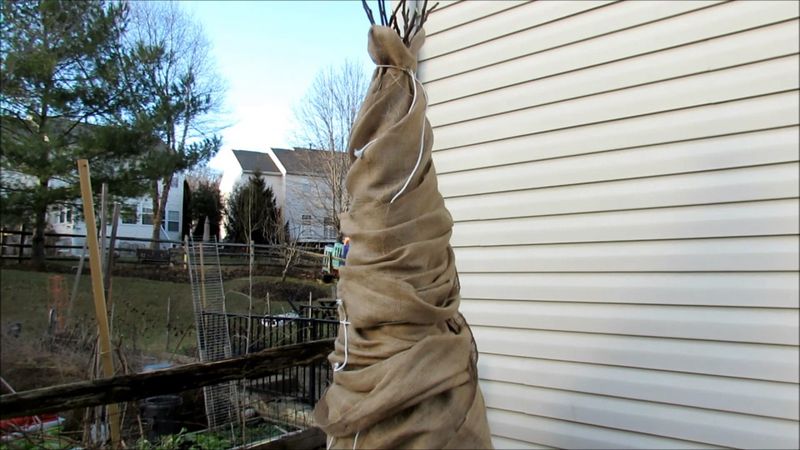
Gardeners in chilly regions have been wrapping figs for generations, and some neighborhoods still show off their burlap-bundled trees every November. It looks odd, but it works.
Wrapping shields branches from drying winds and harsh cold.
Start by gently pulling the branches together and tying them with soft twine. Do not force them, since figs can crack if bent too hard.
Then wrap the bundle in burlap, frost cloth, or old blankets.
Skip the plastic. It traps moisture against the bark and can lead to mildew or rot.
Breathable fabric keeps the tree protected while still letting it breathe.
10. Build a Protective Cage for In-Ground Figs
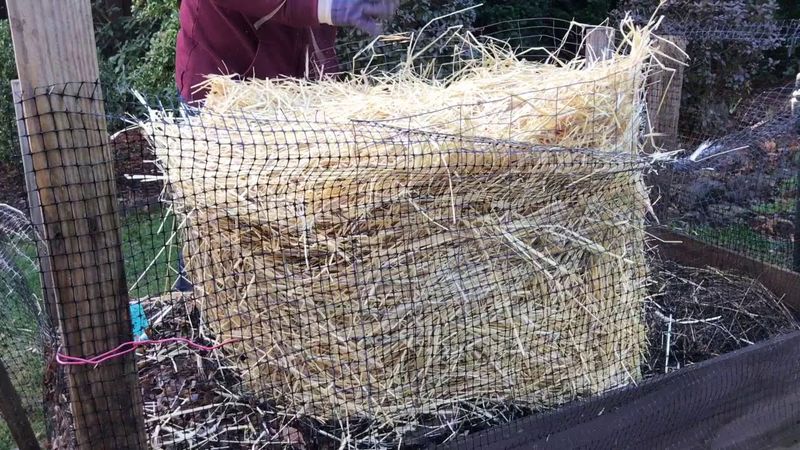
If your winters drop well below freezing, a wrap alone may not be enough. Building a cage adds a serious layer of insulation.
Think of it as a sleeping bag over a jacket.
Set stakes or a ring of chicken wire around the wrapped branches. Loosely fill the space with dry straw or shredded leaves, since packed material holds water.
Loose stuffing traps air, and trapped air is what keeps the cold out.
Cover the top with tar paper or another waterproof layer, and cap it with an upturned bucket to shed rain. Leave a little room for air to move so moisture does not build up inside.
Unwrap gradually in spring once the worst cold is behind you.
11. Consider Root Pruning for Potted Figs (Every 3-4 Years)
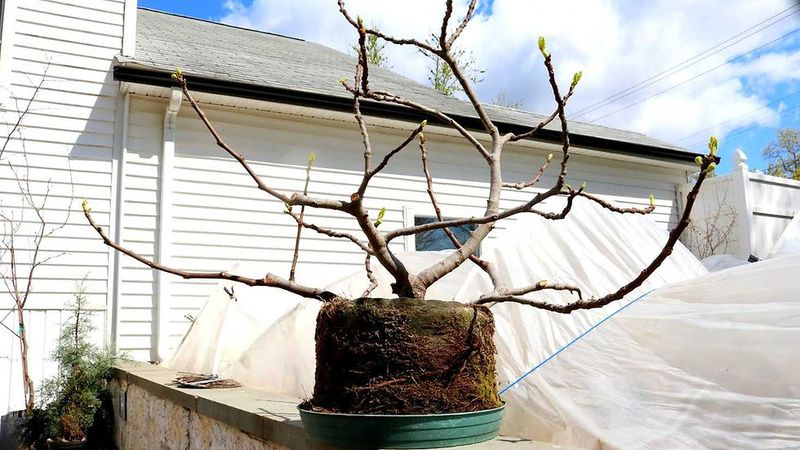
Has your potted fig been giving fewer figs each year, even with good care? Crowded roots might be the reason.
After a few years, roots circle the pot and stop taking up food and water well.
Every 3 to 4 years, after the leaves drop in fall, slide the tree out of its pot. Trim about a quarter of the root ball from the sides and bottom with a clean saw or sharp knife.
Then repot it in the same container with fresh potting mix.
It sounds harsh, but the tree responds by growing new feeder roots. Those fresh roots can boost vigor and fruit for seasons to come.
Water it lightly after repotting, then store it for winter as usual.