
A Black Walnut Near Your Tomato Bed May Be a Concern, but It Does Not Prove Juglone Is Harming Your Plants
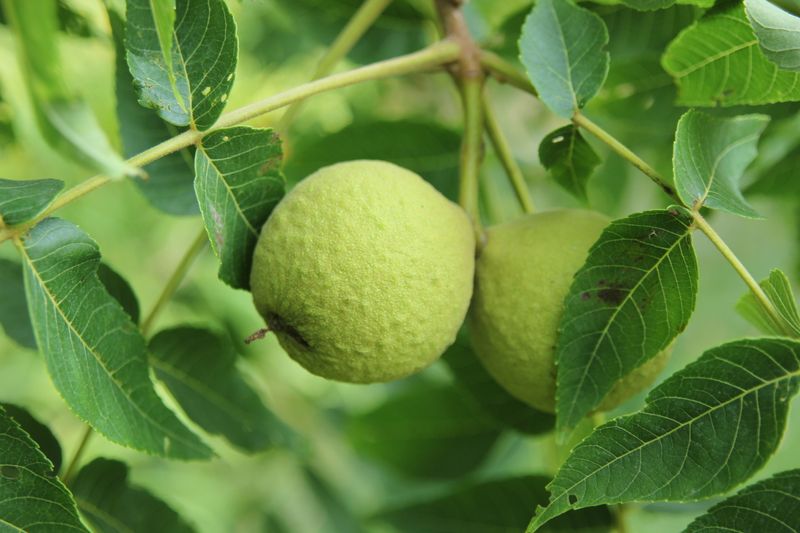
Your tomato plants are wilting, and a big black walnut tree stands nearby. It is natural to wonder if the tree is to blame.
Walnuts make a natural chemical called juglone that can bother some plants, but a tree close by does not prove it is hurting your garden. Here is how to sort out the real cause and plan a stronger bed for next year.
A nearby walnut is a clue, not a diagnosis
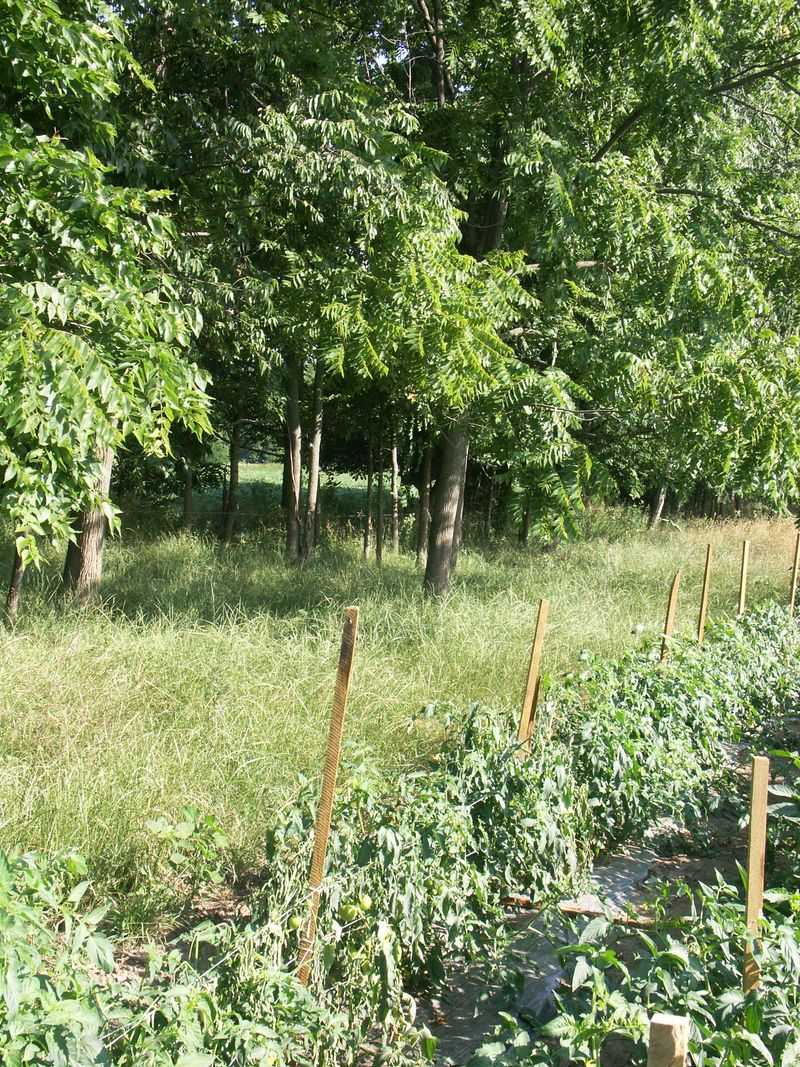
Seeing droopy tomatoes with a walnut tree nearby makes the tree an easy suspect. Your worry is reasonable, and it is worth a closer look.
But a tree in the neighborhood of your bed does not prove it caused the trouble.
Black walnut trees do make juglone, and tomatoes, peppers, eggplant, and potatoes often show up on lists of plants that may be sensitive to it. Still, Iowa State Extension says there is little research showing a consistent effect in ordinary garden soils.
It also points out that shade and dry soil can cause very similar poor growth.
Juglone has been found in soil under walnut trees, as a peer-reviewed soil study showed. That finding is useful background, but it does not tell you what is happening to the tomatoes in your own yard.
So treat the walnut as a clue worth following. In the sections ahead, you will see why distance and symptoms cannot settle the question, what else may be going on, and how to set up a sunnier, better-watered bed for next season.
None of it requires dismissing your concern or assuming the tree is guilty.
Juglone does not follow a fixed 50-foot line
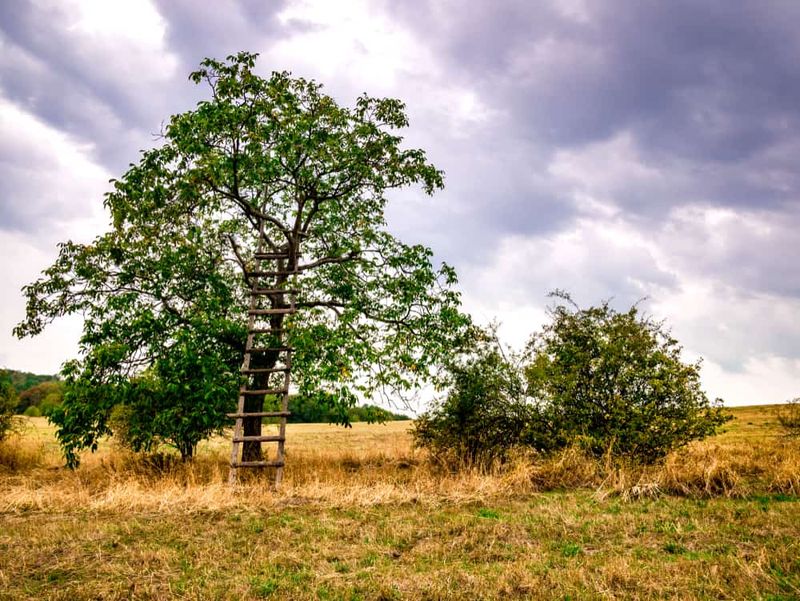
You may have heard that 50 feet is the magic number. It is not.
Juglone does show up in the soil beneath walnuts, and a field and laboratory study found that it breaks down through both microbial and nonbiological processes. That study did not test a backyard cutoff for tomatoes.
Extension offices do give rough distances. Wisconsin Extension offers a broad estimate of 50 to 80 feet for a mature tree, with the greatest risk under the canopy.
Another Wisconsin article says 50 to 60 feet. Think of those numbers as rough guidance, not a proven danger radius.
Distance leaves out a lot. A bed 40 feet from a small young tree may have less going on than one 70 feet from a huge old giant.
Roots can reach past the canopy, so root overlap matters, and so do soil type and how the garden is managed.
Shade is another piece. A tall walnut can block afternoon sun far beyond its roots.
Iowa State stresses how limited the evidence is for steady effects in garden soil, so measure your own conditions rather than a tape measure alone.
Tomato and pepper sensitivity is not settled
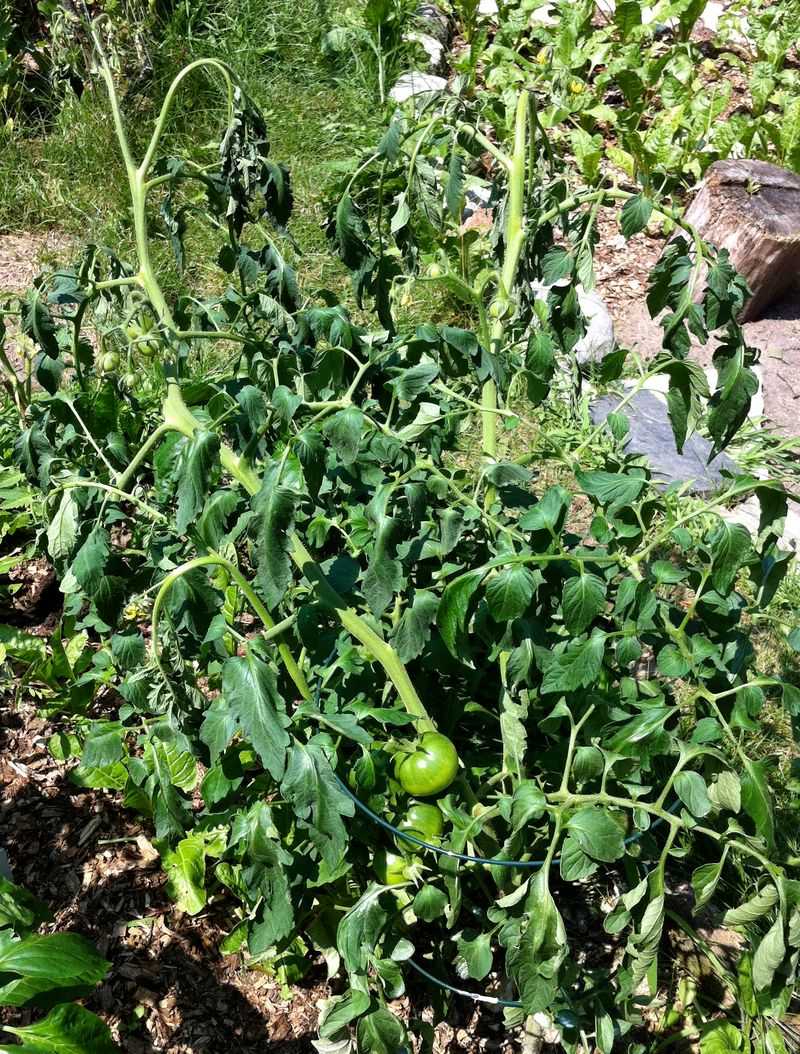
Open almost any juglone list and you will find tomatoes near the top. Peppers, eggplant, and potatoes often appear too.
That makes them worth watching, but it does not mean they will fail.
Wisconsin Extension notes that these plant lists are based largely on gardeners’ observations rather than careful testing, and different sources do not always agree. A plant on one list may be missing from another.
Plenty of gardeners grow things near walnuts with no trouble. Iowa State Extension reports many plants growing close to walnut trees, so your tomatoes are not doomed just because of where they sit.
Also keep the soil study in perspective. It measured juglone under walnuts and estimated levels that passed toxicity numbers reported for some plants, but not those reported for maize and soybeans, according to the PubMed record.
Tomatoes were not the focus, so it cannot confirm a tomato-specific problem.
Wilt alone cannot identify the cause
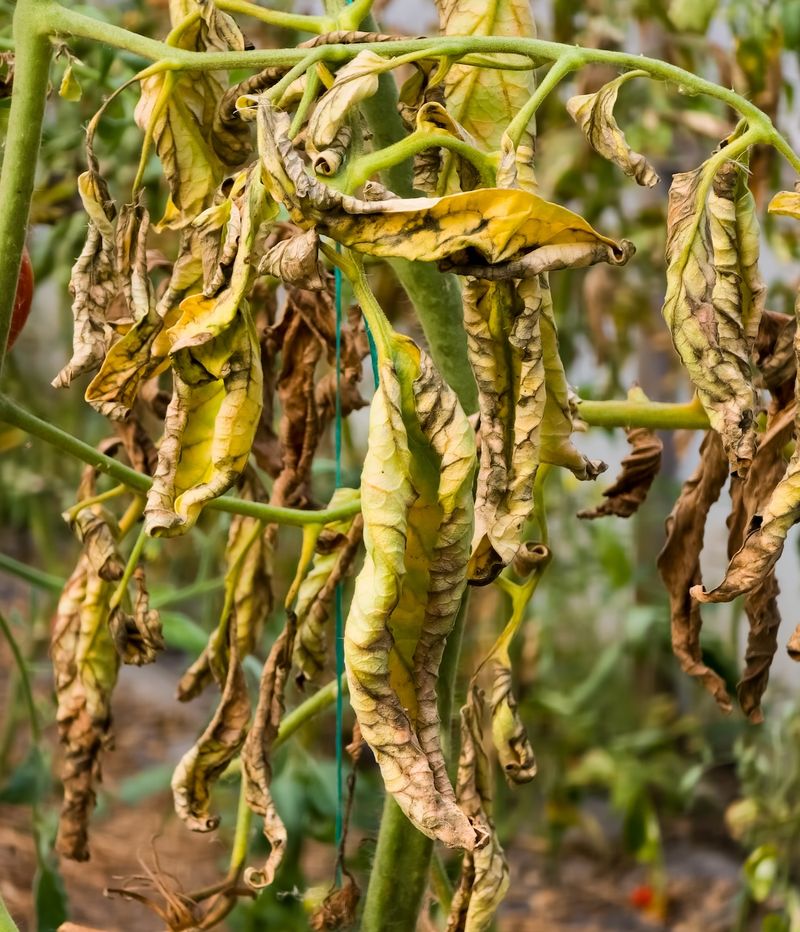
Wilting and yellow leaves feel like a clear message, but many problems send the same one. Picture a tomato drooping at 3 p.m.
It could be thirsty, shaded, sprayed with a drifting herbicide, or sick.
Wisconsin Extension says walnut injury can look like drought, herbicide damage, and fungal or bacterial wilt. Iowa State adds that shade and dry soil can cause similar poor growth.
Disease is a big one. UC Agriculture and Natural Resources describes several tomato wilt and crown-rot diseases whose symptoms overlap in the field.
Try a quick check. Dig down a few inches to see if the soil is dry.
Count the hours of direct sun. Cut a stem near the base and look for dark or brown tissue inside, and check for rot at the soil line.
Think about any lawn or weed sprays used nearby. If a local extension office offers diagnosis, sending a sample can narrow things down.
No single sign proves juglone, so gather clues before blaming the tree.
Start next year’s bed with sun and water
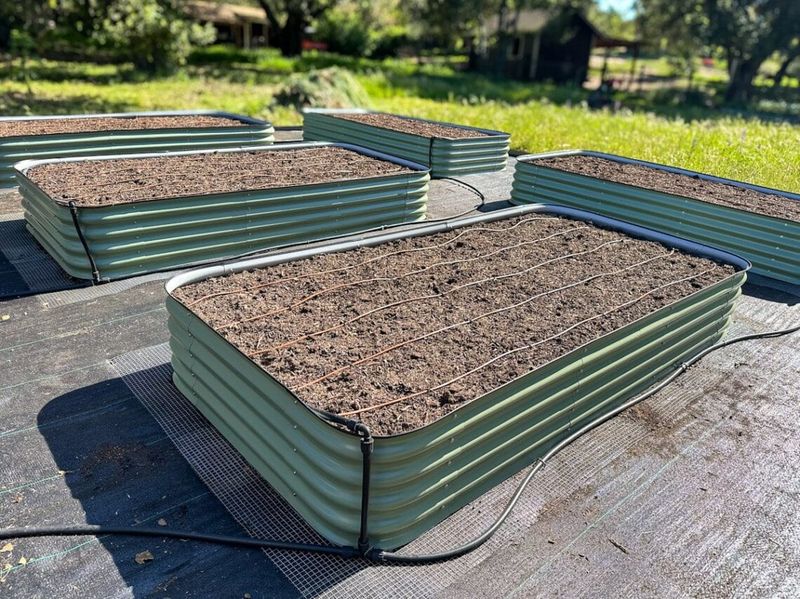
Tomatoes and peppers are sun lovers. They do best with around six to eight hours of direct light, and a spot under or near a big walnut often falls short.
That alone can cause weak, slow plants.
Water is the second piece. Large trees pull a lot of moisture from the soil, so a nearby walnut can leave your bed dry even when you water.
Iowa State Extension notes that shade and dry soil can mimic walnut injury, so fixing them is smart whether or not juglone is involved.
If you can move the bed, pick the sunniest open spot you have. Wisconsin Extension’s landscaping advice notes that roots can reach beyond the canopy, so more distance from the trunk gives you a better margin.
Moving the bed is a way to improve growing conditions. It is not proof that the walnut was poisoning anything.
Set up drip lines or a regular watering routine, and watch how the plants respond next summer.
Use a root barrier if you cannot move the bed
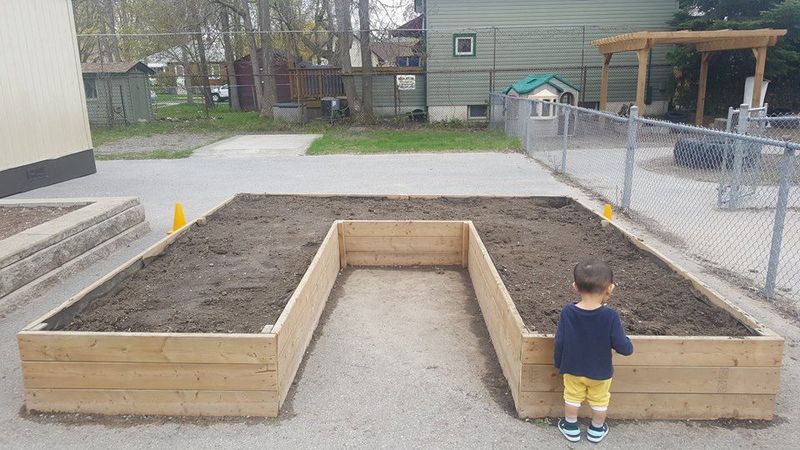
Sometimes the sunny spot is simply not available. Maybe the yard is small or the walnut is on a neighbor’s side.
In that case, a container or a raised bed with a barrier can be a practical option.
The aim is to keep walnut roots from growing into your planting soil. Wisconsin Extension discusses walnut roots and the compounds they release, so blocking them is the logic.
Extra soil piled on top of the ground will not necessarily stop roots, so the barrier matters.
Use a large pot with drainage holes, set up off bare soil on a hard surface, or line the bottom of a raised bed with a solid barrier that roots cannot pass. Fill it with fresh potting mix or quality bed soil.
Be honest with yourself about limits. A barrier is an option, not a guaranteed cure, and it will not fix shade or dry conditions.
Here is a simple decision path. First, check for at least six hours of sun.
Second, confirm steady water. Third, rule out disease and herbicide exposure.
If problems continue, try a barrier setup. Iowa State’s guidance on look-alike problems is why those checks come before blaming juglone.
Keep walnut debris out, but treat mulch advice cautiously
Fallen leaves and green hulls are the easy part to manage. As a precaution, rake them out of any bed where tomatoes or peppers are struggling.
Wisconsin Extension suggests keeping that material away from sensitive plants.
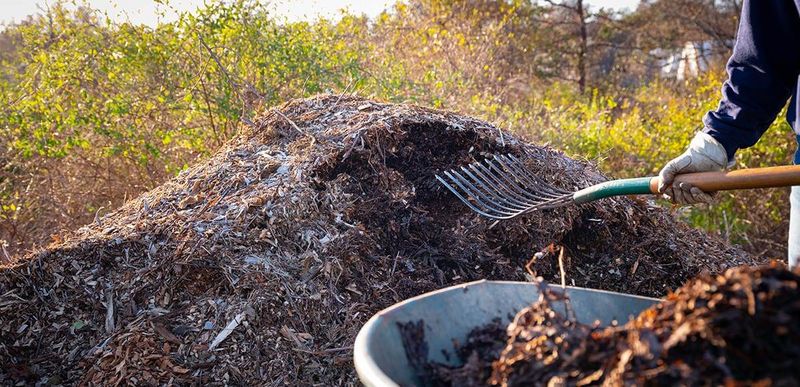
That does not mean the leaves are useless. Oregon State Extension considers walnut leaves acceptable in a well-managed compost pile.
A hot, active pile that is turned and given time can make them a fine ingredient, so you can use the finished compost with less worry.
Walnut wood products are where advice splits. Iowa State says walnut wood chips can be used as mulch and that juglone breaks down quickly in soil.
Wisconsin Extension, in its black walnut article, advises against using walnut bark and wood as mulch.
Neither view is a rule for every yard. If your tomatoes are already struggling, picking a different mulch such as straw or shredded leaves from another tree is an easy way to avoid the question.
Walnut trees are generous with their mess, but you get to decide where it lands.