
A Flying Squirrel at Your North Carolina Bird Feeder After Dark Is Consistent With Nearby Tree-Cavity Habitat
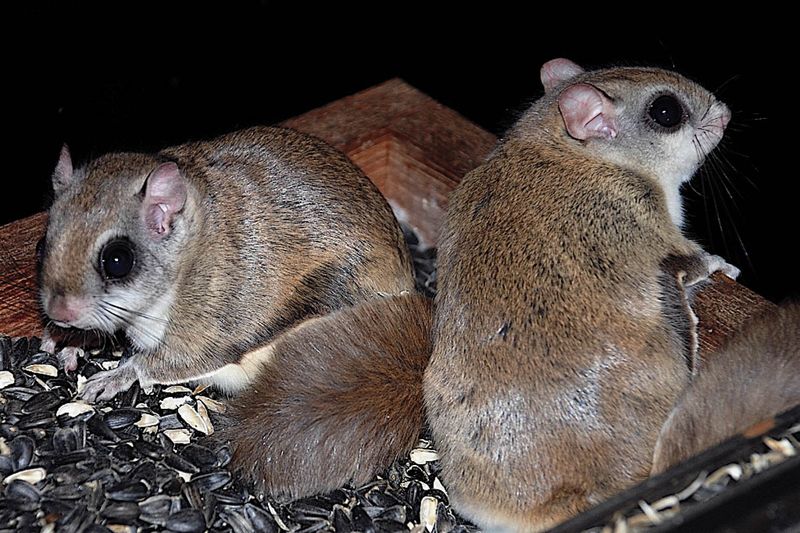
A small shape glides out of the dark, lands on your bird feeder, and disappears again. For many North Carolina homeowners, a flying squirrel visit is a surprise and a delight.
The sighting says something about the animals around your yard, but not everything. Here is what it can tell you, what it cannot, and how to be a good neighbor to your night visitor.
A Nighttime Visitor Is a Clue, Not a Yard Report Card
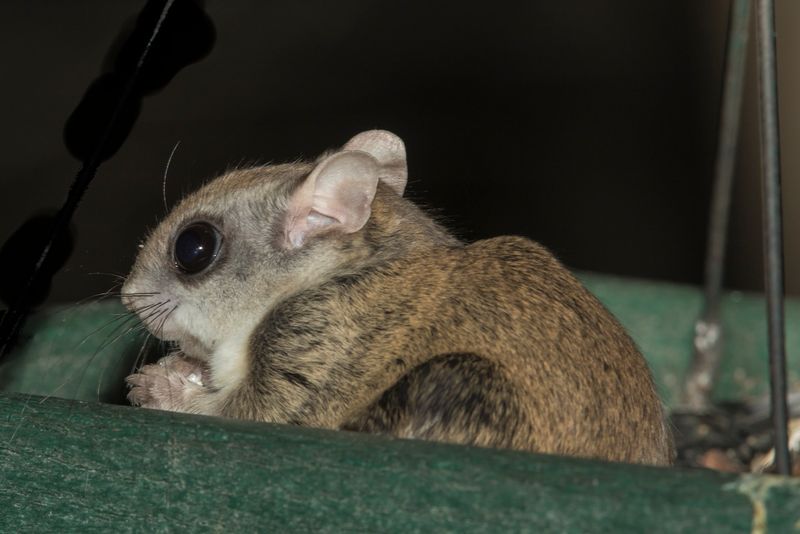
Spotting a flying squirrel at the feeder feels like catching a secret. It means one animal was using your yard at that moment.
That is all one sighting can prove, and it is still a nice thing to see.
Here is the encouraging part. According to the state’s Mammals of North Carolina account, southern flying squirrels prefer mature forests because they nest in old woodpecker holes and other tree cavities.
They also live in wooded residential areas. So a visit fits with tree-cavity habitat somewhere nearby.
Now the caution. The same account notes that these squirrels may visit food left outdoors.
Squirrels in general eat seed from bird feeders, as NC State Extension’s wildlife chapter points out. Your feeder may be the reason the animal showed up, not your trees.
That means the visit cannot certify that your trees are mature, healthy, or enough habitat. It cannot show the squirrel nested on your property either.
Think of it as an interesting clue rather than a grade.
The next sections separate the two ideas: what the habitat can explain, and what the feeder can explain. Keeping them apart helps you enjoy the sighting without reading too much into it.
Which Flying Squirrel Might You Be Seeing?
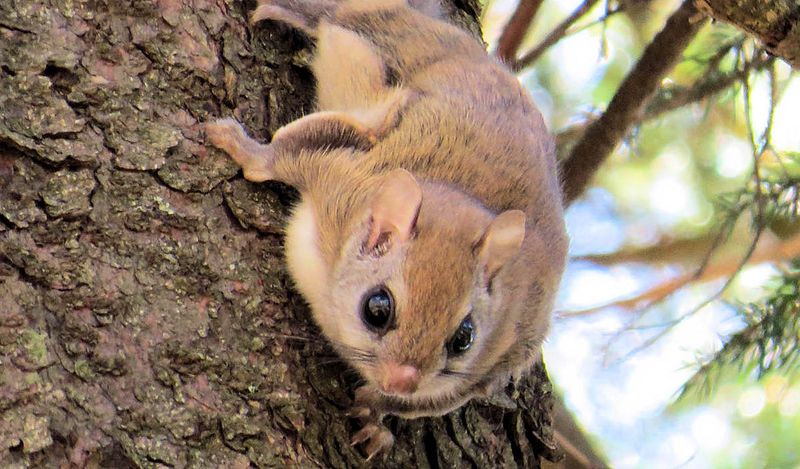
North Carolina has two flying squirrel species, and most backyard visitors are the common one. The southern flying squirrel lives across the state, from the coast to the Piedmont and into the mountains.
It is the likely species at a typical suburban feeder.
The other is the Carolina northern flying squirrel. The NC Wildlife Resources Commission lists it as endangered and restricted to the highest mountains.
The two species overlap a bit around 4,000 to 5,000 feet.
A quick glimpse in the dark will not settle which one you saw. If you live in the Piedmont or Coastal Plain, southern is the sensible bet.
At high elevations, avoid declaring a species unless you had a clear look and know the location well.
One more thing about the name. Flying squirrels do not fly under their own power.
They glide, stretching a fold of skin between front and back legs to sail from tree to tree.
That gliding explains how one can appear on a feeder pole seemingly out of nowhere. It also hints at why trees matter, since these animals travel by launching from one trunk to another.
The state species account describes the southern species as a woodland animal that also turns up in wooded neighborhoods.
Darkness and Late Fall Are Not Unusual
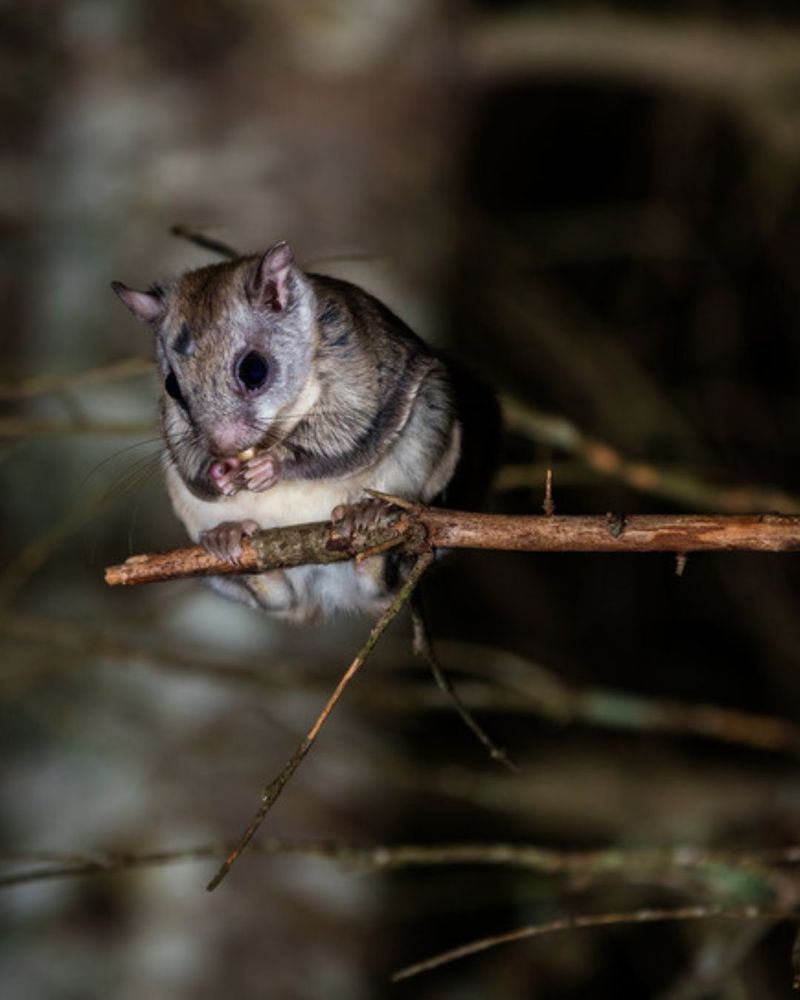
If you only ever notice these animals after sunset, that is normal. Southern flying squirrels are nocturnal, so night is their regular working shift.
Most people never see them because they are asleep or indoors when the squirrels are out.
Late fall is not a special signal either. The North Carolina species account says the animals are active year-round, though activity drops in winter.
A November sighting is simply one night in a long calendar of nights.
Fall may be when you first notice one for practical reasons. Leaves are coming down, nights start earlier, and you may be refilling feeders more often.
Those are habits of the observer, not proof of anything unusual about the squirrel.
There is no need to wonder why this particular animal came by on this particular evening. We cannot know that from a single glimpse.
What we can say is that a dark, chilly night visit fits ordinary flying squirrel behavior.
So enjoy it, jot down the date if you like, and keep watching. Repeat visits on different nights tell you more than one surprise appearance ever could.
Tree Cavities Explain the Habitat Connection
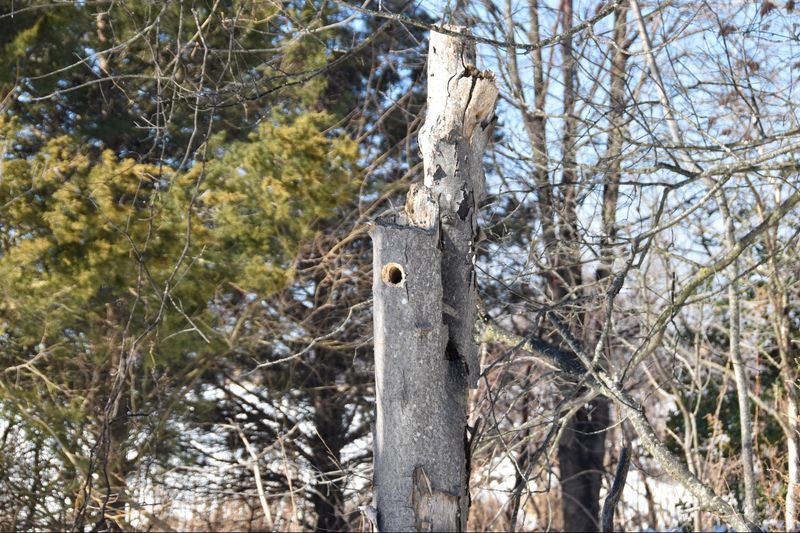
Picture a big, older tree with a round hole left by a woodpecker. That hole can become a cozy bedroom for a flying squirrel.
This is why the species is tied to mature forests.
According to the Mammals of North Carolina account, southern flying squirrels use old woodpecker holes and other tree cavities. Those openings are more likely to form in large trees.
So when one turns up in your yard, it makes sense to think cavity trees may be somewhere in the neighborhood.
Notice the word neighborhood. The squirrel could be living in your oak, in a neighbor’s dead snag, or in a woodlot down the road.
Gliding lets it cover real ground between trees.
That is why the sighting is encouraging but not conclusive. A habitat association tells you what the species tends to need.
It does not tell you where this animal sleeps, whether it nested on your lot, or whether your trees are in good shape.
Treat the visit as a pointer. It nudges you to look up and appreciate the older trees and natural holes that already exist around you, which is where the next section picks up.
The Feeder May Be the Immediate Draw
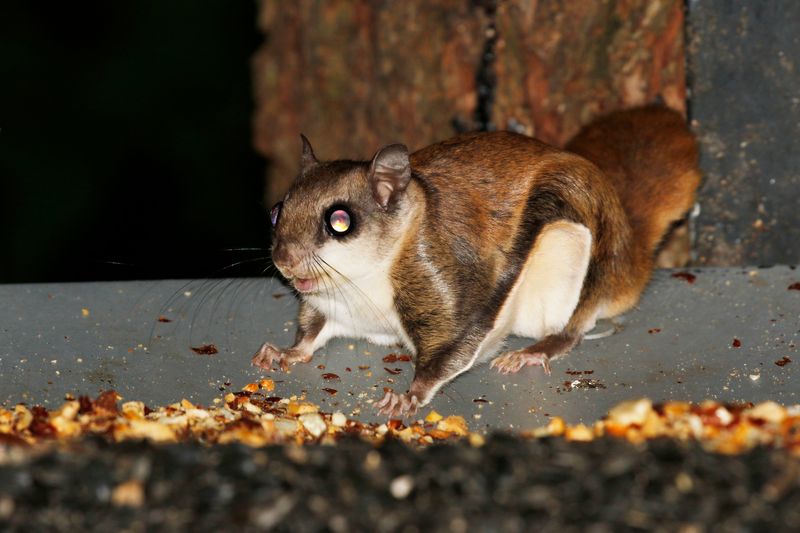
Here is the twist. Food is a strong reason for any squirrel to stop by.
A feeder full of seed is an easy meal, and a flying squirrel can find it as readily as any other animal.
The state species account says southern flying squirrels may visit food left outside. NC State Extension adds that squirrels eat seed from bird feeders.
Put those together and the feeder becomes a likely explanation for the visit.
That changes how to read the clue. An animal responding to handy seed is not showing that it depends on natural tree foods.
It may be grabbing a convenient snack while sleeping in a cavity nearby, or it may have traveled some distance for it.
So there are two possible stories behind one sighting. One is habitat, where cavity trees are close enough for the squirrel to reach your yard.
The other is food, where your feeder is the pull. Both can be true at once, and a single night will not sort them out.
The honest reading is modest. You have a wild neighbor using your yard, and you cannot say exactly why.
That is still a good reason to pay attention.
Value Trees and Safe Natural Cavities
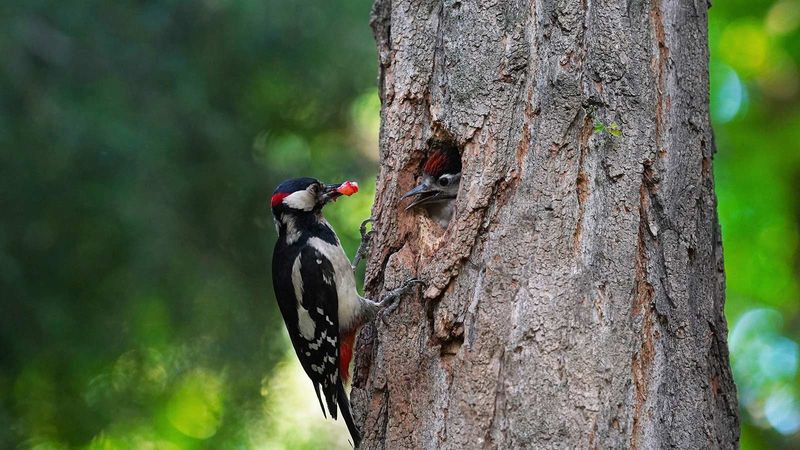
Once you see how much these animals depend on cavities, the stewardship step is simple. Value the existing trees and natural holes on your property where they can safely stay.
You do not have to plant anything special or buy anything.
The state species account links the species to mature forests and the cavities that large trees tend to hold. Leaving an older tree standing is one practical way to keep that option open for wildlife.
Safety comes first, though. Not every cavity tree is a good one to keep.
A large dead limb over a roof, a leaning trunk near a driveway, or a tree with obvious decay near where people walk may need to be looked at by a qualified arborist. Protecting people and property is a fair reason to remove a hazard.
Nor does every yard need a particular tree or hole. Many North Carolina lots are small, and habitat is shared across fences and streets.
Your piece is one part of a larger patchwork.
A good habit is to walk your property in daylight and note which older trees have natural openings. Appreciate them, keep them where safe, and avoid cutting more than you need to.
That is a modest, reasonable way to support the wildlife you enjoy.
Feed Birds Responsibly and Leave the Visitor Alone
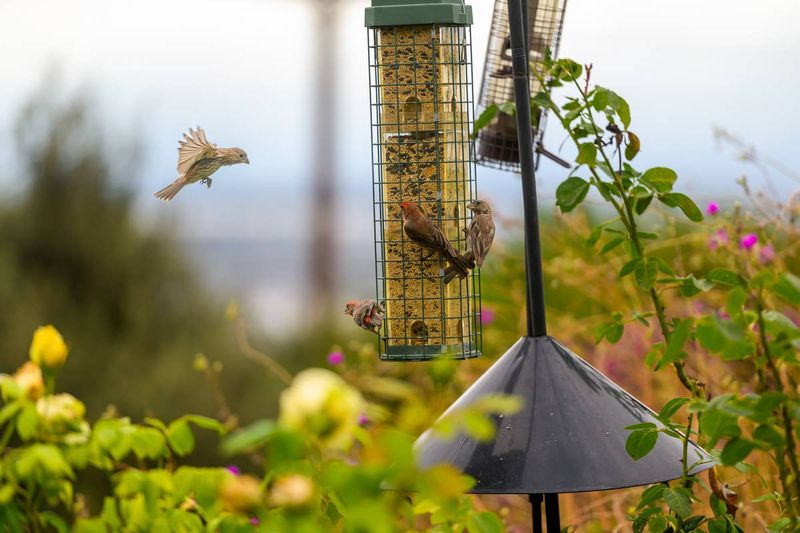
If you feed birds, a few habits keep things tidy. The NC Wildlife Resources Commission’s guide to feeding birds responsibly recommends cleaning feeders regularly and reducing spilled seed.
If squirrel access bothers you, use feeder measures that limit it. These steps will not guarantee the visits stop.
Native plants are another way to offer birds natural food and shelter. They are an alternative to relying only on seed, not a promised squirrel deterrent.
As for the squirrel itself, leave it be. Do not try to catch or handle it, and do not set out extra food for it.
NC Wildlife guidance on preventing conflicts advises against feeding wildlife and suggests managing feeders to limit unintended visitors.
A squirrel on a feeder at night is a routine outdoor visit. An animal living in your attic is a different matter.
NC Wildlife notes that humane exclusion methods are available for real conflicts like that.
If you live at 5,000 feet or higher, call a professional rather than acting on your own. The endangered northern species may be involved at those elevations.
The glider on your feeder is not a scorecard for your yard. It is a quiet invitation to keep caring for the trees around you.