
A Ring Of These Native Shrubs Around Your North Carolina Deck Keeps Mosquitoes From Settling In
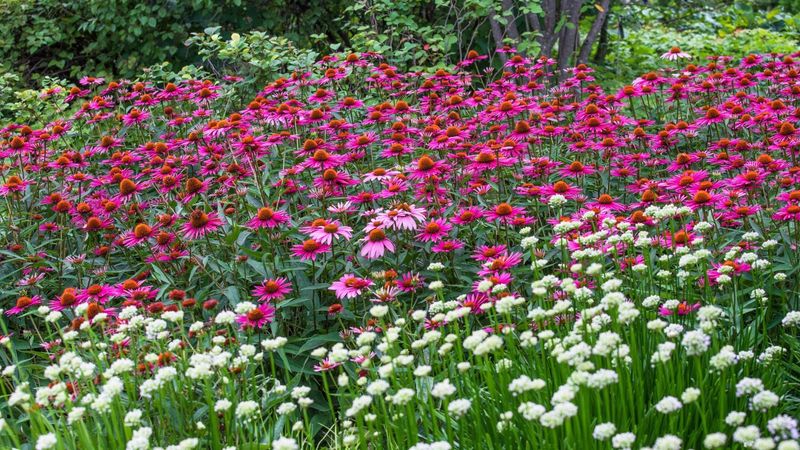
Nothing ruins a warm evening on the deck faster than a swarm of hungry mosquitoes. The good news is that certain North Carolina native shrubs give off compounds that bugs would rather avoid, and planting a living ring around your deck can help push them elsewhere.
These same plants feed songbirds, shelter pollinators, and keep your yard working the way nature intended. Here are seven smart picks to build your own mosquito-fighting border.
1. American Beautyberry (Callicarpa americana)
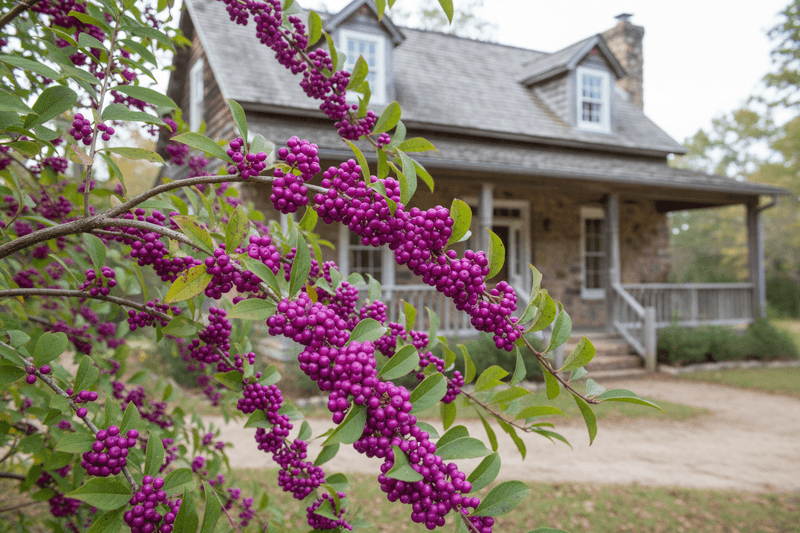
Scientists once confirmed what old-timers in the South already knew: crushing beautyberry leaves and rubbing them on your skin keeps the biters away. The plant’s leaves hold a natural compound called callicarpenal that mosquitoes and ticks genuinely dislike.
Come fall, this deciduous shrub explodes with clusters of electric-purple berries strung along its stems like beads. Those berries feed mockingbirds, cardinals, towhees, and even foxes and raccoons, making it a true wildlife anchor for your yard.
Growing 5 to 8 feet tall and just as wide, it adapts easily to Piedmont clay and Coastal Plain sand alike. A hard prune in late winter keeps it tidy enough to ring a deck without crowding your walking space.
2. Rosemary (Salvia rosmarinus)
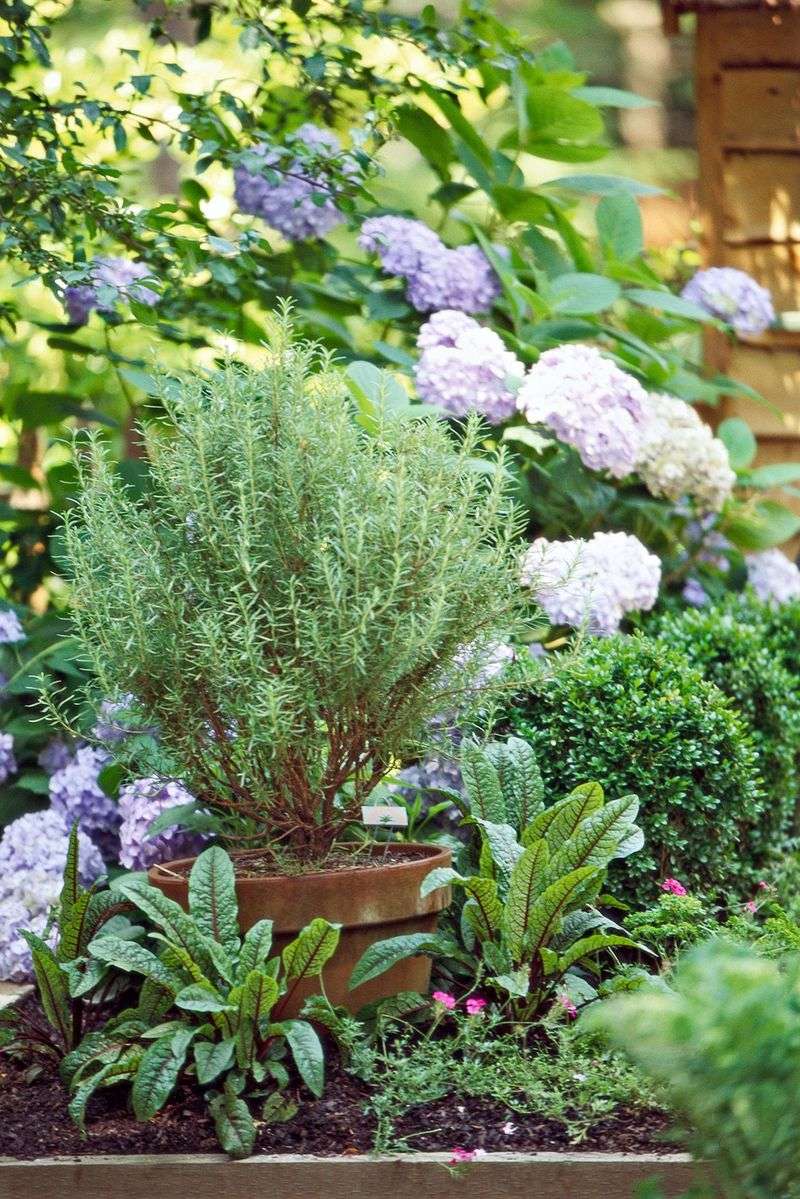
Brush past a rosemary bush and you release a wave of pine-sharp fragrance that mosquitoes, moths, and flies find downright offensive. Its pungent essential oils scramble the sensory receptors bugs use to find you.
Hardy through USDA Zones 7 to 9, rosemary loves the hot, dry pockets of North Carolina where fussier plants sulk. Set it along the edge of your deck steps or a walkway so people naturally graze the foliage and set those oils loose.
Bonus for the cook: snip a few sprigs for the grill while you are out there swatting nothing at all. Just remember the repellent effect works best when the leaves get bruised, so plant it where hands and legs will brush against it.
3. Wax Myrtle (Morella cerifera)
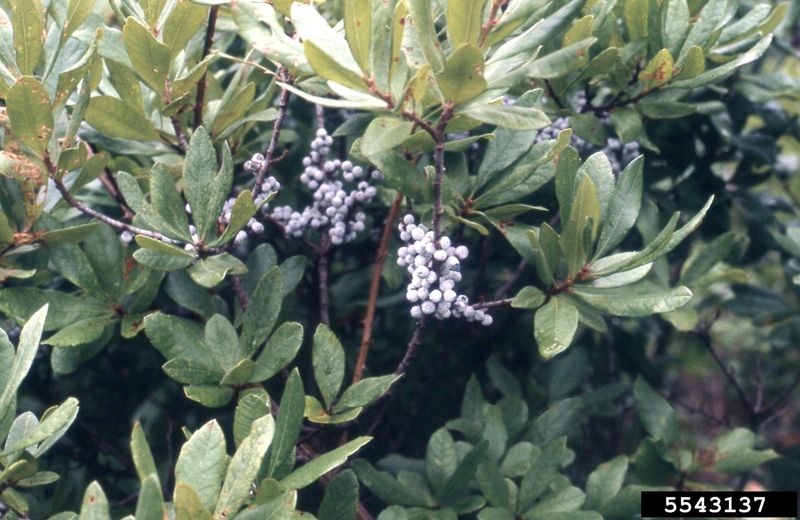
Coastal North Carolina gardeners have leaned on wax myrtle for generations, and for good reason. Crush a leaf and you get a spicy, bayberry aroma that insects steer clear of, which is why colonists once tucked sprigs into cabins to keep pests out.
Evergreen and fast-growing, it forms a thick screen that doubles as a windbreak and a privacy hedge around a deck. Yellow-rumped warblers, better known here as “myrtle warblers,” feast on its waxy berries all winter long.
It shrugs off salt spray, soggy soil, and drought without complaint, making it one of the toughest natives you can plant. Give it room to spread or shear it into a neat hedge as needed.
4. Sweetshrub (Calycanthus floridus)
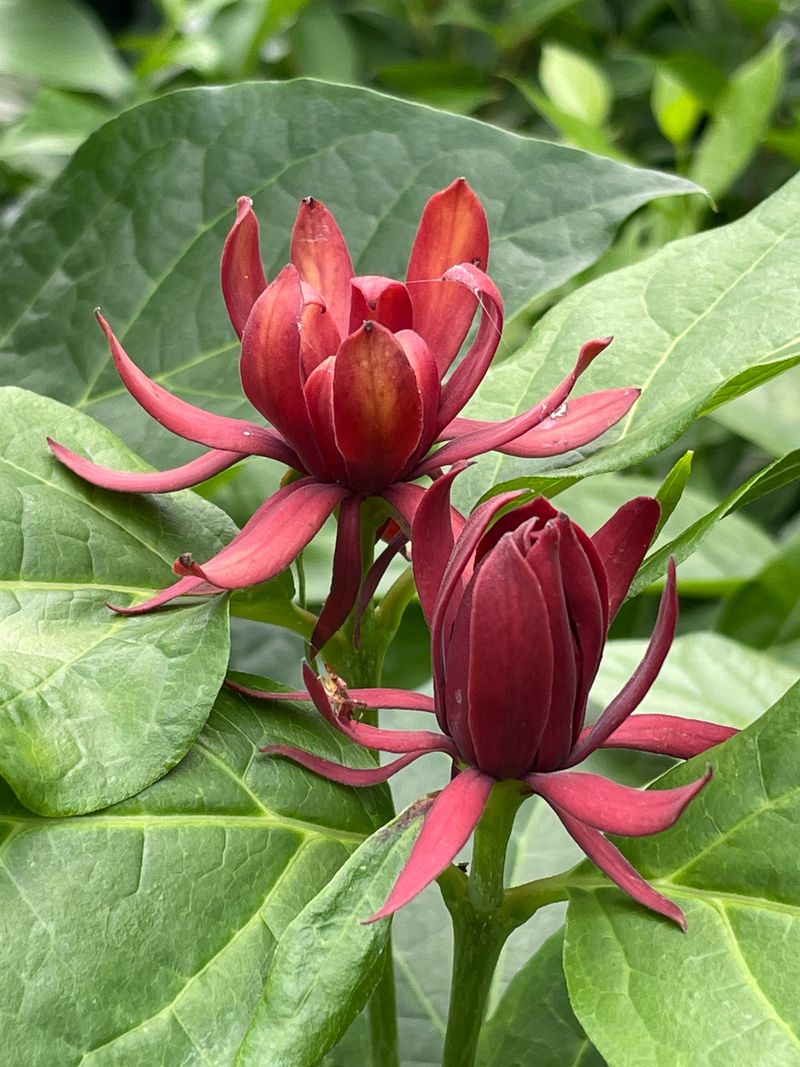
Snap a twig of sweetshrub and your nose fills with a mix of strawberry, pineapple, and camphor that no other native quite matches. That aromatic bark and foliage carry oils bugs would rather avoid, and folks used to slip the fragrant bark into drawers and pockets.
Native to the woodlands of the Piedmont and mountains, it thrives in the dappled shade many decks throw in the afternoon. Its odd, maroon spidery blooms show up in spring and smell faintly of ripe fruit.
Reaching 6 to 9 feet, it fills the middle layer of a shrub ring beautifully. Since it tolerates shade far better than rosemary or beautyberry, it earns a spot where sunnier plants would struggle.
5. Spicebush (Lindera benzoin)
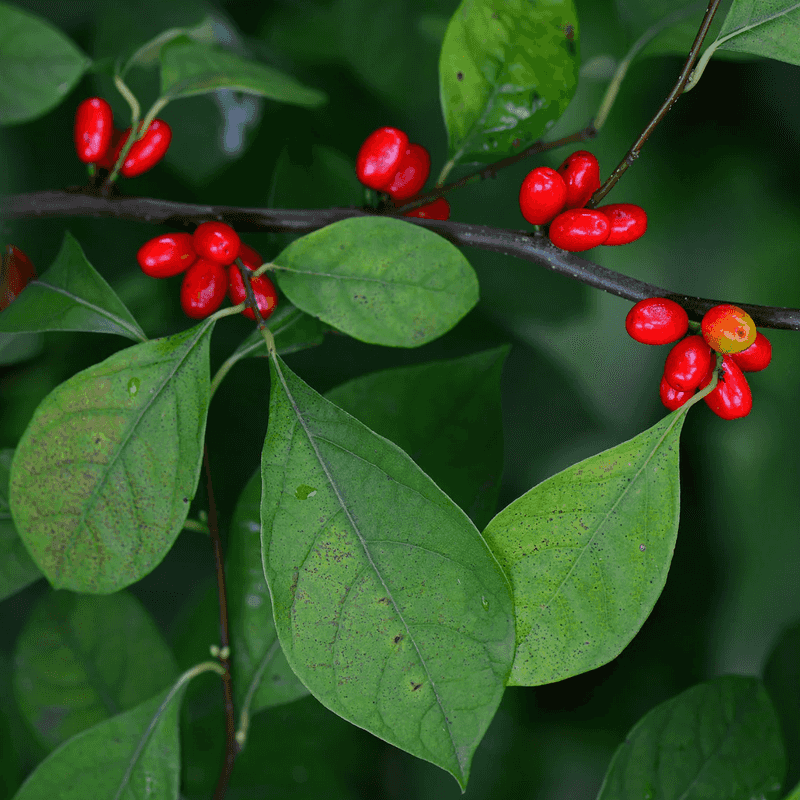
Rub a spicebush leaf between your fingers and a warm, peppery scent rises up, the same aromatic oils that make bugs think twice. Native across North Carolina’s damp woods, it brings both fragrance and function to a shrub border.
Here is the part wildlife lovers adore: spicebush is the host plant for the stunning spicebush swallowtail butterfly, whose caterpillars fold themselves into its leaves. Plant it and you are literally growing next season’s butterflies.
In early spring, hazy yellow flowers glow before the leaves unfurl, and by fall, robins and thrushes strip its scarlet berries clean. It handles the moist, shady ground near a deck that other repellent shrubs would resent, filling an important niche in your ring.
6. Virginia Sweetspire (Itea virginica)
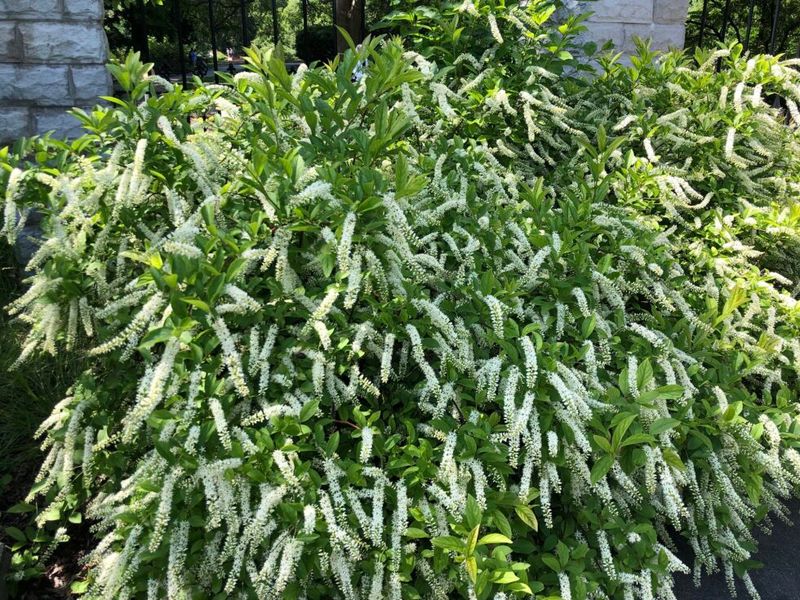
If a soggy corner of your yard breeds mosquitoes, Virginia sweetspire is your ally in two ways. It thrives in the wet ground where mosquitoes love to breed, soaking up moisture that would otherwise pool and become a nursery for larvae.
Come late spring, it drips with fragrant white flower spikes that draw in bees, butterflies, and other native pollinators. The scent and dense growth also make the immediate area less inviting to biting insects.
Its foliage turns fiery crimson and burgundy in fall, giving your border a second season of color long after the flowers fade. Tuck it into that low, damp spot where you have always struggled, and let it do double duty draining and defending.
7. Inkberry Holly (Ilex glabra)
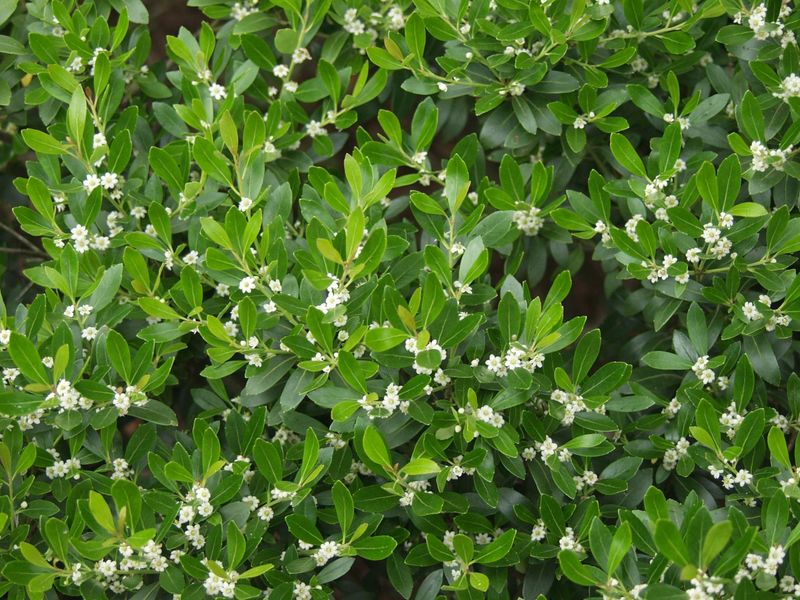
For gardeners who want structure that stays green all winter, inkberry holly rounds out the ring. This tidy native holly forms a dense, glossy mound that mosquitoes find hard to loiter in, since thick, dry-leaved plantings offer them fewer humid hiding spots.
Native to North Carolina’s Coastal Plain, it handles wet feet, sandy soil, and salt with ease. Its small black berries carry chickadees, catbirds, and other songbirds through the lean months.
Unlike its spiny holly cousins, inkberry has smooth, harmless leaves, so it is friendly to bare feet and busy kids near the deck. Choose a compact cultivar and you have a low, evergreen anchor that ties your whole mosquito-fighting border together.
Planting a mix of these seven natives gives your deck a layered, living defense that shifts with the seasons while feeding the birds, butterflies, and pollinators that make a North Carolina yard feel alive.