
Before You Plant Anything Next To Your Beets, Here Are 13 Neighbors That Help (And 4 That Quietly Stunt Them)
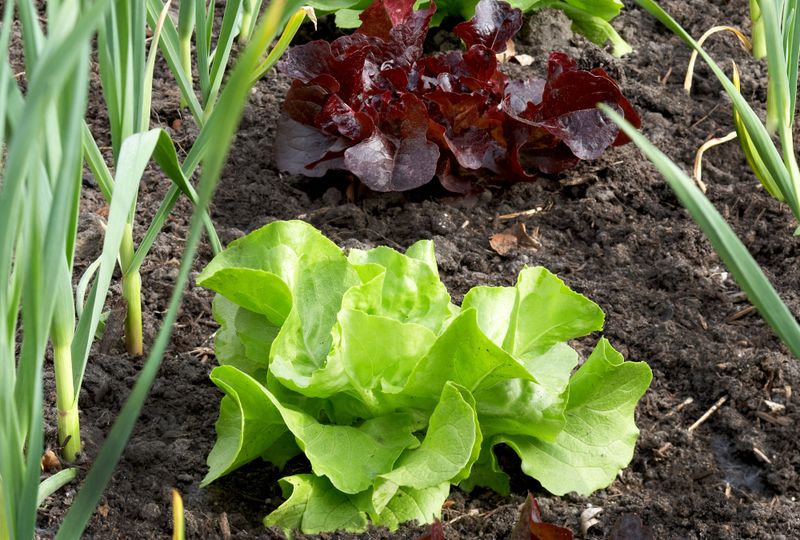
You pull up a beet you waited two months for, and it is the size of a marble. Most of the time, the soil and the water are fine, and the real problem is the plant growing right next to it.
Some garden neighbors help beets grow round, sweet, and pest-free, while others steal food, light, and space without you noticing. Here are 13 plants worth tucking beside your beets, plus 4 you should move to another bed before planting day.
1. Bush Beans
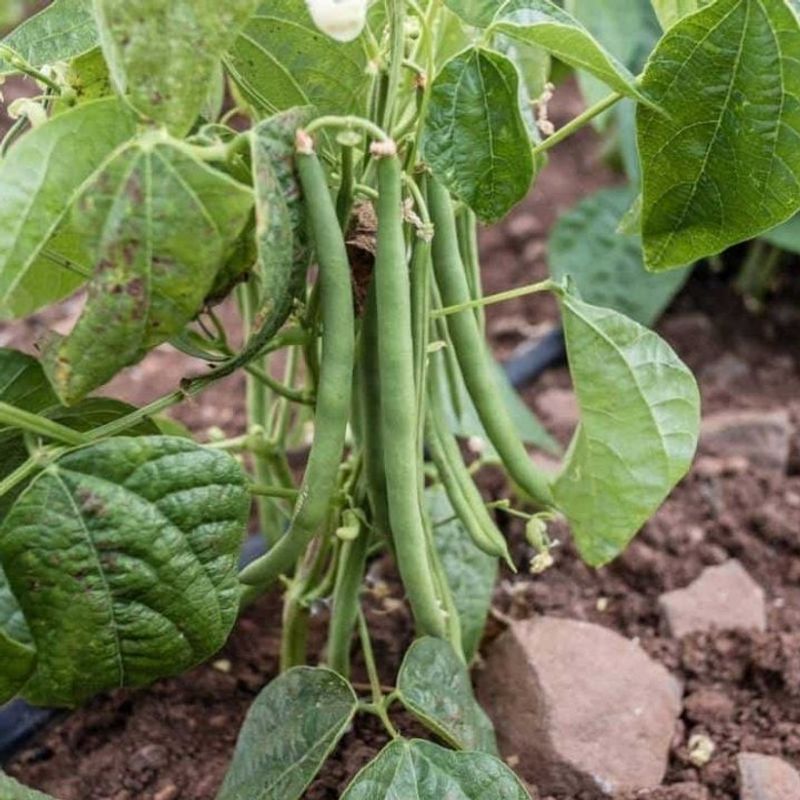
Short, tidy, and generous, bush beans pay rent in nitrogen. Bacteria living on their roots pull nitrogen from the air and leave some of it in the soil, which can give your beet tops a healthy boost.
The real win is their size. Bush beans stay around knee height, so they never throw heavy shade over your beets the way their climbing cousins do.
Plant them about a foot from your beet row and let both crops share the bed. When the beans finish, chop the plants at soil level and leave the roots in the ground to keep feeding the soil.
2. Cabbage Family Crops
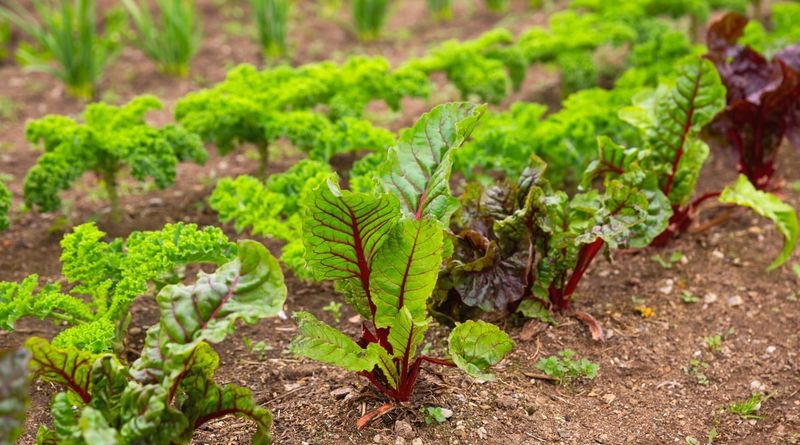
Kale, broccoli, kohlrabi, cauliflower, and Brussels sprouts all like the same things beets like. Cool weather, steady moisture, and full sun make both groups happy, so watering one bed for both is simple.
Their roots also work differently. Brassicas feed mostly from a wide, branching root zone, while beets push down and swell in one spot, so the two do not fight much for the same food.
Give brassicas room, though. A big broccoli plant can spread two feet wide, so place it on the north side of your beets so the leaves do not block their sun.
3. Catnip
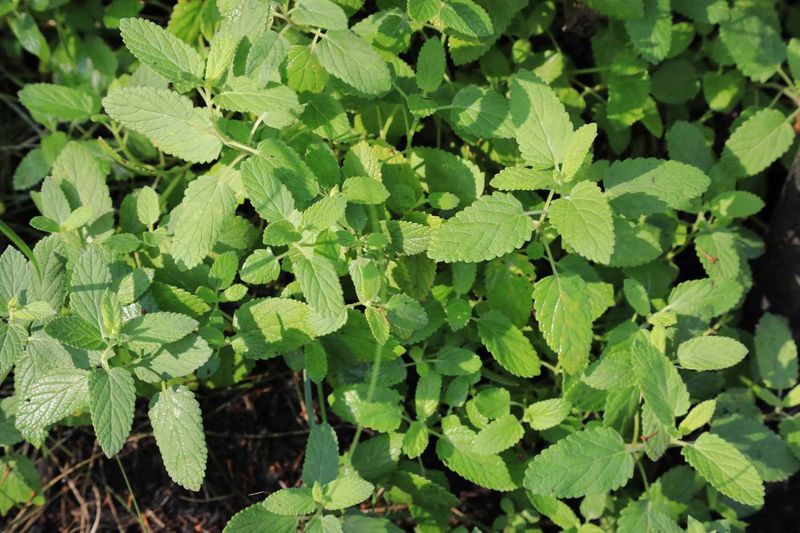
Yes, your cat may roll in it. That is the price of a plant whose strong scent may help keep flea beetles and some aphids away from tender beet leaves.
Catnip is a vigorous grower that spreads by seed, so it works best in a pot sunk into the soil at the end of your beet row. You get the scent without the takeover.
Trim off the flower spikes before they go to seed. A quick snip every few weeks keeps the plant bushy, fragrant, and polite.
4. Chamomile
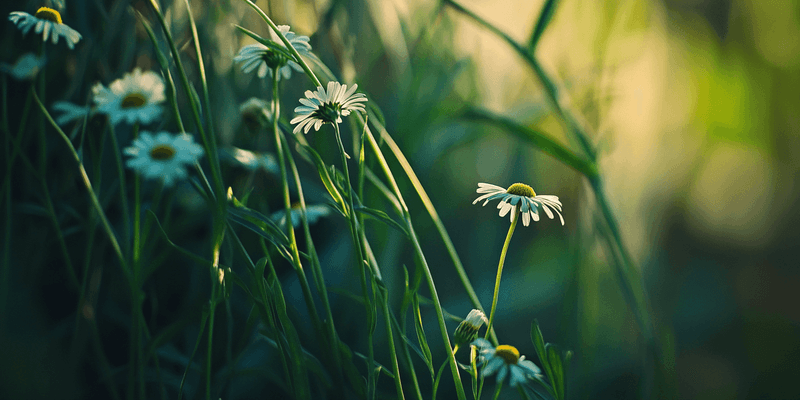
Picture tiny daisies floating over your beet bed, and you have chamomile. Those little flowers are a magnet for hoverflies and small wasps that hunt aphids and other soft pests.
Old-time gardeners called chamomile the plant doctor because they believed it perked up whatever grew nearby. The science on that is thin, but the bug-attracting part holds up well.
Sow German chamomile seeds on the soil surface in spring, since they need light to sprout. Bonus: you can dry the flowers for tea at the end of the season.
5. Cilantro
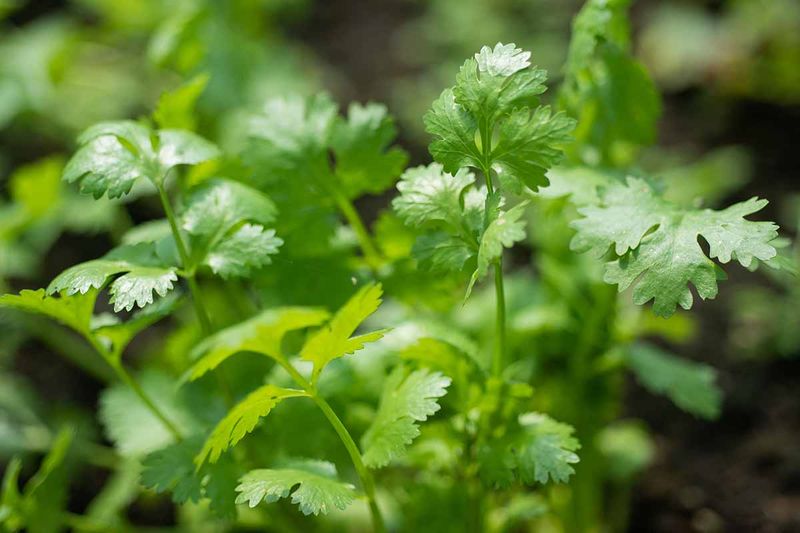
Love it or hate it on tacos, cilantro earns a spot here. Its sharp smell can confuse pests that hunt by scent, making your beets a little harder to find.
When cilantro bolts in summer heat, do not rush to pull it. The small white flowers draw in lacewings and ladybugs, which happily eat aphids on your beet greens.
Sow a short row every few weeks in spring and again in early fall. Cilantro grows fast, so you will be harvesting leaves long before your beets are ready.
6. Dill
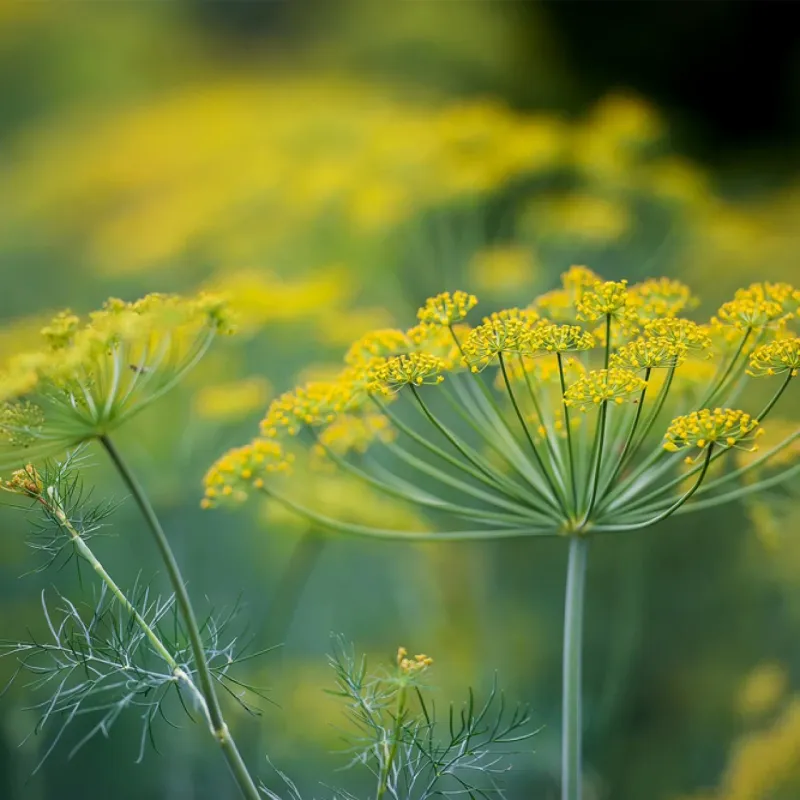
Feathery and tall, dill acts like a lighthouse for good bugs. Its yellow umbrella flowers attract ladybugs, parasitic wasps, and hoverflies that keep aphid numbers down.
Height matters, so plant dill on the north side of your beets. That way its wispy stems will not shade the leaves your beets need to build sugar in their roots.
One fun note: swallowtail caterpillars love dill. If you spot fat green and black striped ones, consider leaving a few, because they turn into gorgeous butterflies.
7. Garlic
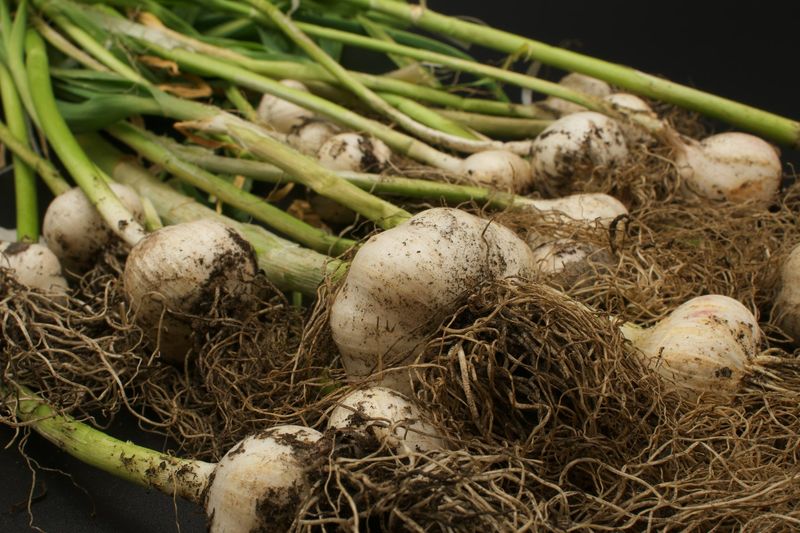
Few plants pull double duty like garlic. That strong smell may help discourage aphids, cutworms, and even nibbling rabbits and voles from snacking on your beet bed.
Timing works out nicely too. Garlic goes in the ground in fall, so in spring you can sow beets right between the rows while the garlic finishes growing.
Garlic is harvested in early summer, which frees up space just as your beets start to swell. Many gardeners say beets grown near garlic taste a bit sweeter, though that part is more garden lore than lab fact.
8. Lettuce
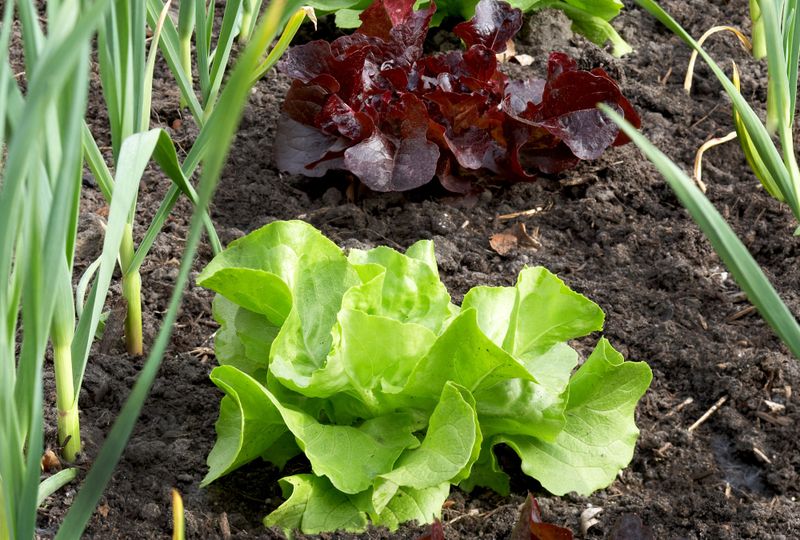
Think of lettuce as a soft green blanket. Its shallow roots stay near the surface, while beets grow deeper, so the two barely bump into each other underground.
Leafy heads also shade the soil, which keeps it cooler and wetter and makes life hard for weeds. Beets hate uneven watering, so that steady moisture can mean fewer woody, cracked roots.
Plant lettuce between beet rows in early spring. You will be picking salads within a month, long before the beets need the extra elbow room.
9. Mint
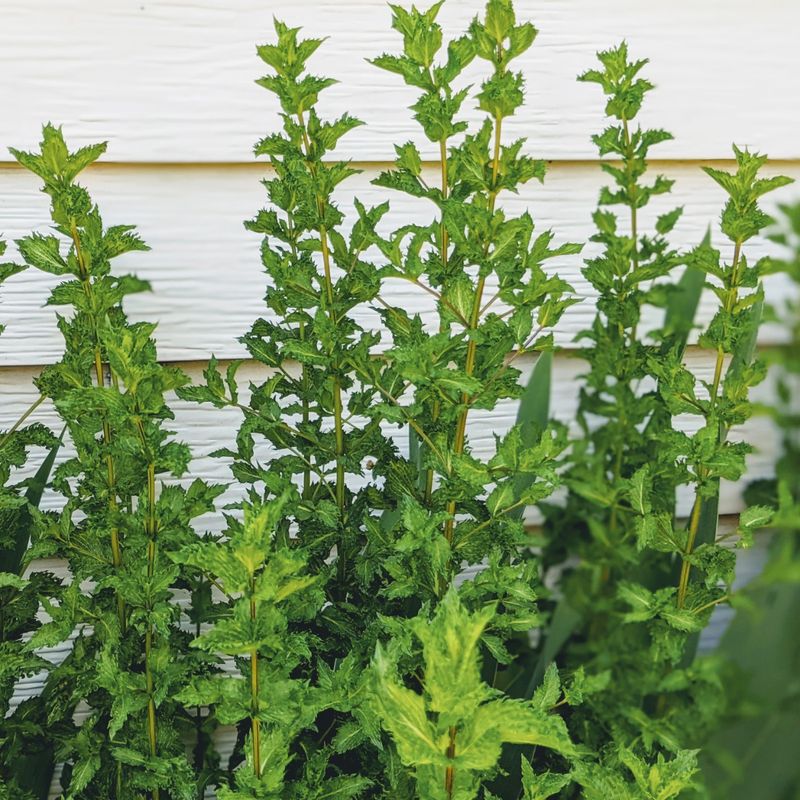
Here is a warning wrapped in a recommendation. Mint may help repel aphids, flea beetles, and some flies, but planted straight into the ground, it will swallow your whole bed in one summer.
The easy fix is a pot. Set a container of mint right at the end of your beet row, and you get the scent without the runners.
Some gardeners also scatter chopped mint leaves around beet plants as a fresh-smelling mulch. Refresh it every week or so when the smell fades.
10. Nasturtiums
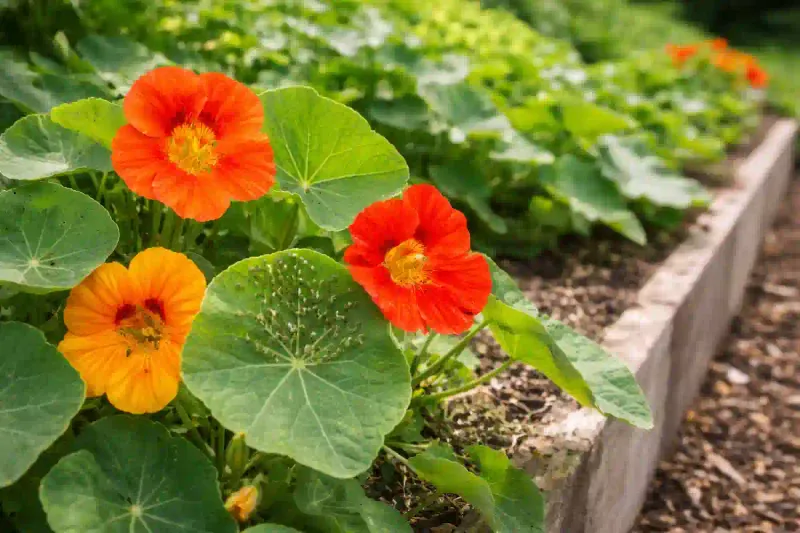
Bright orange and edible, nasturtiums are the bodyguards that take the hit for your beets. Aphids often prefer them, so they can work as a trap crop that pulls pests away.
They also lure ladybugs and hoverflies, which then move on to clean up nearby plants. If a nasturtium gets covered in aphids, just pull that one and toss it.
Grow them along the edge of the bed, not in the middle. They like poor soil and sprawl a lot, so too much fertilizer gives you leaves instead of flowers.
11. Onions
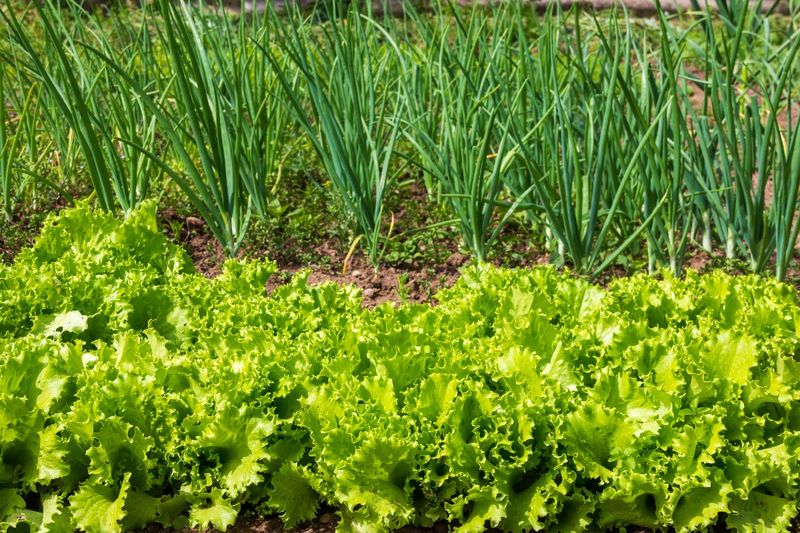
Onions, leeks, scallions, and shallots all bring the same smelly gift. Their scent can help confuse cutworms, aphids, and flea beetles looking for a meal.
They also have skinny upright leaves that cast almost no shade. Beets and onions can sit very close together, which makes them perfect for small beds.
Try alternating rows, or tuck scallions between beet plants. Pull scallions as you need them, and the beets will happily fill the space.
12. Radishes
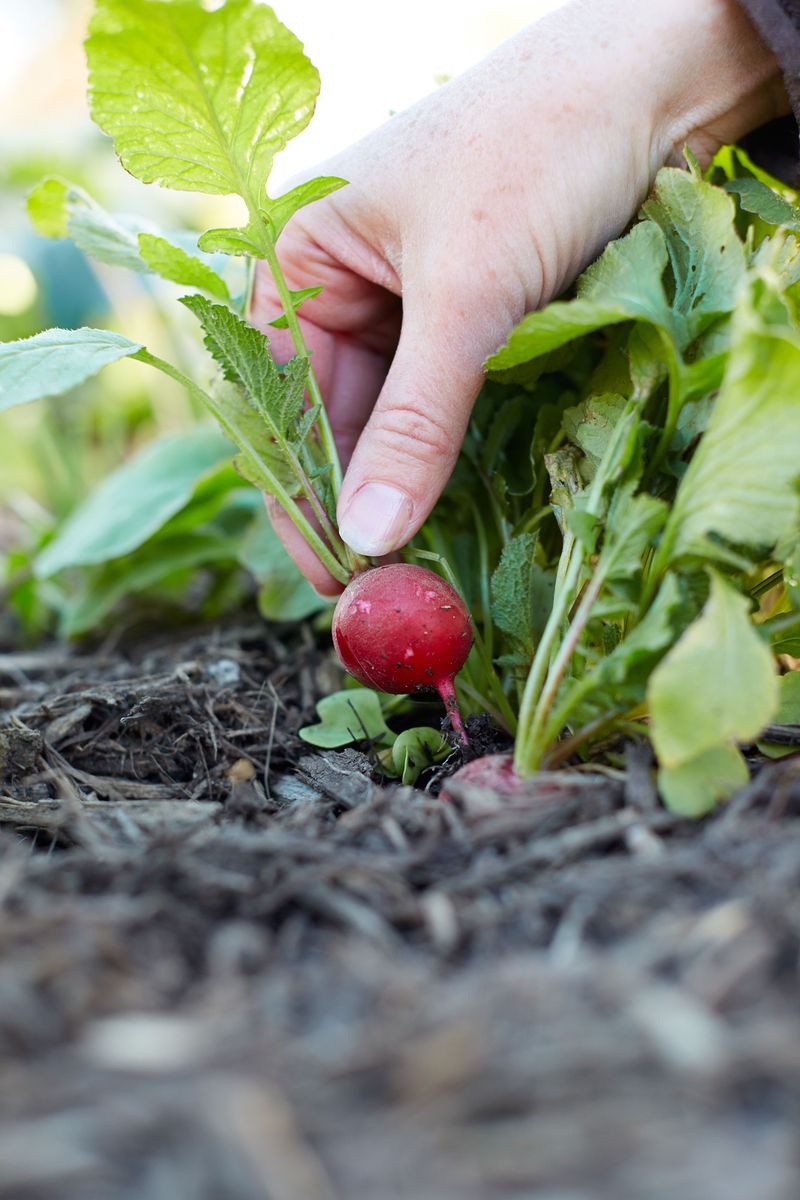
Ready in about 25 days, radishes are the speedy helpers of the root world. Mix a few seeds into your beet row, and they pop up first, marking the row and breaking crusty soil.
That crust-busting really matters. Beet seeds can struggle to push through hard soil, and radish sprouts help loosen the surface for them.
Pull the radishes before the beets need space. You get a quick crop and your beets get a softer, looser bed to grow in.
13. Sage
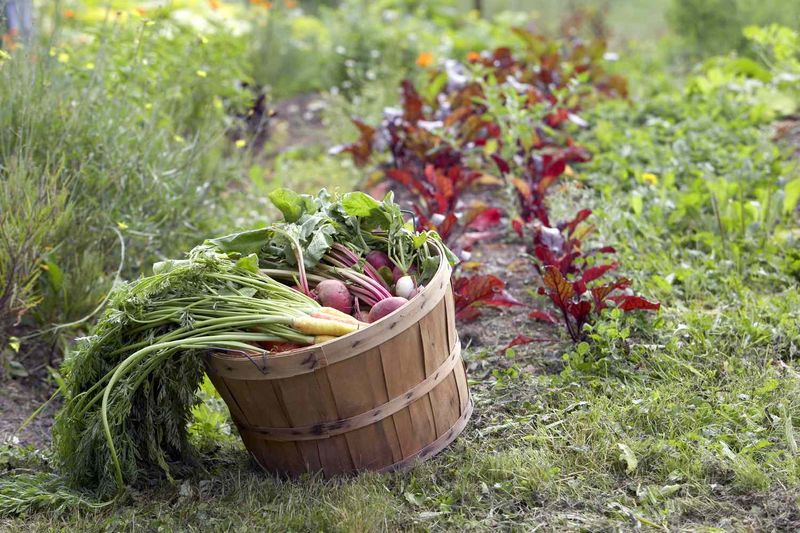
Rabbits tend to turn up their noses at sage. That fuzzy, strong-smelling herb may help keep them, along with slugs and flea beetles, away from your beet tops.
Sage is a perennial in many US zones, so plant it once at a corner of the bed and enjoy it for years. It likes dry, well-drained soil, so keep it at the edge where the beets get more water.
Snip leaves for cooking all season. Regular trimming keeps it compact instead of woody.
14. Pole Beans
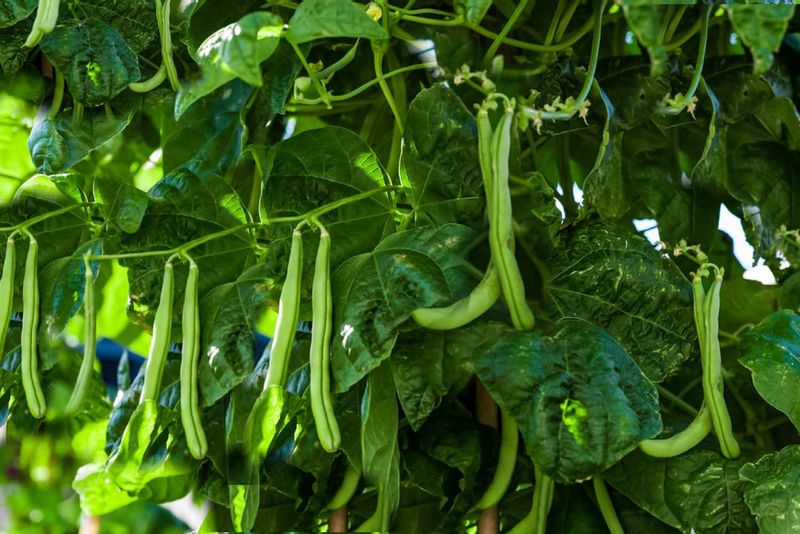
Now for the troublemakers. Pole beans look like a cousin of the helpful bush bean, but they climb six feet or more and throw a thick wall of shade.
Beets need at least six hours of sun to build round roots. Under a shady bean tower, you get leafy tops and tiny bulbs.
The vines also grow fast and pull hard on water and nutrients. Keep pole beans in a separate bed, or at least on the far north side of the garden.
15. Parsley
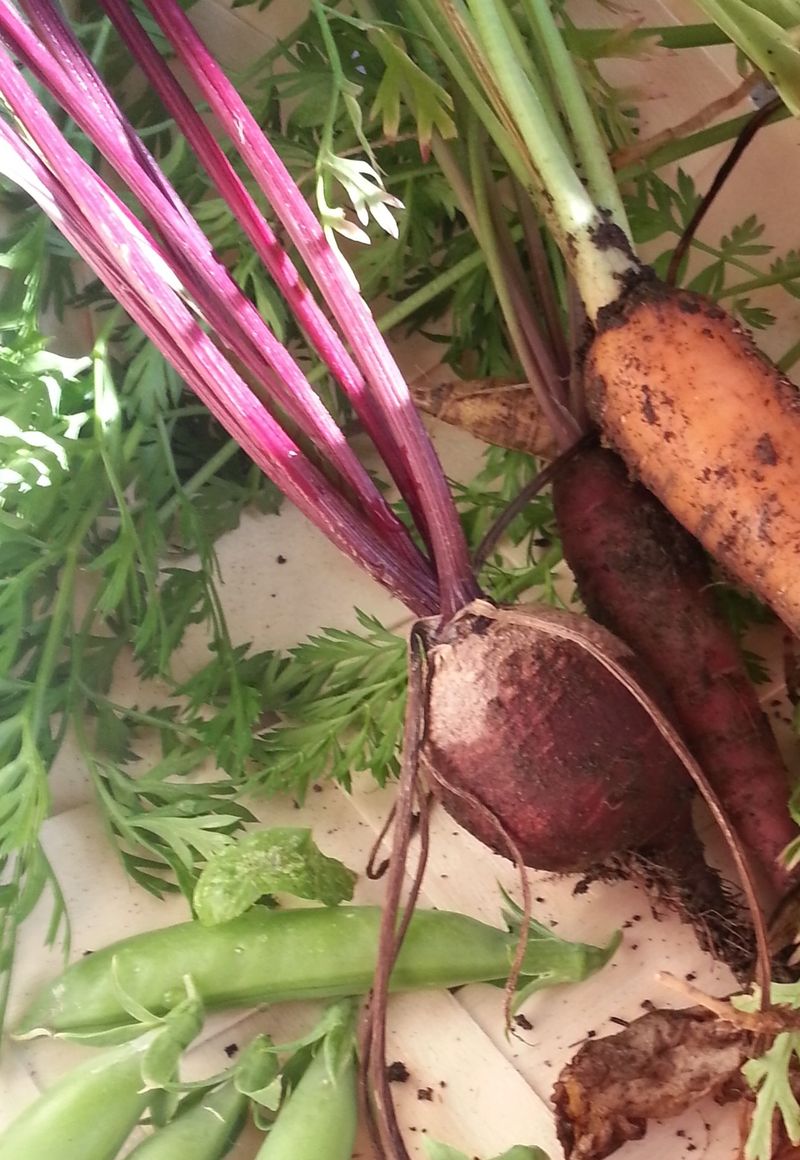
Surprised? Many gardeners are, since parsley seems so harmless.
Yet it is often listed as a poor beet neighbor because it can slow the growth of some nearby plants.
Parsley also grows a long taproot, and two root crops fighting in the same spot is rarely good news. Your beets may stay small and lopsided.
Grow parsley in a pot or near tomatoes or asparagus instead. Keep at least a few feet between it and your beets.
16. Potatoes
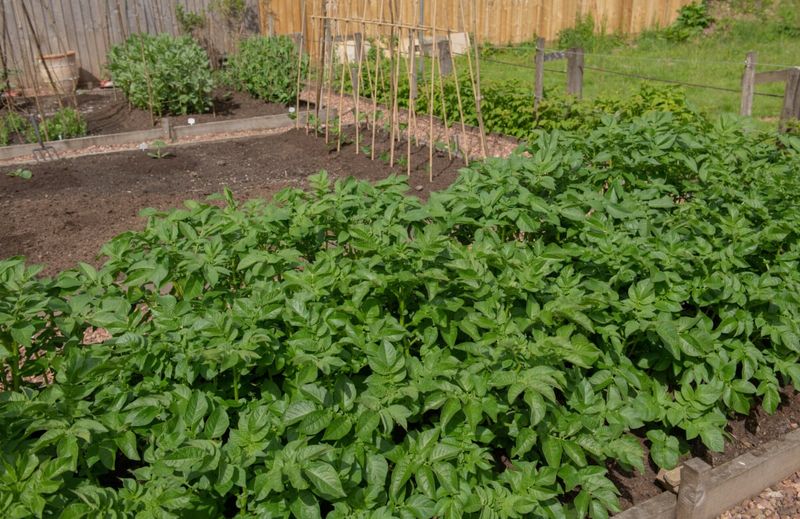
Potatoes are hungry and thirsty, and they do not share well. Their big plants soak up water and nutrients that beets need to swell.
Hilling makes things worse. When you pile soil around potatoes, you can bury or disturb beets growing nearby.
Both crops also attract some of the same soil pests, so pairing them may invite trouble. Give potatoes their own bed, and your beets will thank you.
17. Fennel
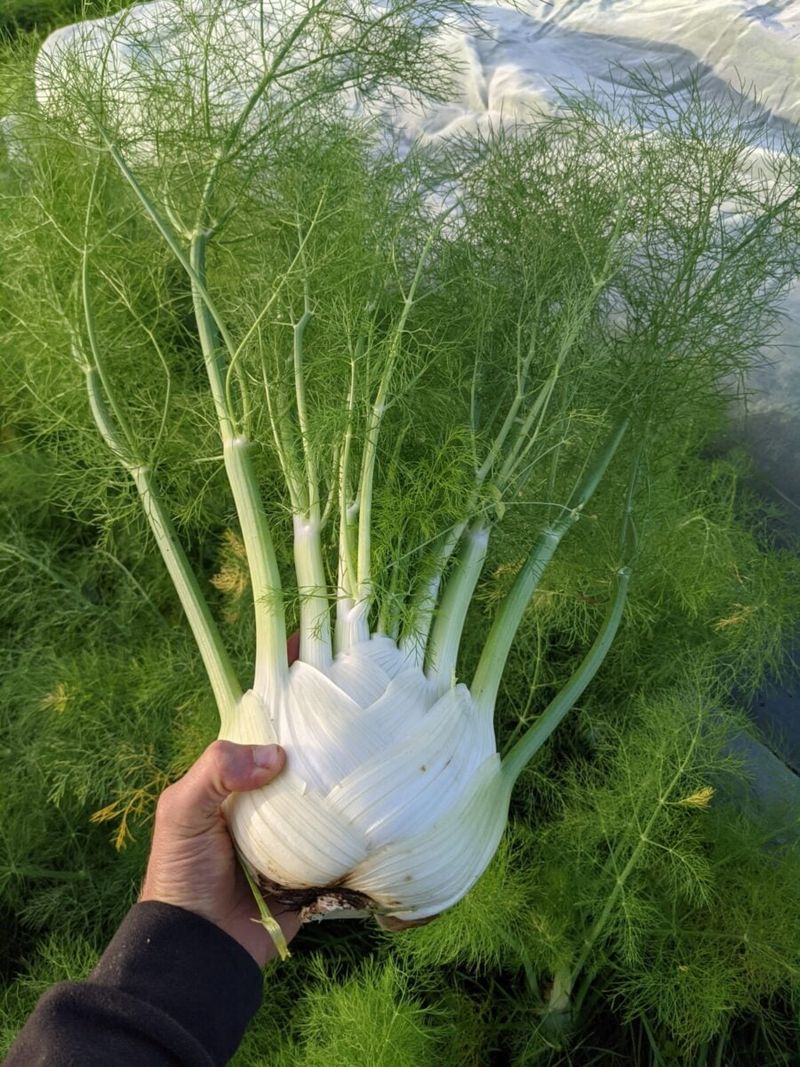
Fennel is the loner of the vegetable garden, and for good reason. It can release chemicals into the soil that slow down the plants around it, a habit called allelopathy.
Beets in a fennel bed may sprout poorly or grow slowly, and you might never guess why. It is a quiet problem that looks like bad soil.
The fix is simple: grow fennel alone, in a pot or a far corner. Pollinators still love its flowers, so you do not have to give it up, just give it distance.