
Black Widows and North Carolina Firewood Stacks: A Possible Hazard and Practical Precautions
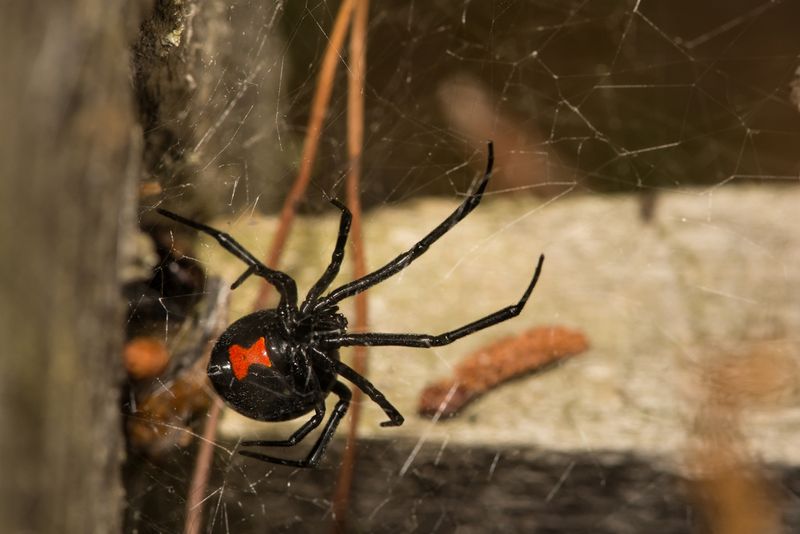
Carrying an armload of firewood is a familiar fall chore for many North Carolina homeowners. Woodpiles are also the kind of quiet, sheltered spot where a black widow may settle in.
That does not mean your stack has one, but a few easy habits can lower the chance of a surprise. Here is how to handle your wood with care while still respecting the spiders that share your yard.
Woodpiles can provide habitat, but presence is not guaranteed
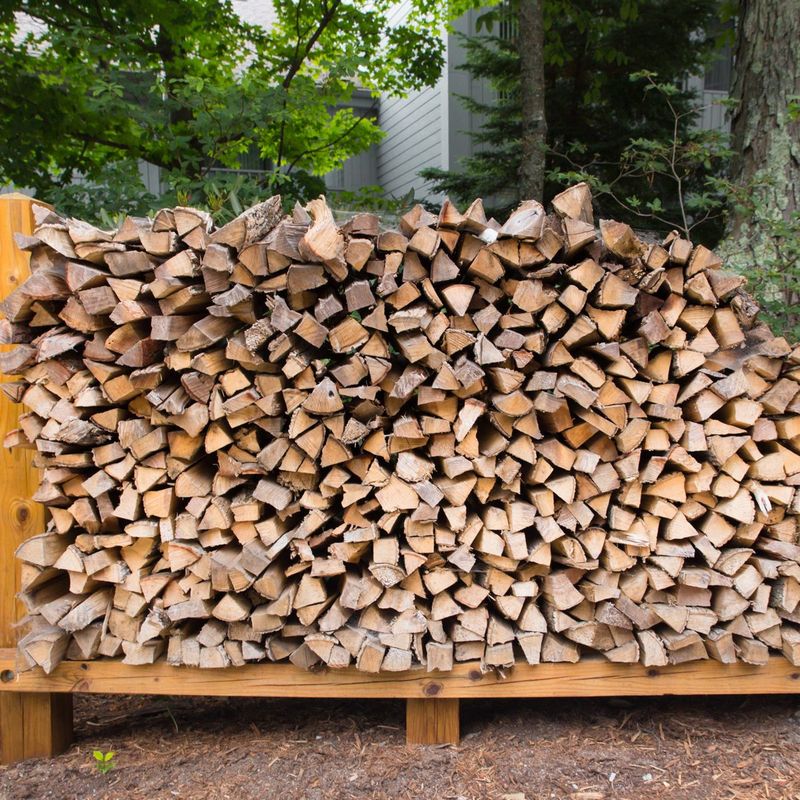
Spiders like quiet, covered places, and a woodpile offers plenty of them. The North Carolina Biodiversity Project lists woodpiles, sheds, and loose bark as habitat for the southern black widow.
NC State Extension also notes that black widows turn up in protected spots around homes.
Habitat is not the same as occupancy. Knowing that a woodpile can shelter a widow does not tell you that yours does, and nothing here gives odds for any one yard.
It simply means that reaching into stored wood is a situation worth handling thoughtfully.
Where you live in the state matters too. NC State reports three widow species in North Carolina, with the northern and southern black widows the most common and the brown widow still somewhat uncommon.
The southern black widow is described as more common in warmer areas, including the Coastal Plain, so the picture is not the same from the mountains to the coast.
The goal of this guide is modest. These steps can lower the chance of an accidental encounter, but they cannot promise that a spider will be easy to find or avoid.
Think of them as good habits for anyone who stacks, hauls, and burns wood.
Check sheltered spaces before reaching into the pile
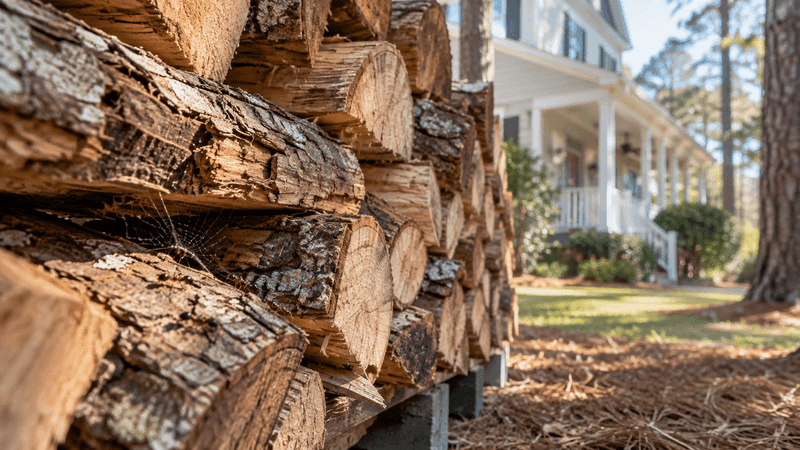
Before you grab a single log, take a minute to look the stack over. Scan the visible gaps between logs, the protected nooks around the pile, any loose bark, and the base where wood meets the ground.
A flashlight helps on gloomy afternoons.
These spots are sensible to check because North Carolina sources document woodpiles and loose bark as southern black widow habitat. No source names one favorite hiding place, so treat them as reasonable places to look rather than guaranteed ones.
A spider could be somewhere you did not expect, or nowhere at all.
The simplest rule is about your hands. NC State Extension advises caution with items left undisturbed, such as firewood.
If you cannot see into a dark gap, do not push a bare hand into it.
Move slowly and pick up logs from the outer edge of the stack, where you can see what is around them. If something looks occupied, step back and choose a different log.
Use gloves and keep your hands where you can see them
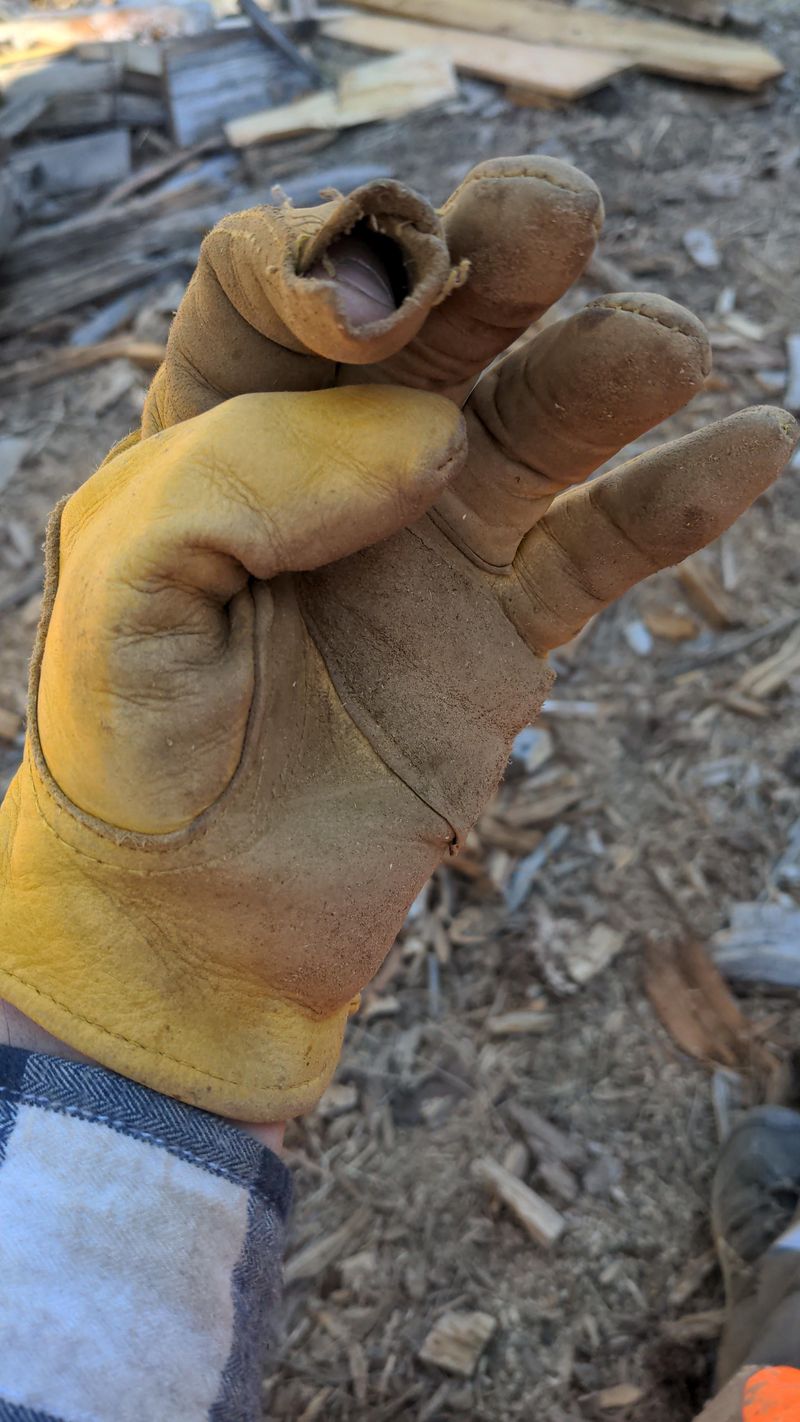
Ordinary handling habits do most of the work here. Look over each log and the space around it, pull on a pair of sturdy work gloves, and lift the wood with your hands in plain view.
NC State Extension recommends looking before reaching and wearing gloves when handling firewood and other things left undisturbed.
Black widows are shy, and a bite is most likely when one is pressed or disturbed, often by a hand that reached in blindly. Gloves and a clear view cut down on that kind of accidental contact.
Gloves are a layer of protection, not a guarantee. A spider can hide in a spot you did not check, so keep looking even while wearing them.
Shake out or tap a log gently from a safe angle before you tuck it under your arm.
Skip improvised tools for poking or prying at a spider, and never try to grab one. If you see a spider you are unsure about, simply set that log down and back away.
Store firewood outdoors and away from the house

Where the wood sits between burns makes a difference. UC Statewide IPM advises stacking firewood away from the house and wearing gloves whenever you pick it up.
Keeping the pile outdoors also means a stray spider is less likely to ride a log into your living space.
The guidance does not give a set distance, so there is no magic number of feet to follow. Use common sense for your own yard, leaving some space between the stack and your walls and doors.
The same goes for how much wood to carry in. No source sets a particular amount, so choose a load that you can handle comfortably with your hands free to see what you are lifting.
Once you bring logs inside, give them a quick look before they go by the hearth. A spider that wanders off a log indoors is a surprise for everyone, so a glance at the wood in good light is a handy habit.
Appearance can help, but do not handle a spider to identify it
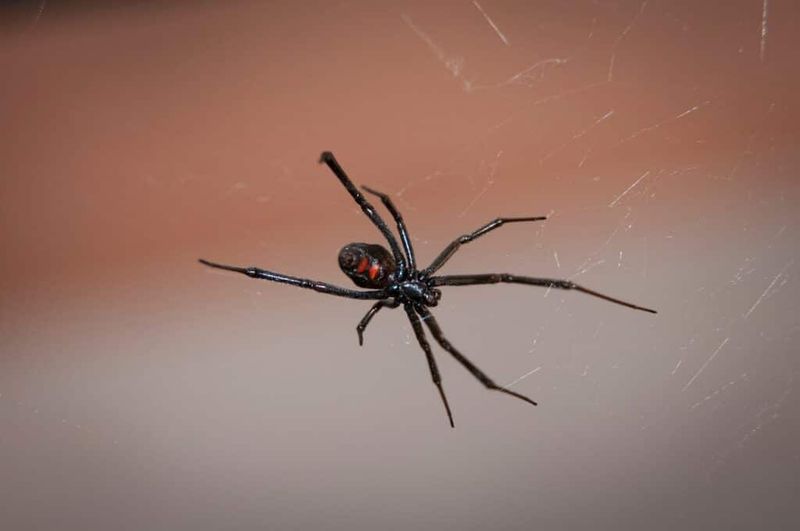
An adult female southern black widow is often shiny and dark with a red marking underneath, a description that appears in both NC State Extension materials and the NC Biodiversity Project. That mark sits on the underside, which is not something you want to go looking for.
Looks can mislead. Males and juveniles can appear different from the classic adult female, and a quick glance in poor light is not a reliable test.
Plenty of harmless spiders are dark too.
You also do not need a positive identification to act sensibly. If a spider is tucked in your woodpile and you are unsure what it is, treat it with the same distance and care you would give a widow.
Never flip a log over, poke a web, or pick up a spider to get a better view. A photo from a comfortable distance is plenty if you are curious.
Leave undisturbed spiders alone instead of spraying the yard
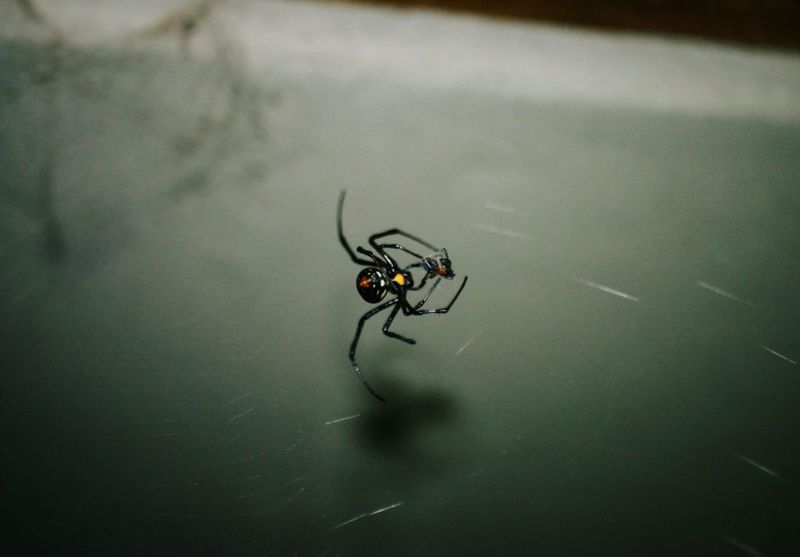
Spiders do quiet work in a healthy yard by preying on insects. NC State Extension says outdoor pesticide applications for spiders are largely unnecessary and should be avoided.
Spraying the yard can also hit the pollinators, beetles, and other wildlife you want to keep.
If a spider is minding its own business away from where you work, the kind choice is to leave it be. Do not try to catch or move a widow, since that puts your hands right where you do not want them.
Your wood-handling habits are what protect you, not a war on every spider. Killing every one you see is not the aim and would not make a stack safer to reach into.
If a widow keeps turning up in a spot near your home and the hazard feels persistent, call a qualified pest professional. They can assess the situation without you improvising a risky fix.
For a suspected bite, wash the area and contact Poison Control
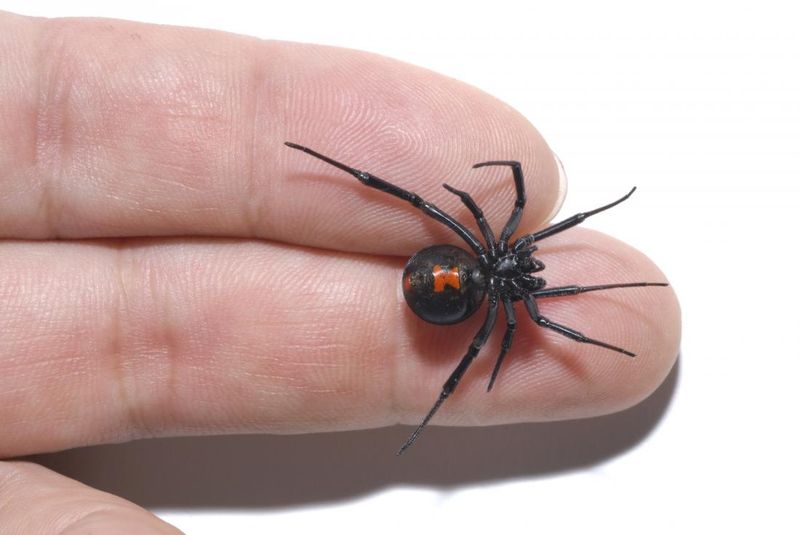
If you think a spider has bitten you, stay calm and wash the area with soap and water. Then call Poison Control at 1-800-222-1222 or use its online tool.
Poison Control’s black widow guidance can help you decide what to do next.
Bites can cause significant pain and symptoms that affect the whole body, but death is rare, according to CDC travel health guidance. Not every bite is an emergency, but symptoms that develop call for urgent medical advice.
NC State recommends seeking immediate medical attention if the person bitten is a child, pregnant, or in poor health. Do not wait to see how it goes in those cases.
These precautions lower your exposure but cannot promise you will always spot a spider first. A quiet woodpile and a careful pair of gloved hands are a good match for a North Carolina fall.