
Can a North Carolina Neighbor Force You to Remove Native Yard Plants?
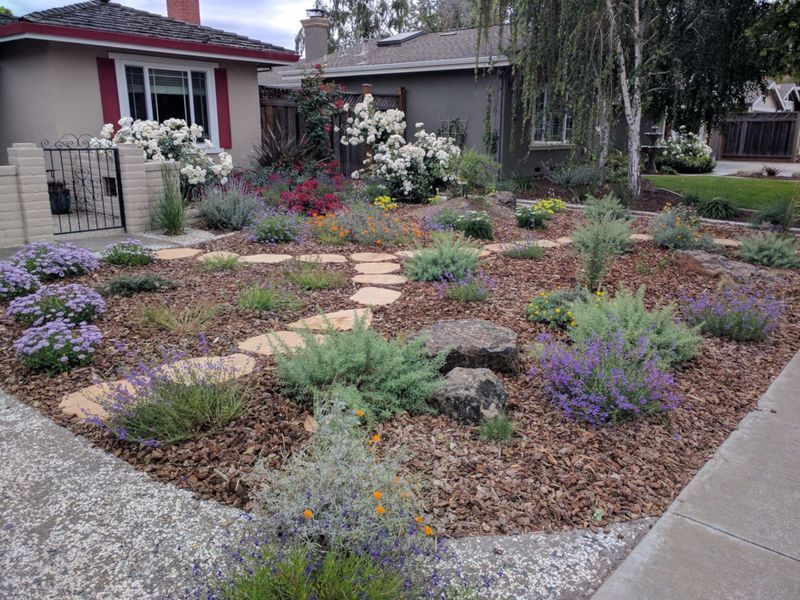
A neighbor frowns at your tall native grasses, your leaning oak, or your wildflower border and says it all has to go. Before you pick up a saw, it helps to know what North Carolina rules actually say.
A neighbor’s dislike is not the same thing as a legal order. Still, local codes, HOA covenants, and real tree problems can change what you need to do.
A neighbor’s objection is not a statewide removal order
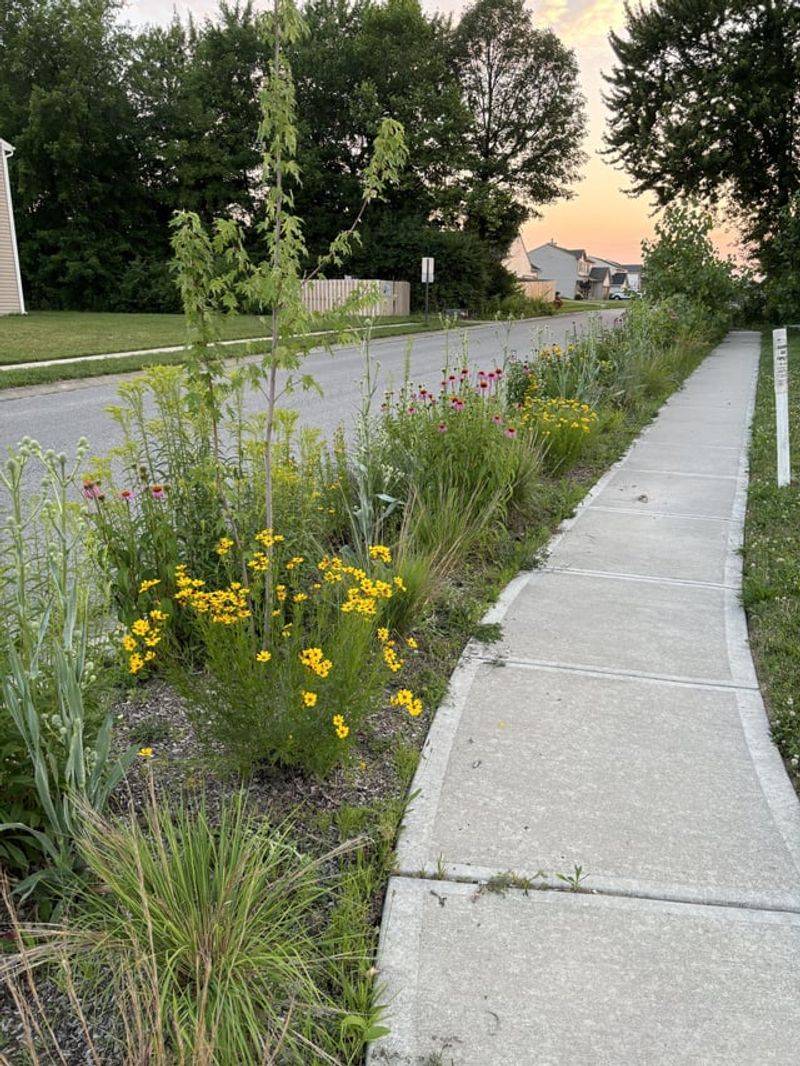
Here is the short answer. North Carolina has no general statewide rule that shields native plants or naturalistic yards from removal demands.
At the same time, a neighbor’s objection alone does not create a legal duty for you to remove anything.
What matters is the route the demand takes. It might come through a city or county ordinance, a private HOA covenant, a specific property or safety condition, or a court claim.
Each route needs its own legal footing. North Carolina law lets cities regulate conditions affecting public health, safety, and welfare, as shown in the state’s general ordinance-making statute.
NC State Extension also notes in its citizen guide to community trees that local ordinances, easements, covenants, and HOA rules can limit tree work.
Many gardeners assume that a plant being native gives it legal protection. It does not.
The state’s plant conservation law covers only designated endangered, threatened, or special-concern species, and it says it does not limit an owner’s right to manage land for lawful purposes. Your black-eyed Susans and little bluestem are great for pollinators, but they carry no special legal status.
So think of it this way. Native plants are a smart choice for your yard and local wildlife, but the legal question depends on who is asking, which rule they point to, and what the facts are at your address.
The next sections walk through each route.
First, identify who is asking—and what they say is wrong
Tone and paperwork tell you a lot. A chat over the fence is an informal request.
A letter from a city or county office is a government notice. A message from an HOA board is a private enforcement matter.
A complaint about a tree on or near the line is a boundary or tree dispute. Each one follows different rules.
Ask the person to name the specific concern. Is it height, shade, runaway growth, or a limb over a roof?
Then ask what rule they rely on. A vague complaint gives you little to answer, while a specific one points you to the ordinance, covenant, or safety issue to check.
Before pruning or removing anything, confirm where the property line actually is. A survey or plat is better than a guess.
NC State Extension warns in its community tree guide that damaging or removing a neighbor’s tree can bring civil or criminal penalties. The state’s injury-to-trees statute addresses willful damage to another person’s plants without consent.
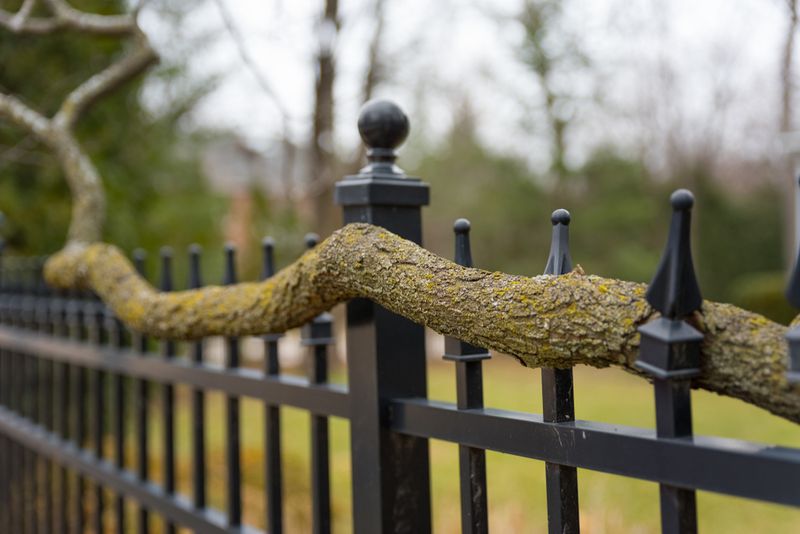
Overhanging branches are tricky. Do not assume you may cut everything back to the line.
In Rowe v. McGee, the court discussed an out-of-state decision on boundary pruning, but that was not a North Carolina ruling creating a general trimming right.
Get legal or arborist advice before any major cutting.
Local vegetation codes can change the answer
Your town or county may have its own rules about overgrown vegetation. Cities have broad authority to regulate health, safety, and welfare conditions under the general ordinance statute.
There is no single statewide standard for how tall or wild a yard may be.
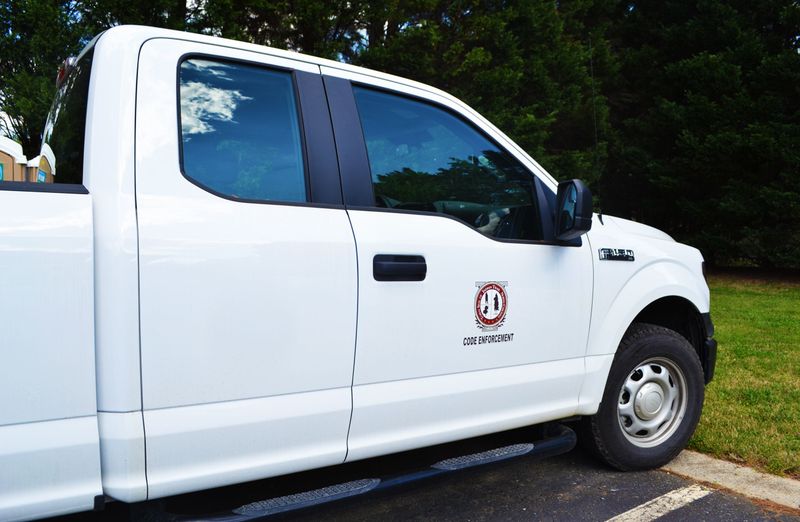
So look up the code for your own address. Search your municipal code online or call the planning or code enforcement office.
Check whether you are inside city limits, since county rules may differ and city and county powers are not identical.
Not every complaint leads to removal. A typical path starts with a complaint, then an inspection, then a notice that gives you a chance to respond or fix the issue.
If a violation is not resolved, enforcement can escalate. One state law allows cities to use a special process for chronic violators of overgrown-vegetation ordinances, and that statute describes abatement expenses that can become a lien.
Counties have their own nuisance abatement authority, outlined in the county statute.
Keep this separate from HOA rules. A city can only enforce its own ordinances, and an HOA can only enforce its own governing documents.
Meeting one set of rules does not automatically satisfy the other. If you get a notice, read the deadline, ask what exactly is cited, and respond in writing.
Charlotte shows what a local habitat exemption can—and cannot—do
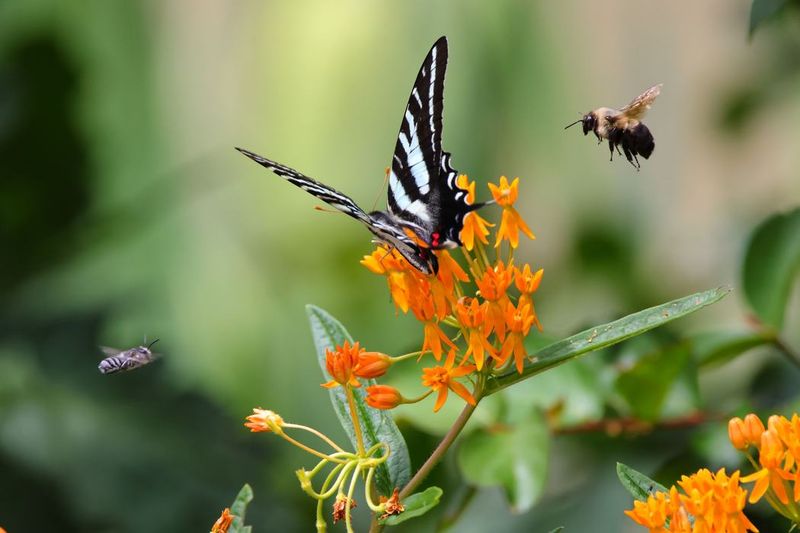
Charlotte offers a useful example of how a city can make room for naturalistic yards. According to the city’s pollinator gardening page, registered and properly maintained pollinator habitats and naturalistic landscapes may qualify for an exemption from its overgrown-vegetation ordinance.
The key words are registered and maintained. Simply calling a patch of weeds a pollinator garden does not earn an exemption.
Clear edges, intentional plantings, and upkeep are part of the picture.
Timing matters too. Charlotte’s code enforcement information indicates that a property owner who receives a violation notice has a 30-day window to seek approval.
Missing that window could leave you facing the standard process.
Remember the limits. This is a Charlotte program, not a statewide rule, and other towns may use different definitions or have no similar process at all.
The city also says the exemption does not override HOA or other private maintenance requirements. If you live elsewhere, ask your local planning or code office whether any habitat provision exists before you plant.
HOA covenants are a separate set of rules

If you live in a homeowners association, your governing documents come first on the private side. The North Carolina Department of Justice advises residents, in its homeowners association guidance, to obtain and read the bylaws and covenants.
A city exemption or a friendly neighbor does not settle what those documents require.
Look for the declaration, covenants, bylaws, and any architectural or landscaping guidelines. Check what they say about plant types, lawn height, approval for changes, and fines.
Many associations fall under the state’s Planned Community Act, though that can depend on when the association was created.
Court decisions can matter, but read them narrowly. In Steiner v.
Windrow Estates HOA, the Court of Appeals found one particular covenant void for vagueness because it relied on subjective terms such as annoyance and unsightly. That does not mean HOA landscaping restrictions are generally unenforceable.
If you want to plant natives in an HOA, submit a written request with plant lists and a maintenance plan. Ask for approval in writing.
If a dispute grows, a North Carolina attorney who handles community association law can review your specific documents.
A tree’s documented condition matters more than a neighbor’s aesthetic objection
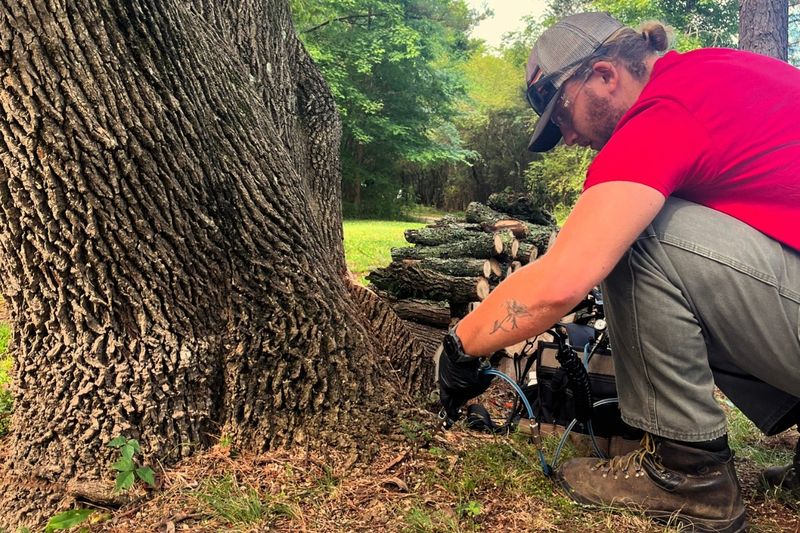
Tall trees, deep shade, and falling leaves are annoying to some people, but they are not proof of danger. What counts is the tree’s actual condition.
A dead or visibly dying tree, a prominent lean, or limbs reaching over a structure can all bear on whether a fall was foreseeable, according to NC State Extension’s tree fall liability guidance.
Liability can turn on the tree’s condition and what the owner reasonably knew. If a neighbor points out a cracked limb or a dead crown, take it seriously.
Photograph the tree, note the date, and keep any written complaints.
A certified arborist can assess the tree and recommend care, which may be pruning, cabling, or removal. A written report helps if the issue is ever disputed.
Healthy native oaks, maples, and hickories often need only routine care.
Tree work can be dangerous, so leave big jobs to trained crews. NC State Extension says in its community tree guide that anyone working within 10 feet of overhead high-voltage lines or poles must contact the appropriate utility first.
Never climb or cut near power lines on your own.
Check the rules before you cut
Start by identifying who made the demand: a neighbor, the city or county, or your HOA. Ask for any complaint or notice in writing.
Then confirm the property line before touching a branch, since state law on injuring another’s plants carries real consequences.
Next, read your local code, which state law lets cities write, and your HOA documents, as the Department of Justice recommends. Check easements and stream buffers too, and have an arborist document any claimed hazard.
NC State Extension lists these as common limits on tree work.
Skip risky shortcuts like cutting across an uncertain boundary or doing dangerous tree work yourself. A preference is not a court order, but the rules and facts at your address decide what comes next.