
Your Garden Feels Like Fall Long Before The Leaves Turn When You Plant These 15 Beyond-Mums Picks
Mums are fine, but they often fade fast, and many never come back the next year. If your fall garden feels empty by September, the fix is easier than you think.
A few smart plants can bring warm colors, late blooms, and busy bees to your yard weeks before the trees change. Here are 15 picks that keep your beds looking alive and cozy all season long.
1. Asters
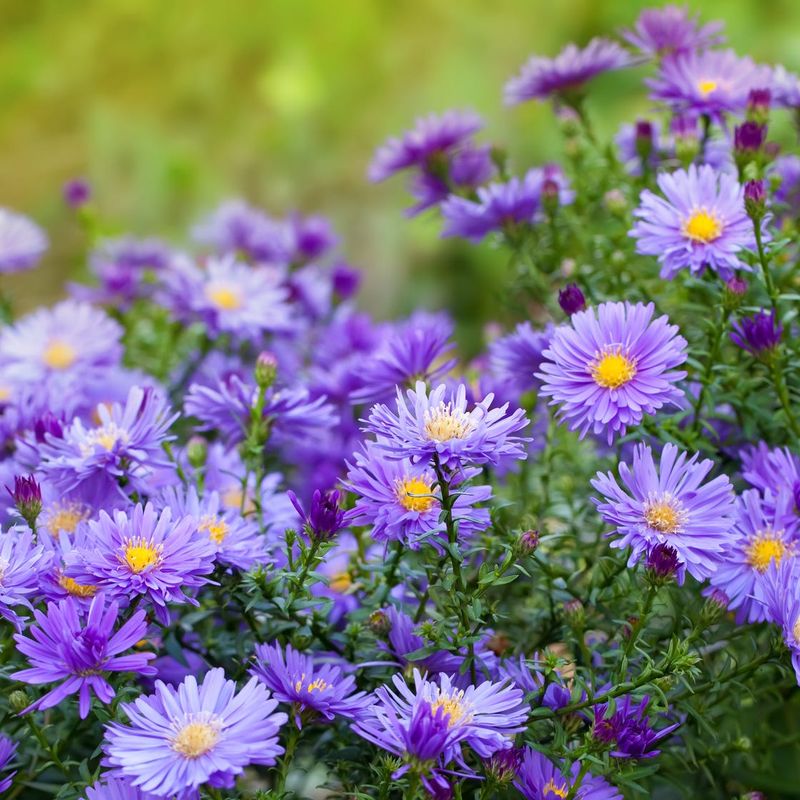
Ask any beekeeper what keeps their hives fed in September, and asters usually come up first. Their small daisy-like flowers open in purple, blue, pink, and white just as most summer blooms are giving up.
Plant them in full sun with decent drainage. If yours flop over by late summer, pinch the stems back by about a third in early June, and they may grow shorter and sturdier.
Powdery mildew can show up as a white dust on the leaves. Giving each plant room for air to move around can reduce that problem without any sprays.
2. Sedum Autumn Joy
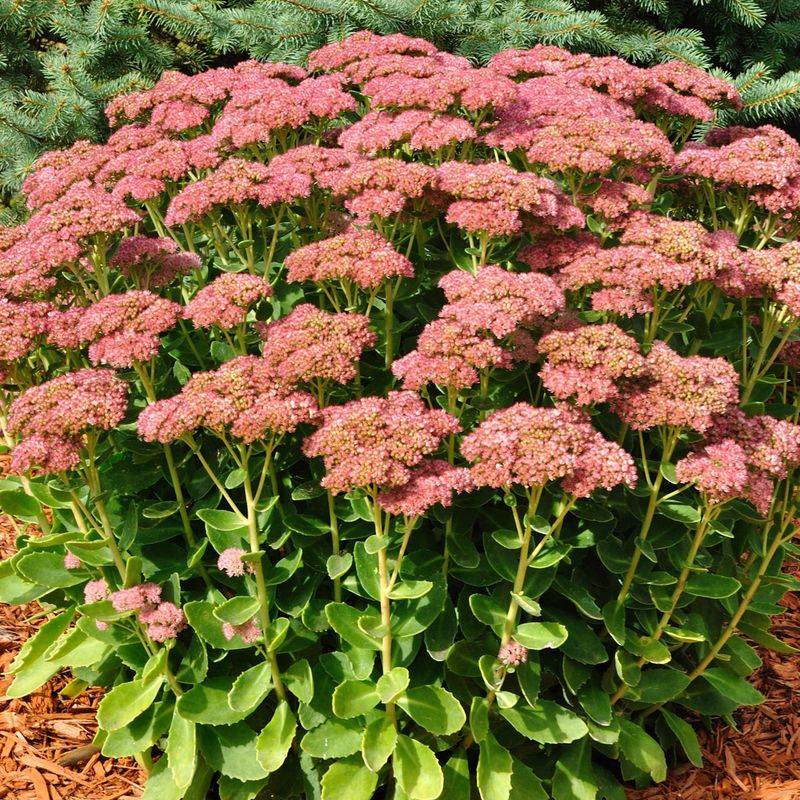
Here is a plant that changes outfits right on schedule. Sedum flower heads start pale green in August, blush pink, then deepen to rust and brick red as nights cool.
The thick leaves store water, so sedum shrugs off heat and dry spells. In fact, too much water and rich soil are what make it split open in the middle.
Leave the dried seed heads standing over winter. They hold snow beautifully and give birds something to pick at.
3. Pansies and Violas
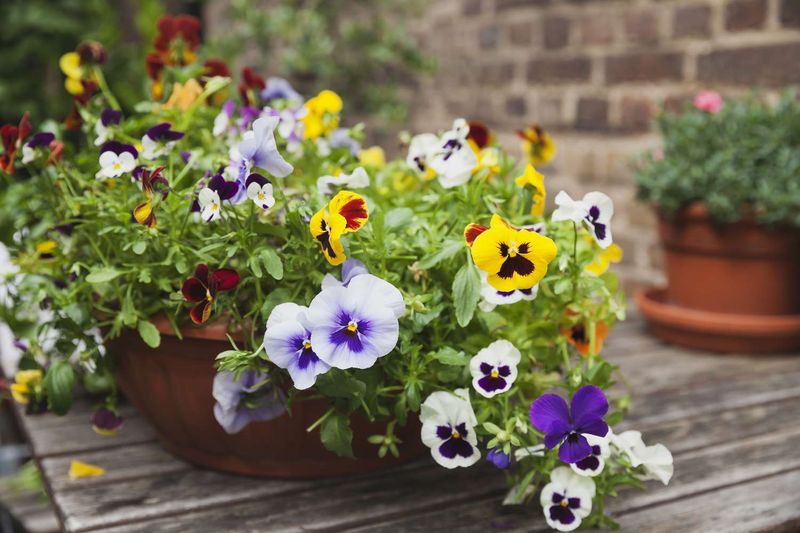
Swapping tired summer petunias for pansies is one of the quickest ways to rescue a sad container. Once petunias get leggy and stop blooming in late summer, pull them and tuck in pansies or violas.
These cool-weather favorites love the crisp air that stresses most annuals. They come in nearly every color, including burnt orange and deep purple that match fall decor.
In milder parts of the country, many will rest through winter and bloom again in spring. That is two seasons from one small six-pack.
4. Oakleaf Hydrangea
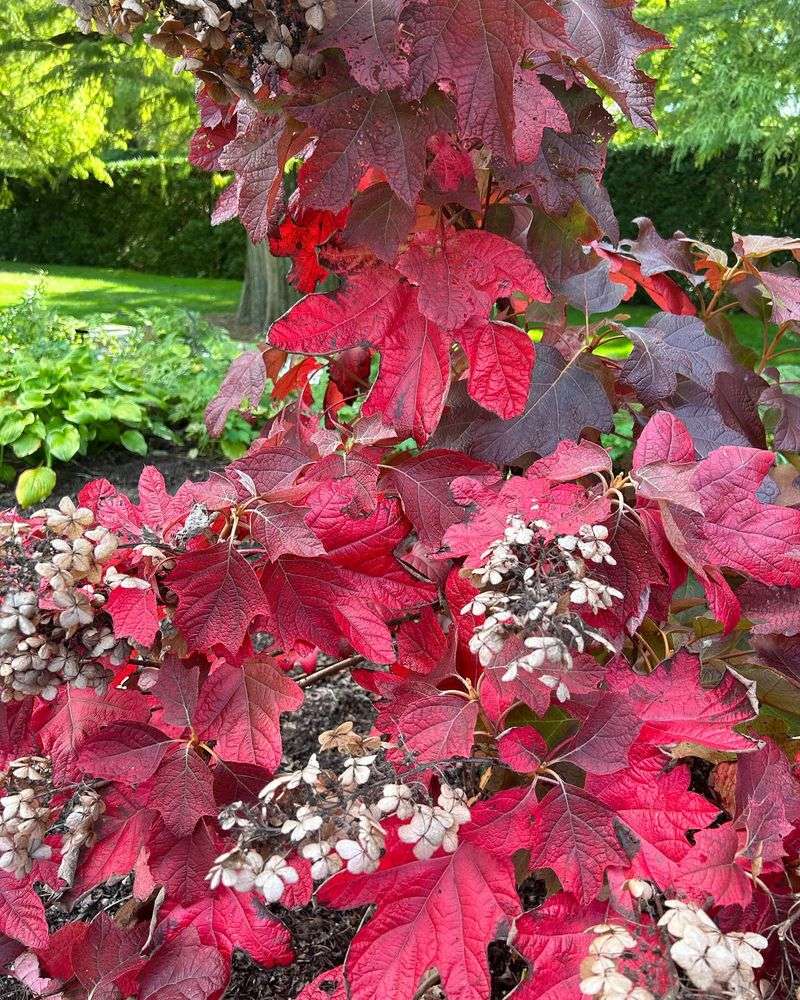
If your bigleaf hydrangea skipped blooming this year, you are not alone. Oakleaf hydrangea is the forgiving cousin worth knowing about, since it blooms reliably and handles cold winters far better.
Its white cone-shaped flowers age to dusty pink in midsummer. Then fall arrives, and the big oak-shaped leaves turn crimson, burgundy, and gold.
Peeling cinnamon bark keeps the show going after the leaves drop. Give it morning sun and afternoon shade, and avoid heavy pruning, because it flowers on last year’s stems.
5. Black-Eyed Susan
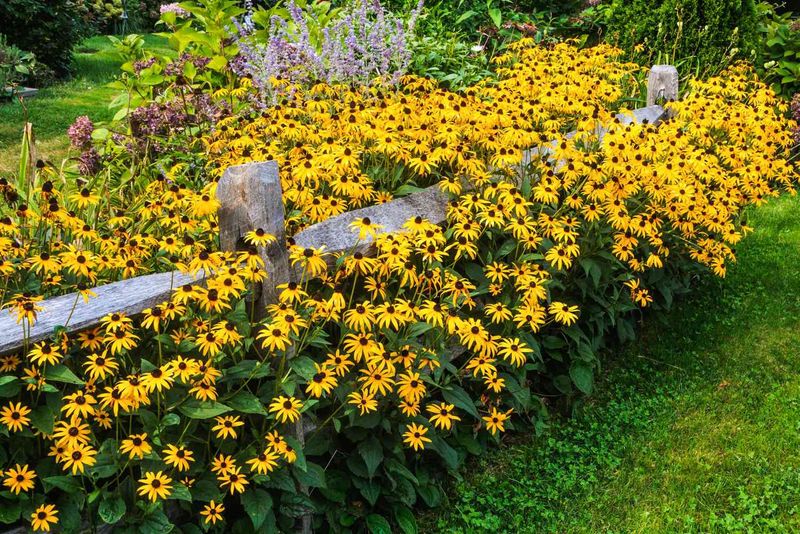
Few flowers say harvest season like a sweep of golden petals around chocolate-brown centers. Black-eyed Susans bloom from midsummer into fall and laugh at heat.
They handle poor soil and hot spots that would scorch a geranium. Snip off faded blooms to stretch the season, then leave the last round for goldfinches.
Fun fact: Rudbeckia hirta is the state flower of Maryland. It spreads politely by seed, so you will likely find free plants next spring.
6. Coral Bells
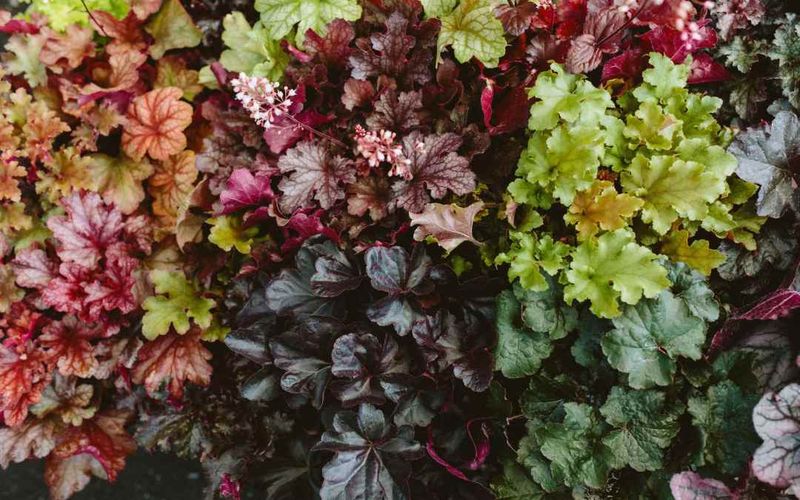
Think of coral bells as fall color you never have to wait for. The leaves come in amber, caramel, bronze, plum, silver, and lime, and they look good from spring right into winter.
Heuchera does best in part shade with well-drained soil. If the crown starts pushing up out of the ground after a few years, just dig it and replant it a bit deeper.
Pair caramel and burgundy types under a hydrangea for an instant autumn palette.
7. Japanese Anemone
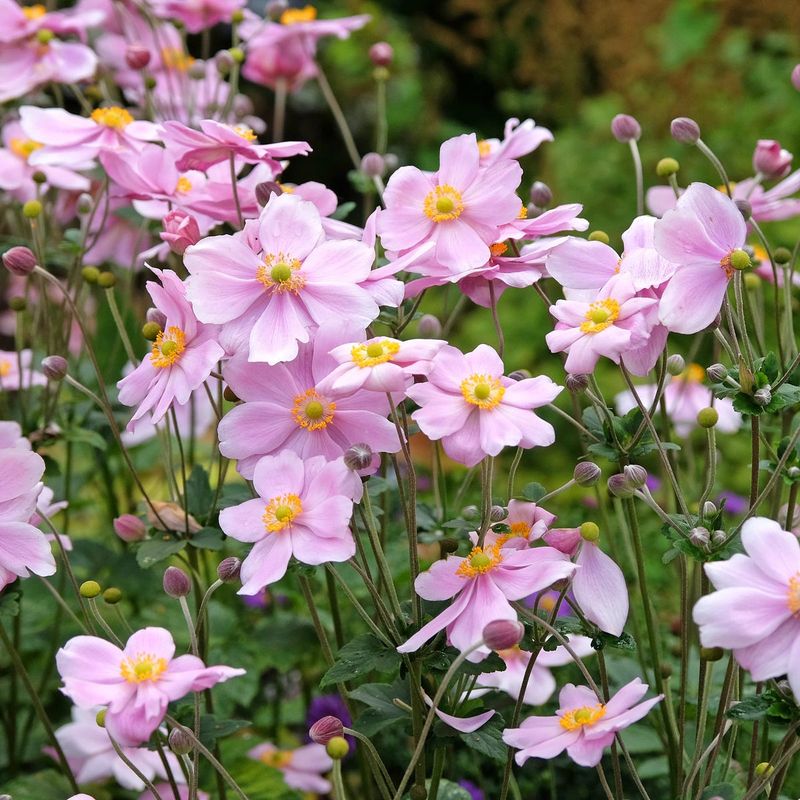
Picture a September breeze, and tall wiry stems swaying with soft pink and white flowers. Japanese anemones bring that graceful mood to corners where little else blooms late.
They prefer part shade and steady moisture. The first year can feel slow, but once settled they fill in nicely.
Keep an eye on them, though. In rich soil they can spread, so give them space or a spot with natural edges.
8. Goldenrod
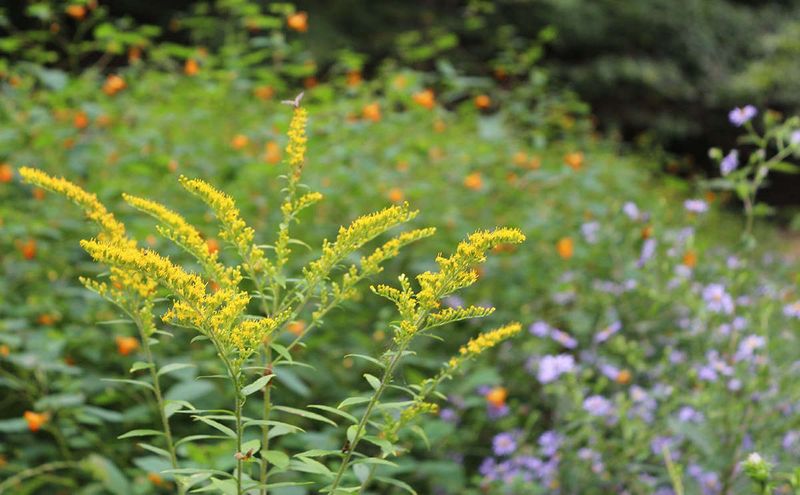
Goldenrod has been unfairly blamed for sneezing for generations. The real culprit is usually ragweed, which blooms at the same time but has plain green flowers you barely notice.
Goldenrod pollen is heavy and carried by insects, not wind. Its golden plumes feed bees and butterflies right when they need fuel most.
For backyard beds, look for well-behaved cultivars like Fireworks or Golden Fleece. They stay compact and will not take over.
9. Celosia
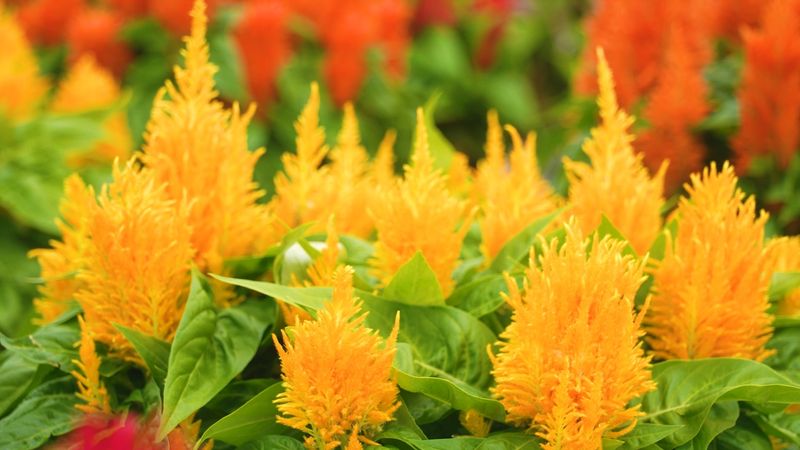
Some plants whisper. Celosia shouts, with feathery plumes that look like little flames in orange, scarlet, and gold, plus crested types shaped like velvet coral.
It loves hot sun and keeps glowing well after heat has fried more delicate annuals. That makes it a smart swap for petunias in a scorching bed.
Cut a few stems and hang them upside down to dry. They hold color for months in fall arrangements.
10. Ornamental Grasses
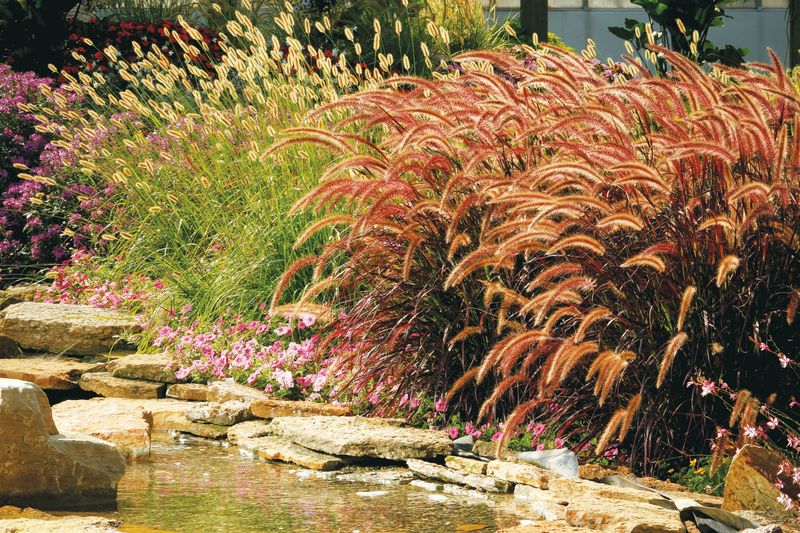
Movement is the secret ingredient most fall gardens lack. Fountain grass and similar picks add swaying plumes that catch low autumn light like nothing else.
As temperatures drop, many grasses shift to wheat, copper, or reddish tones. They need little water once established and ask almost nothing of you.
Wait until late winter to cut them back. The standing foliage helps protect the crown from cold.
11. Nandina
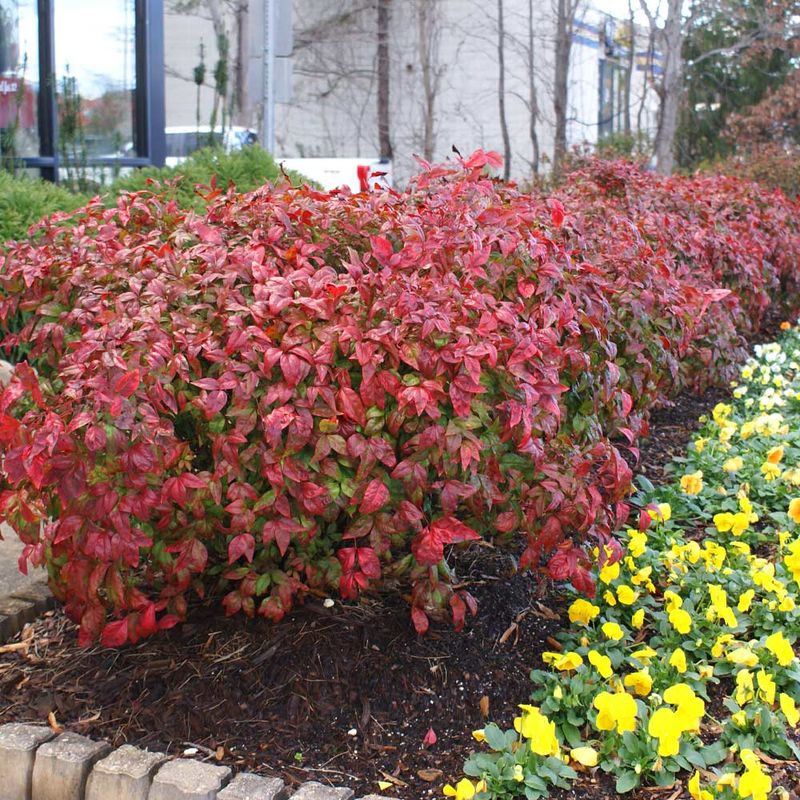
Evergreen and colorful sounds like a contradiction, yet nandina pulls it off. Its fine leaves warm into red and orange when the weather cools, while staying on the plant all year.
Choose compact, low-berry or sterile cultivars such as Firepower or Obsession. Older berry-heavy types can spread into wild areas in parts of the South.
Those berries can also be harmful to birds, which is one more reason to stick with the newer selections.
12. Toad Lily
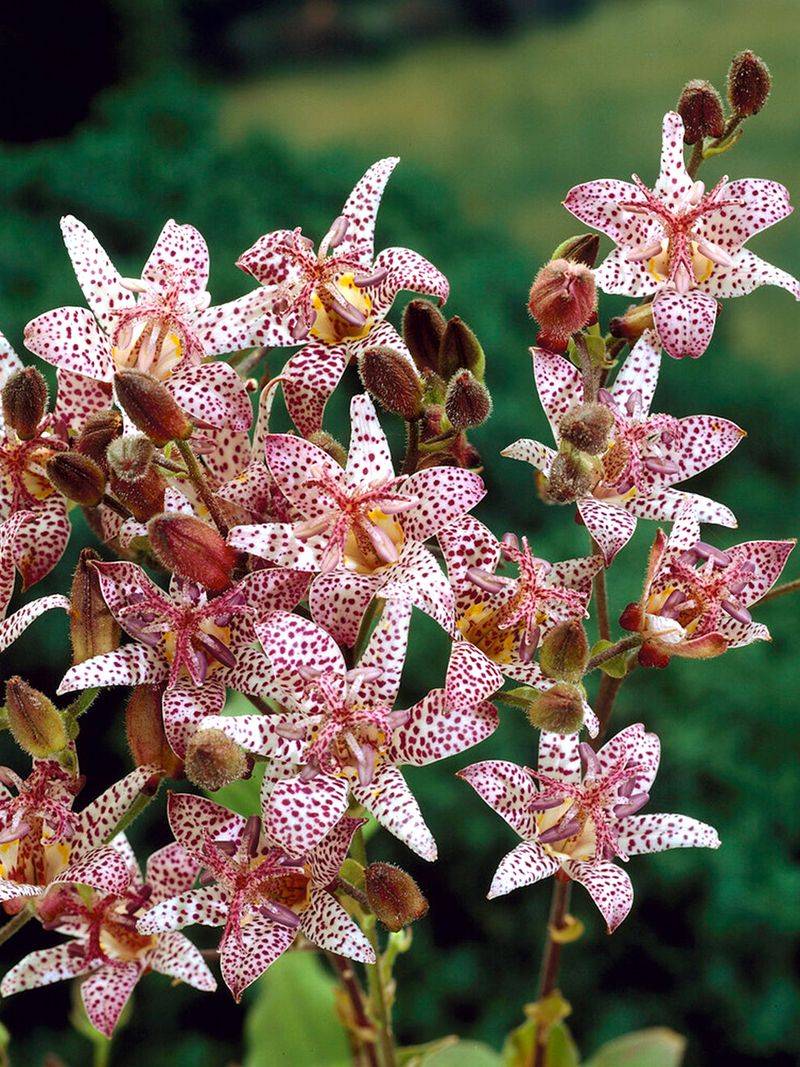
Don’t let the name fool you. Toad lily flowers look like tiny spotted orchids, and most visitors have to lean in close to believe they are real.
They bloom in early fall in moist shade, exactly where hostas are starting to look tired. Deer tend to leave them alone too.
Plant them near a path or patio so you can actually enjoy those freckled petals up close.
13. Dahlias
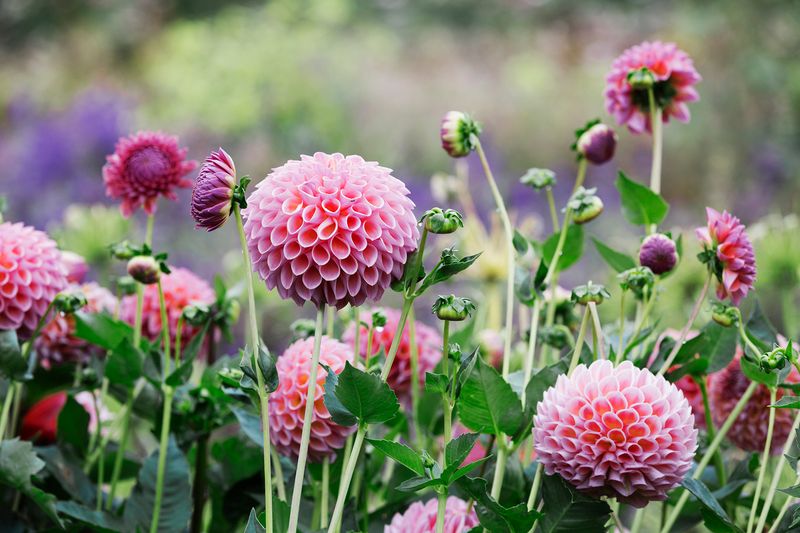
Late summer is when dahlias finally hit their stride, and they often keep going until the first hard frost. Blooms range from tiny pompons to dinner-plate giants.
If your plants are tall and leafy but light on flowers, too much nitrogen fertilizer may be the reason. Switch to a low-nitrogen feed and keep cutting blooms to encourage more.
In colder zones, dig the tubers after frost blackens the leaves and store them somewhere cool and dry.
14. American Beautyberry
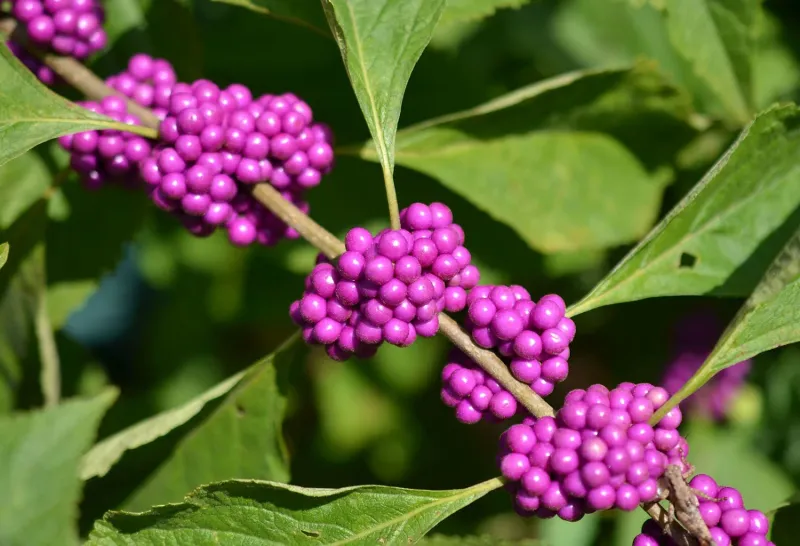
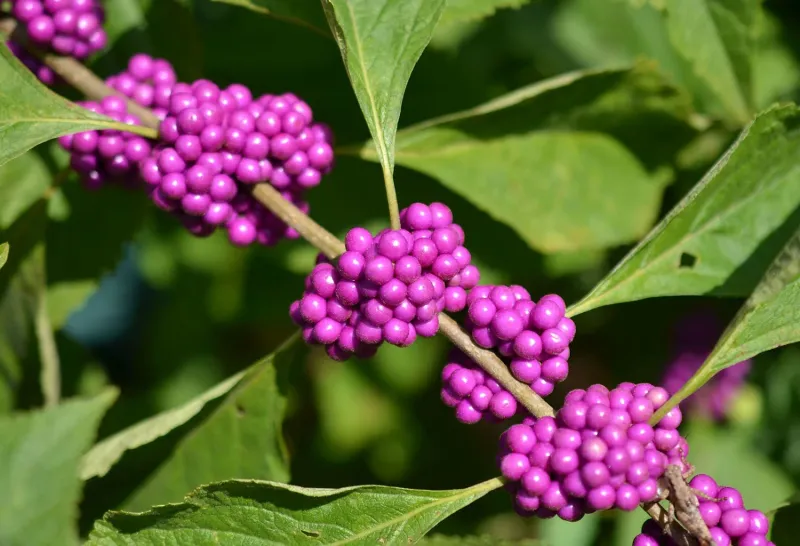
Neighbors will ask if those berries are real. American beautyberry covers its arching stems with clusters of glossy, almost neon purple fruit in fall.
The flowers are tiny and easy to miss, so this shrub saves its big moment for autumn. Once the leaves drop, the berries shine even brighter.
It is native to the Southeast and handles sun or part shade. Birds like mockingbirds will eventually clean it up, which is part of the fun.
15. Perennial Salvia and Russian Sage
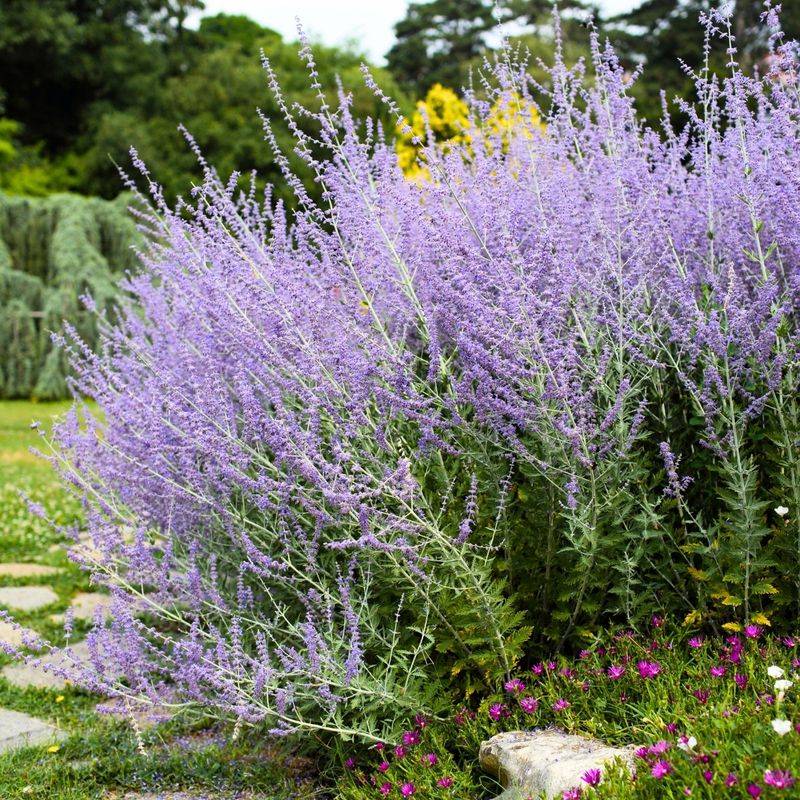
Hummingbirds heading south need fuel, and salvia spikes are like roadside diners for them. Many perennial salvias rebloom into fall if you shear them after the first flush.
Russian sage adds a hazy cloud of lavender-blue on silvery stems. Both thrive in hot, dry spots where tender annuals struggle.
Wait until spring to cut Russian sage back. Pruning too early can leave it open to winter damage.