
Your Pumpkins Look Twice As Good Surrounded By These 13 Fall Plants That Keep Blooming Through Frost
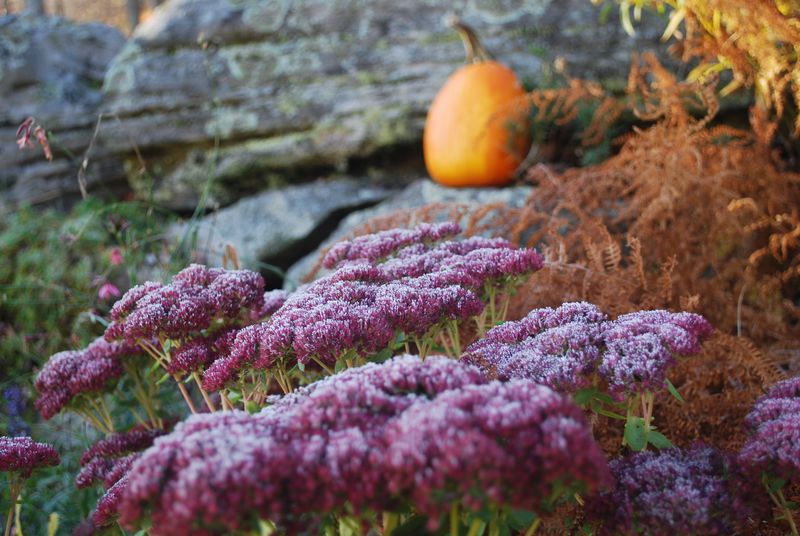
A pumpkin sitting alone on the porch looks a little lonely once the summer flowers fade. The good news is that some plants keep right on blooming after the first frost, and a few even look better in the cold.
Tucking them around your pumpkins gives you color that lasts from September into the holidays. Here are 13 tough plants that can handle chilly nights and still put on a show.
1. Pansies and Violas
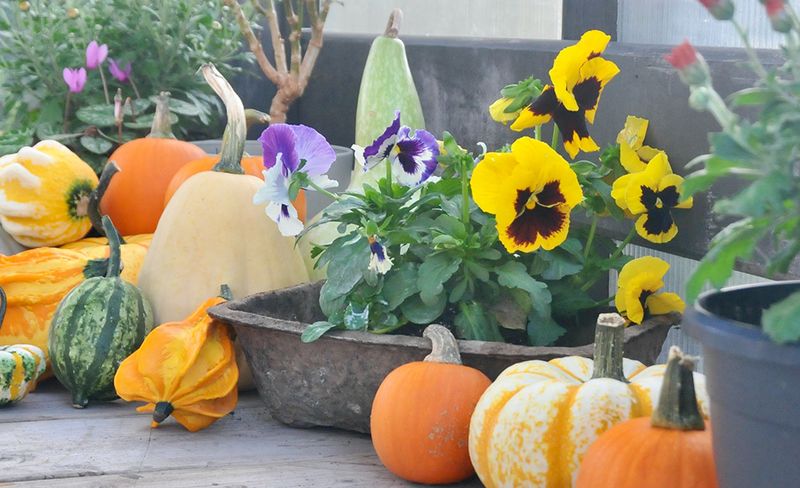
Frost on a pansy looks scary, but by noon those little faces perk right back up. Pansies and violas can handle light frost and even single-digit temperatures, often blooming through mild winters and coming back strong in spring.
They love cool soil, roughly 45 to 65 degrees, so fall is their sweet spot. Plant them in full sun and add a light layer of straw mulch if you live where winters get harsh.
Here is an easy trick: water them well before a cold snap. Moist soil holds heat better than dry soil, which may help the roots ride out a freezing night.
Their purple, orange, and yellow shades look like they were made to sit next to a pumpkin.
2. Ornamental Kale and Cabbage
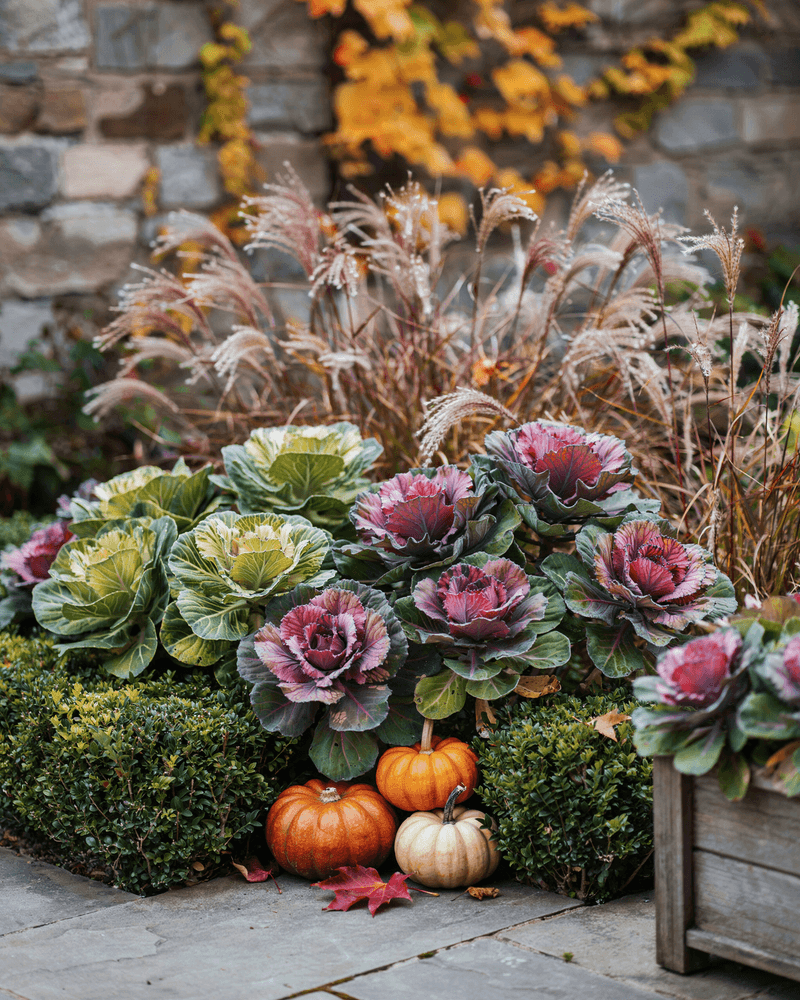
Most plants fade when it gets cold. Ornamental kale and cabbage do the opposite, because their pink, purple, and cream centers actually get brighter after a light frost.
These leafy showpieces handle temperatures down to about 5 to 10 degrees. In zones 7 through 10, they can give you color from September all the way through winter.
Technically they are grown for foliage, not flowers, but nobody will notice. Set one in a pot on each side of a pumpkin stack and you get a bold, ruffled frame that lasts for months.
Just keep an eye out for cabbage worms early in the season, since they enjoy these plants as much as you do.
3. Chrysanthemums
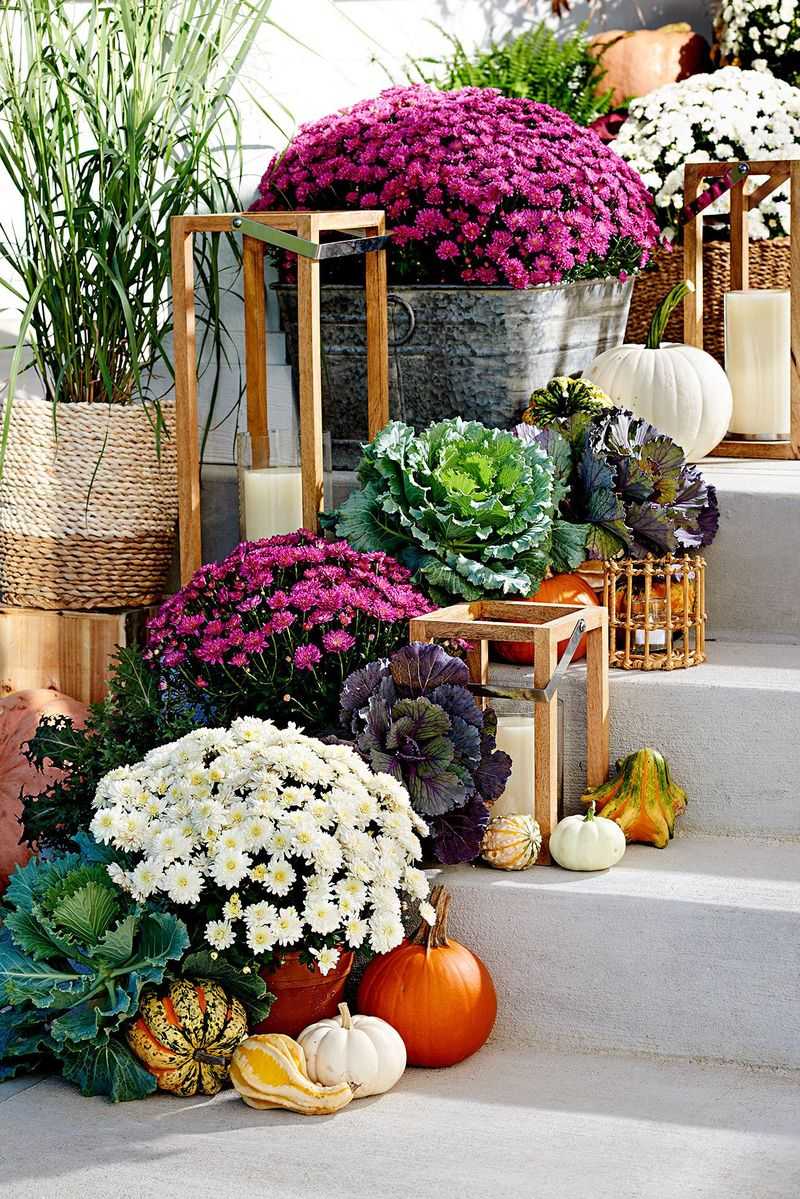
Ask anyone to picture a fall porch and they will probably see mums. These classic bloomers, hardy in zones 5 through 9, stretch garden color deep into autumn.
Mums can keep flowering through light frost around 30 to 32 degrees. A hard freeze below 28 degrees, though, can damage the blooms, leaves, and stems.
If your mums always die after one season, the pot may be the problem. Container mums are more exposed to cold, so try planting hardy types in the ground by late summer or early fall.
That gives the roots time to settle in before winter arrives.
4. Snapdragons
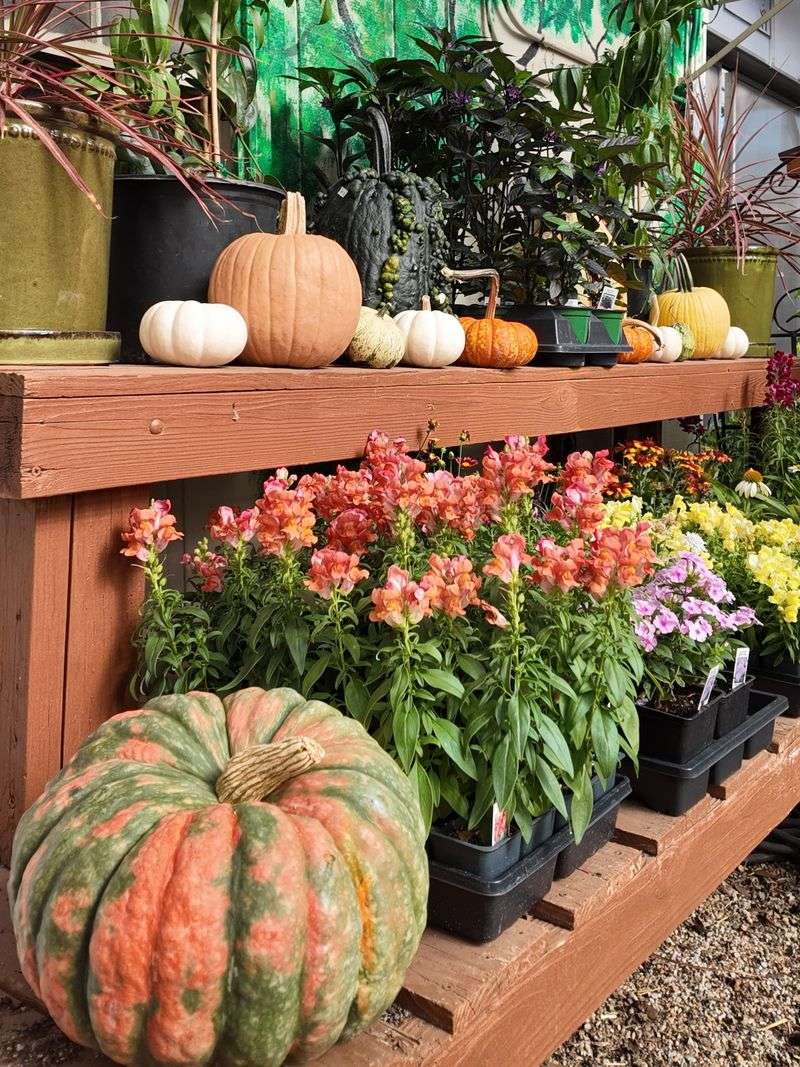
Squeeze a snapdragon bloom and it opens like a tiny dragon mouth. Kids love it, and gardeners love that these tall spikes keep going when the weather turns chilly.
Snapdragons enjoy cool spring and fall weather and can shrug off light frosts. Some varieties even survive light freezes.
In zones 7 through 11, they may last into early winter and sometimes act like short-lived perennials. Snip off faded flower spikes to keep new ones coming.
Their height adds a nice vertical touch behind low, round pumpkins.
5. Sedum Autumn Joy
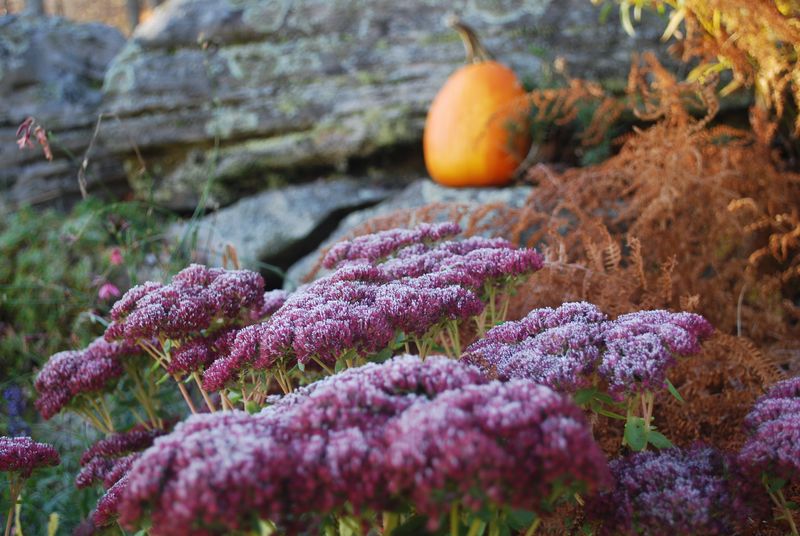
Some plants want fussing. Sedum would rather you forget about it, and that neglect is exactly what makes it thrive.
Varieties like Autumn Joy are tough succulents, with some types surviving down to -30 degrees. Their flower clusters start pink in late summer and slowly turn rose, red, and rust as the air cools.
That rusty color pairs beautifully with heirloom pumpkins in tan and green shades. Even after the flowers dry, the seed heads stand up through winter.
Just make sure the soil drains well, since soggy roots are one of the few things that can hurt it.
6. Asters
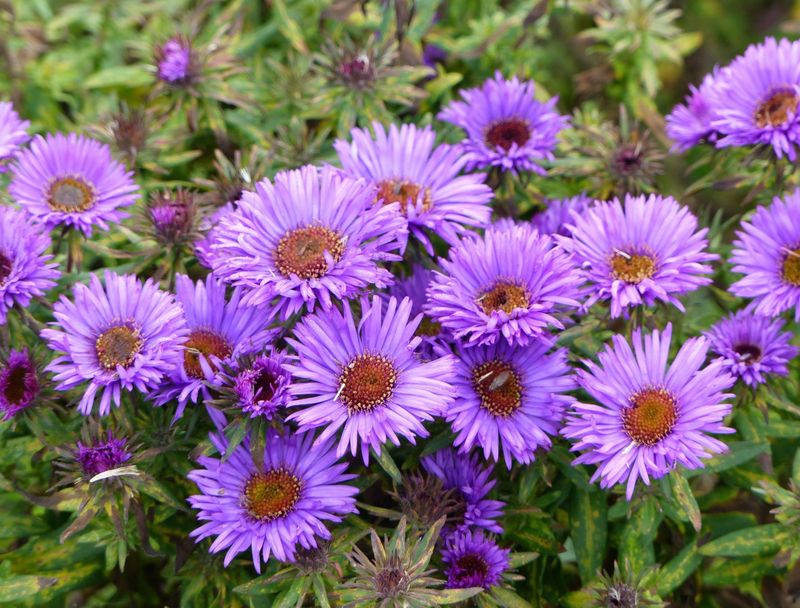
Late in the season, when bees seem desperate for food, asters show up like a buffet. Clouds of purple, blue, pink, or white daisies cover the plants well into late fall.
New England aster and frost aster are both hardy in zones 4 through 8 and can bloom into November in the right climate. Frost aster starts late, but it keeps blooming long after other flowers give up.
Purple and orange sit across from each other on the color wheel, so asters make pumpkins really pop. You also get the bonus of helping pollinators fuel up before winter.
7. Sweet Alyssum
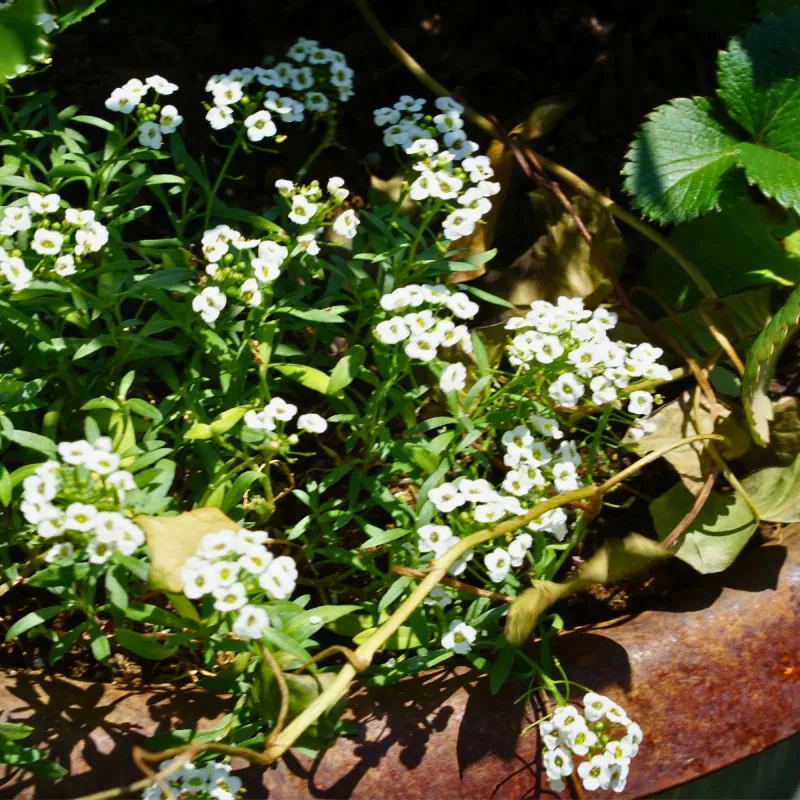
Lean close to a patch of sweet alyssum and you get a honey-sweet scent. That little perfume makes it a lovely surprise near a doorstep.
Once settled in, alyssum handles light frosts and blooms nonstop until steady freezes arrive. In mild areas, seeds sown in fall can even give you winter flowers.
It stays low and spreads into a soft carpet. Tuck it at the base of a pumpkin display or let it spill over the rim of a pot.
White alyssum also brightens darker pumpkins like deep orange or green ones.
8. Dianthus
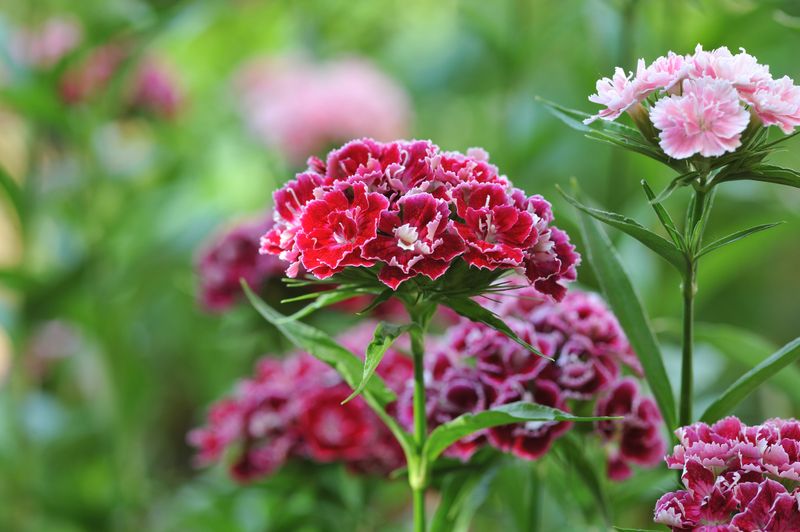
Grandma’s garden probably had dianthus, and there is a good reason it has stuck around. Often called Sweet William, it is hardy in zones 3 through 9 and grows easily.
The flowers come in red, pink, and white with a clove-like scent. Interestingly, that spicy smell can get stronger as temperatures drop.
Dianthus works well as an edging plant along paths or the front of a bed. Line it up with a few mini pumpkins and you have a tidy, fragrant border.
It is usually grown as a biennial, so new plants every year or two keep it looking fresh.
9. Calendula
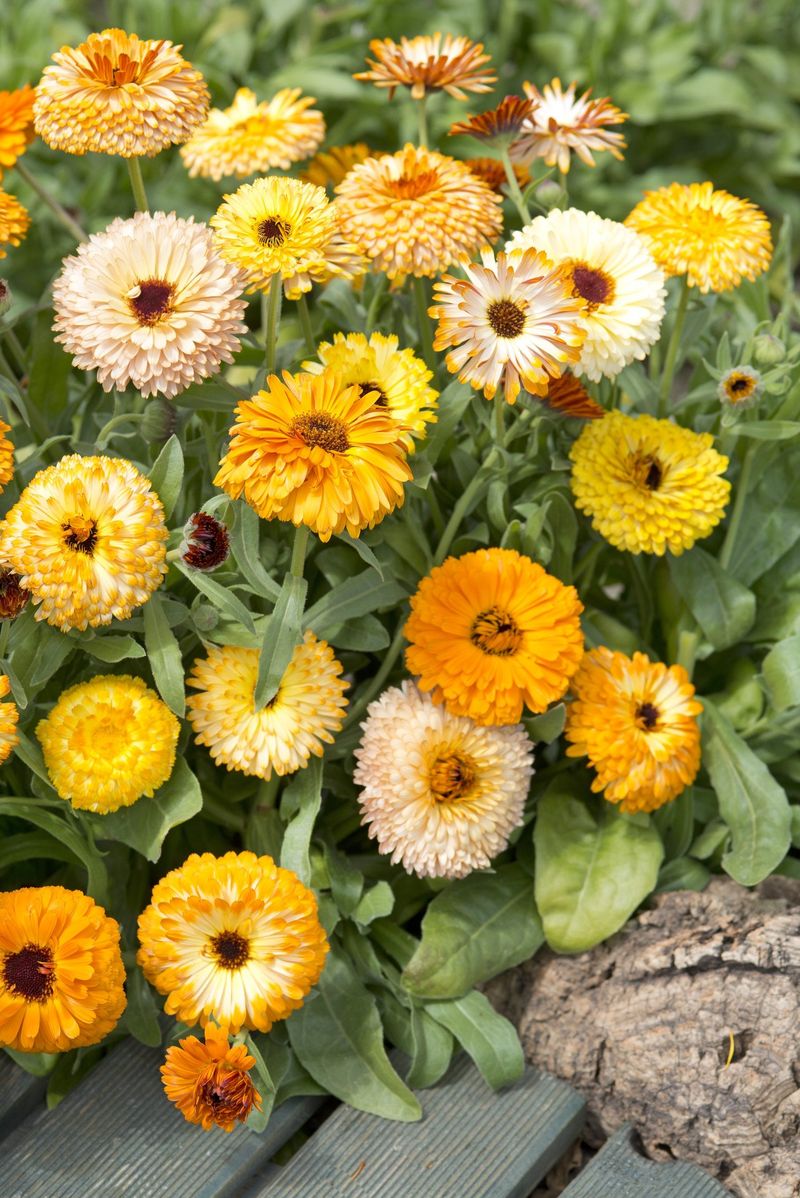
Calendula looks like it was painted in pumpkin colors on purpose. The cheerful orange and yellow blooms match a fall display almost perfectly.
A cool-season annual, it often looks better in fall than in the heat of summer. Long-lasting flowers keep coming as long as you pick off the old ones.
Fun fact: calendula petals have been used for centuries to add golden color to foods, earning it the nickname pot marigold. Sow seeds in late summer for a strong fall show.
10. African Daisy
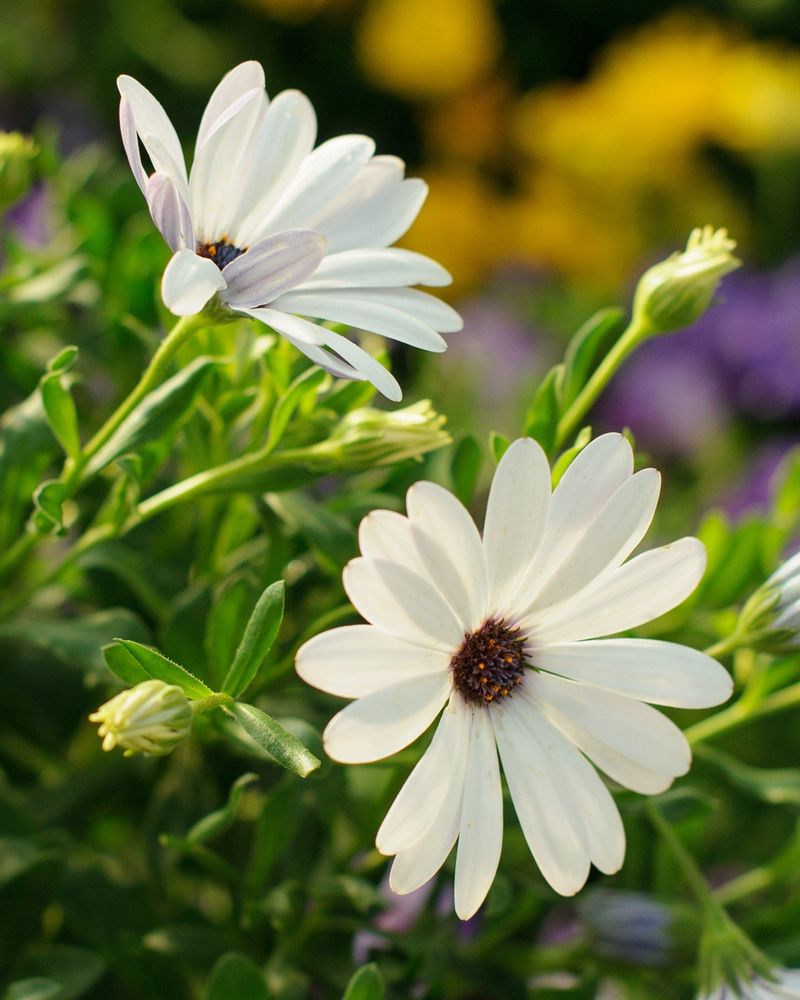
With a name like African daisy, you might expect it to love heat. Surprise: this flower actually prefers the cool weather of spring and fall.
Osteospermum often slows down in hot midsummer. Once nights cool off, it bounces back and keeps blooming until the first serious frost.
The flowers have dark centers and come in purple, white, and peachy tones. If yours stopped blooming in August, do not toss it.
Give it a light trim and wait for fall.
11. Calibrachoa
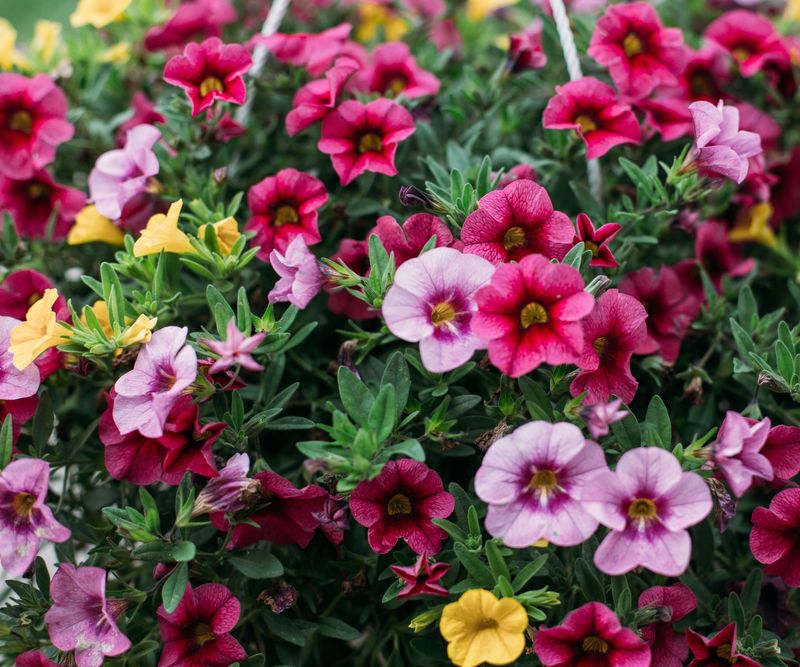
Million bells earned that nickname honestly. Calibrachoa, sold as Superbells and other names, covers itself in tiny trumpet blooms.
Most people treat it as a summer-only plant, but it handles cool weather better than you may think. It keeps blooming in baskets, window boxes, and pots right up until frost.
So before you pull your summer baskets, look again. Hang one near your pumpkins, especially in orange or red shades, and enjoy a few extra weeks of color for free.
12. Supertunia Petunias
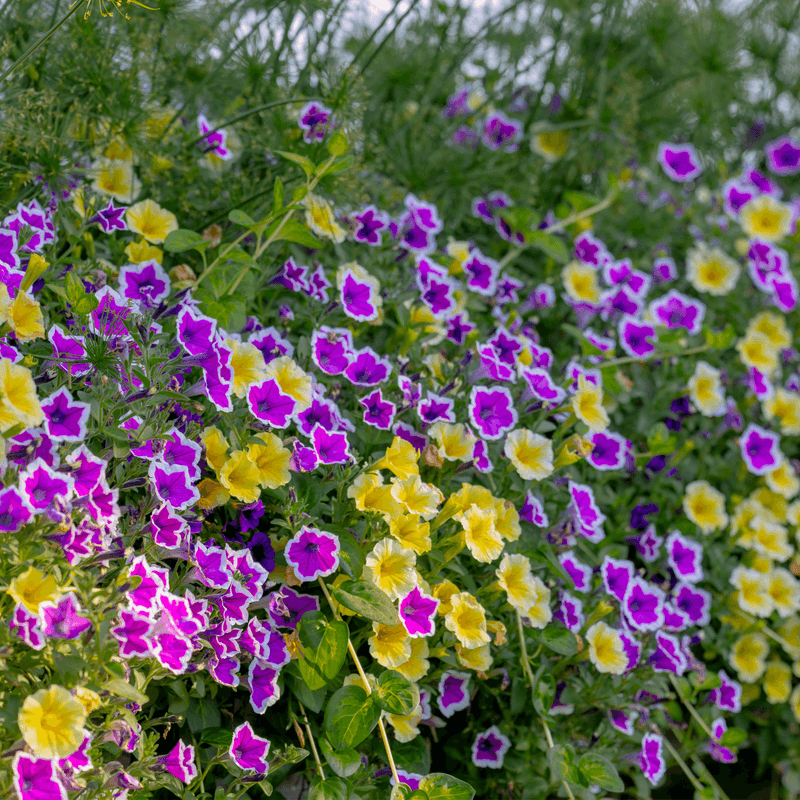
Your petunias do not have to be finished just because it is October. Certain varieties, like Supertunias, are cold tolerant and keep blooming until frost.
If your petunias look leggy and tired, trim them back by about a third. Feed them lightly and they can push out a fresh flush of flowers as days cool.
Deep burgundy, plum, and creamy shades look especially rich beside pumpkins. It is a simple way to stretch a plant you already own into a second season.
13. Superbena Verbena
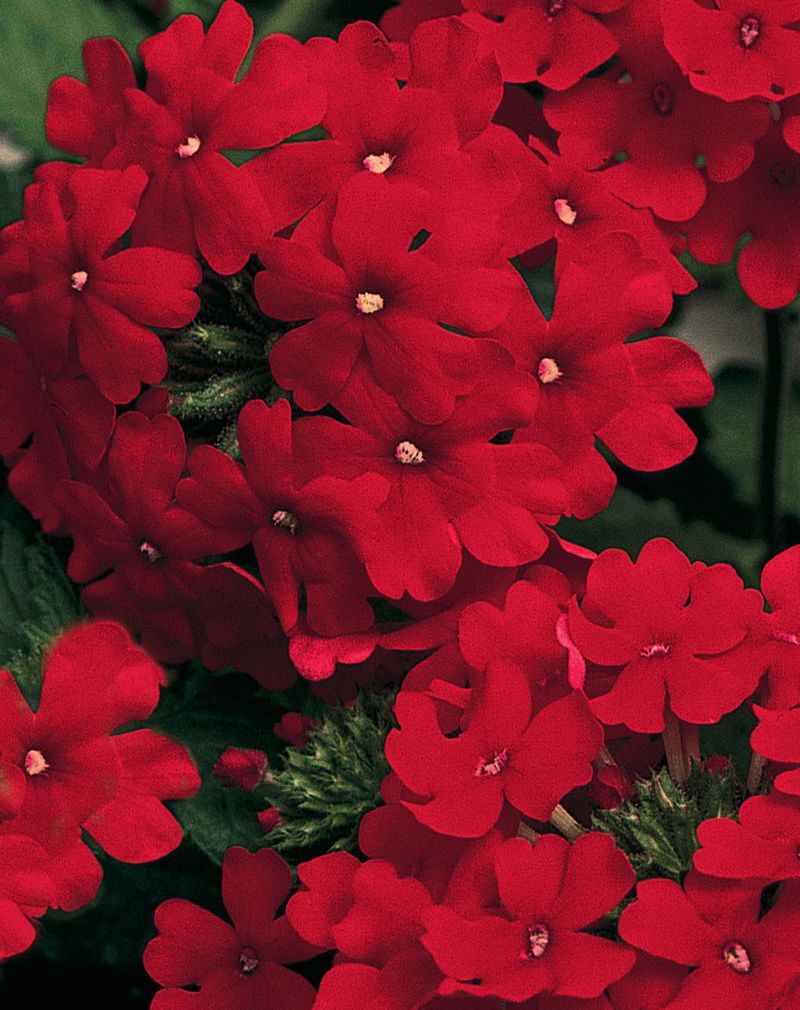
Picture a plant that blooms from the day you buy it until frost, with almost no help from you. Superbena verbena comes close.
It is self-cleaning, so you do not need to deadhead. The clusters of flowers keep coming, trailing nicely over pot edges and garden walls.
Verbena likes sun and well-drained soil. Pair purple or red types with a cluster of pumpkins, and you have an easy, low-work finish to your fall display.