
Can a Wilted Porch Mum Survive Winter? What to Check Before Planting
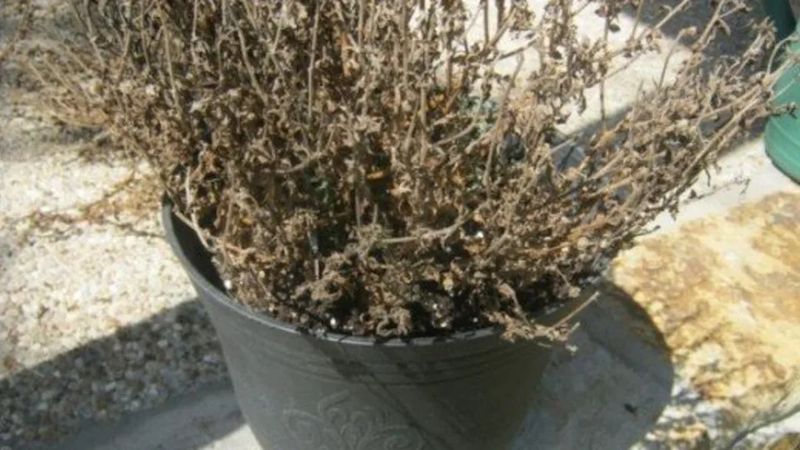
That droopy pot of mums on your porch might not be ready for the compost bin. Some potted mums are hardy garden plants that can live outdoors through winter, while others are not built for it.
A few quick checks can help you decide whether planting makes sense now or whether waiting for spring is the safer move. Here is how to look at your plant, your calendar, and your soil before you pick up a shovel.
Is your porch mum a garden mum?
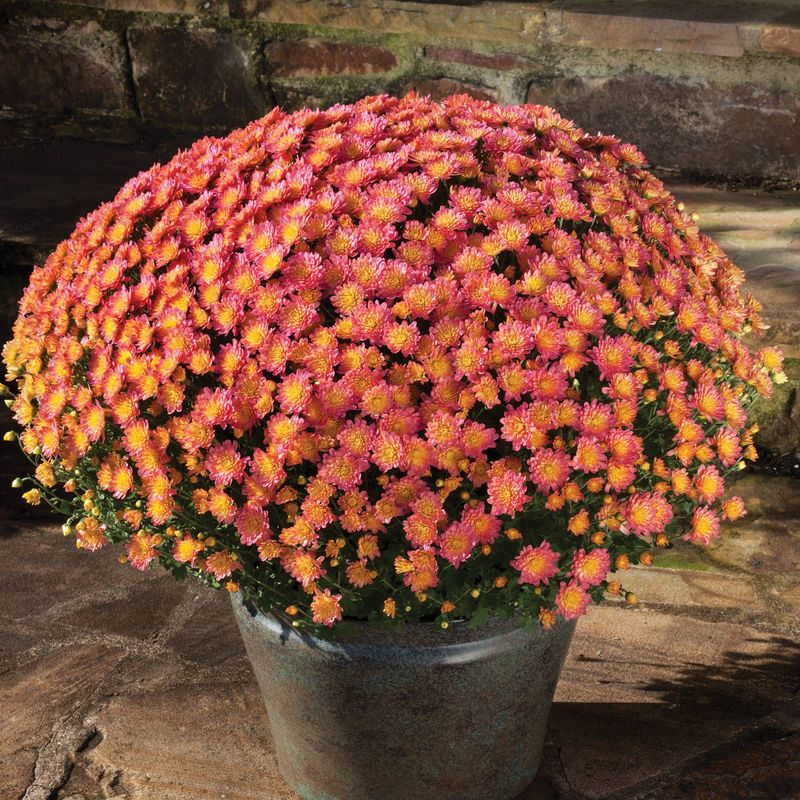
Where the mum came from tells you very little. Grocery stores, garden centers, and big box shops can all sell the same-looking pots, yet the plants inside may be different types.
Some are winter-hardy garden mums meant for the ground. Others are florist or pot mums, which University of Georgia Extension groups with gift plants, and these may not survive outdoors.
So the plant’s type matters more than the store’s name. Your first job is to find the plastic tag stuck in the soil or the sleeve that came with the pot.
Look for words such as hardy, garden mum, or perennial, along with a hardiness zone. If the tag is gone, call or visit the seller and ask which kind of mum it is.
University of Missouri Extension also treats potted flowering plants as a group that needs care suited to the specific type. That is a good reminder that one pot of mums can need different handling than the pot next to it.
If you cannot find out, that is okay. An unknown label does not mean your mum will die, and it does not mean it will live.
It simply means you are guessing. In that case, treat planting as an experiment, and lean toward the cautious option you will read about in a later section.
Write down what you learn. A quick note on your phone with the color, the tag details, and the store can help you remember next year which mums turned out to be keepers.
What is the wilt telling you?
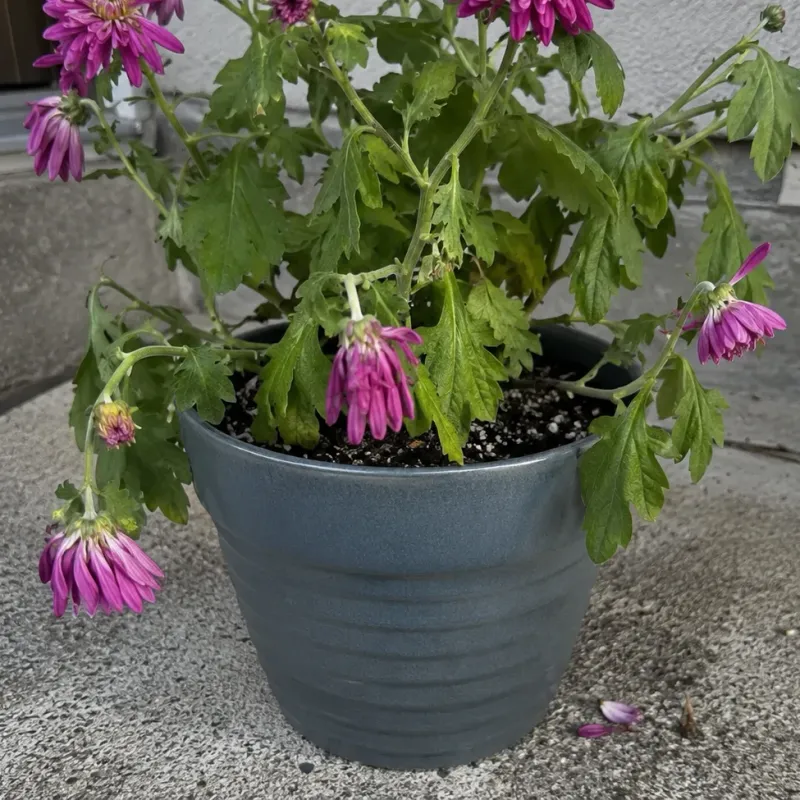
A drooping mum looks like a thirsty mum, but looks can fool you. Wilting can happen when the root ball is bone dry.
It can also happen when the soil is soggy, and it can show up alongside disease. Water poured on a plant that is already waterlogged can make things worse.
Start by checking the root zone. Push a finger a couple of inches into the pot near the edge of the root ball.
Dry and crumbly soil points to thirst. Cool, muddy soil means you should hold off on watering and make sure the pot can drain.
As University of Missouri Extension notes for potted flowering plants, they need moisture but not constantly saturated soil.
Next, look closer at the plant itself. Check for leaves turning yellow or brown, and gently look at the base of the stems for discoloration.
University of Minnesota Extension describes chrysanthemum wilt linked to southern blight, with those kinds of signs near the stem base.
Wilting alone cannot tell you which problem you have, so do not try to name a disease from droopy leaves. If the soil is dry and the stems look firm, a good drink may perk it up.
If the base looks dark or mushy, the plant may not be salvageable, and a local extension office can help you sort it out.
Six weeks matters more than “this week”

Fall planting works because roots need time to settle in before the ground gets cold. A common rule of thumb is about six weeks.
Utah State University Extension suggests that length of time for fall-planted mums, and Penn State Extension gives similar advice for hardy perennials, which is at least six weeks before the first frost.
That is a guideline, not a date on the calendar. A gardener in the South and a gardener in the northern Plains have very different first-frost dates.
This week might be plenty of time in one yard and far too late in another.
To judge your own timeline, look up your area’s average first frost and count backward. If you have six weeks or more, planting a hardy mum may be reasonable.
If you have less, the roots may not have enough time to anchor before winter.
Illinois Extension warns that late fall planting can leave too little time. Penn State’s chrysanthemum care guidance also points gardeners toward spring when conditions are not favorable.
Here is the practical call. If the window is tight, or you are unsure the mum is hardy, keep the pot somewhere sheltered, water it only when the soil is dry, and plant in spring.
Waiting is not giving up. It is often the safer plan.
Choose sun and drainage before you dig

If your mum looks like a good candidate, spend a few minutes picking the spot. Mums do best with plenty of light, so aim for a place that gets at least six hours of sun, as Illinois Extension recommends.
Stay away from low areas where water collects after rain.
Utah State University Extension also points to fertile, well-drained soil. A simple test is to dig a hole, fill it with water, and see whether it drains within a few hours.
If water lingers, pick a different spot or plant in a raised bed.
Dig a hole about as deep as the pot and a bit wider. Loosen the soil you removed and mix in some compost if your soil is heavy.
Slide the mum out of its pot, and if the roots are circling tightly, tease them apart with your fingers.
Set the plant so the top of the root ball sits level with the surrounding soil. Planting too deep can leave the stems sitting in damp soil.
Backfill, press the soil gently around the roots, and leave the old stems alone.
Planting gives the mum a chance, not a promise. Good light and drainage simply remove two common reasons mums struggle.
Keep the shallow root ball from drying out
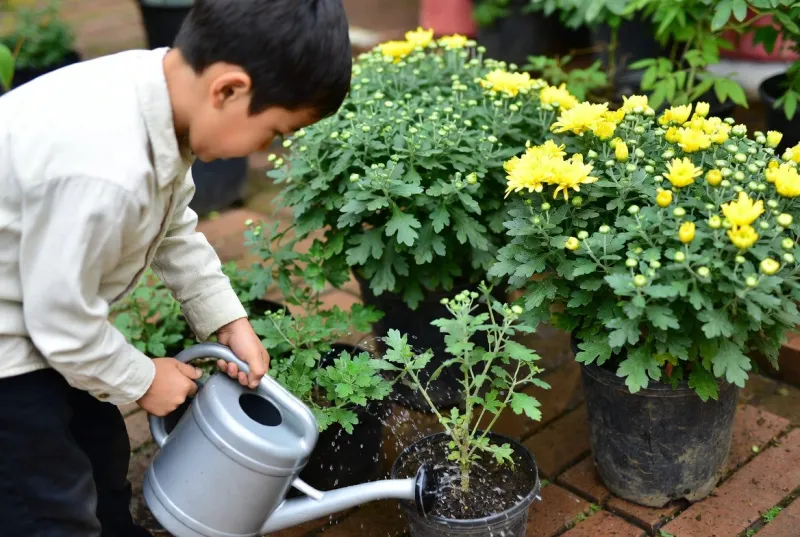
Right after planting, give the mum a slow, thorough soaking so water reaches the whole root ball and settles the soil around it. After that, shift into checking mode.
Mums have shallow roots, so they can dry out faster than you might expect.
Here is a sneaky problem. The root ball from a nursery pot can dry out even when the garden soil around it feels damp.
Illinois Extension mentions this risk, so do not judge by the surface alone. Poke a finger down right beside the stems.
Utah State University Extension advises checking soil moisture during dry spells. In a dry fall, that might mean looking every few days.
After a good rain, you may be able to skip a check entirely.
Water when the soil near the roots feels dry an inch or two down, and skip it when the soil feels cool and damp. Mums want moisture, but they do not tolerate soggy, waterlogged ground.
Keep expectations realistic too. Water helps a plant that is dry, but it will not cure wilting caused by disease or other problems.
If the leaves keep yellowing or the stem bases darken even with good moisture habits, more water is not the answer.
Mulch as the ground begins to freeze
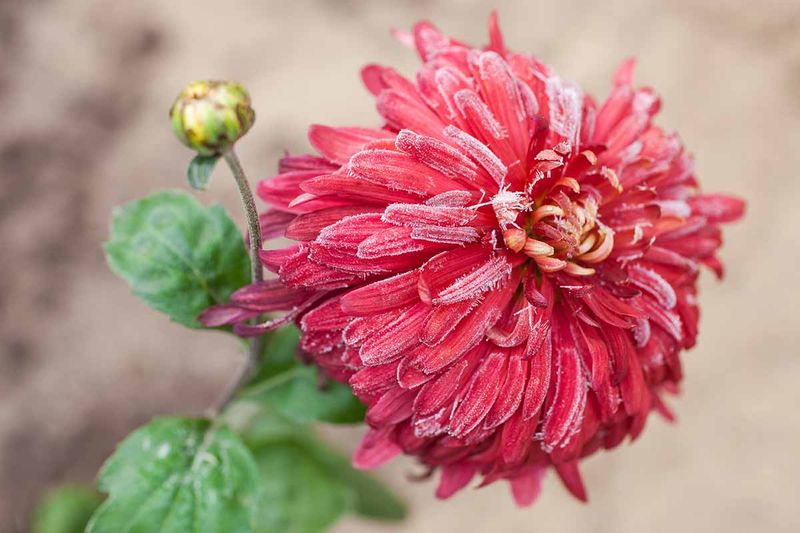
Once the mum is planted, the next job is winter cover. Resist the urge to cut it back in fall.
Illinois Extension recommends leaving the old growth standing through winter.
Wait until the ground starts to freeze, then add about four inches of mulch over and around the plant. Straw, shredded leaves, or bark all work.
Timing matters because the goal is to keep the soil evenly cold, not to warm it up early.
Why bother? Shallow roots can be pushed up out of the soil when the ground freezes and thaws again and again.
Illinois Extension notes that this heaving is a risk, and that some colder winters can kill mums outright. Mulch can reduce that stress, but it cannot guarantee survival.
Mulch also cannot fix everything. If the spot stays soggy, or the mum went in the ground with too little time to root, a thick blanket will not make up for it.
When spring arrives and new growth begins to show, pull the mulch back and trim off the old stems. If green shoots appear near the base, that is a good sign.
If nothing shows up after the weather warms, the plant may not have made it through.
A return next fall is possible, not promised
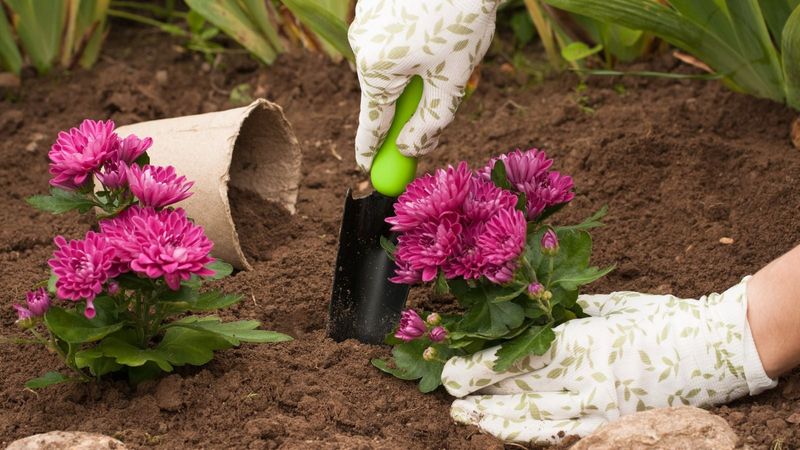
The decision comes down to three checks. Confirm that your mum is a hardy garden type.
Plant in fall only if your local calendar leaves time for roots to establish. If the window has passed or the type is a mystery, spring planting is the safer bet.
Even then, results vary. Winter survival depends on the plant, your climate, and your drainage.
Next fall’s flowers also depend on the variety and conditions, since Illinois Extension explains that day length influences mum flowering. Penn State’s chrysanthemum care advice is a handy reference for the seasons ahead.
A droopy porch mum is worth a careful look, not a gamble. Sometimes the best rescue is simply patience.