
Cutting Your Peonies Back This Fall Is Fine, But Leave The Crowns Alone If You Want Big Blooms In June
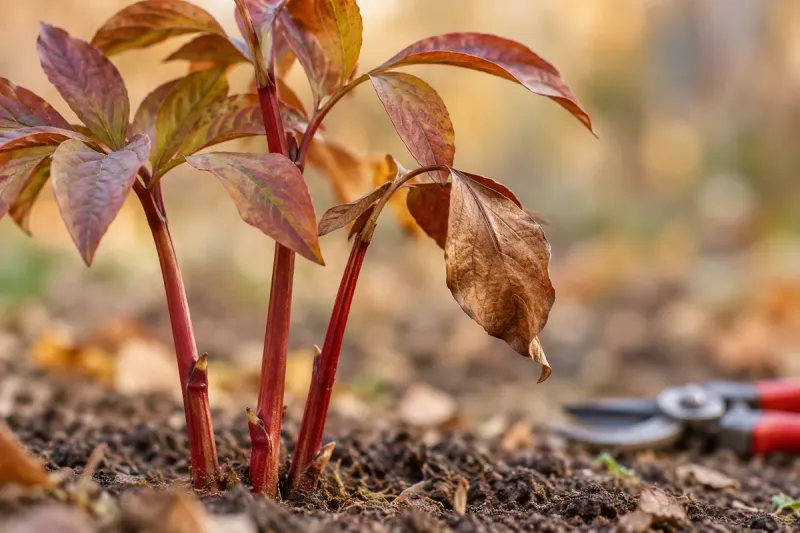
Fall cleanup can leave you wondering what is safe to cut on your peonies. For the common garden peony, the answer is simple: tidy the dead foliage and keep your hands off the crown.
Tree peonies follow different rules, and planting depth is a separate question altogether. Here is how to sort out each one without hurting next year’s growth.
Wait until the foliage dies back
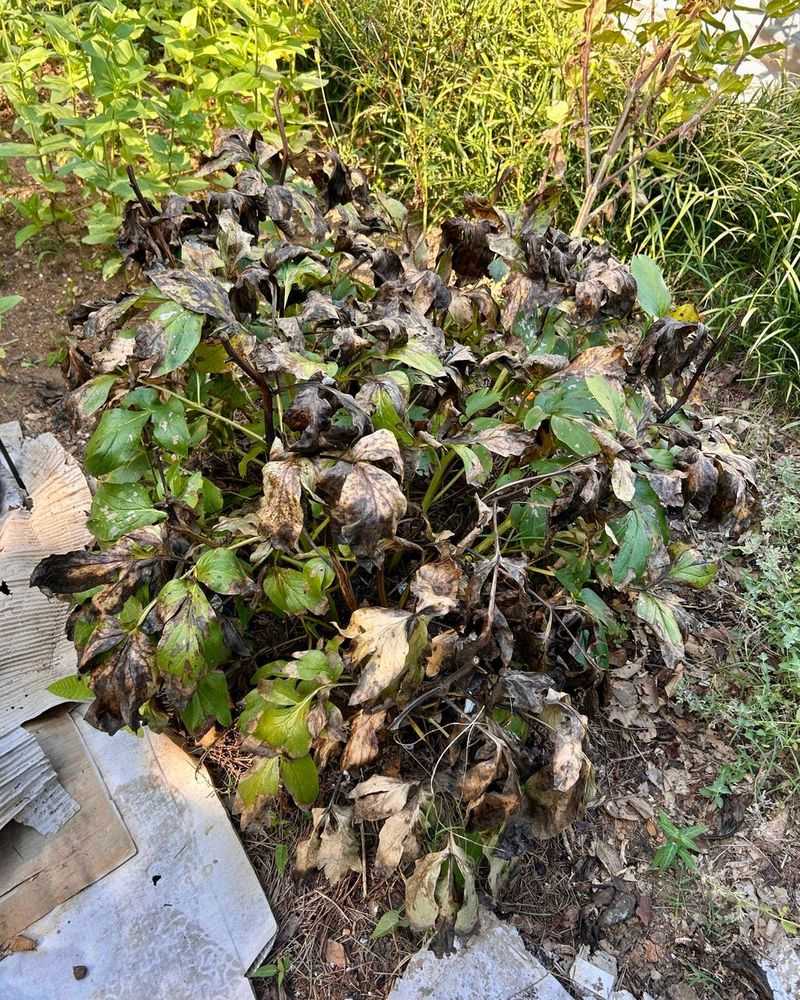
Your peony’s leaves are still feeding the plant while they are green. Once they yellow and collapse, the plant has finished its seasonal work and cleanup makes sense.
For herbaceous peonies, that usually happens after frost, and the timing shifts from one part of the country to another, so no single calendar date fits every yard.
Penn State Extension advises waiting for several hard frosts before cutting down perennials, unless the plant is diseased or infested. A good rule is to let the weather tell you when to start.
If the foliage is still green after your first light frost, give it more time.
Sick plants are the exception. If you see gray mold, dark blotches, or leaves covered in pests, do not wait for frost.
Removing that foliage promptly keeps problems from lingering in the bed. University of Minnesota Extension also recommends an annual cutback of herbaceous peonies, so this is a routine chore and not a rescue job.
Healthy plants that still look a little tired can wait. Peonies are tough, and a few extra weeks of untidy foliage will not hurt them.
Simply watch for the leaves to turn brown and flop, and plan your cleanup for a dry day.
Cut the stems and clear away the foliage
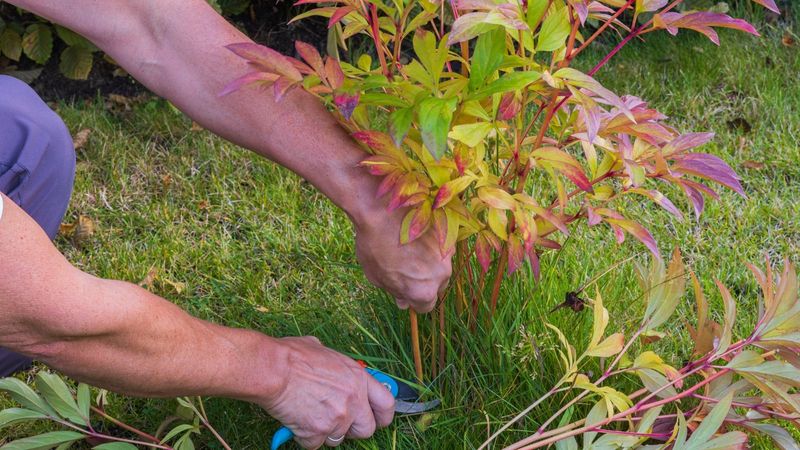
Once the leaves have died back, grab clean, sharp pruners. Cut the stems down to ground level, or leave a few inches standing if you like to mark where the plant sits.
The American Peony Society recommends removing herbaceous stems and leaves in fall.
Gather every cut stem and fallen leaf and take them out of the bed. Leaving them behind gives problems a place to overwinter.
Do not toss peony foliage in the compost pile either. Minnesota Extension says not to compost peony foliage, and Penn State advises that diseased plant material should be destroyed rather than composted.
The crown is the base of the plant, sitting at or just below the soil line where the stems meet the roots. Cut above it, never into it.
Ordinary fall cleanup does not call for digging, dividing, or poking around the crown.
Think of it as a haircut, not surgery. You are only removing what has already died.
Whatever lies at and below the soil surface stays right where it is, ready for the next season.
Tree peonies keep their woody stems
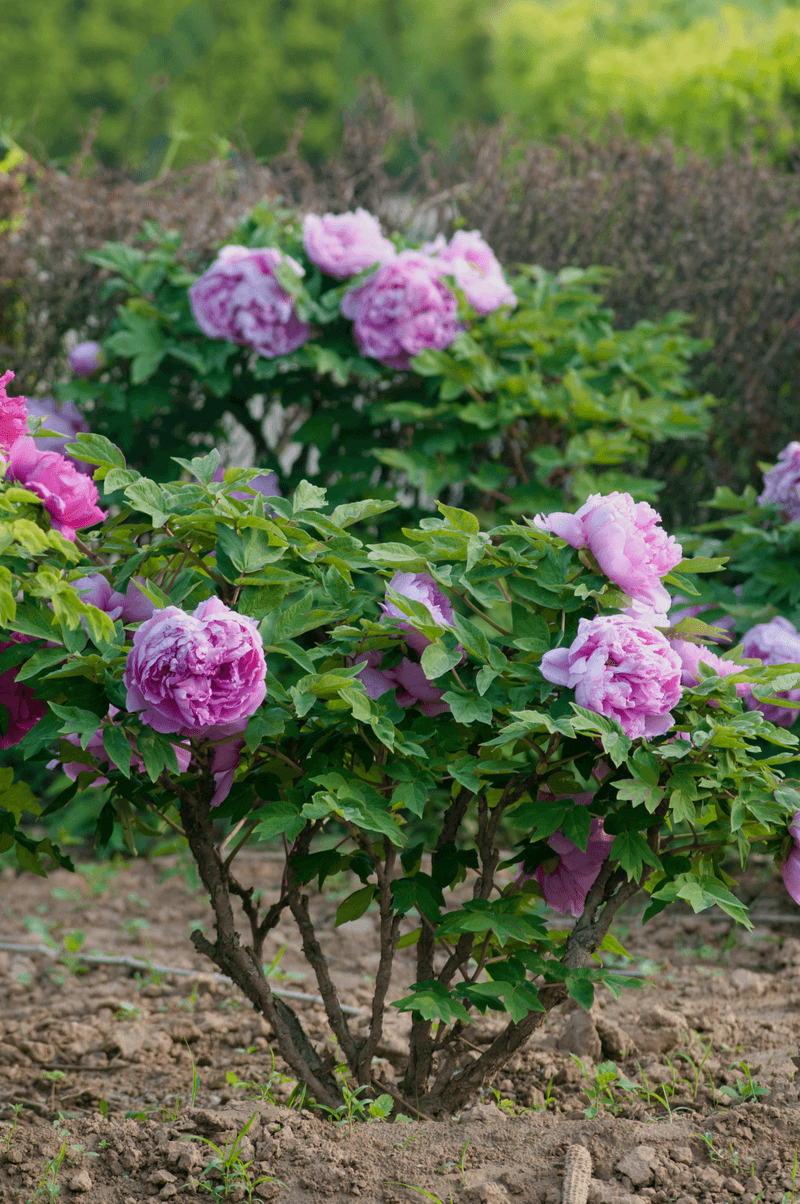
Not every peony gets a fall buzz cut. Tree peonies grow on woody stems that stay alive through winter, and those stems carry next year’s growth.
Cutting them to the ground like a garden peony would remove the framework of the shrub.
University of Minnesota Extension notes that annual cutback applies to herbaceous and intersectional peonies, but not tree peonies. If you are not sure which type you have, look at the plant in winter.
A shrub with bare, woody branches is a tree peony, while a plant that disappears to ground level is herbaceous.
Planting advice differs too. The shallow rule of eyes about 1 to 2 inches deep belongs to bare-root herbaceous peonies.
Penn State describes how grafted tree peonies are planted with the graft union 4 to 6 inches below the soil, which is much deeper.
So if you grow both kinds, treat them as two separate jobs. Herbaceous plants get the foliage cleanup.
Tree peonies get left alone, apart from removing anything clearly dead or damaged.
Plant bare-root herbaceous peonies at the right depth
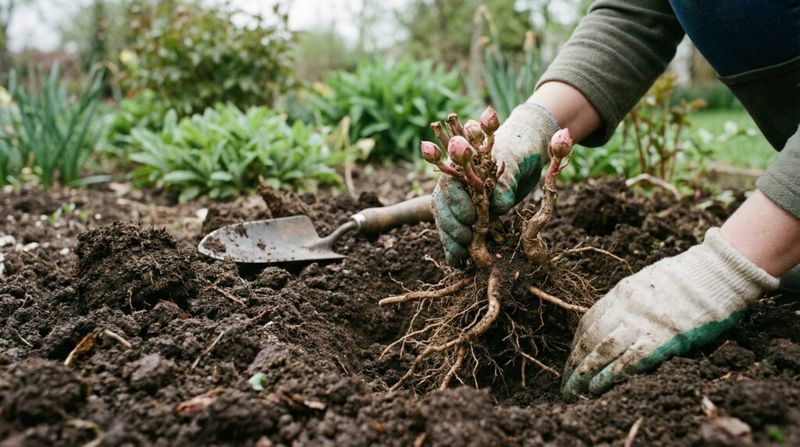
Planting depth is where many peony troubles begin. Look closely at a bare-root herbaceous peony and you will see small pink or red buds on top of the crown.
Those are the eyes, and they are buds on the crown, not another name for the whole crown.
Iowa State Extension explains that eyes should sit about 1 to 2 inches below the soil surface. Plant them deeper and the plant may flower poorly or not at all.
The American Peony Society gives similar planting guidance for peony eyes.
Container-grown peonies are different. They are generally planted at the depth they were growing in the pot, so there is no need to hunt for eyes and measure.
Here is the part that keeps people calm: depth is a planting task, not a fall chore. A healthy peony that has been blooming does not need to be dug up each autumn to check.
Cutting back foliage will not fix a plant that was set too deep. Only a replanting project would do that, and only when you have a good reason to suspect depth is the problem.
Check other causes when a peony does not bloom
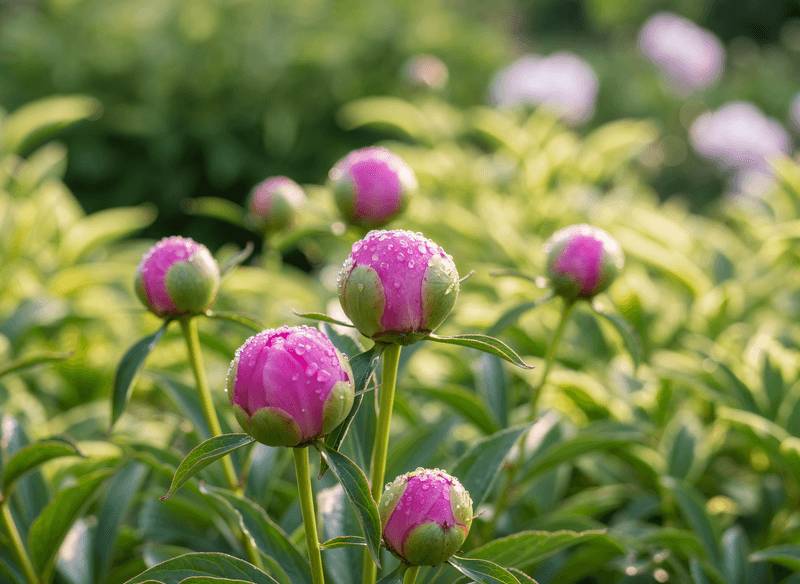
A peony that skips flowers is frustrating, but deep planting is only one suspect. Illinois Extension lists several other documented causes in its guide to helping peonies shine in spring.
Work through them before you grab a shovel.
Shade is a common one. If nearby trees or shrubs have grown and your peony now gets less sun, flowering can drop off.
Excess nitrogen fertilizer is another, since it can push leafy growth at the expense of buds. If you feed your lawn near the bed, check whether that fertilizer is reaching the peony.
Recent planting or transplanting matters too. Newly planted or transplanted peonies may take two to three years to establish and bloom, so a quiet first spring is normal.
Patience is often the fix.
As for timing, peonies generally flower from late spring to early summer, and the cultivar affects when. Some open earlier and some later, so a plant that has not flowered by a certain date may simply be on its own schedule.
If shade, fertilizer, and age all check out, then depth deserves a look. A plant that is mature, sunny, and lightly fed but still silent is the best candidate.
Keep fall cleanup separate from planting-depth fixes
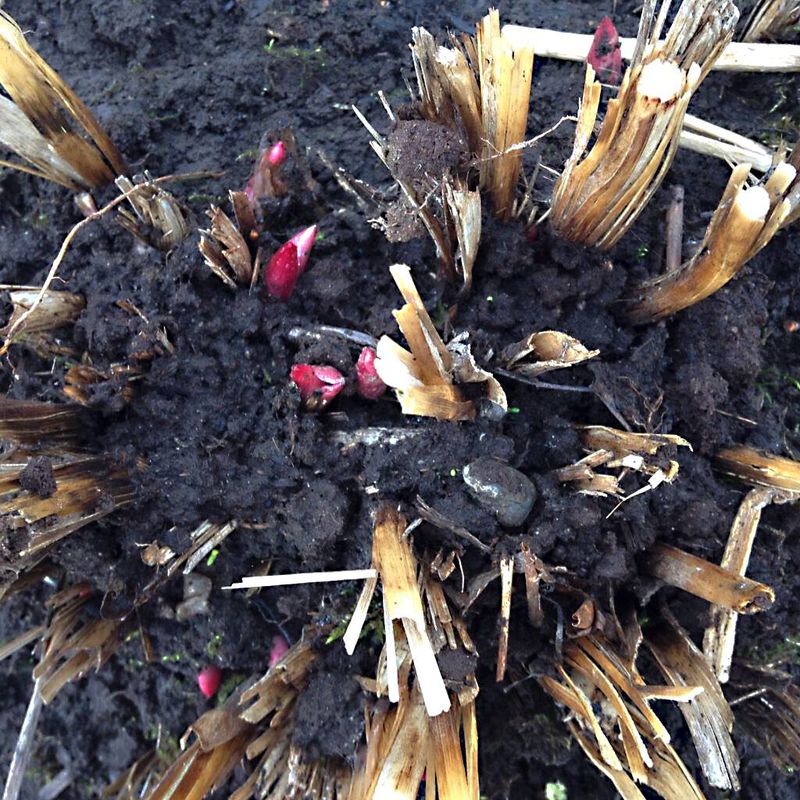
Once herbaceous peony foliage has died back, cut it, clear it away, and leave the crown intact, as the American Peony Society’s care guidance describes. Tree peonies stay uncut, since Penn State treats them as a different kind of plant.
If flowers never come, weigh planting depth alongside shade, nitrogen, and plant age. Fall cutback is housekeeping, and it makes no promises about bloom size or month.
A peony rewards a gardener who knows when to stop fussing.