
Dormant Silky Dogwood Live Stakes May Root When Planted in Suitable Moist Ground in North Carolina
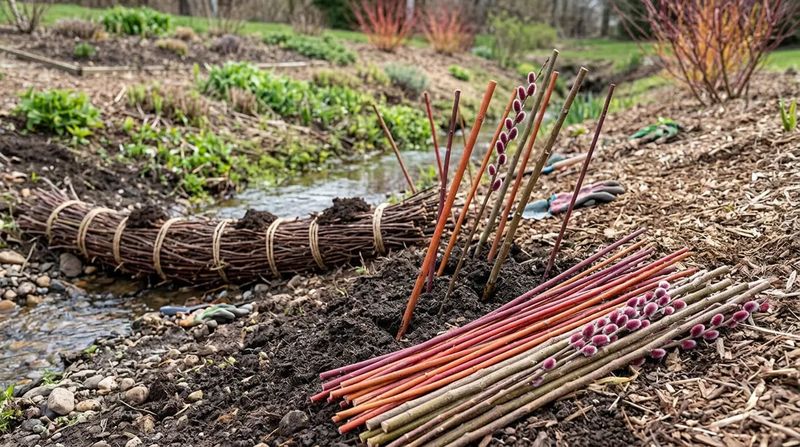
Some native North Carolina shrubs can start new life from a cut stem pushed into wet soil. Silky dogwood is one of them, and it works best along streams, rain gardens, and other damp spots.
The method skips pots and greenhouses, but it does come with rules about the stem, the season, and the site. Here is how to try it in a way that helps your yard and the wildlife that visit it.
Identify silky dogwood before collecting stems
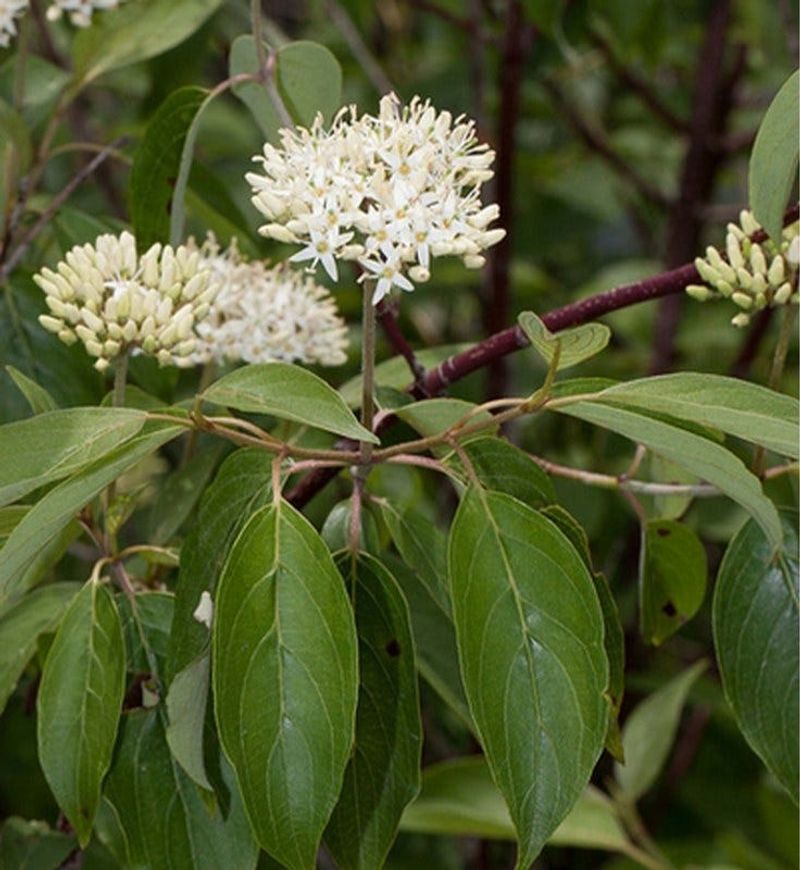
Start with the right plant. Silky dogwood, Cornus amomum, is a shrub native to North Carolina, and NC State Extension’s Plant Toolbox lists it among the state’s native woody plants.
It also goes by names like pale dogwood, swamp dogwood, and silky cornel, so the botanical name is the safest way to confirm what you are looking at.
You may have heard it lumped in with red-twig dogwood, but they are not the same plant. Red-twig or red-osier dogwood is usually Cornus sericea, a separate species that NC State also describes on its own page.
Using the two names as if they were interchangeable can lead you to collect the wrong shrub or buy the wrong plant.
Before you cut anything, learn to recognize silky dogwood where it grows. Look for a multi-stemmed shrub in damp ground, often near streams, ditches, and pond edges.
Spring brings flat-topped clusters of small white flowers, and later the shrub produces bluish berries that birds eat, which is one reason stewards value it.
If you are unsure of the identification, take photos of the leaves, stems, and flowers and compare them with the Extension listing, or ask a local Extension office or native plant group. A correct ID now saves you from planting the wrong shrub in your wet spot.
Live staking plants a dormant stem directly in the ground
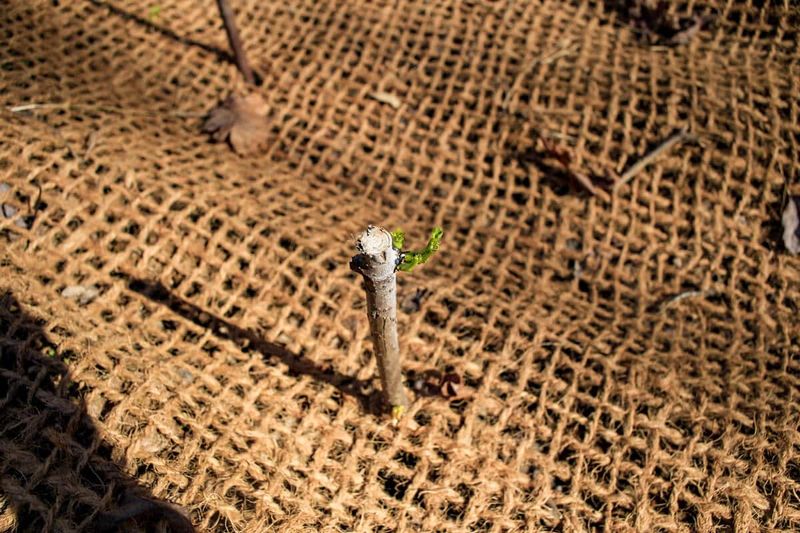
Live staking means taking a cutting from a dormant woody plant and planting it straight into the ground, instead of first rooting it in a pot. NC State’s Live Stake Installation Guide uses exactly this approach for stream restoration.
There is no potting stage, no greenhouse, and no nursery bench.
Silky dogwood is one of the plants recommended for it. NC State’s Backyard Stream Repair Plants guide even includes a photo of silky dogwood roots on a live stake after nine months in the ground.
That shows the idea can work.
Keep that photo in perspective. It is one documented result, not a success rate and not a calendar you can count on.
Some stakes will root, some may not, and the outcome depends on the stem, the planting, and the site.
The method also does not mean any bare twig will do. Live staking relies on selected dormant woody stems, and as the later sections explain, those stems need to be sturdy and planted in ground that stays moist.
Think of it as a low-cost way to propagate a shrub, with conditions attached. You still need a donor plant, permission to take cuttings, and a suitable spot.
Choose a moist planting spot before collecting stems
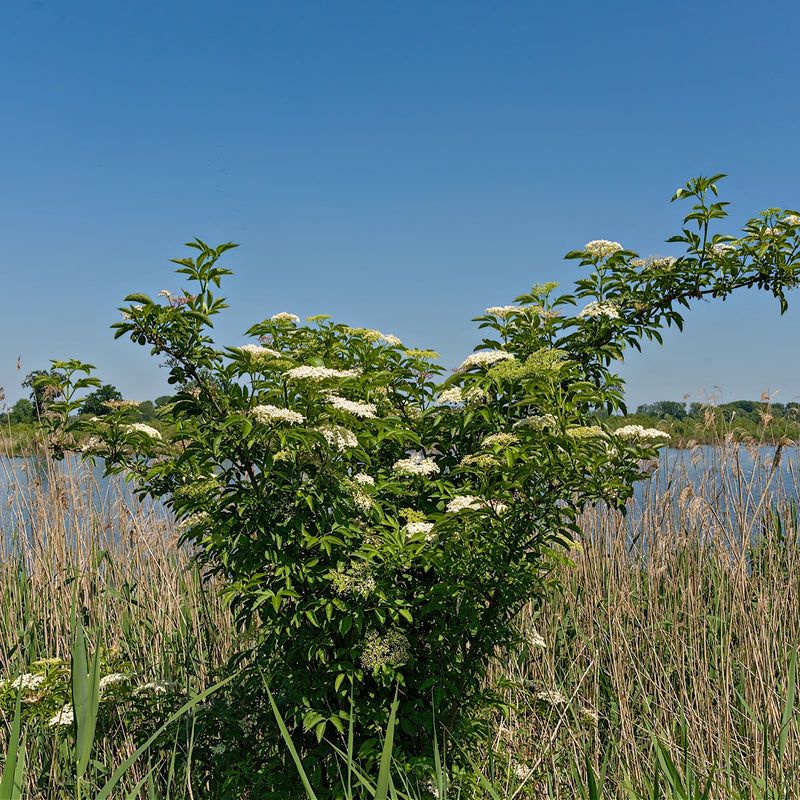
Walk your yard before you pick up pruners. Silky dogwood prefers medium-to-wet soil, and NC State Extension notes that its roots need to stay cool and moist in summer.
Good candidates include streamside strips, the low end of a rain garden, a seep, or a ditch edge that holds water.
A simple test helps. Visit after a few dry days in warm weather and see whether the soil is still damp a few inches down.
If it dries to dust, the spot is a poor match for this method.
That includes the typical sunny, well-drained foundation border or fence line. Stakes pushed into dry ground lose moisture from the exposed stem and have little chance of getting established.
If your yard is dry, a different native suited to dry soil is a better choice than forcing this one.
Think about room as well. Silky dogwood can spread by suckers and form thickets, so give it space away from tidy beds, septic fields, and walkways.
A damp corner that you can leave a bit wild is ideal, and the berries and cover will be welcome to birds and other wildlife. If you do not want it to spread, plan to manage the new shoots over time.
Prepare substantial stakes during the dormant season
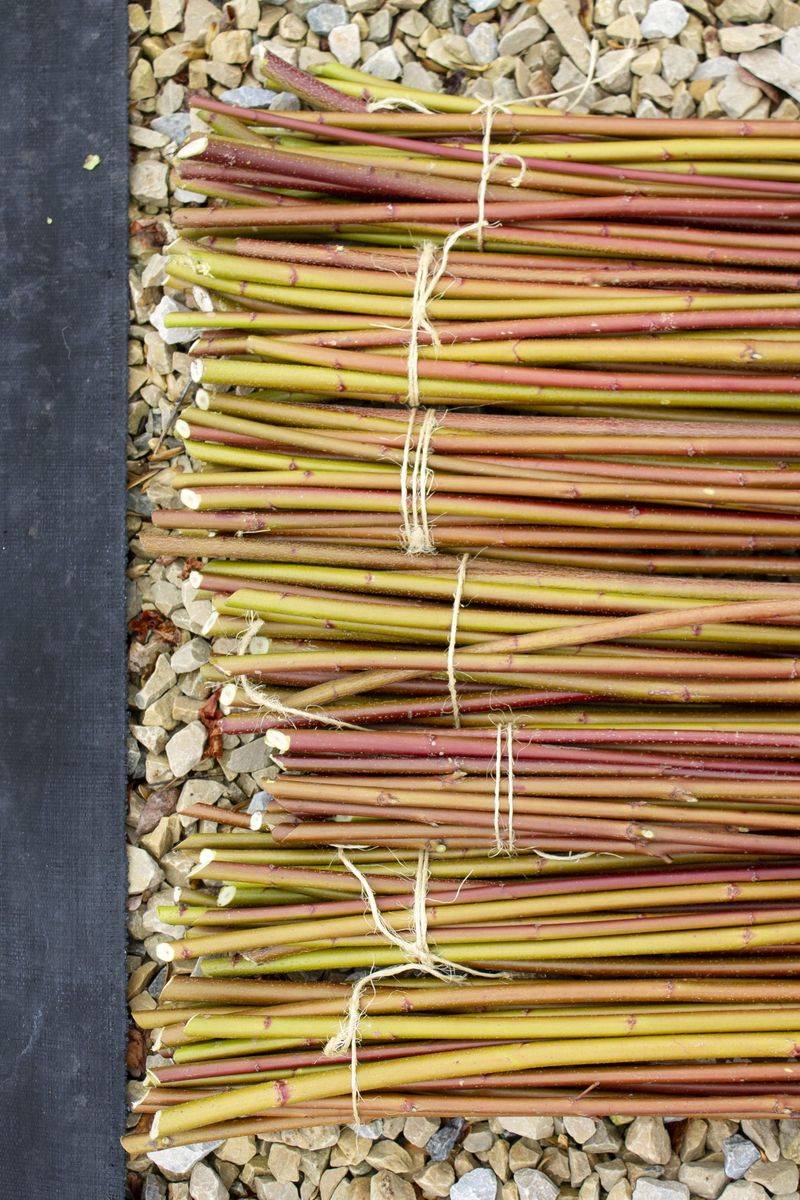
Timing matters. North Carolina’s live stake guidance recommends silky dogwood and gives a planting window from late fall to early spring, while the plant is dormant and leafless.
Cut and plant within that window rather than in summer.
Size matters too. The state stream restoration guide describes stakes roughly half an inch to 2 inches thick and about 3 feet long.
Skinny, flimsy twigs are not the same thing and should not be treated as equal substitutes.
Choose straight, healthy stems from a donor plant and keep track of which end is the bottom, since buds must point up at planting. A clean angled cut at the bottom end makes the stake easier to push in and easier to tell apart from the top.
Ask first. Collect only from a plant you own or from an owner who has given you permission, and take modest amounts so the donor shrub stays healthy.
Never harvest from public lands or protected areas without approval.
Once cut, keep stakes cool and moist until planting. A bucket of water in a shady spot or damp burlap in a cool place works.
Dried-out stems are a common reason stakes fail, so plan to plant the same day or soon after.
Install each stake firmly in moist soil

Planting day is simple, but details count. Set the stake with the buds pointing upward, and push or drive it into the moist ground.
The North Carolina guidance calls for burying about half to four-fifths of the stake, leaving at least two buds above the surface.
For a 3-foot stake, that means most of it is underground, with a short section sticking up. If the soil is too hard to push into, check that the spot is truly moist and avoid splitting the stake, which damages the part that needs to make roots.
Then pack the soil firmly around the stem. USDA Forest Service soil bioengineering instructions stress that exposed stem loses moisture and that tight soil contact helps.
Air pockets around a stake can dry out the buried portion.
Space the stakes so each has some room, and mark the spot so you can find them again before spring growth fills in. The basic method needs only the stake, moist soil, and firm packing.
NC’s instructions describe direct installation without rooting hormone, so you do not need to buy extras to follow it.
Rooting is possible, but establishment is not assured

After planting, the waiting begins, and there are no guarantees. Moisture loss is the main threat, since a stake that dries out can fail before roots form.
Check the site during dry spells and notice whether the soil stays damp.
The numbers are modest. A USDA NRCS rooting ability list rates local collections of silky dogwood as having fair live-hardwood rooting ability, while certain selected types rate good.
Fair means you should expect that some stakes may not take, so plant a few extra.
NC State’s photo of roots after nine months is encouraging, but it is an example of what can happen, not a schedule or a percentage. Leaves on a stake can also appear before strong roots exist, so do not assume success too early.
The site decides much of the outcome. NC State describes silky dogwood as a shrub for medium-to-wet soil, so a drying spot works against you.
Once plants do establish, expect suckers and a widening clump. Decide ahead of time where you will trim back unwanted shoots.
Use live stakes only where the plant and site fit
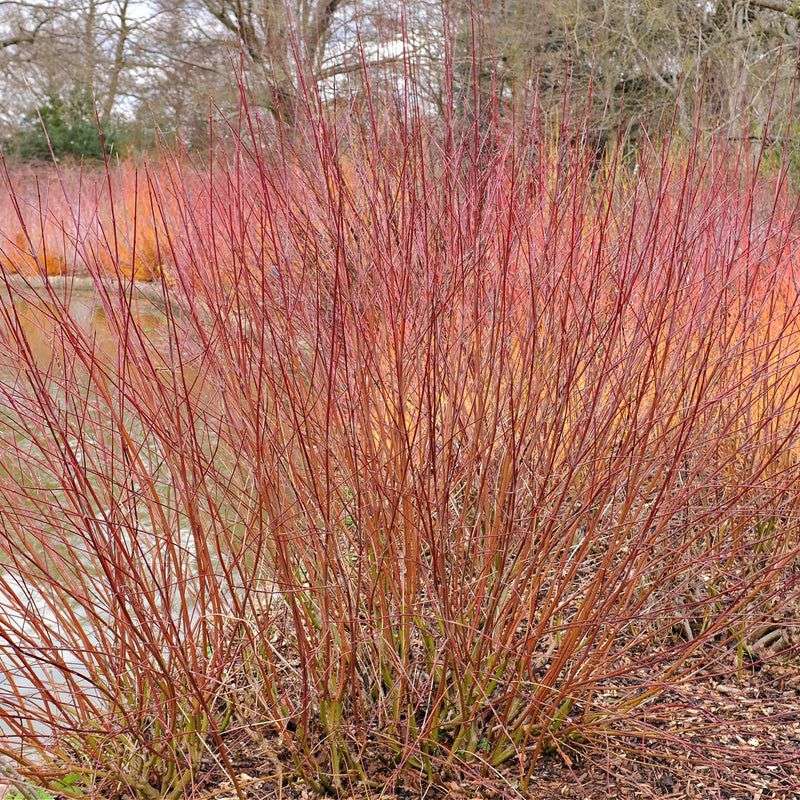
Live stakes can be a low-cost way to add a native shrub when you can plant sturdy dormant stems of correctly identified silky dogwood in ground that stays moist. North Carolina’s guidance frames it as a stream and wet-site tool, and that is where it fits best.
Give the plant room, because silky dogwood can spread into a thicket. A cheap shrub still asks something of you, and a damp corner is a promise worth keeping.