
Wondering Why Your Tomatoes Struggled This Year? 17 Kitchen Scraps That Feed Next Summer’s Plants For Free
If your tomatoes gave you yellow leaves, cracked fruit, or those ugly black bottoms this year, you are not alone. Most of the time, the problem starts in the soil, not with you.
The good news is that your kitchen trash can is full of free food your plants would love. Start saving these 17 scraps now, and next summer’s tomatoes can get the strong start they missed this year.
1. Banana Peels
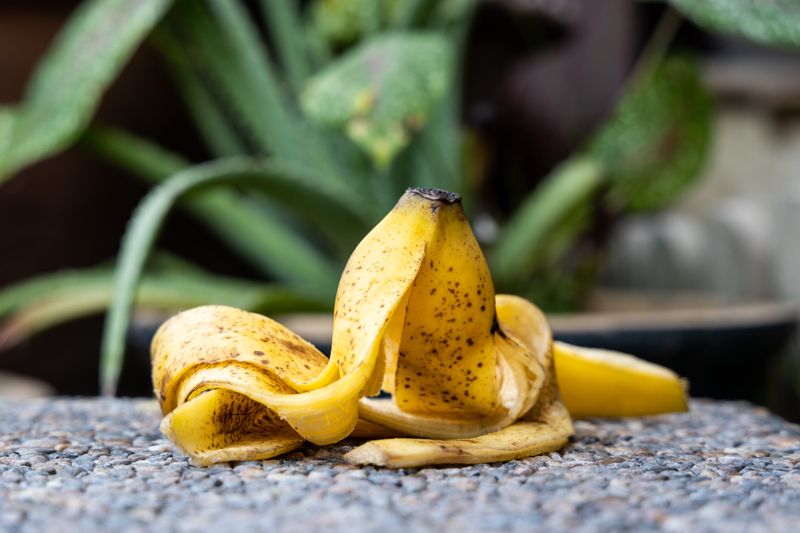
Your morning banana might be the best thing that ever happened to your tomato bed. Peels carry a good dose of potassium, plus some calcium and phosphorus, which are nutrients tomatoes use heavily once fruit starts forming.
Potassium helps move water and sugars through the plant. That can mean sturdier stems and fruit with better flavor, the kind you actually want to slice for a sandwich.
Chop the peels into small pieces and bury them a few inches deep near the root zone, or toss them in your compost. Some gardeners soak peels in a jar of water for a couple of days and pour the liquid around plants.
Whole peels left on the surface tend to attract fruit flies, so tuck them under the soil.
2. Used Coffee Grounds
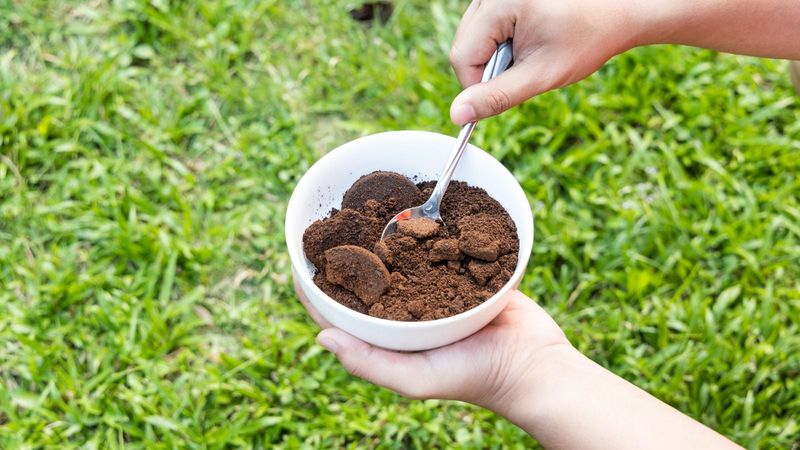
Picture a pile of coffee grounds heading for the trash every single morning. That pile holds nitrogen, along with smaller amounts of potassium and phosphorus, and earthworms seem to adore it.
Grounds add organic matter that loosens heavy soil and helps it drain. Worms move in, and their tunnels open space for tomato roots to spread.
Here is the catch: more is not better. Thick layers can clump into a crust that sheds water, so sprinkle a thin layer and scratch it into the topsoil, keeping it a few inches from the stem.
Even better, mix grounds into your compost, where they break down alongside everything else.
3. Crushed Eggshells
Blossom end rot, that dark sunken spot on the bottom of a tomato, has broken a lot of gardener hearts. It comes from a calcium shortage inside the fruit.
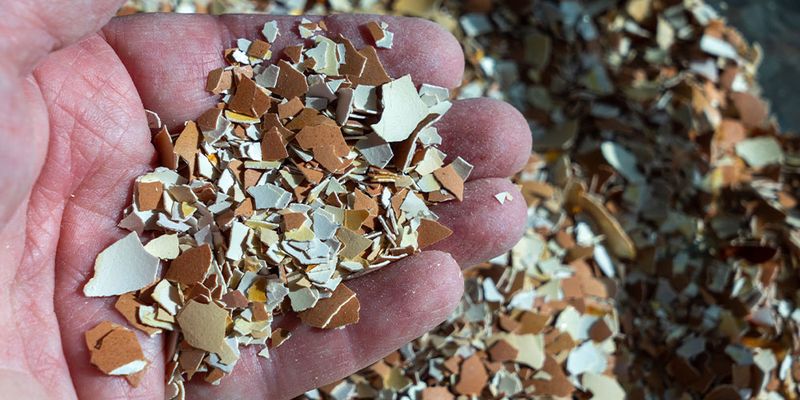
Eggshells are almost pure calcium carbonate, and they release it slowly as they break down. Rinse them, let them dry, and crush them as finely as you can, since powder works far faster than big chunks.
One honest note: blossom end rot is usually triggered by uneven watering, not soil that truly lacks calcium. Eggshells can support long-term soil health, but steady, deep watering is the real rescue.
Work the shells into the bed this fall so they have months to start breaking down before spring planting.
4. Apple Cores and Fruit Scraps
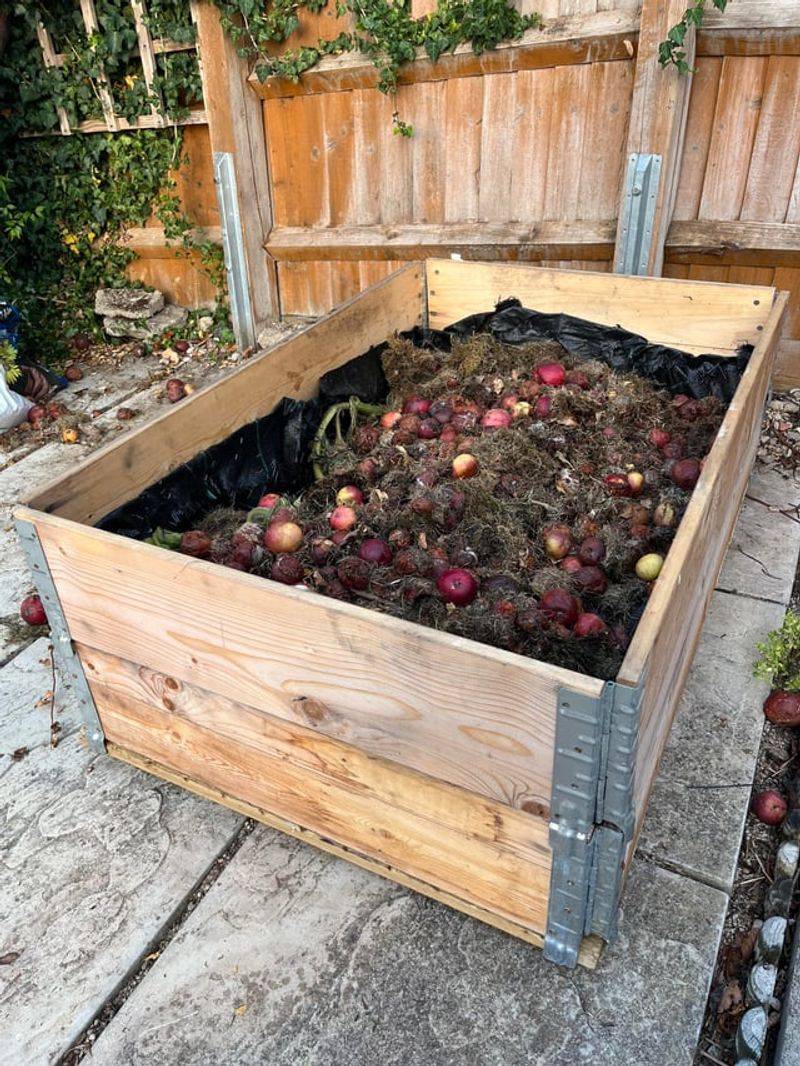
Apple cores, strawberry tops, mushy peaches, and that forgotten pear in the fruit bowl all count. Once composted, they turn into dark, crumbly organic matter that tomatoes thrive in.
Fruit scraps break down quickly because they hold so much moisture. They feed soil microbes, and those microbes in turn make nutrients easier for roots to grab.
Bury fruit waste in the center of the compost pile to keep raccoons and flies from showing up for dinner. Big pits like peach stones take ages to rot, so pull those out or expect to find them again next year.
5. Vegetable Trimmings
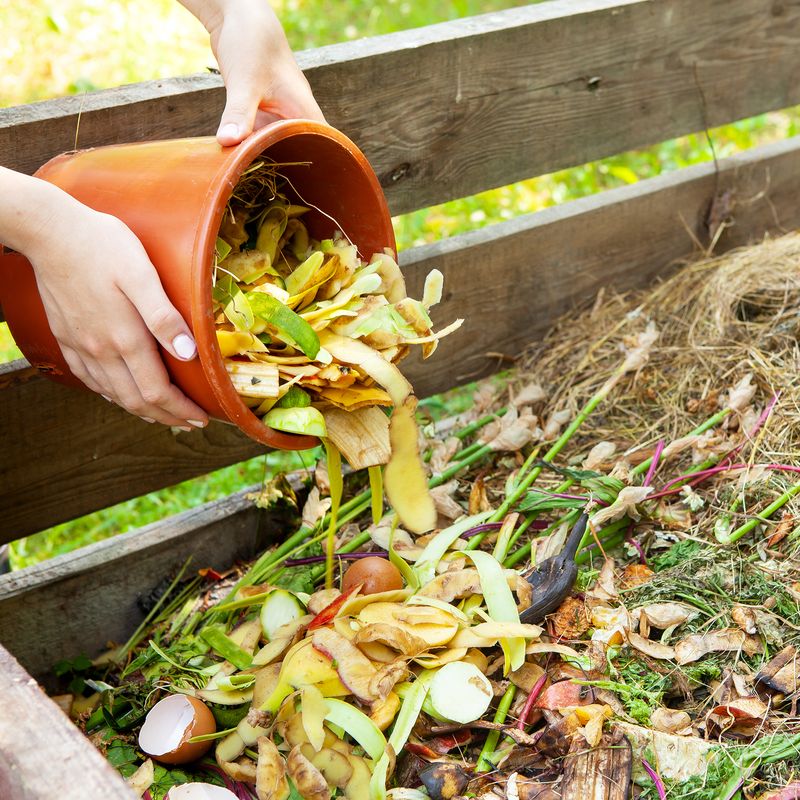
Every time you cook dinner, you are making garden fertilizer without realizing it. Celery bottoms, broccoli stems, zucchini ends, and potato peels all add nutrients and texture to soil once they rot.
Struggling tomatoes often sit in compacted, tired dirt where roots cannot breathe. Compost made from veggie trimmings loosens that ground and helps it hold moisture evenly, which can cut down on cracking and wilting.
Keep a lidded bucket by the sink and empty it every few days. Chop larger pieces so they break down faster.
By spring, a fall full of dinner scraps can become a few inches of rich compost to spread over your beds.
6. Carrot Peels
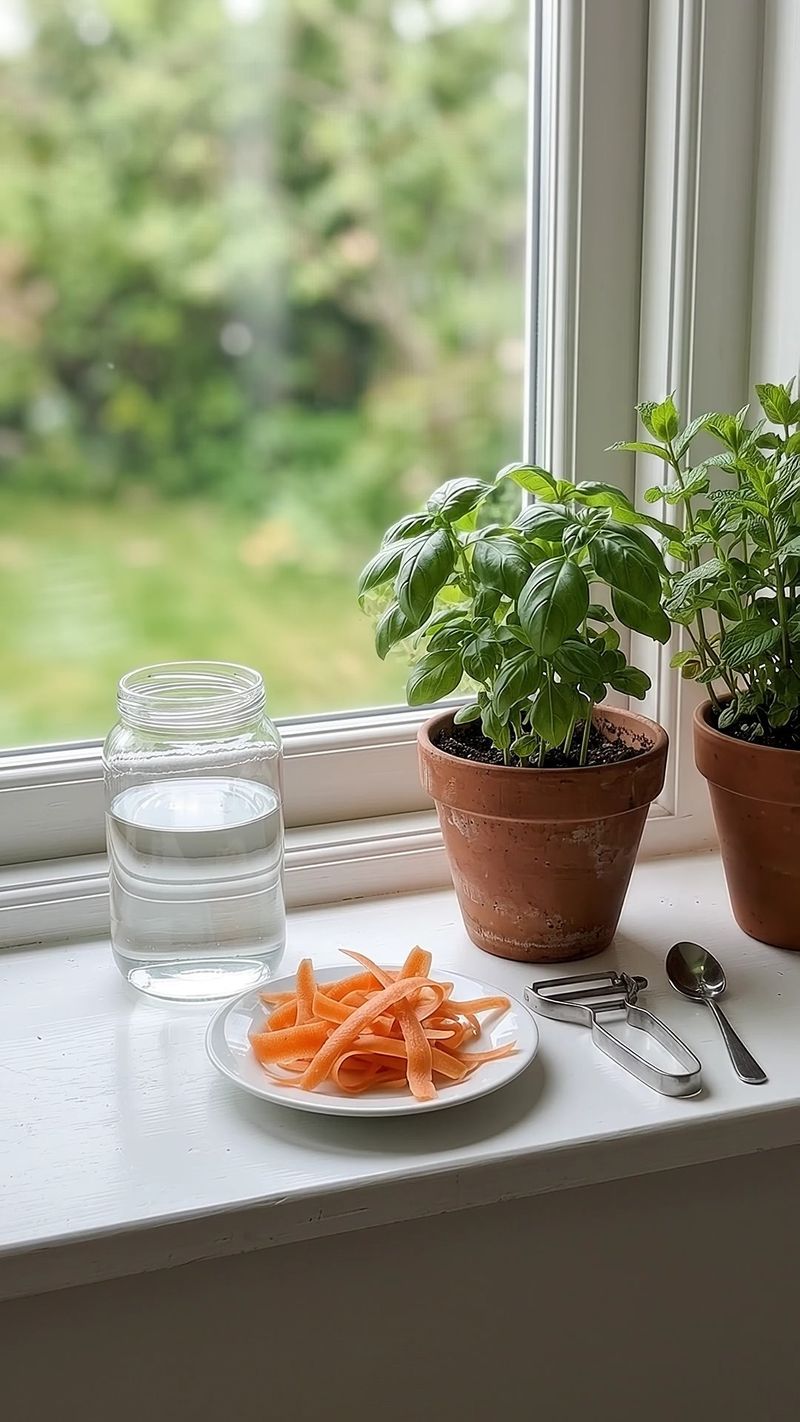
Carrot peels are a small scrap with a surprisingly full nutrient lineup. They bring magnesium, nitrogen, phosphorus, and potassium, a mix that matches up nicely with what tomato plants crave.
Magnesium matters more than most folks think. When older tomato leaves turn yellow between green veins, low magnesium is a common suspect.
You can bury peels straight into the bed or soak a handful in water for a few days and use the liquid as a mild drink. Fun bit of trivia: early carrots were purple or yellow, and the orange kind became popular in the Netherlands centuries ago.
7. Melon Rinds
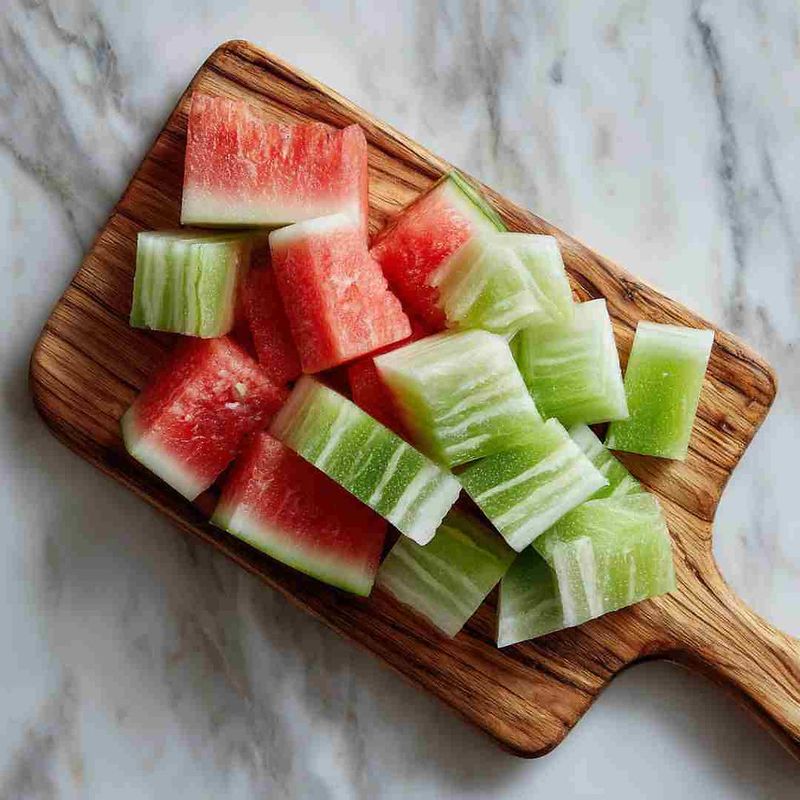
Summer cookouts leave behind mountains of watermelon and cantaloupe rinds. Instead of hauling that heavy bag to the curb, give it to your compost.
Rinds are packed with water, so they help keep a dry compost pile moist and active. They melt down fast in warm weather and add organic matter that improves how your soil holds water.
Cut them into fist-sized chunks or smaller before tossing them in. Mix them with dry leaves or shredded paper so the pile does not turn slimy.
Come spring, those rinds become part of the rich mix that cushions your tomato roots.
8. Pepper Cores and Seeds
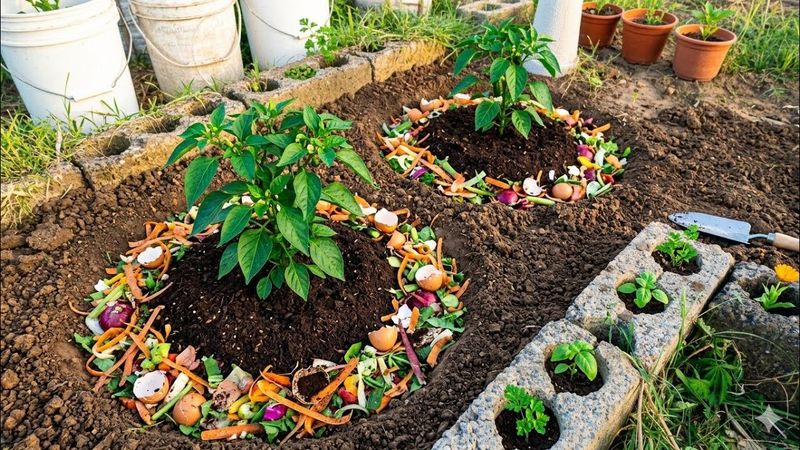
Slicing bell peppers leaves you with stems, seeds, and those white ribs nobody eats. They are small, but they add steady organic matter to compost.
Here is a quick tip from experience: hot compost piles usually kill seeds, but cool, slow piles may not. You might find surprise pepper seedlings popping up wherever you spread the finished compost.
If that bothers you, chop cores finely or keep seeds out. Otherwise, consider it a bonus plant.
Peppers and tomatoes are cousins, so watch both for the same kinds of disease if anything looked sick this year.
9. Leafy Green Trimmings
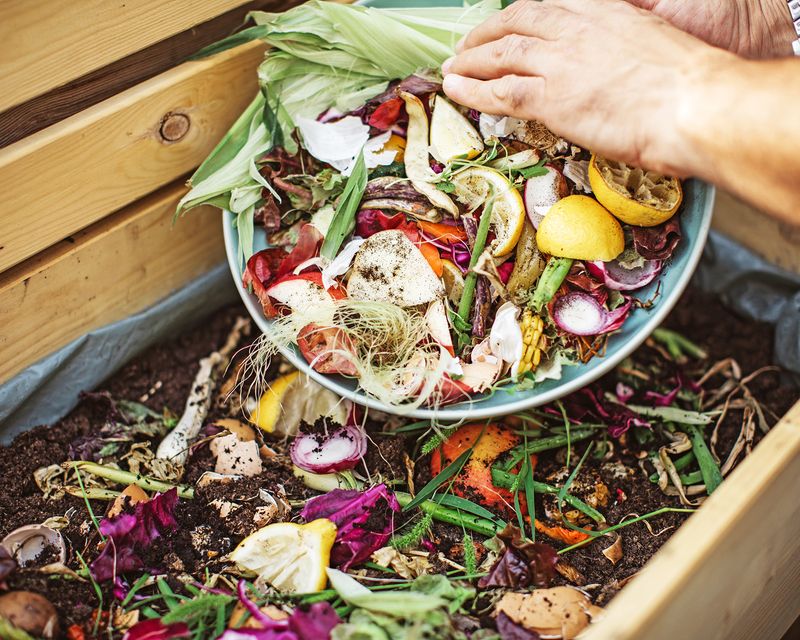
Wilted lettuce in the crisper drawer? No guilt needed.
Outer cabbage leaves, spinach stems, and tired lettuce are some of the most nitrogen-rich scraps you have.
Nitrogen fuels healthy green leaves. When the oldest leaves at the bottom of a tomato turn yellow and drop, a nitrogen shortage is often to blame.
Balance matters, though. Too much nitrogen gives you a giant leafy plant with very few tomatoes.
Composting greens with browns like dry leaves keeps things even and turns them into gentle, steady food.
10. Used Tea Bags and Loose Leaves
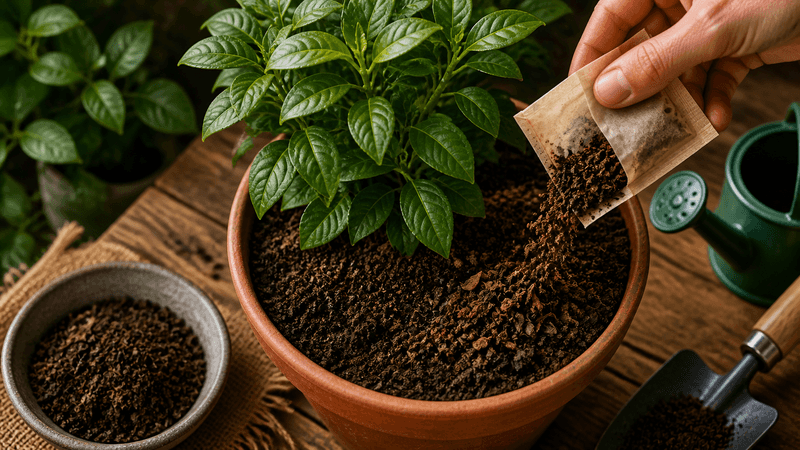
Tea drinkers, your afternoon habit pays off twice. Spent tea leaves hold nitrogen and other trace nutrients that feed soil life as they break down.
Before tossing bags in, check for staples and plastic. Many tea bags contain plastic fibers that never fully rot, so tearing them open and dumping just the leaves is the safest bet.
Sprinkle used leaves into compost or lightly work them into the top of a bed. They also do well in container tomatoes, where a little added organic matter helps potting soil stay fluffy.
11. Citrus Peels
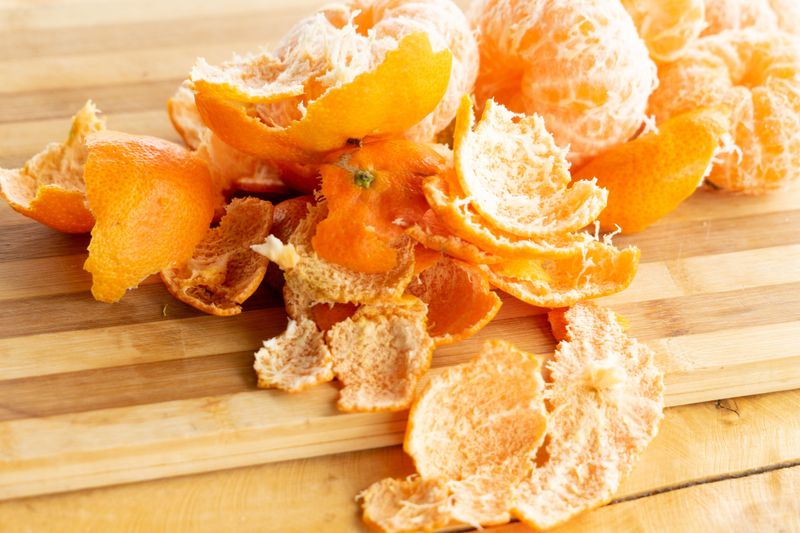
Orange, lemon, and lime peels bring a fresh smell to the compost bin and a few nutrients to the soil. They also have oils some gardeners believe may help deter certain pests.
Go easy, though. Citrus oils can slow down worms and composting when you add huge amounts at once, so mix peels in with plenty of other scraps.
Chopping them small speeds things up a lot, since whole peels can hang around for months. A few peels a week is a happy amount for a typical backyard pile.
12. Onion and Garlic Skins
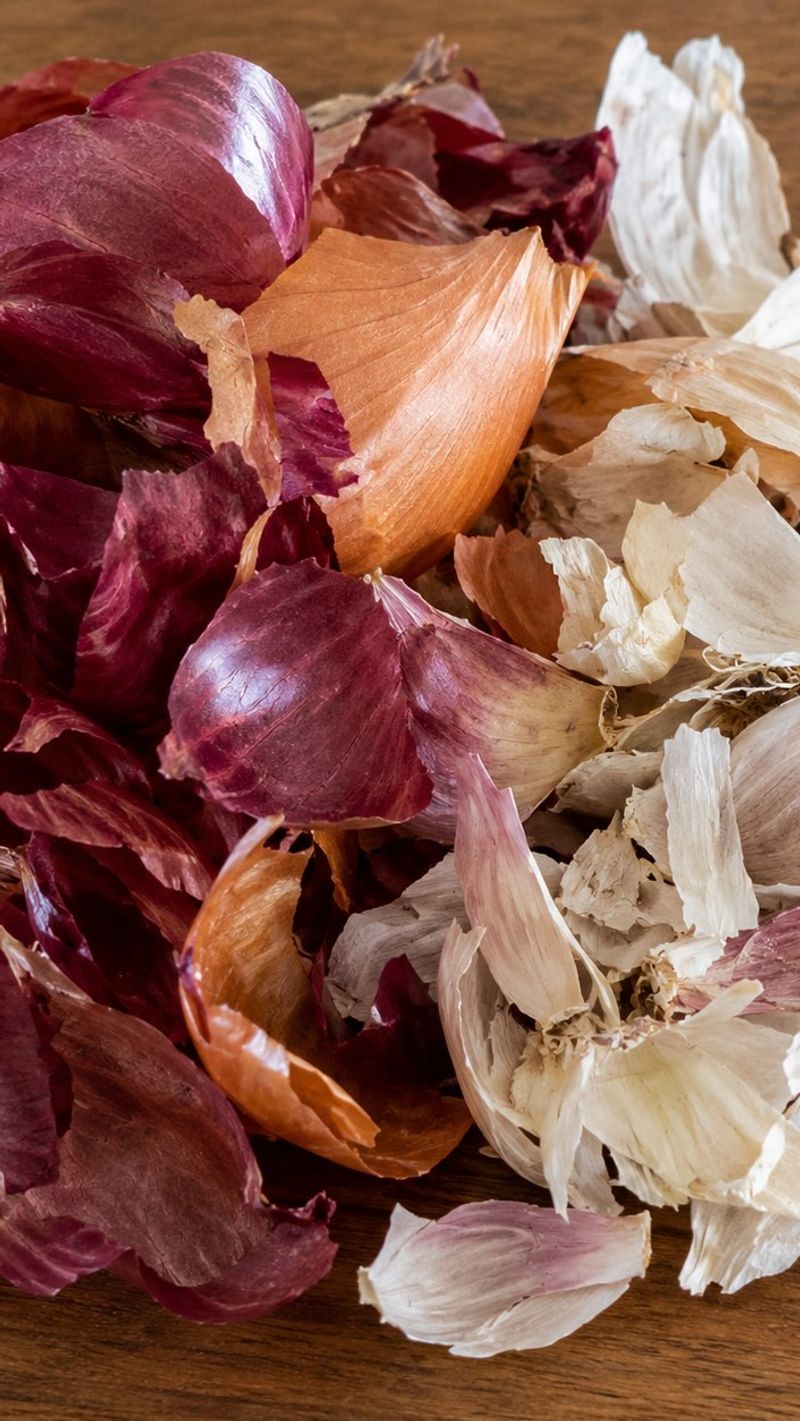
Those papery skins that float all over the counter when you peel an onion are not just a mess. They make a light, dry addition to compost that balances out wet scraps.
Skins break down slowly but add to overall organic content. They are a handy brown-style material when you run short on dry leaves in summer.
Keep a container just for skins and add them whenever your pile smells sour or looks soggy. Small step, big help in keeping compost sweet-smelling.
13. Unsalted Nut Shells
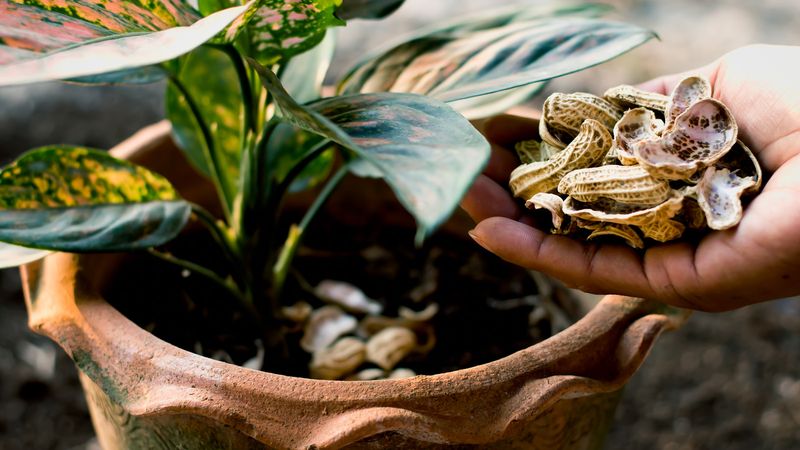
Movie night peanuts leave behind a crunchy bonus. Unsalted, untreated nut shells add coarse texture to compost that keeps air moving through the pile.
They break down slowly, so crush them first. Over time they become part of loose, well-drained soil that tomato roots love.
Skip salted shells, since salt is bad news for garden soil. Also leave out black walnut shells, which contain juglone, a natural chemical known to harm tomatoes.
14. Baking Soda
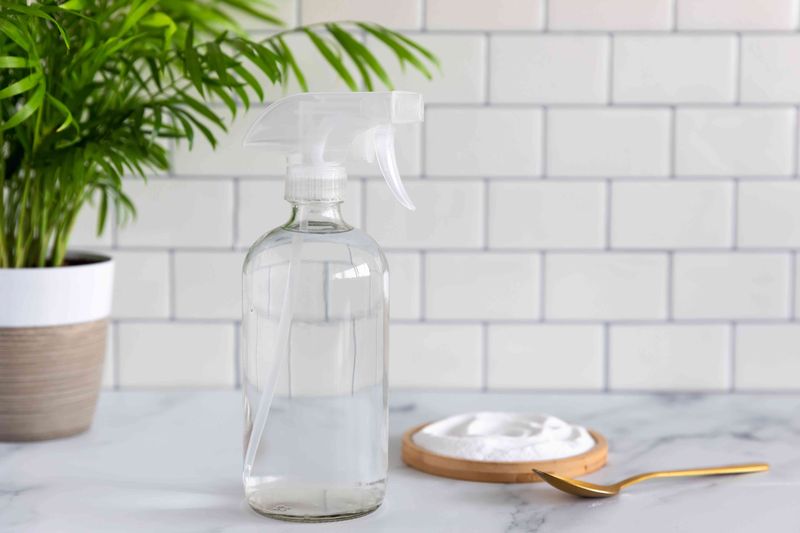
Baking soda is not a scrap, but it is sitting in almost every pantry. Some gardeners mix a small amount with water and a drop of soap as a homemade leaf spray for fungal spots.
Results vary, and it is no cure for serious disease like late blight. It may help slow minor fungal problems when used early and lightly.
Test it on a few leaves first and avoid spraying in hot midday sun. Never dump baking soda straight into soil, since the sodium can build up and cause harm.
15. Epsom Salt
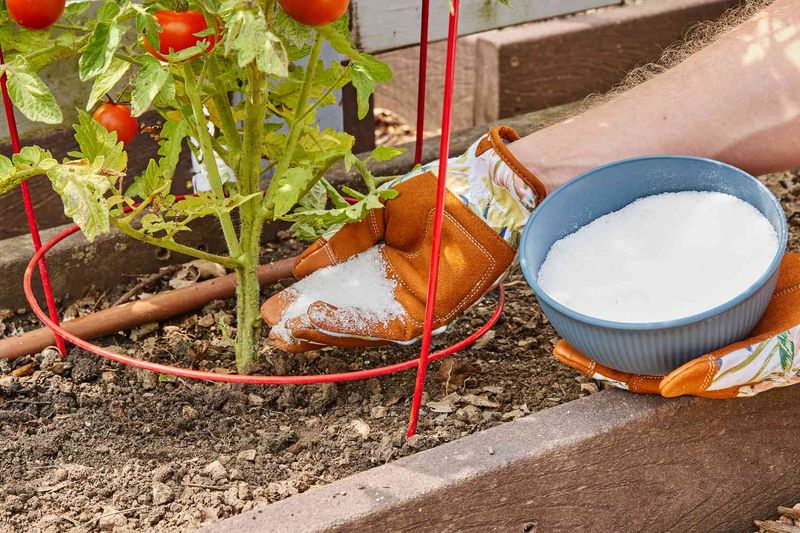
Grandma swore by it, and she was partly right. Epsom salt is magnesium sulfate, and tomatoes need magnesium to keep leaves green.
It only helps when magnesium is actually low, though. Signs include yellowing between the veins on older leaves while the veins stay green.
A soil test before spring tells you whether to bother. If you do use it, a tablespoon dissolved in a gallon of water is plenty, and more can do more harm than good.
16. Unsulfured Molasses
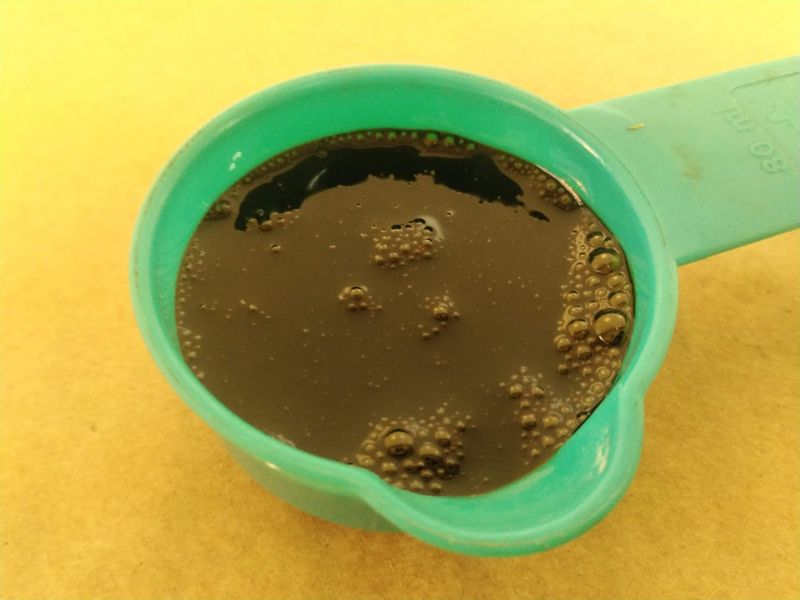
Sweet and sticky, molasses is a treat for the tiny life in your soil. It gives sugars to the bacteria and fungi that help break down organic matter.
Stir about a tablespoon into a gallon of water and pour it over compost or garden beds. Choose unsulfured molasses, since the sulfured kind is less friendly to microbes.
Think of it as a snack for your soil workers, not direct plant food. Healthier soil life can make all your other scraps work faster.
17. Worm Castings From a Kitchen Worm Bin
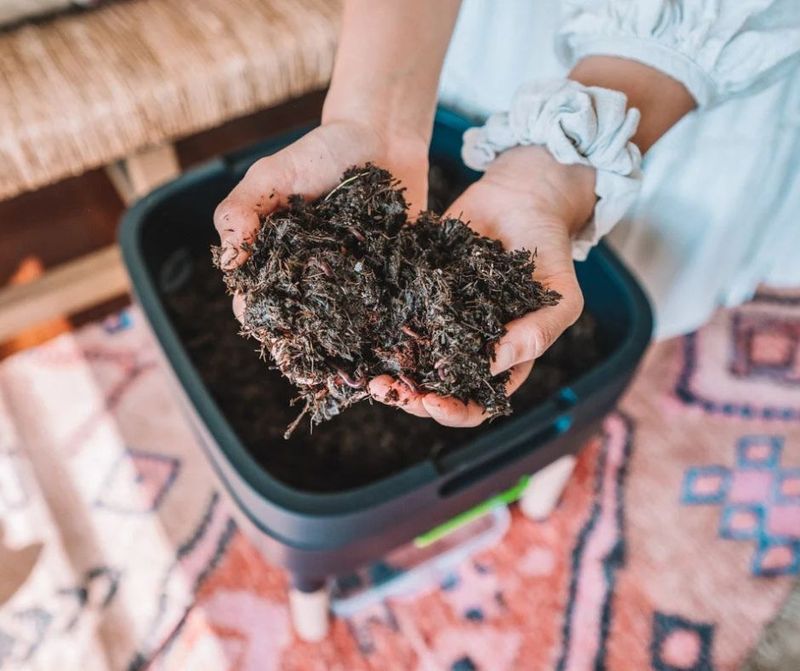
Picture a small bin under the sink that quietly turns peels into black gold. A worm bin full of red wigglers eats your kitchen scraps and leaves behind castings, one of the richest soil boosters around.
Castings improve soil structure and feed plants gently without burning roots. Mixing a handful into each planting hole can give spring tomatoes a strong start.
Bins are cheap to set up with a plastic tote and shredded newspaper. After that, every scrap on this list can feed worms, and the worms feed your tomatoes for free.