
Fall Is a Useful Time to Lime North Carolina Garden Soil, If Your Soil Test Recommends It
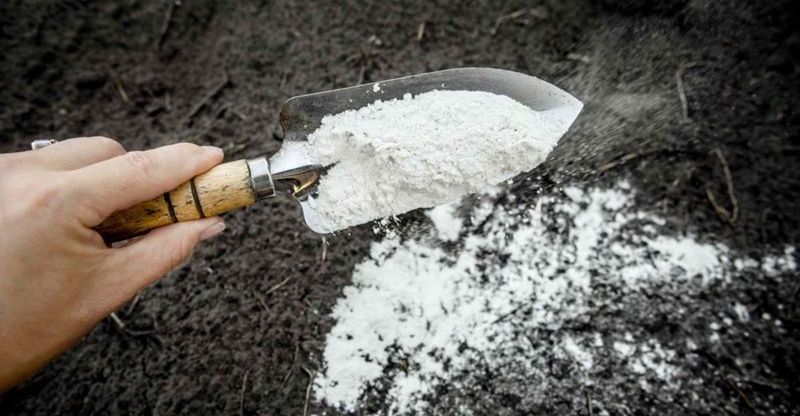
Plenty of North Carolina gardeners stare at stiff red clay and wonder if a bag of lime is the answer. Sometimes it is, and sometimes it only adds cost and trouble.
Lime works slowly, so fall can give you a head start on spring beds. Here is how to find out whether your yard needs it and how to do it right.
Clay alone is no reason to lime
Lime has a specific job. It reduces soil acidity and supplies calcium, and dolomitic lime also supplies magnesium.
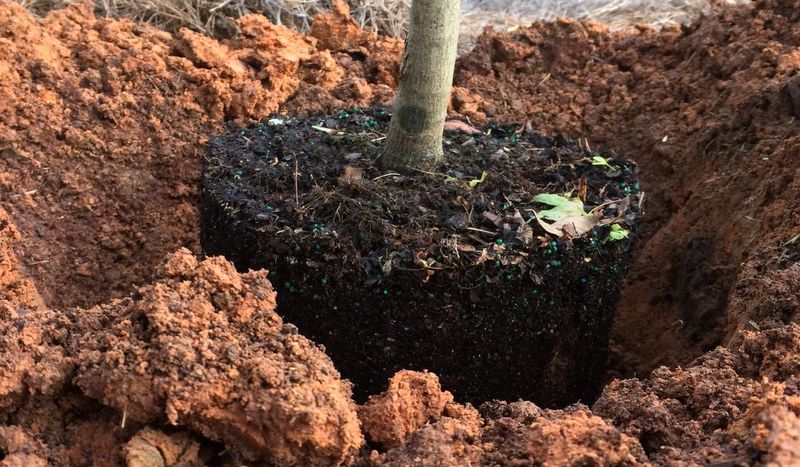
Heavy red clay does not tell you whether your soil is acidic, so a clay bed does not automatically need it.
Clay-rich soils also resist pH change more than sandy soils do. According to the NC State Extension Gardener Handbook, the amount of lime a soil needs depends on more than the measured pH.
Acidity, clay content, organic matter, the crop, and the target pH all play a part.
That is why guessing rarely works. A neighbor with sandy soil may need very little, while your clay bed might need a larger amount, or none at all.
Two yards a few miles apart can give very different answers.
The way to settle it is a soil test. NC State’s liming guidance points to testing as the way to decide both whether lime is needed and how much to use.
If the report says no lime, skip it. Extra lime can push pH past where your plants do well, and it is hard to undo.
Think of the test report as the permission slip. Without it, a bag of lime is just a guess you spread across your yard.
Fall gives recommended lime a head start
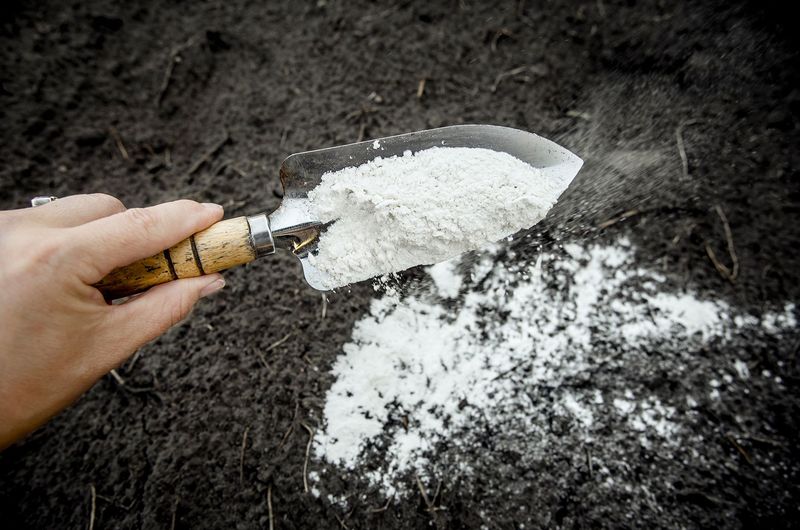
Lime does not change soil overnight. It dissolves and reacts a little at a time, which is why lead time matters.
Spreading it in fall, when the soil test calls for it, gives it months of rain and cool weather to get to work before spring planting.
That head start is helpful, but it is not a promise. NC State Extension reports that particle size affected pH response over an 18-month study, so a fall application will not land on an exact number by a certain date.
Several things shape the result. The product matters, and so does how fine it is.
How evenly you spread it and how well you work it into the soil also count, along with moisture and the soil itself.
Pelleted lime is easy to handle, but NC State notes it can change pH more slowly than finely ground lime. A slower product benefits even more from an early start.
So treat fall as a planning advantage. You get breathing room, and you avoid a rushed spring amendment.
Plan to retest later if you want to see how far the pH actually moved.
Sample each garden area before you spread anything
A soil test is only as good as the sample you send. Aim to sample three to six months before planting, which makes fall a natural time for a spring garden.
NC State’s sampling guidance also notes that fall samples may be processed more promptly than those sent in spring.
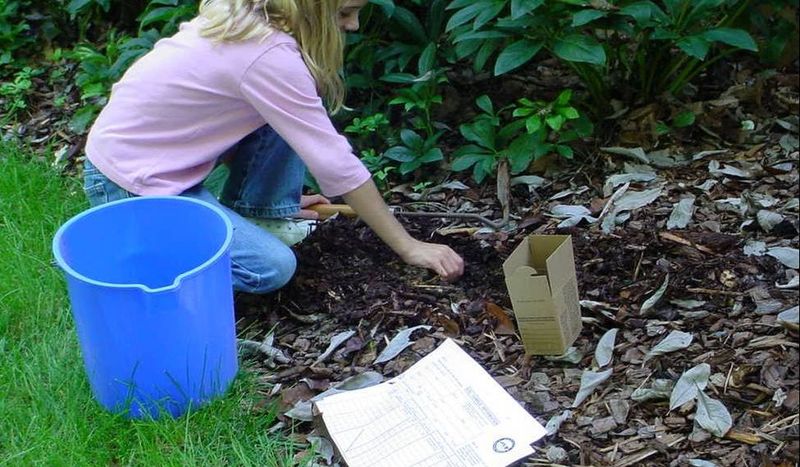
Take small scoops from several spots in each distinct area, then mix them into one composite sample. Keep unlike areas separate.
Your vegetable beds, flower beds, and a blueberry patch each get their own sample, because they usually need different things.
Use a clean bucket and trowel, and remove surface debris before you dig. Fill the sample box as directed, and label each one so you can match the report to the right bed.
A simple sketch of your yard with numbered areas helps a lot.
The report will tell you whether lime is needed and at what rate. For North Carolina residents, the NCDA&CS soil testing page explains how to submit samples.
Check it for current fees, deadlines, and processing details before you mail anything, since those can change.
You can also find helpful basics in NC State’s community garden handbook on soil, plots, and planters.
Match the pH target to what you plan to grow
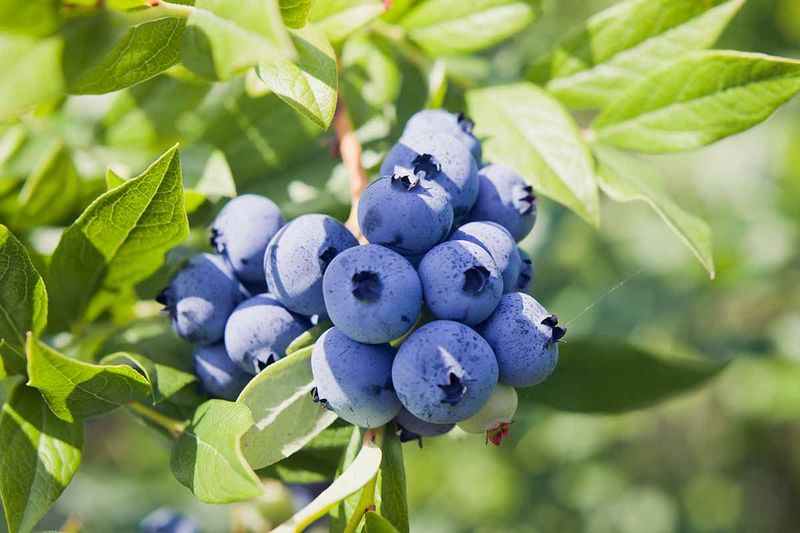
No single pH suits every bed. NC State’s examples show the spread: vegetable gardens do best around a pH of 6.5, while blueberries and azaleas prefer something near 5.0.
That gap matters in a mixed yard. If you limed a blueberry patch toward a general garden target, you could work against the plants you are trying to help.
Acid-loving shrubs can struggle when pH climbs too high.
Overliming also causes trouble for other plants. Too much lime can reduce the availability of some micronutrients, so leaves may turn pale or growth may stall even though the soil looks fine.
Once pH goes too high, bringing it back down takes time and effort.
The fix is simple. Tell the soil lab what you plan to grow in each sampled area, then follow the recommendation for that planting.
If one bed gets a lime recommendation and the next bed gets none, that is not a mistake. It is the report doing its job.
Write the target pH for each bed in your garden notes. When you retest next year, you will know what you are comparing against.
Apply the recommended lime where it can react
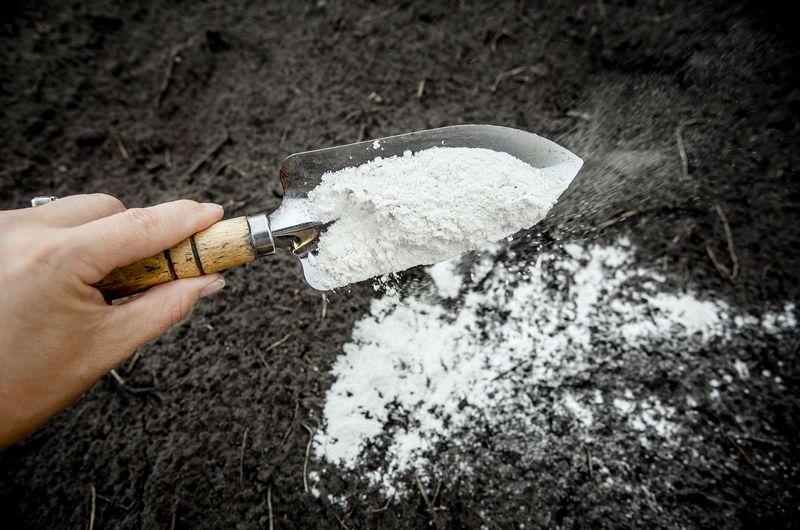
Start with your soil report and the product label. Spread the recommended amount evenly, because lime moves slowly and mostly neutralizes acidity right where it sits.
According to the NC State Extension Gardener Handbook, thorough incorporation is the way to go for gardens and new plantings.
For a new or renovated bed, work the lime into the top 4 to 8 inches. That puts it in the zone where roots will grow.
In an established bed you will not till, a surface dusting may not correct acidity deeper in the root zone quickly, so do not expect fast results there.
The report may name a type. Calcitic lime supplies calcium, while dolomitic lime supplies magnesium as well.
NC State’s liming guide says the soil test can guide that choice. Pelletized products spread easily but can change pH more slowly than finely ground lime.
Stick with agricultural liming material sold for garden use. Hydrated and quick or burnt lime are caustic, and University of Maryland Extension warns they pose a personal-safety hazard.
They are not a backyard shortcut.
Wear gloves, eye protection, and a dust mask on a calm day. Keep lime away from pets, and sweep stray granules off paths so they do not wash into storm drains.
Lime changes acidity, not clay structure
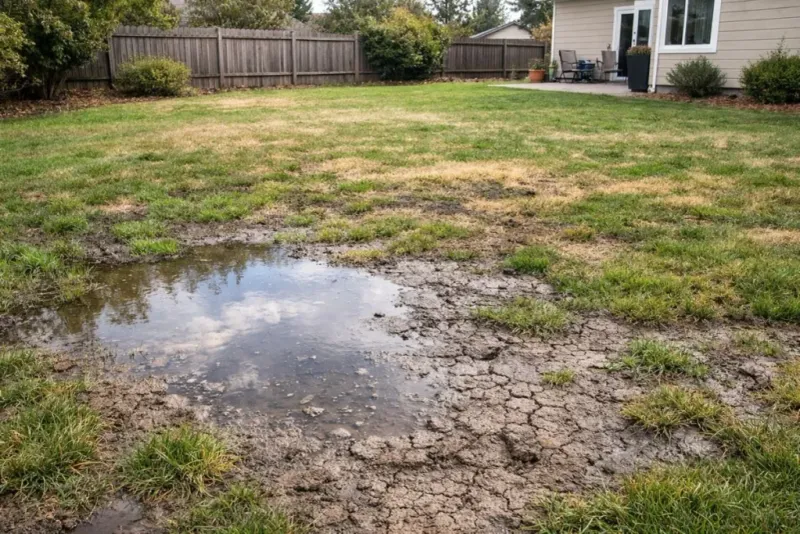
Here is the boundary to remember: lime tackles acidity. NC State’s liming guide describes it as a way to neutralize acid and supply calcium, and sometimes magnesium.
It does not change how much clay your soil has.
So lime will not loosen compacted ground or make a soggy bed drain. If water puddles after rain or a shovel bounces off the surface, those are physical problems.
A soil test showing low pH will not fix them.
Drainage and structure call for different tools. University of Maryland Extension covers soil health, drainage, and improving soil, and it treats those as separate topics from pH.
Raised beds, added organic matter, and avoiding work on wet soil are common ways gardeners respond.
A handy diagnostic clue: if plants look stunted and the report shows low pH, lime may help. If roots sit in water or the soil is hard as a brick, look at the physical side first.
Some beds have both problems. Treat them as two jobs, and do not expect one bag to handle either one for the other.
Spring is not automatically a lost season
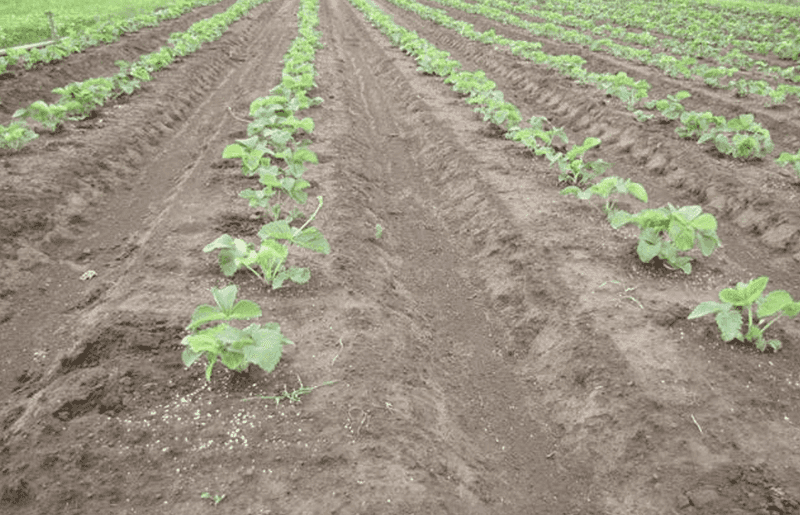
The idea that waiting until spring wastes a whole season is too strong. Fall gives you lead time, which is handy, but spring liming can still make sense when your soil test calls for it and you have time before planting.
Crop-specific guidance shows why. The Southeast Regional Caneberry Production Guide says pelletized lime applied two to three months before planting can be sufficient for caneberries.
That is advice for one crop, not a deadline for every garden plant.
Timing depends on the product, the soil, your planting date, and what you grow. NC State’s soil sampling guidance encourages testing well ahead of planting, which is what makes any of this workable.
If you missed fall, test now, follow the recommendation for your crop, and apply as early as you can. If fall fits your plan, use it.
Lime rewards the gardener who starts early, not the one who starts perfectly.