
Fall Is Often a Favorable Time to Control Creeping Charlie and Dandelions: How to Use the Window
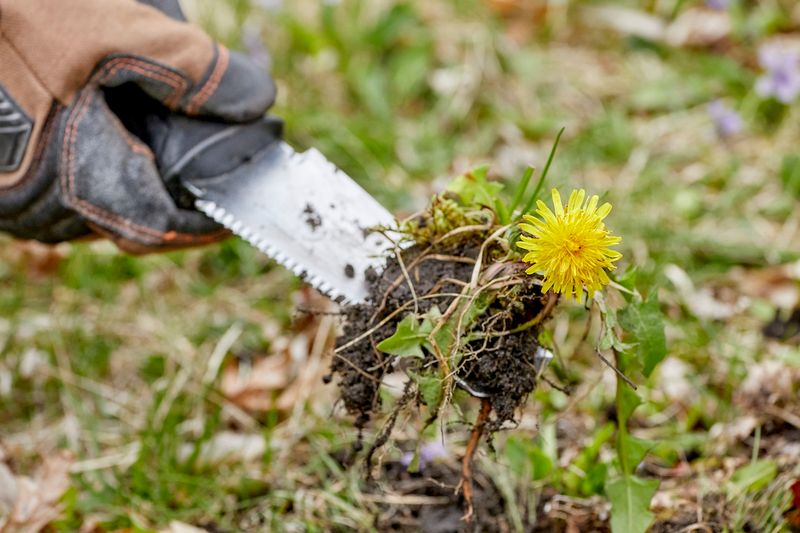
Dandelions and creeping Charlie can take over a lawn fast, and they seem to bounce back no matter how often you pull them. Fall gives you a helpful edge, because these perennial weeds shift energy toward their roots as winter nears.
That shift can help a weed killer travel farther into the plant. Here is how to use that window wisely, without hurting the plants you love.
Fall can improve herbicide movement into perennial storage tissues
Perennial weeds do not simply stop in autumn. As winter approaches, they tend to move stored resources toward their roots and other storage tissues.
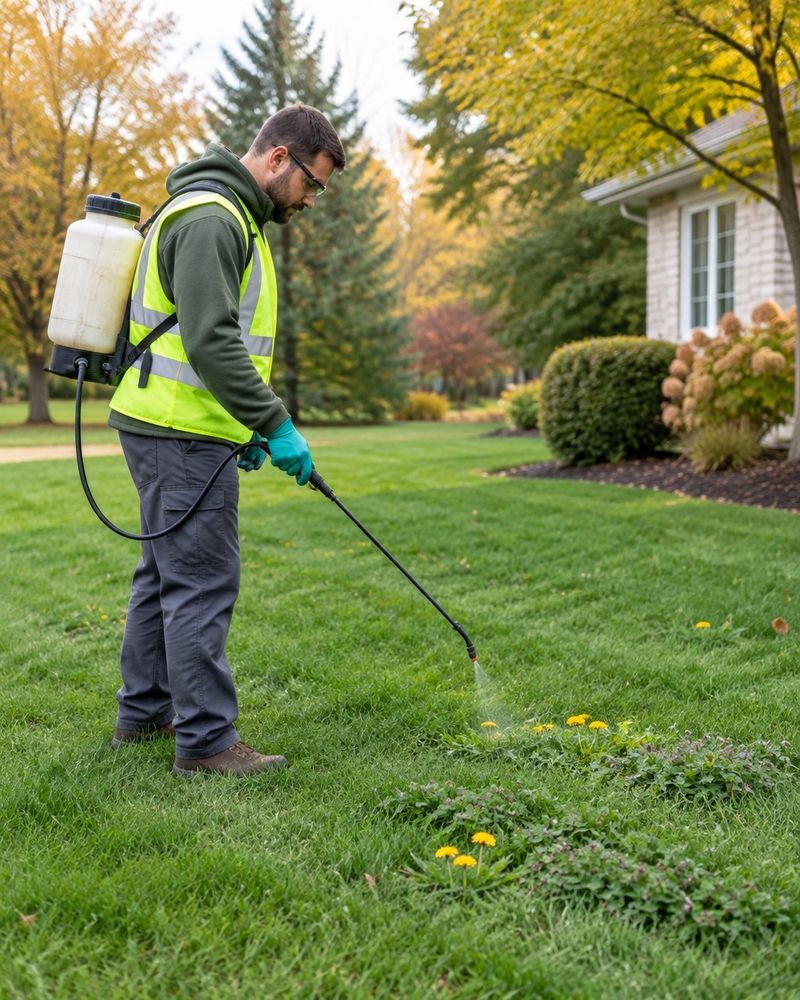
A systemic herbicide sprayed on leaves that are still actively growing can travel along with that flow, which is why fall is often a favorable time to treat.
Extension guidance backs this up for ground ivy. University of Minnesota Extension names fall as an effective period for chemical control in turf, and Penn State Extension also treats autumn as a key treatment time.
Think of it as a timing advantage, not a magic trick. Better movement toward the roots does not mean every root dies.
Creeping Charlie in particular can recover, and a single spray may leave survivors that need another round.
Spring treatment can also work on some weeds, so you have not failed if you missed autumn. The real test is whether the weeds are still green and growing when you spray.
If the leaves are active, the plant is still pulling products inside. If the weeds have gone dormant, results usually drop.
So treat fall as a strong opportunity rather than a deadline everyone shares. Your local weather, the weed’s condition, and the product label matter more than any single calendar date.
Later sections cover how to match your plan to those details.
Dandelions and creeping Charlie spread in different ways
A dandelion sends down one thick taproot, and that root is the plant’s anchor and pantry. Oregon State University Extension describes how dandelions are perennials with a strong root, and Wisconsin Horticulture notes that pieces of root left behind can sprout again.
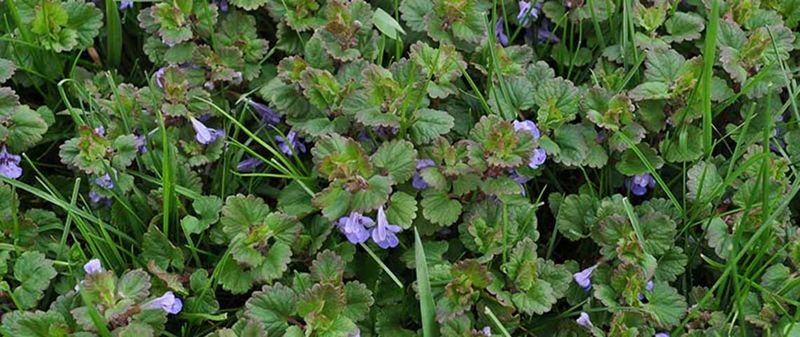
Creeping Charlie, also called ground ivy, works differently. It sends out creeping stems that root as they go, so a small patch can slowly become a carpet.
University of Minnesota Extension calls it difficult to control once established.
That difference changes your plan. Scattered dandelions are often handled one by one, either dug out or spot treated.
A spreading ground-ivy patch has many connected stems, so pulling one plant barely dents it.
Look at your lawn before choosing a tool. If you see a few yellow flowers on separate rosettes, you are probably dealing with dandelions.
If you see rounded, scalloped leaves forming a low mat that creeps under shrubs and along edges, that is creeping Charlie, and you should expect a longer effort.
When is digging enough?
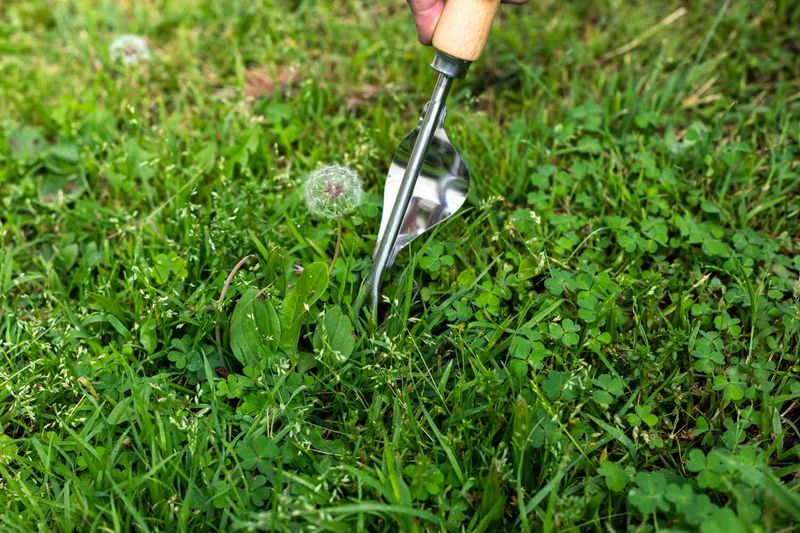
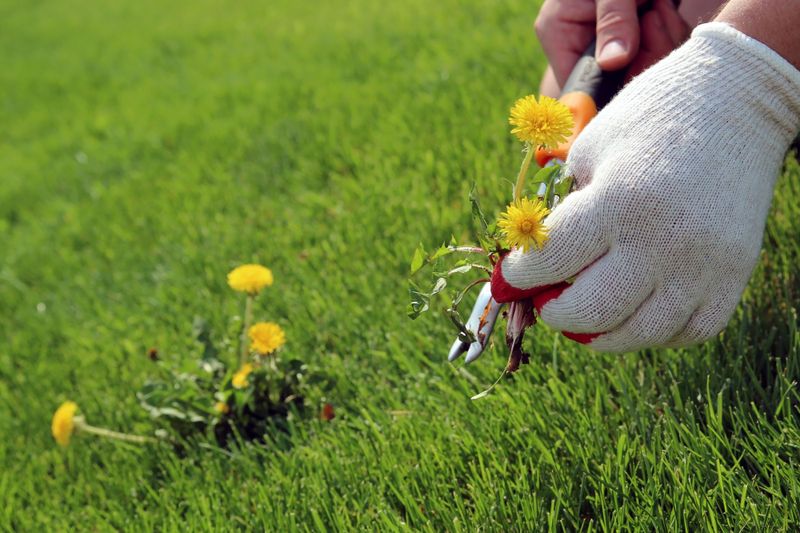
If you only have a handful of dandelions, digging is a fine low-spray choice. Wait for a day when the soil is moist, because the root slides out more easily.
Work a narrow digging tool down alongside the root and lift out as much of the taproot as you can.
Do not worry about perfection, but do be thorough. Oregon State University Extension and Wisconsin Horticulture both note that leftover root pieces can regrow.
Check the hole a week or two later and dig again if a new rosette appears.
Small creeping Charlie patches can be pulled by hand too. Gather the stems along their whole length and lift the roots that anchor them.
University of Minnesota Extension says small patches can be removed this way, as long as the stems and roots come out thoroughly.
Be honest about the size of the job. A patch the size of a dinner plate is a good hand-removal project.
A wide, established mat is a different story, since any stem fragment you miss can root again. When pulling starts to feel endless, that is your cue to consider a labeled lawn treatment instead.
Treat lawn weeds while they are actively growing
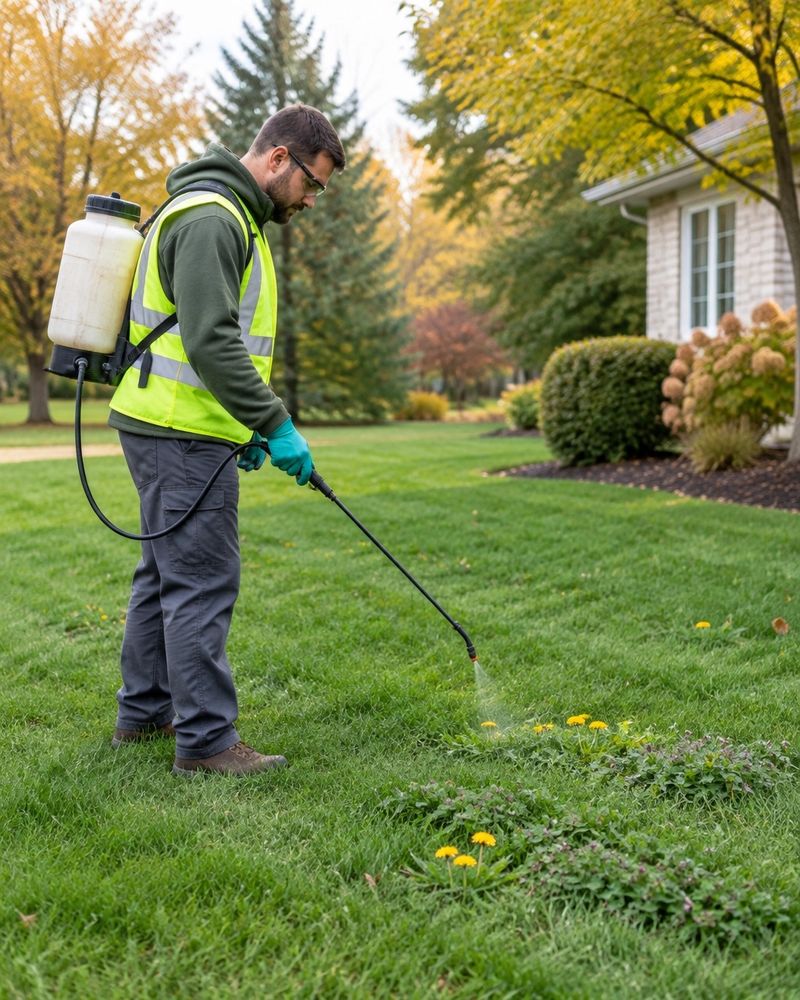
Late summer through early fall is generally a favorable stretch for lawn herbicide, especially for creeping Charlie. Wisconsin guidance points to early fall, roughly late August through September, and warns against waiting until growth stops.
Your own calendar may differ, so go by what the weeds are doing rather than a fixed date.
Advice on frost is not uniform. Penn State Extension recommends treating after the first frost, while Wisconsin Horticulture explains that herbicides work as expected on actively growing weeds and that freezing weather or dry soil can make them dormant.
Treat frost advice as regional, not as a rule to wait.
A simple check helps. If the leaves are green, firm, and still growing, treatment has a better chance.
If they are shriveled, frozen, or flat and dormant, spraying will likely do little.
Choose a product labeled for your target weed and your type of lawn. Wisconsin Horticulture’s broadleaf guide is a helpful starting point, but the label on your bottle is the final word.
Follow it for rates, temperature and weather limits, and mowing intervals before and after spraying. Skipping those details is a common reason a treatment disappoints.
Keep herbicide off the plants you want to keep
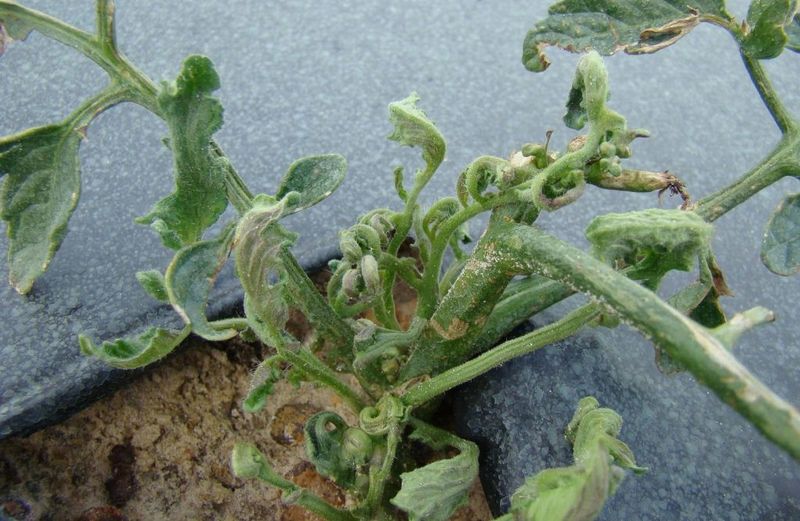
Your hydrangeas, tomatoes, and shrubs share the yard with the weeds, so protect them as part of the plan. Skip spraying when it is windy, and never spray where droplets could land on flowers, vegetables, shrubs, or trees.
A calm day and low spray pressure keep the product where you aim it.
Even selective broadleaf products can hurt plants you want. Wisconsin Horticulture cautions that broadleaf lawn herbicides can injure ornamentals, and Nebraska Extension adds that products containing dicamba can pose risks to shallow-rooted trees and shrubs.
Watch the roots, too. A tree with roots running under the lawn can take up product from the soil, so keep treatments away from its root zone unless the label clearly allows it.
The label is your safety manual. Follow it for protective equipment such as gloves and long sleeves, and for when people and pets may go back onto the lawn.
The US EPA lists not following label directions among the common causes of pesticide incidents.
Plan for follow-up and a thicker lawn
Plan on checking your treated areas every couple of weeks. Creeping Charlie can come back, and Penn State Extension notes that repeat treatments may be needed over a growing season or even several years.
Dandelions can return too, from root remnants or from new seed, as Oregon State University Extension explains.
Where only a few weeds show up, spot treatment or digging cuts down on extra spraying. Always stay within the label’s directions for any repeat application.
A thick, healthy lawn helps crowd out new weeds, but it will not remove an established patch by itself. Mow at the height recommended for your grass and fix thin spots so weeds have less room to start.
Weeds are a long game, and steady small steps beat one big blast.