
Fall Planting Tips That Help North Carolina Daffodils Get a Good Start
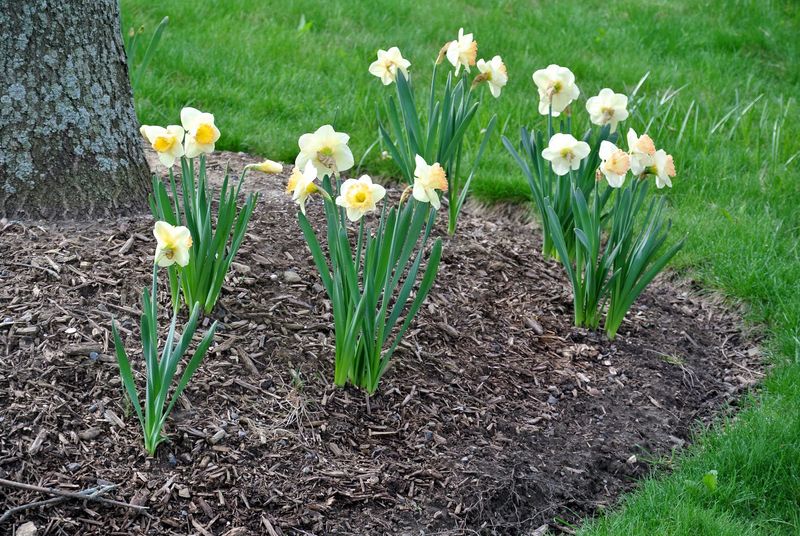
Daffodils are some of the toughest spring flowers a North Carolina yard can grow, yet some clumps bloom for years while others slowly shrink. Fall planting choices play a part, but they are only one piece of the story.
Knowing when to plant, how deep to set bulbs, and what to do after the flowers fade can give your bulbs a better shot. Here is how to start them right in your own patch of the Piedmont, Coastal Plain, or mountains.
The calendar alone cannot set North Carolina’s planting date
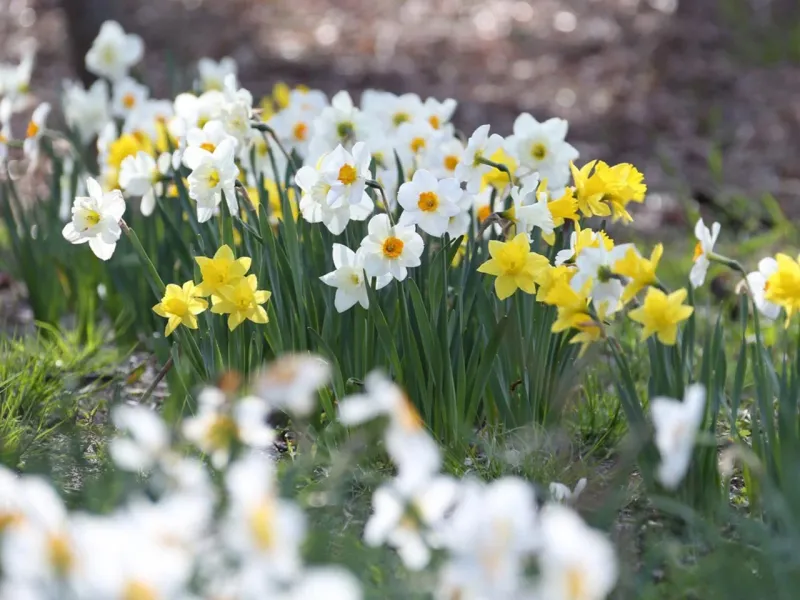
Fall planting gives daffodil bulbs time to grow roots before spring arrives. That head start is the reason gardeners plant in autumn instead of waiting for the new year.
The tricky part is deciding which day in fall is the right one.
Many articles say October and leave it there, but North Carolina is too long and varied for one date. NC State Extension guidance says to plant when the soil at the depth where the bulbs will sit is below 60°F.
It names October as the best month for Zone 6, which covers much of the higher mountain country. For Zones 7 and 8, it generally recommends November or early December.
So the soil is a better guide than the calendar. A warm autumn in the Coastal Plain or the southern Piedmont can leave the ground too warm well into the season, even when the leaves are turning.
Mountain yards often cool off much sooner.
A simple soil thermometer is cheap and easy to use. Push it into the planting spot to the depth where the bulbs will rest, and check it in the morning.
If it reads above 60°F, wait a week or two and test again.
Bulbs can sit in a cool, dry, shaded spot for a short while without trouble, so there is no need to rush them into warm dirt. Use your local readings instead of someone else’s date, and you will be matching the bulbs to your own yard.
Planting depth is a guide, not a magic number
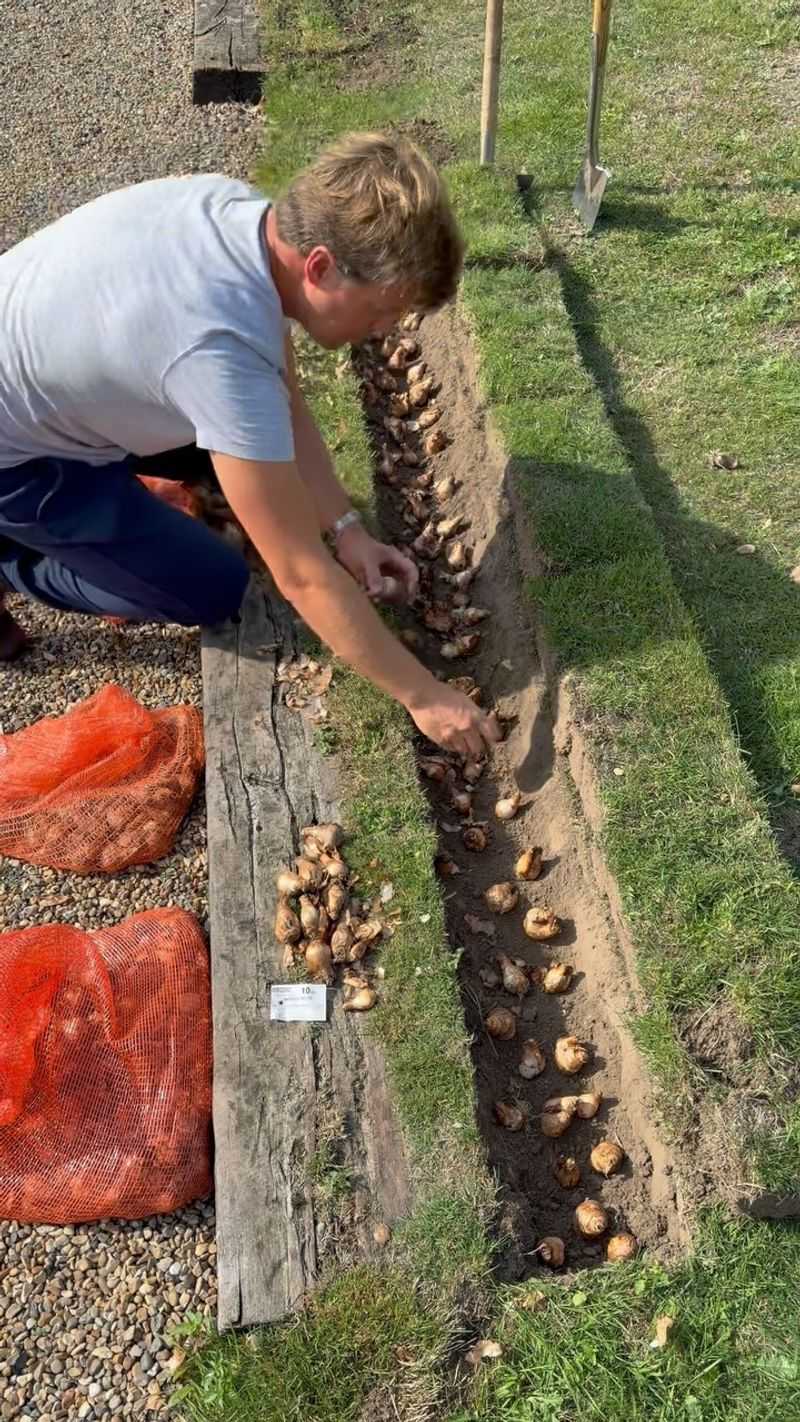
Depth matters because bulbs set too shallow can end up smaller and bloom poorly. Burying them at a sensible depth also protects them from temperature swings and from being nudged out of the ground.
The catch is that sources describe depth in different ways.
The NC State handbook offers a general rule of planting at 2½ to 3 times the bulb’s diameter. Here, you measure the width of the bulb and multiply.
A bulb about two inches across would be set deeper than a small one, since the rule scales with bulb size.
Penn State Extension describes it differently. It talks about the soil covering the top of the bulb, roughly twice the bulb’s height.
That counts the dirt above the bulb, not the full hole depth, so the two rules are not the same measurement and should not be swapped for each other.
The easiest approach is to pick one rule and stick with it for the whole planting. If your bulbs came with a label or supplier instructions, follow those first, since the grower knows that particular variety.
Keep in mind that depth is not a single magic number. A bulb planted at a perfect depth can still skip flowers if the spot is shady or crowded, so treat the rule as a helpful guide and not a promise.
A well-drained site gives bulbs a better start
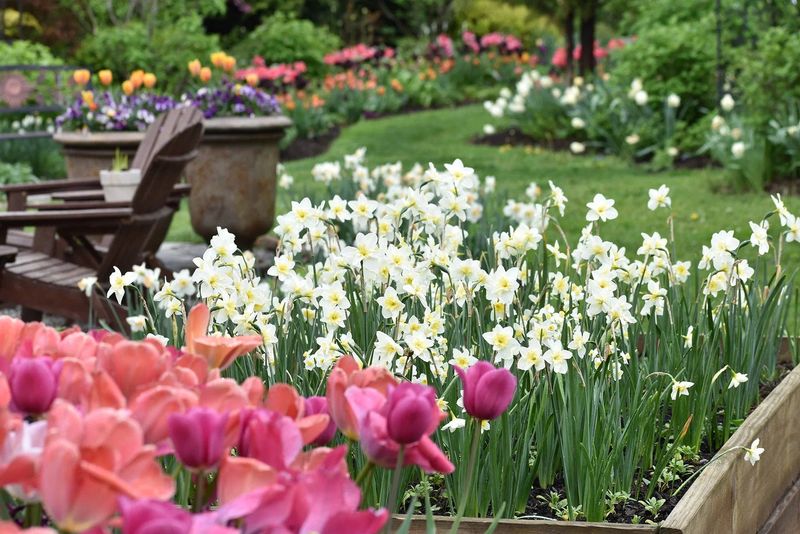
Soggy soil is hard on bulbs. NC State Extension lists poor drainage among the reasons spring bulbs fail to come back year after year.
Bulbs that sit in wet ground can rot before they ever send up a shoot.
Many yards across the Piedmont have heavy clay that holds water after rain. Before you plant, look at the spot after a storm.
If puddles linger for a day or more, pick a higher or sloped place, or build a raised bed.
Loosening the soil where the bulbs will go helps too. Work in some compost if your soil is stiff, so water can move through instead of pooling.
In sandier parts of the Coastal Plain, drainage is usually less of a worry, though very dry spots may need extra attention.
Once the bulbs are in the ground, water them. NC State advises watering after planting to settle the soil around the bulbs, which removes air pockets and gets roots started.
A slow, deep soaking works better than a quick sprinkle.
After that first watering, nature usually takes over in fall and winter. Good drainage gives bulbs a better start, but it does not guarantee that they will return or bloom well.
Think of it as removing one common risk, not solving every problem.
Leaves without flowers point to more than planting depth
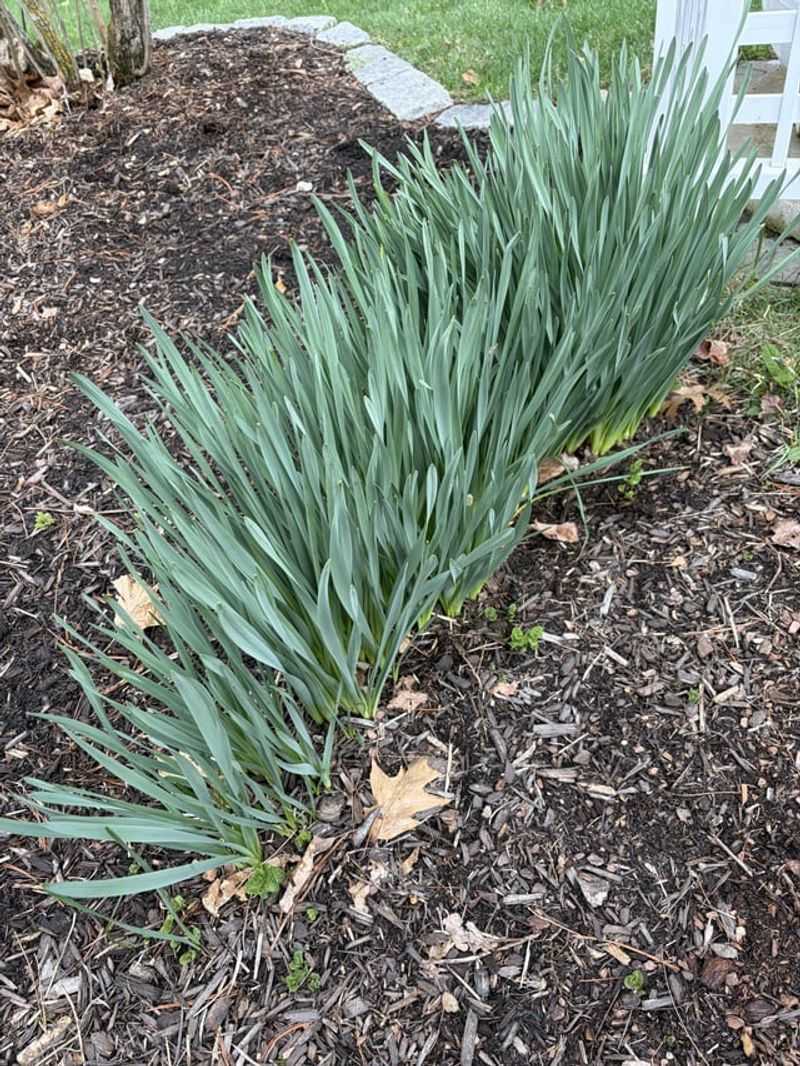
Few things frustrate a gardener more than a clump of healthy green daffodil leaves with no flowers. It is tempting to blame the way you planted them last fall.
But the cause could be something else entirely.
Light is a common culprit. Penn State Extension notes that deep shade can lead to foliage without flowers.
A bed that was sunny in early spring years ago may now sit beneath a bigger tree canopy.
Crowding is another. Over time, bulbs multiply and compete for space and nutrients, and overcrowded clumps often flower less.
Dividing them after the leaves die back can give each bulb room again.
Care after bloom matters as well. Removing the foliage too early can leave bulbs without the energy to form next year’s flowers.
Iowa State Extension also discusses foliage, shade, crowding, and fertilizer as factors, and an Ask Extension answer covers similar causes. Too much nitrogen can push leafy growth at the expense of blooms.
These are possible causes, not a diagnosis. Start by asking how much sun the spot gets from February to May, how packed the clump is, and what you did with the leaves last year.
Only then wonder whether depth or timing played a role.
If several answers point the same way, make one change at a time. That way you can tell what helped.
Keep green foliage until it dies back
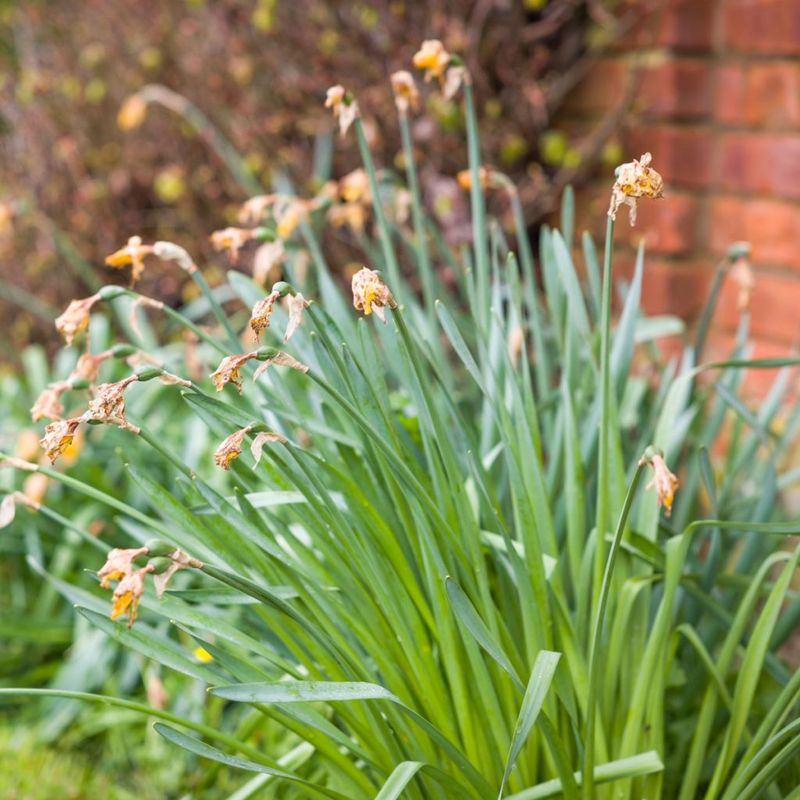
Once the yellow petals drop, daffodils can look a little untidy. The temptation to snip, braid, or mow the leaves is strong.
Resist it, because the green leaves are busy working.
As the foliage soaks up sunlight, it makes food and sends it back down to the bulb. Illinois Extension explains that leaves should stay in place until they turn yellow and die back.
Cutting or mowing them while still green can weaken the bulb and reduce flowering next year.
In practice, that means marking the bed so nobody mows it. A few small garden flags or a ring of stones works well.
If the fading leaves bother you, plant daylilies, hostas, or other perennials nearby so new growth hides them as the season moves on.
Wait until the leaves are yellow and loose, then pull or trim them. In many North Carolina yards that is around late spring or early summer, though it varies with the weather and the variety.
This care is separate from what you did in the fall. It will not fix a bulb planted in a swampy corner or one that has been starved of light for years.
But it does protect the energy your bulbs worked to store, so skipping it undoes a lot of good planting.
Choose daffodils suited to your part of North Carolina
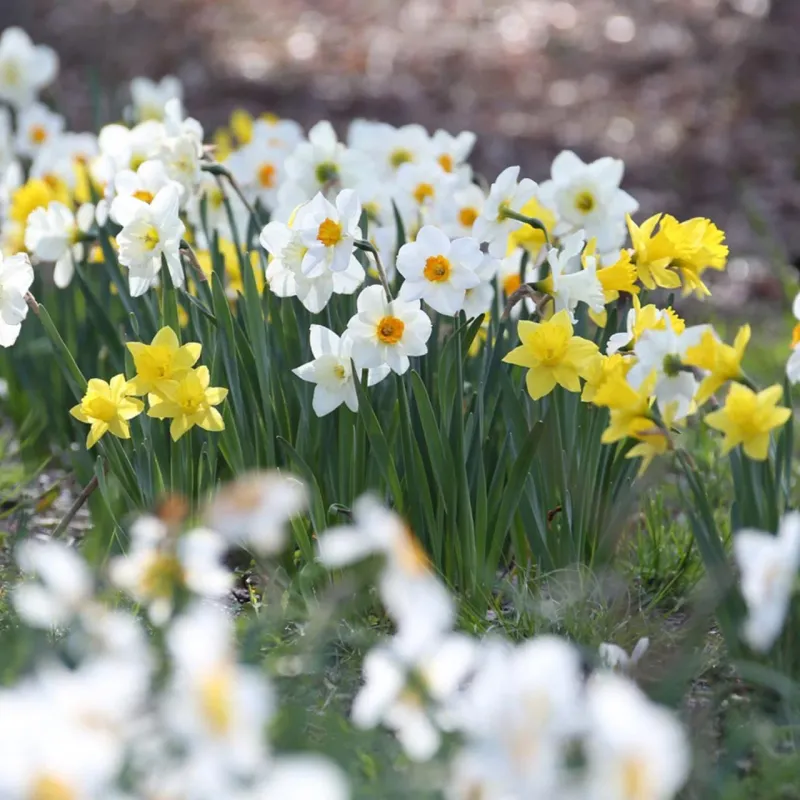
Not every daffodil behaves the same in every corner of the state. Long-term return depends partly on whether the bulb suits your local winters.
Mountain, Piedmont, and coastal yards all give bulbs different amounts of cold.
Many spring bulbs need a stretch of chilly weather to bloom well. NC State Extension cautions that in eastern North Carolina, some bulbs may be grown as annuals because mild winters may not meet their chilling needs.
In other words, a bulb that comes back faithfully in Asheville might fade in a warm coastal yard.
Before you buy, read the package or the supplier’s description. Look for information about the zones or regions where the bulb performs well, and ask a local nursery or your county Cooperative Extension office what has worked nearby.
Staff there often know which types hold up in your county.
It also helps to keep notes. Write down what you planted, the date, and how the bulbs did in the next spring.
After a couple of seasons, you will see which ones suit your yard.
If you live in the east and want a bulb that may not return, you can treat it as a seasonal splash of color. That is a fine choice, as long as you expect it going in.
Matching bulbs to your region is a quiet way to avoid disappointment.
Treat fall planting as the start, not the guarantee
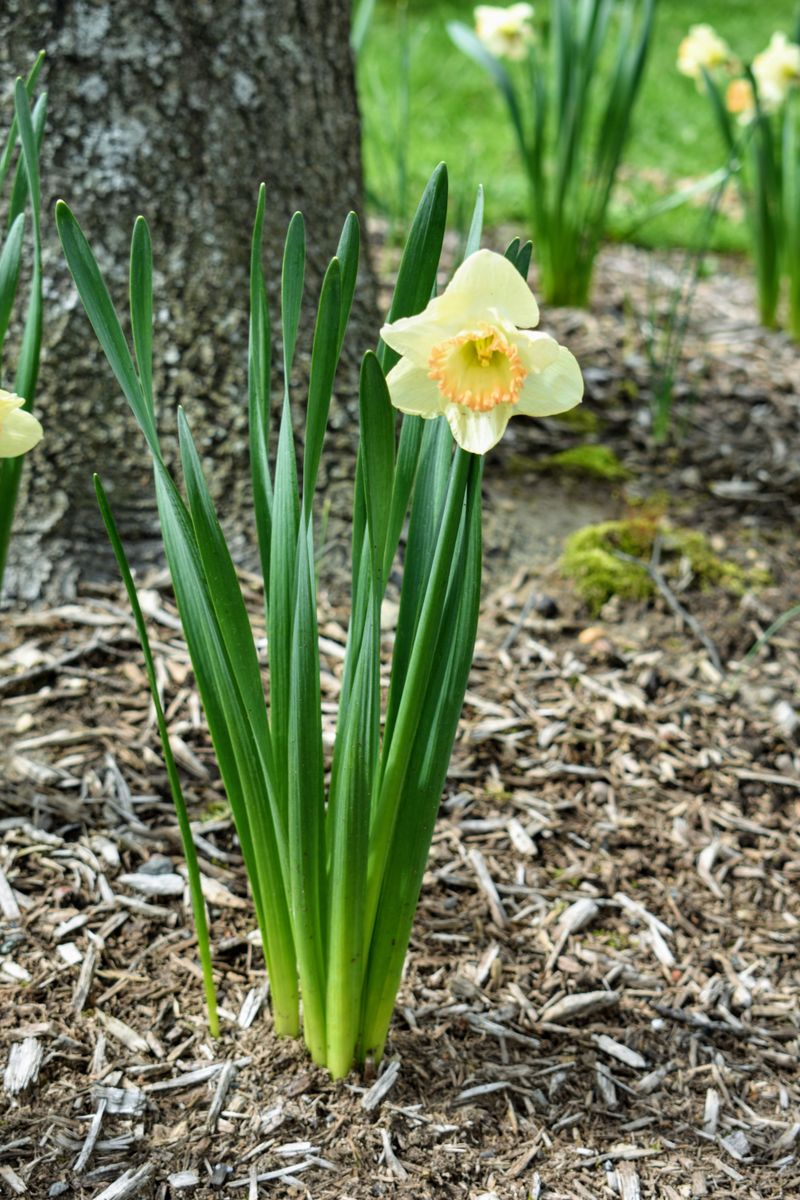
Put the pieces together and the plan is simple. Check soil temperature at planting depth, as NC State Extension advises.
Measure depth using one clear rule or your supplier’s directions, and pick a spot that drains well.
Then give the bulbs sun, enough room, and a bit of patience after bloom. As Illinois Extension notes, leave the leaves alone until they yellow.
Wear gloves when you handle bulbs, and keep them away from kids and pets, since daffodils are toxic if swallowed.
All of this builds good growing conditions, nothing more. A bulb is a living thing, and some years it will surprise you either way.