
If Your Pansies Survive The First Hard Frost, These 13 Cool-Season Flowers Will Too
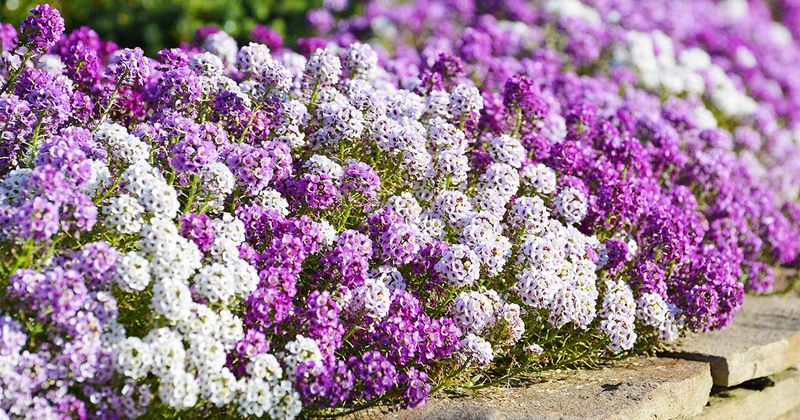
You walk outside after the first hard frost and find your pansies still smiling up at you. That little win tells you something useful about your yard.
If pansies can handle the cold, plenty of other flowers can too, and you can keep color going long after summer plants give up. Here are 13 tough, cool-season bloomers that can ride out the same chilly nights.
1. Violas
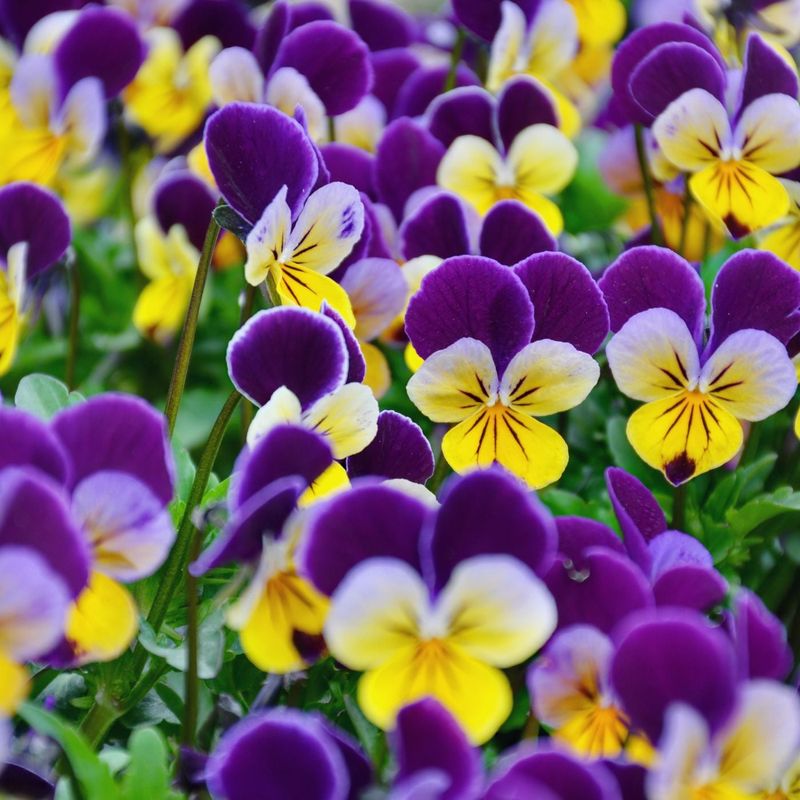
Think of violas as the scrappy little cousins of pansies. Their flowers are smaller, but that compact size seems to help them shrug off long cold spells better than their big-faced relatives.
Gardeners in zones 6 through 9 often find violas still blooming after a surprise snowfall buries them. Once the snow melts, the plants usually perk right back up with no help at all.
Tuck them along borders, in window boxes, or right beside your pansies for a layered look. A quick deadheading every week or so keeps new buds coming through the cool months.
2. Snapdragons
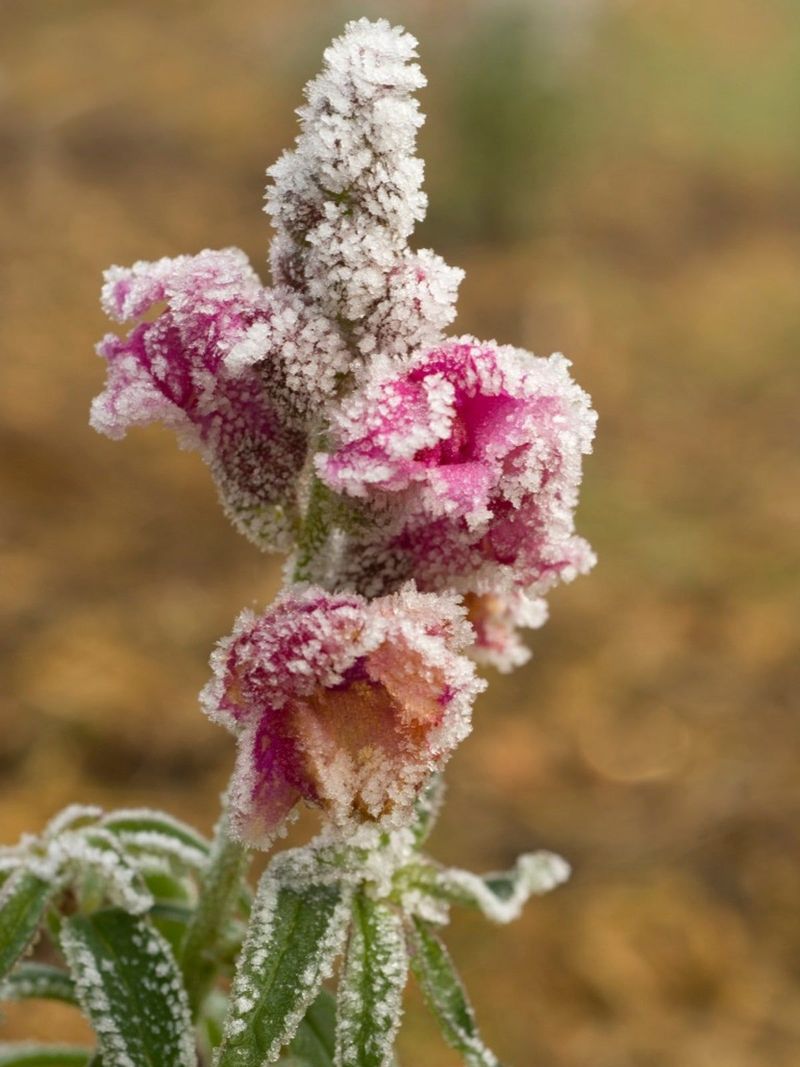
Ever had a plant look totally wrecked one morning and fine by lunch? Snapdragons pull that trick after a hard frost all the time.
The stems may droop at dawn, then stand back up as the day warms.
In zones 7 through 10, they can even come back as perennials. Everywhere else, treat them as cool-season annuals and plant them in early fall or very early spring.
Kids love squeezing the blooms to make the little dragon mouths open and close. Cut the faded spikes down, and side shoots will often keep flowering into winter.
3. Sweet Alyssum
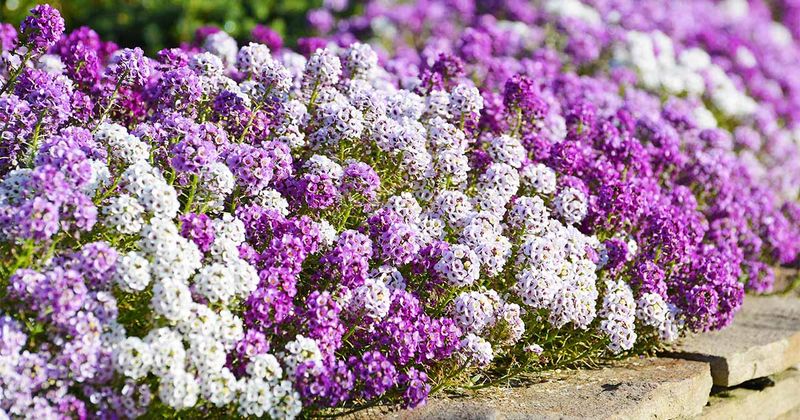
Kneel down near a patch of sweet alyssum and you will catch a honey-like scent that seems out of place in chilly weather. That fragrant carpet of tiny white, pink, or purple flowers handles frost better than most low-growing annuals.
It is happiest in zones 5 through 9 and does fine on cold nights. Steady hard freezes may pause the blooming, though, so expect a rest during the deepest part of winter.
Here is the bonus: alyssum often reseeds itself. You may spot fresh seedlings popping up in spring without lifting a finger.
4. Ornamental Cabbage and Kale
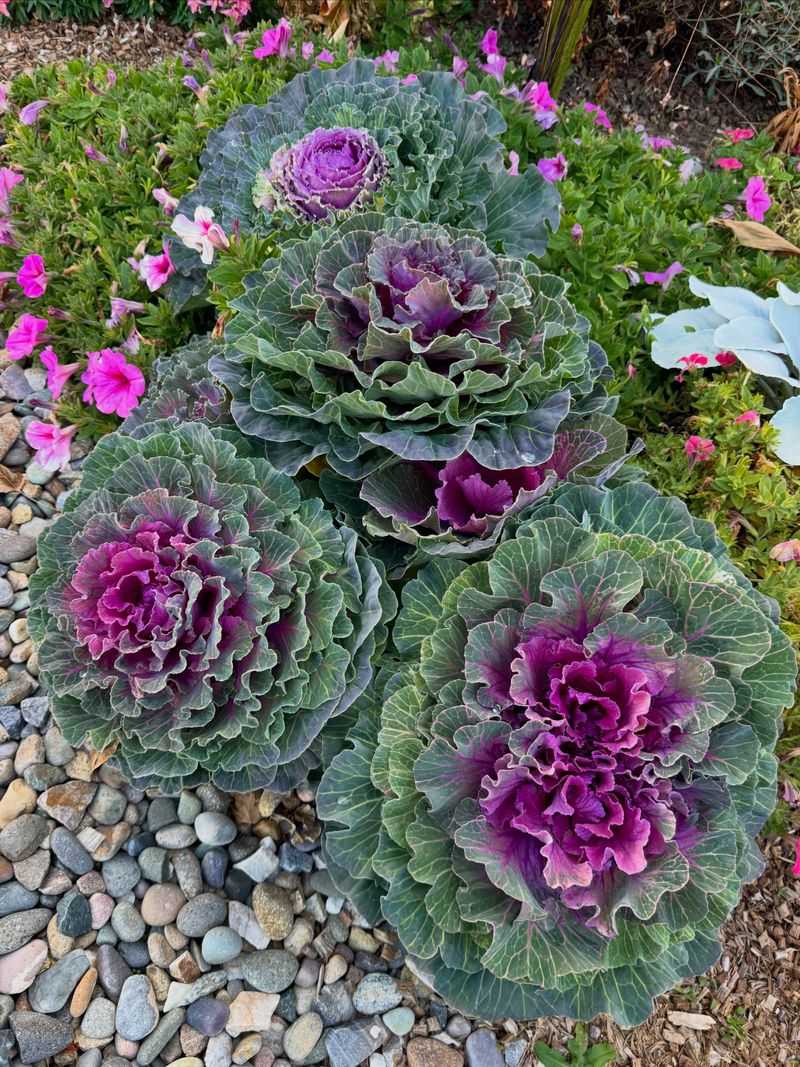
Cold weather actually makes these plants prettier. After the first frost, ornamental cabbage and kale often shift into deeper shades of purple, pink, and cream right at their centers.
Once settled in, they can handle temperatures as low as about 5 degrees F. They grow across a huge range of zones, so nearly every US gardener can try them.
No, they are not true flowers, but they pack more color than many blooms by November. Pair them with pansies in a porch pot for a planter that lasts well past Thanksgiving.
5. Dianthus (Sweet William)
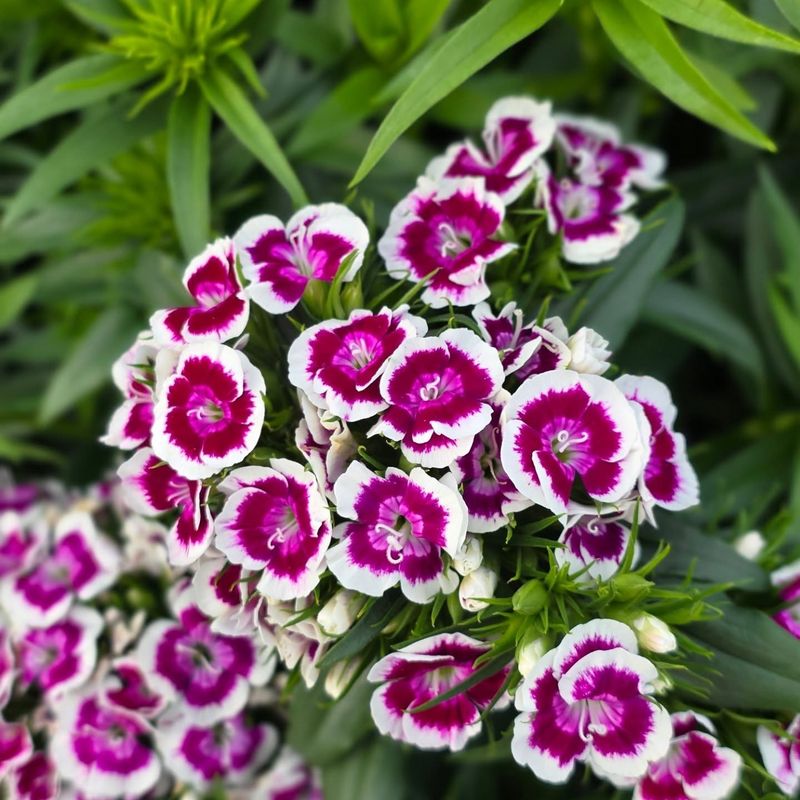
Grandma’s cottage garden probably had Sweet William tucked somewhere near the gate. Those clustered, frilly blooms have been loved for centuries, and their toughness is a big reason why.
Dianthus keeps flowering after light frosts and is hardy in zones 3 through 9. Many people grow it as a biennial, meaning it builds leaves the first year and blooms heavily the next.
Give it good drainage, because soggy winter soil bothers it far more than cold does. A sunny spot with loose soil usually keeps it going strong.
6. Chrysanthemums (Mums)
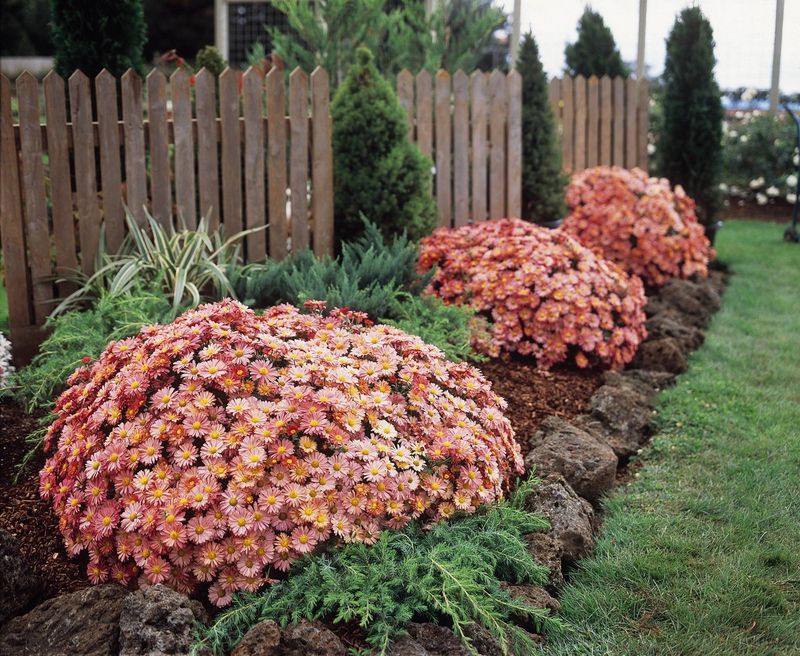
Nothing says fall quite like a mound of mums by the front door. Most people buy them in September, but they can keep blooming far longer than many expect.
Garden mums are hardy in zones 5 through 9 and handle light frosts without much fuss. Cooler weather actually helps the flowers last longer on the plant.
If you want them to return next year, plant them in the ground early rather than leaving them in pots. Leave the old stems standing over winter, since they may help protect the crown from cold.
7. Calendula (Pot Marigold)
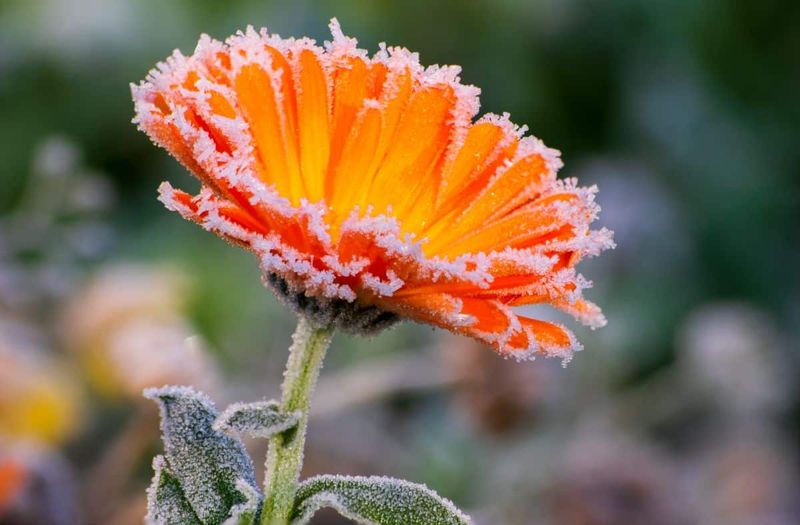
Sunny, stubborn, and cheerful, calendula is the friend who shows up no matter the weather. It prefers cool temperatures and often sulks in summer heat, then roars back once fall arrives.
After a frost, it usually bounces back with fresh golden and orange blooms. In mild areas, some gardeners get flowers for most of the year.
Fun fact: the petals are edible and have been used to color butter and soups. Keep picking the flowers, and the plant will keep making more.
8. Bachelor’s Buttons (Cornflowers)
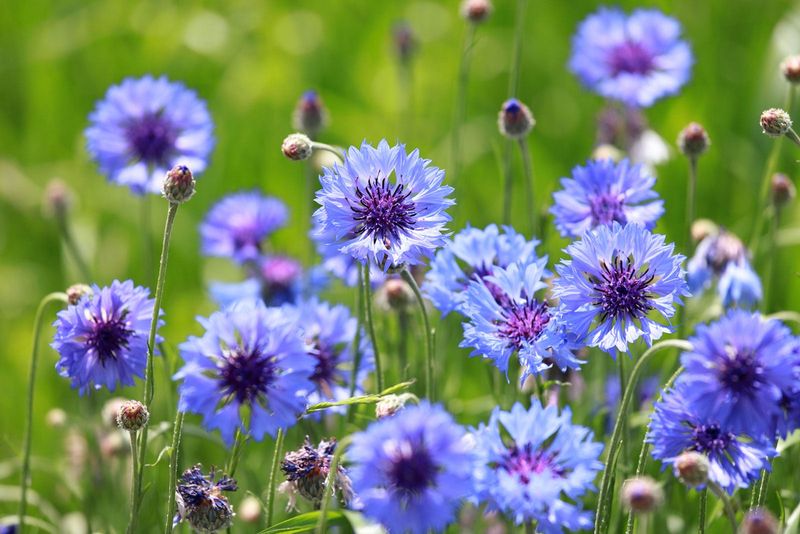
True blue flowers are rare, which makes bachelor’s buttons extra special. That electric cornflower shade even gave its name to a crayon color.
These cheerful plants sprout in cool soil and take freezing temperatures in stride when sown in fall. The young seedlings sit quietly through winter, then shoot up and bloom early in spring.
Scatter the seeds in a sunny spot in autumn and lightly press them into the soil. That is truly about all the work they need.
9. Coral Bells (Heuchera)
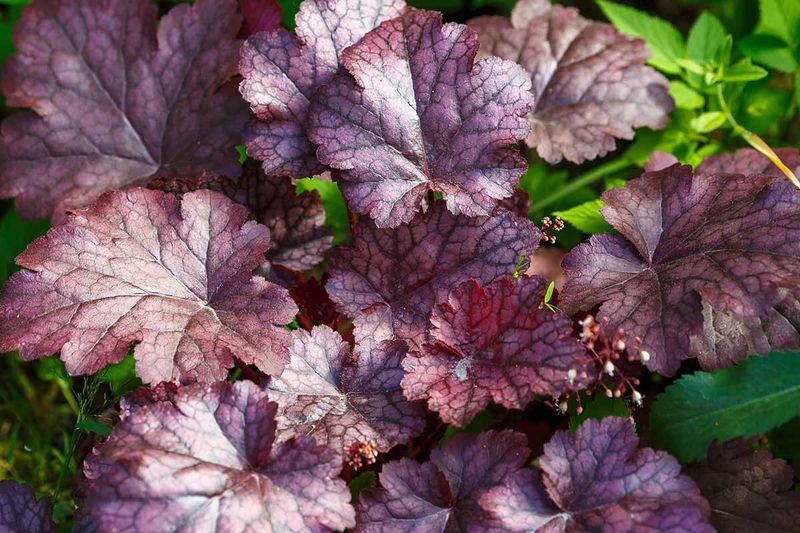
Some plants earn their spot with flowers. Coral bells earn it with leaves that look good almost all year.
Their ruffled foliage comes in wine red, lime green, caramel, and silver. Even under a dusting of snow, the leaves often stay fresh, and they hold color through mild winters in zones 4 through 9.
They are a smart pick for shady spots where pansies may stretch and flop. Watch for plants heaving out of the ground after freeze and thaw cycles, and gently press them back down if that happens.
10. Sedum (Stonecrop)
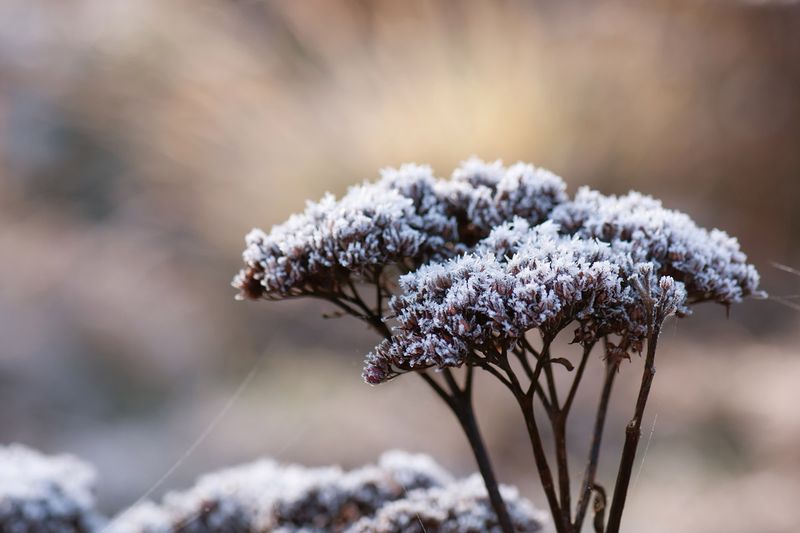
Many folks see sedum as a summer drought plant, yet it quietly becomes a winter star. Varieties like Autumn Joy turn amber, copper, and rusty pink as temperatures drop.
Sedums are hardy in zones 3 through 9 and survive freezing weather with ease. Some low types even keep their plump leaves all winter.
Resist the urge to cut tall sedum back in fall. The dried flower heads catch frost and snow beautifully and may give small birds a place to perch.
11. Asters
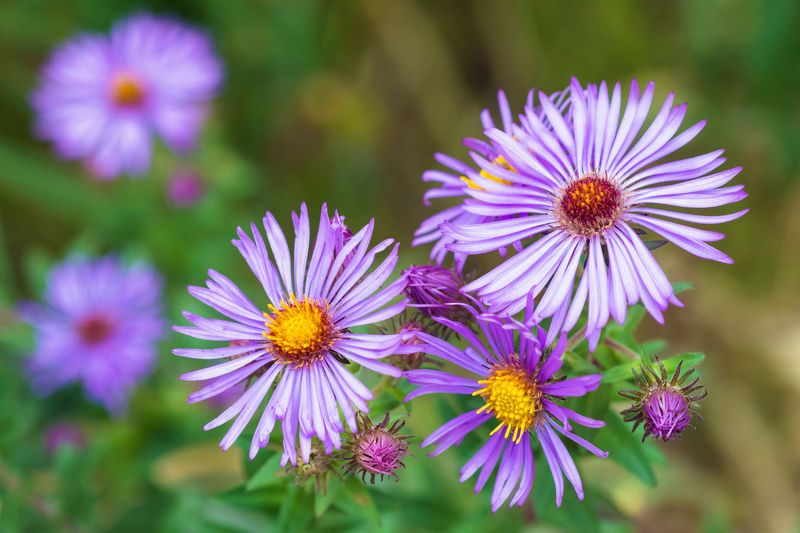
Just when the rest of the garden starts to fade, asters burst open in waves of purple, pink, and white. New England asters are especially good at this late show.
These perennials grow in zones 4 through 8 and keep flowering after frost. Bees and butterflies flock to them, since few other blooms remain that late.
Pinch the stems back by early summer if you want bushier plants that do not flop. That small step can mean more flowers come fall.
12. Larkspur
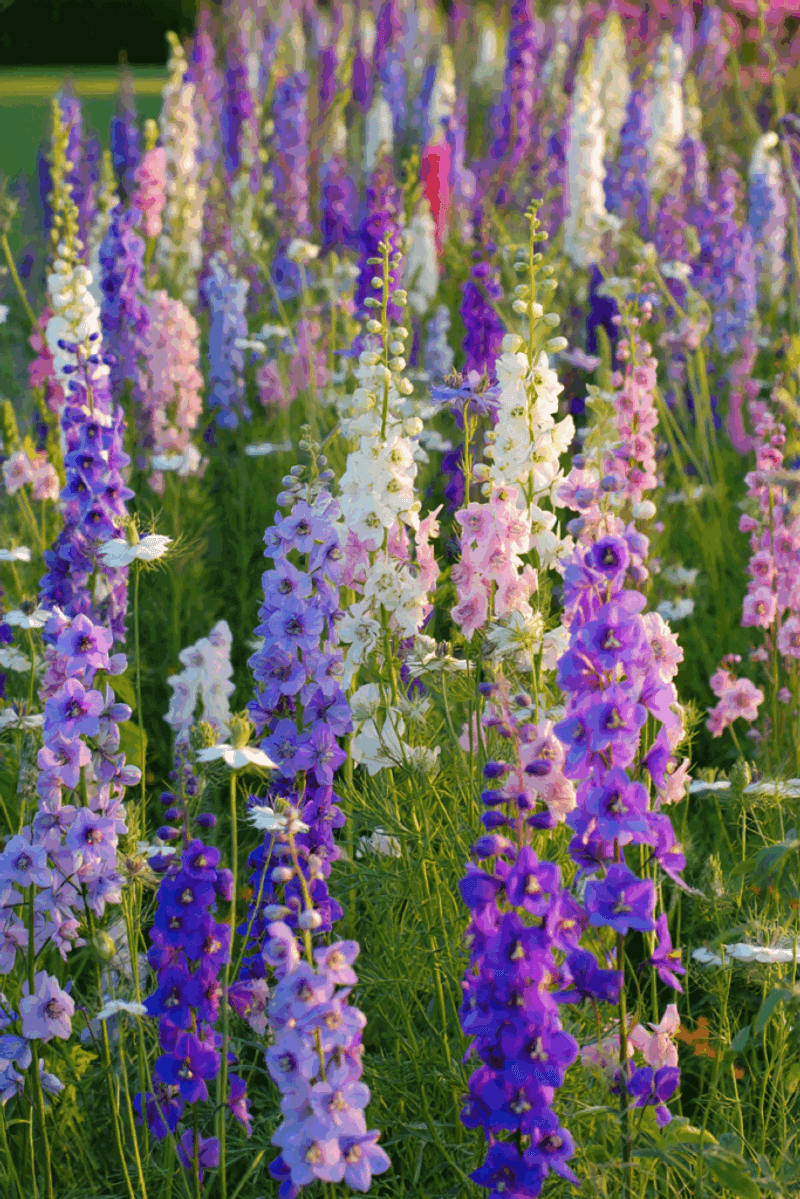
Winter sowing fans often call larkspur their easiest success story. The seeds actually like a chilly start, which tells you a lot about this plant.
Sow it in fall, and the seedlings handle frost without complaint. By late spring, you get tall spikes of blue, purple, pink, or white flowers.
Larkspur does not love being moved, so plant seeds right where you want them to grow. Keep it away from pets and kids who might nibble, since all parts are toxic.
13. Sweet Peas
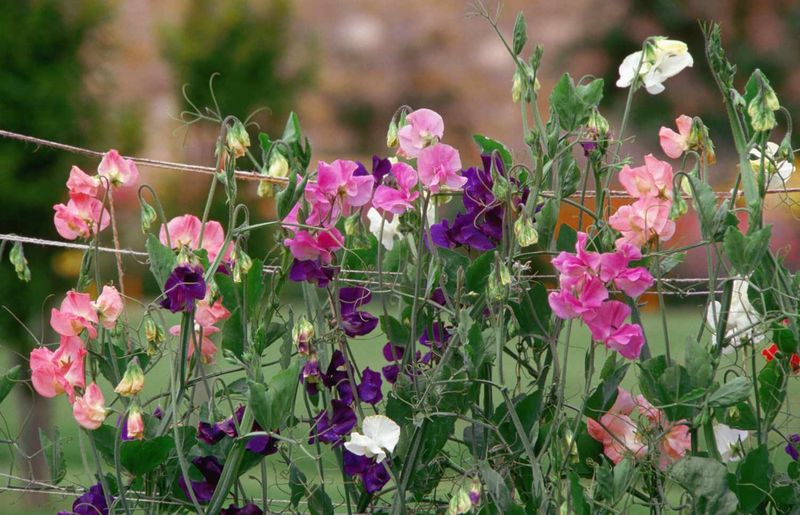
Sweet peas smell like an old-fashioned perfume shop, and they love cold weather. Heat is what usually ends their season, not frost.
In milder regions, many gardeners plant them in fall for early spring flowers. In colder spots, sow them as soon as the ground can be worked in late winter.
Give them a trellis or fence to climb. The more blooms you cut for bouquets, the more the vines tend to produce.