
Fig Season Is Over, But Your Tree Still Needs These 13 Things From You Before Winter
The last sweet figs are gone, and your tree might look like it is done for the year. But what you do in the next few weeks decides whether that fig wakes up healthy in spring or dies back to the ground.
Cold snaps, soggy roots, and hungry pests can all undo a whole season of growth. Here are 13 simple jobs that help your fig tree make it through winter and come back ready to fruit.
1. Remove Leftover Leaves and Unripe Figs
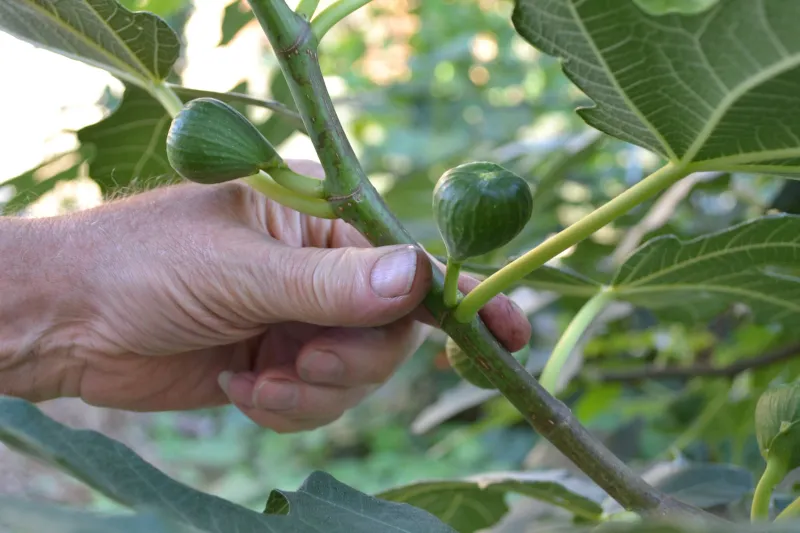
Those hard little green figs still clinging to the branches will never ripen now. Once a hard frost hits, they turn mushy, and rotting fruit is an open invitation to mold and fungus.
Walk around your tree and pull off every unripe fig you can reach. Snap off any leaves that are hanging on after the frost too, since dead foliage can hold moisture right against the bark.
Toss the debris in the trash or a hot compost pile instead of leaving it under the tree. A clean tree going into winter is a much healthier tree coming out of it.
2. Prune Only What Needs to Go
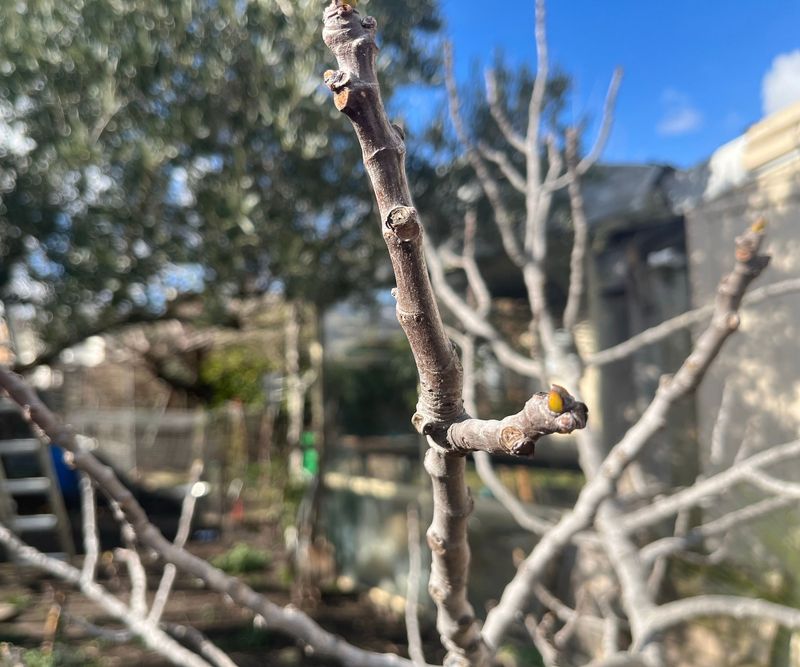
Grabbing the loppers in fall feels productive, but fig trees reward a light touch right now. Focus only on branches that are dead, broken, diseased, or rubbing against each other.
For in-ground figs you plan to wrap, trimming the tallest stems back to a manageable height makes the job far easier. Potted figs, on the other hand, should skip heavy pruning until early spring.
Big cuts in fall can leave fresh wounds that cold air damages. Save the shaping for spring, when you can see exactly what made it through.
3. Stop Fertilizing Now
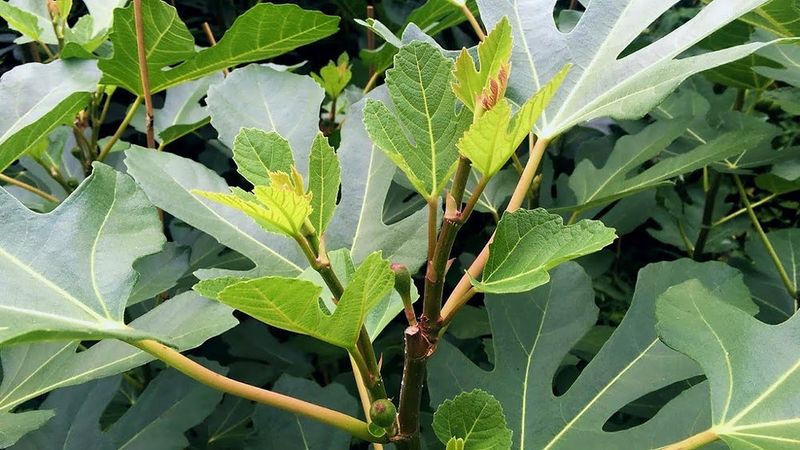
Feeding your fig in October is a bit like handing a kid a soda at bedtime. The tree gets a burst of energy and pushes out soft new shoots at exactly the wrong moment.
That tender growth has no time to toughen up before freezing weather arrives. One cold night can blacken it, and the damage sometimes spreads back into healthy wood.
Put the fertilizer away until the tree leafs out next spring. Your fig needs to slow down and harden off, not sprint.
4. Clean Up Around the Base
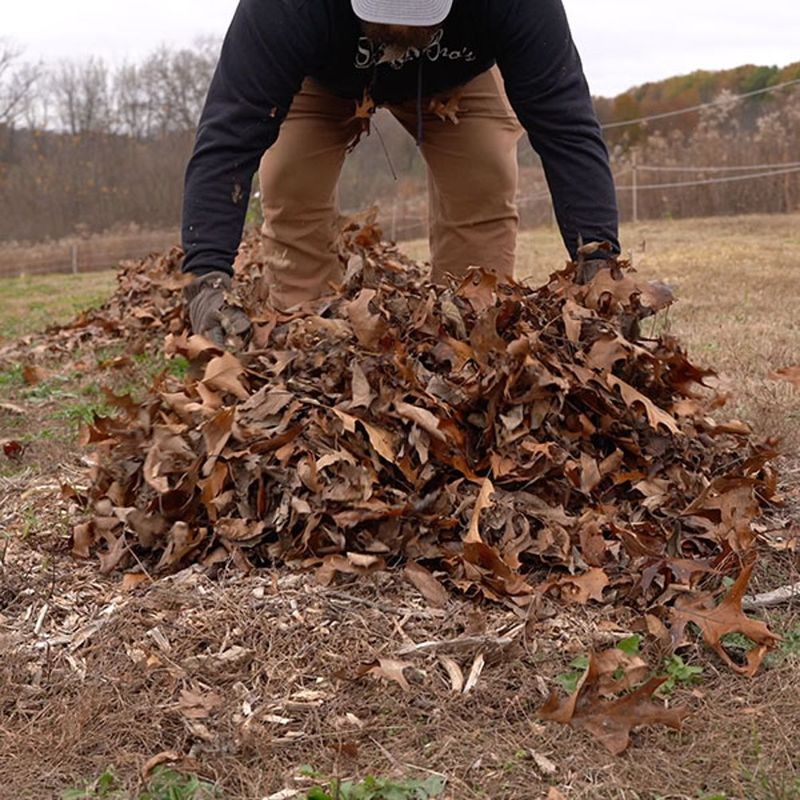
Fallen fig leaves look harmless, but the pile under your tree can become a winter hotel for pests and fungal spores. Fig rust, in particular, can overwinter on old foliage and show up again next summer.
Rake up the leaves, fallen fruit, and any weeds growing near the trunk. Pay close attention to mushy figs on the ground, which also attract rodents looking for an easy meal.
Fifteen minutes of raking may help cut down on problems next year. Once the ground is clear, you have a fresh start for mulch.
5. Adjust Your Watering
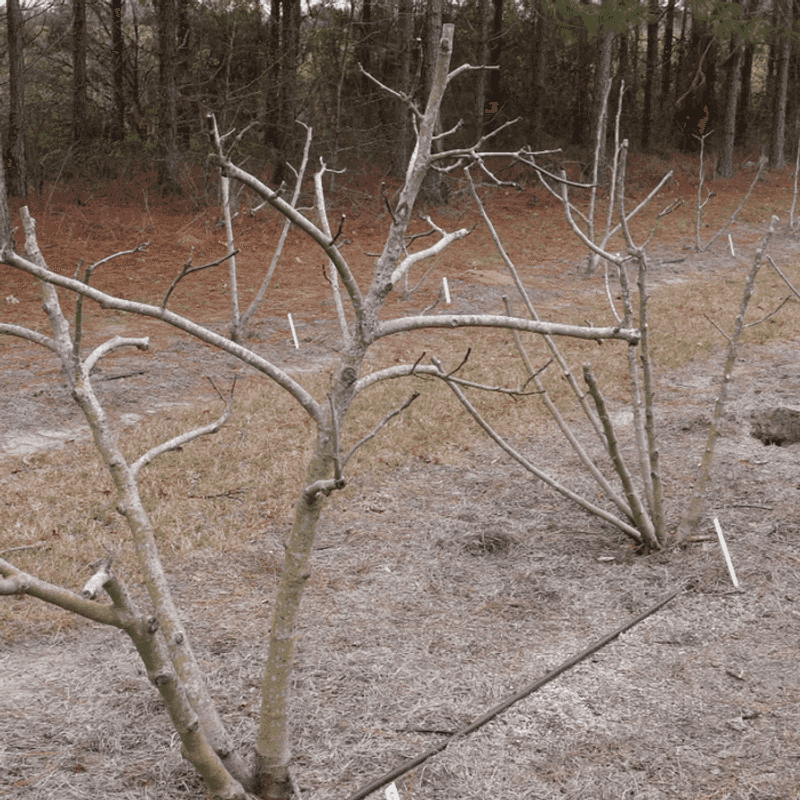
Dry roots freeze harder than moist ones, which surprises a lot of gardeners. Before the ground locks up, give in-ground figs a deep drink if fall has been dry.
Aim for soil that feels damp, not soggy. Waterlogged roots in cold soil can rot, and that is one of the quieter ways figs die over winter.
For potted figs stored indoors, water lightly about once a month. You only want to keep the roots from drying out completely, so a small splash is plenty.
6. Wait for True Dormancy
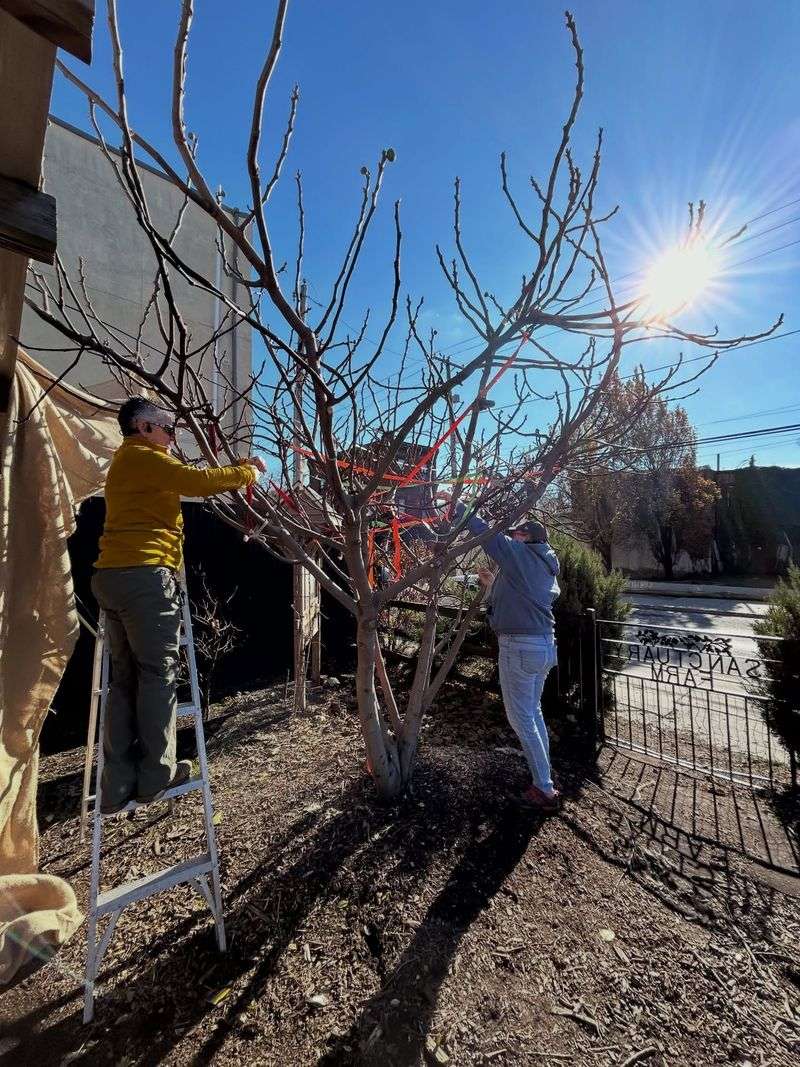
Patience pays off here. Wrapping a fig too early can trap warmth and moisture, which may lead to mold or confuse the tree into staying active.
Watch for a few hard frosts and let the leaves drop on their own. A bare tree is a sleeping tree, and a sleeping tree handles cold far better.
In most of the US, that point lands somewhere between late October and early December. Check your forecast and let nature tell you when it is time.
7. Mulch the Root Zone Deeply
Roots are the fig’s insurance policy. Even if the top dies back in a brutal winter, healthy roots can push up new shoots in spring.
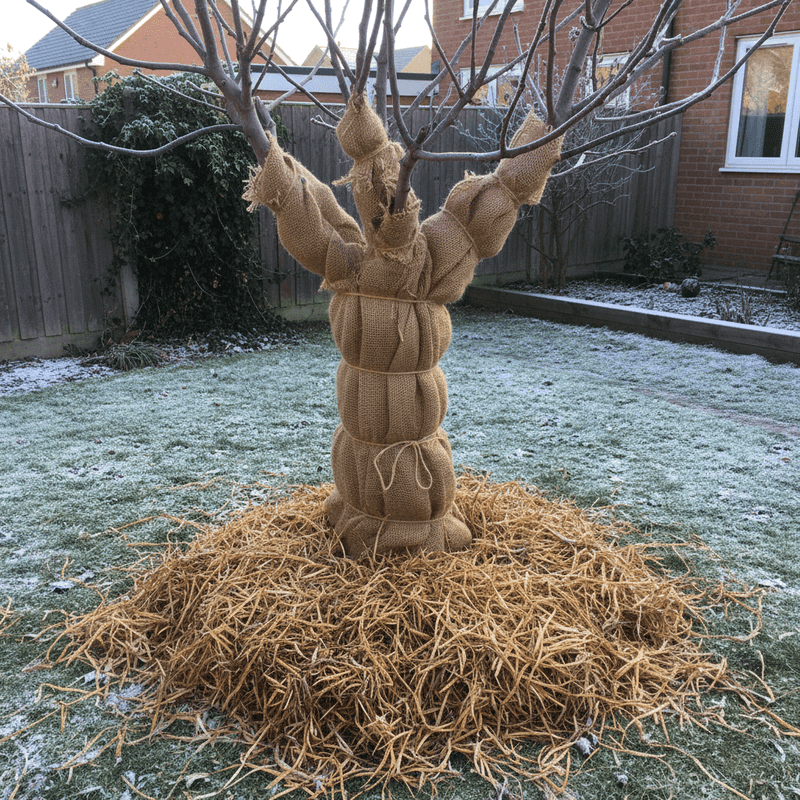
Pile on straw, shredded leaves, or wood chips, anywhere from 6 inches in mild areas up to 20 inches in colder zones. Spread it wide across the root zone, not just around the trunk.
Leave a few inches of space right next to the bark. Mulch piled against the trunk holds moisture and can cause rot, which defeats the whole point.
8. Bundle the Branches Together
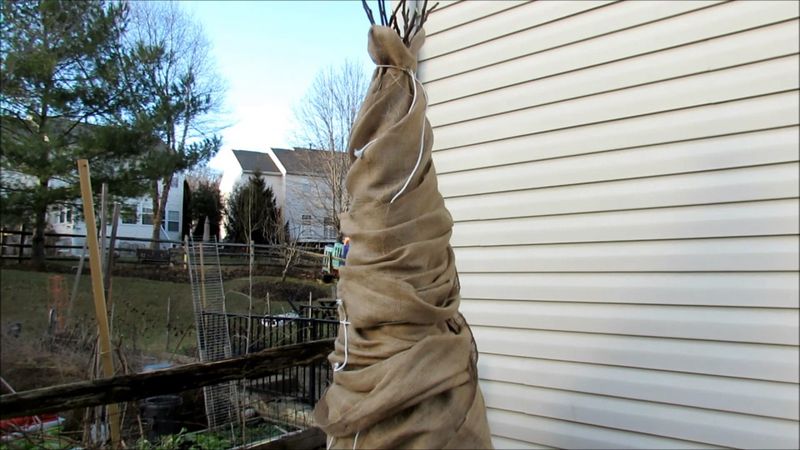
A sprawling fig is hard to protect. Pulling the branches into a tight bundle turns a messy shape into a neat column you can actually cover.
Use soft twine or rope and work slowly, since cold wood can snap. Start low and spiral upward, cinching just enough to hold the branches close.
As a bonus, the bundle stands up better to winter wind and heavy snow. Fewer branches flopping around means fewer cracks.
9. Wrap With Breathable Fabric
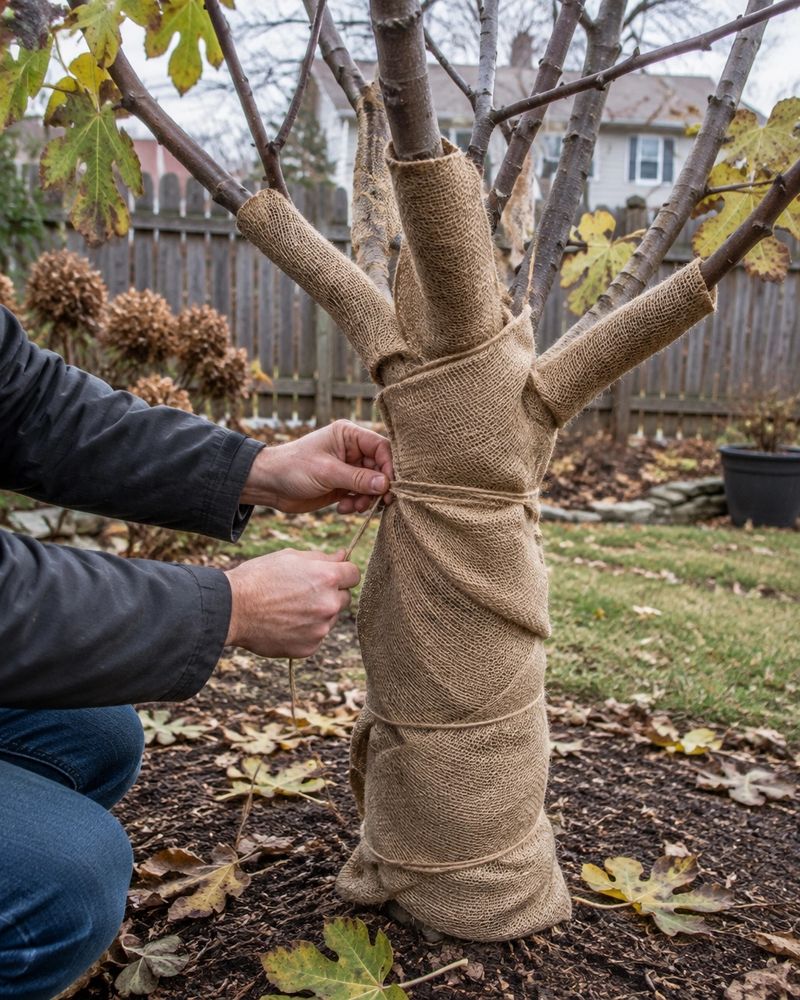
Burlap is the classic choice for a reason. It blocks drying winds and cold while still letting moisture escape.
Old blankets or canvas work too. Wrap the bundled branches from bottom to top and tie the fabric snugly in place.
Skip plastic directly against the bark. It traps condensation, and a damp, sealed tree may develop fungal problems before spring ever shows up.
10. Build an Insulating Cage
Gardeners in chilly zones swear by this trick. A ring of chicken wire around the wrapped tree, stuffed with dry leaves or straw, works like a puffy winter coat.
Set the wire a foot or so out from the branches and fill the gap loosely. Trapped air is what does the insulating, so do not pack it tight.
Shredded leaves from your own yard cost nothing. That makes this one of the cheapest upgrades on the list.
11. Cap the Top
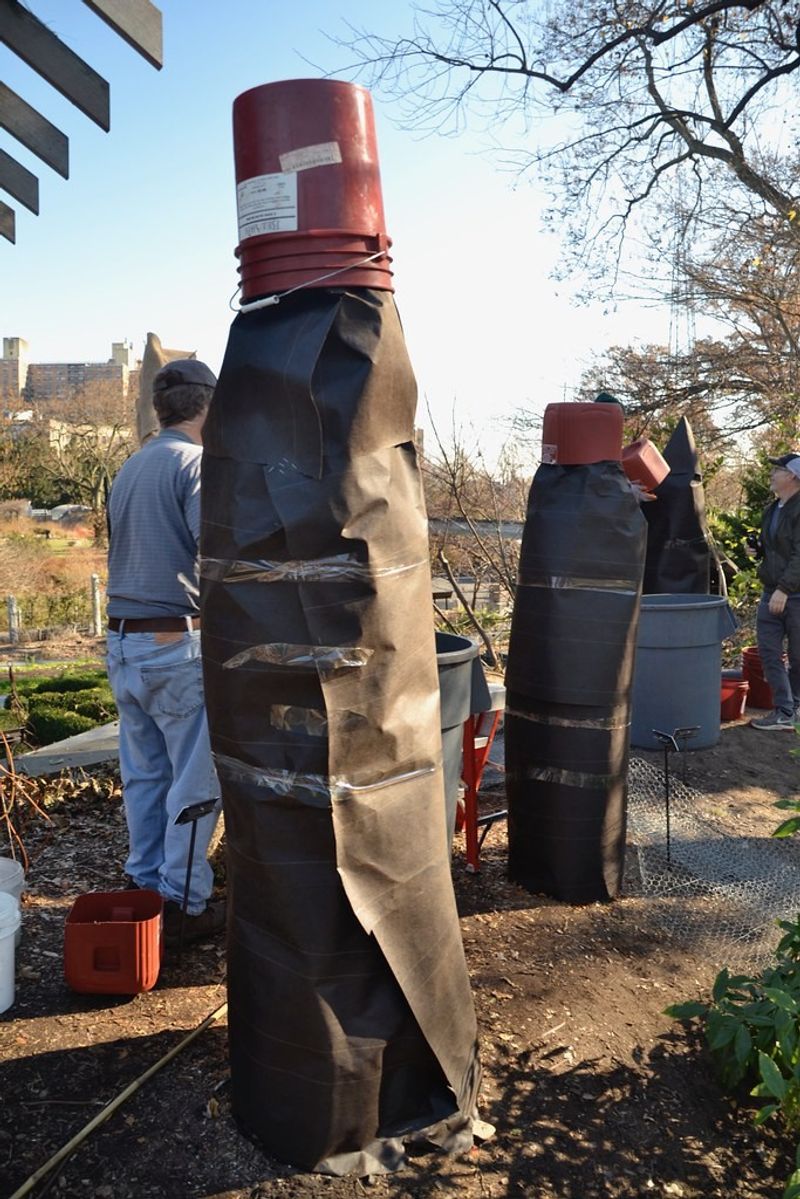
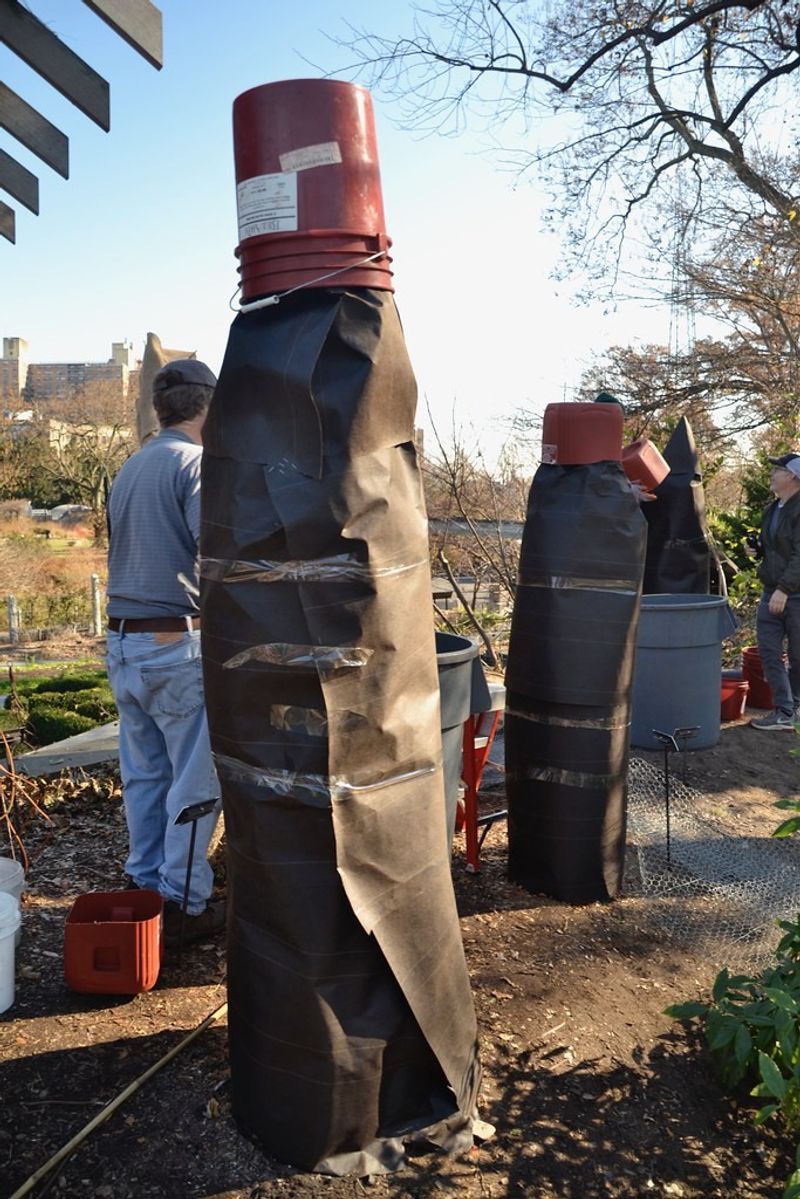
Wet insulation is useless insulation. Rain and melting snow can soak straw from the top down and leave your fig sitting in a cold, soggy wrap.
An upside-down bucket or a tarp over the top sheds water away. Secure it so wind cannot lift it off.
Leave the bottom a little open for airflow. A cap keeps things dry, but the tree still needs to breathe.
12. Move Potted Figs Into Cool Storage
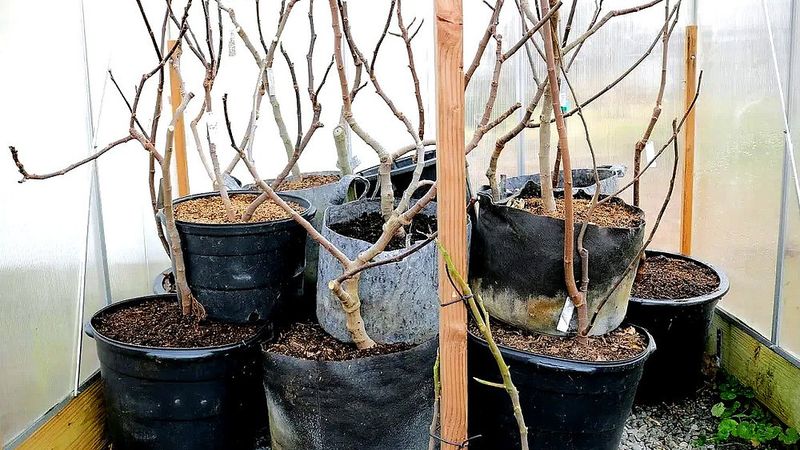
Container figs have it rougher than in-ground trees, because their roots sit above ground with no soil blanket. A pot can freeze solid in a single cold week.
Roll your fig into an unheated garage, shed, or cool basement once it goes dormant. Temperatures between about 30 and 45 degrees keep it asleep without frying the roots.
Darkness is fine and even helpful. Keep it away from heaters, since a warm spot can wake the tree up months too early.
13. Bury the Tree in Very Cold Zones
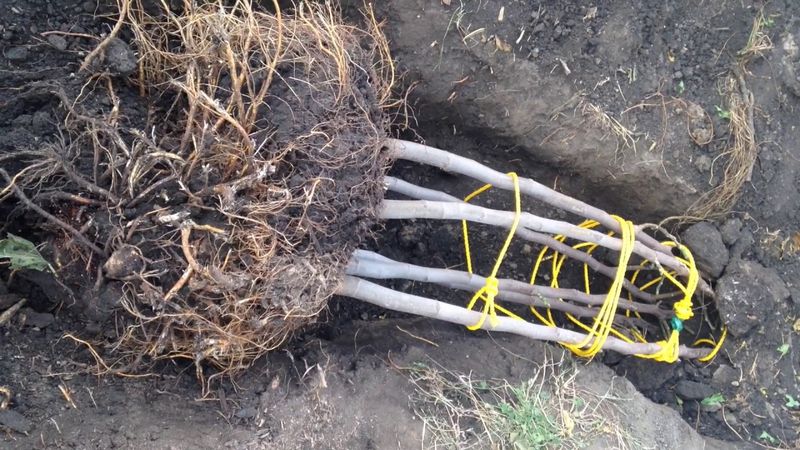
Italian immigrant families in places like New York and Philadelphia kept fig trees alive for generations with an old-school move: they buried them. It sounds wild, but it works.
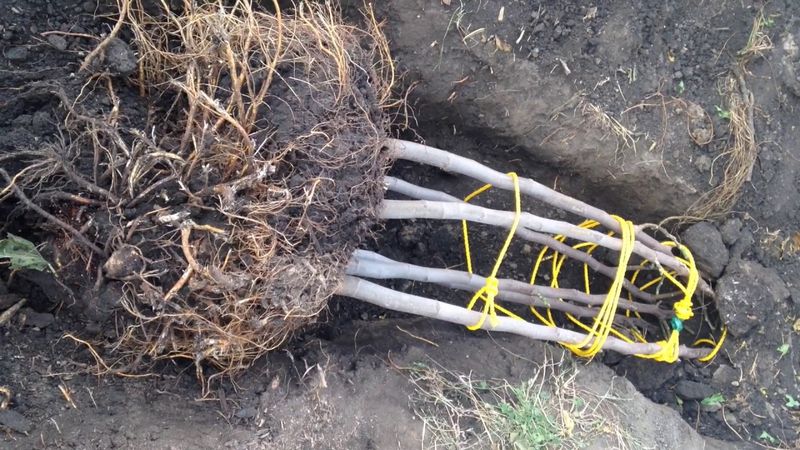
Prune and tie the branches, then dig a trench beside the tree. Carefully loosen the roots on one side and bend the whole tree down into the trench.
Cover it with soil and a thick layer of mulch, then dig it back up in spring after hard freezes pass. Some roots may get cut, but figs are tough and usually bounce back.