
Protect Your Fig Tree From Damaging Winter Cold Before the First Frost
Seeing a frost warning when you own a fig tree can make your stomach drop. Many gardeners worry that one chilly night will end years of care.
The truth is calmer, but the details matter. Here is how to tell frost from real winter danger and what you can do to protect your tree.
A first frost does not automatically mean your fig is lost
If you have seen a headline claiming one cold night destroys a fig, take a breath. A light first frost often just makes a fig drop its leaves as it heads into dormancy.
That leaf drop can look scary, but it is not the same as a dead tree.
The bigger danger is winter cold that injures the stems above ground, especially when low temperatures stick around for a while. University of Maryland Extension notes that unprotected fig stems are often injured when temperatures stay below about 20°F.
That number is a rough guide, not a promise, because cultivar, dormancy, and growing conditions all play a part.
Frost and damaging winter cold are not interchangeable, a distinction also drawn in Rutgers Cooperative Extension winter protection guidance. A fig that loses its leaves in a light frost is behaving normally for the season.
A fig whose wood gets hit by deep or lasting cold is the one in real trouble.
Even then, there is hope. A tree that loses its top growth may sprout again from the roots.
Regrowth is not the same as saving the original stems, though, and those new shoots rarely ripen fruit that same season. Protection is about improving your odds, not guaranteeing a harvest.
What kind of protection does your fig need?
Before you grab mulch or a tarp, size up your tree. Not every fig needs the same treatment, and a few questions will point you toward the right plan.
First, is it planted in the ground or growing in a pot? Second, how exposed is the spot, such as an open yard with winter wind versus a sheltered wall?
Third, has the tree gone dormant yet? Finally, think about your cultivar and how cold your winters usually get.
Published hardiness numbers can help, but only as rough clues. UF/IFAS Extension gives about 15 to 20°F for fully dormant trees, while Iowa State lists the stems of Chicago Hardy as hardy to about 10°F, with roots hardier still.
Those figures describe different cultivars, plant parts, and conditions, so they cannot tell you exactly how your tree will fare.
Size and shape matter too. Maryland Extension points out that multi-stem bushes are easier to protect than big single-trunk trees.
Container figs sit in their own category. As Iowa State Extension explains, a pot leaves the roots without the insulation of surrounding soil.
Keep these answers in mind as you read the steps ahead.
Time winterizing to the tree and the forecast
There is no single date on the calendar that works for the whole country. Your local forecast and your tree’s condition are better guides than any fixed weekend.
For in-ground figs, Penn State Extension describes doing the full winter protection after a hard frost or once the leaves have dropped. Waiting for that signal means the tree has settled into dormancy before you cover it up.
Containers can be a different story. A potted fig facing an imminent hard freeze may need shelter before an in-ground tree is fully wrapped, since the root ball is exposed on all sides.
Iowa State Extension suggests moving a dormant potted fig to a cool, protected space before the hard freeze threatens the pot.
So glance at the ten-day forecast and look at the branches. Are the leaves dropping?
Are lows heading into the range your area considers a hard freeze? If so, it is time to gather supplies.
If the weather is mild, you can prepare materials now and act when the cold gets closer.
Protect an in-ground fig with insulation and airflow
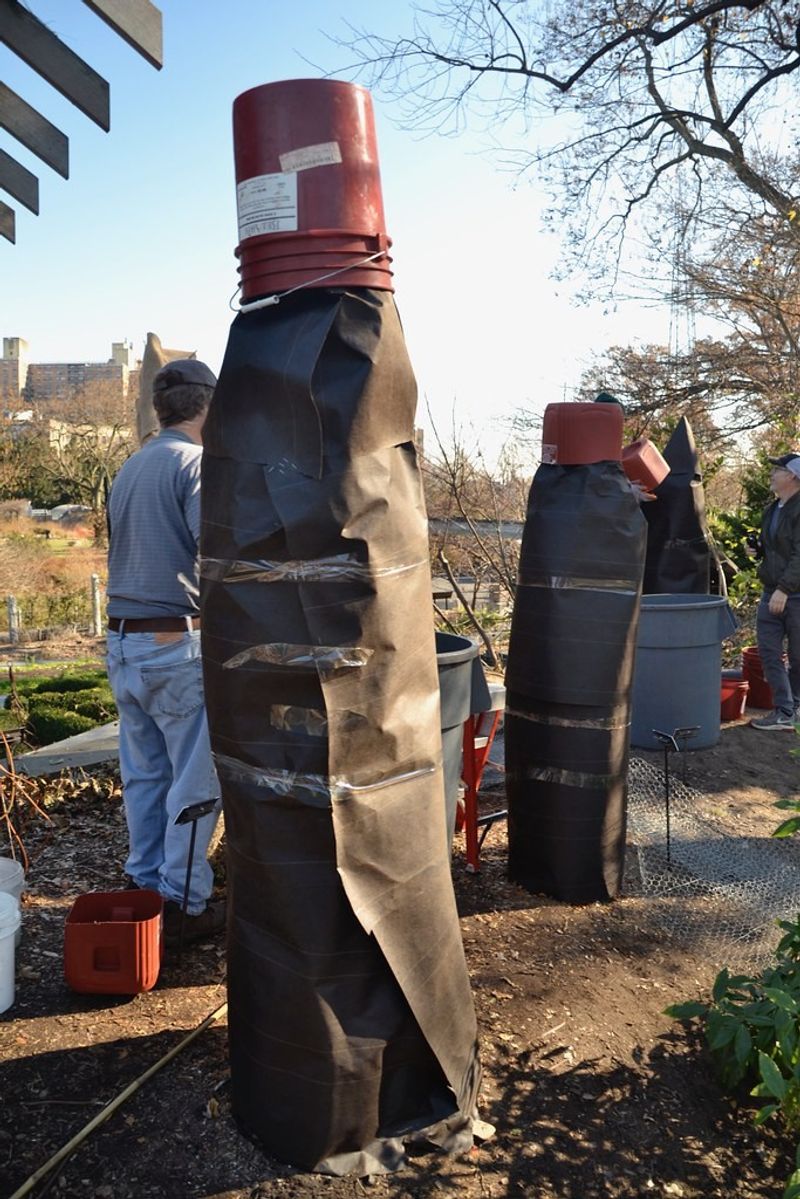
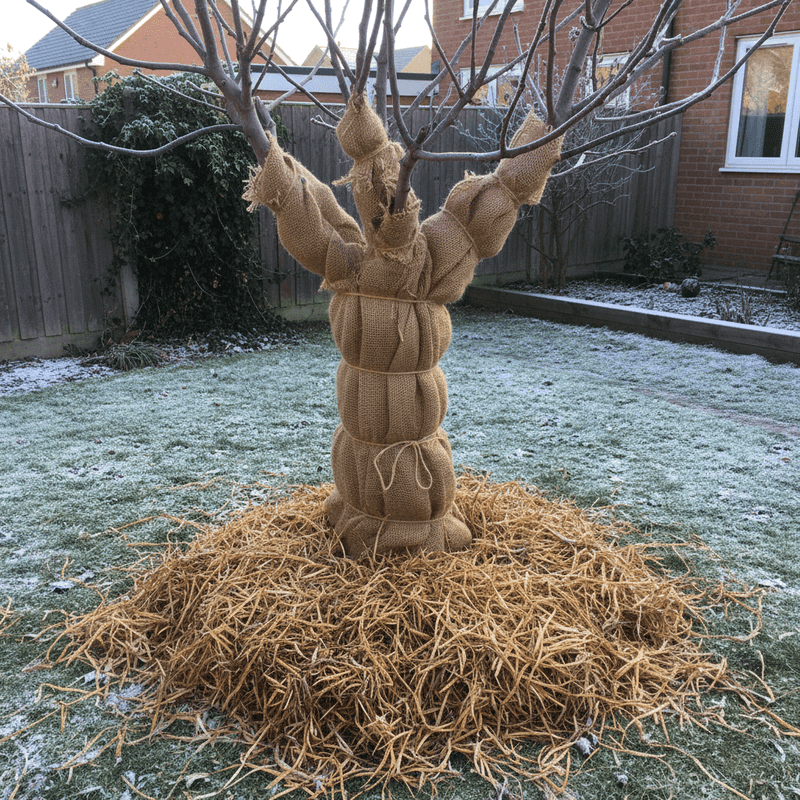
Once a hard frost has arrived, start with the basics. Penn State Extension recommends removing any remaining leaves and unripe fruit, then protecting the base with 6 to 12 inches of organic mulch such as shredded leaves or straw.
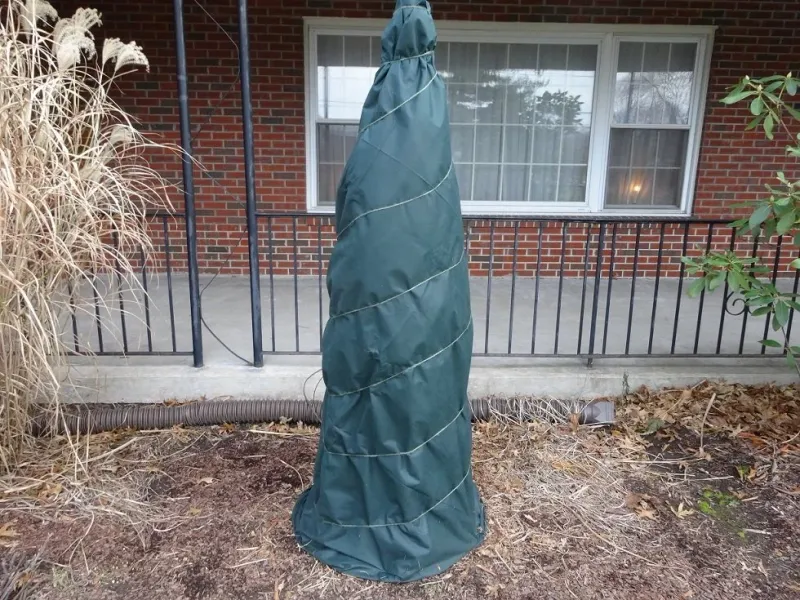
If your winters are rough enough to need more, tie flexible branches together and cover them with breathable material like burlap or fabric. Add loose insulating fill, such as leaves or straw, around the bundle.
An outer tarp can then shed rain and snow, as long as you leave the bottom open for ventilation.
Think of it as layers: breathable on the inside, a rain shield on the outside, and air moving through. The goal is to buffer the tree from cold swings, not to seal it in a box.
Your tree’s shape changes the job. Maryland Extension says multi-stem bushes are easier to protect than large single-trunk trees.
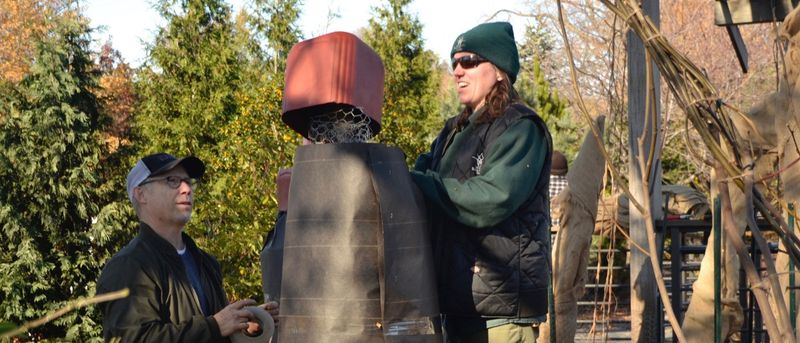
Its methods include bending pliable branches toward the ground and covering them, or filling a wire enclosure with leaves or straw.
Not every fig needs the full treatment. A small bush in a mild area may do fine with mulch alone, while a tree in a colder spot might call for the whole setup.
Even the best wrap cannot promise every branch will make it.
A container fig needs shelter for its exposed roots
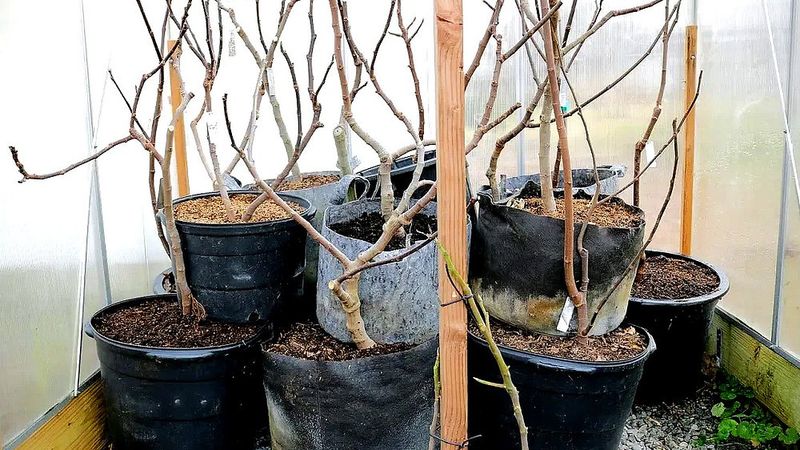
A potted fig has a built-in weakness. With cold air hitting the pot from every side, its roots lack the insulation that surrounding ground soil provides.
That makes a pot left outside more vulnerable than a tree rooted in the yard.
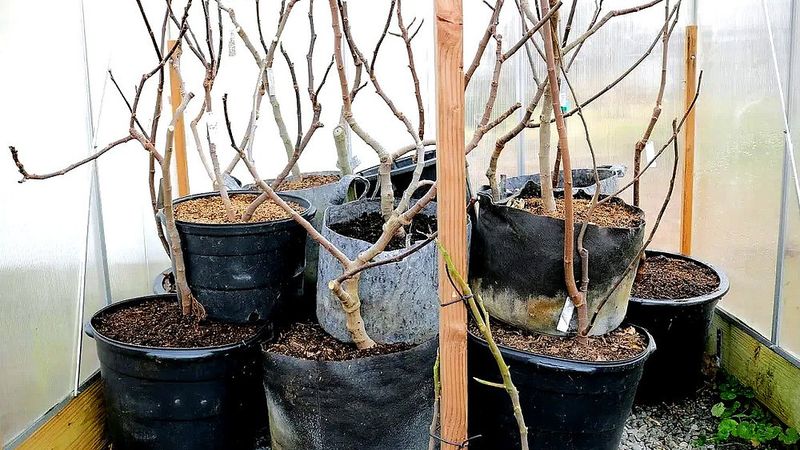
The fix is to give it a roof. Iowa State Extension suggests moving a dormant container fig to a cool, protected, unheated space before a hard freeze threatens the pot.
An unheated garage, shed, or similar spot can work for many gardeners.
Once the tree is tucked away, check on it now and then. Water sparingly, just enough that the root ball does not dry out completely, but never so much that the soil stays wet.
A dormant fig needs far less water than one in summer growth.
This approach is separate from wrapping an in-ground tree. You are not building layers around branches here.
You are relocating the whole plant so the roots stay out of the worst cold.
Choose a spot that stays cool, since you want the tree to remain dormant. As with any method, results vary, and shelter improves the odds rather than promising a perfect spring.
Avoid sealing, overpruning, or forgetting the cover
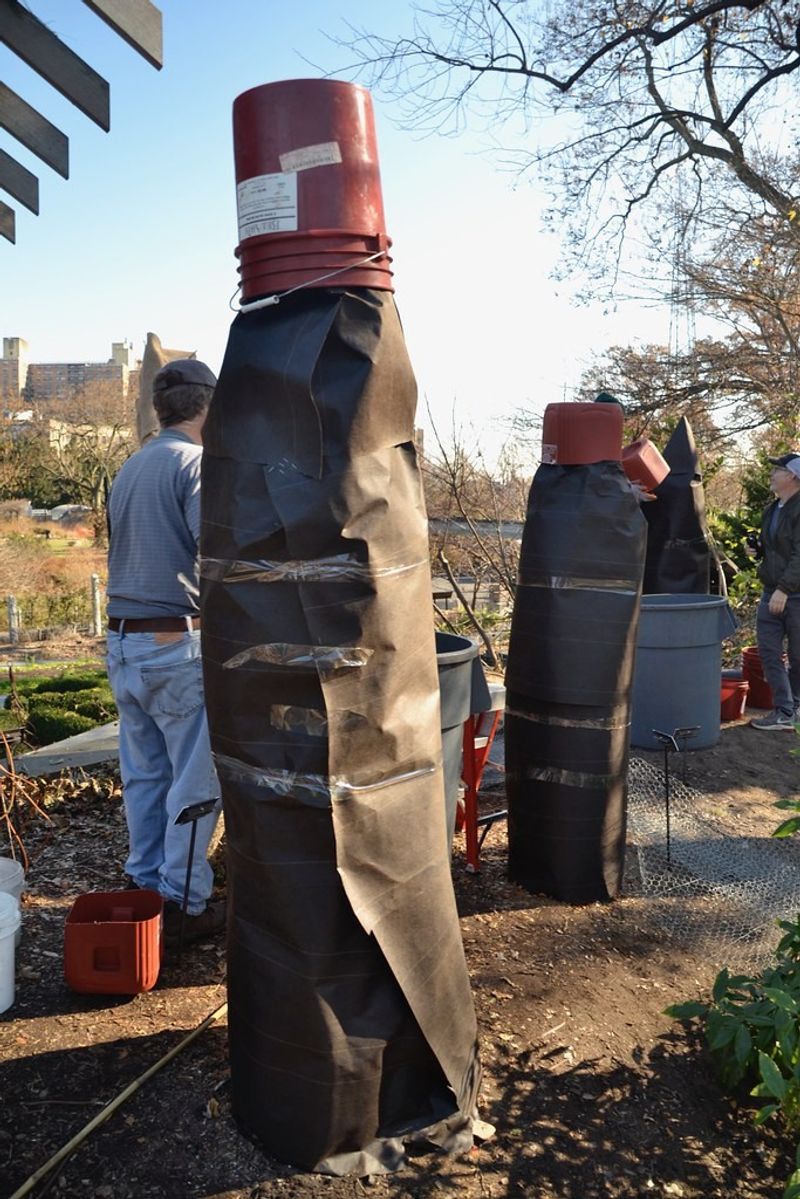
Some quick fixes cause new trouble. The biggest is wrapping a fig directly in plastic.
Penn State Extension cautions that trapped moisture may encourage fungal problems. A tarp is fine as an outer layer to shed rain and snow, as long as breathable material sits underneath and air can move in at the bottom.
Pruning is another trap. Cutting a fig back hard in fall is not a good default.
Trimming to make branches manageable is one wrapping option, but preserving live wood can matter for next season’s crop.
Dead branches are also easier to judge later. As Maryland Extension advises, wait until early spring when growth resumes, then check for winter injury and remove the dead wood.
Finally, remember that warm, cozy piles of leaves and straw can attract voles, which may chew fig bark. Secure your coverings so they stay put in wind, and peek under them from time to time on a milder day.
If you spot gnawed bark or damp, moldy material, adjust the cover before the next cold snap. A little checking now saves a lot of worry in spring.
Make your weekend plan from the forecast
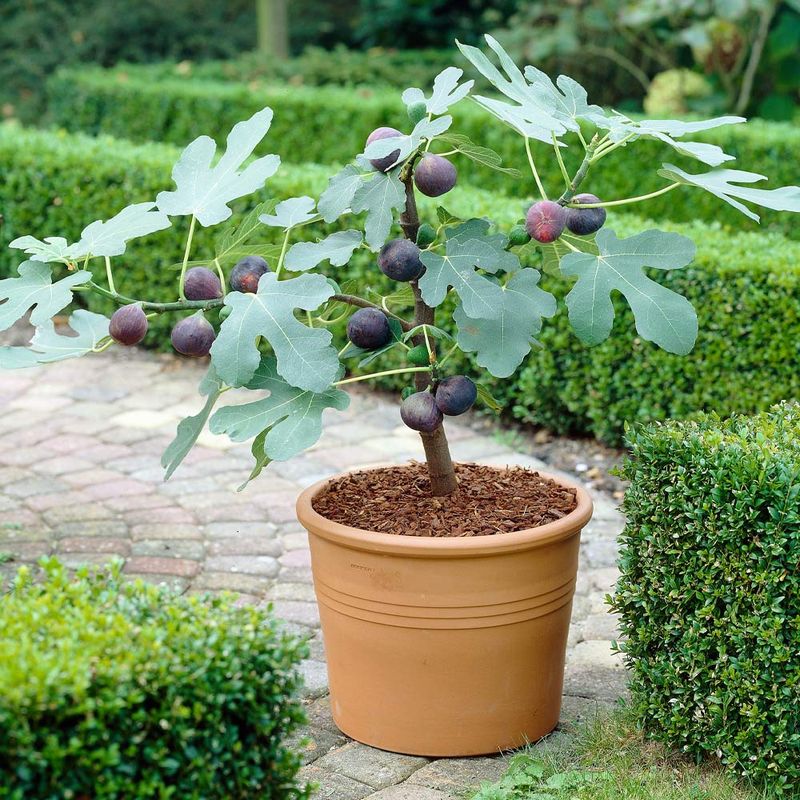
Start with the forecast and a quick look at your fig. Is it in a pot or in the ground? Potted trees may need to move into an unheated shelter first, while in-ground trees get mulch and, if needed, breathable layers once leaves drop after a hard frost, as Penn State and Iowa State describe.
A first frost alone does not prove your tree is lost, and Maryland Extension reminds growers that stems can still suffer dieback despite care.
Do what you can, then let spring show you the rest.