
Your Lantana Stopped Flowering? How to Support Late-Season Blooms
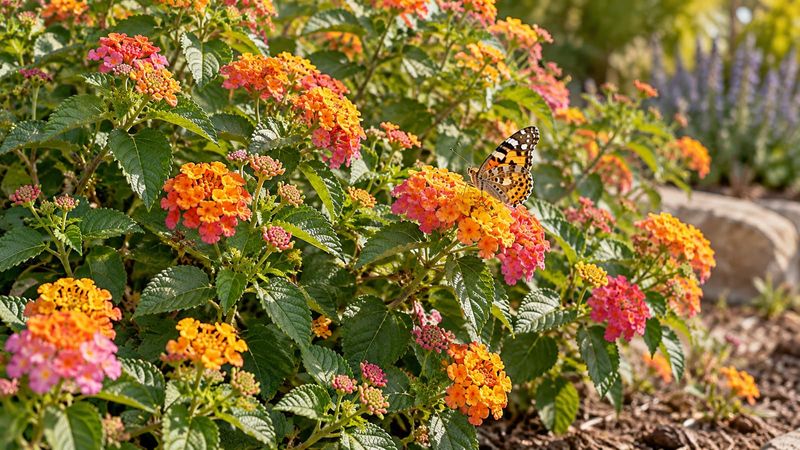
Your lantana was a color machine all summer, and now the flowers are thinning out. It is easy to worry that you did something wrong.
Most of the time, fewer blooms in fall are a signal to check a few simple things, not a sign of damage. Here is how to figure out what your plant needs, and what to leave alone.
A late-season lull does not call for a root rescue
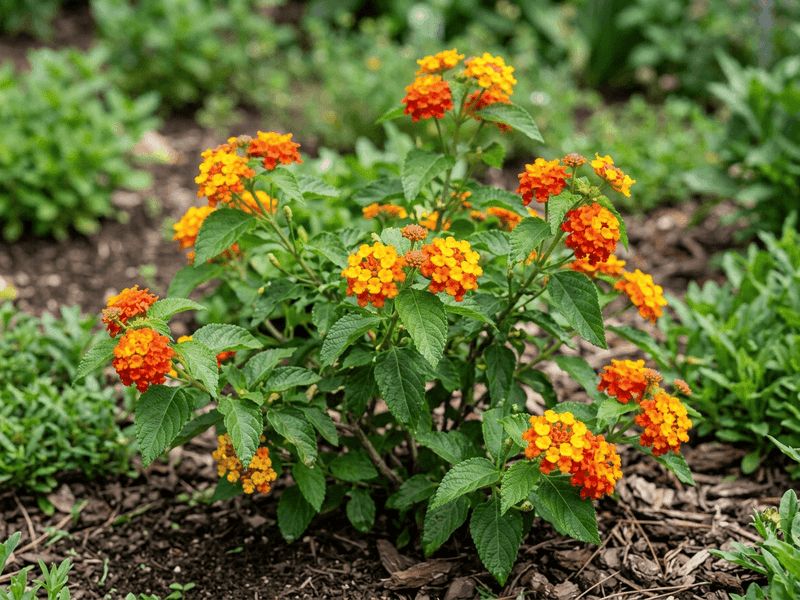
Fewer flowers on a lantana in fall can feel alarming, but it does not prove the roots are damaged by heat. Think of it as a clue to look into.
Cooler nights and shorter days naturally slow a lot of plants down.
According to Clemson Extension, lantana may bloom less if it has been too dry for a long stretch. Other extension sources point to poorly drained soil, too little sun, too much water, or too much fertilizer as common reasons for fewer flowers.
UC IPM notes that overwatering can cut flowering, and a University of Nevada, Reno Extension publication describes lantana as a tough, heat-loving shrub that does best with sun and good drainage.
None of these sources describe a special fall treatment for heat-stressed roots. So skip digging, repotting, or a blanket dose of water or plant food.
Instead, look at what the plant is actually living with: how much sun it gets, how the soil feels, and what you have been feeding it lately.
Weather, your location, and the particular cultivar all affect how long lantana keeps flowering. A small slowdown in a cooling week may be perfectly normal.
Diagnose first, and change only what the plant shows you needs changing.
Check whether the soil is dry, soggy, or draining poorly
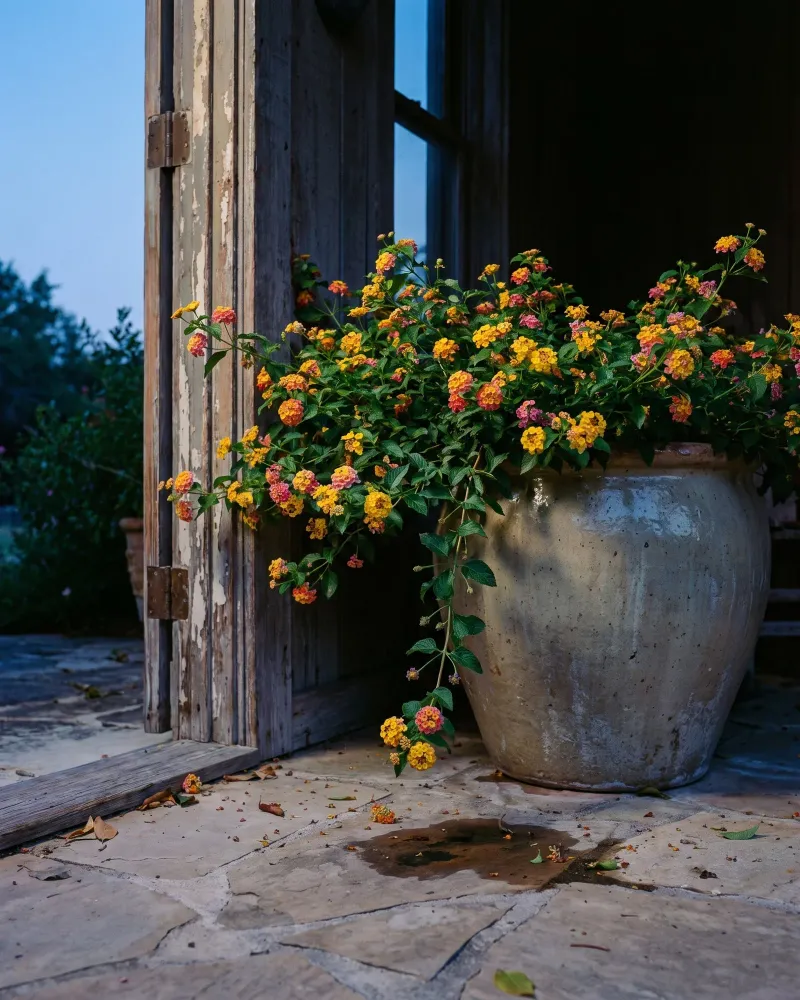
Before you reach for the hose, check the root zone. Push a finger a couple of inches into the soil near the plant.
Dry and crumbly, damp, or soggy each tells a different story.
For established in-ground plants, Clemson Extension suggests a thorough weekly watering during bloom when rainfall is under about 1 inch that week. It also warns that prolonged dryness reduces bloom and growth.
Treat that as a regional guideline, since your soil type, rain, and local weather may call for something different.
Container lantana works differently. Pots dry out at different rates depending on size, material, sun, and wind, so a fixed calendar does not fit.
Illinois Extension advises checking the potting mix and making sure extra water can drain out. Waterlogged soil starves roots of oxygen.
Too much water is just as real a problem as too little. UC IPM notes that lantana blooms less if overwatered.
If the soil is bone dry well below the surface, a deep soak makes sense. If it is wet or the pot sits in a saucer of water, hold off and fix the drainage.
Water only when the soil tells you to.
Full sun and restrained feeding support flowering
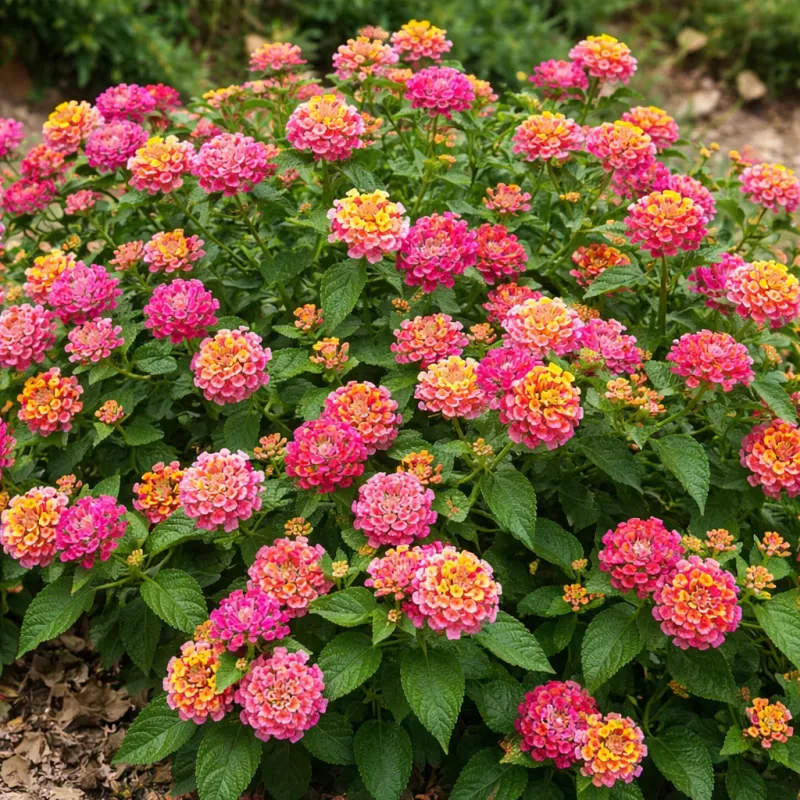
Take a walk around your yard at different times of day. Fall sun sits lower, and a tree or fence that never mattered in July may now shade your lantana for hours.
Lantana grows best in full sun, and Clemson Extension notes that shade can reduce flower numbers.
A UC Cooperative Extension newsletter also recommends full sun and well-drained soil for this plant. If a potted lantana is in a dim corner, moving it to a brighter spot is an easy, low-risk change.
Now think about feeding. Lantana needs very little fertilizer, and Wisconsin Horticulture explains that too much can mean fewer flowers.
That is why a high-nitrogen bloom booster is not a smart default fix. Heavy feeding tends to favor leafy growth over blooms.
If you have been fertilizing often, simply pause. If you have not fed it at all, there is no need to start now just because flowers are thinning.
Keep expectations realistic. Adding sun or skipping plant food may help, but neither one promises that blooms will return right away, especially as nights cool down.
Deadheading depends on whether your lantana sets seed
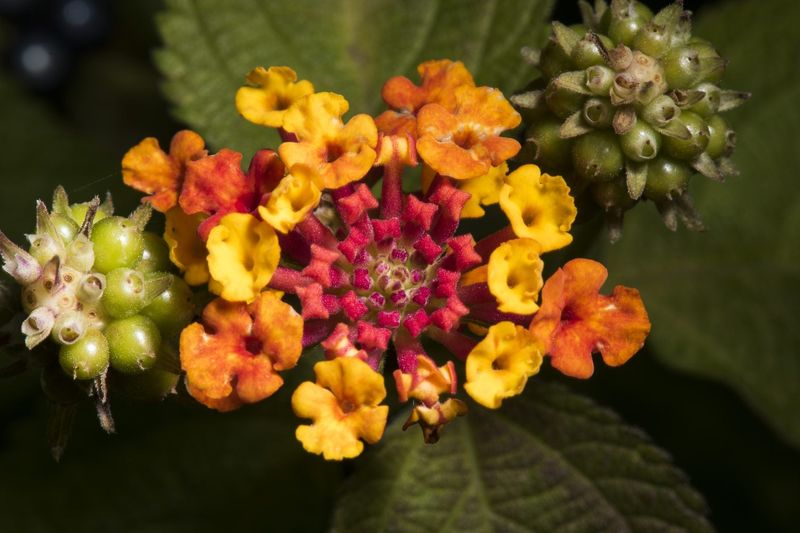
Not every lantana needs a weekly snipping session. Some cultivars produce loads of seed, and others barely make any.
The quick test is to look closely at the spent flower clusters for small green berries forming.
According to Arkansas Extension, weekly deadheading may help cultivars that set abundant seed, but it is unnecessary for those that rarely set seed. Wisconsin Horticulture makes a similar point about differences among types.
If your plant is heavy with berries, removing the spent clusters may free up energy for more flowers. If it stays tidy and seedless, you can skip the chore without guilt.
A safety note before you start. UF/IFAS warns that lantana leaves are highly toxic to animals and unripened berries are poisonous.
Keep pets and children away from the plant, never taste the berries, and consider wearing gloves while you work.
Deadheading is optional, cultivar-dependent, and safe to adjust as you learn how your own plant behaves.
Keep fall pruning light unless local advice says otherwise
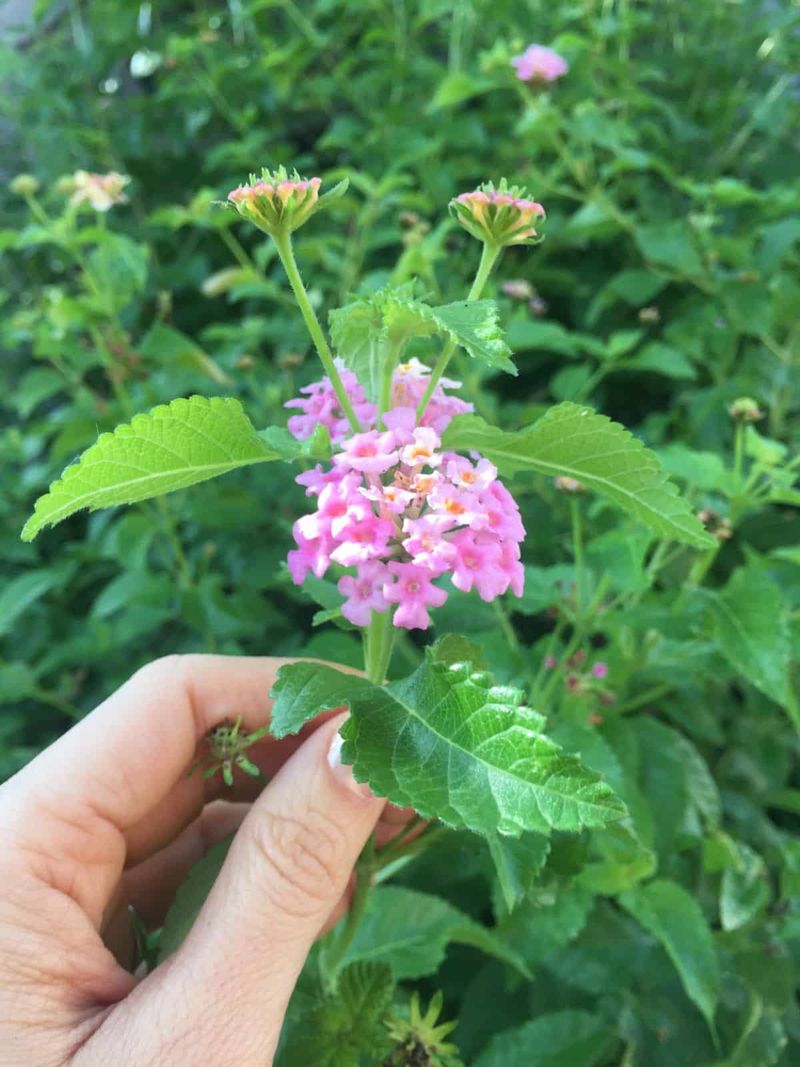
A tidy-up trim is one thing, and a big autumn haircut is another. Light shaping during the growing season, such as tipping a few stray stems, is low risk.
A severe cut in fall is where the advice starts to split.
Clemson Extension cautions against hard fall pruning because it can reduce cold hardiness. For perennial lantana, it recommends hard pruning in spring instead.
Florida guidance reads differently. UF/IFAS describes cutting lantana back near the end of the growing season.
Winters and plant types differ there, so neither region’s practice should be treated as a rule for the whole country.
The safest path is to avoid a drastic fall cut unless your local extension office supports it for your area and your lantana. A quick call or a look at your county extension website can settle the question.
If your plant is still flowering, there is little reason to cut it hard at all right now.
Frost limits the season, not a bloom routine
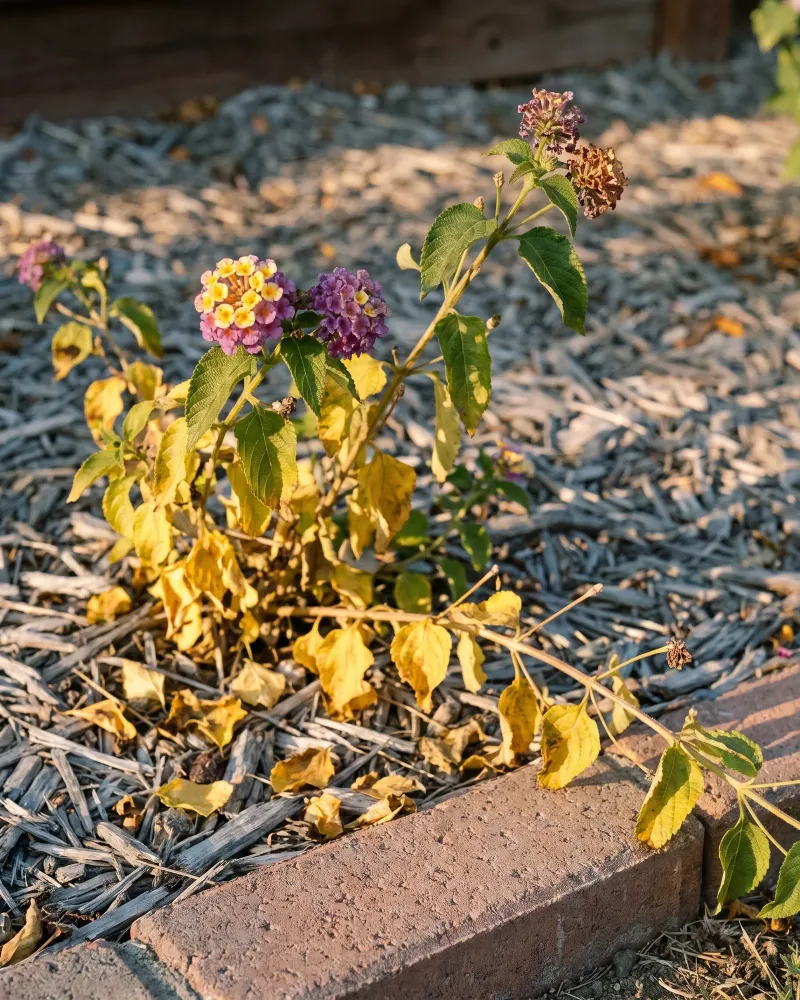
Lantana can keep flowering late into the season, sometimes until frost. But no care routine can guarantee blooms right up to that day.
Cooling weather and frost set the limits, and the plant follows the weather more than your schedule.
Cold tolerance also varies. Clemson Extension and a University of Nevada, Reno Extension publication both reflect that lantana species and cultivars differ in how they handle cold.
Wisconsin Horticulture treats it as an annual in colder climates, while milder regions may see it return.
That means there is no single overwintering rule for every yard. Your neighbor’s plant may survive winter while yours does not, and that does not mean you did anything wrong.
If you grow lantana in a pot and want to protect it, you can move it to a sheltered place when frost threatens. UF/IFAS lists this as an option for tender potted plants.
Enjoy the flowers while they last, and check your local forecast and extension advice for what comes next.
Make one measured adjustment, then watch the plant
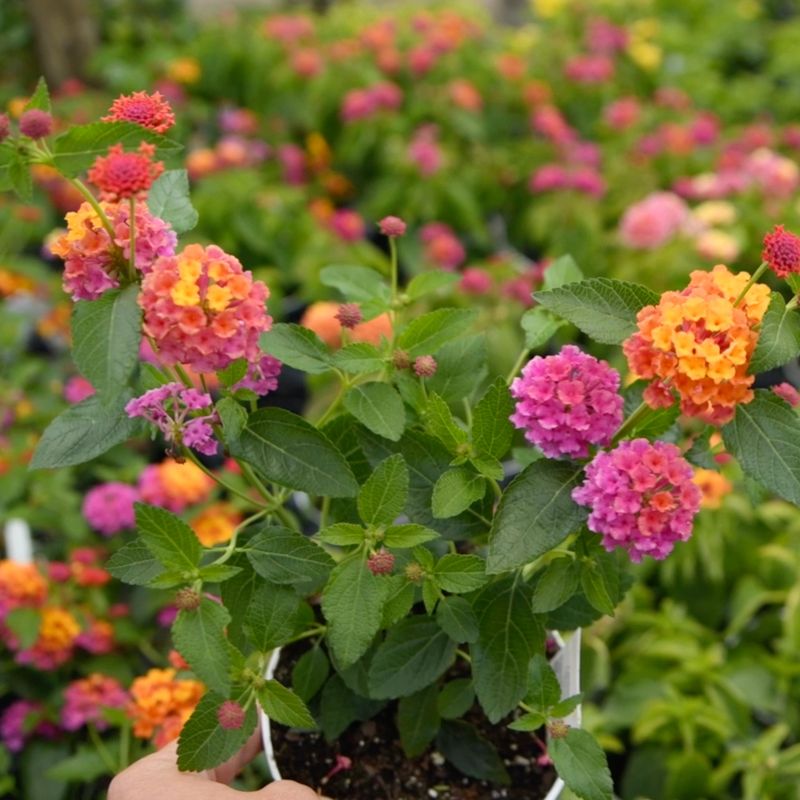
Keep it simple. Check the soil with your finger first.
If you find a clear moisture or drainage problem, fix that one thing.
Confirm the plant is getting full sun, and skip reflexive fertilizer or a drastic cut. Clemson Extension and UC IPM both back this kind of restraint.
Then give it a week or two and watch. These steps can support the blooms that remain, but they cannot promise flowers through any set date.
Sometimes the best care is patience.