
Gardenia Dropping Buds This Winter? 5 Things to Check Before You Change Your Routine
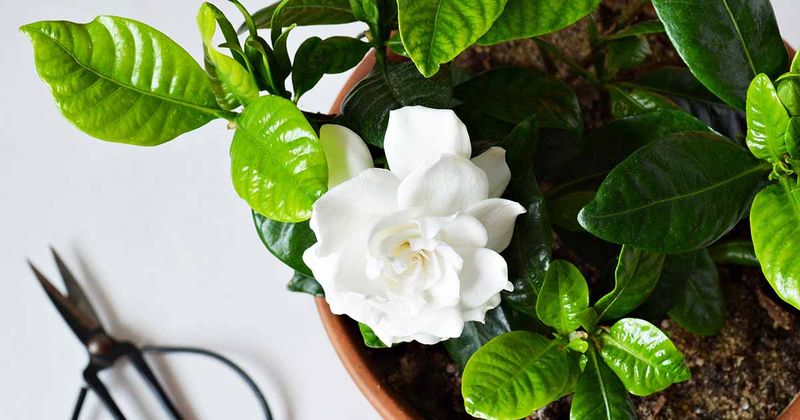
Few things sting like watching the fat green buds on your gardenia turn yellow and fall off just as winter sets in. It is easy to wonder what you did wrong, but bud drop rarely points to a single mistake.
Gardenias are sensitive plants, and several winter conditions can upset them at once. Here is a calm, low-cost way to check your plant and give it a steady reset.
Why are the buds falling?
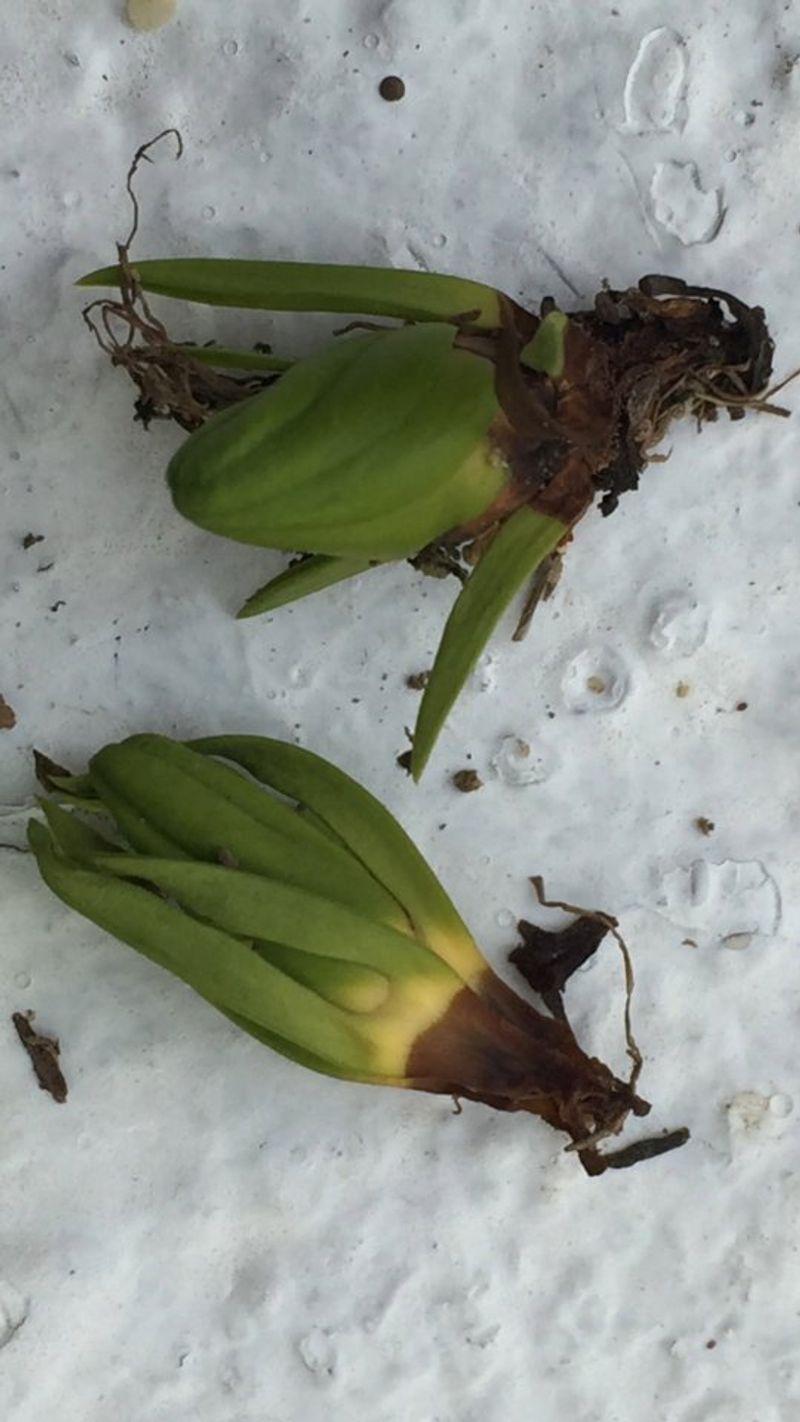
Dropped buds are a stress response, and a plant can show stress for many reasons. Gardenia owners often hunt for one guilty habit, but the research does not point to one.
UC IPM guidance on leaf and bud drop lists several possible causes, so your plant may be reacting to more than one thing.
The usual suspects in winter are temperature swings or extremes, low light, watering problems, dry indoor air, and pests. A cold draft near a window can be one of them.
Still, nothing shows that morning misting or a splash of cold water is the usual cause, so there is no need to blame yourself.
Clemson Extension treats bud drop as a sign of an underlying stressor rather than a disease. That is helpful news, because it means you can play detective instead of reaching for a spray or a cure-all.
Start by noticing the plant’s surroundings. Is it near a heating vent or a leaky window?
Does the light look dim by midafternoon? Is the soil bone dry or soggy?
Are there tiny insects under the leaves? Jot down what you see, and you will have a short list to work through in the sections ahead.
Keep in mind that even a well-cared-for gardenia may lose a few buds, especially after being moved. The goal is to remove stress you can find, not to chase perfection.
A bright window can still be a drafty location
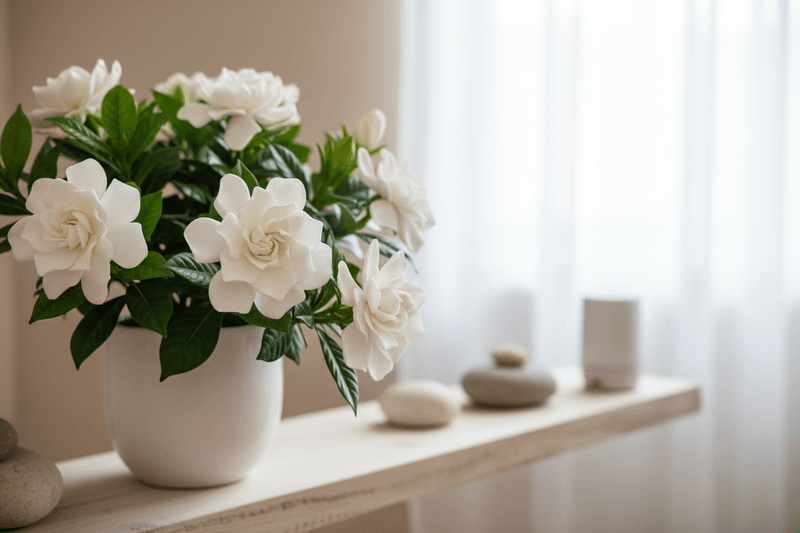
Gardenias want plenty of light, and in winter the brightest spot in the house is usually by a window. So a window is not automatically a bad home.
The trouble starts when that same spot has cold air leaking around the frame or swings from chilly at night to hot when a heater kicks on.
Both the New York Botanical Garden and the Royal Horticultural Society stress good light, while also warning that drafts and large temperature changes can stress buds. The point is to separate bright from drafty, not to trade one for the other.
Try a simple test. Hold your hand along the window edge and the floor beneath it on a cold morning.
If you feel a stream of cool air, or the leaves touch cold glass, shift the plant a foot or two back, or add a curtain or draft stopper. Keep it away from heat vents and fireplaces too.
Do not move the gardenia to a dim corner just to escape the cold. Low light can cause its own bud loss.
Look for a bright, steadier place, such as a spot a short distance from the glass or beside a window that does not leak air.
Temperature advice varies by source. Iowa State suggests about 55 to 65 degrees F at night, and NYBG gives a slightly narrower range while buds form.
Treat these as helpful ranges, and aim for steady conditions rather than one exact number.
Water by the mix, not the clock
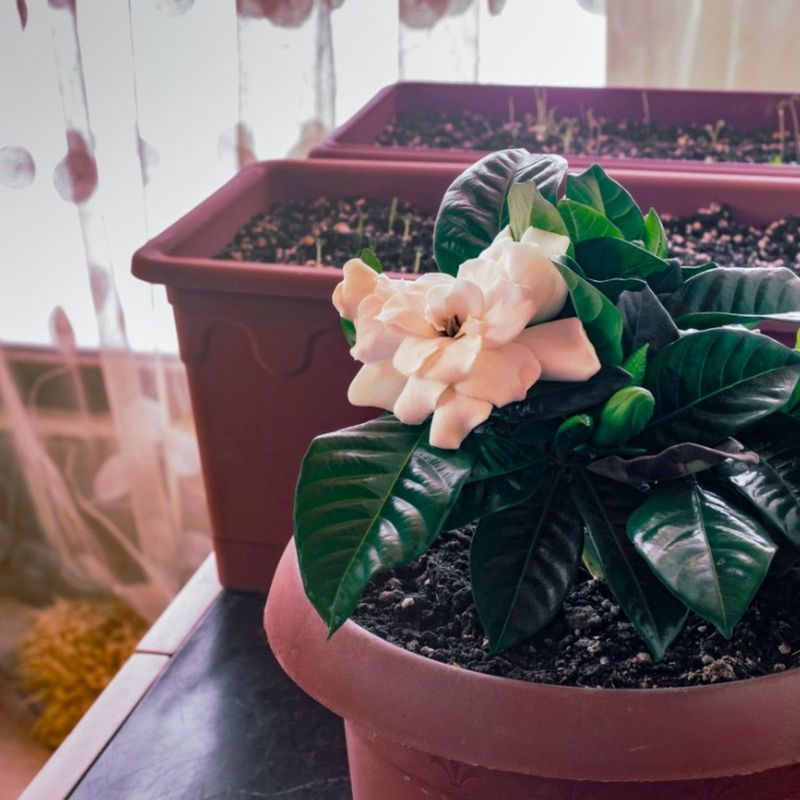
A fixed schedule is easy to remember, but plants do not read calendars. Indoor gardenias generally need less water in winter, so a routine that worked in summer can leave the mix soggy by January.
Instead, push a finger into the potting mix. Iowa State advises watering when the soil surface becomes dry, and not leaving the pot standing in water.
If the top feels damp, wait a day or two and check again.
Morning watering is not the problem. The New York Botanical Garden actually recommends a thorough morning watering when the mix needs it.
What matters is whether the plant is getting water at the right moments. Water until it drains from the bottom, then empty the saucer so the roots are not sitting in a puddle.
Aim for mix that stays lightly moist, never waterlogged and never allowed to dry out completely. Both extremes can stress a gardenia and may lead to dropped buds.
As for water temperature, the RHS suggests letting water reach room temperature, and NYBG suggests tepid water. That is sensible, gentle care.
It is not proof that cold water is behind bud drop, so use it as a habit that costs nothing rather than a cure.
Misting is a short-lived fix for dry air
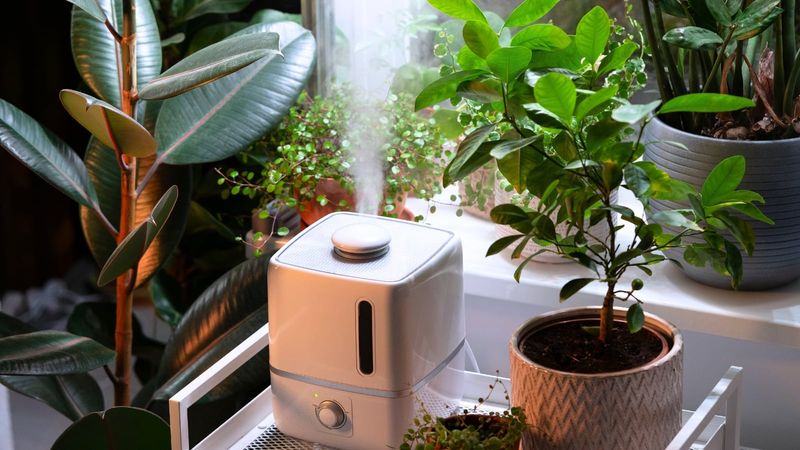
Winter heating dries out indoor air, and gardenias like humidity. Many people reach for a spray bottle, but the boost from misting does not last.
Penn State Extension explains that humidity rises only until the water evaporates, which is often a matter of minutes.
There is a second reason to skip it. The New York Botanical Garden warns that water droplets on buds or flowers can cause discoloration and fungal disease.
The RHS likewise advises against misting when gardenias are in flower, since petals can mark.
If your air feels very dry, a small humidifier placed nearby is a more direct choice. Point the mist away from the plant so leaves and buds do not stay damp for long stretches.
If you do not own a humidifier, group plants together or keep the gardenia in a room that is not heated as heavily. Neither trick is a guaranteed fix, but they avoid wetting the buds.
Skipping the mister may feel like doing less, yet it removes one possible irritant from the plant’s day.
A winter reset starts with checking the plant
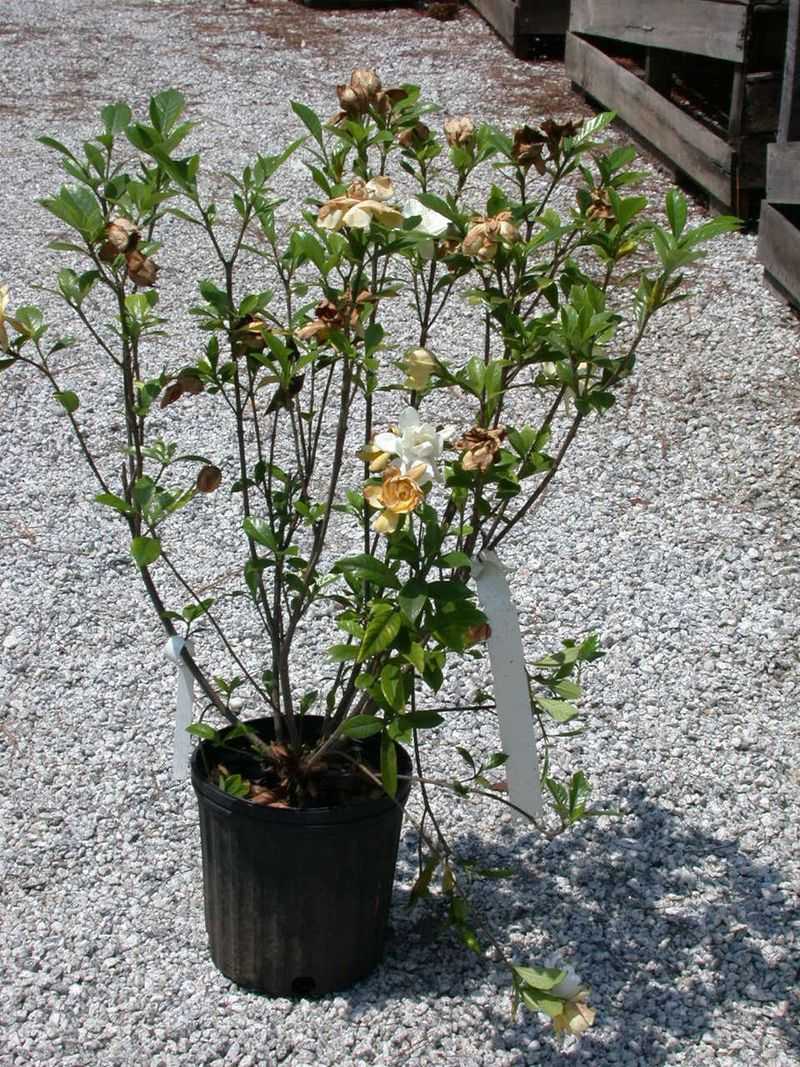
Now put the pieces together into a short walk-through. Do it once, in daylight, and fix only what you actually find.
First, check for drafts and swings. Feel around the window, doors, and vents, and notice whether the room gets much hotter or colder through the day.
Second, judge the light. The plant should sit in a bright spot, so if you need a lamp to read nearby at noon, it is probably too dim.
Third, test the mix. Is it dry several inches down, or still wet days after watering?
Dry mix calls for a thorough drink, while soggy mix calls for patience and a pot that drains well. Fourth, turn over a few leaves and look along the stems for tiny insects or sticky residue.
Clemson Extension recommends finding the underlying stressor instead of treating bud drop as a disease. That means no rigid new routine and no mystery sprays unless you actually find pests.
Finally, remember the NYBG reminders: keep water off buds, aim for steady cool nights while buds form, and use a bright spot. Change one thing at a time so you can tell what helps.
Keep the routine steady while you watch for change
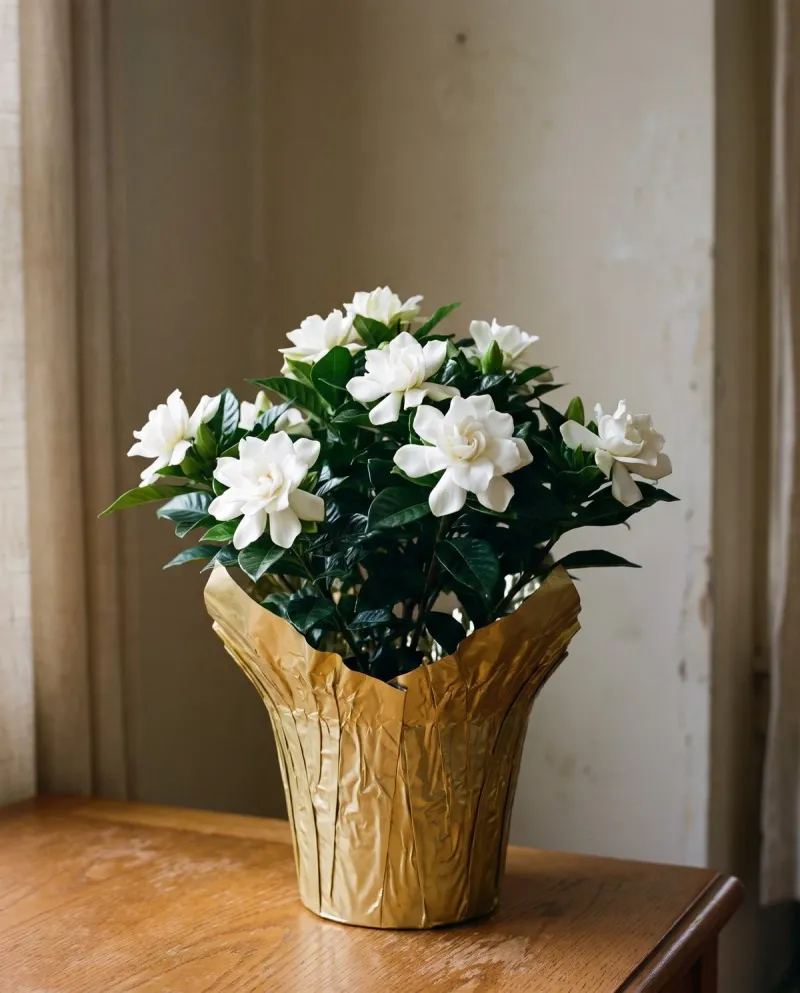
Once you have fixed what you can, let the plant settle. Moving it every few days or changing the routine again and again can add stress.
Give it a few weeks in its steady, bright spot and watch for new buds.
Some loss may still happen. The New York Botanical Garden notes that gardenias are sensitive, and a move or the shift indoors after summer can coincide with bud drop.
A few fallen buds are not a verdict on your care.
Gardenias reward patience more than panic.