
Ripe and Soft: When North Carolina Persimmons Are Truly Ready to Eat
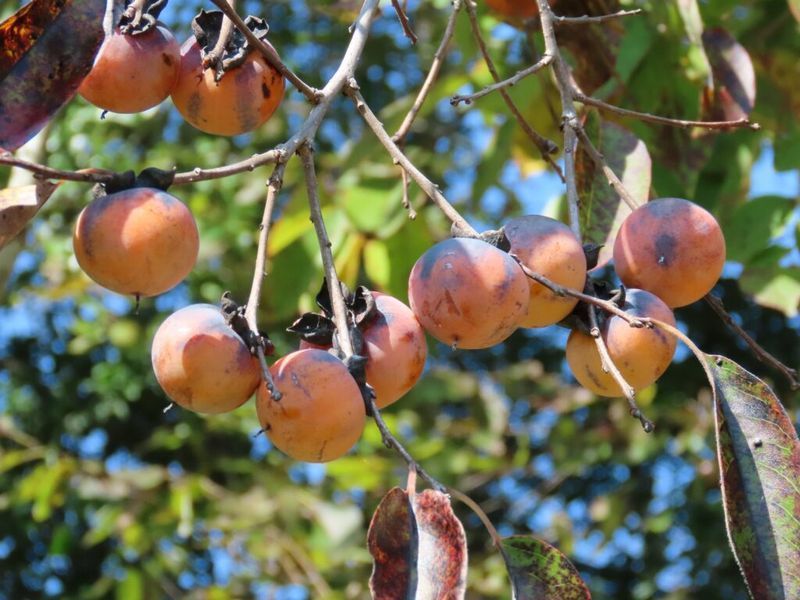
Almost everyone who grew up around a persimmon tree remembers the bite that dried out the whole mouth. That wild fruit can turn from awful to wonderfully sweet, and the secret is not what most people say.
Many folks swear you must wait for frost, but your own fingers are a better guide. Here is how to tell when the fruit in your North Carolina yard is ready, and how to share it with the critters that love it too.
That mouth-drying bite has a name
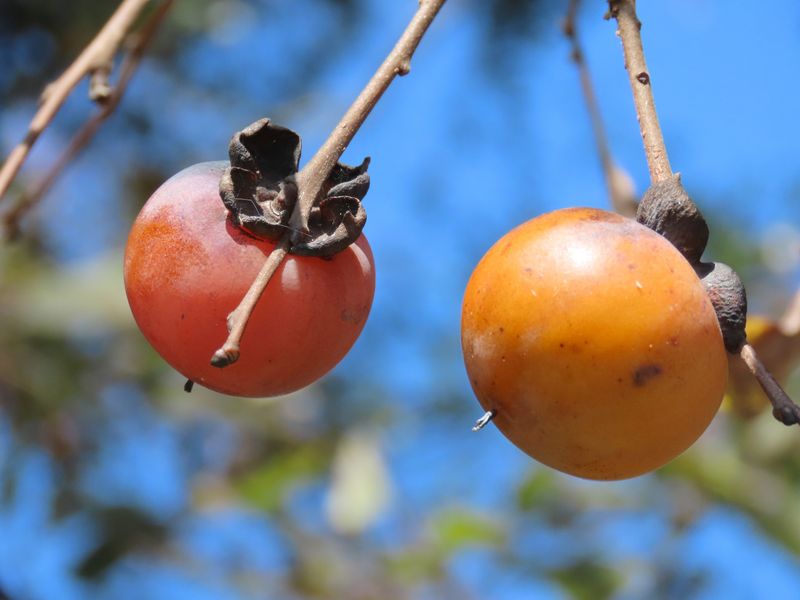
Bite into a firm native persimmon too early and your tongue feels like it has been rolled in chalk. Your cheeks pull inward, your lips tighten, and the dry feeling lingers for minutes.
That sensation is called astringency, and unripe American persimmons (Diospyros virginiana) have it in a big way.
According to N.C. Cooperative Extension, the fruit should be fully colored and very soft before you eat it.
Until then, it is strongly astringent. A guide in the Carolina Gardener persimmon publication also notes that fruit from wild seedling trees can vary in quality, so not every tree will give you a sugary prize.
The pucker is unpleasant, but it is not a sign of poison. It is simply the fruit saying it is not finished yet.
That raises the big question every backyard gardener asks: does frost fix it, or does ripeness do the real work? The answer changes how you walk out to your tree this fall.
The first frost is not the ripening switch
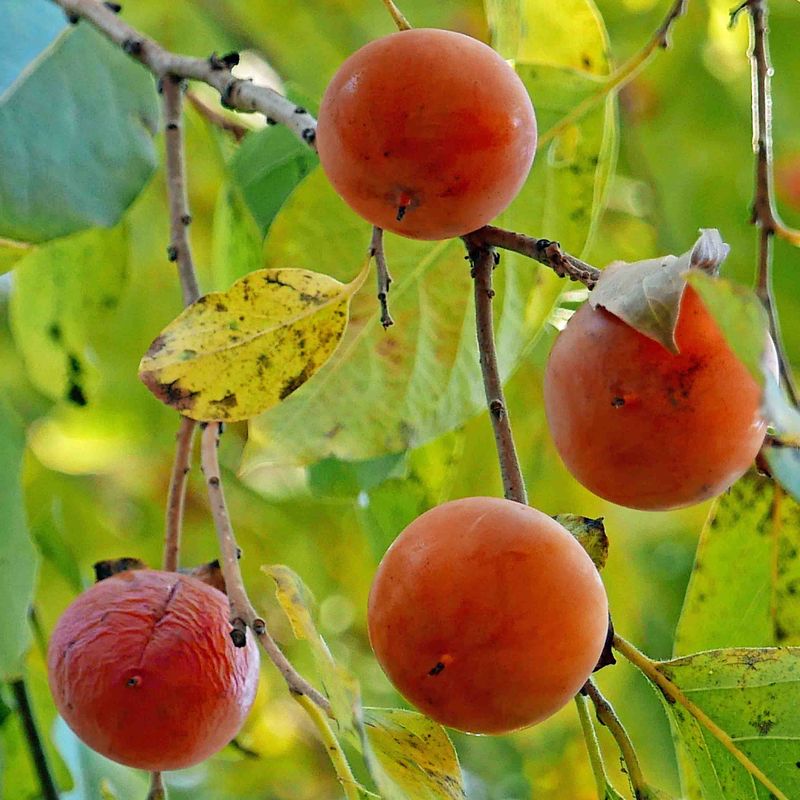
Old stories say a persimmon is worthless until Jack Frost visits. It makes a good tale, but N.C.
Extension calls the frost requirement a misconception. Fruit becomes palatable when it is fully ripe, and frost can actually ruin fruit that is still immature.
So why does the story stick around? Frost tends to show up in the same season that persimmons ripen, so the two events get tangled together.
A cold morning does not turn a hard, green-orange fruit into a sweet one. A soft, fully colored fruit is tasty whether or not a frost ever touched it.
There is one more twist worth keeping straight. Freezing fruit on purpose is a processing step, and N.C.
Extension says it can remove some astringency. That is different from a frosty night outdoors, and it does not prove you must wait for cold weather.
It also does not make unripe fruit ripe.
Treat frost as background weather, not as permission. Your tree will tell you more through the feel of its fruit than any thermometer will.
Look for color, then trust softness
Start with your eyes. N.C.
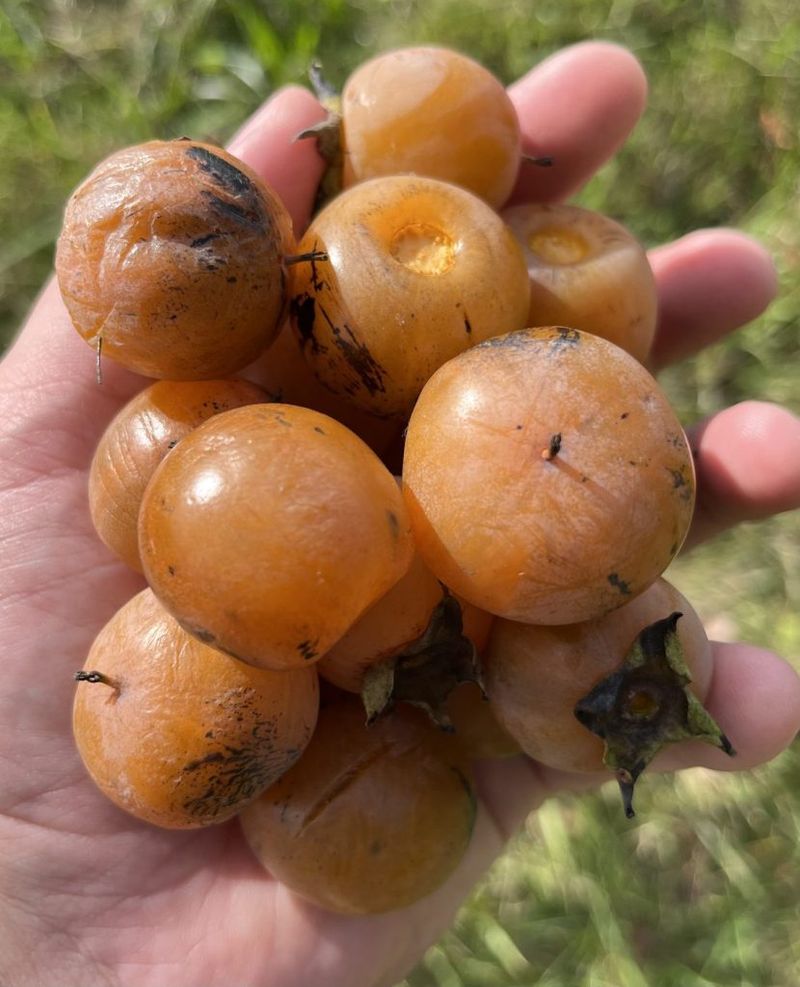
State’s Extension Gardener Handbook points to orange to reddish-brown fruit as the color to watch for, and it lists the native harvest season as September through November. That wide window is a big hint that no single date matters.
Color only gets you to the starting line. A persimmon can look rich and orange while still being tight and chalky inside.
The real test is touch: the fruit should feel very soft, almost like a ripe water balloon, before you eat it.
Try this on your next walk. Cup the fruit lightly in your palm and give it the gentlest squeeze.
If it springs back firmly, leave it or plan to finish it indoors. If it gives easily and the skin looks wrinkled or dull, it is a good candidate for a taste.
Fruit that has dropped to the ground and feels soft is often the easiest to judge. Skip any that are moldy or sour-smelling.
Let your fingers, not the calendar or the weather forecast, make the call.
Firm fruit can finish ripening indoors
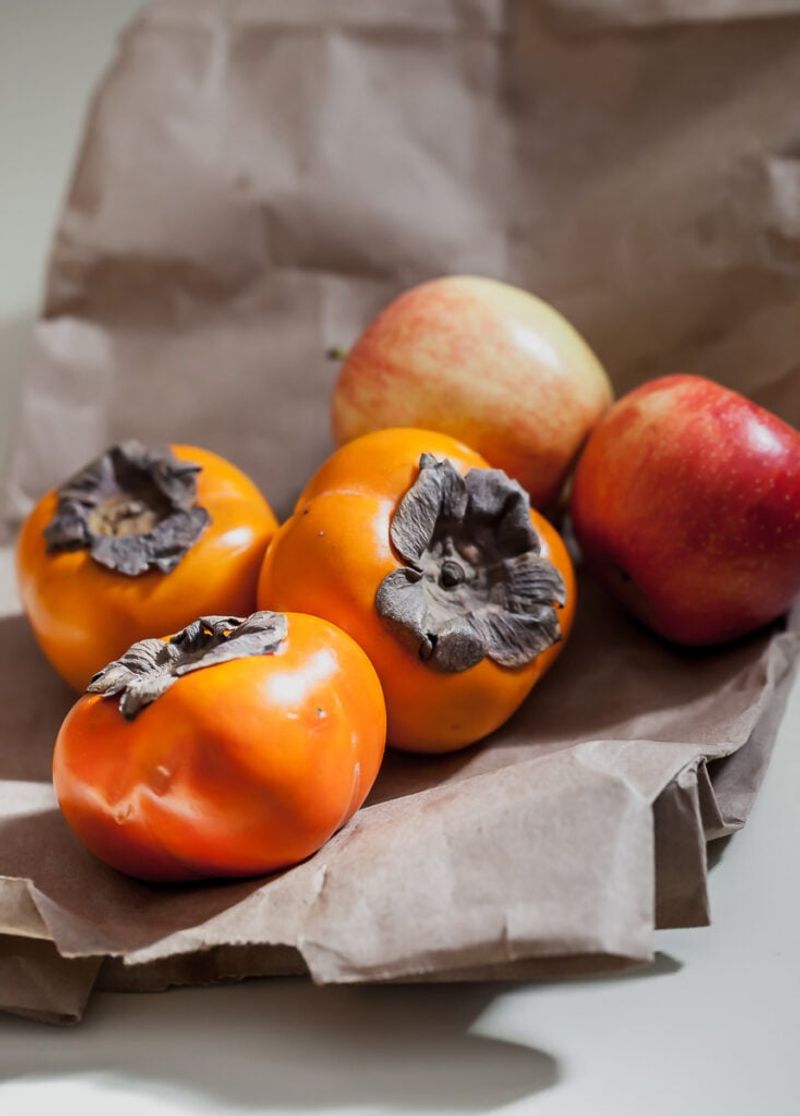
Ripe persimmons are delicate. They bruise easily, so pick them gently, set them in a shallow basket rather than a deep bucket, and avoid stacking them high.
A soft fruit tossed in a pile can turn to mush before you get it to the kitchen.
If a fruit is fully colored but still firm, you do not have to give up. N.C.
State says native persimmons continue ripening after picking. That makes indoor finishing a handy backup when squirrels and raccoons are eyeing your tree.
For a speed boost, a Carolina Gardener guide describes putting fully colored persimmons in a loosely closed bag with an apple or banana. Check the bag daily and press the fruit gently each time.
Pull them out once they feel very soft.
This trick is only for fruit that already has good color. It will not rescue pale, immature persimmons, and it cannot promise how sweet any one fruit will taste.
Wild seedlings vary, so taste a small piece first and keep notes on which tree gives you the best flavor.
North Carolina has no single November frost date
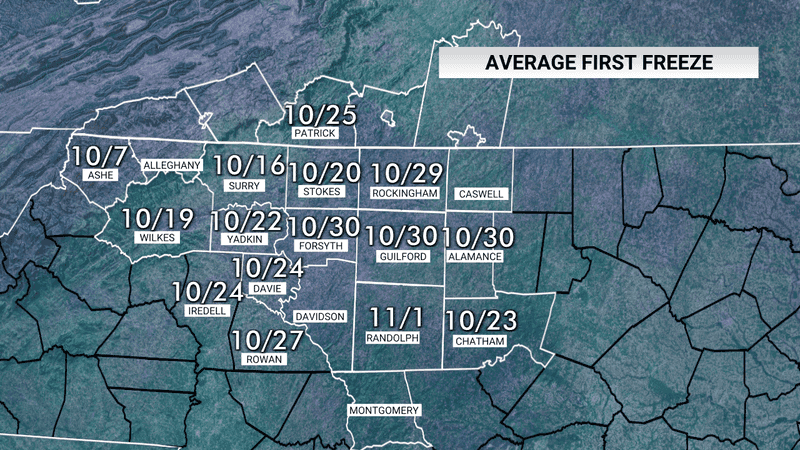
Picture three yards: one near Asheville, one in Durham, and one in Washington on the coast. Their cold seasons do not line up.
N.C. State’s average first freeze table lists Asheville in October, Durham around November 4, and Washington in Beaufort County around November 12.
Those numbers are historical averages for weather stations. They are not a forecast, and they cannot tell you what will happen in your own yard this year.
A low spot behind your shed may get cold long before a sunny slope near the house.
Words matter here too. The State Climate Office Freeze Explorer defines a freeze as air at or below 32 degrees F, measured about 2 meters above ground.
Light frost can form right at ground level when the measured air temperature is a bit warmer.
Neither event tells you a persimmon is ready. Use local weather to protect tender plants if you like, but let the fruit’s color and softness decide when to taste.
Confirm the tree before you taste the fruit
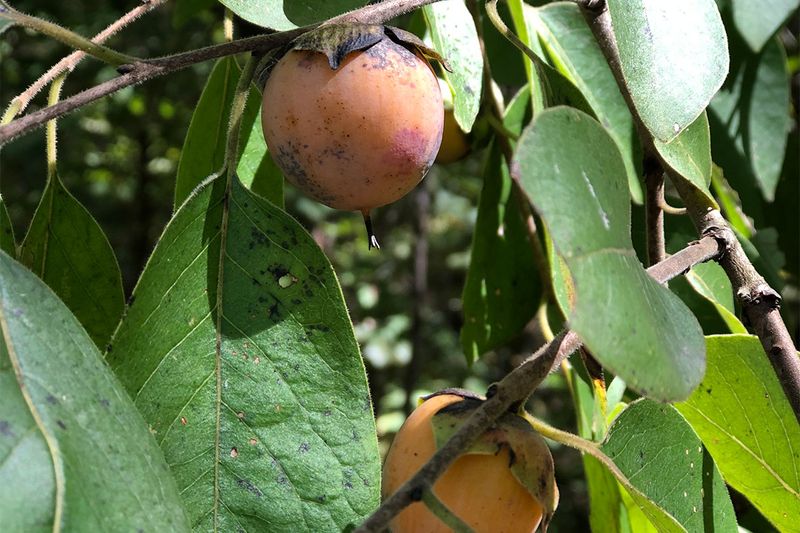
Color alone is a poor name tag. Plenty of fruits turn orange in fall, so check several clues before you taste anything.
N.C. State’s Plant Toolbox describes American persimmon fruit as yellowish to orange, usually 1 to 1.5 inches long, with a distinctive calyx and a small beak at the tip.
Look for that leafy cap clinging to the top and the tiny point at the bottom. Then check the size: native fruit is much smaller than a store-bought persimmon.
If you are unsure, ask your county Extension office or a trusted local expert before foraging.
It also helps to know the family. American persimmons and astringent Asian types need to soften before eating.
Some non-astringent Asian kinds, such as Fuyu, can be eaten firm, according to the Extension Gardener Handbook.
That Fuyu advice does not carry over to native trees. Biting a firm backyard persimmon because a grocery-store one was fine is how many pucker stories begin.
Share the fall harvest with backyard wildlife

A persimmon tree is a fall pantry for the neighborhood. N.C.
State’s Plant Toolbox notes that birds and mammals eat the fruit. Opossums, raccoons, and songbirds may all stop by.
Harvesting ripe fruit for your own kitchen is fine. Leaving some for wildlife is a reasonable, friendly choice, though there is no official share to follow.
Simply let a few windfalls and high branches stay for visitors.
Before you head out, run through your checklist: confirm the tree, press the fruit, and let softness be your green light instead of frost.
A persimmon is patient, and the best bite usually goes to whoever waits for it.